The Texas Flowers To Grow From Seed
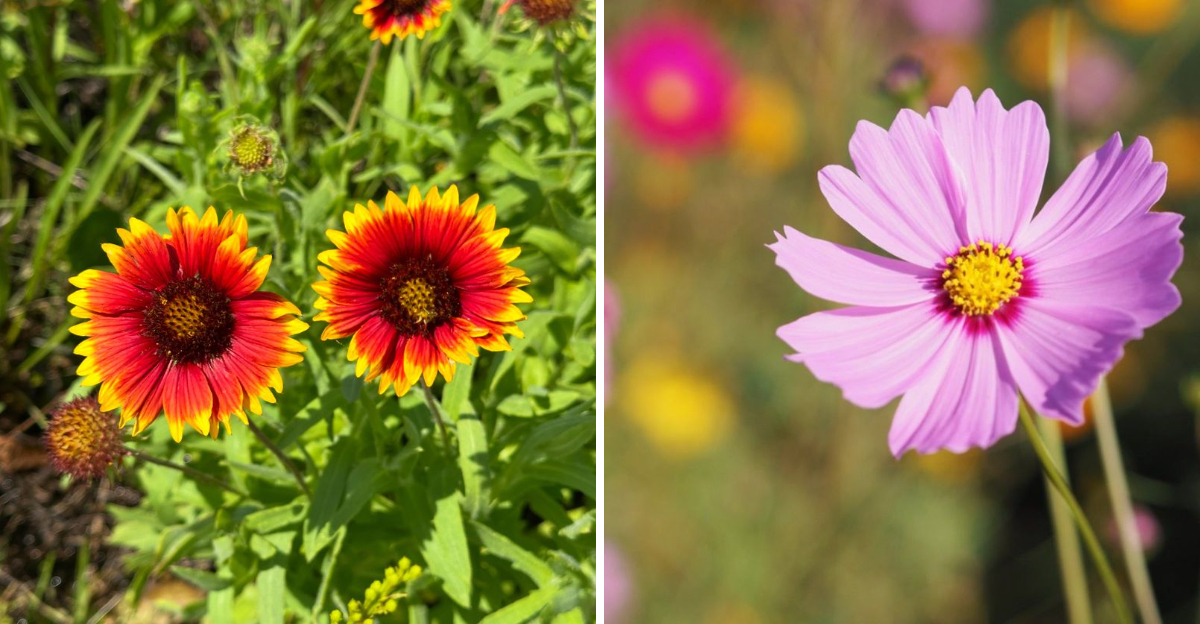
Texas is a big state with hot summers, mild winters, and soil that ranges from sandy to clay. Growing flowers from seed here can feel tricky, but it is one of the most rewarding things a gardener can do.
The best part is that many Texas-friendly flowers are tough, cheap to grow, and loved by bees and butterflies. Whether you have a wide backyard or just a few pots on a porch, there is a flower on this list for you.
Some bloom fast in the spring, while others can handle the blazing July heat without breaking a sweat. You do not need to be an expert, and you do not need fancy tools.
All you really need are seeds, sunshine, water, and a little patience. Get your gloves ready, because your Texas garden is about to get a whole lot brighter.
1. Texas Bluebonnet
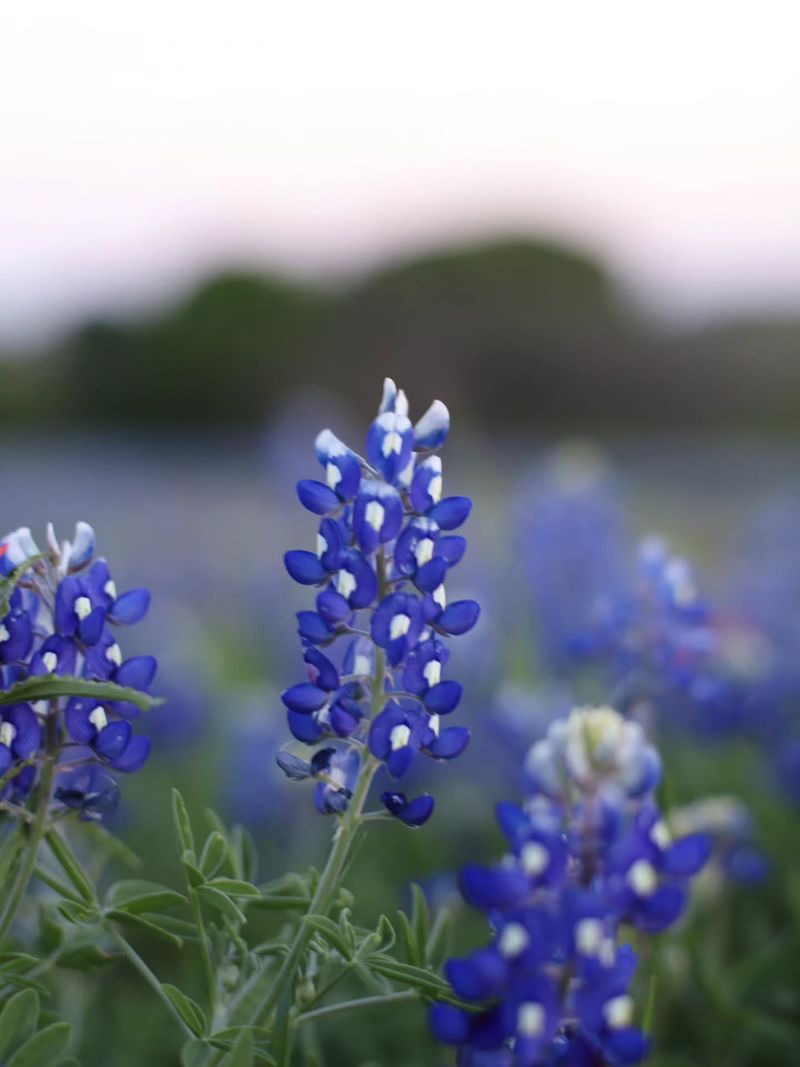
No flower says Texas quite like the bluebonnet. As the official state flower, it paints roadsides and fields a deep, dreamy blue every spring. Watching them pop up feels like the whole state is celebrating.
Bluebonnets are a type of lupine, and they grow best when you plant the seeds in the fall, usually between September and November. The seeds have a hard shell, so soaking them overnight or gently scratching the surface helps them sprout faster.
Scatter them on top of loose soil in a sunny spot and press them in lightly. These plants love full sun and do not like soggy roots, so pick a spot that drains well. They prefer well-drained soils and often perform well in sandy or rocky areas where drainage is excellent.
Once they settle in, they need very little water and almost no fuss from you. Patience matters here. The seeds sit through winter and start growing in the cool months, then burst into bloom by March or April.
If you plant them one year and let the pods dry out, they will drop seeds and come back on their own the next season.
Fun fact: Texas has passed laws to protect bluebonnets, and there are even yellow and white kinds hiding out there. Many families take spring photos in bluebonnet fields, making it part of Texas tradition.
Bees adore these flowers, so your garden will buzz with happy visitors. Just avoid picking too many, and let them reseed for next year.
With a little planning in autumn, you will be rewarded with a stunning blue carpet that shows off your Texas pride to everyone who drives by.
2. Indian Blanket
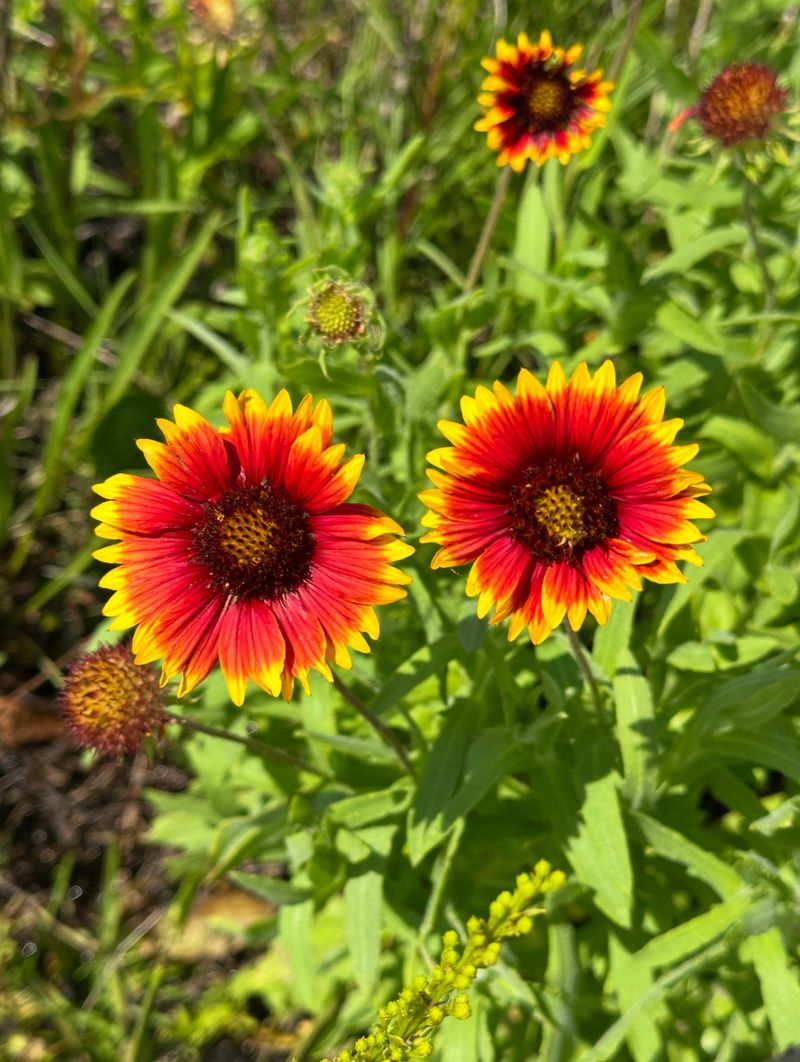
Bright red centers ringed with sunny yellow tips make the Indian Blanket look like a tiny bonfire in your yard. Also called firewheel or Gaillardia, this wildflower brings warmth and energy to any garden.
It is one of the toughest bloomers you can grow in Texas. You can sow the seeds in fall or early spring. Just sprinkle them over well-drained soil and barely cover them, since they need a bit of light to wake up.
Your Texas Garden Changes Every Week. Your Plan Should Too.
Gardening in Texas changes quickly throughout the season. Every Friday you’ll receive a simple weekly plan showing exactly what to plant, prune, fertilize, harvest, and protect so you never miss the right timing.
Full sun is their happy place, and they laugh at heat that would wilt fussier flowers. These plants are drought fighters. Once they are established, they need only occasional watering, which makes them perfect for busy gardeners or forgetful ones.
Sandy or poor soil does not bother them one bit. Blooms usually appear from late spring all the way through summer and into fall. If you snip off faded flowers, the plant keeps pushing out new ones.
Leaving a few to dry will help them drop seeds and return next year. Butterflies and bees flock to Indian Blankets, turning your flower patch into a busy little airport of wings. The steady color is a gift during the hottest stretch of the year when many plants take a break.
Here is a neat piece of history: the name comes from how the red and yellow patterns reminded settlers of woven Native American blankets. It grows wild along Texas highways, so you have probably zoomed past thousands without knowing their name.
Bring that roadside beauty home, and you will have a low-effort flower that keeps giving color long after spring fades. It truly earns its place in a Texas garden.
3. Zinnia
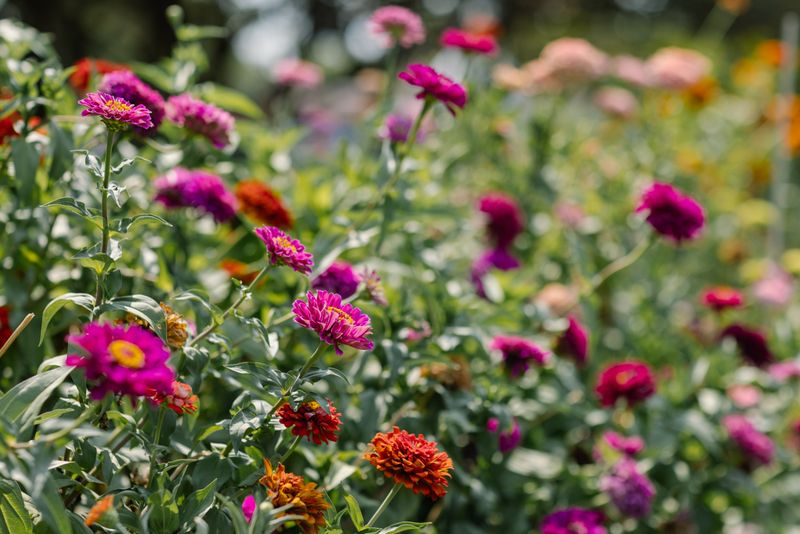
If you want a flower that gives you the most color for the least work, zinnias are your best friend. They come in nearly every shade you can imagine, from hot pink to lemon yellow to deep orange. A row of zinnias can turn a plain fence line into a rainbow.
Plant zinnia seeds after the last frost, once the soil has warmed up in spring. Push each seed about a quarter inch deep and keep the ground moist until sprouts appear, which usually takes less than a week.
That fast start makes them a great pick for kids and beginners. These plants adore heat and sunshine, so they shine during Texas summers. Give them full sun and space to breathe, since crowded zinnias can catch powdery mildew.
Watering at the base instead of over the leaves helps keep them healthy. The more you cut zinnias, the more they bloom. Snip a few for a vase on your kitchen table, and the plant responds by making even more flowers.
That makes them one of the best cut flowers for backyard bouquets. Butterflies treat zinnia patches like a favorite restaurant. Plant several colors together and you may spot monarchs, swallowtails, and skippers stopping by all season long.
Zinnias originally came from Mexico, so hot dry weather feels like home to them. They bloom right up until the first cold snap, keeping your garden lively for months.
Save a few dried seed heads at the end of the season, and you will have free seeds ready to plant again next spring. Cheerful, cheap, and nearly foolproof, zinnias belong in every Texas yard.
4. Black-Eyed Susan
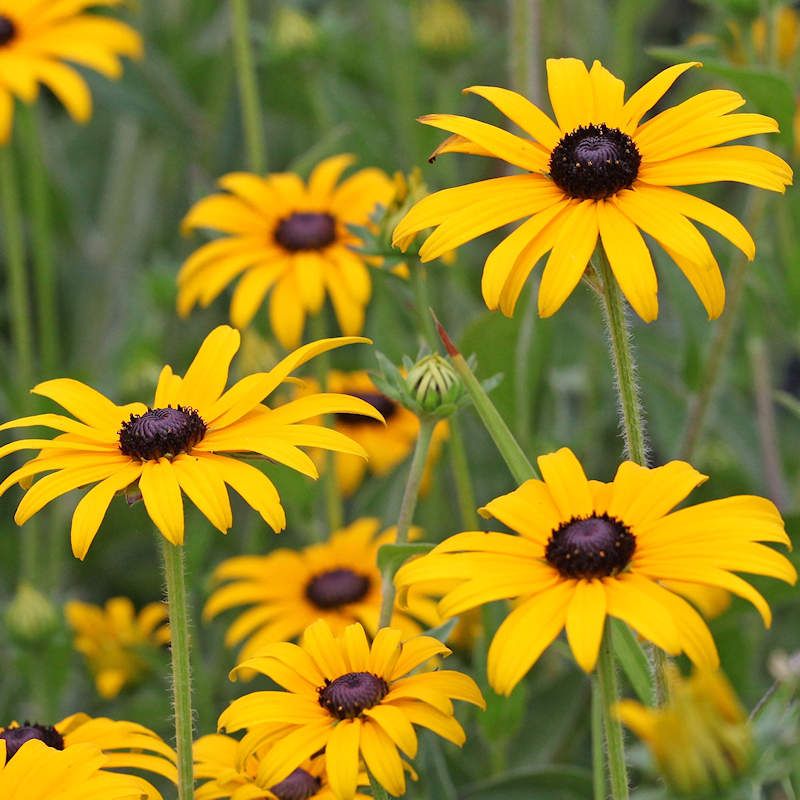
Golden petals wrapped around a chocolate-brown middle give the Black-Eyed Susan its cheerful, friendly face. This sturdy flower looks like little bursts of sunshine scattered across a garden. It is a favorite for anyone who wants steady, reliable color.
Sow the seeds in spring or fall, pressing them lightly into the soil since they like a touch of light to germinate. They are not picky about dirt and will grow in average garden soil without complaint. A sunny to partly sunny spot suits them best.
Once they get going, these plants handle heat and dry spells like champs. You will only need to water them during long stretches without rain. That toughness makes them a smart choice for Texas gardens that bake in July.
Blooms show up from early summer into fall, and removing spent flowers keeps the show going. If you leave the last blooms in place, birds like finches will swing by to munch on the seeds. That turns your garden into a snack bar for wildlife.
Black-Eyed Susans spread happily over time, filling in bare patches with fresh plants. Some types come back year after year, while others reseed themselves. Either way, you end up with more flowers for free.
A little history: these blooms are native to North America and have been growing wild across meadows for centuries. They pair beautifully with purple flowers, making a classic gold-and-purple combo that pops in any bed.
Plant a cluster near a walkway or mailbox, and you will greet every visitor with a burst of warm color. Easygoing and dependable, this flower rarely lets a gardener down.
5. Cosmos
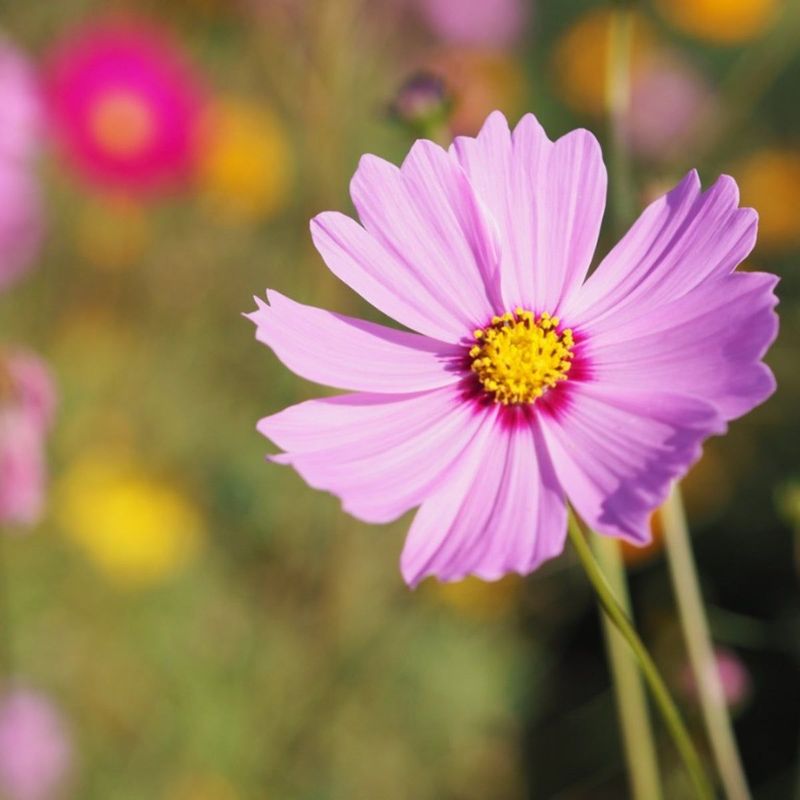
Light as feathers and swaying in the breeze, cosmos flowers bring an airy, dreamy feel to any garden. Their thin stems and lacy leaves make them look delicate, but do not be fooled. These plants are surprisingly tough and easy to grow.
Toss the seeds onto prepared soil after the last frost and cover them lightly. They sprout quickly and grow fast, sometimes reaching several feet tall by mid-summer. Because they can get tall, plant them near a fence or the back of a flower bed for support.
Cosmos actually prefer poor soil. If you give them rich dirt or too much fertilizer, you get lots of leaves but fewer flowers.
Full sun and a bit of neglect are exactly what they want, which is great news for lazy weekends.
The blooms come in soft pinks, whites, and deep magentas, floating above the plant like colorful butterflies. Speaking of butterflies, pollinators cannot resist them, so expect plenty of winged guests.
Bees and even ladybugs love hanging around cosmos patches. Cutting the flowers encourages more to grow, so fill your vases without guilt.
Deadheading, which means removing old blooms, keeps the plant tidy and blooming longer. They flower from summer until the first cold weather arrives.
Here is something fun: the name cosmos comes from a Greek word meaning harmony or order, chosen because the petals are so evenly spaced. Let a few flowers go to seed, and they will happily plant themselves for next year.
Breezy, beautiful, and low-maintenance, cosmos add a gentle charm that softens the whole garden.
6. Sunflower
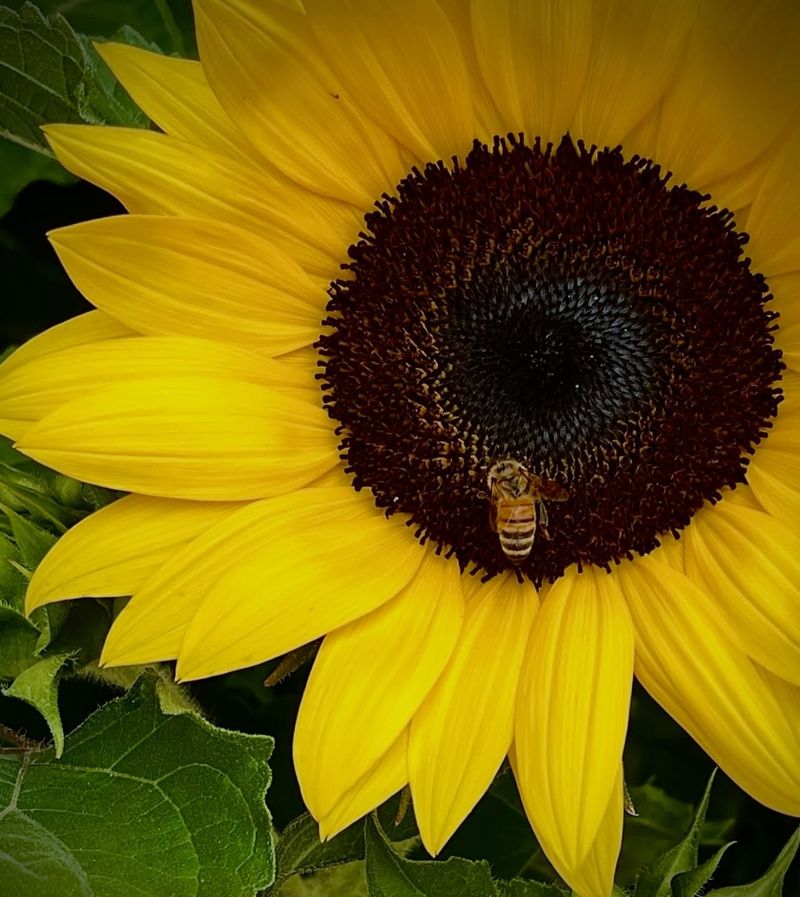
Nothing grabs attention like a towering sunflower stretching toward the sky. These giants can shoot up several feet tall, with big golden faces that follow the sun across the day. Kids love them because they grow so fast you can almost watch it happen.
Plant the seeds directly in the ground after frost has passed, poking them about an inch deep. Space them out so each plant has room to spread its wide leaves. Sunflowers want full sun, and lots of it, so give them the brightest spot you have.
Water them well while they are young, then ease off as they get established. Tall types may need a stake or a fence nearby to keep them from tipping over in Texas winds. Shorter varieties stay bushy and hold themselves up just fine.
By late summer, the flower heads fill with seeds. You can leave them for the birds, especially cardinals and finches who love the feast, or harvest them for a snack of your own. Roasting sunflower seeds makes a tasty homegrown treat.
There are many kinds to try, from single tall stalks to branching plants covered in smaller blooms. Some have red or orange petals instead of the classic yellow. Mixing several types keeps things interesting all season.
A cool fact: young sunflowers turn their faces to follow the sun, a habit called heliotropism. Native Americans grew them for food and oil thousands of years ago.
Plant a row along a wall and you get a living privacy screen that buzzes with bees. Bold, cheerful, and rewarding, sunflowers make any gardener feel like a champion.
7. Purple Coneflower
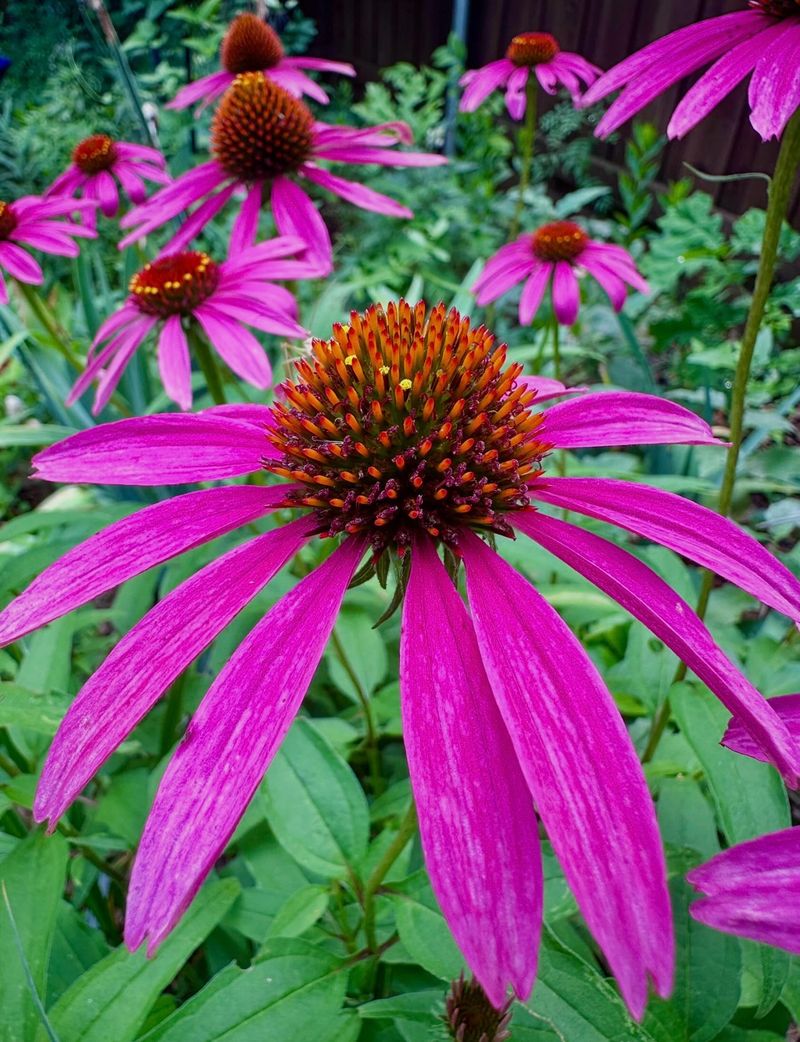
With its droopy purple petals and spiky orange center, the coneflower looks a little wild, and that is exactly its charm. This native bloomer has a bold, sturdy personality. It stands tall through heat, wind, and dry spells without much help from you.
Start the seeds in fall or early spring. They like a cold period to wake up, so fall planting often works best in Texas. Barely cover them with soil and keep the ground lightly moist until they sprout.
Coneflowers thrive in full sun but will tolerate a bit of afternoon shade. Once their roots dig deep, they shrug off drought like it is nothing.
That deep root system is their secret weapon against tough Texas summers. Blooms appear in summer and often last well into fall. Bees and butterflies swarm the flowers, and later the seed heads become a magnet for hungry songbirds.
Leaving the dried heads through winter feeds the birds and adds texture to your garden. These plants come back year after year, growing stronger each season. Over time, a single plant can form a nice clump you can divide and share with friends.
That makes them a gift that keeps giving. Here is a neat bit of trivia: people have used echinacea in herbal remedies for generations, and it is often found in teas today. Native tribes across the plains valued it long before it became a garden favorite.
Pair coneflowers with black-eyed Susans for a meadow look that feels natural and relaxed. Hardy, helpful to wildlife, and full of character, the purple coneflower is a perfect final pick for your Texas seed garden.