These Are The Texas Lawn Replacement Ideas That Qualify For Water Rebates Right Now
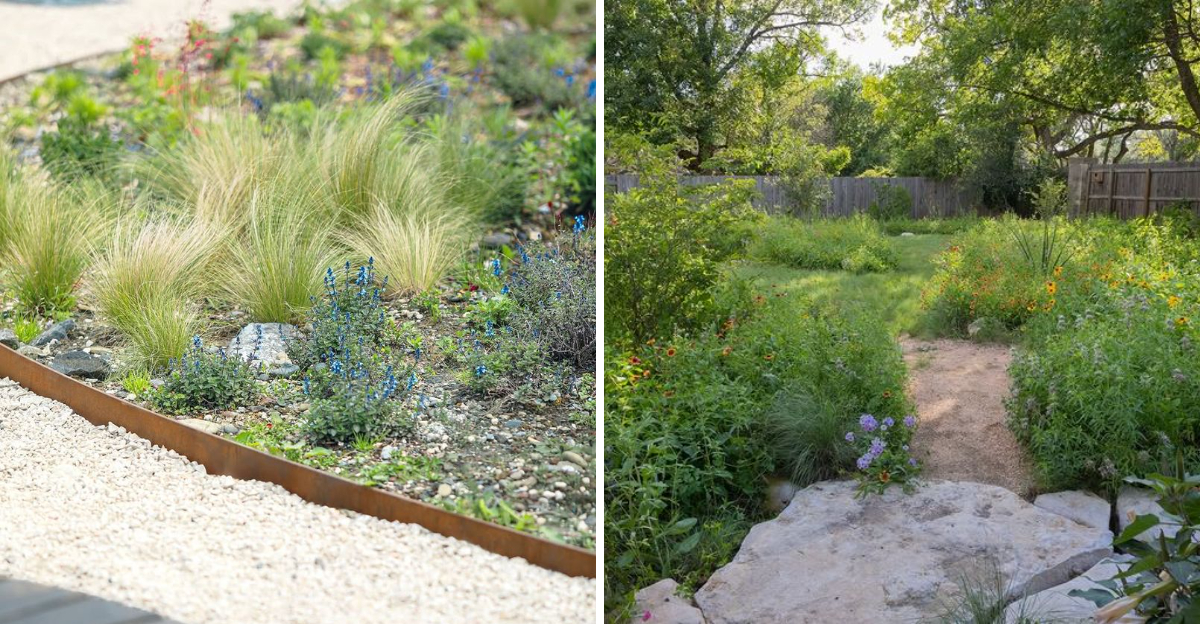
Water bills in Texas have a way of climbing fast during the summer months, and a traditional lawn is often the biggest reason why.
Keeping grass green through a Texas summer takes a serious amount of irrigation, and in many parts of the state that comes with a real cost at the tap and sometimes at the register.
What a lot of Texas homeowners do not know is that replacing all or part of that lawn with lower water alternatives can actually qualify for rebates through local water utilities, and some of those programs are active right now.
The savings can be significant, both on the rebate side and on the reduced water bills that follow.
Not every replacement option qualifies, and the rules vary by utility and region, so knowing what is eligible before you start pulling up grass is important.
This is one of those situations where doing the right thing for your yard and getting paid for it actually line up at the same time.
1. Native Plant Flower Beds
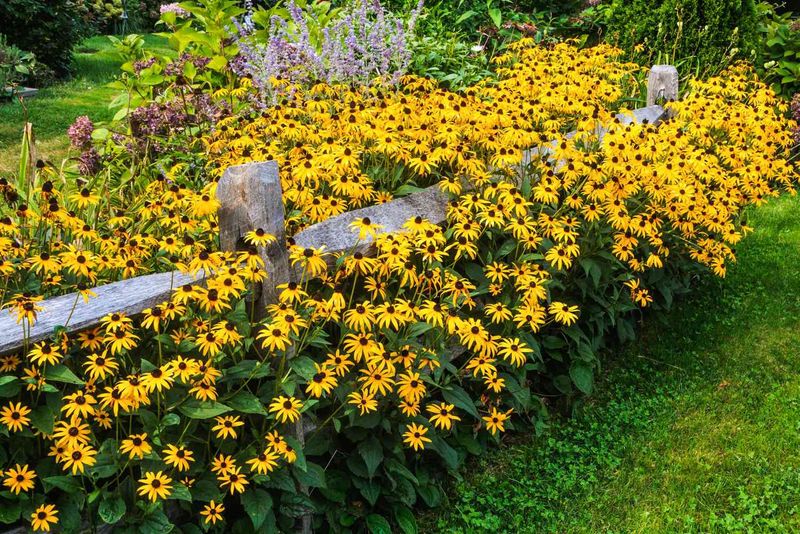
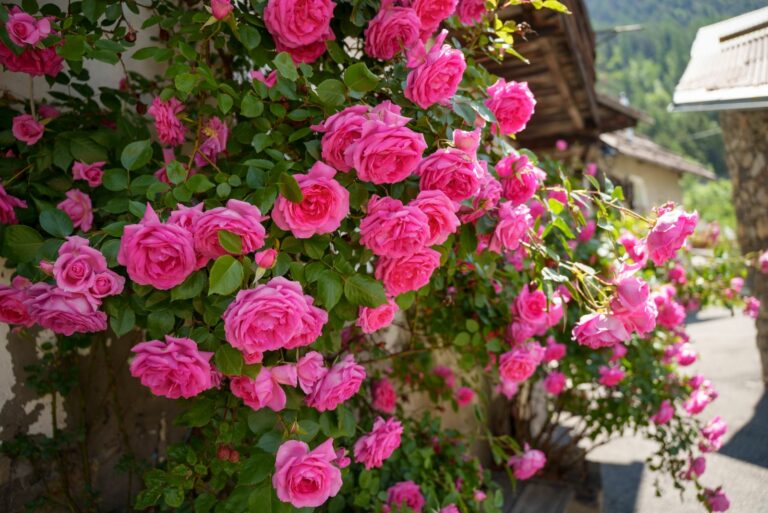
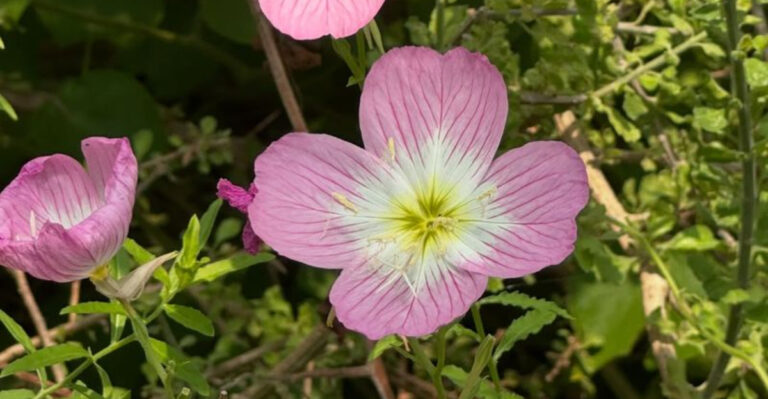
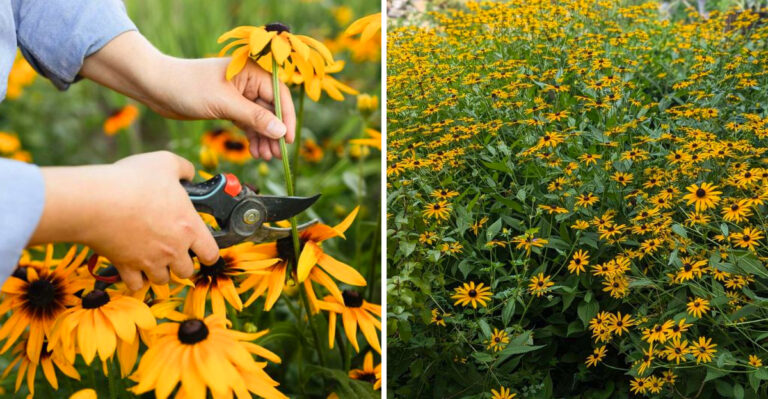
Swapping out your grass for a native plant flower bed might be one of the smartest moves a Texas homeowner can make. Programs in Austin, San Antonio, Tarrant County, and LCRA service areas actively reward this kind of turf replacement.
Some rebates pay by the square foot, so the bigger the bed, the bigger the check. Native plants like Texas sage, black-eyed Susan, and Mexican feathergrass are built for the Texas climate. They have deep roots that reach moisture far below the surface.
Once established, many of these plants need little to no irrigation at all. Getting started is easier than most people think. First, check your local utility’s rebate program requirements before you plant anything.
Many programs require pre-approval, a site visit, or before-and-after photos to qualify for the payout.
Soil preparation matters a lot for long-term success. Adding compost and breaking up compacted ground helps native roots establish faster. Healthy soil also holds moisture better, which means even less watering over time.
One thing that surprises many homeowners is how beautiful these beds can become. Texas natives bloom in waves throughout the year, offering color when traditional lawns look dry and dull.
You get curb appeal and water savings at the same time. Neighbors often ask about the change once the flowers start blooming. That kind of community interest can spread water-saving habits beyond just your yard.
Some local rebate programs even offer extra incentives when multiple households in the same neighborhood participate together.
2. Drought-Tolerant Shrub Borders
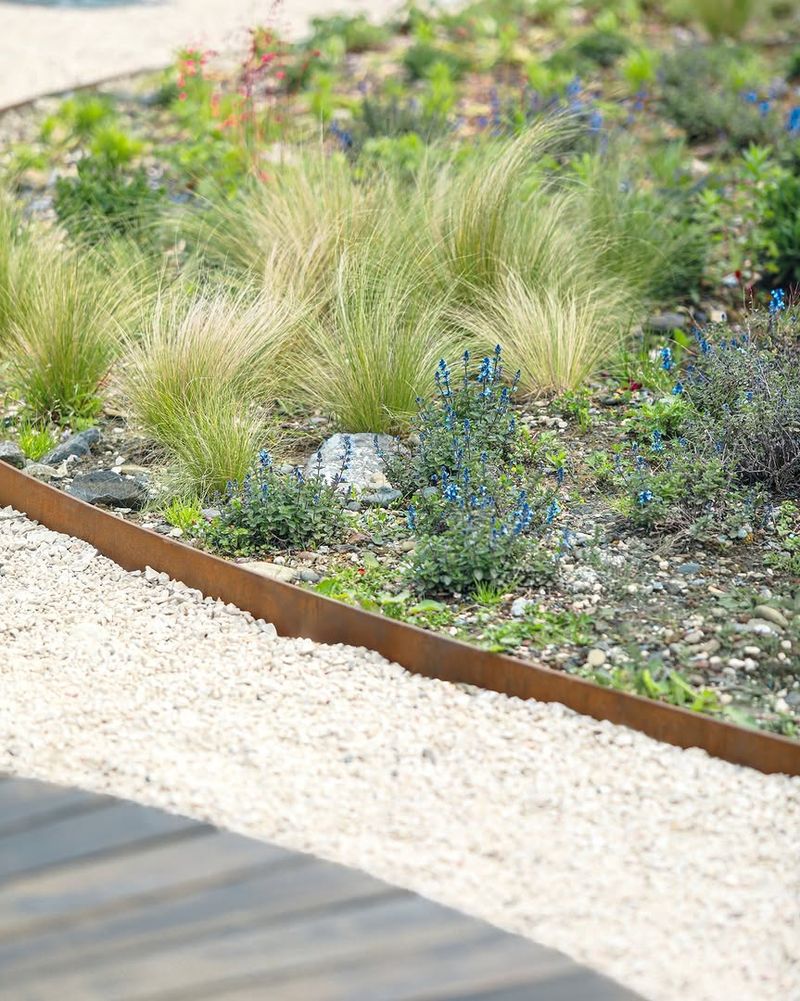
Picture the edges of your yard doing double duty: looking sharp and saving water at the same time. Drought-tolerant shrub borders are exactly that kind of landscape upgrade.
When turf is fully removed along fences, driveways, and property lines, many Texas rebate programs will count that square footage toward your payout.
Shrubs like Texas sage, yaupon holly, and dwarf wax myrtle are tough as nails. They handle summer heat without complaining, and they bounce back fast after dry spells.
Your Texas Garden Changes Every Week. Your Plan Should Too.
Gardening in Texas changes quickly throughout the season. Every Friday you’ll receive a simple weekly plan showing exactly what to plant, prune, fertilize, harvest, and protect so you never miss the right timing.
Most of them need watering only during the first season while their roots settle in. The trick to qualifying for rebates with shrub borders is full turf removal. Partial patches or spots where grass is still peeking through usually do not count.
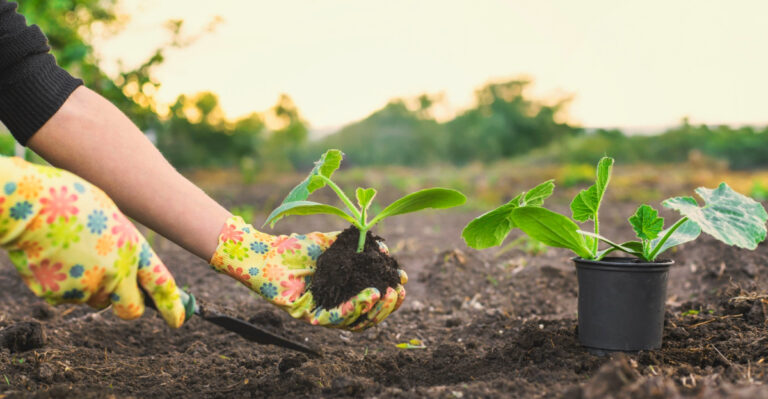
Pull it all out, lay down landscape fabric or thick mulch, and then plant your shrubs with proper spacing.
Beyond the rebate itself, shrub borders offer real practical value. They reduce the amount of lawn you have to mow each week.
They also create a natural barrier that can slow runoff and protect your soil during heavy Texas rainstorms.
Choosing the right shrubs for your specific area matters. A plant that thrives in San Antonio might struggle in North Texas winters.
Always check with your local nursery or county extension office to pick varieties that match your hardiness zone.
Maintenance is refreshingly low once these shrubs are established. A light trim once or twice a year keeps them looking tidy.
You will spend far less time watering, mowing, and stressing over brown patches during drought season.
3. Native Groundcover Lawns
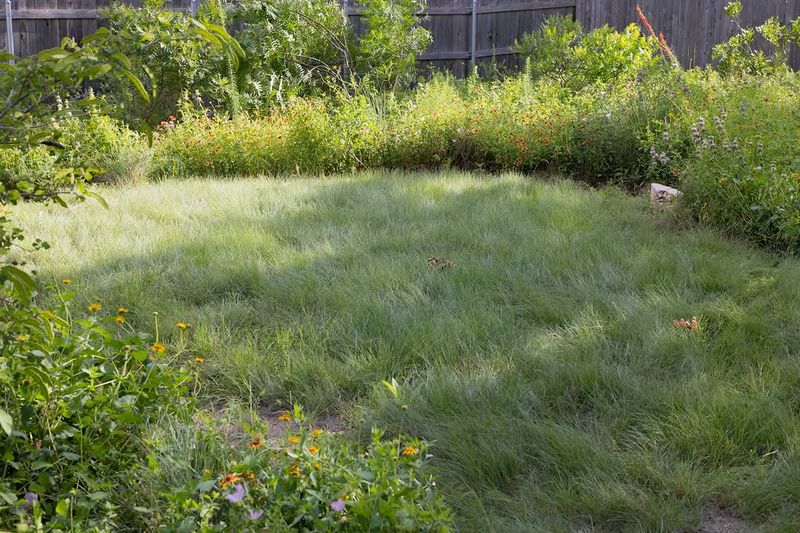
Not everyone wants to give up the look of a lawn entirely, and that is completely fair. Native groundcovers offer a middle-ground solution that keeps your yard looking green while slashing water use compared to traditional Bermuda grass.
Plants like frogfruit, horseherb, and Texas sedge spread naturally and stay low to the ground.
Frogfruit is a standout choice for sunny Texas yards. It handles foot traffic surprisingly well and produces tiny white flowers that attract butterflies and bees.
It spreads on its own once established, slowly filling in bare spots without any extra effort from you.
Horseherb thrives in shaded areas where Bermuda grass struggles to survive. If you have big trees in your yard casting heavy shade, horseherb can transform those patchy, bare zones into lush green carpet.
It stays green longer into the fall than most traditional lawn grasses. Texas sedge works beautifully in areas with some moisture, like near downspouts or low spots in the yard. It has a fine, grass-like texture that looks polished and intentional.
Many homeowners are surprised to learn it needs mowing only a few times per year. Rebate eligibility for groundcover lawns varies by program. Some utilities require that the replaced area meet a minimum square footage.
Others ask for documentation showing the groundcover is a listed approved plant species, so keep your plant tags and receipts.
Transitioning from Bermuda to native groundcover does take some patience during the first growing season.
Consistent spot-watering helps new plants establish before summer heat arrives. After that first year, your water bill will reflect the smart switch you made.
4. Pollinator Gardens
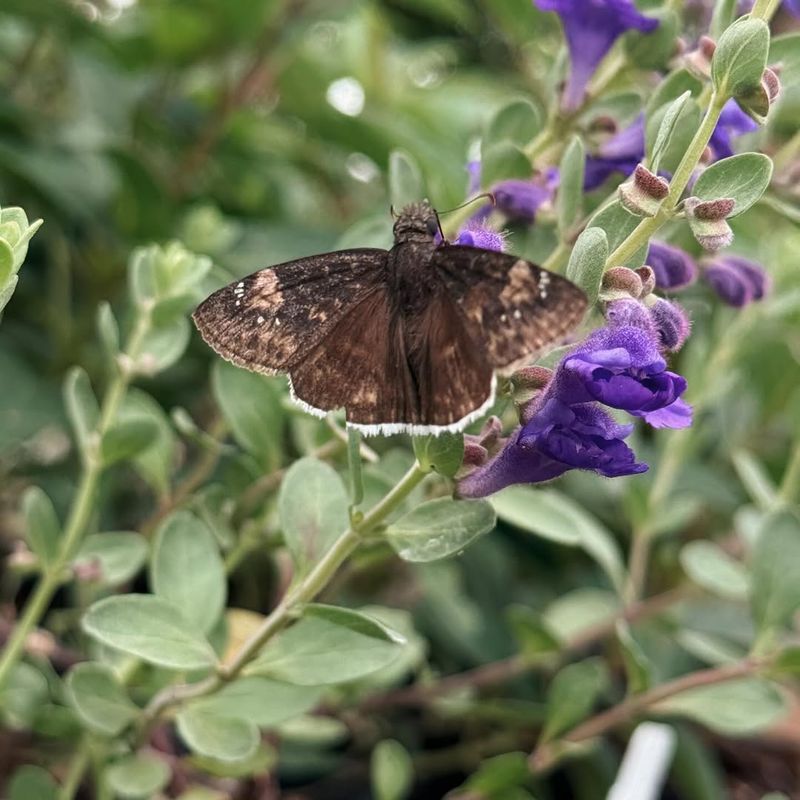
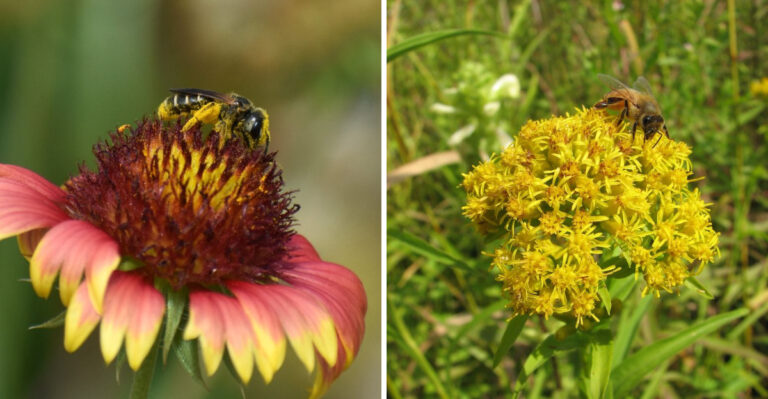
There is something genuinely exciting about a yard that buzzes and flutters with life. Pollinator gardens replace thirsty turf with native and adapted plants that feed butterflies, bees, and hummingbirds.
Many Texas water rebate programs specifically favor these gardens because they combine low water use with real environmental benefits.
Milkweed is a must-have plant in any Texas pollinator garden. It is the only plant that monarch butterflies use to lay their eggs, and Texas sits right along the monarch migration route.
Planting milkweed is a small act with a surprisingly big ecological impact. Other great choices include purple coneflower, fall aster, and various native salvias.
These plants bloom at different times of year, which means your garden offers food for pollinators from early spring all the way through late fall. That extended bloom season also keeps your yard looking colorful for months.
Rebate programs that include pollinator gardens often require that the majority of plants be native or regionally adapted species. A quick call to your utility provider before planting can save you a lot of frustration later.
Ask specifically which plant species are on their approved list. Setting up a pollinator garden does not require a massive yard. Even a small 100-square-foot patch can qualify for rebates in many programs.
Start small, see how it grows, and expand in future seasons as your budget allows. Kids absolutely love watching butterflies land on flowers in their own backyard.
A pollinator garden becomes a living science lesson right outside your door. That kind of hands-on connection with nature is something no traditional lawn can offer.
5. Mulched Native Beds
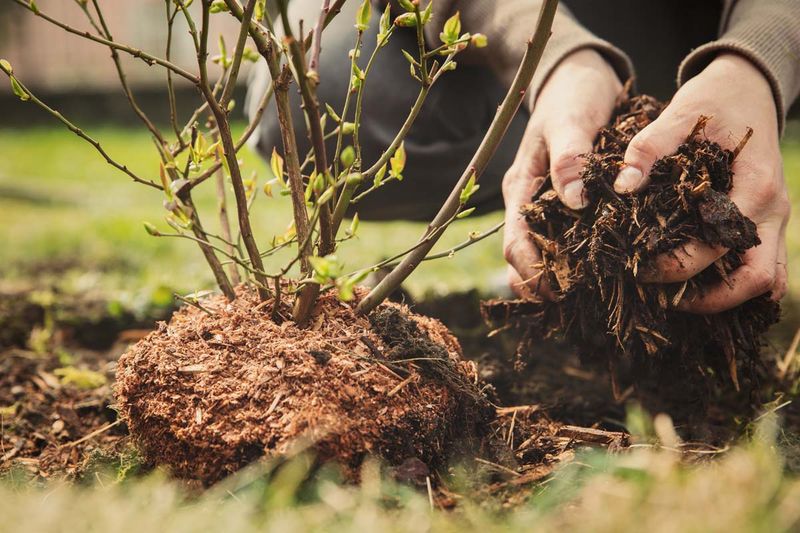
Mulched native beds might sound simple, but they are one of the most effective and rebate-friendly lawn replacements available in Texas right now.
The formula is straightforward: remove the turf, add a thick layer of mulch or soil coverage, and plant native species throughout the bed. That combination checks all the boxes for most Texas utility rebate programs.
Mulch does a lot of heavy lifting in these beds. It slows down water evaporation from the soil surface, which means plants need less irrigation to stay healthy.
A three-to-four-inch layer of hardwood or cedar mulch can cut soil moisture loss dramatically during peak summer heat.
Weeds are another problem mulch helps solve. A thick, well-applied layer blocks sunlight from reaching weed seeds in the soil below.
That means less time pulling weeds by hand and more time enjoying your yard on a Saturday morning.
Rebate programs often specify that converted turf areas must have adequate soil coverage to qualify. Bare dirt between plants usually does not meet program standards. Mulch fills that gap perfectly while also improving the overall appearance of the bed.
Plant selection inside the bed still matters for both beauty and rebate eligibility. Agave, yucca, native grasses, and flowering perennials are all popular choices that hold up well in Texas conditions.
Mixing textures and heights adds visual interest that flat lawn simply cannot match. Installation costs for mulched native beds are often lower than people expect. Many homeowners handle the project themselves over a weekend.
With rebate money coming back after approval, the net cost can be surprisingly affordable for almost any budget.
6. No-Irrigation Meadow-Style Landscapes
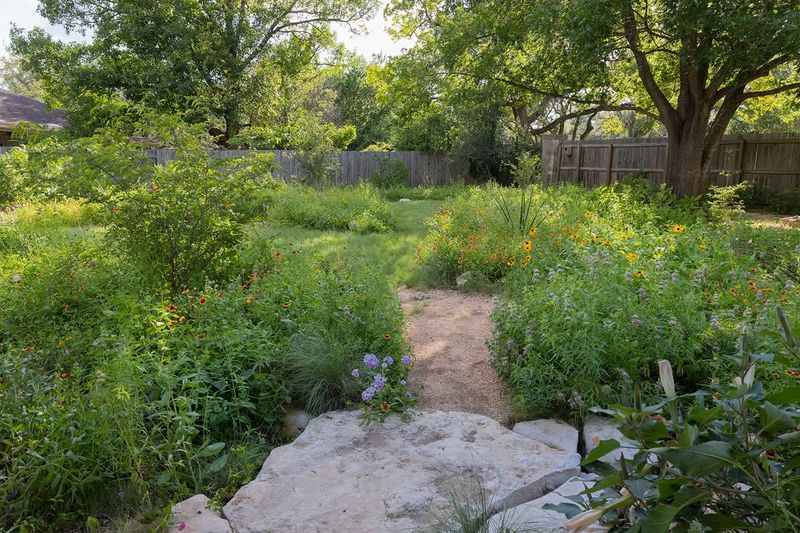
Imagine pulling up to your home and seeing a wave of wildflowers and native grasses swaying in the breeze instead of a flat, water-hungry lawn. Meadow-style landscapes are gaining serious traction in Texas, and for good reason.
Several rebate programs now allow homeowners to replace turf with drought-tolerant native grasses and wildflowers, as long as the landscape meets basic program guidelines.
Little bluestem, sideoats grama, and buffalo grass are excellent native grass options for Texas meadow landscapes. These grasses evolved right here on the Texas plains and are perfectly adapted to hot, dry summers.
Once established, they often survive on rainfall alone without any supplemental irrigation. Wildflowers add color and character that make a meadow truly spectacular. Texas bluebonnets, Indian paintbrush, and plains coreopsis are all easy to grow from seed.
Scattering a wildflower seed mix in fall gives plants time to establish before the spring bloom season arrives.
One common concern about meadow landscapes is how they look during the off-season. Native grasses actually offer beautiful winter texture, with warm golden and copper tones that change throughout the cooler months.
A light cut-back in late winter refreshes the planting for the next growing season. Checking your local HOA rules before converting to a meadow landscape is a smart first step. Some neighborhoods have restrictions on plant height or lawn appearance.
Many Texas cities have updated their ordinances to protect homeowners who choose water-wise landscaping, so it is worth reviewing local rules carefully.
The water savings from a no-irrigation meadow can be dramatic. Some Texas homeowners report cutting outdoor water use by more than half after making the switch. That kind of savings adds up fast over a long, hot Texas summer.