These Michigan Border Plants Stand Their Ground Against Wandering Deer
Michigan deer treat garden borders like a tasting menu with mulch.
You step outside, see hoofprints near the bed edge, and notice the hostas have been edited down to sad little stems overnight.
Very bold. Very uninvited.
Garden edges are easy targets because deer pass through at dawn and dusk, sampling whatever sits closest to their route. Soft leaves, tender shoots, and exposed corners often take the first hit.
That does not mean the border has to surrender.
Some plants are simply less appealing, especially ones with strong fragrance, tough texture, fuzzy leaves, bold scent, or native resilience. No plant gets a perfect deer-proof badge, because hungry deer make questionable dining choices.
So which Michigan border plants stand a better chance?
Start with tough, aromatic, textured, and wildlife-smart choices that make the garden edge look intentional while giving deer fewer reasons to linger.
The goal is not a fortress. It is a beautiful front line with better manners than the visitors.
1. Lavender Sets A Fragrant Edge
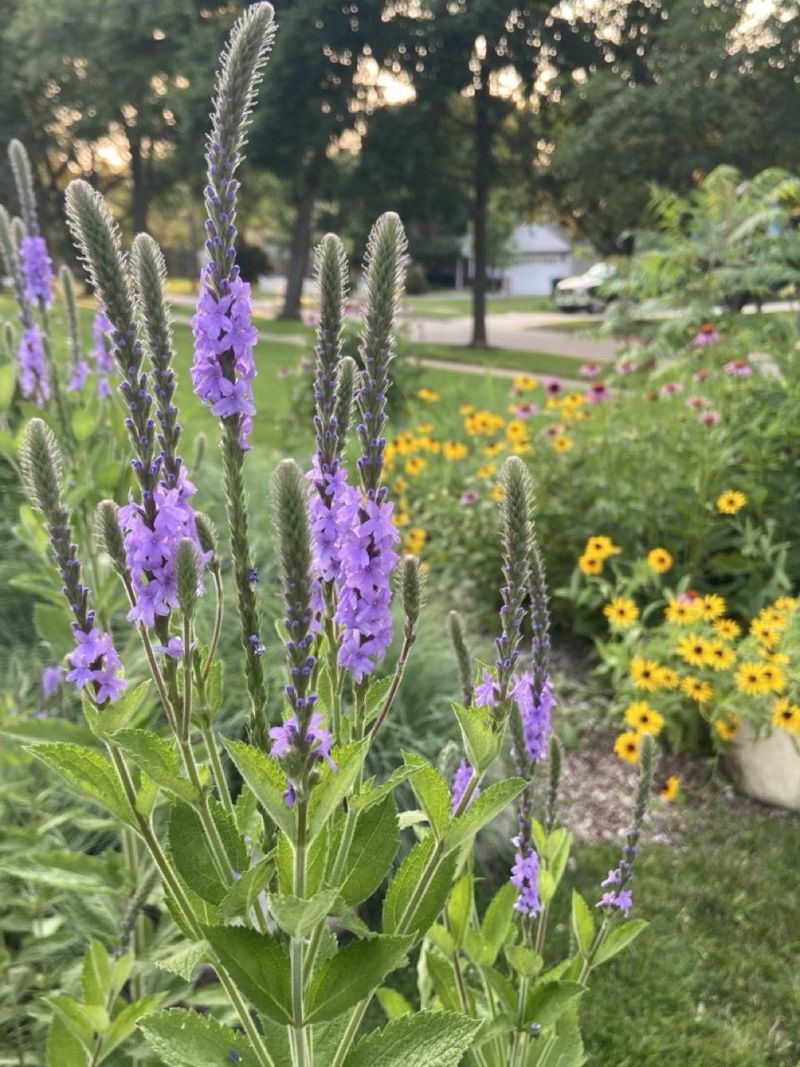
That strip of sunny border along your front walk might be exactly where lavender earns its keep.
Deer rely heavily on smell when they browse, and lavender’s strong, oily fragrance is simply not appealing to them.
The same scent that draws people into garden shops makes deer turn their heads and move along to something more palatable.
Lavender thrives in full sun and well-drained soil, which makes it a natural fit for Michigan’s southern and central zones.
It does not love soggy clay, so if your border tends to hold water, amend the soil with coarse sand or grit before planting.
Beyond deer resistance, lavender earns its spot by blooming from early summer into midsummer with tall purple spikes that sway in the breeze.
Bees absolutely adore it, and a border full of buzzing pollinators feels alive in a way that plain mulch never does.
Trim the spent flower stems back after blooming to encourage a second flush and keep the plant from getting woody too fast.
Varieties like Hidcote and Munstead are reliably hardy in zones 5 and parts of zone 4, making them practical choices for many Michigan gardeners.
Plant lavender near the front of your border where the fragrance greets visitors before deer even get close.Think of it as your garden’s first line of aromatic defense.
2. Catmint Keeps Borders Soft
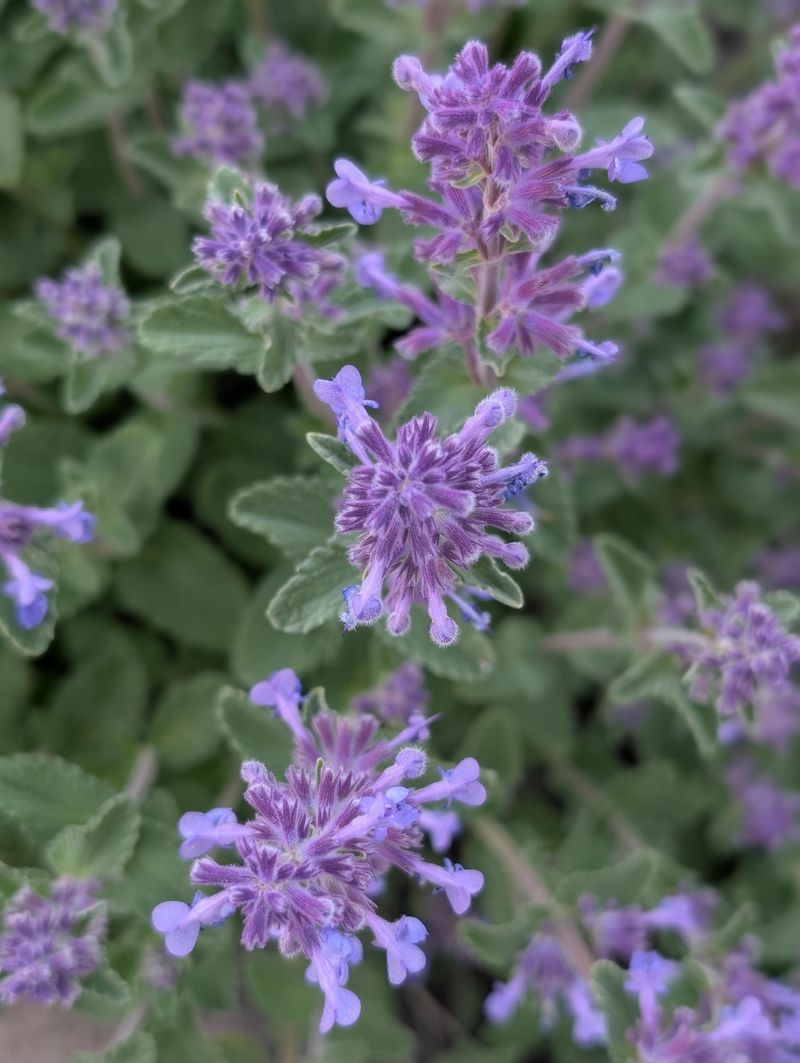
Few border plants look as effortlessly relaxed as catmint.
Its soft, silvery-green leaves tumble over bed edges like a gentle wave, and the lavender-blue flower spikes bloom from late spring well into summer.
Bees and butterflies find it irresistible, while deer tend to wrinkle their noses and wander elsewhere.
The secret is in the scent.
Catmint carries a sharp, minty fragrance in its foliage that deer find off-putting. When brushed or disturbed, the leaves release even more of that pungent aroma, which can be enough to make browsing deer reconsider their evening snack route through your yard.
In Michigan gardens, catmint performs reliably in zones 4 and 5, handling cold winters without much fuss.
Your Michigan Garden Changes Every Week. Your Plan Should Too.
Gardening in Michigan changes quickly throughout the season. Every Friday you’ll receive a simple weekly plan showing exactly what to plant, prune, fertilize, harvest, and protect so you never miss the right timing.
It loves full sun but tolerates light shade, and once established it handles dry spells with surprising toughness.
Shear the plant back by about one-third after the first big bloom flush and it will reward you with a second round of flowers later in the season.
Walker’s Low is one of the most popular varieties and grows about two feet tall, making it perfect for the middle of a mixed border.
Six Hills Giant reaches closer to three feet and creates a bolder statement near a fence or along a walkway.
Pair catmint with yarrow or alliums for a border combination that looks gorgeous and sends a clear message to wandering deer that your garden is not their buffet.
3. Yarrow Handles Sunny Pressure
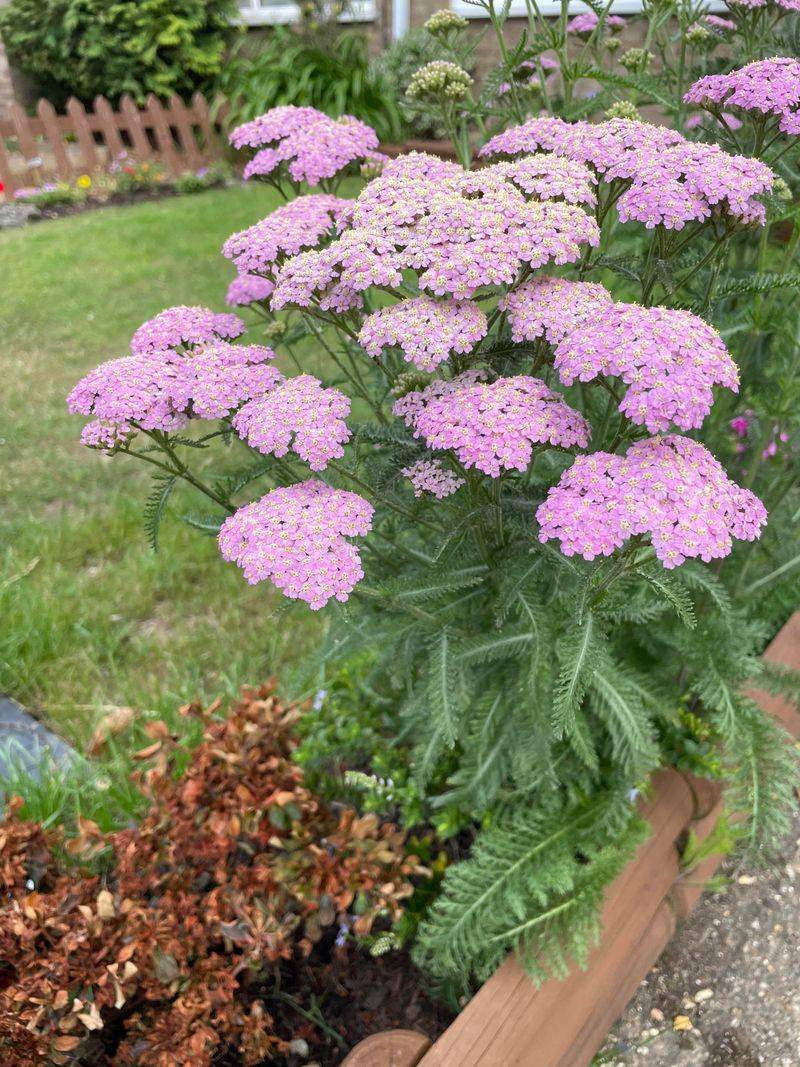
Hoofprints in the mulch near a yarrow patch are usually just passing traffic.
Deer tend to step around this tough, flat-topped bloomer rather than snacking on it, partly because of its strong herbal scent and partly because the feathery foliage has a texture that most deer find uninviting.
That combination of smell and feel gives yarrow a real edge in the border battle.
Yarrow is one of the most adaptable plants you can grow in a Michigan border.
It thrives in full sun and handles dry, sandy soil that would stress many other perennials. Hot summers, cold winters, and even periods of drought barely slow it down once the roots are established.
If anything, overly rich or moist soil makes yarrow flop over and bloom less, so lean soil actually suits it better.
The flat-topped flower clusters come in shades of yellow, white, pink, and red, depending on the variety you choose.
They bloom from early summer through midsummer and attract a parade of butterflies and beneficial insects.
Cutting the spent blooms off promptly often encourages a second wave of color later in the season, stretching your border show well into August.
Moonshine yarrow, with its bright lemon-yellow blooms and silver-gray foliage, is a standout choice for Michigan borders.
Plant yarrow toward the sunny middle or back of your border and let it anchor the whole design with reliable, low-maintenance color that deer rarely bother to investigate.
4. Bee Balm Brings Tough Color
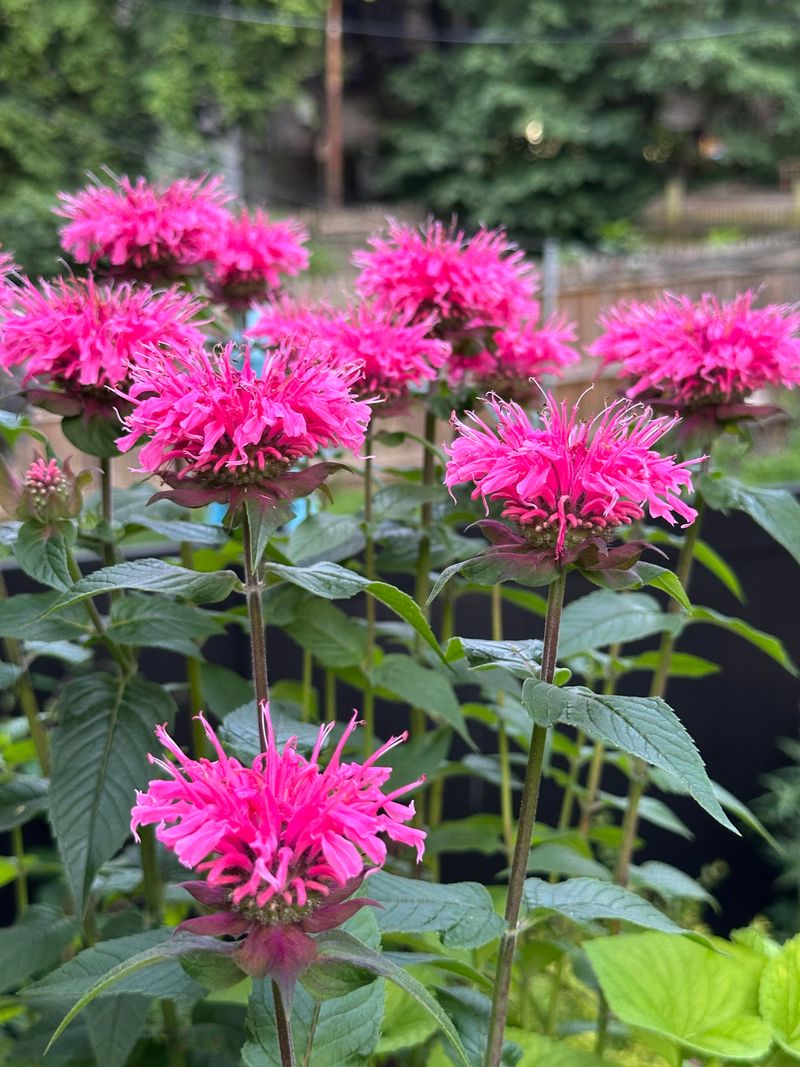
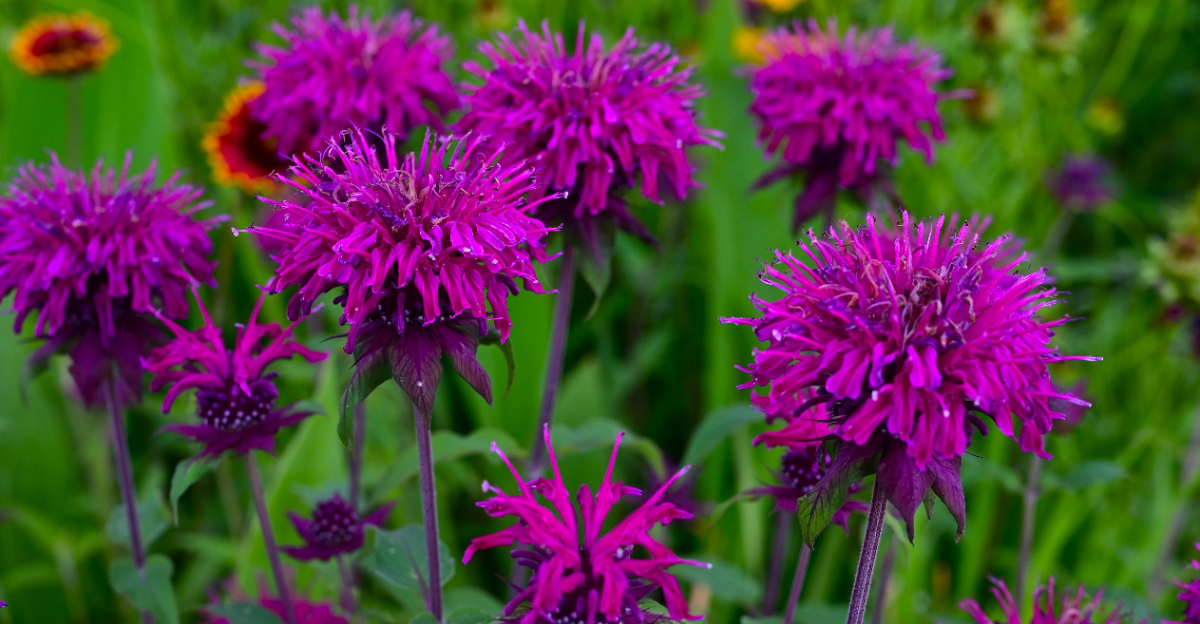
A hummingbird hovering over a patch of scarlet bee balm in a Michigan backyard is one of summer’s best sights.
The tubular flower heads are built for pollinators, and both hummingbirds and bees show up faithfully every season.
Deer, on the other hand, tend to give bee balm a pass, largely because the foliage carries a strong oregano-like fragrance that makes it far less appealing as a snack.
Bee balm, known botanically as Monarda, is a native Michigan wildflower, which means it is already adapted to the state’s climate and soil conditions.
It grows vigorously in moist, well-drained soil and prefers full sun to partial shade.
Powdery mildew can be a challenge with some older varieties, especially in humid Michigan summers.
Choosing mildew-resistant cultivars like Jacob Cline, Raspberry Wine, or Coral Reef makes a big difference in keeping the foliage looking clean through the season. Good air circulation around the plants also helps reduce mildew pressure significantly.
Bee balm spreads by underground runners and can fill in a border edge quickly over a few seasons.
Divide clumps every two or three years to keep them vigorous and prevent them from crowding out neighboring plants.
Planted in bold drifts along a border, bee balm creates a wall of color and fragrance that pollinators celebrate and deer typically choose to avoid.
5. Alliums Add Onion Power
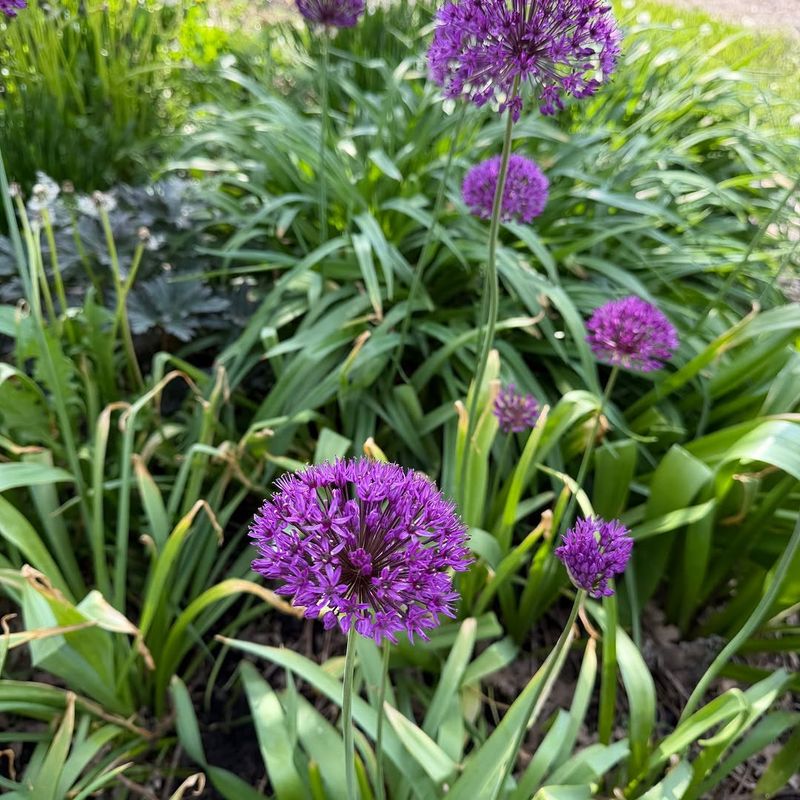
There is something almost theatrical about an allium in full bloom.
Those perfectly round purple globes sit on tall, bare stems and hover above the border like little fireworks frozen in mid-air.
They look architectural and bold, and they smell strongly of onion, which is precisely why deer tend to leave them completely alone.
Alliums are ornamental onions, and the entire genus carries that characteristic sulfurous scent in both the foliage and the bulb.
Deer have sensitive noses, and most of them recognize the onion family as something they would rather avoid. That makes alliums one of the more reliable deer-deterring bulbs you can tuck into a Michigan border.
Plant allium bulbs in fall, just as you would tulips or daffodils, in a sunny spot with well-drained soil.
They bloom in late spring to early summer, which creates a beautiful bridge between spring bulb season and summer perennials.
After the flowers fade, the seed heads remain attractive for weeks and can even be left standing through winter for subtle structural interest.
Globemaster and Purple Sensation are two popular varieties that perform well in Michigan’s zone 5 and 6 gardens.
Pair alliums with ornamental grasses or yarrow to create a border combination that is visually dynamic, pollinator-friendly, and genuinely less inviting to deer browsing along your garden’s edge on a summer evening.
6. Russian Sage Adds Silver Texture
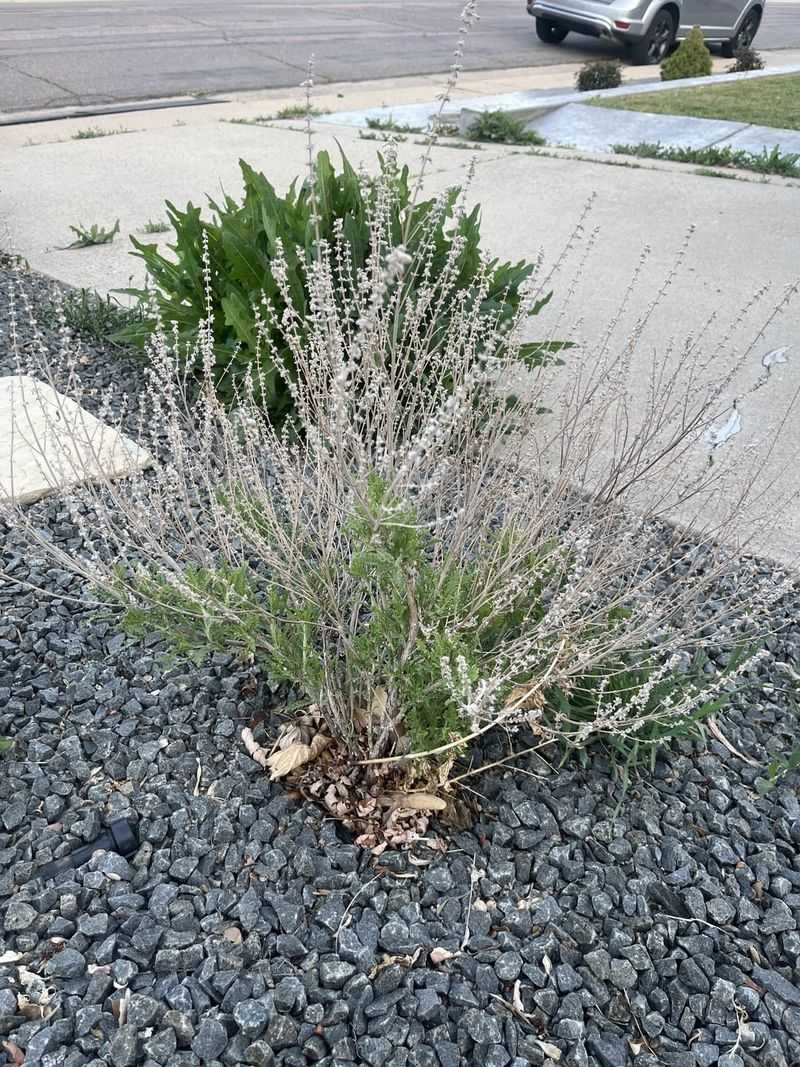
Near the sidewalk, where sun bakes the soil all afternoon, Russian sage practically glows.
Its silver-white stems catch the light in a way that makes the whole border feel brighter, and the tiny lavender-blue flowers that cover those stems from midsummer into fall create an airy, almost misty effect.
Deer, for their part, find the whole plant deeply unappealing.
Russian sage, known as Perovskia atriplicifolia, has aromatic stems and foliage that release a sharp, sage-like smell when touched or brushed.
That fragrance is pleasant to most gardeners but off-putting to deer, making it one of the more dependable border anchors in yards where deer pressure is consistent.
The plant thrives in full sun and dry to average, well-drained soil.
It actually performs worse in rich, moist conditions, becoming floppy and less fragrant. In Michigan, cut the stems back hard in early spring, leaving just a few inches of woody base, and the plant will push fresh silver growth quickly once warm weather arrives.
Russian sage grows two to four feet tall and nearly as wide, making it a natural choice for the middle or back of a sunny border.
It pairs beautifully with ornamental grasses, coneflowers, and black-eyed Susans.
The combination of silver texture, airy height, and deer resistance makes Russian sage one of those border workhorses that earns its space every single season without demanding much in return.
7. Switchgrass Blurs The Line
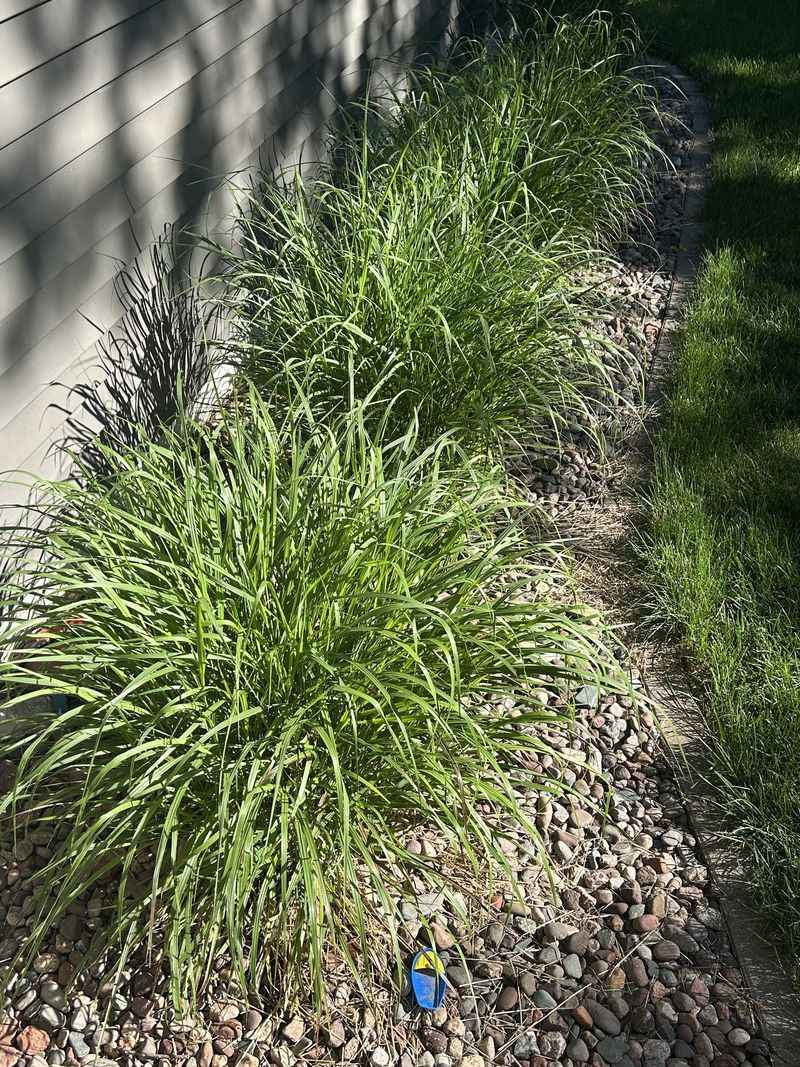
Along a border where the lawn meets the garden bed, switchgrass does something that flowers alone cannot do.
It blurs the line between tidy and wild in the best possible way, creating a soft, swaying screen that adds movement, texture, and a little mystery to the edge of your yard.
Deer, while not entirely opposed to grasses, tend to browse switchgrass far less than the tender perennials growing behind it.
Switchgrass, or Panicum virgatum, is a true Michigan native, found naturally in prairies, meadows, and open woodlands across the state.
That native status means it is already tuned to local rainfall patterns, soil types, and temperature swings. Once established, it is genuinely tough, handling both dry summers and wet springs without losing its upright form.
The plant grows in clumps ranging from three to six feet tall depending on the variety, and it changes character through the seasons.
In summer the foliage is blue-green and upright. By fall it shifts to gold, burgundy, or rust depending on the cultivar, and the feathery seed heads catch light beautifully in the low autumn sun.
Birds feed on those seeds through the winter months, adding another layer of wildlife value.
Shenandoah and Prairie Fire are two cultivars with exceptional fall color that work especially well in Michigan borders.
Plant switchgrass toward the back of a sunny border or along a fence line where its height can create a gentle visual screen.
Used in drifts of three or more plants, it creates a flowing, naturalistic edge that softens the whole border while quietly standing its ground.
8. Ferns Guard Shady Edges
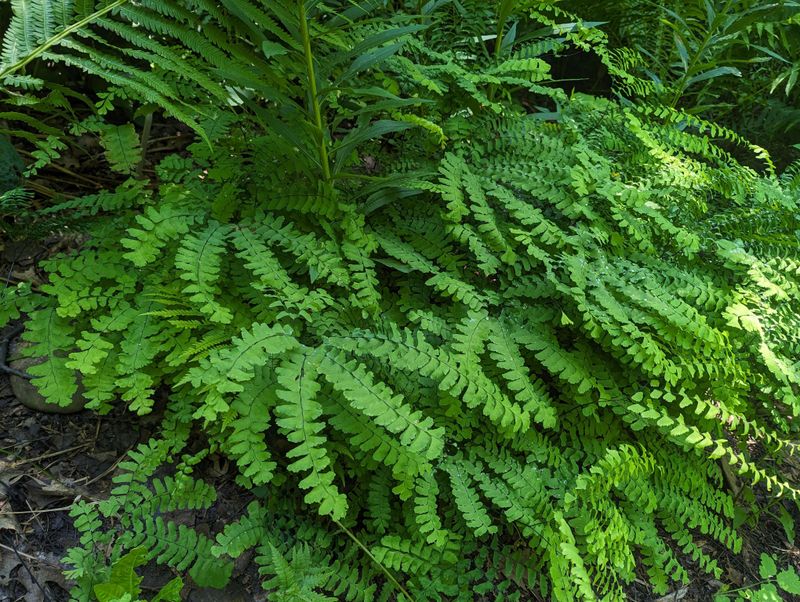
Down the shaded side of the house, where hostas have been nibbled into sad little stubs, ferns are quietly holding their ground.
Deer do browse ferns occasionally, but most species rank low on their preference list compared to the tender, sweet foliage they really want.
In shaded Michigan borders, ferns fill the gap that so many other plants simply cannot handle.
Michigan is home to several native fern species that thrive in woodland border conditions.
Ostrich fern grows tall and dramatic, reaching four to five feet in moist, shaded spots. Cinnamon fern adds a warm, rusty color to the center of each clump as the fertile fronds mature.
Christmas fern is a reliable evergreen option that stays green through mild Michigan winters, providing structure even when everything else has gone dormant.
Ferns spread slowly by rhizomes and gradually form lush colonies that fill shaded edges with layered, textured greenery.
They ask for very little once established, needing mainly consistent moisture and shade.
Pairing ferns with other shade-tolerant deer-resistant plants like astilbe, bleeding heart, or Solomon’s seal creates a layered woodland border that looks intentional and polished.
The combination of varied textures and heights keeps the shaded edge interesting from spring through fall.
Ferns may not stop every deer that wanders through, but in a shaded border where options are limited, they hold their corner with quiet, reliable toughness that most gardeners genuinely appreciate.