8 Summer Gardening Tasks Michigan Experts Never Skip
Experienced Michigan gardeners develop routines that look casual from the outside but are actually built around a precise understanding of how the state’s summer conditions affect plants at each stage of the growing season.
The tasks that separate productive, healthy gardens from ones that struggle through July and August are not complicated individually, but they require consistent timing and a clear sense of why each one matters when it does.
Michigan’s compressed warm season means that skipped maintenance in summer does not stay skipped quietly. It shows up in pest damage, reduced harvests, and plants that run out of momentum before the season gives them any reason to.
These eight tasks are the ones that knowledgeable growers treat as non-negotiable from June through August every single year.
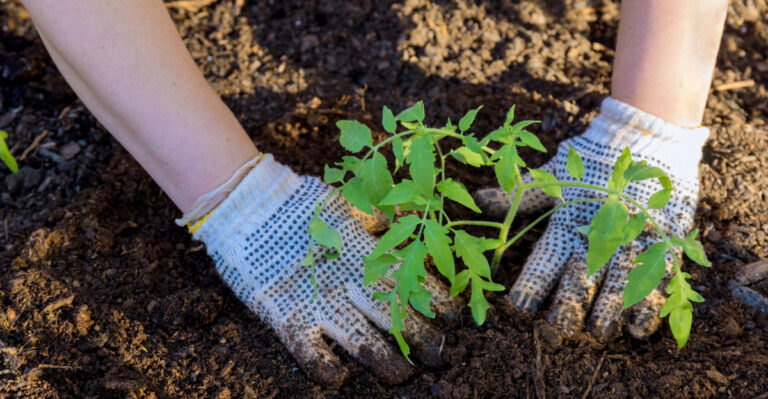
1. Weed And Mulch Before Heat Builds
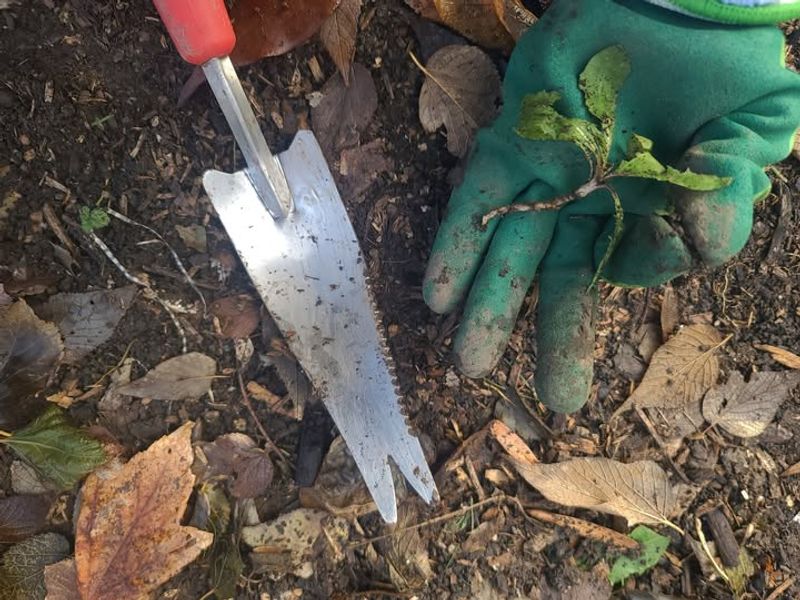
Weeds have one job, and they are very good at it. They compete with your vegetables and flowers for water, nutrients, and space, and they seem to pop up overnight once summer heat arrives.
Getting ahead of them before temperatures climb is one of the smartest moves you can make in a Michigan garden.
After weeding, layering organic mulch across your garden beds does a lot of heavy lifting. It holds soil moisture in, keeps the ground cooler on scorching days, and slows new weed growth at the same time.
A two to three inch layer works well for most beds, and you have plenty of good options to choose from.
Straw, shredded leaves, clean compost, and untreated dried grass clippings without seed heads all make excellent mulch choices. Each one breaks down over time and adds organic matter back into your soil, which is a bonus for the long run.
Some gardeners rotate between materials depending on what they have available that season.
One thing to keep in mind is mulch placement around plant stems. Piling mulch directly against stems can trap moisture and create conditions that lead to rot or pest problems.
Pull it back an inch or two from the base of each plant to keep airflow moving where it matters most.
Starting this task early in summer sets your beds up for a much smoother season. You will spend less time watering, less time weeding, and more time enjoying what your garden produces.
2. Water Regularly Based On Soil Moisture
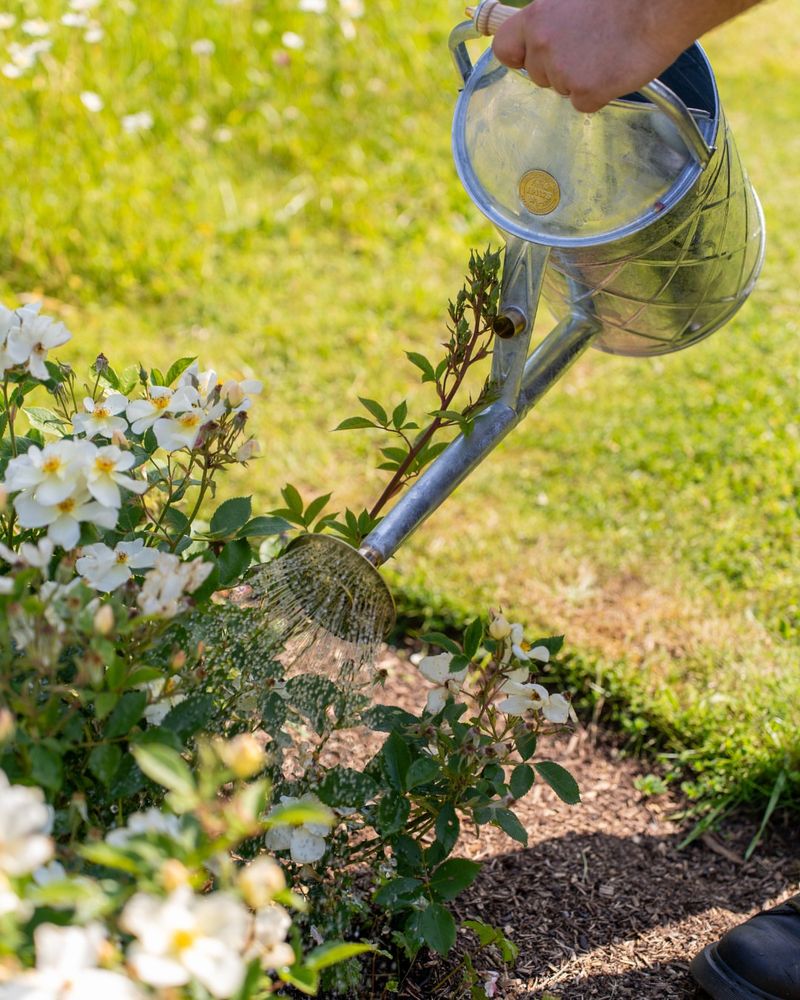
Watering by the calendar is one of the most common mistakes home gardeners make. Just because it has been two days since the last watering does not mean the soil is actually dry.
Soil conditions vary widely depending on bed type, plant size, recent rainfall, and temperature, so checking before watering is always the smarter move.
Stick your finger two to three inches into the soil. If it feels dry at that depth, it is time to water.
If it still feels cool and moist, you can hold off another day. This simple check takes about five seconds and saves you from both overwatering and underwatering, which are equally hard on plants.
Your Michigan Garden Changes Every Week. Your Plan Should Too.
Gardening in Michigan changes quickly throughout the season. Every Friday you’ll receive a simple weekly plan showing exactly what to plant, prune, fertilize, harvest, and protect so you never miss the right timing.
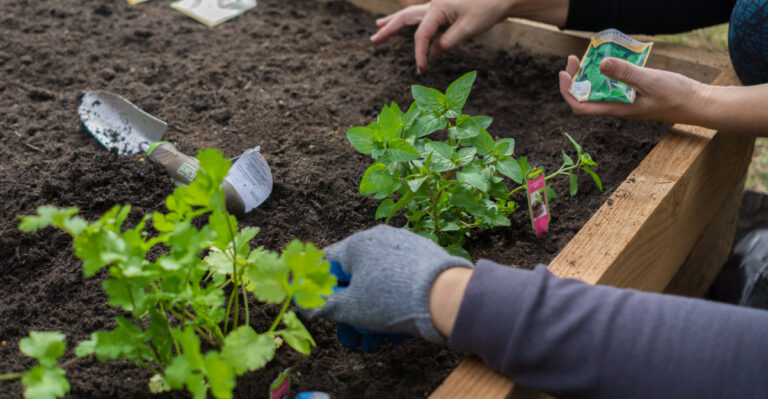
Raised beds and containers deserve extra attention during Michigan summers because they lose moisture faster than in-ground beds. The smaller the container, the quicker it dries out, especially on hot afternoons with a breeze.
Summer vegetables like tomatoes, cucumbers, and peppers thrive with consistent moisture and struggle when they bounce between soaking wet and bone dry.
Watering in the morning at soil level is the most effective approach. Morning watering gives roots time to absorb moisture before midday heat, and keeping water off the foliage helps reduce the risk of fungal issues.
Drip irrigation and soaker hoses are excellent tools for delivering water right to the root zone without soaking the leaves.
Building a reliable watering routine around soil checks rather than a fixed schedule keeps your plants steadier throughout the whole growing season.
3. Scout Pests Every Few Days
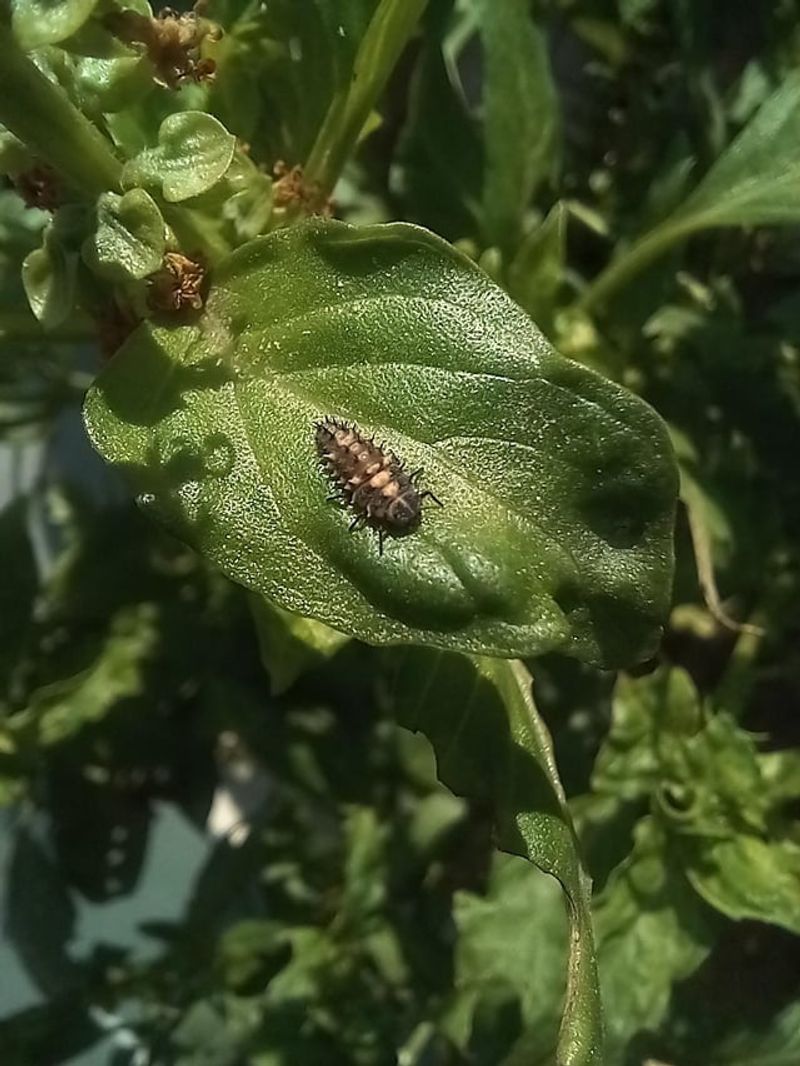
Catching a pest problem early is the difference between a small setback and losing an entire crop. Experienced Michigan gardeners know that a quick walk through the garden every two to three days is one of the most valuable habits of the whole season.
It takes only a few minutes, and what you find can change how you respond.
When you scout, look beyond the top of the plant. Flip leaves over and check the undersides, where many insects lay eggs or cluster in groups before spreading.
Also check around stems, inside flower clusters, near developing fruit, and along new growth where soft tissue is easiest for pests to access.
Common summer pests in Michigan include aphids, squash bugs, cucumber beetles, tomato hornworms, and Japanese beetles. Diseases like powdery mildew, early blight, and downy mildew can also show up once humidity rises.
Knowing what you are looking at matters before you take any action.
Early scouting gives you time to correctly identify what is happening rather than reacting too fast. Removing plants, applying treatments, or making major changes without a proper ID can sometimes cause more harm than good.
Many pest situations can be managed simply by hand-picking insects, removing affected leaves, or adjusting watering habits once you understand the problem.
Think of scouting as your garden’s early warning system. The more consistently you check, the better your chances of keeping small issues from turning into big ones across your whole garden.
4. Support Tomatoes, Peas, Beans, Cucumbers, And Heavy Pepper Plants Early
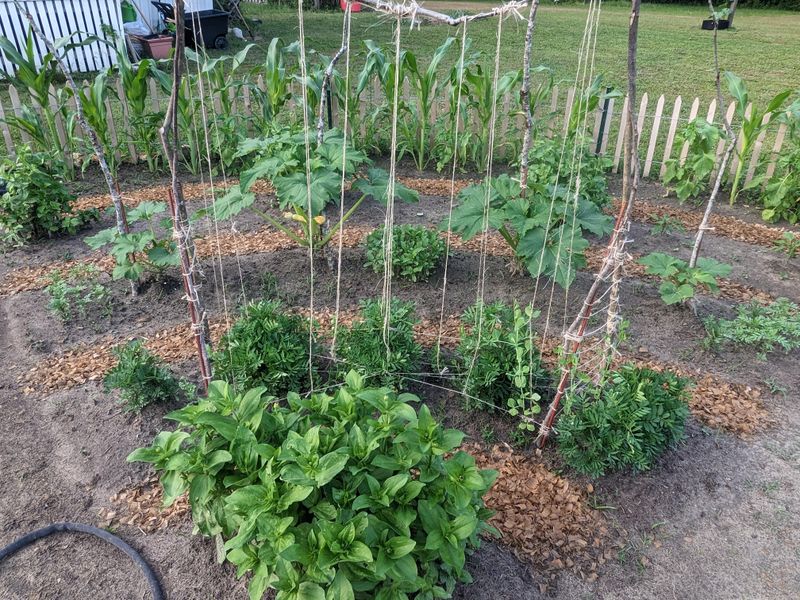
Plant support is one of those tasks that feels optional until it suddenly is not. Waiting until tomato vines are sprawling across the ground or cucumber stems are bent under the weight of fruit means you are already behind.
Getting support structures in place early saves you a lot of frustration and protects your plants from unnecessary stress.
Tomatoes are the most obvious candidates, but they are far from the only ones. Pole beans and cucumbers climb naturally and do much better with a trellis or netting to guide them upward.
Vertical growing also improves airflow around leaves and stems, which helps reduce humidity-related disease pressure during muggy summer weeks.
Heavy pepper plants often get overlooked, but large fruit varieties can weigh branches down enough to cause splitting or breakage, especially after a summer storm rolls through. A simple stake tied loosely to the main stem can make a big difference for peppers.
It is a quick step that pays off every time the wind picks up.
It is worth noting that peas are generally a spring or fall crop in Michigan rather than a midsummer one. If you are growing them, get supports in at planting time since they climb from the start.
For tomatoes, beans, cucumbers, and peppers, summer is peak support season.
Good airflow from proper support also makes harvesting easier. When plants grow upright and organized, you can spot ripe fruit faster, pick it more cleanly, and enjoy the whole process a lot more.
5. Harvest Often To Keep Plants Productive
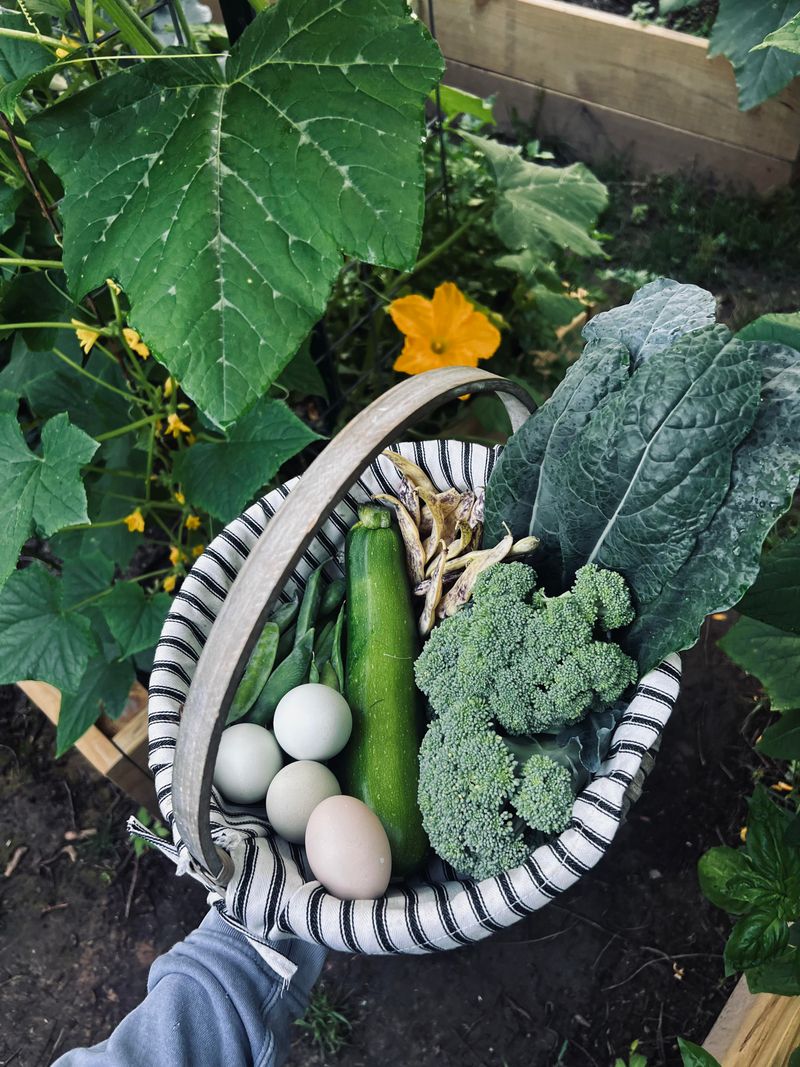
There is something deeply satisfying about walking into your garden and picking a basketful of fresh vegetables.
But frequent harvesting is not just enjoyable, it is actually one of the best things you can do to keep your plants producing at their peak all summer long.
Beans, zucchini, cucumbers, and basil are classic examples of crops that reward you for picking early and often.
When you leave these plants to over-mature on the vine or stem, they shift their energy into seed production rather than making new fruit and flowers. The result is fewer harvests and lower quality produce as the season goes on.
Zucchini deserves special attention here. A zucchini left on the plant for just a few extra days can go from a perfect harvest size to a giant, tough squash that is harder to cook and signals the plant to slow down.
Check zucchini plants every single day during peak season, and you will be amazed at how much more they produce.
Tomatoes, peppers, and cucumbers follow similar logic. Removing ripe or overripe fruit keeps the plant focused on developing the next round.
Even cool-season crops like lettuce and peas, when they are in season during spring or fall, benefit from consistent picking to extend their window before they bolt.
Harvesting regularly also helps you spot any fruit that has been missed and is starting to rot or attract pests. Keeping the plant clean and cleared out is just good garden hygiene, and it keeps your whole setup looking and performing its best.
6. Plant For A Fall Harvest In July And August
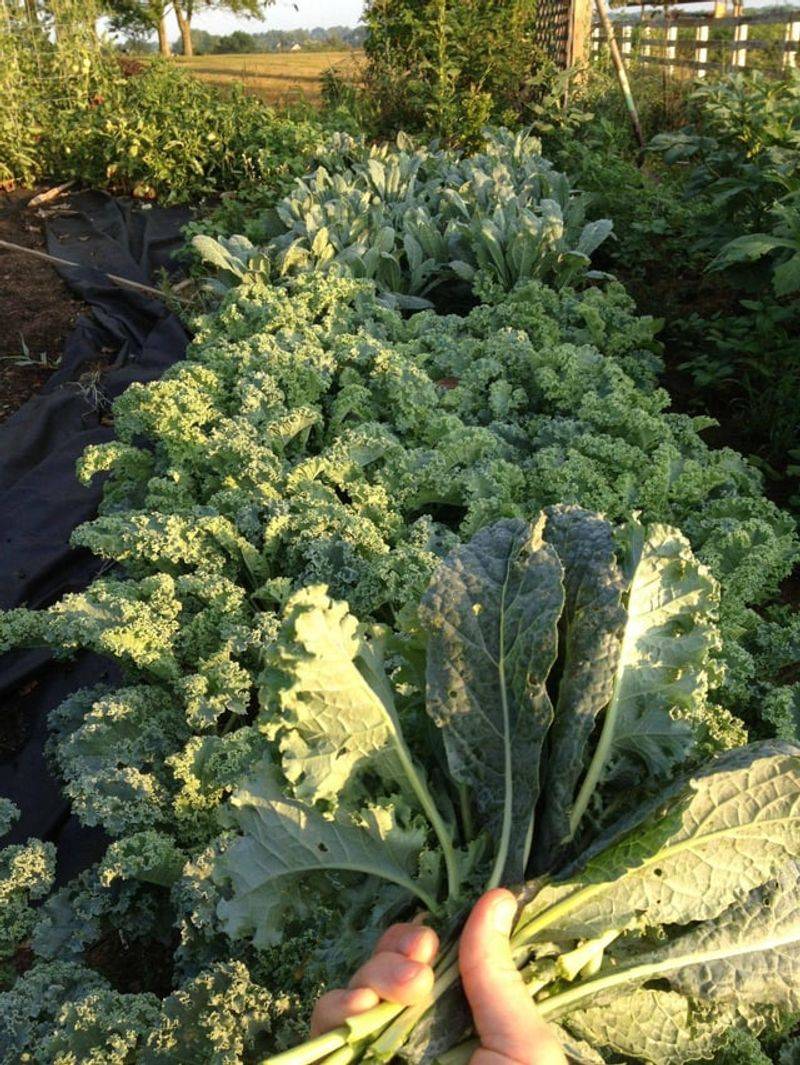
Most gardeners are so focused on what is growing right now that they forget summer is also the perfect time to plan the next wave of food.
Michigan gardeners who think ahead use July and August to get fall crops in the ground while there is still enough warm season left to support a solid harvest before frost arrives.
Radishes, lettuce, spinach, turnips, and beets are fast growers that fit well into a late-summer planting schedule. Kale, collards, and broccoli take a bit more time but handle cooler fall temperatures beautifully and often taste sweeter after a light frost.
Timing is everything, and getting these crops in at the right point is what separates a productive fall garden from a missed opportunity.
The most important tool for fall planting in Michigan is your local first-frost date rather than a general seed packet recommendation. Seed packets give average information that may not reflect your specific region.
A gardener in the Upper Peninsula works with a shorter warm season than someone in the southwestern Lower Peninsula, so using a Michigan-specific garden calendar makes a real difference.
Count backward from your expected first frost using the days-to-maturity listed on the seed packet, then add a week or two as a buffer. That calculation tells you the latest safe date to plant each crop for your area.
Many Michigan cooperative extension offices publish regional planting calendars that are genuinely useful for this kind of planning.
Planting in summer for fall rewards is one of the most underused strategies in home gardening, and it keeps your garden productive well past Labor Day.
7. Watch Regional Timing Closely
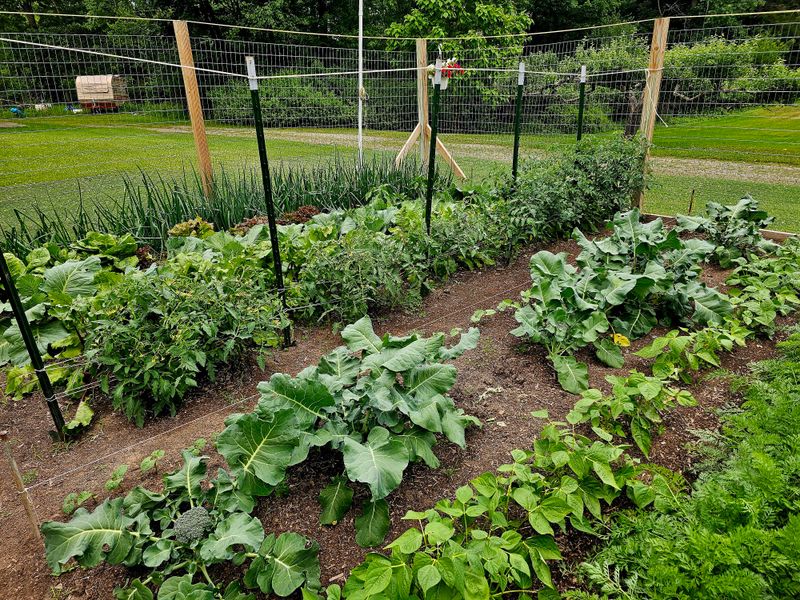
Michigan is a bigger and more diverse state than many people realize when it comes to gardening.
The Upper Peninsula and the Lower Peninsula can feel like two completely different growing environments, and treating them the same way leads to real problems with timing, crop selection, and fall planning.
The Upper Peninsula often has a significantly shorter frost-free season than much of the Lower Peninsula.
Some UP locations see first frost as early as mid-September, while gardeners in southwestern Michigan near Lake Michigan might not see frost until late October.
That difference of four to six weeks is enormous when you are planning what to plant and when to start wrapping up the season.
Soil temperature also plays a role that often gets overlooked. Cool-season crops like spinach and kale germinate best in cooler soil, while warm-season crops like tomatoes and peppers need soil temperatures above 60 degrees Fahrenheit to establish well.
Planting too early in cold soil often leads to slow, stressed plants even when air temperatures seem warm enough.
Using a regional planting calendar instead of a national one gives you much more accurate guidance. Michigan State University Extension publishes gardening resources organized by region that are free, reliable, and tailored to real Michigan growing conditions.
Local cooperative extension offices are also excellent resources for frost date data and crop-specific timing.
Paying attention to your specific location within the state makes every other task on this list more effective. Good timing is the foundation that everything else in your garden is built on, and regional accuracy is what makes that foundation solid.
8. Keep Notes For Next Year
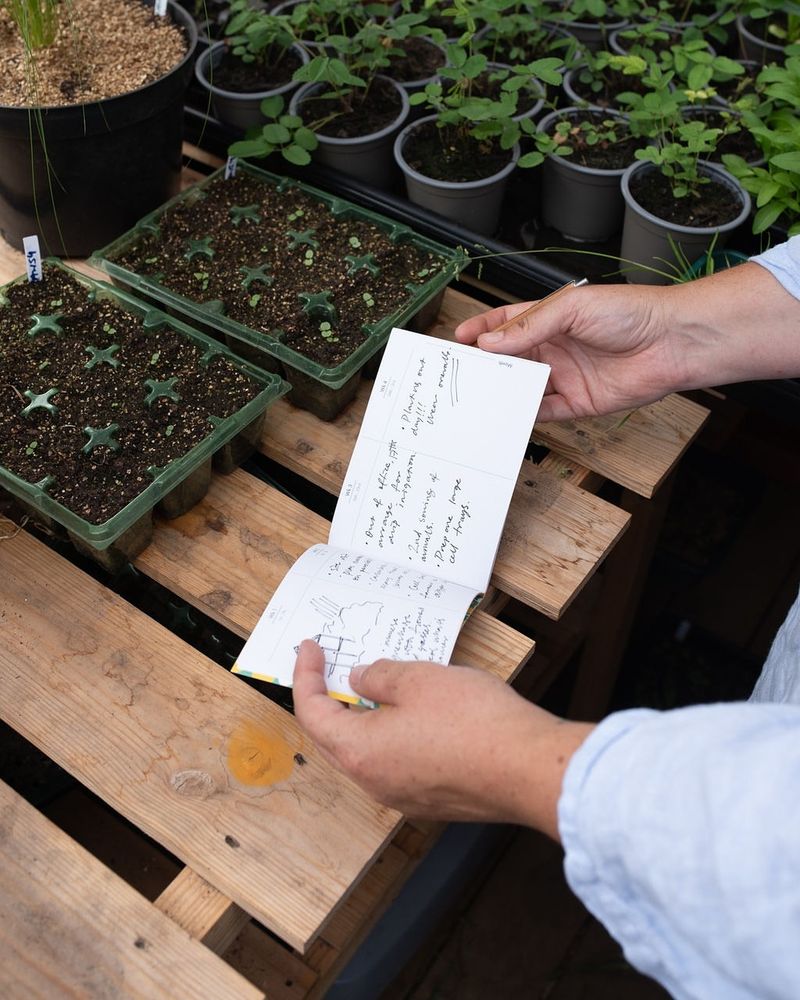
Every garden season teaches you something new, but those lessons fade quickly once fall arrives and life gets busy again.
Writing things down while they are fresh is one of the simplest habits experienced Michigan gardeners swear by, and it makes every future season a little bit easier and more successful than the last.
Start with the basics: when you planted each crop, when you first harvested, and how long each variety produced. Note which tomato or pepper variety handled the heat well, which cucumber climbed fastest, and which lettuce bolted too quickly.
These details are easy to forget but incredibly valuable when you are standing in a seed shop the following February trying to remember what worked.
Pest and disease observations are equally worth recording. If aphids showed up on your beans in mid-July two years in a row, that is a pattern worth knowing about.
Recording where problems appeared in your garden beds can also help you plan smarter crop rotations the following year, which naturally reduces the buildup of soil-borne issues over time.
Also note your watering habits, mulch depth, support methods used, and any adjustments you made mid-season. If you switched to drip irrigation and saw fewer fungal problems, write that down.
If a certain mulch material attracted slugs, that is worth remembering too.
Your notes do not need to be elaborate. A simple notebook, a printed garden template, or even a notes app on your phone works perfectly fine.
What matters is consistency. The more seasons you document, the more your garden becomes truly personalized to your exact Michigan location and growing style.