These Native Berry Bushes Keep Tennessee Birds Fed All Year Long
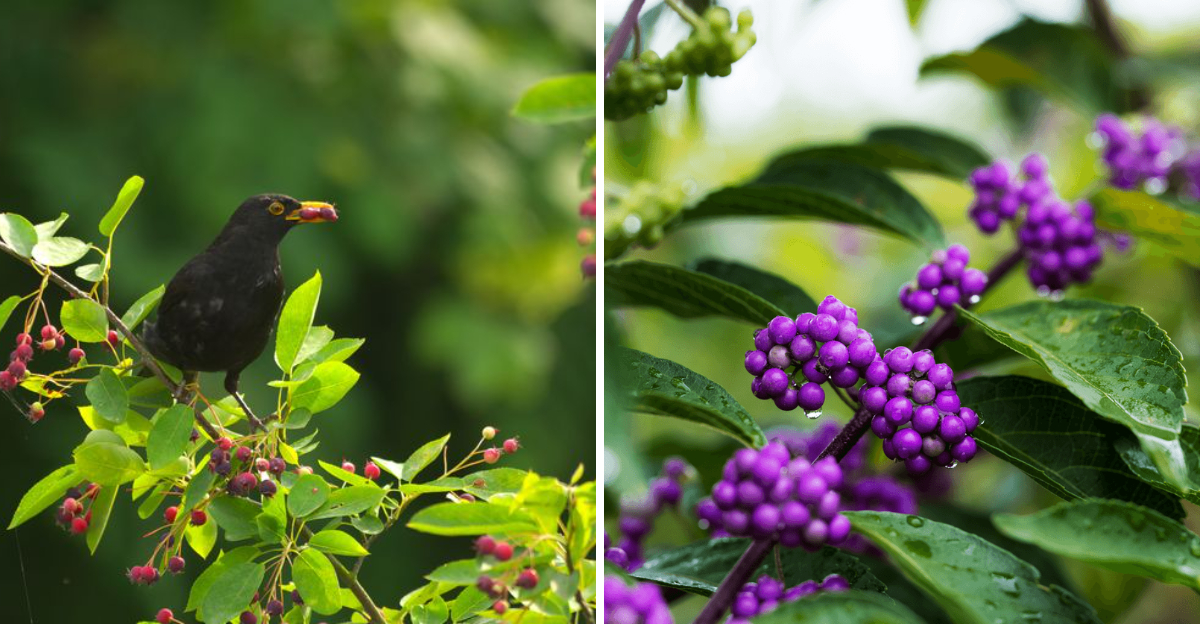
Step onto a Tennessee porch in April and the show has already started. A cardinal drops onto a fence post like it owns the place.
A mockingbird runs through its whole playlist before breakfast. Somewhere in the hedge, wings flicker.
Then the color slips out of sight before you can name it. This isn’t luck. It’s landscaping done right. Forget the plastic feeder swinging empty by Thursday.
The real trick is berries. Planted in the ground. Doing their job on nature’s schedule. Native shrubs ripen in waves.
One hands off to the next, so there’s always something worth stopping for. Spring brings tender fruit for nesting parents.
Summer piles on sugar for fledglings learning to fly. Fall loads up on fat reserves before migration begins.
Winter holds a few berries back too. Just enough for the birds that choose to stay through a Tennessee chill. Get the mix right and your yard stops being scenery. It becomes a destination.
1. American Beautyberry
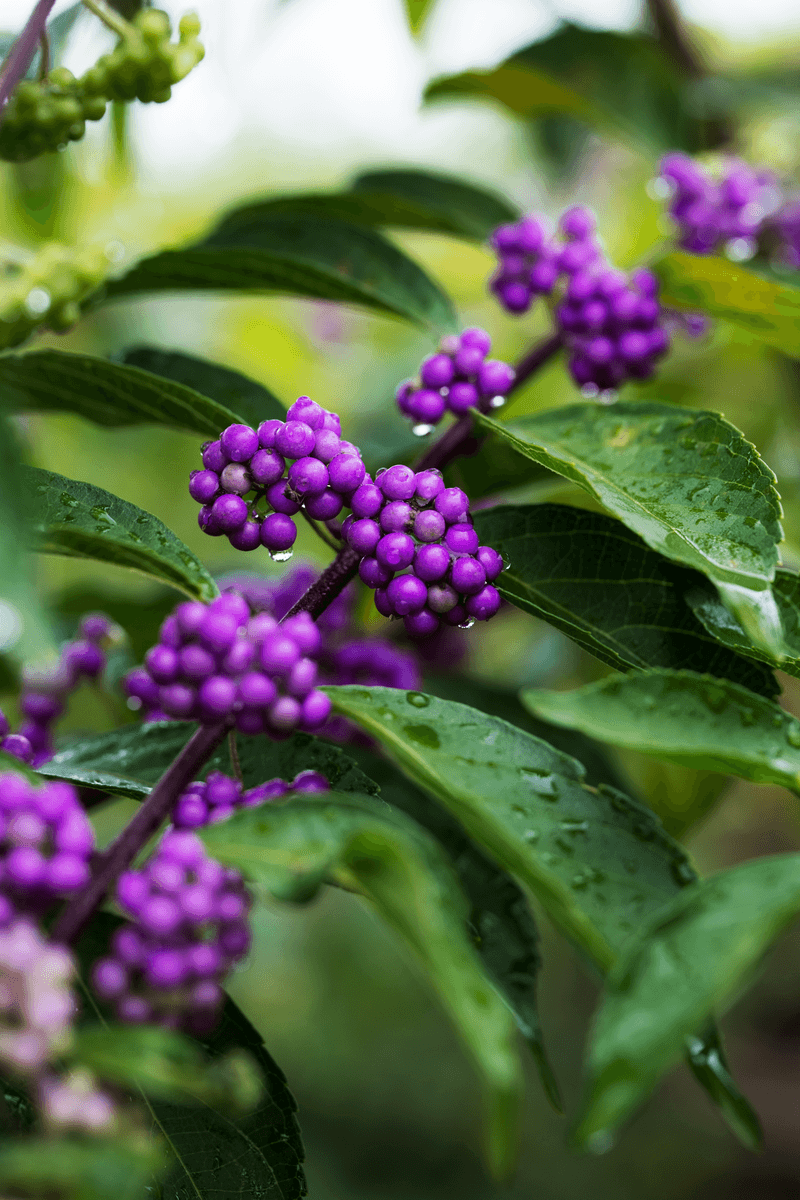
Few plants stop people in their tracks the way American Beautyberry does. Those vivid purple clusters look almost too bold to be real.
But birds know exactly what they are. Dozens of bird species snack on these bold berries. Cardinals stop by too, along with the occasional curious catbird passing through.
Native berry bushes like this one do double duty in any yard. They feed wildlife and give your garden an eye-catching focal point at the same time. No other shrub pulls off both jobs quite so well.
American Beautyberry grows fast and handles heat without much fuss, which matters plenty during a sticky Tennessee summer.
It thrives in partial shade, making it perfect for spots under taller trees where other plants struggle to hang on.
The berries ripen in late summer and hang on well into fall. That long window means birds can count on a steady food source even as the season shifts around them.
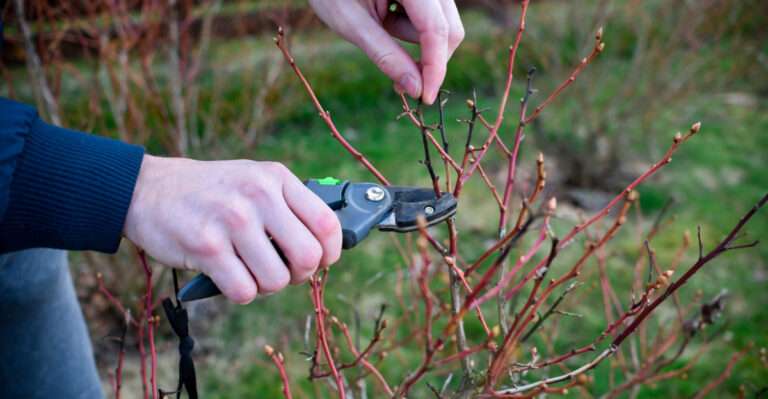
Pruning is simple. Cut it back hard in late winter and it bounces back lush and full by June. Even a rough haircut won’t slow this shrub down for long.
You can find it at most native plant nurseries across the state. It costs little, needs little, and gives back a whole lot in return.
Planting several together creates a thicket that birds love. They tuck inside to hide, rest, and build nests.
That added shelter makes your yard even more inviting to feathered visitors all season long.
2. Elderberry
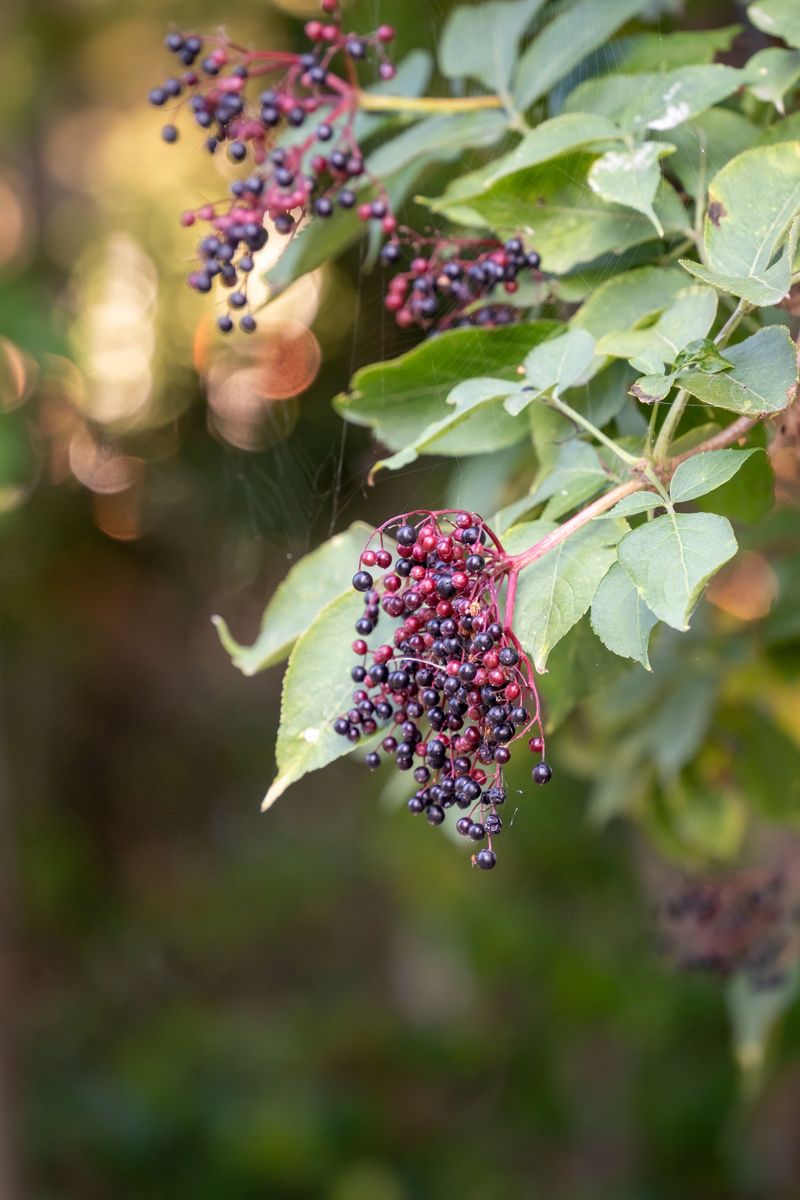
Elderberry is the overachiever of the native shrub world. It feeds birds, pollinators, and people, all from the same generous branches.
Songbirds go absolutely wild for the dark purple-black clusters that droop heavy from the stems in midsummer. Cedar waxwings, bluebirds, and wood thrushes are regulars at the elderberry table. Catbirds and orioles often join the crowd too.
This shrub grows fast, sometimes adding several feet in a single season under good conditions. Plant it in a sunny spot with decent moisture and it will reward you quickly, often producing berries within its first year or two.
Your Tennessee Garden Changes Every Week. Your Plan Should Too.
Gardening in Tennessee changes quickly throughout the season. Every Friday you’ll receive a simple weekly plan showing exactly what to plant, prune, fertilize, harvest, and protect so you never miss the right timing.
Elderberry blooms early enough to feed spring pollinators before the berries even form. The flat white flower heads are a magnet for bees and butterflies, turning the shrub into a two-season resource for local wildlife.
Berries ripen by midsummer, giving birds a high-energy boost right when they need it most. Parent birds use the fruit to feed fledglings still learning to fly, often making dozens of trips a day back to the nest.
If you want to make elderberry syrup or jam, plan to share with the birds. They will not wait politely for your harvest, so pick early or net a few branches if you want a real cut.
Plant at least two shrubs near each other for better fruit production. Cross-pollination between plants results in heavier berry clusters and more food for everyone in the yard.
Elderberry also tolerates wet soil better than most shrubs. Low spots that stay soggy after rain are actually ideal planting locations for this tough, generous plant.
3. Black Chokeberry
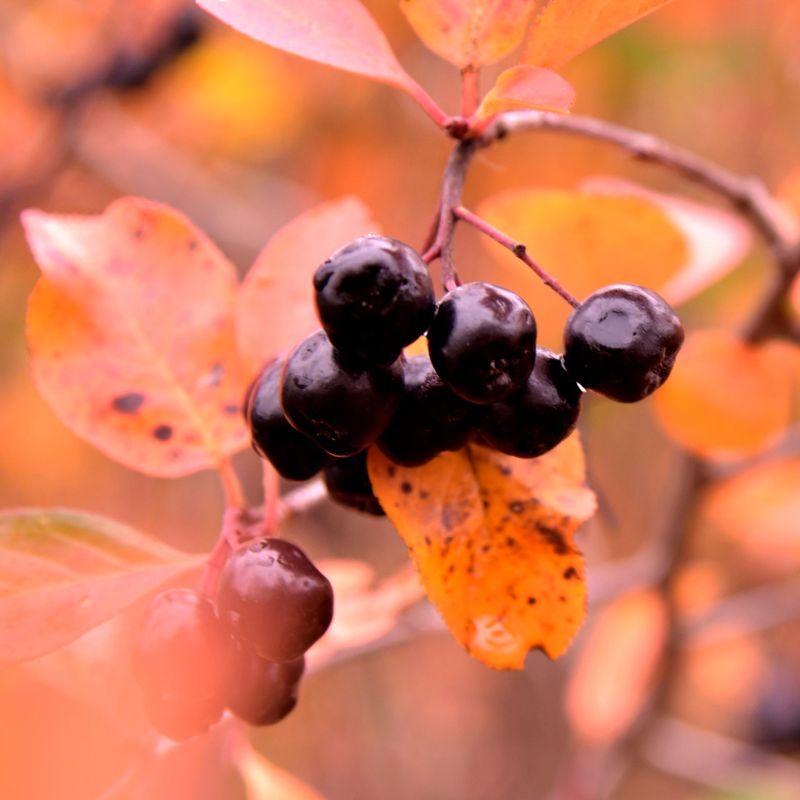
Black Chokeberry might have the least flattering name in the shrub world. But birds do not care about names, and they flock to this plant with serious enthusiasm.
The berries are small, dark, and packed with nutrition. Species like cedar waxwings, bluebirds, and yellow-rumped warblers treat it like a favorite diner they return to every season.
Robins and mockingbirds tend to show up too, especially once the fruit softens. What makes this shrub stand out is its staying power.
Berries persist from late fall through early spring, giving birds a food source across the leanest months of the year.
Native berry bushes that hold fruit late in the season are incredibly valuable. Migrating birds passing through need reliable food stops, and Black Chokeberry delivers right on schedule, offering fuel exactly when options elsewhere start running thin.
This plant also earns points for its fall color. The leaves turn a brilliant red-orange that rivals any ornamental shrub you could buy at a big box store.
It handles both wet and dry conditions without complaint. Plant it in rain gardens, along creek edges, or in average garden beds and it adapts without drama, settling in wherever it lands.
Growth is moderate, reaching about six feet tall and wide at maturity. That size fits neatly into most landscapes without overwhelming the space or crowding out neighboring plants.
Chokeberry also resists most pests and diseases, which means less work for you. Low maintenance and high wildlife value make it one of the smartest plants you can add to any yard this season.
4. Spicebush
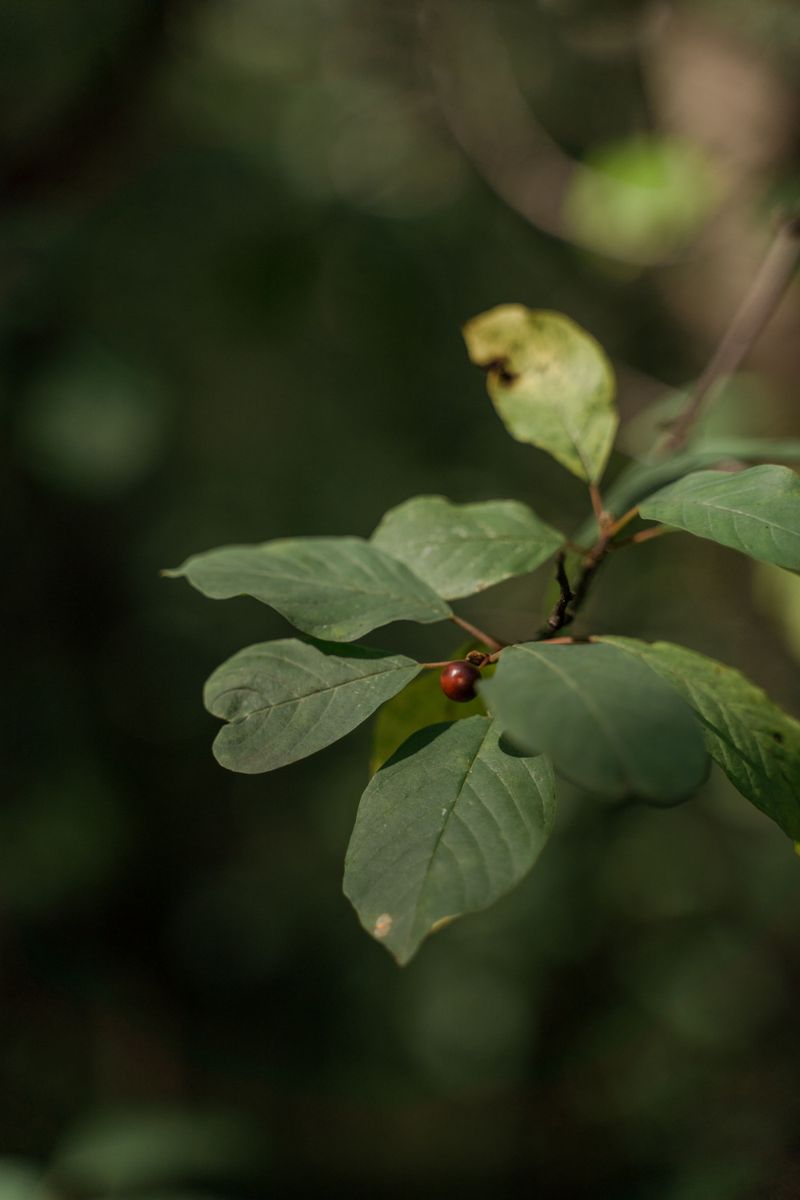
Crush a leaf from this shrub and you get a sharp, spicy scent that is impossible to forget. Spicebush earns its name in the most satisfying way possible.
Beyond the fragrance, this native shrub is a valuable resource for bird life. The bright red berries ripen in late summer and are especially loved by wood thrushes, veeries, and great crested flycatchers.
Catbirds and robins tend to visit as well, drawn in by the same rich fruit. Spicebush is also the host plant for the spicebush swallowtail butterfly.
That means planting it supports both birds and one of the most beautiful butterflies in the eastern United States, all from a single shrub.
It grows naturally in woodland understories, so it thrives in shady spots where other fruiting shrubs struggle. Got a dark corner under mature trees? Spicebush is your answer.
Native berry bushes that tolerate shade are rare and valuable. Most fruiting plants want full sun, so Spicebush fills a niche that few others can match in a typical yard.
The berries are high in fat, which gives migrating birds the energy boost they need for long flights south. Timing is everything in migration, and Spicebush delivers at exactly the right moment in the season.
Male and female plants are separate, so plant both for berry production. One male can pollinate several females, so you do not need an equal ratio between them.
Spicebush grows slowly but lives long. Once established, it becomes a permanent, low-effort wildlife resource that keeps giving year after year with almost no help from you.
5. Winterberry Holly
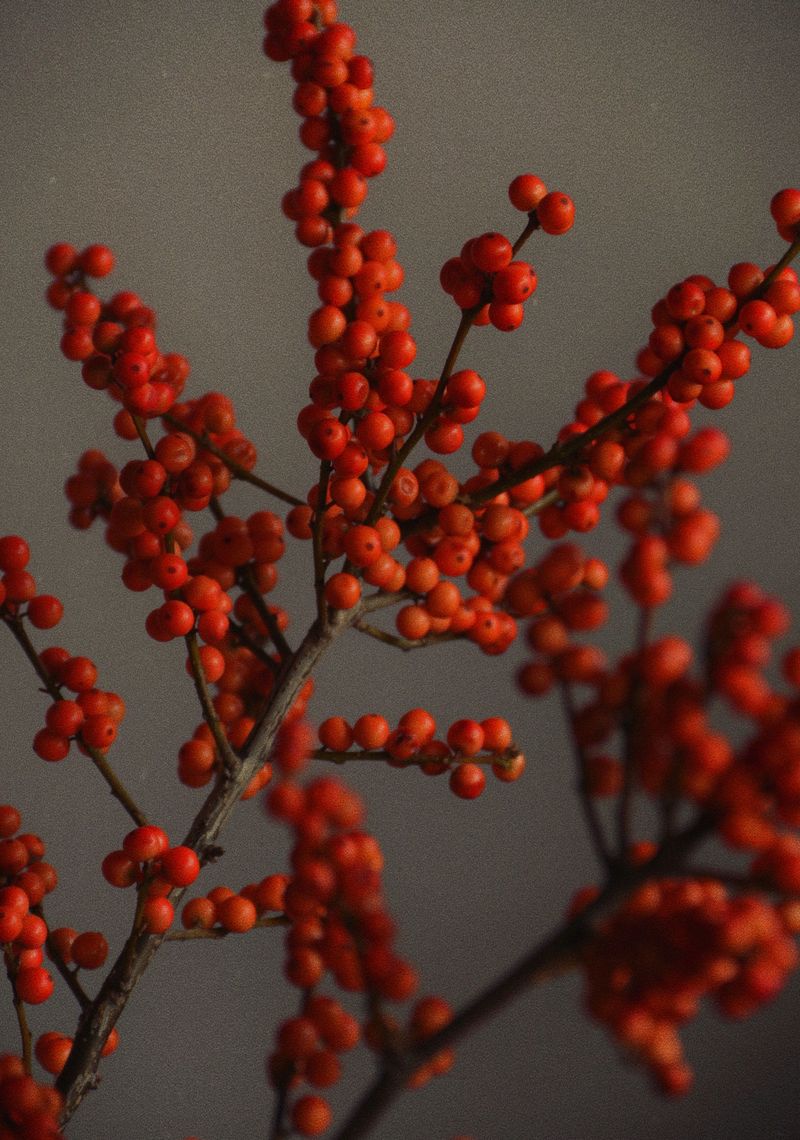
When every other plant has given up for winter, Winterberry Holly is just getting started. Those blazing red berries on bare branches look like nature hung its own holiday lights.
Birds that stay through cold months depend on this shrub more than almost any other plant.
Bluebirds, cedar waxwings, and hermit thrushes descend on the berries when other food runs scarce. Robins often join in too, especially during a hard freeze.
Winterberry is a native holly that drops its leaves in fall, which actually makes the berries more visible and accessible. No thick foliage gets in the way of a hungry bird on a cold morning.
Among native berry bushes, few offer as much visual drama in the off-season. A row of Winterberry along a fence or property edge becomes the most stunning thing in the winter yard.
It loves wet soil and performs beautifully near ponds, streams, or low-lying areas that stay damp. Most shrubs struggle with wet feet, but Winterberry practically asks for them.
Like Spicebush, you need male and female plants for berry production. One male plant can serve up to six females, so plan your planting accordingly before you buy.
Berries persist from late fall through early spring, giving birds a food source across the leanest months of the year. That kind of reliability is hard to find in any garden plant.
Winterberry grows about six to ten feet tall and lights up the landscape in a way that makes every neighbor ask what that stunning red shrub is, even from the road.
6. Serviceberry
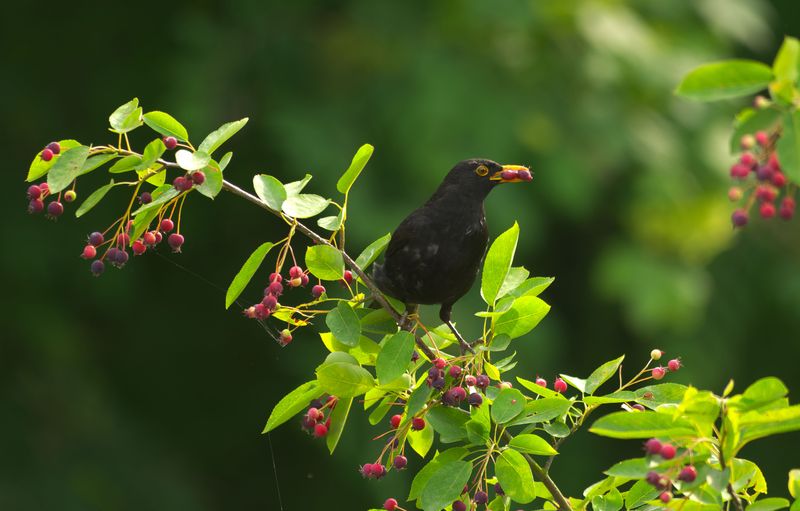
Serviceberry is the first native shrub to fruit each spring, and birds know it. The moment those small red-purple berries ripen, the branches fill with hungry visitors practically overnight.
Robins, catbirds, thrushes, and tanagers all compete for the fruit. The feeding frenzy usually lasts only a week or two because the birds are that efficient at stripping the plant clean.
Cedar waxwings often show up late to the party and still manage to find leftovers. This shrub also blooms early with delicate white flowers that signal the end of winter.
The blossoms attract early pollinators and give your yard a soft, elegant look before most other plants wake up.
Serviceberry grows well as a multi-stemmed shrub or a small tree, depending on how you prune it. Either form fits beautifully into a naturalized garden or a more structured landscape design.
Native berry bushes that produce in spring are especially important for birds coming off a tough winter. Serviceberry fills that early-season gap when food options are still limited across the landscape.
The fruit also tastes good to people. Many gardeners describe the flavor as a mix between a blueberry and a mild cherry, making it a true dual-purpose plant.
Fall color adds another reason to love this shrub. The leaves shift to shades of orange and red, giving you three seasons of genuine visual interest from one plant.
Plant Serviceberry in full sun to partial shade for the best fruit production. Once settled in, it grows steadily and becomes a beloved anchor plant in any bird-friendly yard for decades to come.
7. Eastern Red Cedar
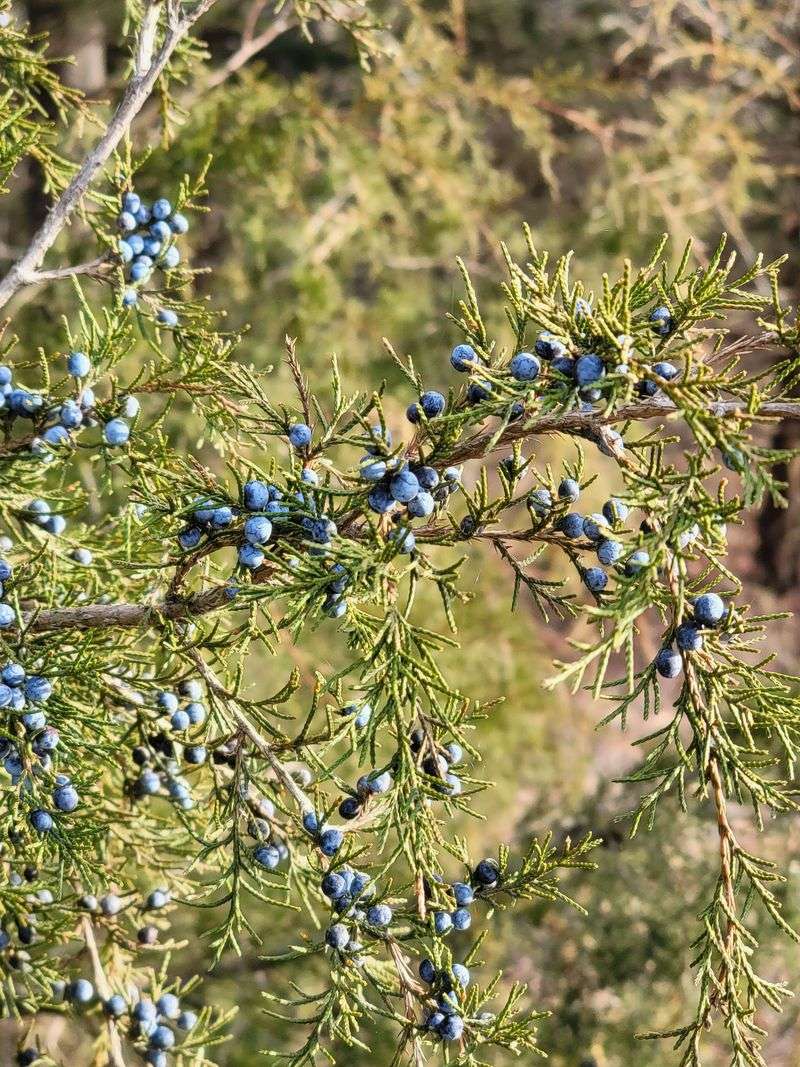
Eastern Red Cedar is not technically a berry bush, but it earns its spot on this list without apology. The small blue-gray cones it produces look and act just like berries, and birds treat them exactly that way.
Cedar waxwings are practically named after this tree. They arrive in flocks and work through the fruit with impressive speed and coordination.
Yellow-rumped warblers, bluebirds, and mockingbirds also rely heavily on these cones during fall and winter. The fat content is high, making them a critical fuel source during cold snaps.
Eastern Red Cedar is one of the most important native berry bushes, or berry-like trees, for winter bird welfare across the eastern United States. It plays a significant role in the ecosystem.
This tree also provides dense nesting cover that few other plants can match. The thick evergreen branches shelter birds from wind, rain, and predators all year long, even in the depths of winter.
It grows in almost any soil, from rocky hillsides to clay-heavy flats. Drought resistance is exceptional, making it one of the easiest native plants to establish in a new yard.
Cedar grows slowly at first but accelerates once rooted. A mature, well-established tree provides significant food and cover that benefits dozens of bird species each season, from nesting pairs to passing migrants.
If you want native berry bushes that keep Tennessee birds fed through the harshest months, Eastern Red Cedar is the anchor plant your yard cannot afford to skip.