The Reason Your Texas Veggie Garden Quits In July (And The Fixes That Actually Work)
Everything looks great in May. Your tomatoes are climbing, the peppers are flowering, the squash is sprawling out like it owns the place.
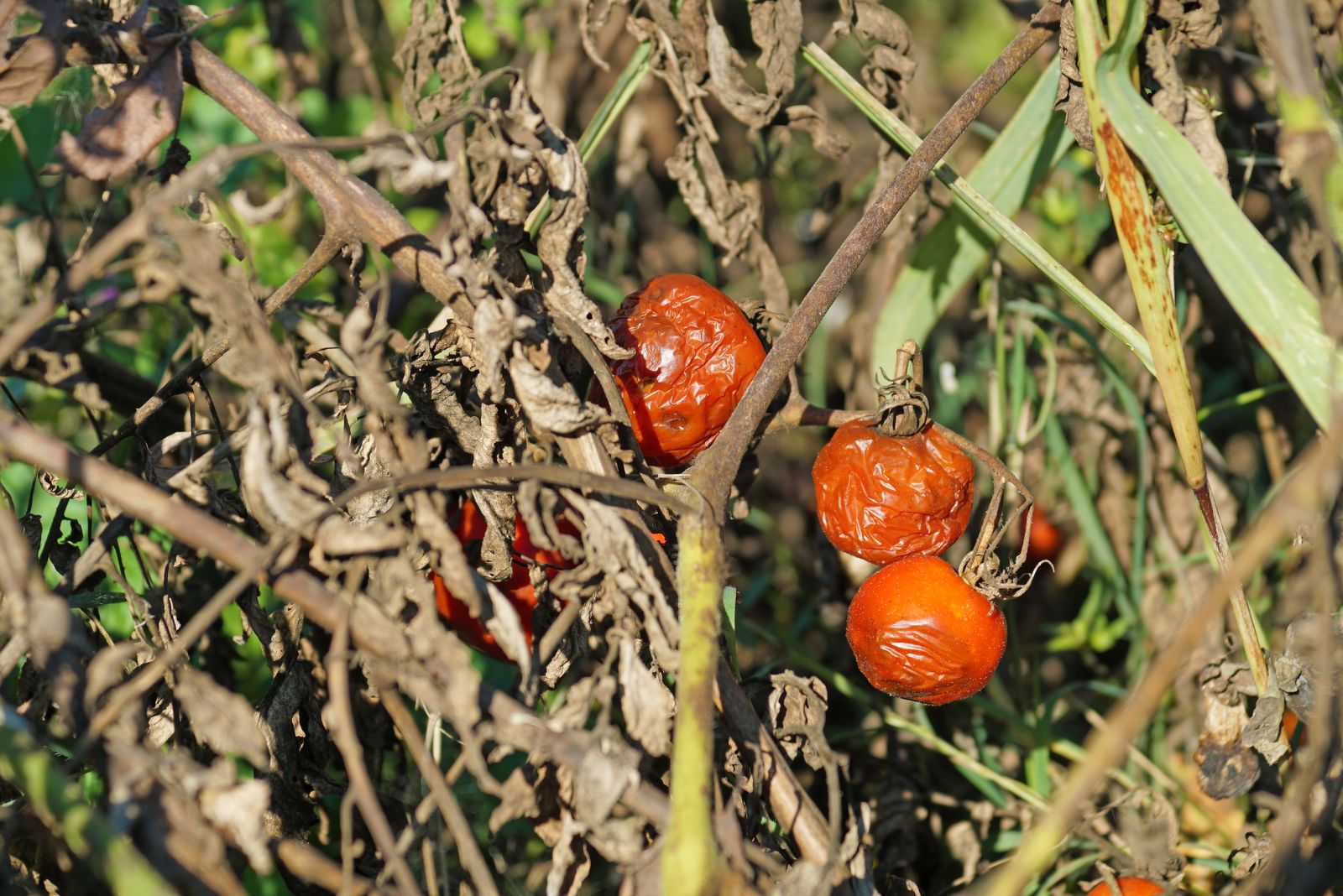
Then July hits, and something shifts. Production slows down, plants start looking ragged, and the garden that felt so promising just a few weeks ago seems to be quietly giving up. This is not bad luck. It’s not poor gardening either.
July in Texas is genuinely one of the hardest months for a vegetable garden. The combination of intense heat, high nighttime temperatures, and relentless sun creates conditions that push most veggie plants right to their limits.
Some of what’s happening is completely natural. But a lot of it is preventable, and almost all of it is fixable with the right adjustments.
Understanding exactly why your garden stalls in July is the first step toward doing something about it. Here’s what’s really going on and the fixes that actually make a difference.
The Culprit: Unfiltered Summer Sun
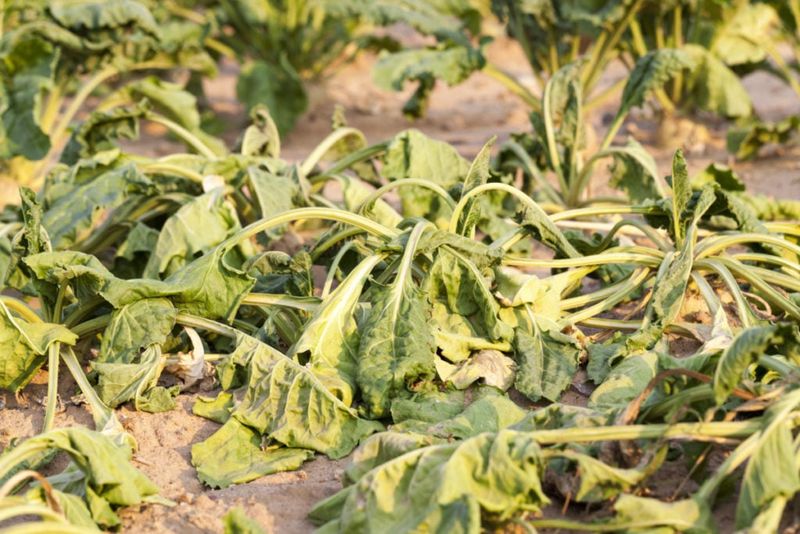
Picture this: it is 10 a.m. in Texas, and the sun is already hammering your garden like a blowtorch. By noon, your tomatoes are drooping, your lettuce has bolted, and your squash looks like it waved a white flag.
That is not bad luck. That is unfiltered July sun doing exactly what it does every single summer.
Texas sits in a region that gets some of the most intense solar radiation in the entire country. In July, temperatures regularly climb past 100 degrees Fahrenheit, and direct sunlight can push soil surface temperatures even higher.
Cool-season crops like spinach, cilantro, and lettuce simply cannot handle this. They bolt, meaning they shoot up a flower stalk and stop producing leaves, all because the heat signals them to go to seed fast.
Even warm-season crops like tomatoes and peppers struggle when temps stay above 95 degrees for days on end. Tomato blossoms drop without setting fruit when nighttime temperatures stay too warm.
Peppers stall out and stop growing new pods. The sun is not just hot. It is relentless, shining for up to 14 hours a day in midsummer.
Understanding that the sun is the first villain in your July garden story is actually empowering. Once you know what is causing the problem, you can start building solutions.
Shade cloth, strategic planting near taller crops, and adjusting watering schedules to early morning are all smart first moves.
Your garden is not failing because you are doing something wrong. Texas July sun is just that intense, and your plants need your help to survive it.
Heat Stress On Plant Physiology
Most people think heat just makes plants feel uncomfortable, kind of like a person sweating on a hot day. But what actually happens inside a plant during extreme heat is a lot more serious than that.
High temperatures mess with the very chemistry that keeps plants alive and growing.
Photosynthesis, the process plants use to turn sunlight into food, starts to slow down when temperatures climb above 90 degrees. Above 95 degrees, it can nearly stop altogether.
Your Texas Garden Changes Every Week. Your Plan Should Too.
Gardening in Texas changes quickly throughout the season. Every Friday you’ll receive a simple weekly plan showing exactly what to plant, prune, fertilize, harvest, and protect so you never miss the right timing.
Without photosynthesis running at full speed, plants cannot produce the energy they need to grow new leaves, set fruit, or even hold themselves upright.
Nutrients that roots pull from the soil also have a harder time moving up through the plant when it is under heat stress. Foliage takes a beating too. Leaves may curl, yellow at the edges, or develop brown crispy tips.
Some plants drop their lower leaves entirely as a survival response, conserving whatever moisture they can. This weakened state makes them sitting targets for pests and diseases that would not stand a chance against a healthy, well-hydrated plant.
Spider mites, for example, absolutely love hot and dry conditions. A stressed plant covered in spider mites is fighting two battles at once, and it rarely wins both.
Fungal diseases also creep in when plants are weakened and stressed, especially if humidity spikes after a brief rain shower.
Knowing how heat affects plant biology helps you act before the damage gets out of hand. Shading plants during peak hours and keeping roots cool are two of the most effective ways to reduce heat stress and keep physiology running closer to normal.
Soil Moisture Loss
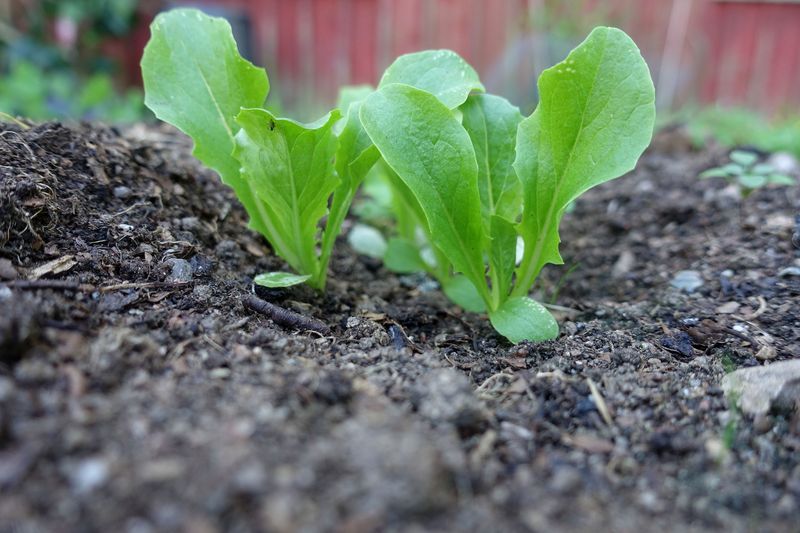
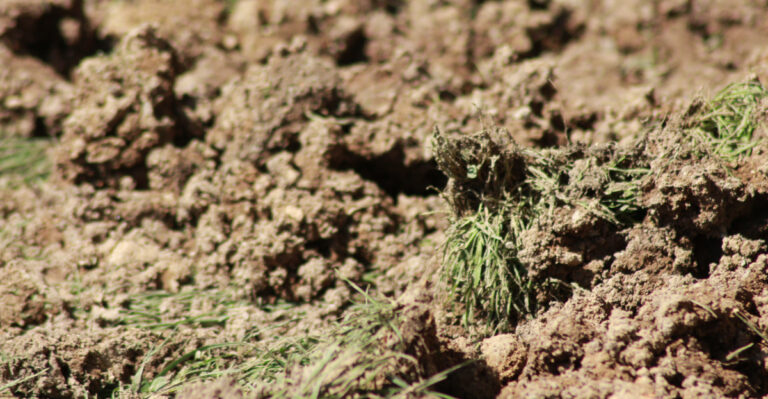
Grab a handful of Texas soil on a July afternoon, and there is a good chance it crumbles like dry sawdust right through your fingers. That is not just uncomfortable for you.
It is a crisis for your vegetable plants, whose roots are desperately searching for water in ground that has almost none left to give.
Hot summer air pulls moisture out of soil at a shocking rate. A garden bed that was watered the evening before can be bone dry by midday the next day when temperatures are above 100 degrees and the sun is blazing.
Sandy soils drain even faster, while clay soils crack and harden, making it tough for roots to penetrate deep enough to find cooler, moister layers underground.
When roots cannot find water, the plant shuts down non-essential functions first. New growth stops.
Flowers drop before they can be pollinated. Fruit that was just starting to form shrivels up or falls off entirely.
Stunted, sad-looking plants are almost always a sign that the root zone is not getting enough consistent moisture.
Mulching is one of the simplest and most powerful fixes available. A three to four inch layer of straw, wood chips, or shredded leaves laid over the soil surface can cut moisture evaporation dramatically.
It also keeps soil temperatures several degrees cooler, which roots genuinely appreciate during a Texas summer.
Deep watering, meaning soaking the soil six to eight inches down rather than just wetting the surface, encourages roots to grow downward toward cooler, more stable moisture.
Watering early in the morning gives plants a full tank before the heat of the day arrives and starts pulling it all back out again.
Pest And Disease Pressure
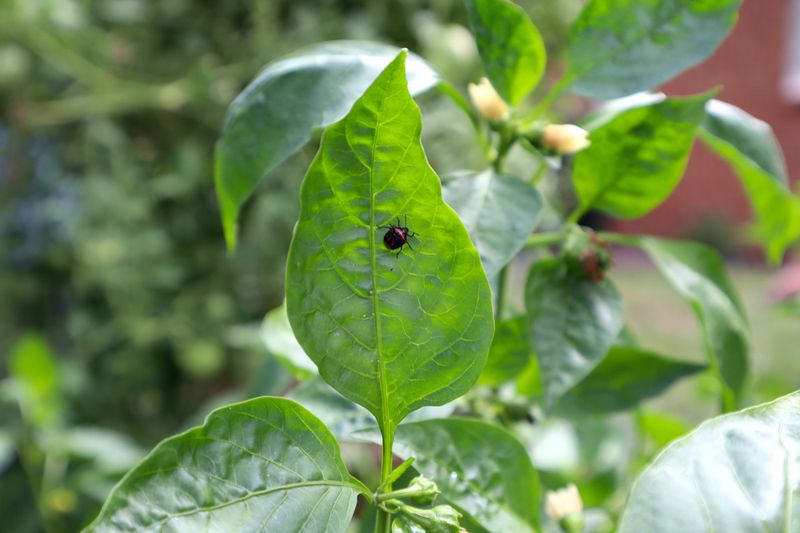
Here is something that might surprise you: pests do not just randomly show up in your garden. They are drawn in by weakness.
A heat-stressed plant sends out chemical signals that insects can actually detect, and bugs like aphids, spider mites, and whiteflies respond like they just got a dinner invitation.
Spider mites thrive in hot, dry weather. They reproduce incredibly fast when temperatures stay high, going from egg to full adult in just a few days.
Aphids cluster on tender new growth and the undersides of leaves, sucking out plant sap and leaving behind a sticky residue that attracts mold. Whiteflies swarm up in clouds when you brush a plant and then settle right back down to feed.
All three of these pests can show up in enormous numbers within just a week or two during peak summer heat.
Weakened plants also become easy targets for fungal diseases. When roots are stressed and foliage is damaged, the plant’s natural defenses drop significantly.
Powdery mildew can spread across squash and cucumber leaves almost overnight. Bacterial wilt moves through plants that have already been weakened by heat and insect feeding.
The best pest management strategy in a Texas July garden is prevention through plant health. A well-watered, well-shaded, properly fed plant is much harder for pests to take hold of.
Checking plants early in the morning for signs of infestation lets you catch problems before they spiral. A strong spray of water from a hose can knock spider mites and aphids off plants quickly.
Neem oil applied in the early morning or evening also works well without harming beneficial insects.
The Right Crops For July
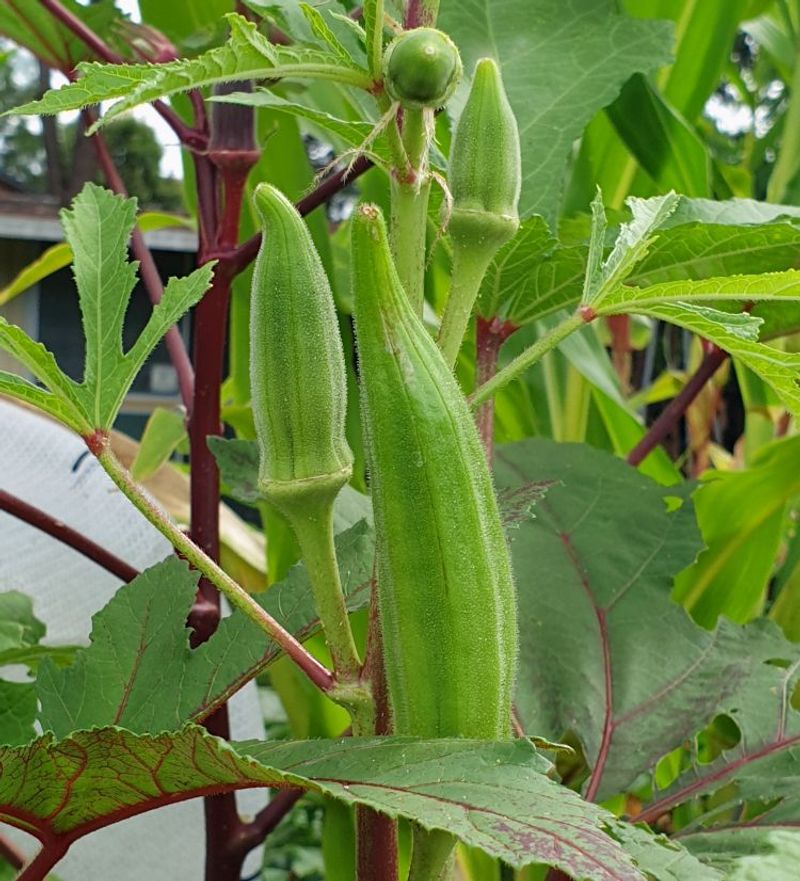
Not every vegetable waves the white flag in July. Some crops were practically born for Texas summers, and planting them is one of the smartest moves a gardener can make when the heat cranks up.
Working with the season instead of against it changes everything about how your garden performs.
Okra is the undisputed champion of the Texas summer garden. It loves heat, handles dry spells better than almost any other vegetable, and produces pods almost faster than you can pick them once it gets going.
Southern peas, also called cowpeas or black-eyed peas, are another powerhouse. They fix nitrogen in the soil while producing a steady harvest of nutritious pods throughout the hottest months.
Eggplant genuinely thrives when temperatures are high. It sets fruit reliably even when tomatoes have long since quit.
Peppers, both sweet and hot varieties, keep producing through July and August as long as they get consistent water. Bush beans can be direct-seeded in early July and will germinate quickly in warm soil, producing a harvest in about 50 to 55 days.
Sweet potatoes are another excellent choice that many Texas gardeners overlook. They spread across the ground, naturally shading the soil and suppressing weeds while their roots develop underground through the summer months.
Armenian cucumber and some varieties of heat-tolerant squash also hold up surprisingly well with proper watering and a bit of afternoon shade.
Choosing the right crops for the right season is one of the most satisfying gardening lessons you can learn. It takes the frustration out of July and replaces it with a harvest you can actually be proud of.
Practical Fixes That Actually Work
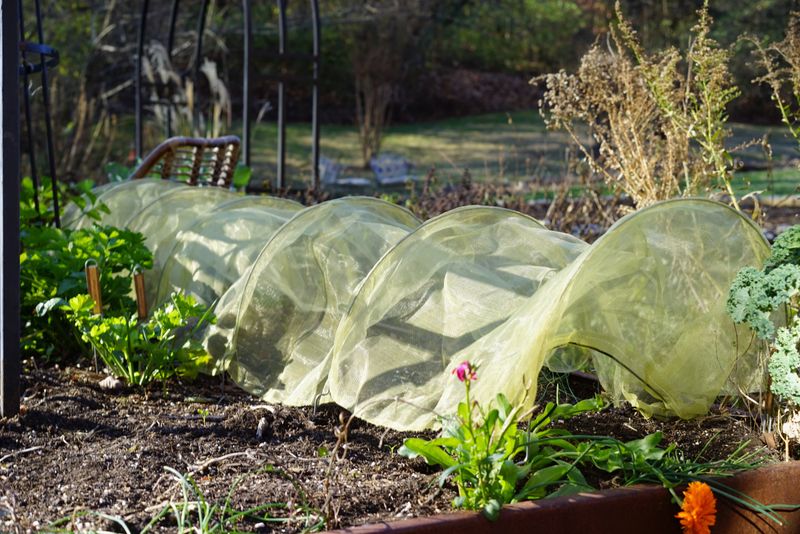
You have diagnosed the problems. Now it is time to actually fix them. The great thing about July garden struggles is that most of them respond quickly to the right interventions, and none of these fixes require expensive equipment or a horticulture degree.
Shade cloth is genuinely one of the best investments a Texas summer gardener can make. A 30 to 40 percent shade cloth draped over hoops above your garden beds filters out the harshest midday sun while still letting enough light through for plants to photosynthesize.
It can lower temperatures under the cloth by 10 degrees or more, which makes a real difference for struggling plants. You can find it at most garden centers or online, and it lasts for several seasons with proper care.
Mulching deserves to be said again because it is that important. Three to four inches of straw, wood chips, or even dried grass clippings over your soil surface dramatically slows moisture loss and keeps roots cooler.
Bare soil in a Texas July can reach 140 degrees at the surface. Mulched soil stays far more manageable.
Watering deeply and consistently is the third essential fix. Shallow, frequent watering encourages roots to stay near the surface where it is hottest and driest.
Deep watering, done early in the morning, trains roots to grow downward toward cooler, more stable moisture. Drip irrigation or soaker hoses deliver water directly to the root zone without wetting foliage, which reduces the risk of fungal disease.
Combining shade cloth, mulch, and smart watering creates a support system that gives your plants a real fighting chance all the way through the Texas summer.