Why Some Oregon Gardeners Are Putting Rocks Near Heat-Loving Plants
A few rocks near a plant might look like simple decoration, but they can change the way a garden bed feels.
Oregon gardeners who grow heat-loving plants often use stones to help create a warmer little pocket around the roots.
That can matter in places where cool nights slow growth or spring warmth arrives late. The idea is not to cover the whole bed in gravel.
It is to use rocks with care, in spots where extra warmth can help. Sun hits the stone during the day, then the area may stay a bit warmer after the air cools.
For plants that crave heat, that small boost can make the garden feel more welcoming. The right placement can turn a chilly corner into a better home for summer crops and sun-loving herbs.
1. Rocks Help Warm The Soil Around Heat-Loving Plants
Soil temperature matters more than most people realize. Many heat-loving plants simply will not grow well if the ground stays too cold, even when the air feels warm.
In Oregon, spring soil can stay chilly well into June, which is frustrating for gardeners who want an early start.
Rocks are one of the easiest ways to fix this problem. When you place rocks around your plants, they soak up heat from the sun throughout the day.
As temperatures drop in the evening, those rocks slowly release that stored warmth back into the surrounding soil. It is like giving your plants a gentle, steady heat source overnight.
Dark-colored rocks work especially well because they absorb more sunlight than lighter ones. Basalt, slate, and dark river rocks are popular choices among experienced gardeners in this region.
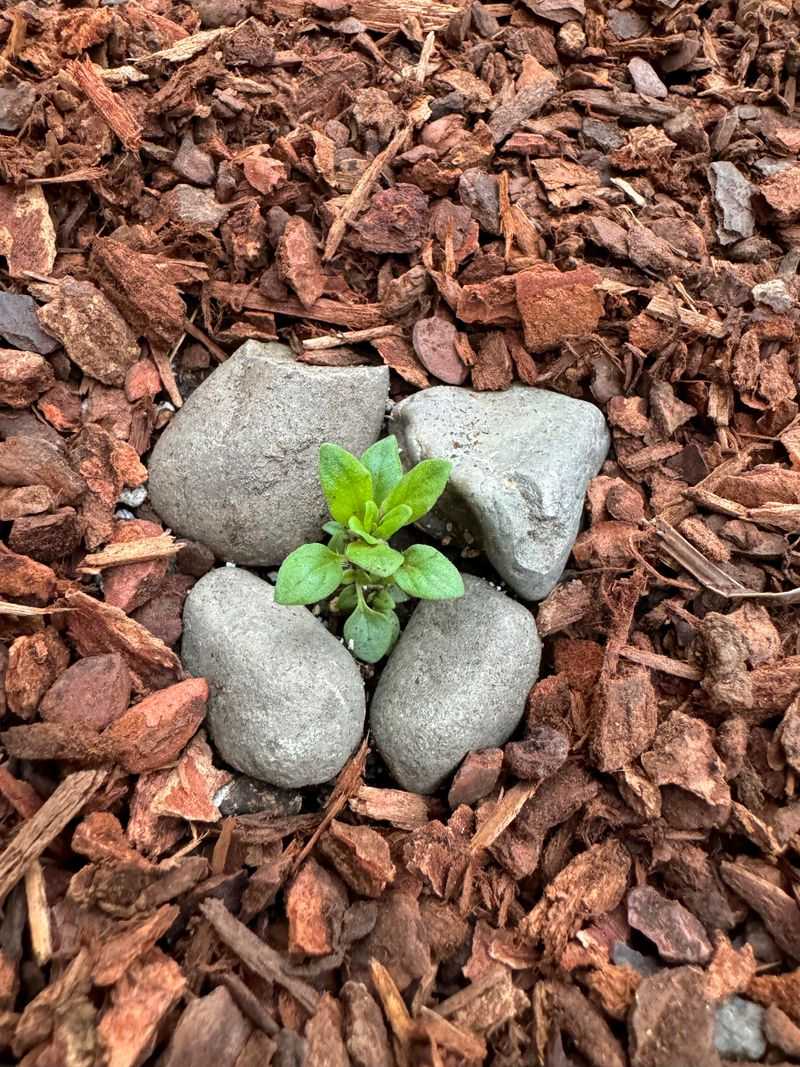
Even a ring of fist-sized stones placed around a single plant can make a noticeable difference in how fast it grows.
Studies on soil temperature have shown that warmer root zones lead to faster germination, stronger root development, and higher yields. For gardeners working with a short growing season, every extra degree of soil warmth counts.
Rocks give you that advantage without any complicated equipment or added cost.
You do not need a fancy setup to try this. Just gather some stones from your yard or pick up a bag of landscaping rocks.
Place them close to the base of your plants, and let nature do the rest.
2. Stone Holds Daytime Heat And Releases It Slowly
One of the most useful things about stone is how it behaves with heat. Unlike soil, which heats up and cools down quickly, stone takes longer to warm but also holds that warmth for hours after the sun goes down.
Gardeners sometimes call this thermal mass, and it is a concept that has been used in building and farming for centuries.
Flat stones work especially well for this purpose. When laid on the soil surface near your plants, they act like a slow-release heat pad.
The sun beats down on them all afternoon, and then they quietly radiate warmth through the evening and into the night. For plants like basil, eggplant, and sweet peppers, that extra warmth can mean the difference between a weak harvest and a great one.
Your Oregon Garden Changes Every Week. Your Plan Should Too.
Gardening in Oregon changes quickly throughout the season. Every Friday you’ll receive a simple weekly plan showing exactly what to plant, prune, fertilize, harvest, and protect so you never miss the right timing.
Granite and sandstone are two types of rock that hold heat particularly well. Both are common in landscaping supply stores and are not expensive.
You do not need large boulders to get results. Even medium-sized flat rocks placed around your beds will do the job nicely.
This technique is especially valuable during early spring or late fall when nighttime temperatures can dip sharply. A well-placed stone can buffer those cold snaps and help your plants survive a surprise chill.
Experienced Oregon gardeners often pair rocks with row covers for even better protection during tricky weather.
Using stone this way is practical, low-cost, and surprisingly effective for anyone growing warm-season crops in a cooler climate.
3. Tomatoes And Peppers Benefit From Warmer Root Zones
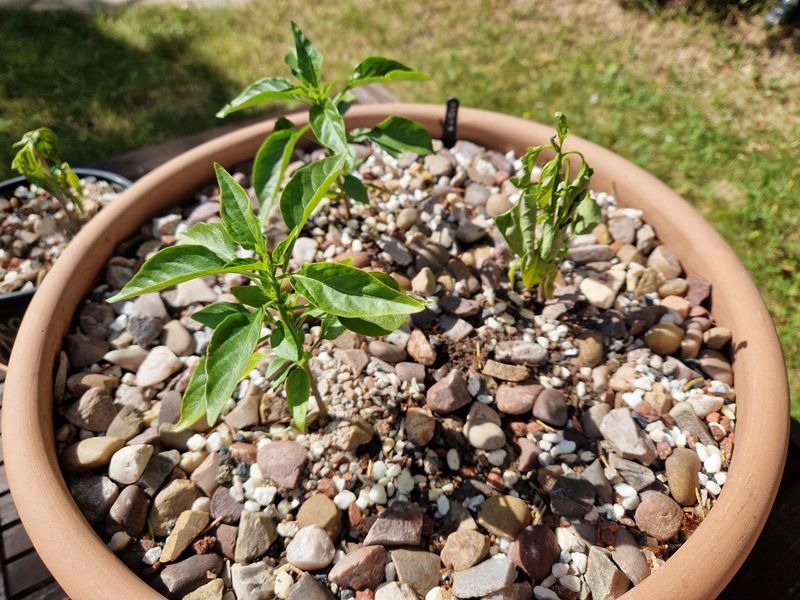
Ask any experienced vegetable gardener what tomatoes and peppers need most, and the answer almost always comes back to warmth. These two crops originally come from warm tropical regions, so they are naturally built for heat.
When roots stay cold, these plants slow down, struggle to absorb nutrients, and often produce less fruit.
Placing rocks around the base of tomato and pepper plants creates a warmer microenvironment right where the roots live. The stones soak up afternoon sun and keep that warmth close to the ground after sunset.
Root zones that stay a few degrees warmer can lead to noticeably faster growth and more consistent fruit production.
Oregon gardeners often deal with cool nights even during summer. A well-placed ring of stones around each plant can help offset that chill.
Some gardeners use a combination of dark gravel and larger flat rocks to maximize heat absorption throughout the day.
Tomatoes especially respond well to this setup. Warmer soil encourages beneficial soil microbes to stay active, which helps break down nutrients into forms the plant can easily use.
More nutrients available at the root level means stronger stems, healthier leaves, and bigger harvests.
Peppers are even more sensitive to cold soil than tomatoes. They tend to stall completely when root temperatures drop below about 60 degrees Fahrenheit.
Rocks help keep that temperature more stable, giving peppers the consistent warmth they need to flower and set fruit without interruption throughout the growing season.
4. Rocks Can Keep Soil From Staying Too Wet
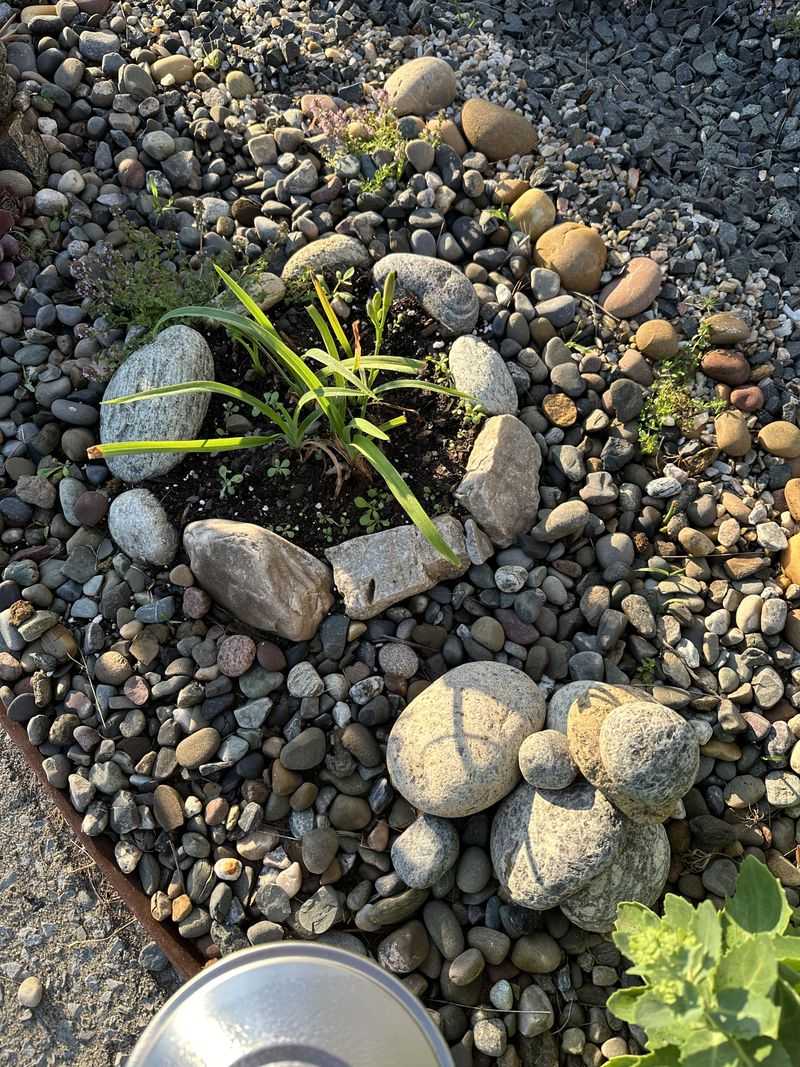
Wet soil is one of the biggest challenges gardeners face in the Pacific Northwest. Rain can fall for months at a time, and many Oregon garden soils hold onto moisture longer than heat-loving plants prefer.
Too much water around the roots can lead to poor growth and a host of other problems that are hard to fix mid-season.
Rocks can actually help with this issue in a couple of ways. When placed on the soil surface, they allow water to pass through and drain away more easily than a solid layer of mulch might.
Gravel and small stones create tiny air pockets that keep the soil from becoming compacted and waterlogged after heavy rain.
For plants like lavender, rosemary, and thyme, good drainage is not just helpful, it is essential. These plants evolved in dry, rocky Mediterranean regions and simply do not do well with soggy roots.
Adding a layer of gravel or placing rocks around their base mimics the conditions they naturally grow in.
Even in vegetable beds, excess moisture can be a problem. Tomatoes and peppers prefer evenly moist soil, not soaking wet ground.
Rocks near the surface help water move through more efficiently, reducing the risk of root problems caused by standing water.
Pairing rocks with well-amended soil that includes compost and coarse sand gives you even better drainage results.
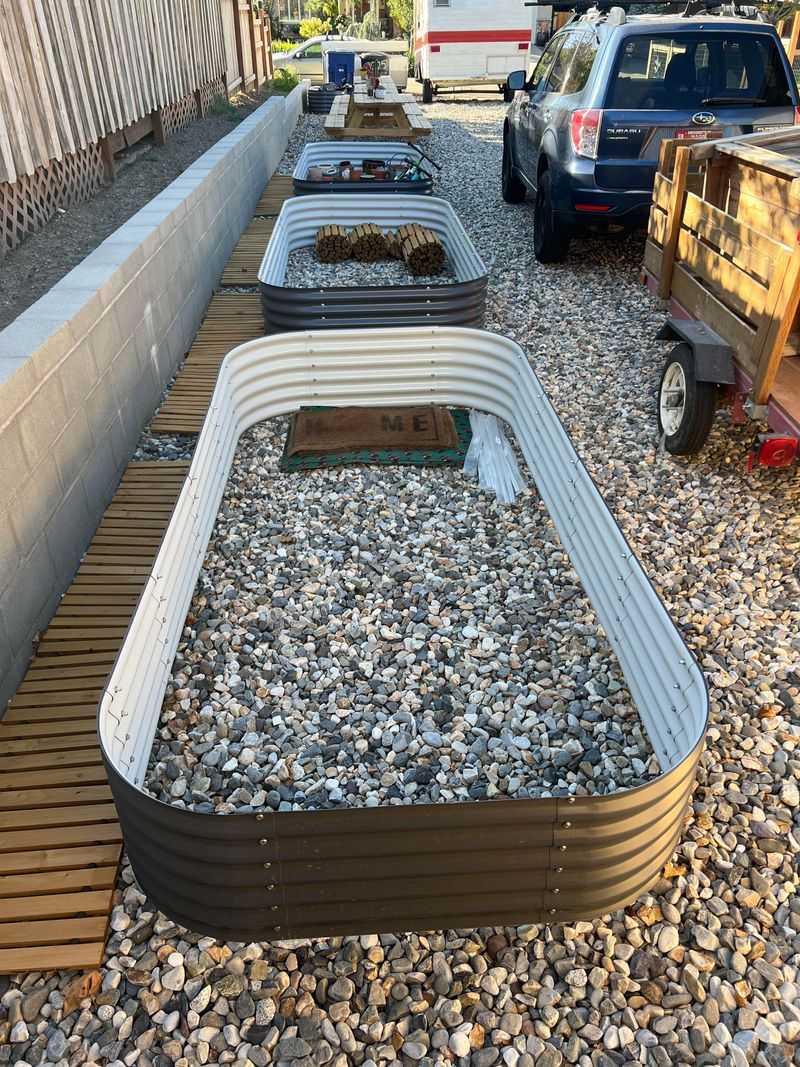
This combination works especially well in raised beds, where you have more control over your soil mix and can set up the ideal growing environment for warm-season crops.
5. Gravel Mulch Helps Reduce Splash And Mud
Mud splashing up onto plant leaves might seem like a minor annoyance, but it can actually cause real problems in the garden. When raindrops hit bare soil, they send tiny droplets flying up into the air.
Those droplets often carry soil-borne pathogens that can land on leaves and cause disease. Keeping the soil surface covered helps block this process entirely.
Gravel mulch is one of the cleanest and most effective ways to stop splash. A two-inch layer of pea gravel or small decorative stone spread around your plants acts as a buffer between falling rain and the soil below.
Water soaks through the gravel and into the ground without sending muddy droplets everywhere.
This matters most for plants with low-hanging leaves or fruit, like tomatoes, squash, and strawberries. When mud stays off the foliage, the plant is less exposed to fungal issues that thrive in wet, dirty conditions.
Keeping leaves cleaner also means they can photosynthesize more efficiently, which supports stronger overall growth.
Gravel mulch also keeps your garden looking tidy throughout the rainy season. Instead of a muddy mess, you get a clean, defined bed that looks well cared for even after a heavy downpour.
Many gardeners in this region find that gravel mulch saves them time they would otherwise spend cleaning up after storms.
For best results, lay a thin layer of landscape fabric beneath the gravel to prevent weeds from pushing through while still allowing water to drain freely into the soil below.
6. A Rock Edge Can Create A Tiny Garden Microclimate
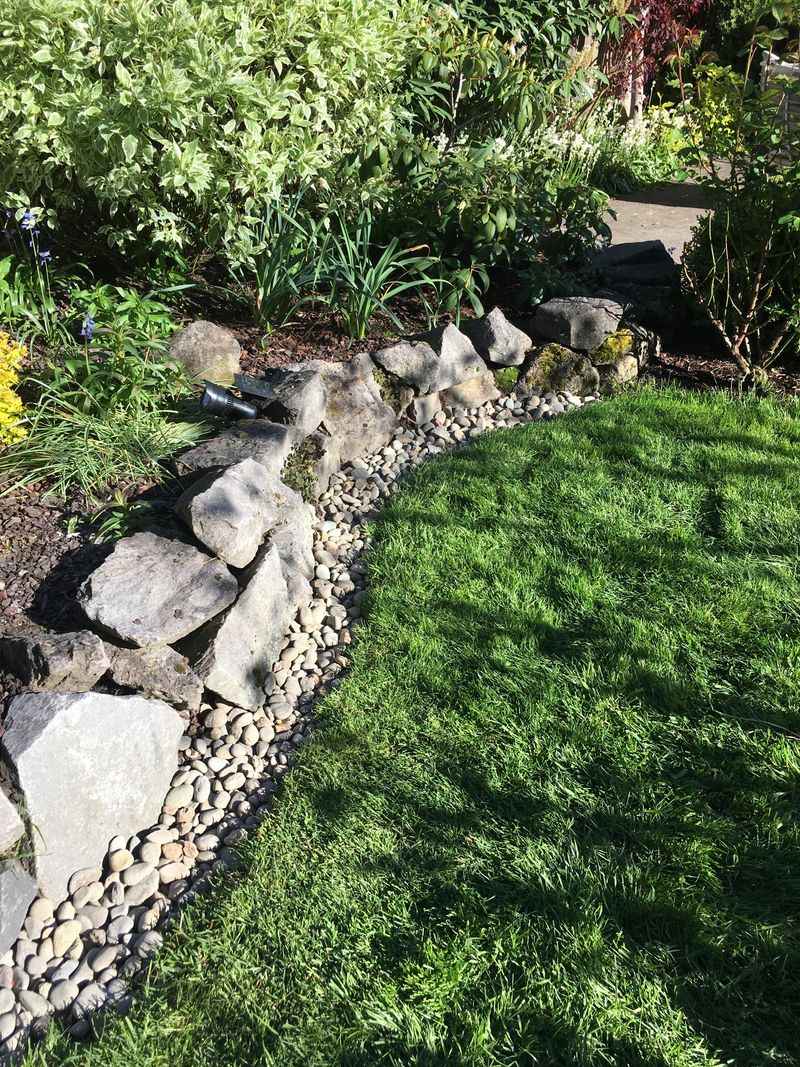
Microclimates are small pockets of air and soil that have slightly different conditions than the area around them. You might have noticed that one corner of your yard is always warmer, or that a certain spot stays drier than the rest.
Rocks can actually help you create these kinds of favorable conditions on purpose, right where your plants need them most.
When you build a rock border around a garden bed, the stones absorb heat during the day and form a kind of warm wall around the plants inside.
This traps warmth and creates a sheltered zone that can be several degrees warmer than the open garden around it. For heat-loving crops, that difference is significant.
Rock edges also block cold wind from sweeping across the soil surface. In exposed garden spots, wind can rapidly pull moisture and warmth away from the ground.
A solid border of stones slows that airflow and helps maintain a more stable environment inside the bed.
Some Oregon gardeners place large flat rocks on the south-facing side of their beds to reflect sunlight back toward the plants. This clever trick adds extra light and heat without any electricity or equipment.
It works especially well for crops like basil and eggplant that absolutely love direct sun and warm air.
Creating a rock-edged microclimate does not require expensive materials. Fieldstones, broken concrete, or even recycled bricks can all do the job.
What matters most is placing them thoughtfully to capture and hold as much heat as possible throughout the growing season.
7. Use Rocks Around Drought-Tolerant Herbs And Perennials
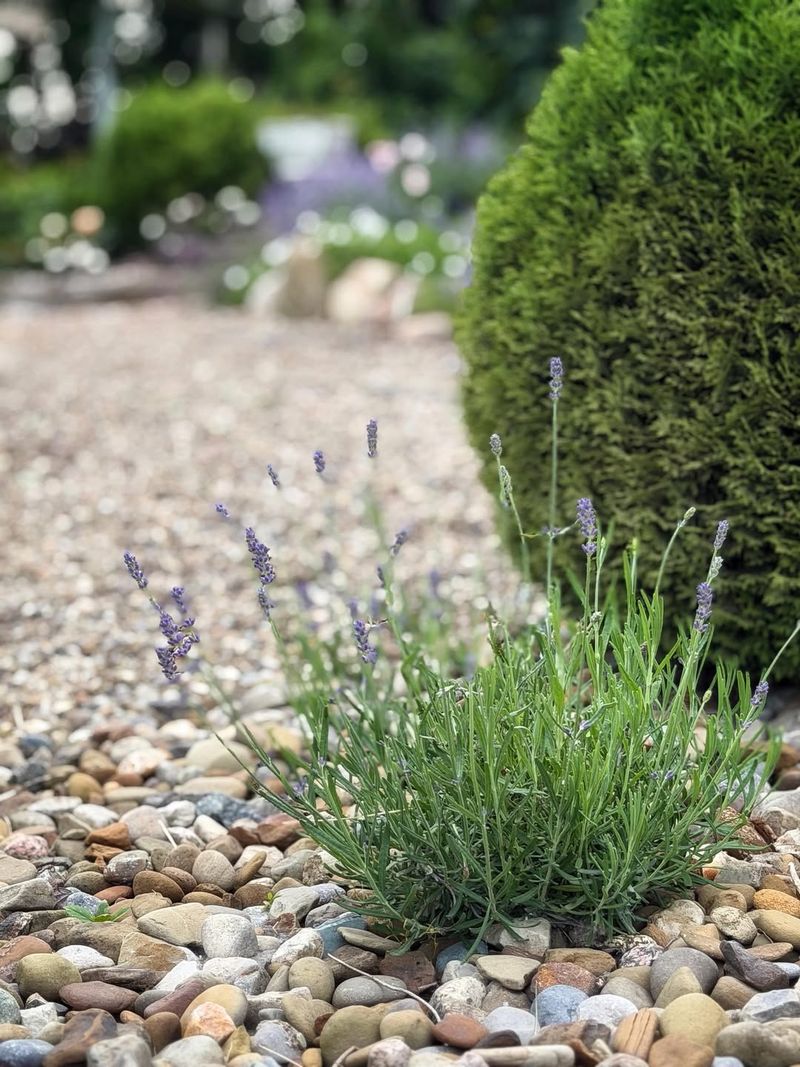
Lavender, rosemary, thyme, and sage all share something in common. They evolved in hot, dry, rocky landscapes where the soil drains fast and the sun beats down hard.
When you grow these plants in a cool, moist climate, you are essentially asking them to adapt to conditions that feel foreign to them. Rocks can bridge that gap beautifully.
Spreading a layer of gravel or placing stones around drought-tolerant herbs helps recreate the rocky, fast-draining environment they naturally prefer.
The stones keep the soil from holding too much moisture around the crown of the plant, which is often where root problems begin.
They also reflect heat upward, warming the air directly around the foliage. Many perennial herbs actually look more at home surrounded by rocks.
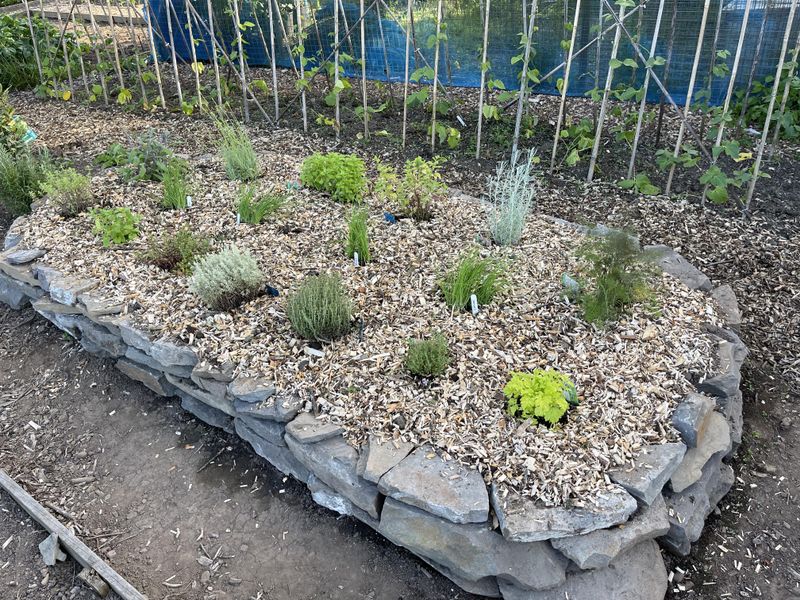
A simple arrangement of river stones or decomposed granite gives your herb garden a natural, Mediterranean feel that is both attractive and functional.
It is one of those rare garden choices that works well for both aesthetics and plant health. Beyond herbs, ornamental perennials like sedum, yarrow, and catmint also thrive alongside rocks.
These tough plants love the extra warmth and sharp drainage that a rocky surface provides.
Pairing them with stones reduces the need for frequent watering, which is a bonus for gardeners who want a lower-maintenance yard.
Starting with a simple rock border or a gravel mulch layer is all it takes. Over time, you will notice your herbs growing fuller, producing more fragrant leaves, and bouncing back faster after harvest cuts throughout the Oregon season.