Why Virginia Gardeners Are Overwintering Coleus Cuttings Instead Of Buying New In Spring
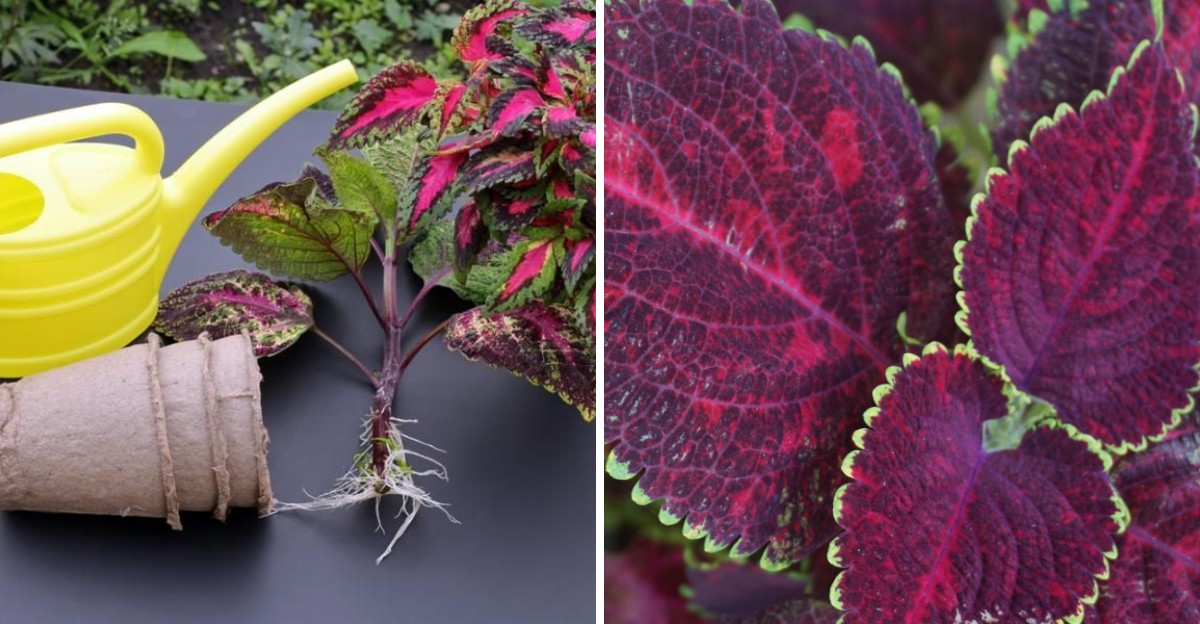
Your coleus is about to lose its glow. Nights in Virginia can dip below freezing before you notice. Clip tips from your healthiest plants today. Remove the lower leaves, then drop each stem into a clean jelly jar.
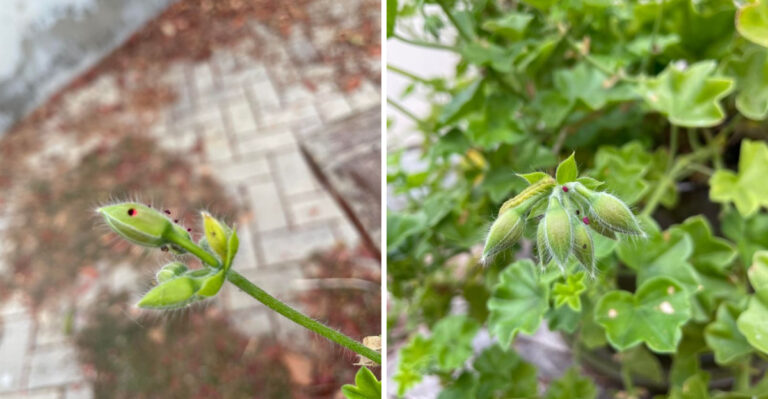
Water alone sparks white roots within weeks on coleus, begonias, and impatiens. Geraniums need a different approach: let cut ends callus on paper towels.
Park your jars on a south-facing windowsill where sunlight lasts through afternoon. Swap the water often to keep bacteria from clouding the glass.
Roots thicken fast under warm indoor light. Pot them in loose soil when white roots look sturdy.
You gain a garden by May with jars and soil. Virginia neighbors will notice your windowsill crowded with glowing, vibrant cuttings.
Expect questions from your spouse about the crowded counters. Answer with a grin and a thriving geranium.
1. Spring Plant Costs Add Up
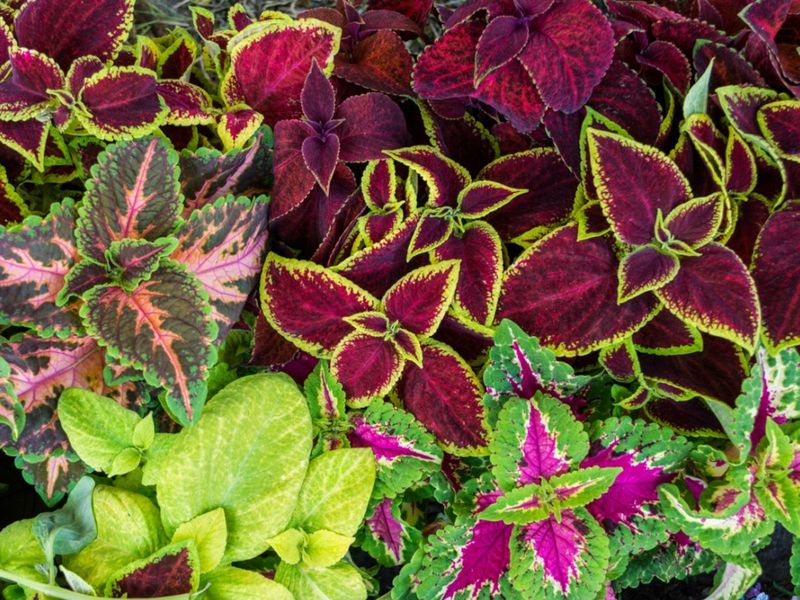
Picture a garden center checkout line in April, with a cart full of coleus at several dollars apiece. Ten plants later, your wallet feels lighter than a spring breeze.
Virginia gardeners have started doing the math, and the numbers add up. A single healthy plant in October can give you eight or more cuttings for free.
Those cuttings grow roots over the winter and turn into full plants by May. That means one summer pot can fill an entire bed next year.
Fancy named varieties cost even more for a small pot. Series like Wizard and Kong, and varieties like Redhead, are popular choices.
Keeping your own plants going lets you skip those prices without giving up the good stuff. You keep the exact same colors you already know and love.
The only real costs are a few jars, some potting mix, and a little patience. Many people already have those things at home.
Some gardeners even buy one special plant in spring just to start cuttings from it in fall. Over a few years, a collection can grow large on a small budget.
Families on tight budgets may find this trick especially useful. Saved money can go toward seeds, tools, or a nice bag of compost instead.
So before you toss those plants on the compost pile, think about the cash inside them. Every stem is like a little coupon for next summer.
2. Favorite Colors Stay In The Family
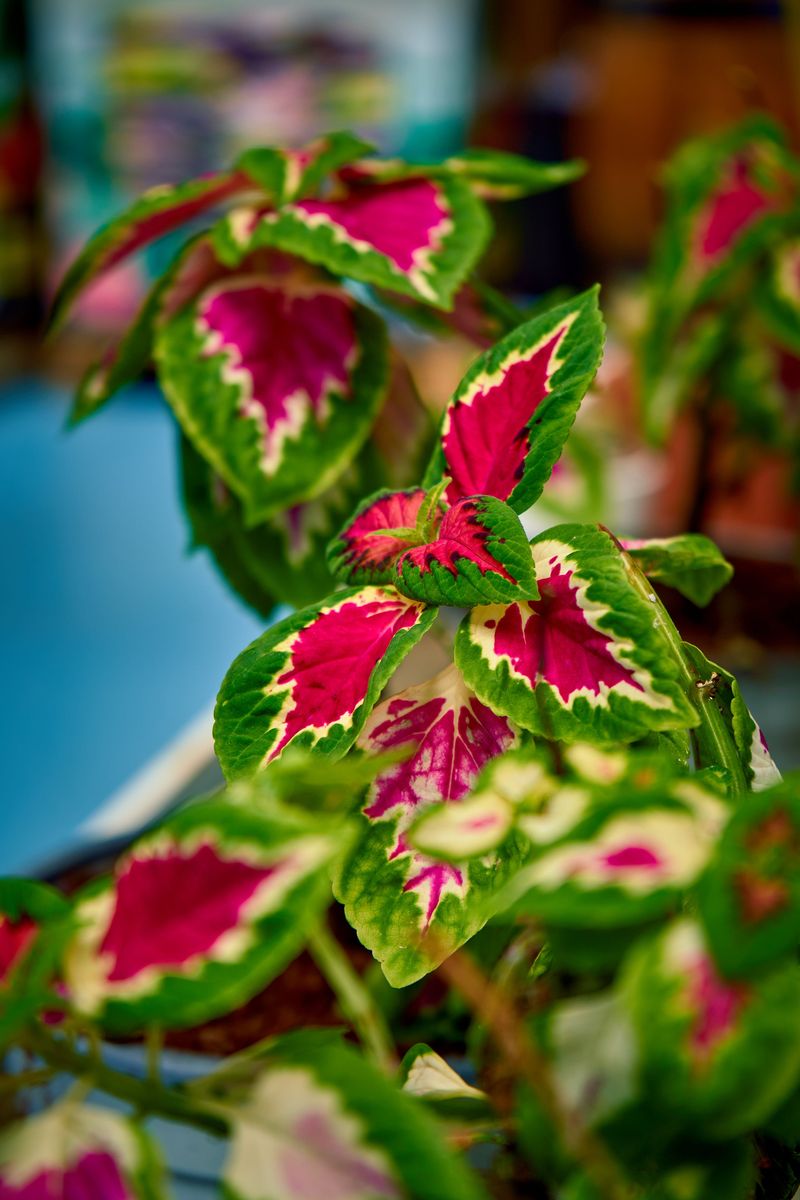
Picture a gardener in Lynchburg who keeps the same burgundy coleus going for twenty years. Each fall, she snips a few stems and lines them up by her kitchen sink.
Stories like hers are shared by many Virginia gardeners, who often pass plants down like recipes. Overwintering is how many families hold on to a color they cherish.
Garden centers change their stock every year based on what is trendy. That lime green beauty you adored last summer might be gone from shelves next spring.
When you take cuttings, you keep that exact plant alive in a new form. Every cutting is a clone, so the colors and patterns match the parent.
Your Virginia Garden Changes Every Week. Your Plan Should Too.
Gardening in Virginia changes quickly throughout the season. Every Friday you’ll receive a simple weekly plan showing exactly what to plant, prune, fertilize, harvest, and protect so you never miss the right timing.
Seed-grown coleus can surprise you with different looks, which is fun but unpredictable. Cuttings give you the same plant you already picked out and enjoyed.
Some families even name their favorite plants, like Uncle Pete’s Red or Mom’s Porch Plant. It sounds a little silly, but those names carry real memories.
Kids can help by choosing which stems to save and labeling each jar with markers. It becomes a little fall tradition that feels warm and meaningful.
Try writing the plant’s story on a small tag tucked into the pot each fall. Years from now, someone will be glad you did.
A plant with history can mean more than a random one from a store shelf. Keeping it going is a sweet way to honor the people who grew it first.
3. Rooting Takes Just A Glass Of Water
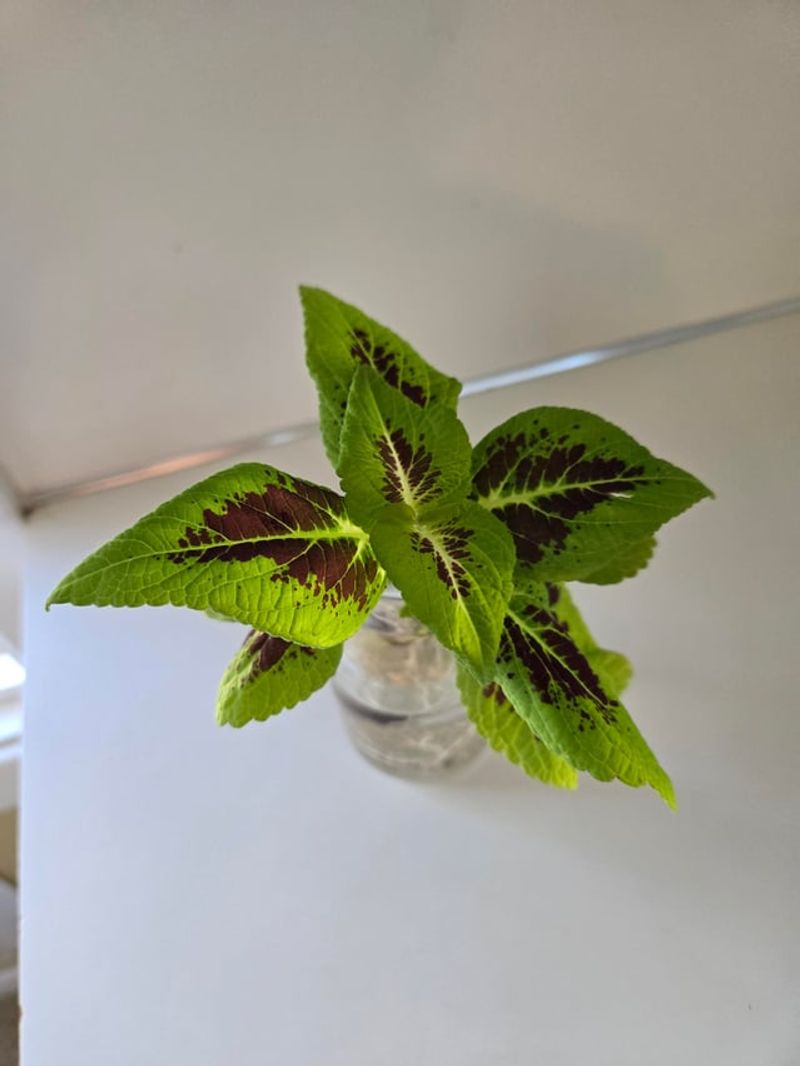
Coleus is one of the easiest plants to root at home. You do not need fancy powders, heat mats, or special gear.
Start by snipping a stem about four to six inches long, just below a leaf node. A node is the little bump where leaves attach to the stem.
Pull off the lower leaves so only the top two or three pairs remain. Any leaves sitting underwater will rot and make the water cloudy.
Next, place the stems in a glass or jar of clean water. A sunny windowsill that faces south or east works great.
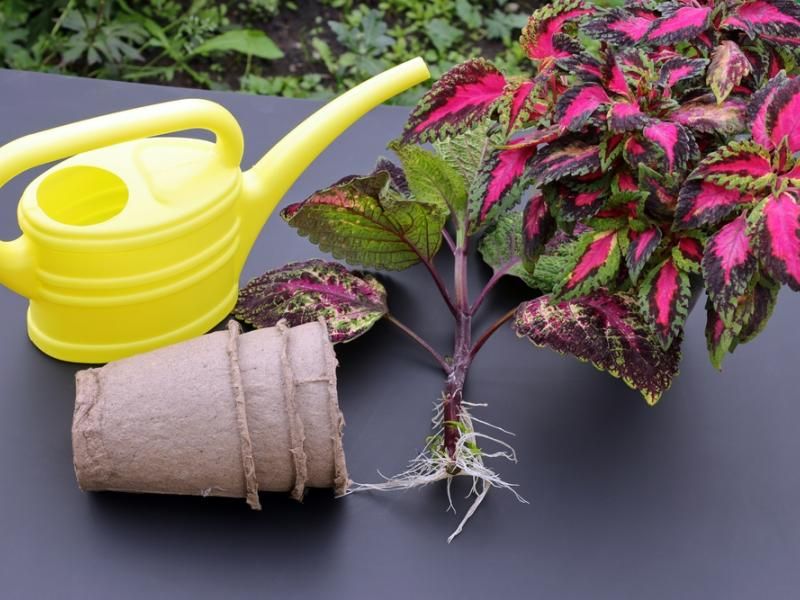
Within about one to two weeks, you should see tiny white roots poking out. Watching them grow is surprisingly exciting, especially for kids.
Change the water every few days to keep it fresh and clear. Room temperature water is a good choice and keeps the stems comfortable.
Once roots reach about an inch long, you can move cuttings into small pots of potting mix. Some people keep them in water all winter, and that works too.
Pinch off any flower spikes that pop up during the winter months. Flowers pull energy away from the leaves, which are the real stars.
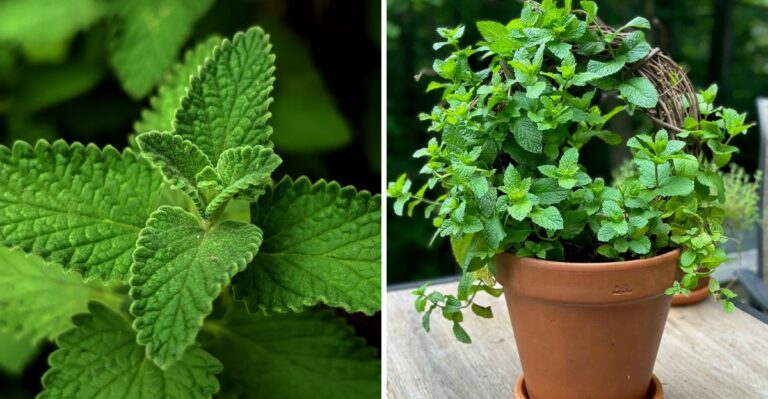
Fun fact: coleus belongs to the mint family, and you can tell by its square stems. Roll one between your fingers and feel the four flat sides.
With so little effort required, it is easy to see why so many people try it. One evening of snipping can set up a whole season of color.
4. When Frost Typically Arrives In Virginia

Coleus is a tropical plant, and it sulks the moment temperatures dip below 50 degrees. A light frost can blacken and soften those bright leaves overnight.
In much of Virginia, the first frost shows up between mid-October and early November. Mountain areas like Blacksburg and the Shenandoah Valley can see it even sooner.
Coastal spots like Virginia Beach usually get a few extra weeks of mild weather. Still, cool nights can damage coleus well before an actual frost hits.
Smart gardeners take cuttings in early October while plants still look healthy and strong. Stems from stressed, chilly plants root more slowly and sometimes fail.
Check the ten-day forecast on your phone or local news each week this month. When nights start dropping into the low 50s, it is time to act.
Grab your scissors on a dry afternoon so the stems are not soggy. Bring them inside right away and get them into water within an hour.
If a surprise cold night sneaks up, toss an old bedsheet over the plants. It can buy you a day or two to finish snipping.
Avoid plastic covers that touch the leaves, since they can transfer cold and damage the foliage. Light cotton fabric works much better for a quick fix.
Waiting too long is a common mistake with this project. Beat the weather, and your cuttings will thank you all winter.
Many Virginia gardeners mark a reminder on the calendar for the first week of October. It is a simple habit that saves effort.
5. Windowsill Plants Brighten Gray Winter Days
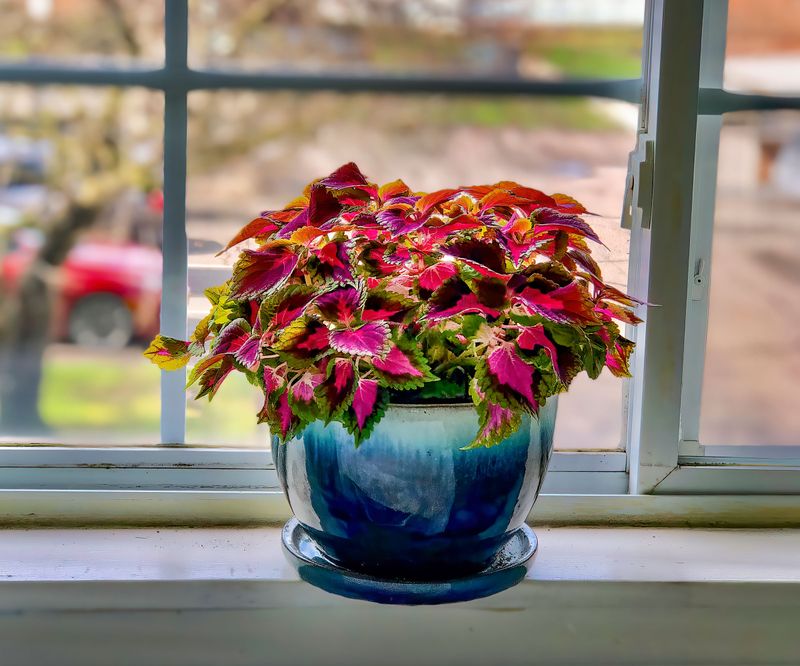
January in Virginia can feel like one long, gray Monday. Rain, bare trees, and early sunsets make it easy to miss the garden.
A row of coleus cuttings on the windowsill changes that mood in a hurry. Splashes of pink, purple, lime, and red look like stained glass in the sun.
Many gardeners enjoy their indoor cuttings as an inexpensive winter decoration. They cost nothing, and they look different from week to week.
Try placing jars of mixed colors together for a cheerful display. Clear glass bottles show off the roots, which many people find oddly fascinating.
Old jelly jars, vintage milk bottles, or even mason jars all work nicely. Tie a ribbon around the neck for a cute holiday look in December.
Research suggests that caring for plants can help lower stress and lift your mood. Having something green to tend during dark months really helps some people.
Coleus also handles indoor life better than many outdoor plants do. It likes bright light, but it does not need a greenhouse to thrive. Low winter light can make stems leggy, so a grow light may help.
Turn the jars every few days so the stems grow straight instead of leaning. Plants reach toward the light, and turning keeps them balanced.
Guests often ask about the colorful jars, which makes for fun conversations. You might even send a few visitors home with their own cutting.
By February, your windowsill can look like a small tropical display. That burst of color makes spring feel a lot closer than it is.
6. Spring Cuttings Multiply Into Dozens More
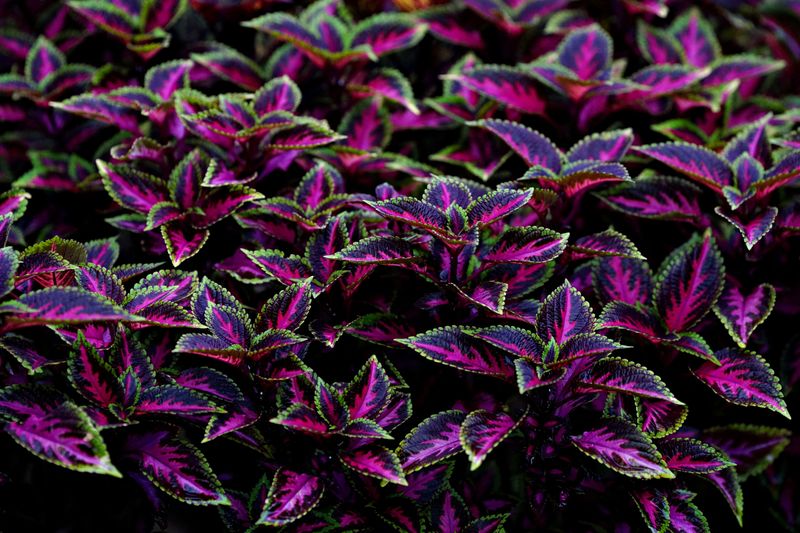
Here is where the numbers grow, and it feels a bit like a math trick. One plant in fall can become dozens by late spring.
Your winter cuttings will keep growing new stems as the months go by. By March, you can snip those stems and root them too.
Each new cutting roots just as easily as the first batch did. So five fall cuttings can quickly turn into twenty or thirty spring plants.
Pinching the tips also makes your indoor plants bushier and fuller. Instead of one tall, skinny stem, you get several branches ready for snipping.
Time your second round of cuttings for about six weeks before planting day. In most of Virginia, that is mid-March for a May planting.
Wait to move plants outside until nights stay above 55 degrees in your area. Rushing outdoors too early can set them back by weeks.
Gardeners with big beds or long borders love this approach for filling space. Planting thirty matching coleus in one sweep looks bold and polished.
Container lovers benefit too, since they can fill every pot on the porch. Hanging baskets, window boxes, and patio planters all get a pop of color.
Did you know? Coleus was popular in Victorian gardens, where wealthy folks used it for fancy bedding designs.
Back then, gardeners used cuttings to make hundreds of matching plants. You are carrying on a tradition that is well over a century old.
7. Homegrown Starts Can Rival Nursery Plants
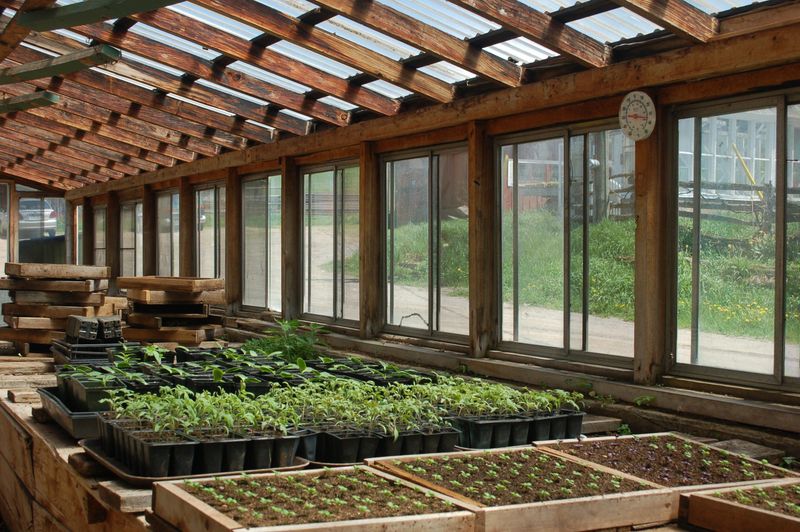
Ever bought a plant that looked great at the store and then sulked for weeks at home? Shipped nursery plants may experience stress during transport.
Some spring coleus come from large greenhouses outside Virginia. They get moved, stored, and moved again before landing on a store bench.
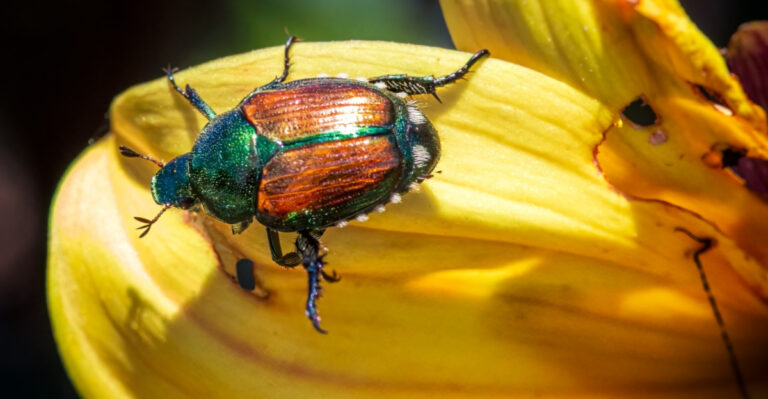
All that travel can stress the roots and leave plants weak. Pests like aphids, whiteflies, or mealybugs are occasionally present.
Homegrown cuttings skip that whole journey, so they settle into your beds with less fuss. They have been raised under your care, though they still need hardening off.
You also know exactly what went into your plants, from soil to fertilizer. That matters to gardeners who prefer to avoid harsh chemical sprays.
Watch your indoor cuttings closely for pests during winter, though. A quick rinse under the faucet can remove aphids, while mealybugs and whiteflies may need insecticidal soap or rubbing alcohol.
Before planting outside in May, give your cuttings a week to adjust to outdoor life. Set them in shade for a few hours daily, then slowly add more sun.
Gardeners call that process hardening off, and it prevents sunburned leaves. Skipping it can cause pale, dry patches on the leaves.
Many Virginia growers report that their homegrown coleus performs as well as store plants by midsummer. Strong roots and a steady start make a big difference in July heat.
There is also real pride in planting something you raised from a tiny stem. Every compliment on your porch pots feels just a little sweeter.
8. Neighbors Swap Cuttings Like Trading Cards
Remember trading baseball cards or stickers on the school bus? Virginia gardeners have found a grown-up version, and it involves leafy stems in plastic bags.
Cutting swaps are held at some libraries, churches, and garden clubs across the state. People bring extra cuttings and leave with new colors they have not tried.
Some local Master Gardener programs host plant swaps in spring and fall. Social media groups for Virginia gardeners often post trade offers too.
Since coleus roots so easily, it is a perfect swap plant for beginners. Even someone with no green thumb can show up with a jar of rooted stems.
Trading lets you build a varied collection at little cost. You might walk away with a rare variety nobody sells nearby.
To join in, wrap each cutting in a damp paper towel and slip it into a bag. Label it with the variety name if you know it. Inspect cuttings for pests before trading, and check whether a variety is patented before sharing.
Swaps also connect you with neighbors who share your love of dirt and color. Some lifelong friendships have started over a shared bag of cuttings.
Older gardeners love passing along tips, and younger ones bring fresh energy and ideas. Everyone learns something, whether it is a rooting trick or a new variety.
Overwintering your own coleus gives you plenty of extra stems to share. Come spring, you will have trading material and a few new friends.
Bring a few extras to give away freely to first-timers at the table. A small gift like that can spark someone’s whole gardening hobby.