The Reasons To Plant Sunflowers In Your Texas Garden
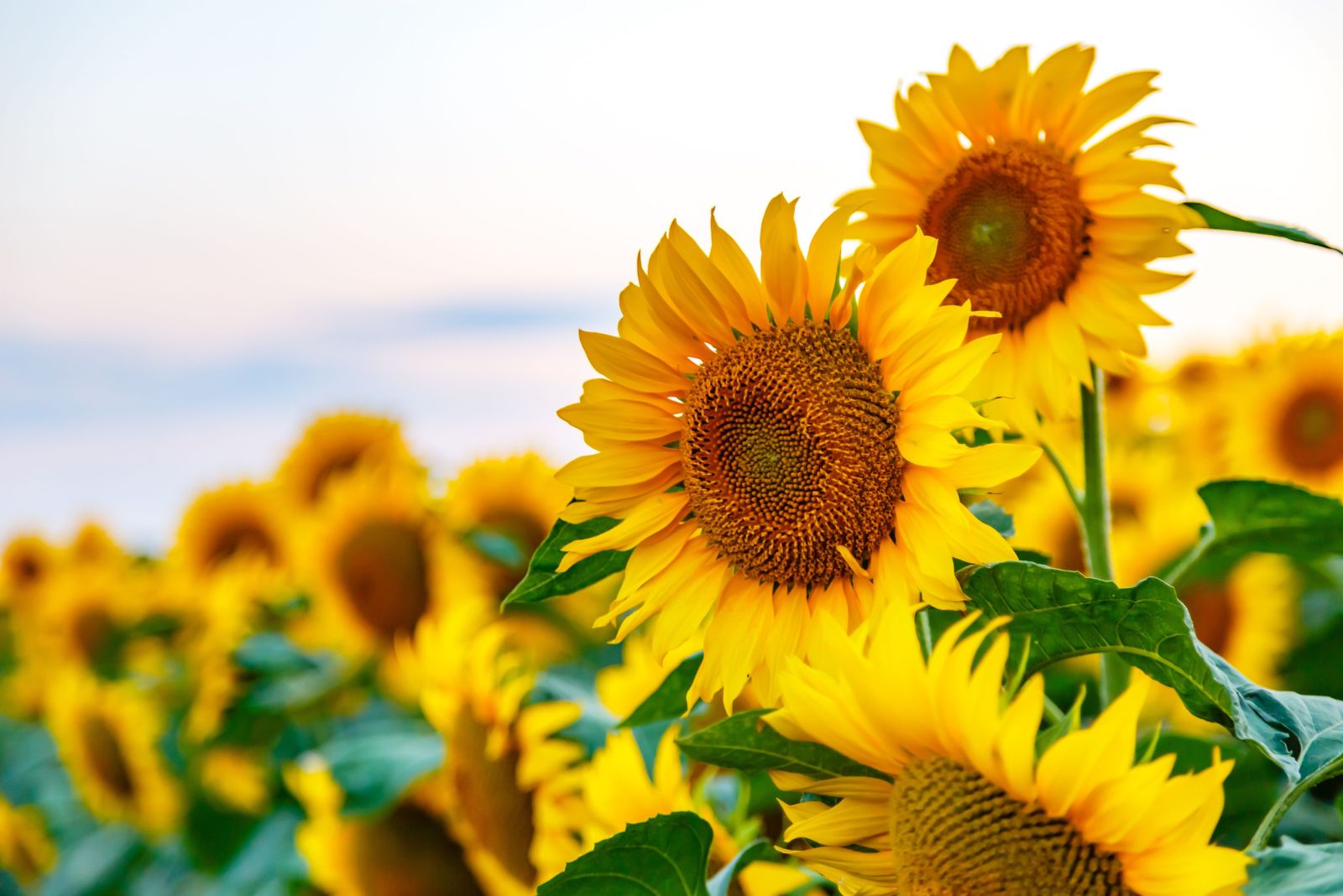
Sunflowers have a way of making everything around them feel better, and that’s not just a sentimental observation.
There’s something about a tall, bold sunflower standing in a Texas garden that feels completely right, like the plant was specifically designed for wide open spaces, bright light, and serious heat.
Which, when you think about it, is pretty much exactly what it was designed for. Beyond the obvious visual impact, sunflowers bring a surprising number of practical benefits to a Texas garden that most people never fully consider.
They’re not just pretty – they’re genuinely useful in ways that range from soil improvement to wildlife support to companion planting advantages that help everything growing around them.
Texas conditions suit them perfectly, and they respond to that compatibility by performing better here than they do in a lot of other states.
If sunflowers aren’t already part of your Texas garden, the reasons to change that are more compelling than you might expect.
1. Sunflowers Thrive In Texas Heat
Most plants struggle when a Texas summer really gets going. Temperatures can soar well past 100 degrees, and the sun beats down hard from morning to evening.
Sunflowers, though, seem to love every bit of it. They are one of the few flowering plants that actually perform better in full sun and high heat rather than wilting under pressure.
Sunflowers are native to North America, which means they evolved to handle tough growing conditions. Their deep root systems help them pull moisture from the soil even during dry spells.
In Texas, where summer rain can be unpredictable, that kind of resilience is a huge advantage for any gardener. You do not need to water them constantly or worry about them every single day.
Planting sunflowers in a south-facing spot in your yard gives them the most sunlight possible. They need at least six to eight hours of direct sun each day to grow well.
In most parts of Texas, that is easy to achieve from late spring through early fall. The hot, dry air that makes other plants struggle actually helps sunflowers grow strong and tall.
Even in the toughest Texas summers, sunflowers keep blooming. They do not need rich soil or special fertilizers to get started.
A basic, well-drained garden bed is all it takes. Once they are in the ground and growing, they handle the heat like champions.
For Texas gardeners looking for a reliable, low-stress plant that loves the climate as much as you do, sunflowers are truly hard to beat.
2. They Attract Pollinators
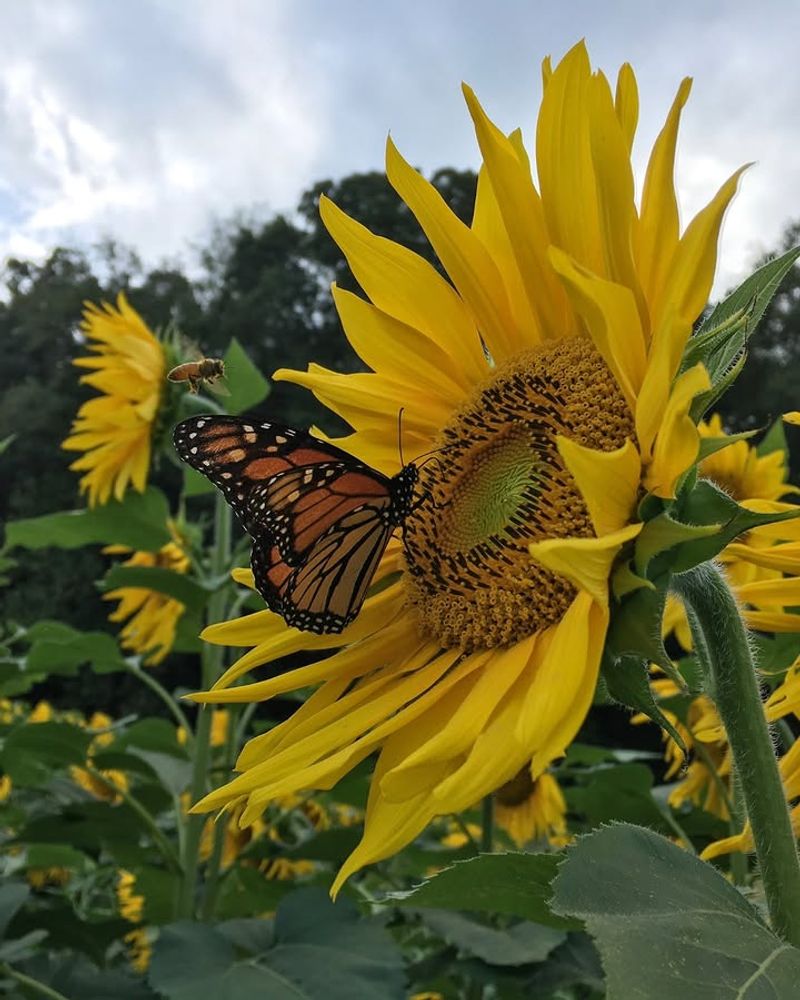
Walk up to a sunflower in full bloom and you will almost always find a bee on it. Sometimes there are several.
Sunflowers are pollinator magnets, and that is one of the best reasons to grow them in your Texas garden. Bees, butterflies, and even hummingbird moths are drawn to the wide, open blooms that make landing and feeding easy.
Pollinators play a huge role in keeping gardens healthy. When bees visit your sunflowers, they also carry pollen to your vegetables, fruit trees, and other flowering plants nearby.
Your Texas Garden Changes Every Week. Your Plan Should Too.
Gardening in Texas changes quickly throughout the season. Every Friday you’ll receive a simple weekly plan showing exactly what to plant, prune, fertilize, harvest, and protect so you never miss the right timing.
That means better harvests, more blooms, and a more productive garden overall. Growing sunflowers is like sending out an open invitation to every helpful insect in the neighborhood.
Texas is home to hundreds of native bee species, many of which are struggling due to habitat loss. Planting sunflowers gives these bees a reliable food source right when they need it most.
Native bees, like bumblebees and sweat bees, are especially attracted to sunflower pollen. Supporting them with your garden choices makes a real difference for local ecosystems.
Monarch butterflies also stop at sunflowers during their annual migration through Texas. If you live along the central flyway, planting sunflowers could help support one of nature’s most remarkable journeys.
Watching a monarch feed from a bloom in your own yard is something you will not forget. The good news is that attracting all these pollinators takes almost no extra effort on your part. Simply plant sunflowers, step back, and let nature do the rest.
3. Birds Love The Seeds
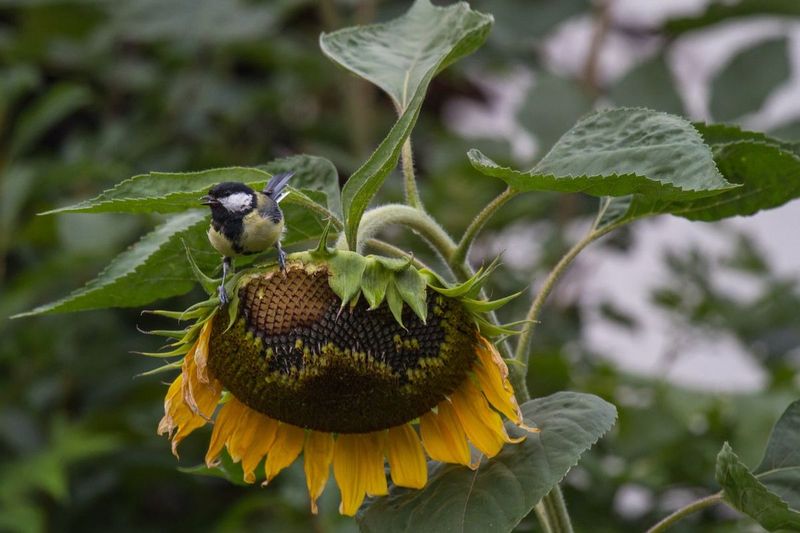
Late summer in Texas brings something magical to sunflower gardens. Once the bright petals start to fade and the flower heads begin to droop, the real show begins.
Birds arrive from all directions to feast on the seeds packed tightly inside each sunflower head. It is like setting up a free bird feeder right in the middle of your garden.
Goldfinches are probably the most well-known sunflower seed fans. They cling to the heavy heads and pick out seeds with impressive speed and precision.
Cardinals, chickadees, house finches, and tufted titmice also show up regularly. In Texas, where bird diversity is incredibly high, your sunflower patch could attract a wide variety of feathered visitors throughout the fall season.
You do not need to do anything special to turn your sunflowers into a bird feeding station. Just let the flower heads dry out naturally on the stalks.
Avoid cutting them down too early. The birds will find them on their own. If you want to encourage even more visits, leave several flower heads standing through the fall and into early winter.
Watching birds feed on sunflowers is one of the most rewarding parts of growing them. Kids especially love seeing different species up close without needing binoculars or special equipment.
It turns a simple garden plant into an educational experience. For Texas gardeners who enjoy wildlife, growing sunflowers is one of the easiest ways to bring more birds into your yard without spending a single dollar on birdseed or feeders.
4. Easy For Beginners To Grow
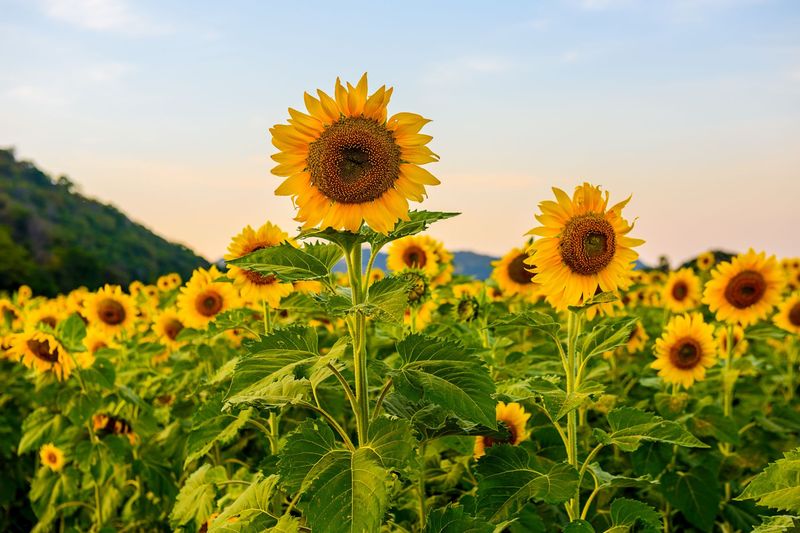
Gardening can feel overwhelming when you are just starting out. There are so many plants with complicated care instructions, specific soil needs, and frustrating growing habits.
Sunflowers are the opposite of all that. They are genuinely one of the easiest plants to grow, and they reward even the most inexperienced gardeners with impressive results.
Starting sunflowers from seed is simple and satisfying. You just press the seed about an inch into the soil, water it, and wait.
Most sunflower seeds germinate within seven to ten days under normal Texas spring conditions. Watching that first sprout push up through the dirt is exciting, especially for kids who are gardening for the very first time.
Once sunflowers are a few inches tall, they become remarkably self-sufficient. They do not need constant fertilizing or special pruning.
They do not require raised beds or fancy soil mixes. A basic patch of garden soil with decent drainage is more than enough.
In Texas, where the growing season is long and warm, sunflowers have plenty of time to reach their full potential.
Even if you have tried gardening before and struggled, sunflowers are worth another shot. They are forgiving plants that bounce back from minor neglect.
Forgot to water for a few days? Sunflowers can handle it. Planted them a little too close together? They will still grow.
For anyone in Texas looking for a confidence-building garden plant that delivers big results without a big learning curve, sunflowers are absolutely the way to go.
5. They Add Instant Height And Color
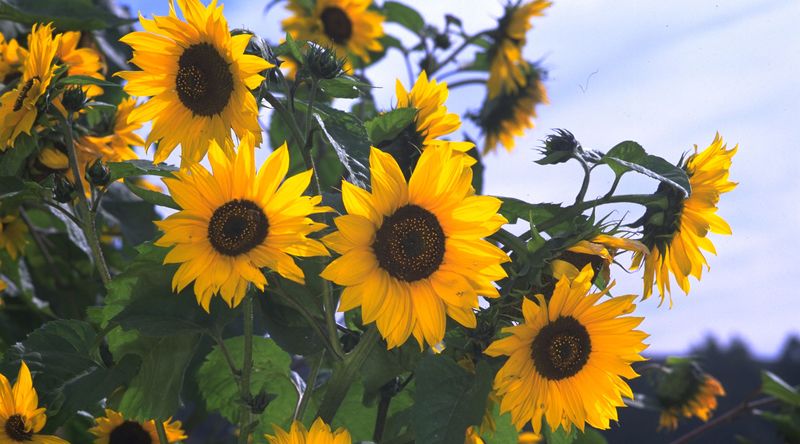
Few plants can transform a plain garden space as quickly and dramatically as sunflowers. One day you have bare soil, and a few weeks later you have towering stalks topped with enormous golden blooms.
The visual impact is immediate and hard to ignore. Neighbors will notice. Visitors will stop and stare. That kind of instant charm is rare in the plant world.
Standard sunflower varieties can grow anywhere from four to twelve feet tall. In Texas, where the growing season is generous, many varieties push toward the higher end of that range.
Their height creates a natural backdrop for shorter garden plants. You can use them to frame a fence, line a walkway, or create a bright border along the edge of your yard.
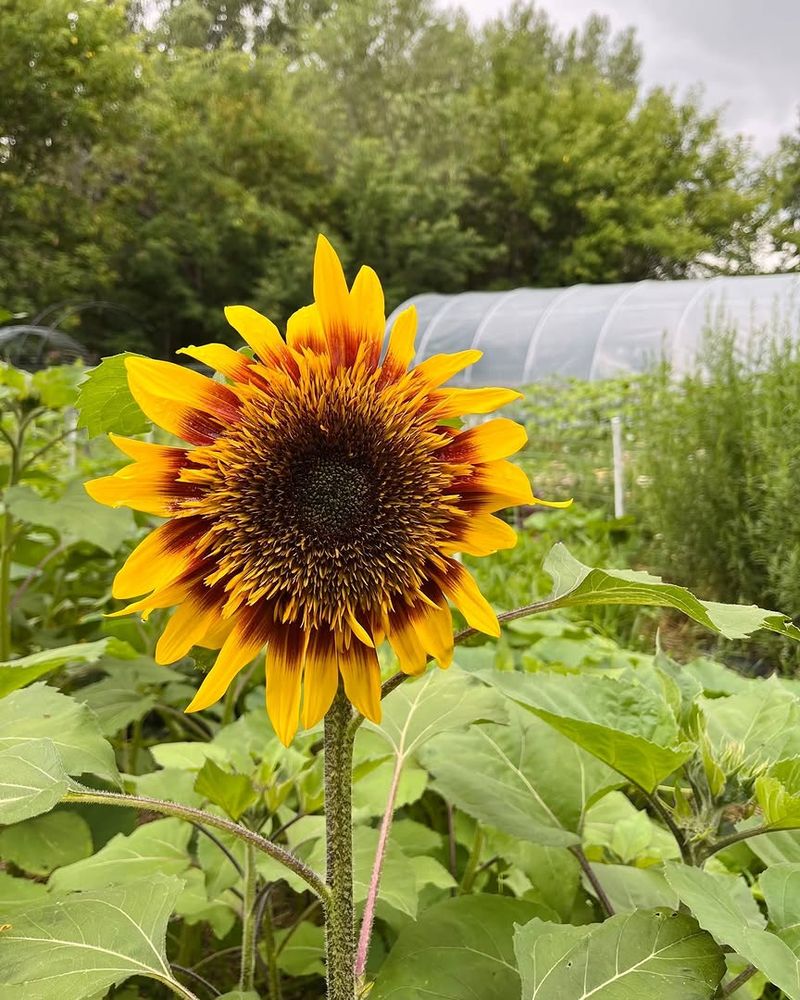
The color they bring is just as impressive as their size. That classic golden yellow is bold and cheerful, but modern sunflower varieties come in deep burgundy, pale lemon, burnt orange, and even bi-color combinations.
Mixing different varieties in the same garden bed creates a stunning display that looks like it took a professional designer to plan. In reality, it just took a handful of seeds.
Texas summers can look dry and dusty, especially in central and west Texas. Sunflowers punch through all of that with vibrant energy.
They make a garden feel alive and well-tended even when other plants are struggling in the heat. For gardeners who want maximum visual reward with minimal effort, planting sunflowers is one of the smartest landscaping moves you can make anywhere in the Lone Star State.
6. Many Varieties Reseed Naturally
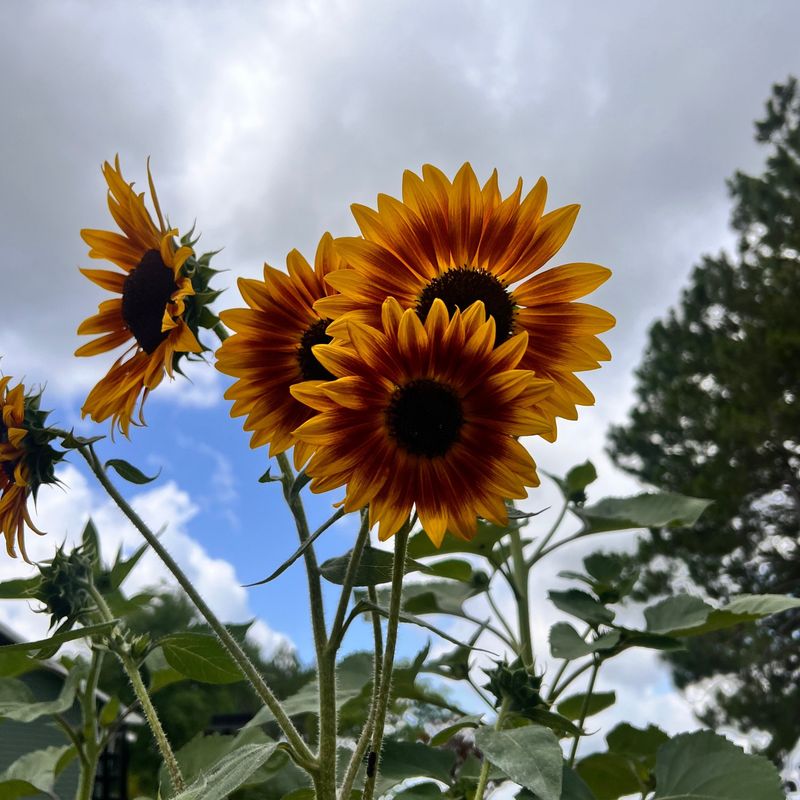
Imagine planting sunflowers once and having them return on their own the following year. For many sunflower varieties, that is exactly what happens.
When the seed heads mature and dry out on the stalk, seeds fall to the ground naturally. Come spring, some of those seeds sprout without any help from you at all. Gardeners call this reseeding, and it is one of the most satisfying things a plant can do.
Not every sunflower variety reseeds reliably, but many open-pollinated and heirloom types do. Varieties like Mammoth Grey Stripe and Lemon Queen are well-known for dropping seeds that return the next season.
In Texas, where mild winters allow seeds to survive in the soil without freezing, natural reseeding works especially well across most regions of the state.
To encourage reseeding, simply leave a few flower heads on the stalks at the end of the season. Let them dry completely before the seeds scatter.
You can also collect seeds yourself and store them in a cool, dry place to plant intentionally in spring. Either way, you end up with more sunflowers without spending money on new seed packets every year.
There is something deeply satisfying about a garden that takes care of itself. Reseeding sunflowers create a sense of continuity from one season to the next.
You put in the work once, and the garden rewards you again and again. For Texas gardeners who want a low-effort, high-reward approach to growing beautiful blooms, choosing naturally reseeding sunflower varieties is a smart and budget-friendly strategy worth trying.