The Native Oregon Fern That Spreads Fast Enough To Crowd Out Blackberries For Good
Blackberries can turn a damp Oregon edge into a constant battle. Once the canes get comfortable, bare soil and open shade give them too much room to push back.
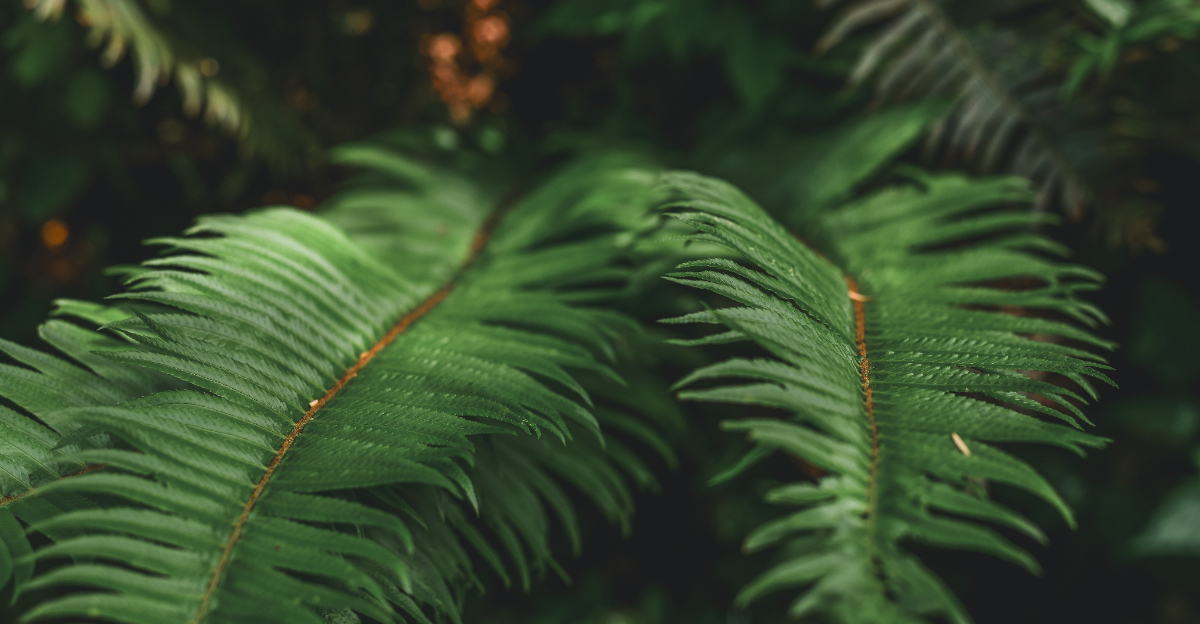
A strong native fern can help change that balance after the worst growth is cleared. Sword fern fills in with bold green fronds that make the space feel more like woodland than weed patch.
It will not erase established blackberry canes on its own, but it can help hold the ground once you have opened the area up. That is where its real value shows.
Give sword fern a moist, shady spot, and it can build a living cover that leaves fewer gaps for blackberry regrowth to claim.
1. Sword Fern Helps Fill Space After Blackberries Are Removed
Clearing blackberries is exhausting work. You cut, pull, and dig, and then a few weeks later, those canes are already pushing back up through the soil.
The real problem is that bare ground is an open invitation for blackberries to return. That is where sword fern steps in and changes the game.
Once you remove blackberry canes and roots, the soil is empty and vulnerable. Planting sword fern right away gives that space a new occupant that blackberries have to compete with.
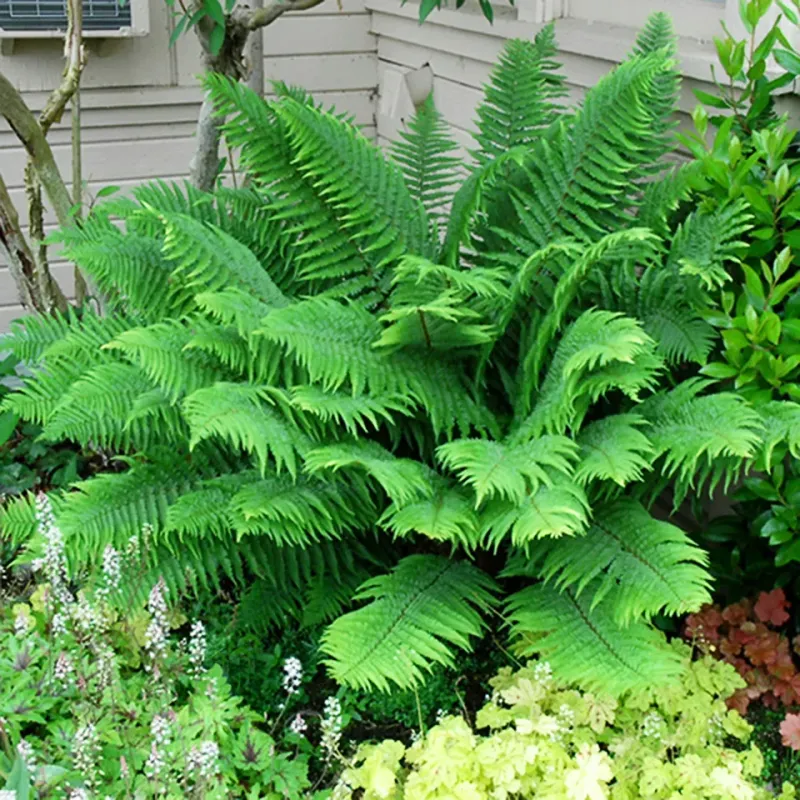
Sword fern spreads through underground rhizomes, which are root-like stems that creep outward slowly but steadily each year. Over time, a single plant becomes a wide, full clump that covers a surprising amount of ground.
Each clump can grow two to four feet wide and just as tall. When you plant several ferns close together, they eventually merge into a solid mass of greenery.
That coverage leaves very little open soil for blackberry seeds or root sprouts to grab onto. The fern is not just filling space visually.
It is actively competing for water, nutrients, and light underground and above ground at the same time.
Sword fern is also evergreen, which means it never fully drops its fronds and leaves the ground bare. Even in winter, it keeps holding space.
For anyone serious about keeping blackberries from coming back, planting sword fern right after clearing is one of the smartest moves you can make.
2. Its Dense Evergreen Fronds Shade Out New Weed Seedlings
Sunlight is everything for a weed seedling. Without it, most seedlings cannot survive their first few weeks.
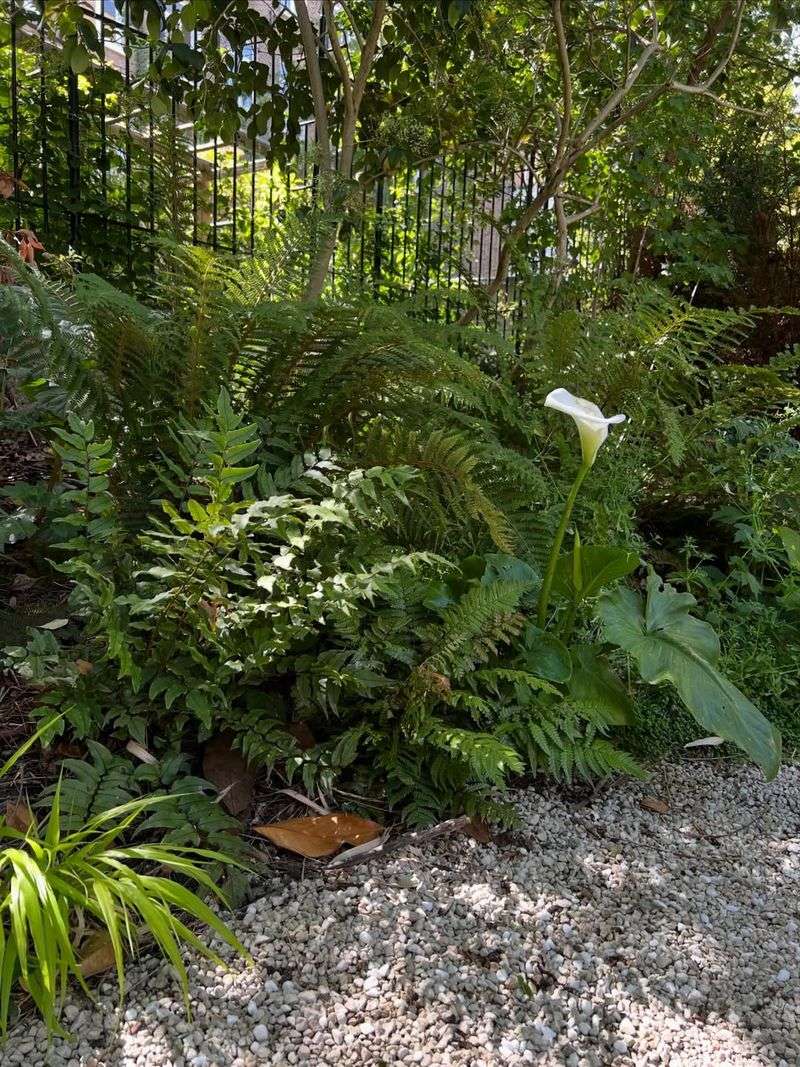
Sword fern uses this weakness to its advantage by spreading wide, arching fronds that form a natural canopy close to the ground. That canopy is the fern’s secret weapon.
Blackberry seeds need light to germinate. Root sprouts from old blackberry rhizomes also need light to push through and grow tall enough to take over.
When sword fern fronds are fully extended, they overlap and block a significant amount of sunlight from hitting the soil below.
Weed seedlings that do sprout tend to stretch, weaken, and fade out before they can establish themselves.
What makes this especially useful is that sword fern stays green all year long. Most other plants drop their leaves in fall, leaving the soil exposed during winter and early spring.
Your Oregon Garden Changes Every Week. Your Plan Should Too.
Gardening in Oregon changes quickly throughout the season. Every Friday you’ll receive a simple weekly plan showing exactly what to plant, prune, fertilize, harvest, and protect so you never miss the right timing.
That is exactly when blackberry root sprouts tend to make their move. Sword fern does not give them that window.
The fronds on a mature plant can reach three to four feet in length. They arch outward from the center of the plant like a fountain, covering ground in every direction.
Even younger plants put out fronds that are thick and wide enough to create meaningful shade. Planting sword fern in groups makes this shading effect even stronger, and the combined coverage can suppress a wide range of weeds beyond just blackberries.
3. This Native Fern Works Best In Shady Oregon Corners
Not every plant can handle deep shade. Most ground covers struggle when the sun barely reaches them.
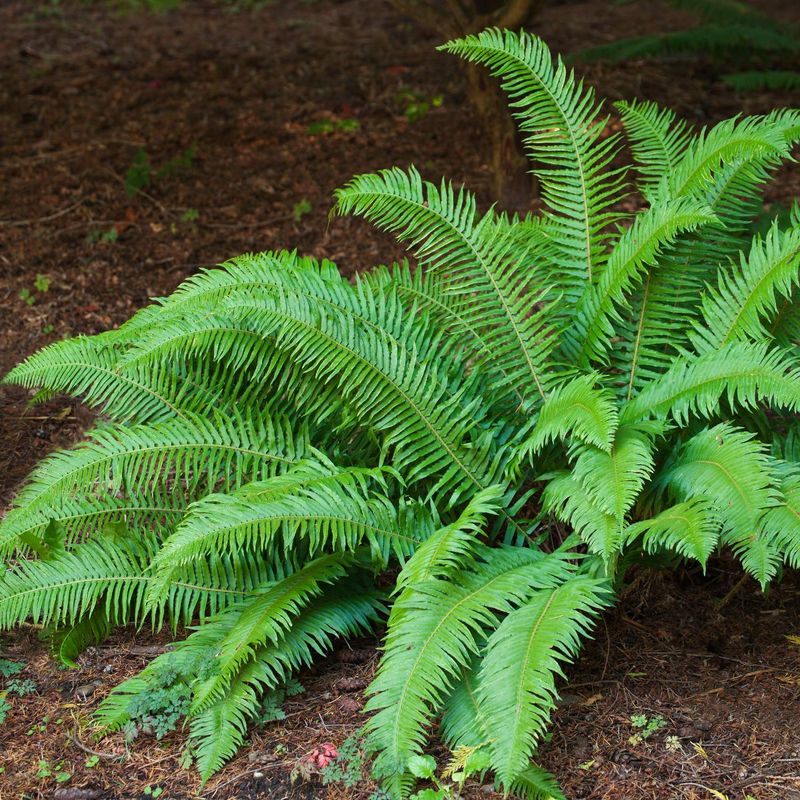
Sword fern is different. It actually prefers low light and performs at its best under the canopy of trees, along north-facing slopes, and in those dim corners of the yard where little else wants to grow.
Blackberries tend to creep into shaded spots too, especially along fence lines under trees or at the edges of forested areas. Those are exactly the places where sword fern has the upper hand.
It is native to the Pacific Northwest and has spent thousands of years adapting to the region’s filtered light, cool temperatures, and damp soil. It is built for this environment in a way that invasive plants simply are not.
Shady corners are often the hardest spots to manage in a yard or on a property. Grass will not grow well there.
Many flowering plants need more sun. Blackberries, however, are opportunists and will creep in anywhere.
Planting sword fern in these difficult spots creates a living barrier that is matched to the conditions rather than fighting against them.
In northern and western parts of our state, where tree cover is dense and rainfall is high, sword fern practically thrives on its own once established.
Even in drier inland areas, shaded spots near buildings or under large trees can support healthy fern growth with minimal extra watering. It truly earns its place in the toughest corners.
4. Sword Fern Gives Bare Soil Less Room To Invite Weeds
Bare soil is a problem. Gardeners and ecologists both know that empty ground rarely stays empty for long.
Nature rushes to fill it, and in our state, blackberries are often first in line. Covering that bare soil quickly is one of the most effective ways to prevent a blackberry comeback.
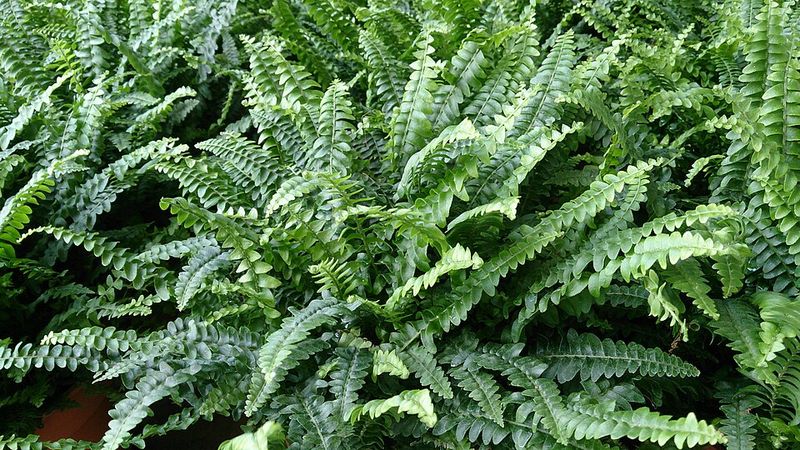
Sword fern does this job well because of how it grows. The fronds radiate outward from a central crown, covering ground in a wide arc.
As the plant matures, new fronds emerge from the center and push outward, gradually extending the plant’s reach.
The soil under those fronds stays cool, moist, and shaded, which is not the kind of environment where most weed seeds can get started.
Beyond shading, sword fern also contributes to the soil itself. As old fronds break down, they add organic matter that improves soil structure.
Healthy, biologically active soil tends to resist weed invasion better than compacted or depleted soil. So the fern is not just covering the ground, it is also improving it over time.
When you plant sword ferns at a spacing of about two to three feet apart, the plants will eventually grow together and leave almost no bare soil exposed. That kind of coverage is hard for blackberries to break through.
You do not need a perfect planting grid. Just get enough ferns in the ground to start closing the gaps, and let them do the rest naturally over the following seasons.
5. It Creates A Woodland Look Where Blackberry Canes Once Grew
There is something satisfying about turning a tangled blackberry mess into something beautiful.
After all that hard work clearing canes and digging roots, you want the end result to look good and stay that way.
Sword fern delivers on both counts, and it does it with a look that feels completely natural to our state’s landscape.
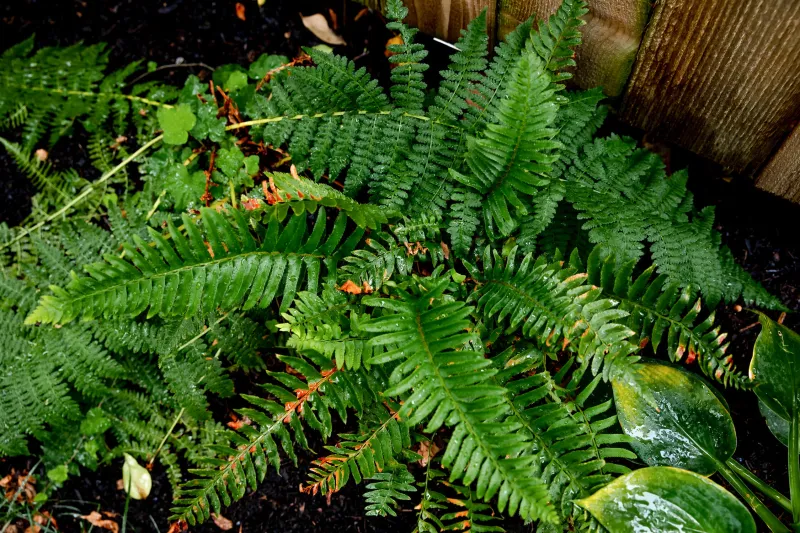
Few plants create a woodland atmosphere as effortlessly as sword fern. Its long, arching fronds give any space a lush, layered feel that looks like it belongs in the forest.
When planted in groups, the plants blend together into a flowing carpet of deep green that changes very little from season to season.
There are no bare patches in winter, no faded foliage in summer heat, just steady, reliable greenery.
This kind of planting also attracts native wildlife. Birds use the dense fronds for cover and nesting.
Small mammals shelter among the clumps. Insects find habitat in the leaf litter that builds up beneath the fronds.
What was once a blackberry monoculture becomes a small, functioning piece of native habitat.
From a visual standpoint, sword fern works beautifully alongside other native plants. Pair it with Oregon grape, red flowering currant, or native bleeding heart for a layered understory planting that looks intentional and polished.
The space where blackberry canes once dominated can become one of the most attractive corners of your property, with far less ongoing maintenance than you might expect.
6. Mature Clumps Make It Harder For Small Shoots To Take Over
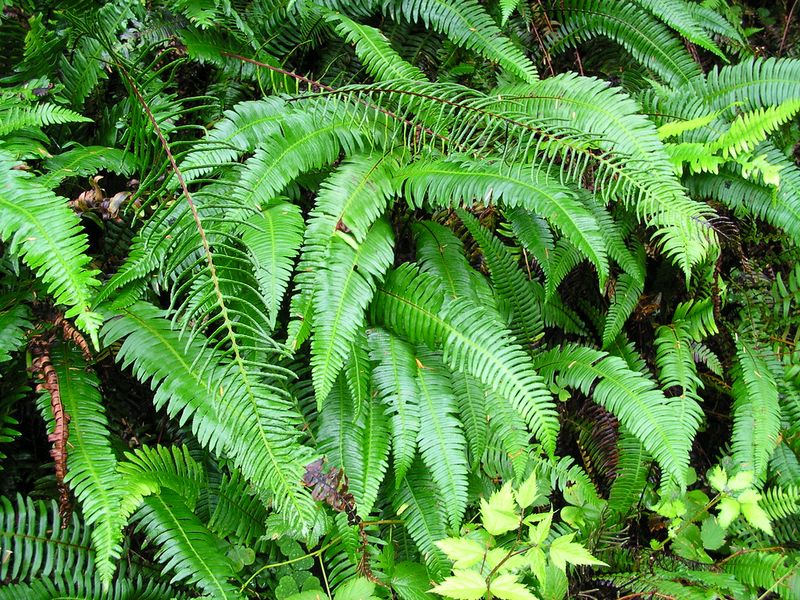
Young sword ferns are good. Mature sword ferns are great.
The difference matters a lot when you are trying to hold ground against blackberries. As the fern ages, its clumps grow denser, wider, and more physically imposing.
At that point, small blackberry shoots simply do not have the space or light they need to get established.
A fully mature sword fern clump can have dozens of fronds emerging from a single crown. The base of the plant becomes thick and fibrous over time, and the fronds overlap in every direction.
Any small shoot trying to push up through the center of a mature fern clump faces a serious physical barrier.
Blackberry canes need room to reach upward and spread outward, and mature fern clumps deny them both.
This is one reason why patience pays off when using sword fern as a weed suppressor. The first couple of seasons, you may still need to pull occasional blackberry shoots by hand.
But by years three and four, the ferns have usually grown large enough to handle most of the competition on their own. The workload decreases significantly as the plants mature.
Established clumps also become drought-tolerant, which is useful during dry Pacific Northwest summers. They do not need much help once they are settled in.
The root system runs deep and wide, anchoring the plant firmly and helping it resist disturbance.
A well-established fern planting is genuinely difficult to displace, which is exactly what you want when keeping blackberries out for good.
7. Sword Fern Needs Blackberry Roots Removed First
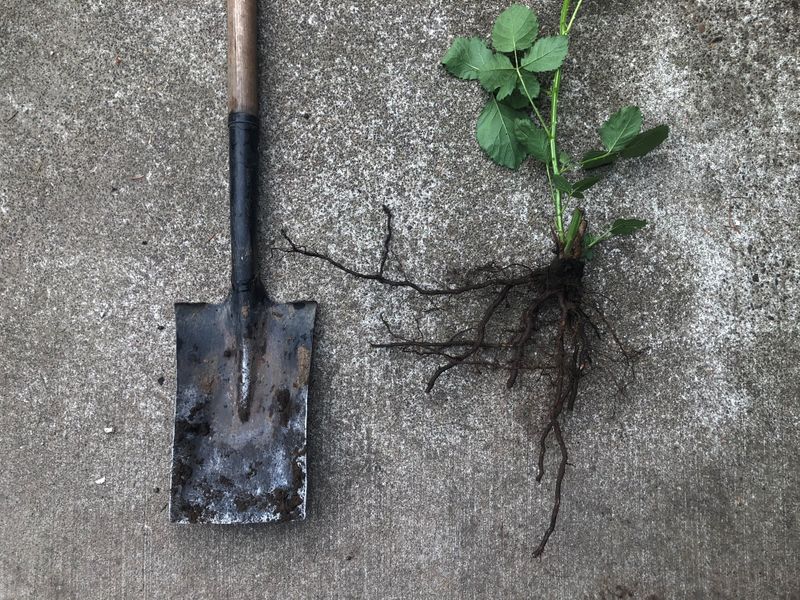
Here is the part that most people want to skip, but cannot. Sword fern is tough, and it spreads well, but it cannot outcompete blackberries that are already rooted and actively growing.
The blackberry roots have to come out first. Skipping this step is the number one reason fern plantings fail to hold the line.
Blackberry roots go deep and wide. Even after you cut the canes down to the ground, the root system can still send up new growth for months or even years.
Digging out as much of the root mass as possible before planting gives the fern a real chance.
You do not have to get every last fragment, but removing the bulk of the root system makes a huge difference in how well the fern can establish.
After clearing, let the area rest for a few weeks and watch for any new blackberry shoots. Pull those as soon as they appear.
Once the regrowth slows down, that is your signal that the root system is weakening and the ground is ready for ferns.
Plant the sword ferns, water them in well, and add a layer of wood chip mulch around each plant to help retain moisture and suppress any remaining weed seeds.
After that first season of hands-on management, the ferns will begin to spread and take over the work for you. The prep is the hardest part, but it is also the most important part.
Do it right the first time, and sword fern will reward you with years of low-maintenance, blackberry-free ground.