These Pennsylvania Yard Mistakes Can Attract More Stink Bugs To Your Home
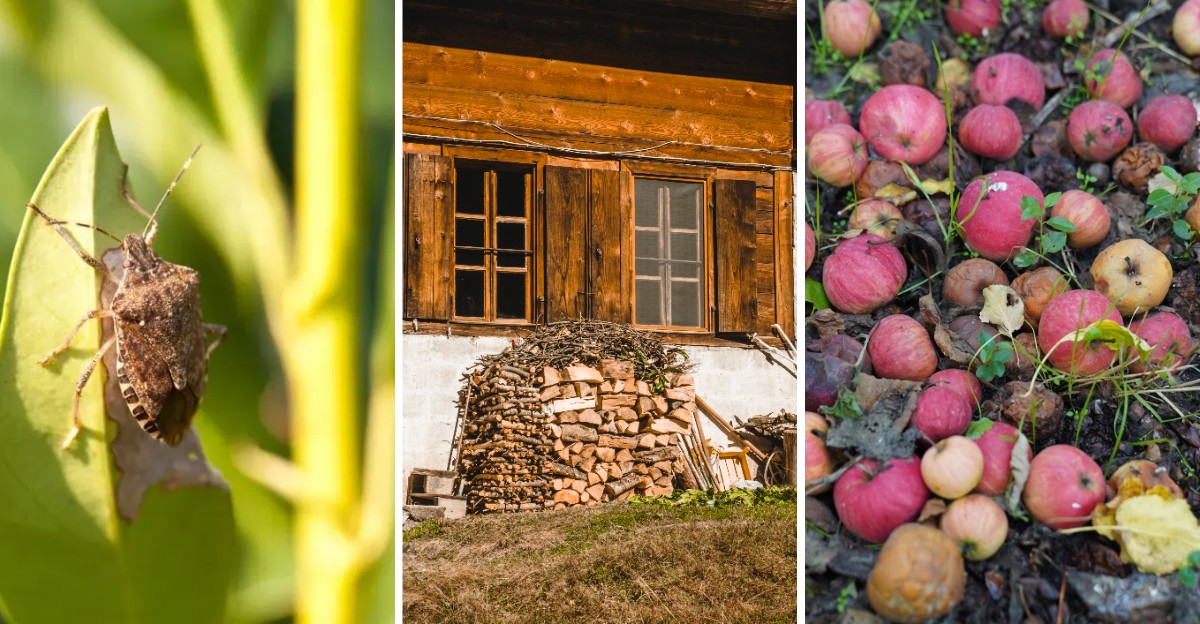
Why does that shield-shaped bug on your screen door look so determined? You are watching a brown marmorated stink bug scout for winter housing.
Allentown, Pennsylvania, logged the earliest confirmed American sighting of this East Asian invader. Since then, the pest has claimed your state as its favorite fall address.
Warm crowds on your siding draw even bigger crowds. Sunny south-facing siding, porch lights, and ripe tomatoes pull them straight toward you. Gaps skinnier than a standard pencil let them slip past your window frames.
Crush a bug, and aldehydes chemically related to cilantro flood your kitchen. Vacuum them into a household machine, and the odor lingers.
Timing matters, because they settle into your wall voids by October. Smart Pennsylvania homeowners like you seal the house before the swarm arrives. Outsmart them at the gap, starting now.
1. Leaving Bright Porch Lights On After Dark
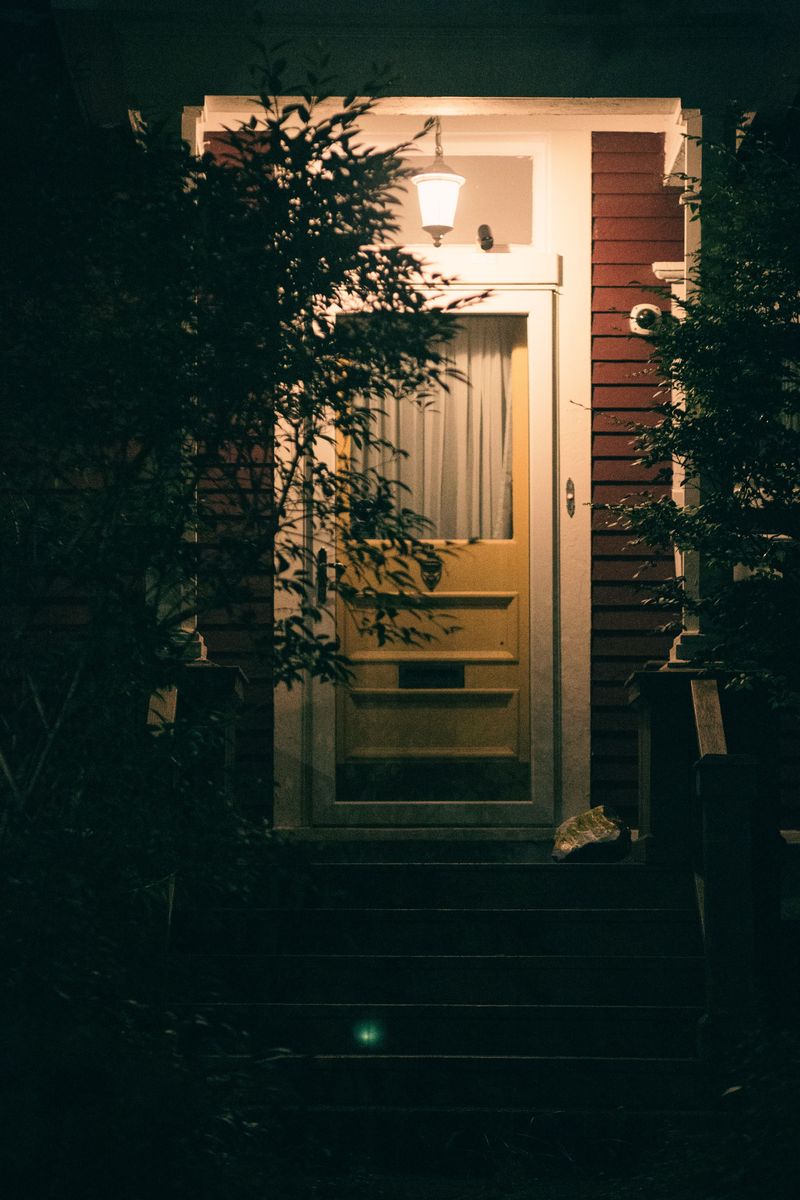
Moths get all the blame for crowding porch lights, but they have company. On warm September nights, stink bugs also drift toward bright bulbs near your doors.
Once they gather there, the next step is almost too easy for them. A tiny gap near the door frame becomes their personal entrance into your warm house.
Pennsylvania has dealt with brown marmorated stink bugs since the mid-1990s, when they showed up near Allentown. Experts believe they arrived as stowaways in shipping crates from Asia.
Since then, they have spread across the state and learned to love our homes. Fall is their favorite time to move indoors and hunker down for winter.
The good news is that this fix costs very little money or effort. Try turning off outdoor lights when you are not using them, especially after bedtime.
If you need light for safety, swap regular bulbs for yellow bug lights or warm LED bulbs. Many insects find those softer colors far less exciting.
Motion sensor lights are another smart choice for driveways, sheds, and back steps. They only glow when someone walks by, so bugs have less reason to linger.
Keep a close eye on light fixtures mounted right beside doors and garage entrances. Moving a lamp a few feet away can make a surprising difference.
You can also pull indoor blinds at night so lamps do not shine through windows. Think of it as closing the store so shoppers stop lining up outside.
2. Ignoring Gaps Around Windows And Siding
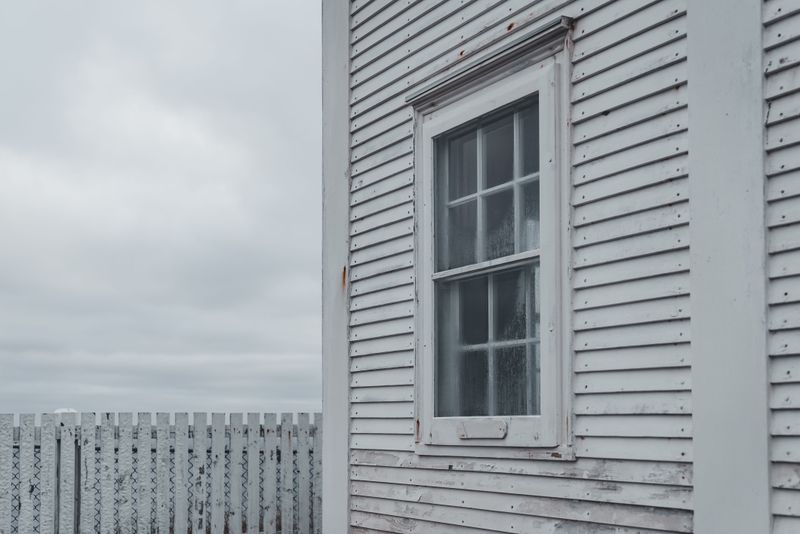
Grab a flashlight and play detective for an afternoon, because your house probably has secret doorways. A stink bug can squeeze through a skinny crack about one-eighth of an inch wide.
Their flat, shield-shaped bodies are built for slipping into tight spaces. In the wild, they spend winter hiding under tree bark and inside rocky crevices.
Your house, sadly, looks like a giant, extra-warm tree to them. Every gap around a window or loose piece of siding is an open invitation.
Start your search on the sunny south and west sides of your home. Those walls heat up in the afternoon, and stink bugs love to gather there.
Your Pennsylvania Garden Changes Every Week. Your Plan Should Too.
Gardening in Pennsylvania changes quickly throughout the season. Every Friday you’ll receive a simple weekly plan showing exactly what to plant, prune, fertilize, harvest, and protect so you never miss the right timing.
Look closely where window frames meet the siding, around outdoor faucets, and near cable or dryer vents. Cracked caulk and loose trim are common trouble spots.
A tube of good silicone or latex caulk costs just a few dollars at the hardware store. Seal small cracks on a dry day so the caulk sticks well.
For bigger gaps, try foam backer rod or expanding foam before adding caulk on top. Replace worn weatherstripping around doors, and add door sweeps if light peeks underneath.
Screens deserve a quick check too, since tiny rips and bent corners work like doggy doors for bugs. Patch kits are cheap and take minutes to use.
Timing matters here, so try to finish sealing by early September. Once bugs are already tucked inside your walls, sealing them in can create a springtime surprise.
3. Stacking Firewood Right Against The House

Nothing says cozy autumn like a neat stack of firewood waiting for the first chilly night. Unfortunately, stink bugs think that woodpile looks cozy too.
Logs are full of cracks, loose bark, and shady nooks where insects can tuck themselves away. A stack leaning on your siding works like a bridge to your walls.
From there, bugs can crawl up to window frames, soffits, and attic vents in minutes. It is basically a free elevator ride to the warmest spot in town.
Wood stacked in shady corners also stays damp, which invites other pests like termites and carpenter ants. Your house really does not need that kind of party.
There is also a sneakier problem that many people forget about. When you carry logs inside, you might be carrying sleepy hitchhikers right along with them.
Once the fireplace warms the room, those bugs wake up and start buzzing around your lamps. Nobody wants a surprise flyby during family movie night.
Move your woodpile at least 20 feet away from the house if you have the space. Keep it raised off the ground on a rack or a few pallets.
A fitted cover helps shed rain while still letting air flow through the sides. Dry wood burns better anyway, so you win twice with this simple change.
Before bringing logs indoors, give each one a firm knock against the ground outside. Bring in only what you will burn that day, and keep the rest outdoors.
4. Letting Tree Of Heaven Grow In The Yard
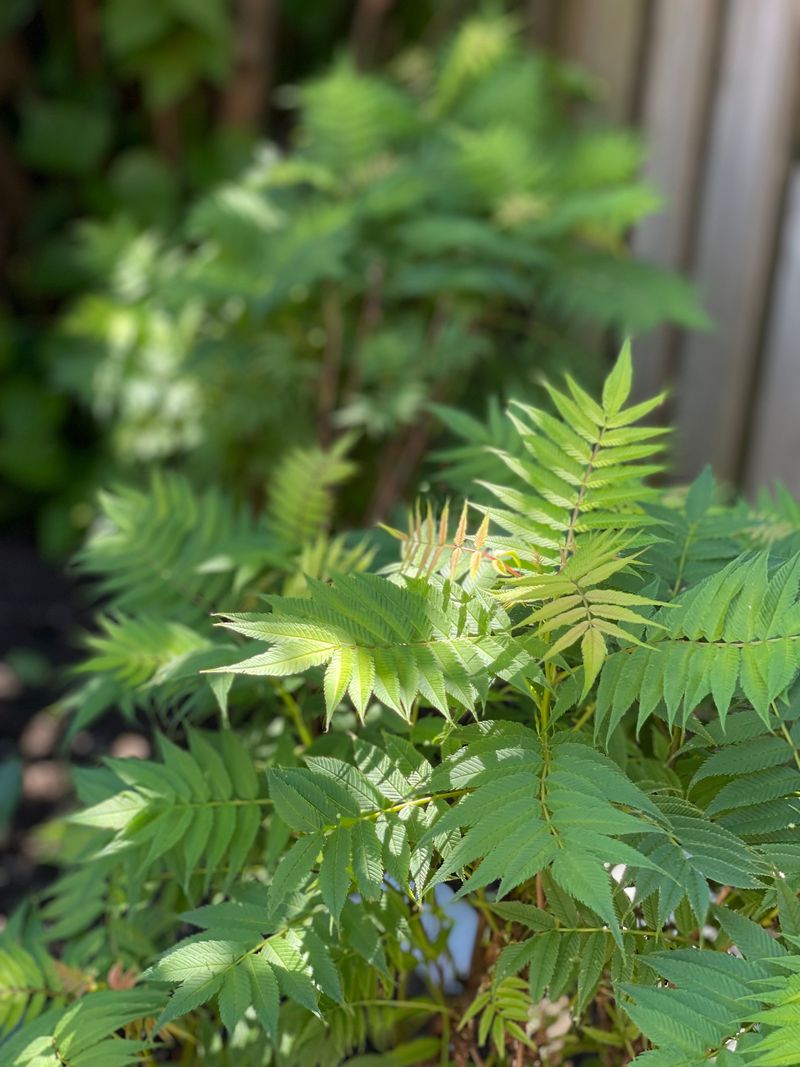
Its name sounds lovely, but many Pennsylvania gardeners call tree of heaven something far less polite. This fast-growing invader from China pops up along fences, alleys, and backyard edges.
Stink bugs adore it, and they are not the only fans. Tree of heaven is also the favorite host of the spotted lanternfly, another pest Pennsylvanians know too well.
Researchers have found brown marmorated stink bugs feeding and breeding on it in large numbers. A single tree near your deck can support a large population by fall.
When the weather cools, those bugs look for shelter, and your house is right next door. That is a short commute nobody in the family wants to encourage.
Spotting it is easier than you might think. Look for long leaves made of many small leaflets, plus a smell like rancid peanut butter when crushed.
Each leaflet has a small bump, or gland, near its base. That detail helps tell it apart from look-alikes such as sumac and black walnut.
Cutting it down alone usually backfires, because the roots send up dozens of new sprouts. Penn State Extension suggests treating it with herbicide in late summer or early fall.
Young seedlings can often be pulled by hand after a good rain softens the soil. For large trees, calling a licensed arborist is the safest move.
Replace it with native trees like white oak, serviceberry, or eastern redbud. Birds and pollinators will thank you, and stink bugs will lose a favorite buffet.
5. Leaving Fallen Fruit On The Ground
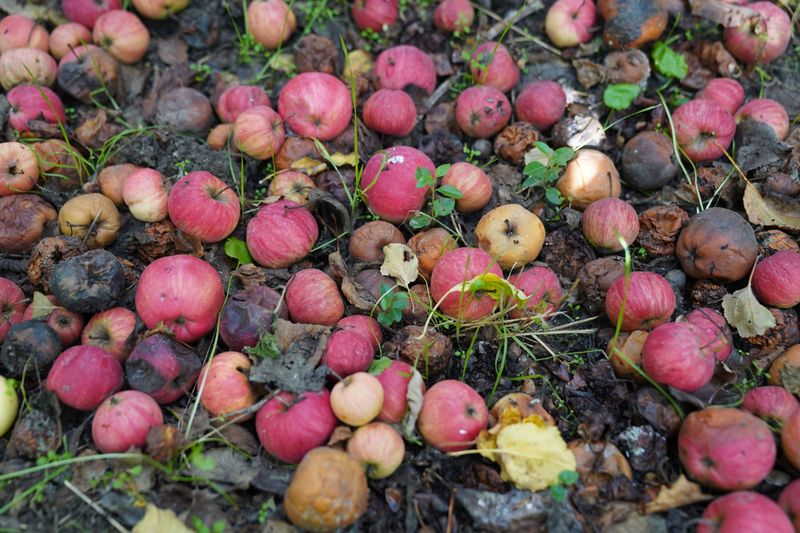
Imagine an all-you-can-eat buffet with no closing time, and you have a backyard full of fallen apples. Stink bugs are happy to pull up a chair.
These bugs pierce fruit with a straw-like mouth and suck out the juices. Apples, peaches, pears, and tomatoes are among their top picks in Pennsylvania.
Pennsylvania apple growers often spot this pest by the odd dimples and corky spots on fruit. Those blemishes come from bugs sipping juice right through the skin.
September is prime time for that kind of trouble. Orchards and backyard trees drop ripe fruit all month, and gardens are loaded with late tomatoes and peppers.
Fruit left rotting on the ground keeps feeding bugs long after you finish picking. Well-fed bugs grow bigger crowds, and those crowds eventually look for winter housing.
Now guess whose house sits closest to the snack bar? Yours does, which makes your siding the perfect spot to warm up after a big meal.
A quick daily cleanup makes a big difference this time of year. Grab a bucket or a fruit picker tool and collect drops every morning or evening.
Seal spoiled fruit in a bag before tossing it, or bury it deep in a hot compost pile. Shallow compost heaps can turn into a stink bug hangout of their own.
In the vegetable garden, harvest tomatoes and peppers as soon as they ripen. Pull finished plants too, since tired vines give bugs shelter and extra snacks.
6. Growing Thick Shrubs Against The Foundation

Lush boxwoods and junipers hugging the house can look sharp from the street. Up close, though, that tangle of leaves creates a hidden hallway right to your walls.
Stink bugs love dense, shady plants where they can rest and stay out of sight. When branches touch your siding, bugs can simply stroll from leaf to house.
No flying is required, and nobody spots them coming until they reach the window screens. It is like leaving a ladder propped against an open upstairs window.
Overgrown bushes also trap moisture and block sunlight from drying out the ground. That damp, sheltered zone attracts spiders, ants, and other pests along with stink bugs.
Landscapers often recommend a gap of at least 18 inches to two feet between shrubs and siding. That space lets air move and makes pests easier to notice.
Early fall is a perfectly fine time for light trimming across most of Pennsylvania. Snip back branches that brush the house, but save heavy pruning for late winter.
Cutting too much in autumn can spark tender new growth that frost may damage. A gentle trim now keeps plants healthy and still opens up that buffer.
Planning to add a brand new garden bed next spring? Place shrubs farther out and fill the strip nearest the house with gravel or river rock.
A stone border looks tidy, drains well, and gives bugs nowhere comfy to hide. Your foundation stays drier, and inspecting it for cracks becomes much easier.
7. Keeping Yard Clutter Close To The Walls
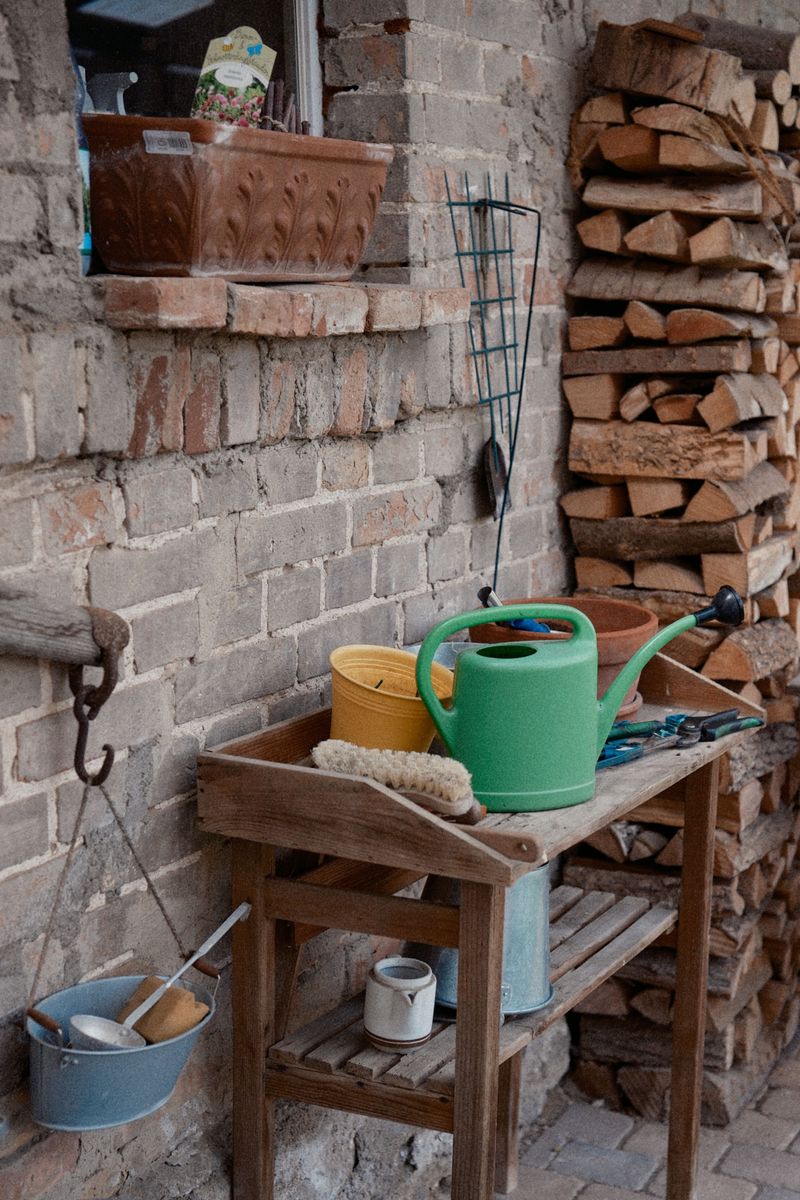
Everyone has that one corner of the yard where old flower pots and tarps go to retire. Sadly, stink bugs treat that pile like a five-star hotel.
Stacked boards, empty boxes, patio cushions, and leaf piles all offer snug hiding spots. When that clutter sits against your house, bugs can hop from the pile to your siding.
Leaf piles deserve extra special attention during this season. As trees shed in late September, many people rake leaves against the foundation and forget them.
Those soggy heaps trap warmth and shade, which makes them a cozy waiting room for bugs. From there, the trip to a gap under your siding is short.
Grills and patio furniture covers are sneaky hideouts too. Lift a grill cover in mid-October, and you might find a small crowd huddled underneath.
Set aside one weekend afternoon to tidy up, and bring a friend if motivation runs low. Recycle or donate items you no longer use, and haul out broken junk.
Store the things you want to keep in sealed plastic bins inside a shed or garage. Keep stacks off the ground and at least a few feet from the walls.
Move leaf piles to a compost area far from the house, or bag them promptly. Before storing cushions and covers for winter, shake them out well outdoors.
A tidy yard does double duty, since mice, ticks, and spiders also love messy corners. Less clutter means fewer uninvited guests of every kind.
8. Neglecting Screens On Vents And Chimneys
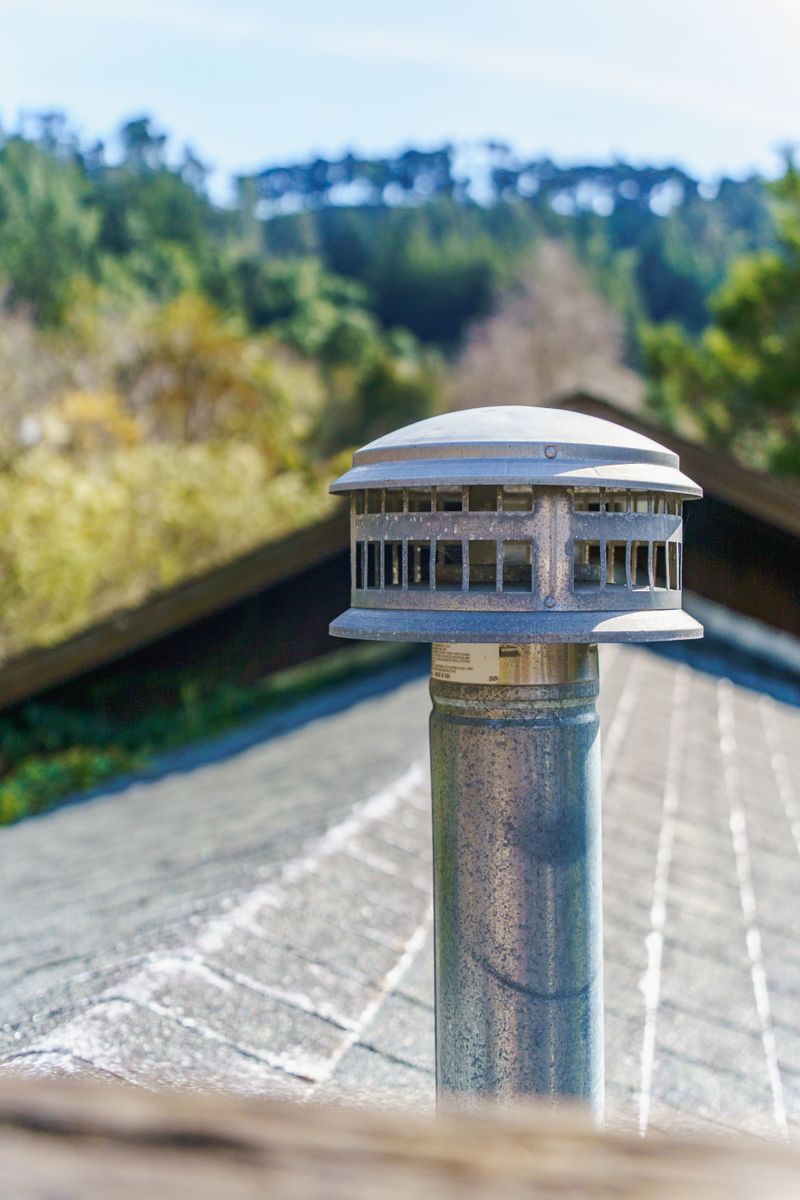
Strange buzzing in the attic on a chilly night can feel like a spooky movie. More often than not, the culprit is a crowd of stink bugs.
Roof vents, gable vents, soffits, and chimneys are open doors for anything that flies. Bugs land on warm rooftops in the afternoon and wander right inside through the gaps.
Once inside, they settle into insulation and wall spaces for the long winter nap. On sunny winter days, some wake up confused and crawl into your bedroom.
A published study counted over 26,000 stink bugs inside a single Maryland home over one winter. That is one giant sleepover nobody in the house signed up to host.
Pull out binoculars and scan your roofline from the yard before climbing anything. Look for torn mesh, missing vent covers, or rusty chimney caps with holes.
Fine metal mesh with openings of about one-eighth inch keeps most bugs out while letting air flow. Attach it securely behind vent louvers with screws or staples.
A stainless steel chimney cap with mesh sides blocks bugs, birds, and rain all at once. Have it installed before you light the first fire of the season.
Roof work can be risky, so hire a pro if ladders make you nervous. Many chimney sweeps will inspect caps and vent screens during a routine fall cleaning.
Already found a few sneaky bugs wandering indoors? Skip the squishing and vacuum them with a shop vac, then seal and toss the bag outdoors. The good news is that stink bugs do not bite, sting, or breed indoors.