That Gopher Snake In Your Arizona Yard Isn’t Bad News – Here’s What It’s Telling You
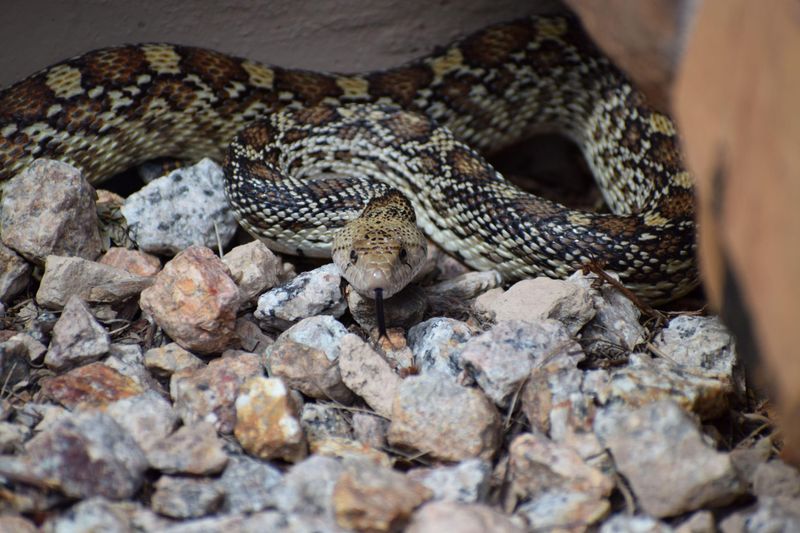
Spotting a large, patterned snake moving through your Arizona yard can stop your heart for a second – and most of the time, that snake turns out to be a gopher snake, not a rattlesnake. Finding one doesn’t automatically mean your yard is thriving or that your pest problems are solved, but it does tell you something worth paying attention to.
Understanding what the sighting actually means, and what it doesn’t, helps you make smarter decisions about your outdoor space, your family, and your native wildlife.
A Gopher Snake May Be Using What Your Yard Offers
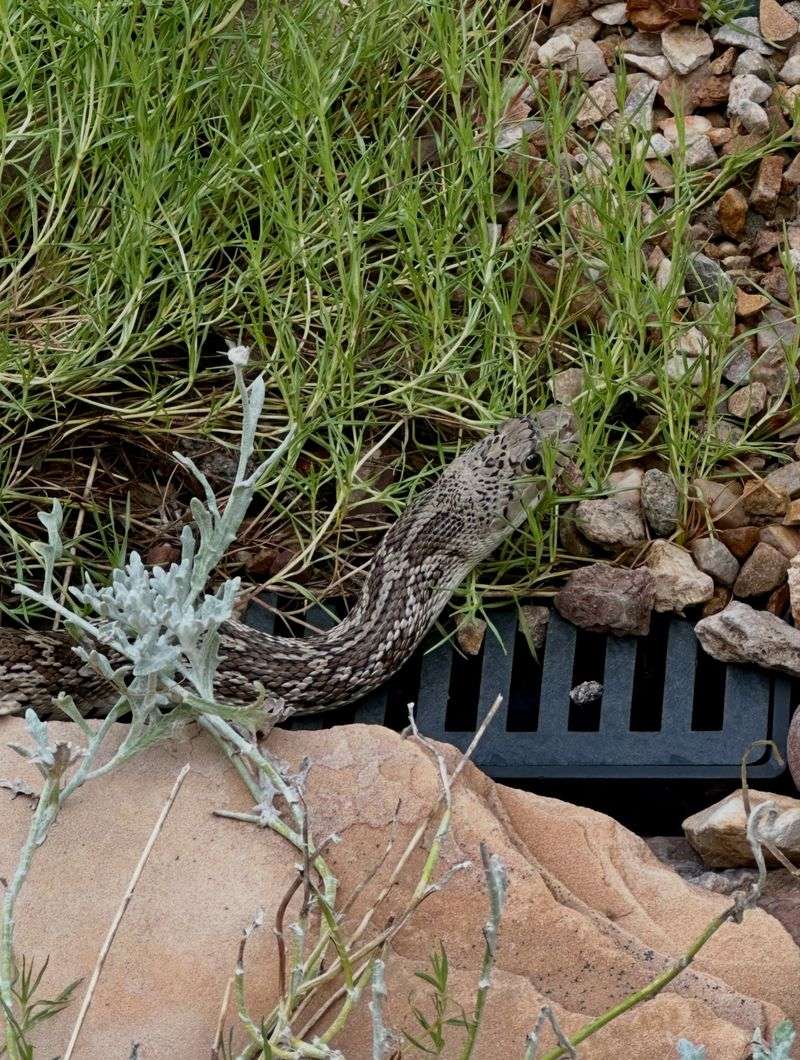
Gopher snakes are among the most common, widespread snakes in Arizona, and they turn up in neighborhoods just as readily as they do in open desert. Arizona has two recognized subspecies: the Sonoran gophersnake, found across most of the state, and the Great Basin gophersnake, which appears mainly in the northern regions.
The Reptiles and Amphibians of Arizona confirms that both subspecies are nonvenomous constrictors that occupy desert, grassland, and disturbed landscapes alike, including residential neighborhoods in the Phoenix and Tucson metros.
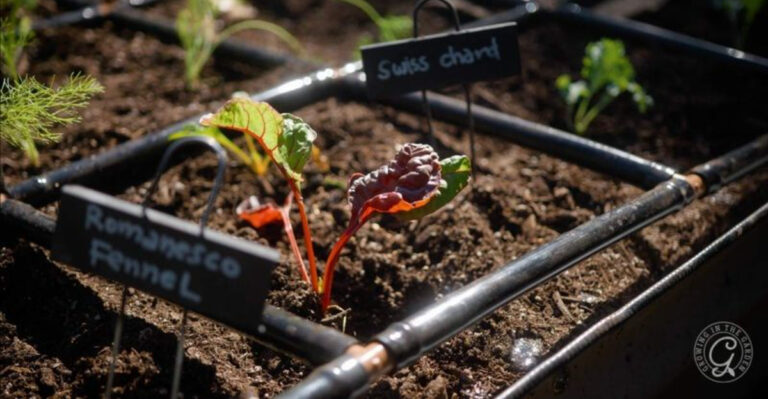
When one shows up in your yard, the most straightforward explanation is that your property is currently offering something the snake can use. That could be a pocket gopher tunnel to investigate, a wood pile providing cover during the heat of the day, a drip-irrigation line that keeps moisture near the surface, or simply a gap in a wall that connects your block to a larger movement corridor.
What the sighting cannot do is grade your yard. The snake responds to available conditions at that moment – prey, cover, shelter, or a route through – and its presence reflects those specific conditions rather than the overall quality or ecological health of the space.
Treating the encounter as a limited, useful clue is a more accurate starting point than treating it as a report card.
Treat the Sighting as a Habitat Clue, Not a Health Score
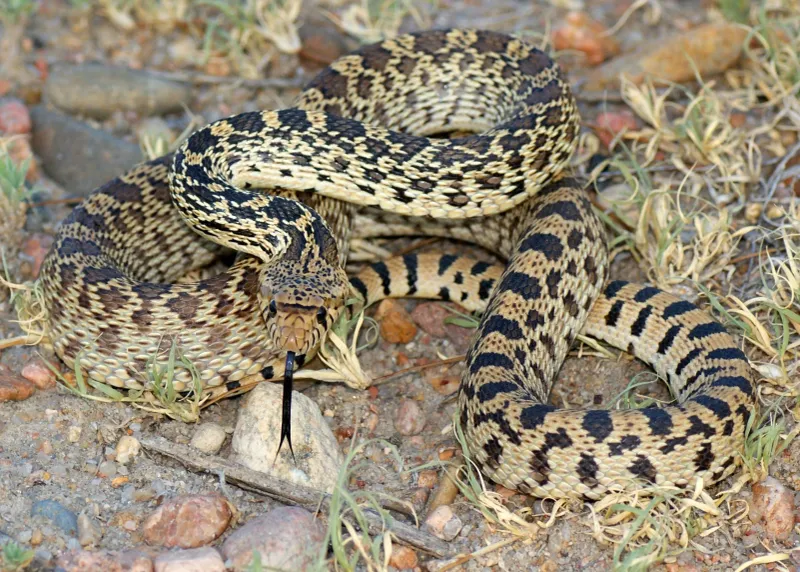
University of Arizona Cooperative Extension guidance on landscaping for wildlife habitat elements identifies four basic resources that make any property usable to native animals: food, water, cover, and space. A low-desert yard that provides even a partial combination of those resources – bird feeders that attract seed-eating rodents, a leaky drip emitter, a brush pile behind the shed, or an unfenced alley – can draw in a gopher snake without the yard being particularly diverse, pesticide-free, or ecologically balanced.
One sighting cannot measure soil health, confirm that native plants outnumber invasives, establish that a balanced food web is in place, or show that the yard is free of chemicals. Those qualities take consistent observation and management over time to assess.
A snake passing through your yard on a Tuesday afternoon tells you nothing reliable about any of them.
There are also several mundane reasons a gopher snake might appear that have nothing to do with habitat quality. The animal may be following a rodent trail that leads directly through your property.
It may be seeking shade or warmth depending on the time of day. It may be moving between two adjacent lots and yours simply happens to be in the way.
Your Arizona Garden Changes Every Week. Your Plan Should Too.
Gardening in Arizona changes quickly throughout the season. Every Friday you’ll receive a simple weekly plan showing exactly what to plant, prune, fertilize, harvest, and protect so you never miss the right timing.
Urban yards in Phoenix and Tucson sit within a patchwork of connected and disconnected habitat fragments, and animals move through them opportunistically. A sighting is a clue worth noting, not a score worth celebrating or worrying over.
Its Rodent Hunting Can Help Without Solving the Pest Problem
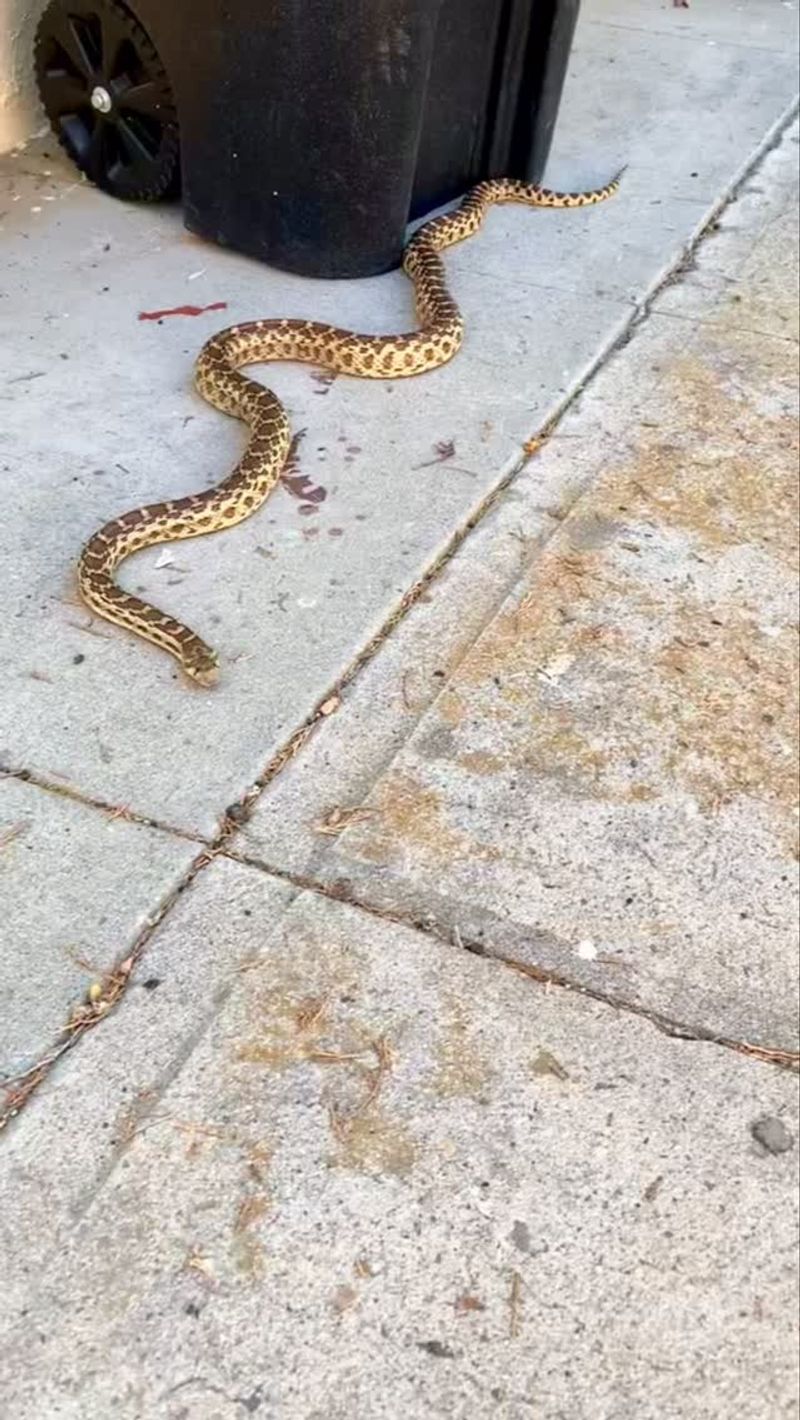
Gopher snakes are active hunters that pursue prey both above ground and underground. According to National Park Service documentation on gopher snakes, their diet includes rats, mice, pocket gophers, rabbits, lizards, birds, eggs, and occasionally other snakes.
Their ability to enter burrow systems is one of the traits that makes them particularly effective at reaching prey that surface-level traps might miss entirely.
That hunting behavior can contribute some natural pressure on local rodent populations, and that tendency is worth acknowledging. At the same time, a gopher snake’s presence in your yard may actually signal that prey is available rather than that prey has been reduced.
Snakes follow food sources, so seeing one near your compost bin or along your back wall could mean rodents are already active in that area.
Counting on a single snake to eliminate a rat, mouse, or pocket gopher problem is not a reliable strategy. The snake will eat when it is hungry and move on when conditions change.
It will not patrol your property on a schedule, and it will not touch scorpions, mosquitoes, or ticks in any meaningful or predictable way. The snake is best understood as a possible contributor to natural rodent pressure – one that complements good pest management rather than replacing it.
Its Rattlesnake-Like Display Makes Guessing Risky
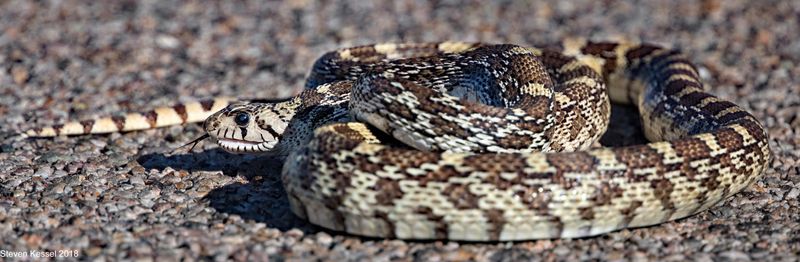
A calm gopher snake moving across open ground looks like what it is – a large, patterned, nonvenomous constrictor minding its own business. A gopher snake that feels cornered or threatened looks considerably more alarming.
When disturbed, the snake may hiss loudly, flatten and widen its head into a more triangular shape, pull into a loose coil, and vibrate the tip of its tail rapidly against dry leaves or gravel to produce a buzzing sound that mimics a rattlesnake’s warning.
This defensive mimicry is effective precisely because it works on people. The flattened head, the coiling posture, and the tail vibration are all behaviors a rattlesnake also performs, and no visual check from a standing distance can reliably separate the two species under those conditions.
Trying to get closer for a better look at scale patterns, head shape, or the tail tip is exactly the wrong response. The snake may strike defensively if it feels the approach is a threat.
The correct response is to stop moving toward the animal, keep everyone back, and wait. If the snake cannot be identified with confidence from a safe distance and it is in a location that creates genuine risk – near a door, in a pet run, or in a space children use – contact a qualified local wildlife or animal-control professional rather than attempting identification yourself.
Uncertainty is not a reason to get closer.
Give the Snake Space and Keep People Away
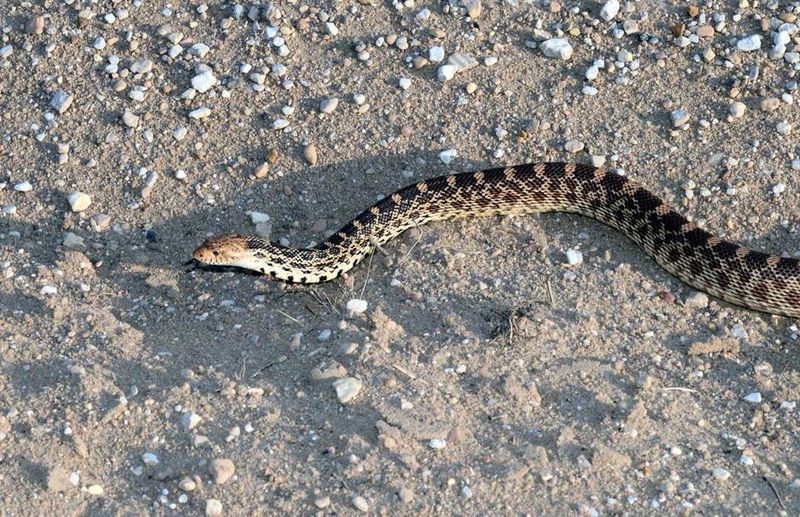
The first thing to do when you spot a gopher snake in your yard is the simplest: stop, step back, and keep children and pets away from the area. Most encounters resolve on their own when the animal is given a clear, unobstructed path to leave.
Removing the pressure – the dog straining at the leash, the curious child moving closer – usually allows the snake to continue on its way within a few minutes.
Do not attempt to handle the snake, pin it with a tool, cover it with a bucket, or relocate it by hand. Even a nonvenomous snake can bite defensively, and the risk of misidentification makes any hands-on approach inadvisable.
CDC guidance recommends avoiding contact with any snake and photographing it only from a safe distance if an identification record is needed. If the snake is inside your home, is trapped in a space it cannot leave, or is in a high-conflict location such as a child’s play area or a pet enclosure, call a qualified local wildlife or animal-control professional to handle the removal safely.
If a bite does occur – from any snake – seek emergency medical care right away. Do not cut the wound, try to suck out venom, apply ice, use a tourniquet, or attempt to catch or carry the snake to the hospital.
Even a bite from a snake you believe was nonvenomous warrants prompt medical evaluation, because bites can cause injury, infection, or an allergic reaction regardless of venom status. CDC snakebite guidance is consistent on this point: get to a medical facility quickly and let professionals assess the situation.
Build Wildlife Habitat Away from High-Use Areas
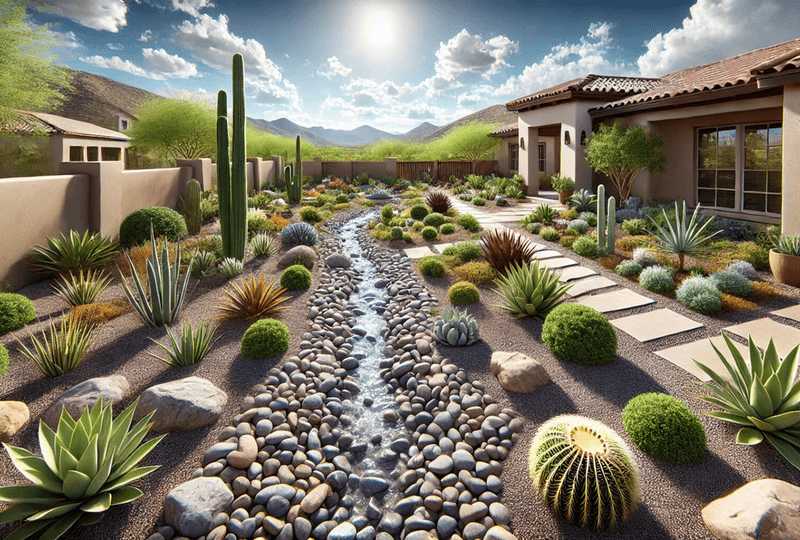
Native and desert-adapted plants give a low-desert yard structure, shade, and food sources that support local wildlife while using far less water than many non-adapted alternatives once they are established. Pairing those plants with thoughtfully placed water, cover, and open movement space can make a yard genuinely more usable to native animals.
The key word is thoughtfully – where you place those features matters as much as whether you include them.
Brush piles, rock stacks, wood piles, and dense low vegetation are valuable cover for lizards, birds, and small mammals, and they may attract snakes for the same reason. Positioned in a back corner of the yard, well away from doors, patios, walkways, play equipment, and pet runs, those features add habitat value with minimal conflict.
Positioned against the house foundation, beside a gate latch, or inside a fenced dog run, the same features create the kind of close encounters most homeowners would rather avoid.
University of Arizona Cooperative Extension materials identify wood piles, brush, clutter, standing water, and exposed food as conditions that can increase wildlife and rodent activity near homes. A drip emitter that pools water beside your back door, a bag of birdseed stored in an open shed, or a compost pile pressed against the block wall are all examples of resources that invite animals into high-use zones.
Zoning habitat toward the low-traffic edges of the property, rather than stripping it out entirely, gives wildlife a place to exist without turning your patio into a shared space.
Keep an Integrated Rodent Plan in Place
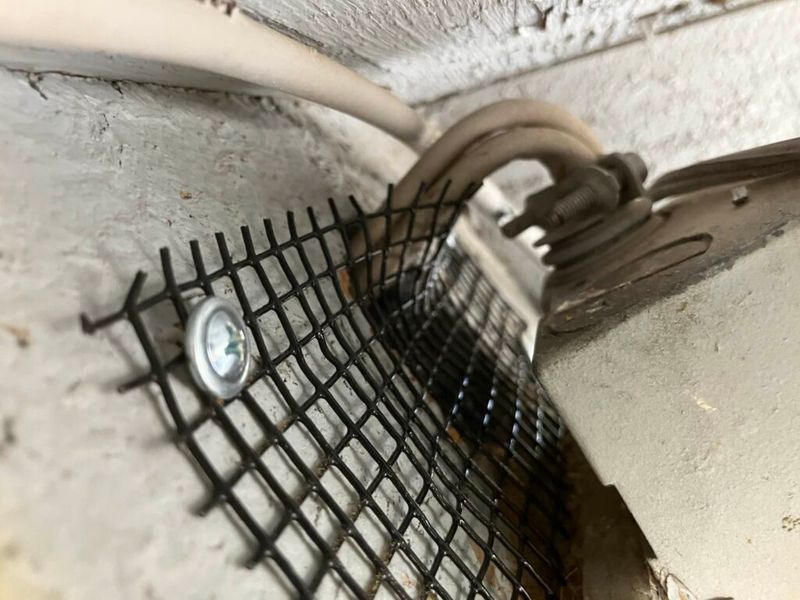
A gopher snake’s presence does not change what you owe your household in terms of rodent management. The snake may hunt whatever rodents are available, but it cannot be scheduled, directed, or relied upon to keep a problem from developing or worsening.
Sanitation, exclusion, trapping, and targeted habitat changes remain the practical foundation of rodent control in low-desert Arizona yards.
Sanitation means removing the food and water sources that attract rodents in the first place: securing garbage cans, storing pet food in sealed containers, picking up fallen citrus, and eliminating standing water. Exclusion means sealing gaps in foundations, walls, and eaves so that roof rats, pack rats, and mice cannot enter the structure.
Trapping provides direct, targeted removal without the risks that come with broad poison use.
University of Arizona Cooperative Extension guidance on rodent and pest management warns that rodenticide toxicants can create secondary-poisoning risks for nontarget wildlife, including the birds of prey, coyotes, and yes, snakes that may feed on poisoned rodents. Casual broad poison use in a yard where you want to support native wildlife works against both goals at once.
An integrated approach – combining sanitation, exclusion, snap traps, and habitat adjustments – protects your home more reliably and leaves native predators like the gopher snake able to function without being exposed to contaminated prey.
Read the Snake as a Clue, Not a Verdict
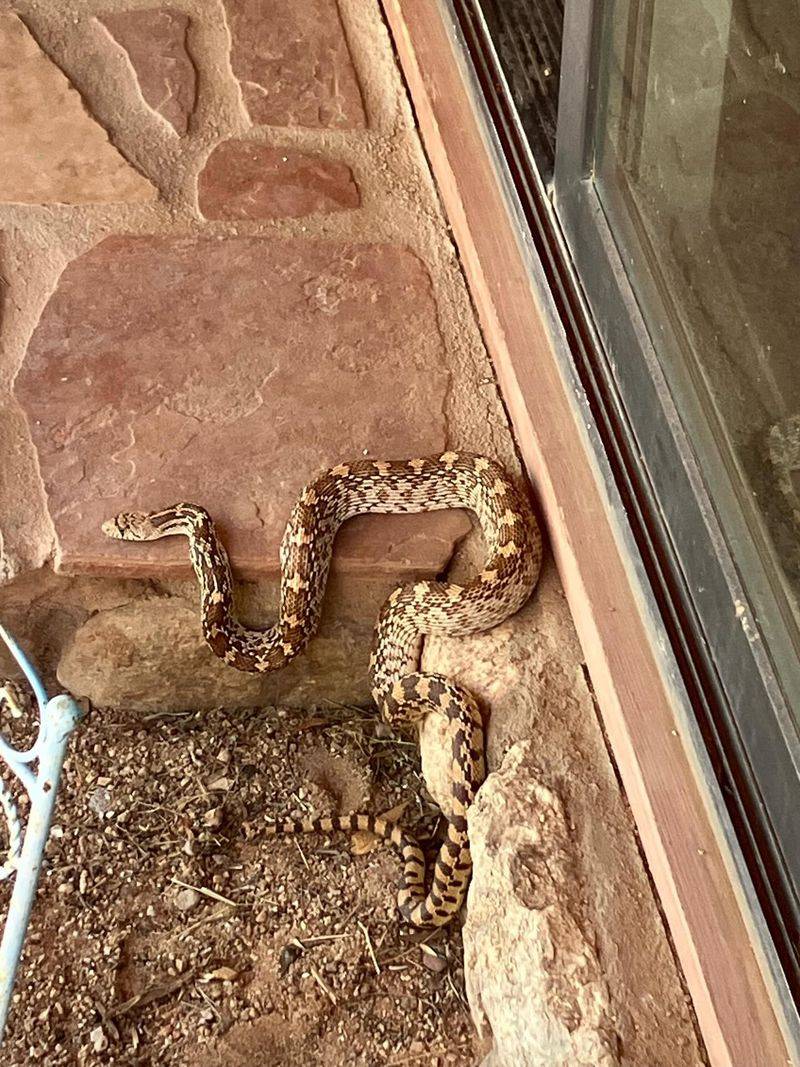
A gopher snake in your Arizona yard may be telling you that your property currently offers something a native predator can use – prey, shelter, a movement corridor, or a water source. That is worth knowing.
It does not certify that your yard is healthy, confirm that rodents are under control, or mean the encounter is automatically safe for people and pets nearby.
The practical response has three parts. Preserve habitat features like native plants, rock cover, and wildlife water in the lower-conflict zones of your property, away from the areas your family uses most.
Keep house edges, walkways, patios, and play spaces orderly and free of the clutter and food sources that pull rodents and wildlife too close to the home. And when you see the snake, observe it from a safe distance, keep children and pets back, and let it move on without interference.
A single sighting is a data point, not a diagnosis. The most useful thing you can do with it is take a brief look at what your yard is currently offering – and decide whether those resources are placed where they make sense.