These Pennsylvania Yard Mistakes Can Attract More Wasps To Your Home
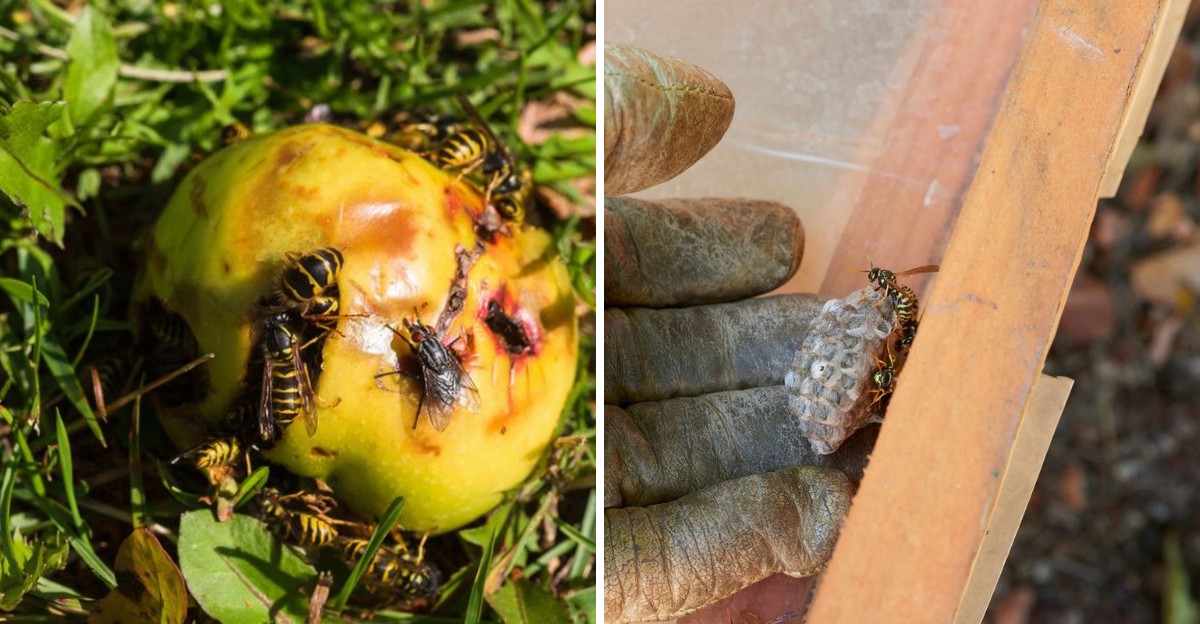
Wasps are not random. They show up where conditions invite them, build where they feel welcome, and keep coming back as long as those conditions remain.
Most Pennsylvania homeowners never stop to ask why certain properties see wasp problem after wasp problem while neighboring yards barely deal with them at all. The difference is almost always in the yard itself.
There are specific habits, features, and overlooked maintenance issues that consistently attract wasps to residential properties, and they’re far more common than most people realize.
The yard you’ve been maintaining with the best intentions may be sending exactly the wrong signals to every wasp colony in the neighborhood.
Here’s what’s actually drawing them in and what to do about each one before the problem resets itself next season.
1. Letting Fallen Fruit Rot Under Your Trees
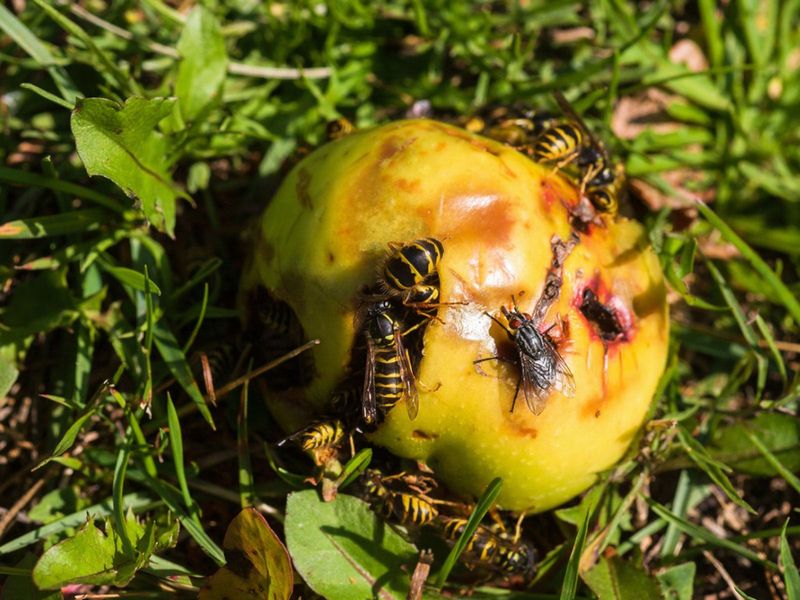
Picture a warm September afternoon in Lancaster County. The apple tree in your backyard has dropped a pile of fruit, and nobody has picked it up yet. Within a day or two, that sweet, mushy mess turns into a wasp buffet.
Late summer is when wasps change their diet. Early in the season, they hunt caterpillars and other bugs to feed their young.
By August and September, the colony stops raising babies, and the adult workers crave sugar instead.
Rotting fruit is packed with that sugar. As it breaks down, it even ferments a little, which gives off a strong smell wasps can follow from far away. Yellowjackets are especially drawn to it, and they can get grumpy and bold when they are feeding.
Pennsylvania is full of backyard fruit trees. Apples, pears, peaches, cherries, and plums all grow well here. Wild grapes and blackberries along fence lines can cause the same problem.
The fix is simple, but it takes steady effort. Walk around your trees every day or two during fruit season. Rake up fallen fruit and toss it in a sealed bin or bag.
Wear gloves and closed shoes while you do it. Wasps may already be munching, so move slowly and calmly. Early morning is the best time, since wasps are slower when the air is cool.
You can also pick fruit a little early, before it gets overripe on the branch. If you have more trees than you can manage, think about sharing extra fruit with neighbors or a local food pantry. Your yard stays cleaner, and someone else gets a tasty treat.
2. Leaving Trash And Recycling Bins Wide Open
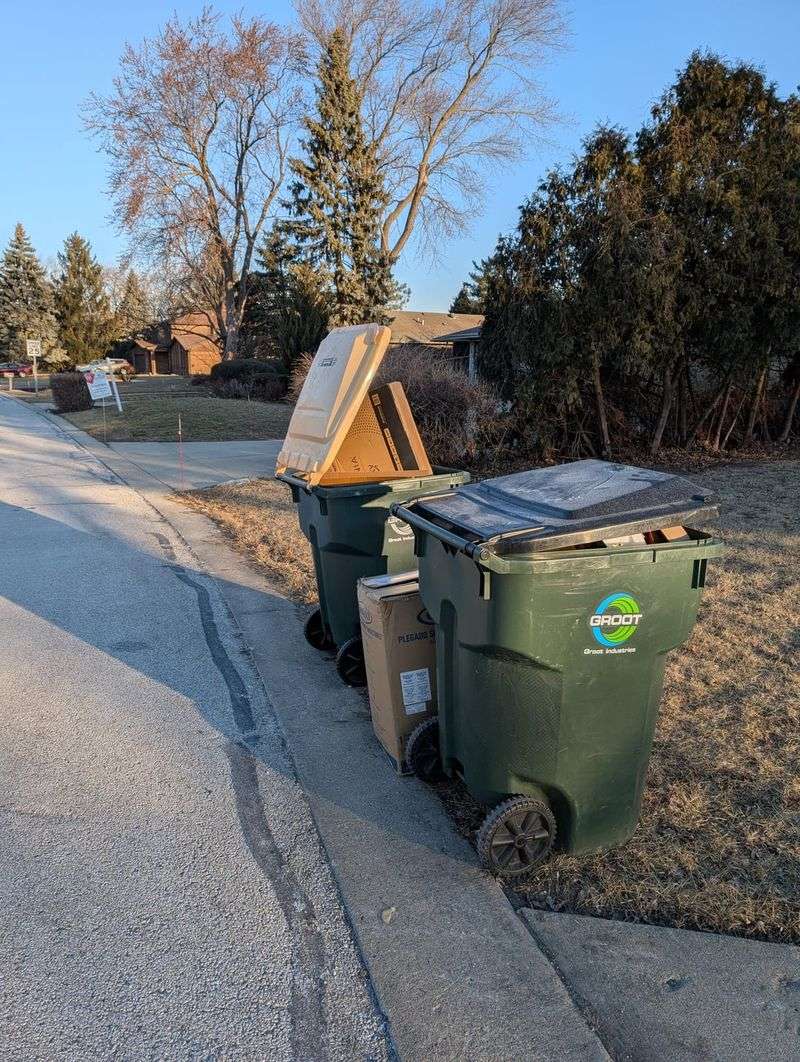
Some folks call yellowjackets meat bees, and there is a good reason for that nickname. They scavenge for scraps of chicken, hot dogs, and lunch meat, then carry bits back to the nest. Your garbage can is basically their grocery store.
An open or cracked trash lid sends out smells all day long. Hot Pennsylvania summers make it worse, because heat speeds up rotting. By July, a bin sitting in the sun can smell like a feast to every wasp on the block.
Your Pennsylvania Garden Changes Every Week. Your Plan Should Too.
Gardening in Pennsylvania changes quickly throughout the season. Every Friday you’ll receive a simple weekly plan showing exactly what to plant, prune, fertilize, harvest, and protect so you never miss the right timing.
Recycling bins are sneaky troublemakers too. Soda cans, juice boxes, and beer bottles often hold a few sticky drops at the bottom. Wasps will crawl right inside to get them, which is one reason people get stung near the curb.
Start by making sure every bin has a lid that closes all the way. If your lid is cracked or missing, most towns and haulers will replace it, so give them a call. Bungee cords can help keep lids shut on windy days.
Rinse cans and bottles before you toss them in the recycling. A quick splash of water removes most of the sugar. Bag your kitchen trash tightly, especially meat scraps and fruit peels.
Every few weeks, hose out the inside of your bins. A little dish soap or a splash of vinegar helps cut the odor. Let them dry in the sun before using them again.
Where you park the cans matters as well. Keep them away from doors, patios, and play areas if you can. That way, any wasps that do show up stay far from where your family hangs out.
3. Forgetting To Clean Up After Backyard Cookouts
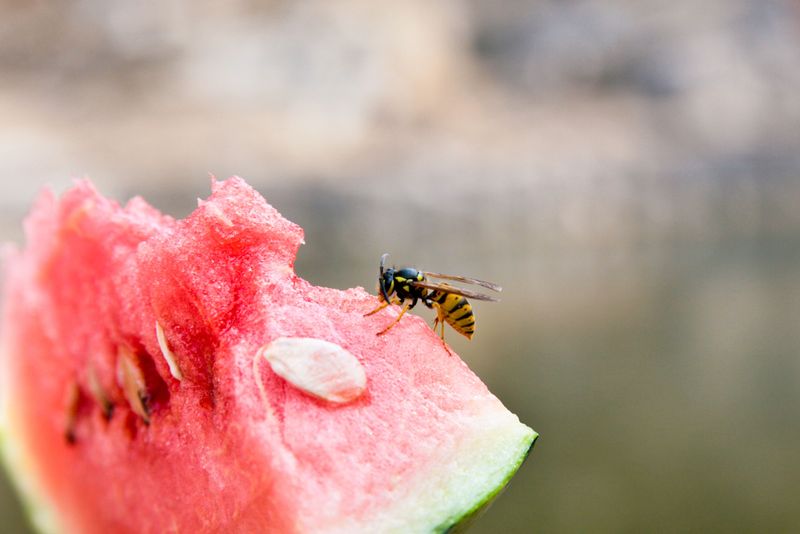
Ever taken a sip of soda at a picnic and felt something buzzing inside the can? It is a scary moment, and it happens more often than you might think. Backyard parties are a favorite hangout for late summer wasps.
Pennsylvania loves a good cookout. Fourth of July parties, Labor Day gatherings, and graduation picnics fill backyards all summer long. Sweet tea, lemonade, watermelon, and ketchup all send out signals wasps can smell.
Once a wasp finds a good food source, it remembers. It may fly back to the nest and return with friends. Before long, your party has a lot of uninvited guests.
A few smart habits can keep the fun going. Serve drinks in cups with lids and straws, or use clear cups so you can see what is inside. Keep food covered with mesh domes or foil until people are ready to eat.
After the meal, clean up right away. Wipe down tables, pick up napkins, and toss plates in a sealed bag. Even a few drops of spilled juice on the deck can attract wasps for hours.
Grills are another hidden magnet. Grease and meat bits left on the grates draw in yellowjackets looking for protein. Scrub your grill after each use and empty the grease trap often.
Fun fact: a single wasp colony can grow to thousands of workers by late summer. That means more hungry mouths searching your yard for snacks.
Staying tidy during outdoor meals is one of the easiest ways to keep them away. Your guests will thank you, too.
4. Allowing Shrubs And Hedges To Grow Wild
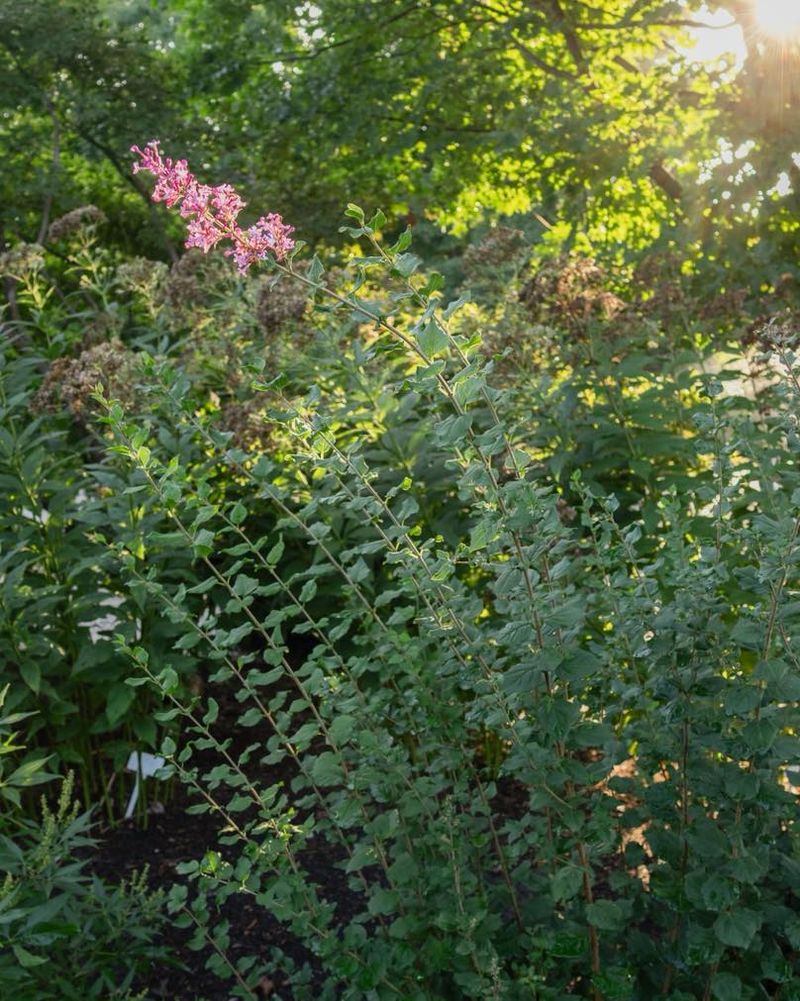
Imagine reaching into an overgrown boxwood to pull a weed and feeling three sharp stings. Hidden deep in the branches is a paper wasp nest the size of your fist. It happens to plenty of Pennsylvania gardeners every summer.
Thick, messy shrubs give wasps exactly what they want. The leaves block wind and rain, and the dense branches keep the nest out of sight. Nobody bothers them there, so the colony can grow bigger and bigger.
Paper wasps and bald-faced hornets both like this kind of cover. Bald-faced hornets build large, gray, football-shaped nests that can hang in bushes or low trees. They are protective and will defend their home if you get too close.
Regular trimming is your best defense. Try to shape hedges in late spring, before colonies get large. Thinner shrubs let in more light and air, which makes them less cozy for nest builders.
Before you start cutting, take a slow walk around each bush. Look and listen for wasps flying in and out of one spot. If you notice steady traffic, back away and plan to deal with it later.
Early morning or evening is the safest time to trim, since wasps are less active. Wear long sleeves, gloves, and eye protection. Electric trimmers can shake a hidden nest, so use hand clippers when checking suspicious areas.
For big or hard-to-reach nests, calling a local pest control pro is the smart move. They have the right gear and experience. A tidy yard also looks great, so you win twice.
Keep vines, ivy, and tall weeds near your house trimmed back as well. Those spots can hide nests just as easily as a hedge.
5. Ignoring Cracks, Gaps, And Weathered Wood
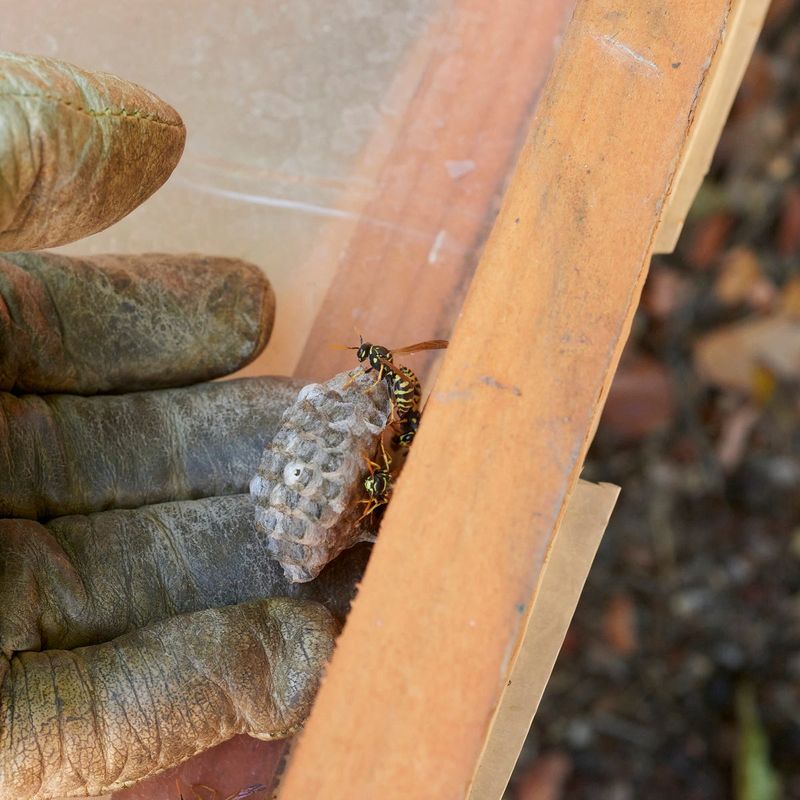
Wasps are nature’s papermakers. They scrape tiny strips of wood from fences, decks, and sheds, chew them up, and turn the pulp into their paper nests. That weathered picnic table in your yard might be their favorite supply shop.
Old, gray, untreated wood is the easiest for them to chew. If you look closely, you may even see thin, pale scratch lines on the surface. Those marks are a clue that wasps have been gathering building material.
Cracks and gaps around your home are a second problem. Wasps love tucking nests into sheltered spaces like gaps in siding, loose soffits, and openings around vents. Pennsylvania homes, especially older ones, often have plenty of these little hideouts.
Some colonies even move into wall spaces or attics. You might hear faint buzzing or spot wasps slipping into a crack near the roofline. A nest inside the house is much harder to remove than one out in the open.
Protecting your wood is a good first step. Paint or stain decks, fences, and sheds every few years. Sealed wood is tougher and far less tempting for wasps to scrape.
Next, walk around your house in early spring. Check for holes in window screens, gaps around pipes, and loose trim. Fill small cracks with caulk and cover larger vent openings with fine mesh.
Spring timing matters a lot. Queens wake up from winter hiding and hunt for a nest spot in April and May. Blocking entry points before then means fewer colonies can settle in close to your family.
6. Setting Pet Food And Water Bowls Outside
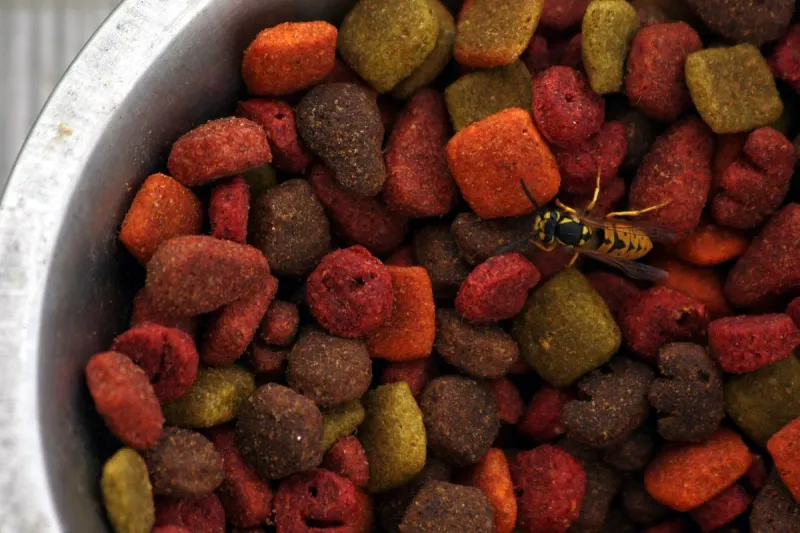
Your dog might love eating breakfast on the back porch. Unfortunately, wasps love that setup too. A bowl of kibble or wet food sitting outside can pull in yellowjackets within minutes.
Pet food is full of protein and fat. Worker wasps hunt for these nutrients to feed the young larvae back at the nest. Canned food is the worst offender because the strong smell spreads fast on a warm day.
Stings are a real risk for curious pets. Dogs and cats often snap at buzzing bugs, which can lead to painful stings on the nose, lips, or even inside the mouth. Some animals can have allergic reactions, just like people.
Water bowls cause trouble in a different way. Wasps need water, especially during hot and dry Pennsylvania summers. They use it to cool their nests and to mix with wood pulp when building.
The easiest fix is to feed pets indoors whenever you can. If they must eat outside, pick up the bowl as soon as they finish. Wash it right away so no crumbs or smells linger.
For water, change bowls daily and keep them in shady spots close to the house where you can watch them.
Also look around the yard for other standing water. Birdbaths, clogged gutters, old buckets, and kiddie pools can all become wasp drinking fountains.
Keep an eye on your furry friends during late summer. If a pet gets stung, gently remove any stinger, apply a cool cloth, and watch for swelling. Call your vet right away if you notice trouble breathing or a lot of puffiness.
7. Overlooking Bare Soil And Empty Animal Burrows
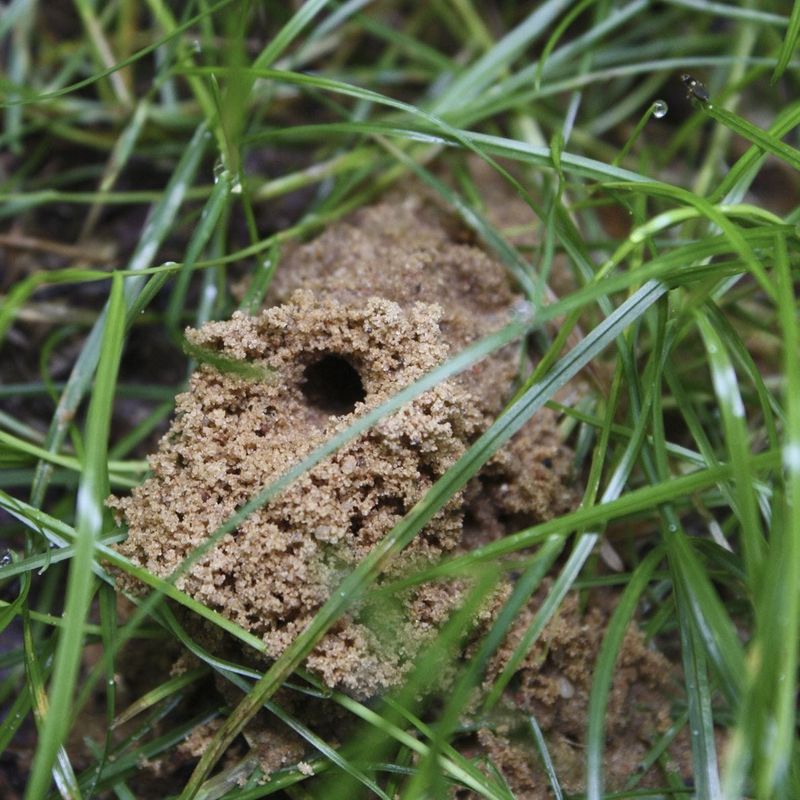
Not every wasp nest hangs from a branch or a roof. Eastern yellowjackets, one of the most common stinging insects in Pennsylvania, often build their homes underground. Many people never spot the nest until the lawn mower rolls right over it.
Queens love old chipmunk tunnels, mole runs, and vole holes. Ready-made spaces like these save them a lot of digging work. Bare patches of dry, loose soil also make easy spots to set up camp.
Underground nests can be surprisingly large. By late summer, some hold thousands of workers. When a nest is disturbed, the wasps pour out quickly and may sting over and over.
Keeping your lawn healthy helps a lot. Thick grass makes it harder for queens to find open ground. Reseed thin areas in early fall, and use mulch or ground cover plants in spots where grass will not grow.
Pay attention to rodent holes, too. Fill empty burrows with soil and pack them down firmly in early spring, before queens start searching. Fixing the rodent problem itself can also cut down on future nest sites.
During summer, watch your yard for a steady stream of wasps flying low into one spot in the ground. Mark that area with a flag or stake so nobody walks or mows over it. Kids and pets should stay clear too.
Never pour gasoline into a nest or try to block the hole with your foot. Those old tricks are dangerous and often make the wasps angrier.
A licensed pest control expert can handle ground nests safely and quickly. A quick yard check each week can save you from a very painful surprise.