These Perennial Flowers Thrive In Partial Sun Pennsylvania Gardens
Not every Pennsylvania garden gets a full day of sunshine. Maybe you have mature trees casting shade for part of the day, a fence that blocks the morning light, or garden beds that only catch the sun for a few hours before it moves on.
If you’ve been struggling to find flowers that actually perform well in those in between spots, you are definitely not alone. Partial sun is one of the most misunderstood growing conditions in gardening.
Too much shade for the sun lovers, too much light for the true shade plants. It can feel like a frustrating middle ground where nothing really thrives.
But there are perennial flowers that are perfectly dialed in for exactly these conditions, and they absolutely shine in a part sun Pennsylvania garden.
The right perennials will come back year after year, filling your space with color and life without demanding perfect conditions.
And Pennsylvania’s mix of warm summers and cool springs actually suits these plants beautifully.
1. Coral Bells
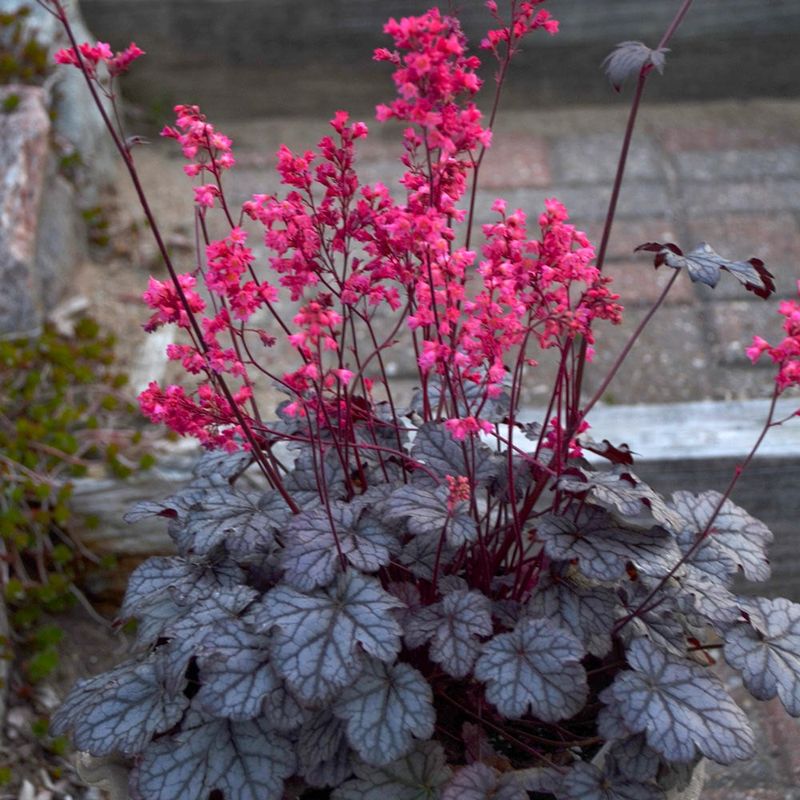
Walk past a garden bed filled with Coral Bells, and you might stop just to stare at the leaves. Few perennials can match the sheer variety of foliage colors that Heuchera brings to a partial sun garden.
Burgundy, deep purple, caramel, lime green, and even silver tones are all available depending on the variety you choose.
Coral Bells grow best in zones 4 through 9, which makes them perfectly suited for Pennsylvania’s climate. They prefer well-drained soil with a bit of organic matter mixed in.
Planting them in a spot that gets morning sun and afternoon shade will keep the leaf colors vibrant without scorching them.
In late spring through early summer, Coral Bells send up slender, airy flower spikes covered in tiny bell-shaped blooms. Hummingbirds absolutely love these flowers.
The blooms are usually pink, red, or white, depending on the cultivar, and they hover above the foliage like little fireworks.
One great thing about Coral Bells is how low-maintenance they are once established. Water them regularly during their first growing season, then let them settle in.
After that, they are fairly drought-tolerant and do not need much fussing over. They work beautifully as edging plants along a shaded walkway or as a colorful ground cover under deciduous trees.
Popular varieties for Pennsylvania include ‘Palace Purple,’ ‘Caramel,’ and ‘Lime Rickey.’ Dividing clumps every three to four years keeps the plants healthy and gives you extra starts to spread around the garden.
2. Wild Bergamot
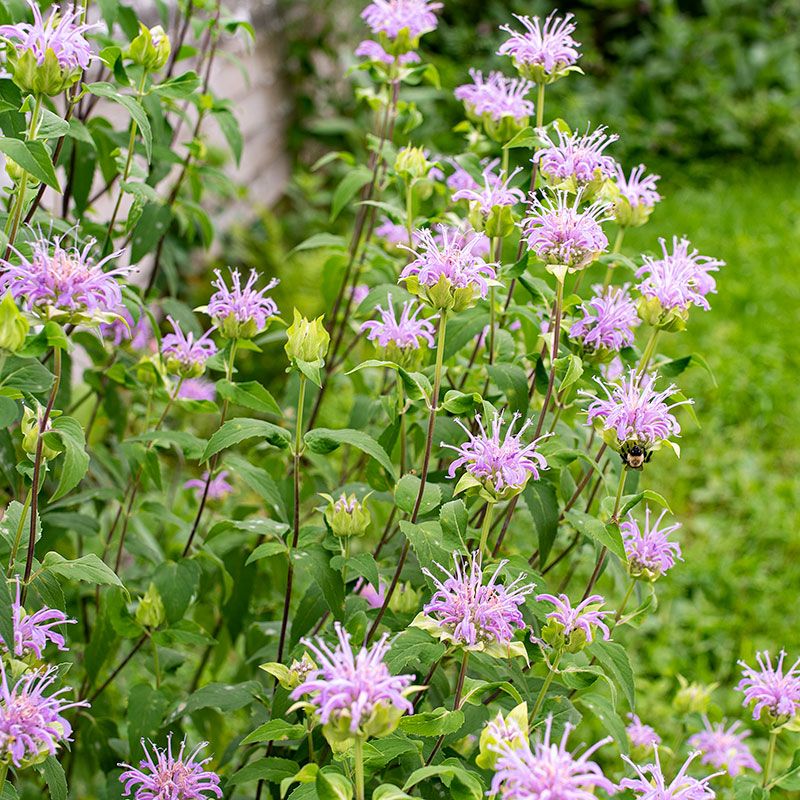
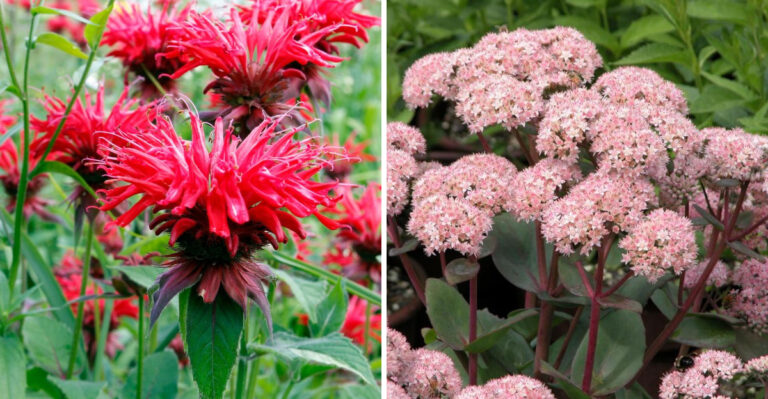
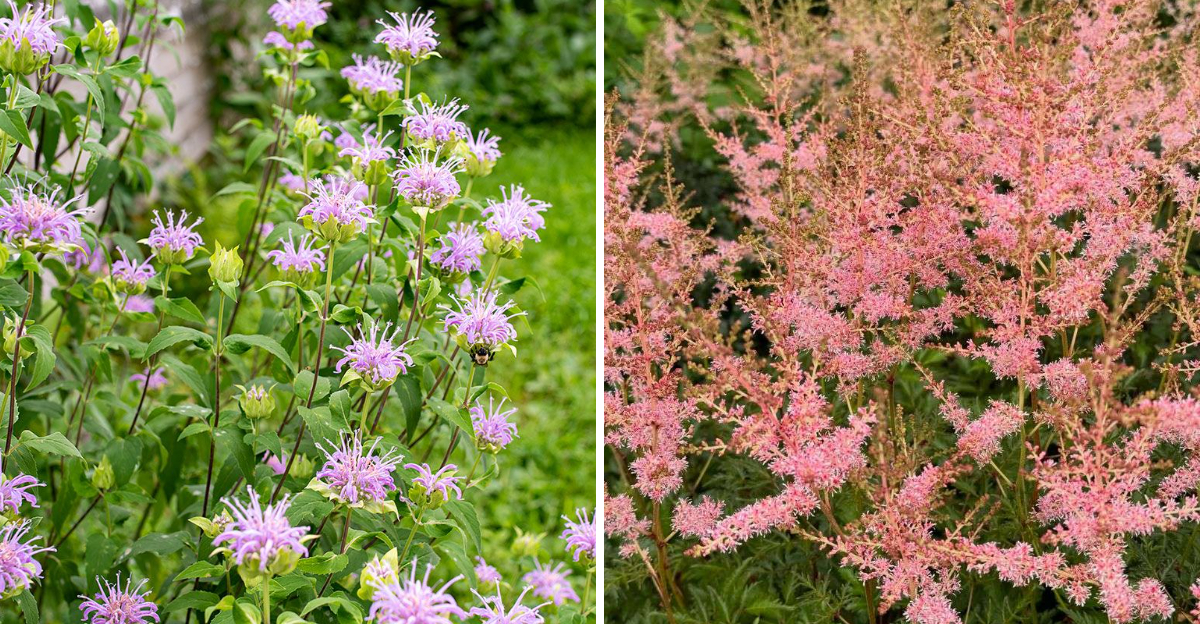
If your garden could use a little wildlife action, Wild Bergamot is the plant to call in. Native to much of North America, including Pennsylvania, this cheerful wildflower attracts bees, butterflies, and hummingbirds like a magnet all summer long.
Its lavender-pink flower heads are shaggy and fun-looking, almost like tiny fireworks frozen mid-burst.
Wild Bergamot blooms from mid- to late summer, which is a great time to have color in the garden when many spring bloomers have already faded. It reaches about two to four feet tall, making it a solid mid-border plant.
Your Pennsylvania Garden Changes Every Week. Your Plan Should Too.
Gardening in Pennsylvania changes quickly throughout the season. Every Friday you’ll receive a simple weekly plan showing exactly what to plant, prune, fertilize, harvest, and protect so you never miss the right timing.
Plant it behind shorter perennials for a layered, natural look that feels right at home in Pennsylvania landscapes.
This plant handles partial sun very well. It does not need a full day of sunlight to bloom happily.
Morning sun with light afternoon shade actually helps it avoid powdery mildew, which can be a problem in humid Pennsylvania summers.
Did you know that Wild Bergamot belongs to the mint family? Its leaves have a pleasant, oregano-like fragrance when you brush against them.
Some people even use the dried leaves to make herbal tea. For best results, plant Wild Bergamot in average to slightly dry soil. It does not like soggy roots.
Space plants about eighteen to twenty-four inches apart so air can circulate freely between them. Once established, it spreads gradually by rhizomes, forming a lovely, naturalistic clump that comes back stronger every year without much effort from you.
3. Astilbe
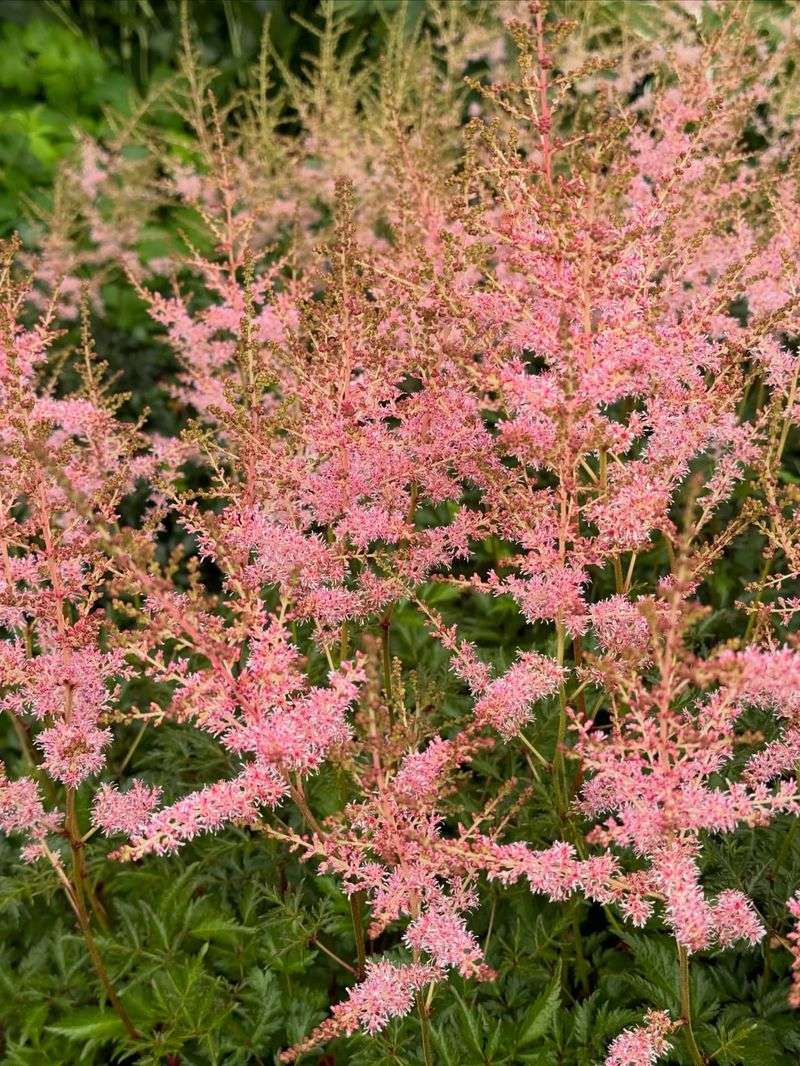
There is something almost magical about Astilbe in full bloom. Those tall, feathery plumes in shades of pink, red, white, and lavender look like they belong in a fairy tale garden.
If you have a moist, shaded corner of your Pennsylvania yard that feels hard to fill, Astilbe is your answer.
Astilbe thrives in partial shade and actually prefers it over full sun in Pennsylvania’s warm summers. Too much direct afternoon sun can cause the foliage to scorch and the flowers to fade quickly.
A spot with filtered light or morning sun is just right for keeping this plant looking its best all season long.
Moisture is the key to happy Astilbe. It loves consistently moist, rich soil with good drainage.
Adding compost to the planting area before putting Astilbe in the ground makes a noticeable difference in how well it performs. Mulching around the base helps hold moisture in during dry spells.
One bonus feature is that even after the blooms fade, the dried flower heads stay on the plant and add interesting texture to the garden through fall and even into winter. Many gardeners leave them standing rather than cutting them back right away.
Popular varieties for Pennsylvania gardens include ‘Fanal’ with deep red blooms, ‘Bridal Veil’ with white plumes, and ‘Pumila’ which stays compact and works well in smaller spaces.
Dividing Astilbe every three to four years keeps the clumps vigorous and prevents them from crowding themselves out. It is one of the most rewarding perennials you can grow in partial shade.
4. Columbine (Aquilegia canadensis)
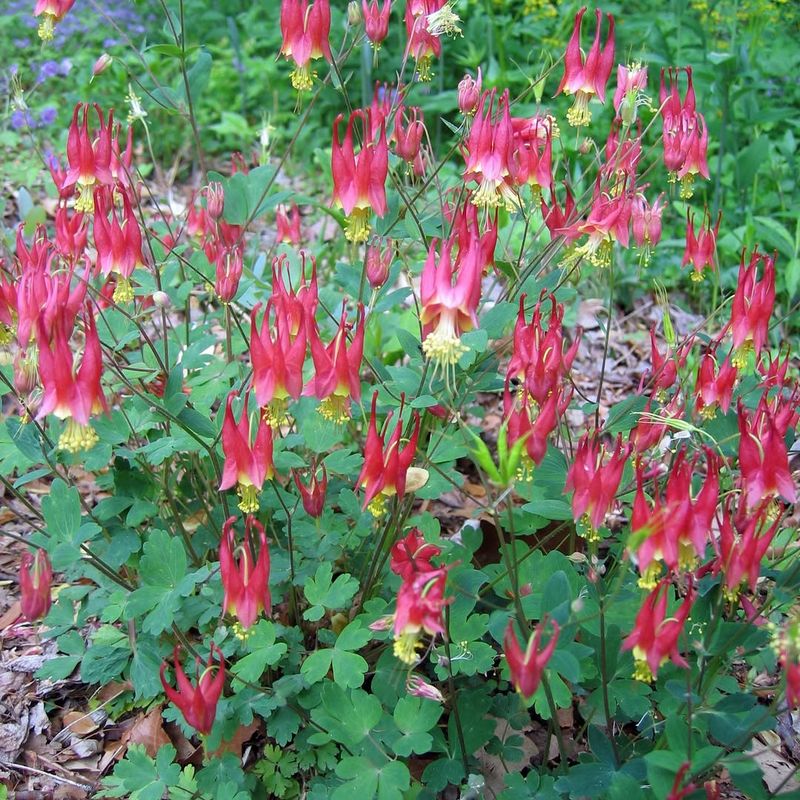
Columbine has a wildflower charm that feels both delicate and bold at the same time. The native American Columbine, Aquilegia canadensis, produces stunning red-and-yellow tubular flowers with backward-pointing spurs that look almost otherworldly.
Hummingbirds are particularly drawn to these blooms because the long spurs are perfectly shaped for their beaks.
Spring is Columbine season in Pennsylvania, typically blooming from April through June. It is one of the earlier perennials to show color in the garden, which makes it extra welcome after a long winter.
The blooms nod gently in the breeze on slender stems, giving the garden a light, airy feeling.
Columbine grows naturally along woodland edges and shaded borders, which tells you a lot about where it likes to be planted. Partial sun is ideal, especially a spot with morning light and afternoon shade.
It handles average, well-drained soil without needing a lot of extra fertilizer or fussing. One quirky and useful habit of Columbine is that it self-seeds freely. You plant it once, and over the years it will pop up in new spots around the garden on its own.
This gives your garden a naturalized, cottage-style feel that looks effortlessly beautiful. Keep in mind that Columbine has a relatively short lifespan as an individual plant, usually two to three years.
However, because it reseeds so readily, you will always have new plants coming along to replace older ones.
Cutting back spent flower stalks while leaving a few to go to seed is the best way to encourage this natural cycle in your garden.
5. Bleeding Heart
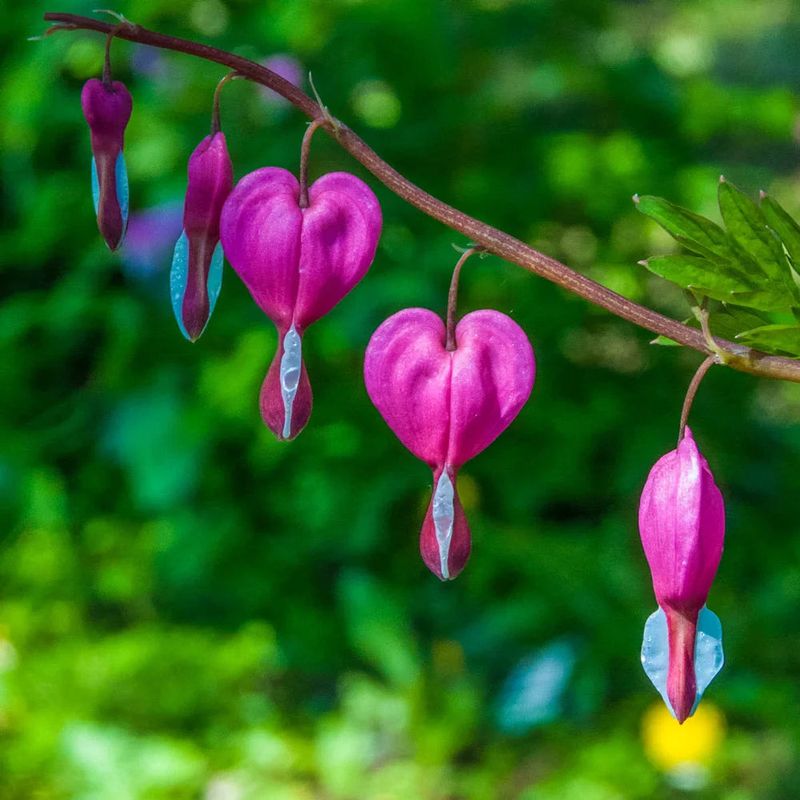
Few flowers carry as much personality as Bleeding Heart. The fringed Bleeding Heart, Dicentra eximia, produces arching stems lined with dainty, heart-shaped pink flowers that hang down like tiny pendants.
It is one of those plants that makes people stop and ask, what is that? every single time it blooms.
Unlike the common Bleeding Heart that goes dormant in summer, Dicentra eximia is a repeat bloomer. It flowers heavily in spring and then continues to produce blooms on and off through summer and into fall, especially in cooler years.
This extended bloom time makes it far more useful in a Pennsylvania garden than its dormant cousin.
Moist, partially shaded beds are exactly where this plant thrives. It does best with humus-rich soil that holds moisture without becoming waterlogged.
A layer of mulch around the base helps maintain soil moisture and keeps the roots cool during hot stretches in July and August.
The foliage is also quite attractive, with finely cut, blue-green leaves that add texture even when the plant is not in bloom. This makes Bleeding Heart a great companion plant for hostas, ferns, and Astilbe in a shaded border design.
Deer tend to leave Bleeding Heart alone, which is a genuine bonus for Pennsylvania gardeners who deal with browsing deer.
The plant spreads slowly by clumping and also reseeds lightly, so you will gradually have more of it over time without it becoming invasive. Established plants are surprisingly tough once they settle into the right spot.
6. Solomon’s Seal
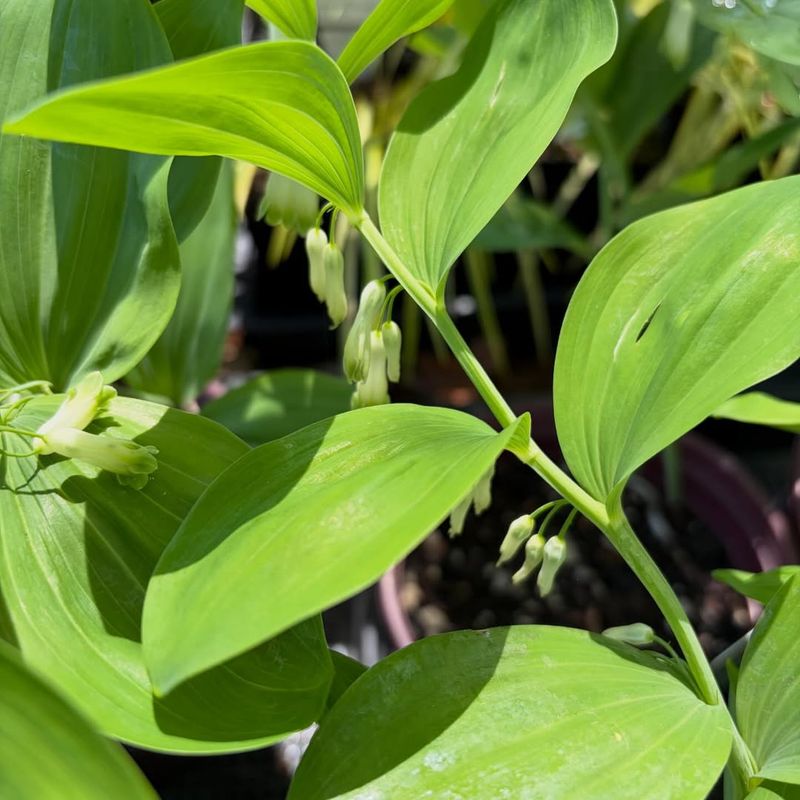
Solomon’s Seal has a quiet, graceful beauty that grows on you the longer you look at it. The long, arching stems lined with oval leaves and small dangling white flowers have an elegant, architectural quality that few other shade perennials can match.
It is the kind of plant that makes a garden look thoughtfully designed even with minimal effort.
Native to Pennsylvania and much of eastern North America, Polygonatum biflorum is perfectly adapted to local growing conditions.
It tolerates light to medium shade with ease and performs especially well beneath deciduous trees where dappled light filters through the canopy.
The plant reaches two to three feet tall, adding gentle vertical interest to a layered shade garden.
Tiny white, bell-shaped flowers dangle in pairs beneath the leaves in late spring. After the flowers fade, small blue-black berries develop along the stems.
These berries are a food source for birds, making Solomon’s Seal an excellent choice for a wildlife-friendly garden design.
In fall, the foliage turns a warm golden yellow before the stems fade back for winter. This seasonal color change adds one more layer of interest to the garden and makes Solomon’s Seal a true four-season performer in its own understated way.
Plant Solomon’s Seal in rich, moist, well-drained soil and give it room to spread. It slowly expands by underground rhizomes, forming attractive colonies over time.
It pairs beautifully with ferns, hostas, and Wild Ginger for a lush, layered look in a partially shaded Pennsylvania garden bed that feels both natural and polished.
7. Virginia Bluebells
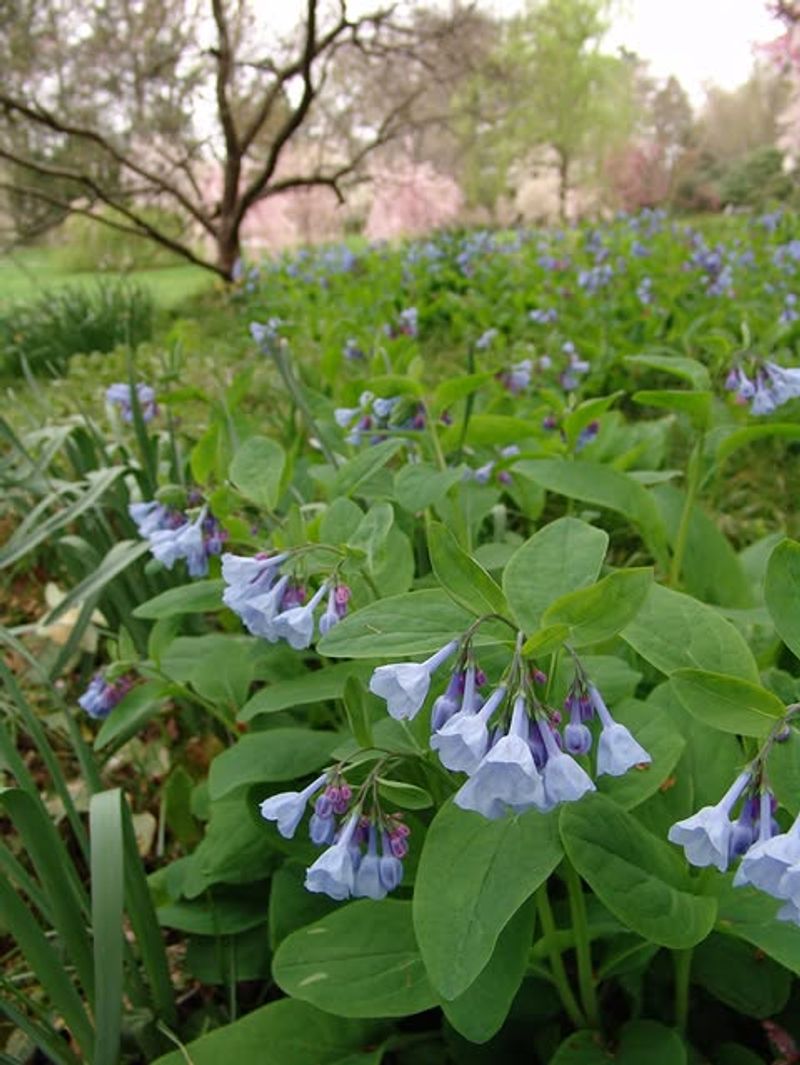
Every spring, Virginia Bluebells put on one of the most breathtaking wildflower shows in the eastern United States.
Clusters of sky-blue, trumpet-shaped flowers emerge on arching stems in March and April, often before most other plants have woken up from winter. The color is a true, clear blue that is genuinely rare in the perennial world.
Virginia Bluebells are native to Pennsylvania and naturally grow along stream banks and in moist woodland areas. They prefer partially sunny conditions with moist, rich soil.
A spot that gets morning sun and afternoon shade near a rain garden or a low-lying area of the yard is practically perfect for them.
One thing to know about Virginia Bluebells is that they are spring ephemerals. After blooming, the foliage yellows and fades away completely by early summer.
This is completely normal behavior for the plant, not a sign that anything went wrong. Plan ahead by pairing them with hostas or ferns that will fill in the space once the Bluebells go dormant.
Over time, Virginia Bluebells naturalize beautifully, spreading by seed to form larger and larger drifts. A small planting can become a stunning carpet of blue within just a few years.
This self-spreading habit makes them ideal for naturalizing shaded areas under trees or along a woodland edge.
Pollinators, especially bumblebees and early butterflies, eagerly visit the blooms for nectar. Planting Virginia Bluebells in drifts of at least a dozen plants creates a visual impact that is truly unforgettable every single spring without requiring replanting or extra maintenance.
8. Foamflower
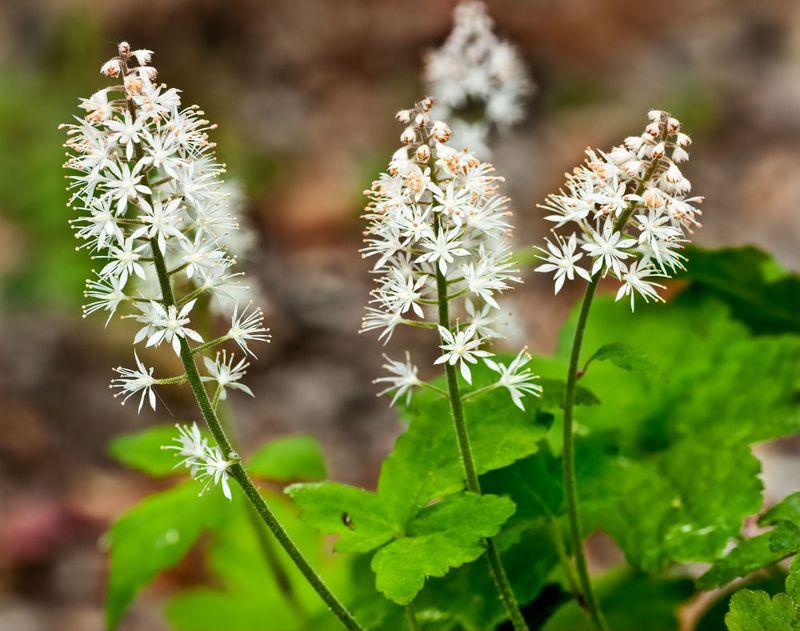
Foamflower earns its name honestly. In spring, this native Pennsylvania perennial produces airy, foam-like spikes of white or pale pink flowers that seem to float just above the foliage.
Up close, the individual blooms are intricate and lovely, but from a distance the effect is a soft, frothy cloud of color drifting across the garden floor.
As a ground cover, Foamflower is hard to beat for partial sun to shaded gardens. It spreads by stolons, similar to strawberry plants, forming a dense, weed-suppressing mat of attractive heart-shaped leaves.
The foliage often has interesting burgundy or bronze markings along the veins, which keeps the plant looking decorative long after the spring blooms have finished.
Tiarella cordifolia thrives in moist, humus-rich, well-drained soil. It is native to the forest floors of the eastern United States, so it is completely at home in a Pennsylvania woodland garden setting.
Morning sun with afternoon shade suits it perfectly, though it can handle deeper shade as long as the soil stays reasonably moist.
Foamflower is a wonderful companion plant for ferns, hostas, Wild Ginger, and Solomon’s Seal in a shaded border. The combination of different leaf textures and sizes creates a lush, layered look that feels natural and full.
Pollinators, including small bees and flies, visit the flowers for pollen and nectar in spring. Maintenance is minimal once established. Cut back any tattered leaves in early spring before new growth emerges to keep the planting looking tidy.
Dividing clumps every few years encourages fresh, vigorous growth and gives you extra plants to spread throughout shaded areas of your Pennsylvania yard.