These Plants Are Being Banned Or Listed As Invasive In More Michigan Counties
The list of invasive plants in Michigan has grown in recent years, and many of them have long been common in residential gardens and nursery shelves.
What has changed is a clearer understanding of how these plants behave once they escape cultivated spaces and move into natural areas, roadsides, and waterways across the state.
Some have already caused significant ecological disruption in parts of Michigan. Others are in the early stages of spreading in ways that are difficult to reverse.
If you are not sure whether something currently growing in your yard is invasive, this is a good time to learn more and consider management options.
1. Japanese Knotweed
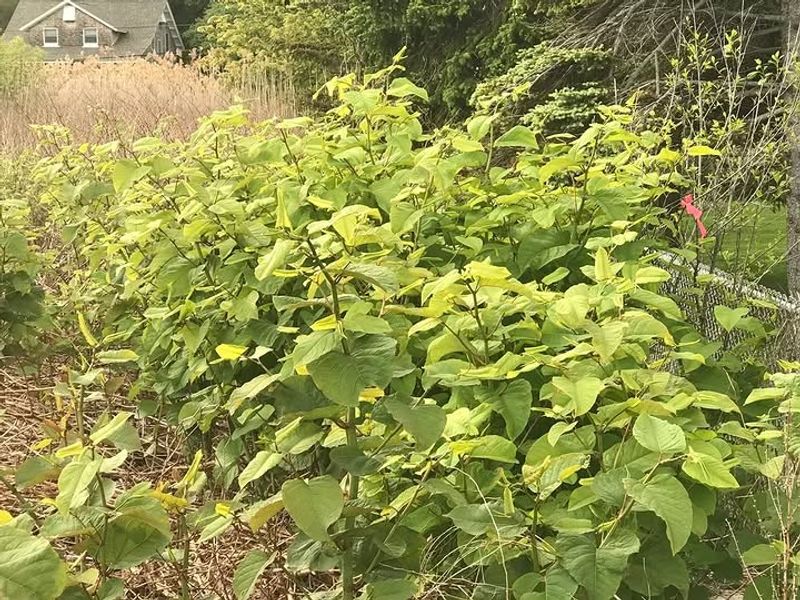
Few plants in Michigan cause as much alarm among conservationists as Japanese Knotweed. Originally brought from Asia as an ornamental plant, it quickly proved to be one of the most aggressive invaders in the region.
Its hollow, bamboo-like stalks can grow up to ten feet tall in a single season, forming dense walls of vegetation that block sunlight from reaching anything below.
What makes it especially hard to manage is how it spreads. Even a tiny fragment of its root system, called a rhizome, can sprout an entirely new plant.
This means mowing, digging, or moving soil that contains root pieces can actually spread it further. Construction crews and landscapers have unknowingly transported it across counties this way.
The plant does not just crowd out native wildflowers and shrubs. Its powerful root system pushes through asphalt, concrete foundations, and drainage systems, causing real structural damage to roads and buildings.
Michigan law prohibits planting, selling, or transporting Japanese Knotweed. If you spot it on your property, contact your local conservation district for guidance on safe, approved removal methods rather than attempting to handle it on your own.
2. Oriental Bittersweet
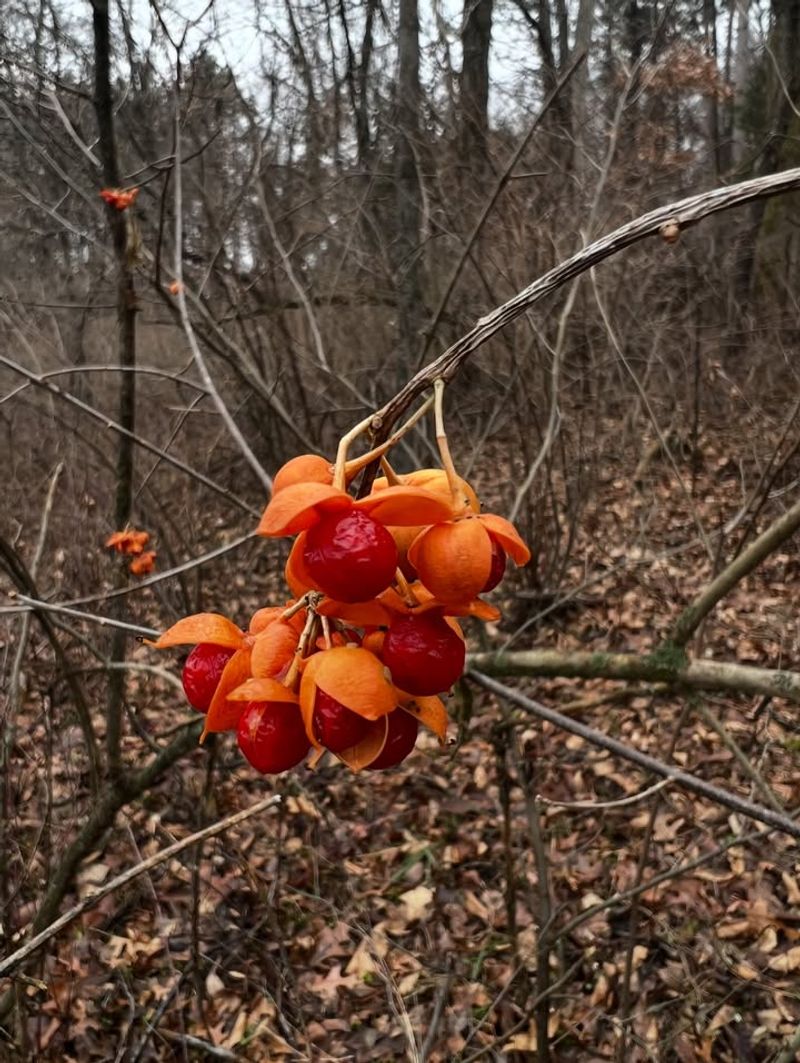
There is something deceptively pretty about Oriental Bittersweet. Its bright orange and yellow berries look like something straight out of a fall decoration, and for years people used cut vines in wreaths and centerpieces.
The problem is that those decorative berries are packed with seeds, and once they drop, new plants take hold fast.
Originally from Asia, this woody vine has become one of the most damaging invaders in Michigan’s woodlands.
It climbs over native trees and shrubs, wrapping so tightly around trunks and branches that it literally girdles them, cutting off the flow of water and nutrients.
Mature trees that have stood for decades can be completely overtaken within a few years of a bittersweet vine taking hold.
Birds love the berries, which means seeds get carried far and wide across the landscape. While not legally banned, conservation groups strongly discourage planting this vine and encourage removal efforts on public and private lands.
If you find it growing near your property line or in a wooded area nearby, removal sooner rather than later makes a real difference.
Native alternatives like American Bittersweet offer similar visual appeal without the ecological damage, making the swap well worth it for gardeners.
3. Burning Bush
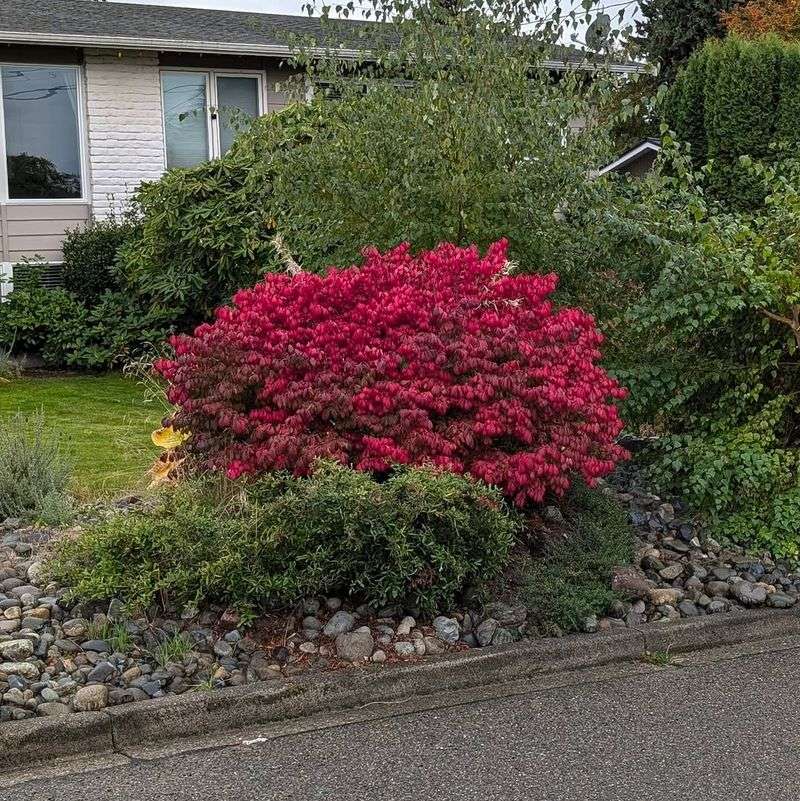
Walk through any suburban Michigan neighborhood in October and you will likely spot Burning Bush blazing in brilliant red. For decades, it was one of the most popular landscaping shrubs sold at garden centers across the state.
Your Michigan Garden Changes Every Week. Your Plan Should Too.
Gardening in Michigan changes quickly throughout the season. Every Friday you’ll receive a simple weekly plan showing exactly what to plant, prune, fertilize, harvest, and protect so you never miss the right timing.
That fiery fall color made it a go-to choice for homeowners wanting a dramatic seasonal display.
The trouble started when ecologists noticed something alarming. Burning Bush was showing up deep inside native woodlands, far from any garden.
Birds eat the seeds and carry them into forests, where seedlings take root and grow into dense thickets. In shaded understory areas, the plant outcompetes native shrubs like viburnums and dogwoods that wildlife depend on for food and shelter.
A single established Burning Bush can produce hundreds of seeds per year, which adds up to a serious problem across an entire region.
Although not legally banned, ecologists recommend limiting planting of Burning Bush and removing it from natural areas to prevent its spread. Some nurseries have already voluntarily pulled it from their inventory.
If you have one in your yard, consider replacing it with native alternatives like Highbush Blueberry or Chokeberry, both of which offer stunning fall color and provide real ecological value.
Making that swap helps protect natural spaces while still keeping your yard looking great through the seasons.
4. Purple Loosestrife
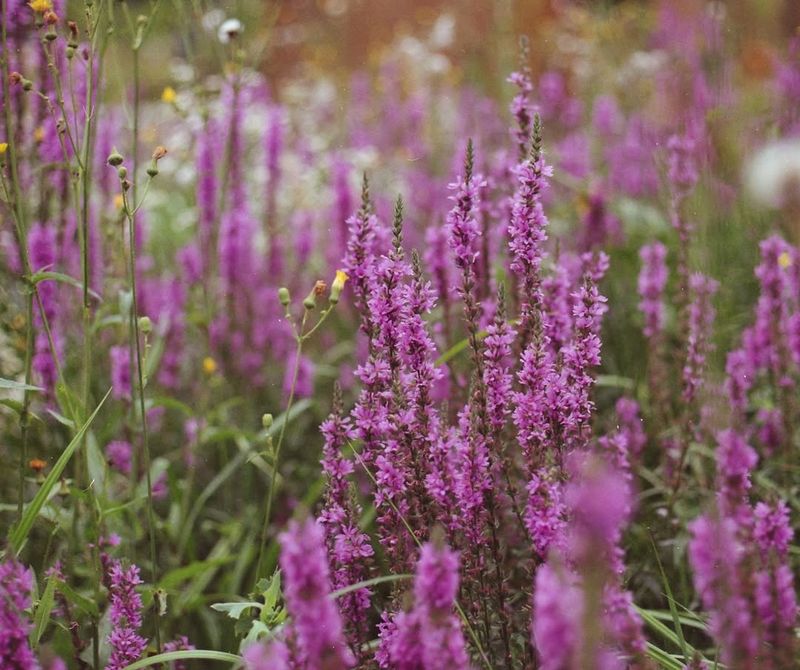
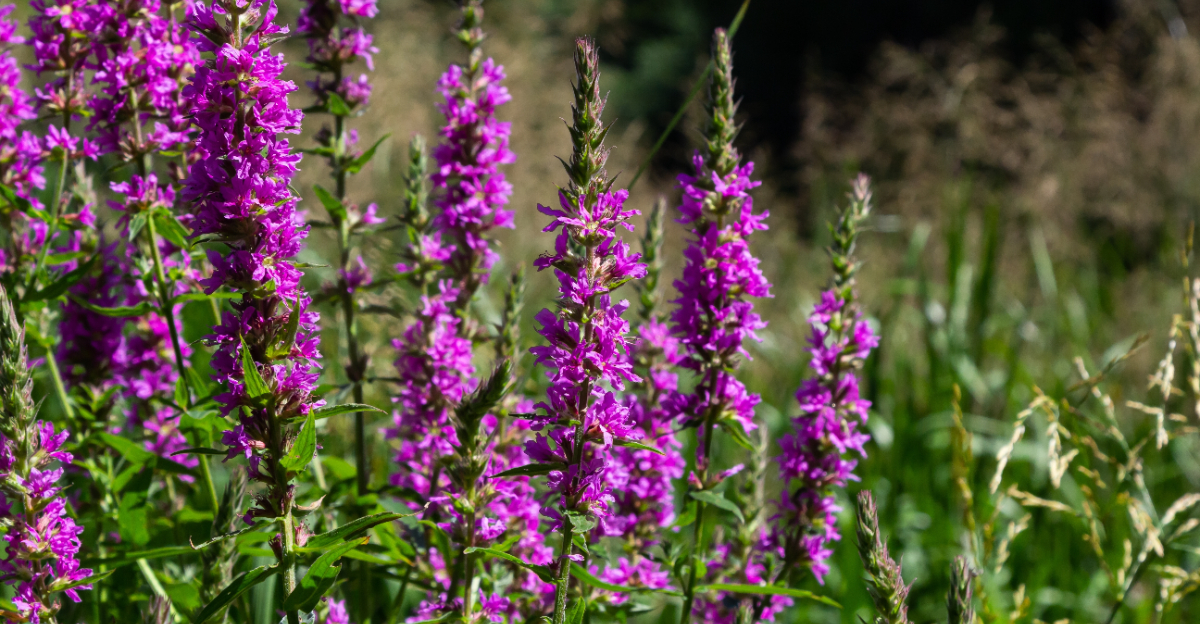
Standing along the edge of a Michigan marsh, Purple Loosestrife looks almost magical. Its tall, magenta flower spikes rise above the waterline in summer, creating sweeping ribbons of color across wetlands.
For years, people planted it in water gardens and along pond edges, completely unaware of the damage it was quietly doing below the surface.
Purple Loosestrife grows in thick, impenetrable stands that push out native wetland plants like cattails, sedges, and bulrushes. Those native plants are critical habitat for ducks, muskrats, and dozens of bird species.
When Loosestrife takes over, the ecological web of the wetland begins to unravel. It also alters water flow by clogging channels and reducing the natural filtration that healthy wetlands provide.
A single plant can produce over two million seeds annually, and those seeds travel easily by water, wind, and on the fur or feathers of animals.
Michigan’s Department of Agriculture has long listed it as a prohibited species, and wetland-sensitive counties are enforcing those restrictions more seriously than ever.
Selling, planting, or propagating Purple Loosestrife is not allowed under state law.
If you spot it growing near a pond, stream, or low-lying area on your property, report it to your local conservation district and ask about approved biological or manual control options to protect the surrounding wetland ecosystem.
5. Garlic Mustard
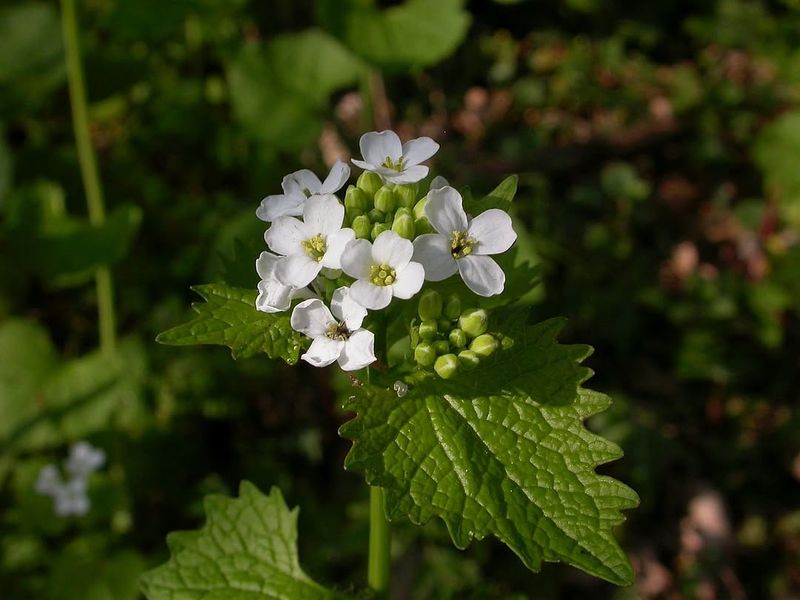
Crush a leaf of Garlic Mustard between your fingers and you will immediately recognize that sharp, garlicky smell. This biennial herb, introduced from Europe, has spread through forests at a remarkable pace.
It thrives in the shaded understory where many of our most beloved spring wildflowers, like trilliums and trout lilies, once bloomed in abundance.
What makes Garlic Mustard especially harmful is not just its speed of spread. The plant releases chemicals from its roots that interfere with the underground fungal networks that native trees and wildflowers rely on to absorb water and nutrients.
Scientists call this process allelopathy, and it gives Garlic Mustard an unfair advantage over everything growing nearby. Over time, native wildflower populations shrink and eventually disappear from affected forest floors.
Each plant produces hundreds of seeds that remain viable in the soil for years, making it incredibly persistent even after removal efforts.
While not prohibited by law, community pull events and local conservation programs are organized each spring to help manage Garlic Mustard populations.
Hand-pulling before the plant sets seed is one of the most effective control methods available to homeowners.
Getting involved in a local removal effort is a great way to protect your neighborhood’s native forest plants while connecting with others who care about Michigan’s natural heritage.
6. Common Buckthorn
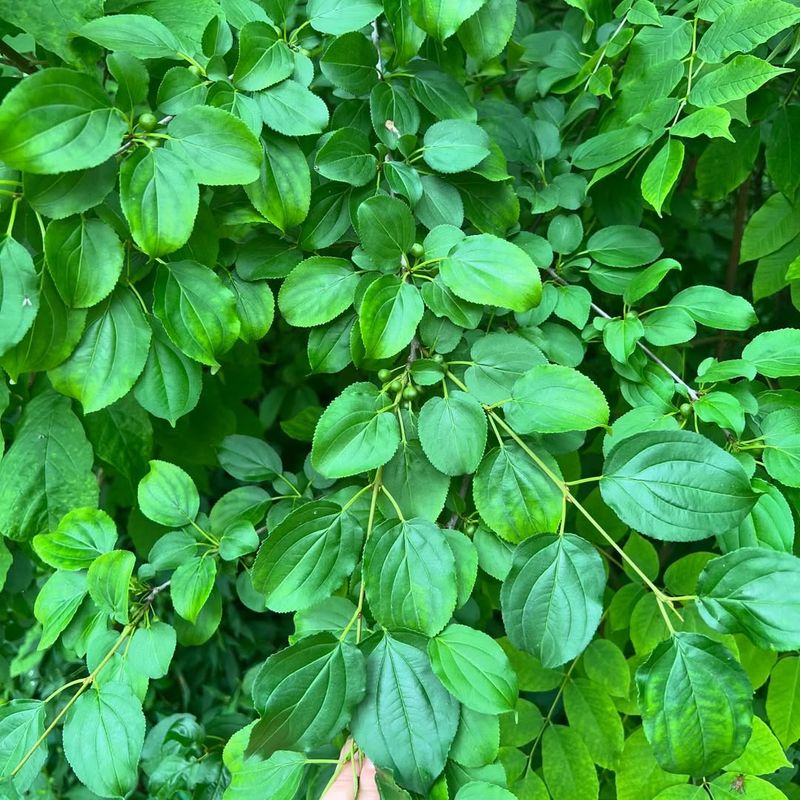
Common Buckthorn has a sneaky quality about it. At first glance, it looks like a harmless shrub or small tree growing along a woodland edge.
But spend a little time studying the forest floor beneath it and you will notice something troubling: almost nothing else grows there. That is not a coincidence, and it is exactly why Michigan conservation districts are pushing hard for its removal.
Introduced from Europe and Asia as a hedging plant in the 1800s, Common Buckthorn leafs out earlier in spring and holds its leaves later into fall than most native plants.
That extended growing season gives it a head start on everything around it.
It also alters soil chemistry in ways that favor its own seedlings and discourage native plants from establishing. The dark berries it produces are spread widely by birds, helping new populations appear far from the parent plant.
Wildlife benefits from native shrubs like dogwood, elderberry, or hazelnut far more than from Buckthorn, which offers poor nutritional value and can even have a laxative effect on birds, further accelerating seed spread.
While not legally required, conservation programs encourage removing Common Buckthorn from public lands and replacing it with native shrubs on private property.
Replacing it with native shrubs creates genuine habitat value and helps restore the natural balance that forests and woodland edges depend on to stay healthy and productive.
7. Multiflora Rose
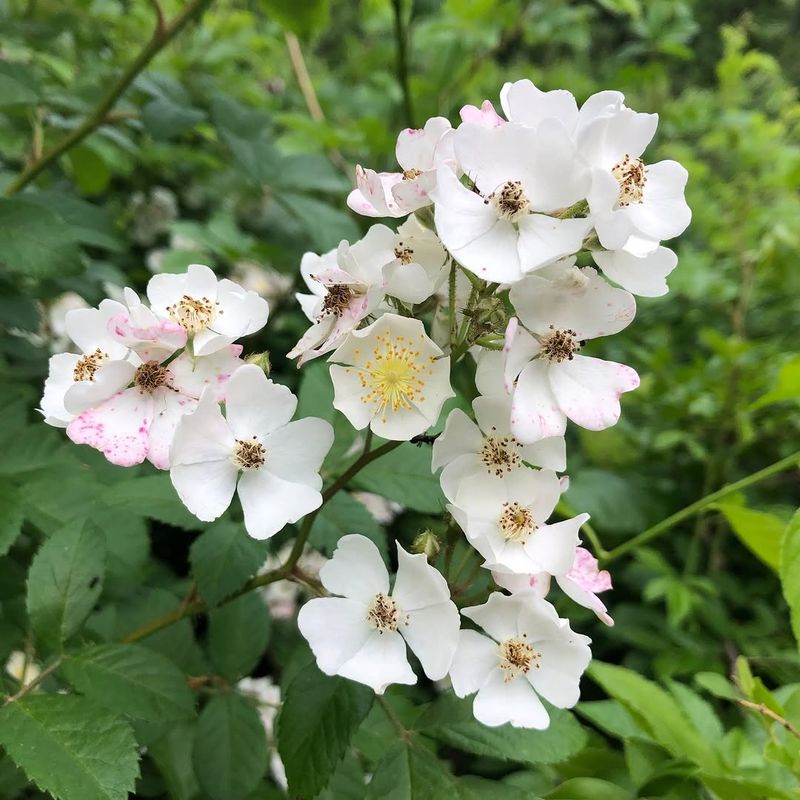
Multiflora Rose was once actively promoted by conservation agencies as an ideal living fence for farmland and a source of food and cover for wildlife.
That recommendation turned out to be one of the more regrettable chapters in American land management history.
The plant proved far too successful, spreading out of control across pastures, woodland edges, and roadsides throughout Michigan and much of the eastern United States.
A single mature Multiflora Rose can produce over a million seeds per year. Birds spread those seeds enthusiastically, and seedlings establish quickly in disturbed areas, old fields, and forest margins.
The arching canes root where they touch the ground, forming impenetrable thickets that livestock, people, and even large wildlife cannot easily pass through.
Farmers in Michigan have seen pasture productivity drop significantly when Multiflora Rose moves in and takes over grazing areas.
Multiflora Rose is recognized as invasive, and landowners are encouraged to control it where it spreads; native roses provide a wildlife-friendly alternative.
Repeated cutting before seed set, combined with follow-up treatment of root sprouts, helps reduce established populations over time.
For smaller infestations, removing young plants by hand before they mature is the most straightforward approach.
Native roses like Pasture Rose or Meadow Rose offer the seasonal blooms and wildlife value without the aggressive spread that makes Multiflora Rose such a persistent problem across the state.
8. Tree Of Heaven
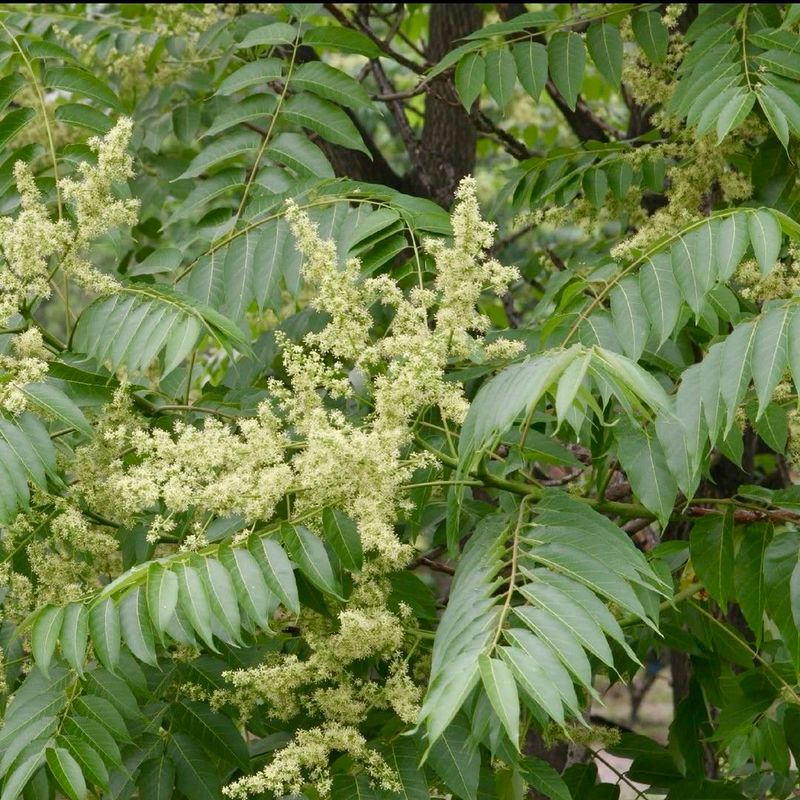
Tree of Heaven sounds like something you would want in your yard, but Michigan land managers have a very different name for it.
This fast-growing tree, originally from China, was introduced to North America in the 1700s and quickly spread across the continent.
You have almost certainly seen it without realizing it, growing in highway medians, vacant lots, and along railroad tracks where few other trees can survive.
The plant spreads through two powerful mechanisms. First, it produces enormous quantities of winged seeds that drift on the wind across wide areas.
Second, the root system sends up dozens of sprouts, called suckers, that grow aggressively even after the main trunk has been removed.
Cutting it down without treating the roots can actually trigger a flush of new sprouts, making the problem worse instead of better.
Tree of Heaven also practices a form of chemical warfare on its neighbors. It releases compounds from its roots and fallen leaves that suppress the growth of surrounding plants, a process known as allelopathy.
This gives it a significant advantage in taking over roadsides and disturbed areas across Michigan.
Although no bans exist, Michigan land managers strongly discourage planting Tree of Heaven and recommend consulting experts before attempting removal.
If you have one on your property, consulting a certified arborist or your local extension office before attempting removal is the smartest first move you can make.