These Plants Repel Japanese Beetles From Michigan Gardens So Reliably Neighbors Will Notice
Japanese beetles are one of the more demoralizing summer pests in Michigan. They arrive in numbers, feed in groups, and work through a plant methodically before moving to the next one.
Traps tend to draw more beetles into the yard than they catch. Sprays require repeated applications and rarely keep up with an active infestation.
Some Michigan gardeners have shifted their approach entirely by changing what they grow rather than what they spray.
Certain plants produce compounds that Japanese beetles find genuinely off-putting, and when these plants are positioned in the right spots they create a buffer that holds through the season.
The results are noticeable enough that neighbors start asking questions, which is usually the moment a gardener realizes the approach has been working better than expected.
1. Garlic
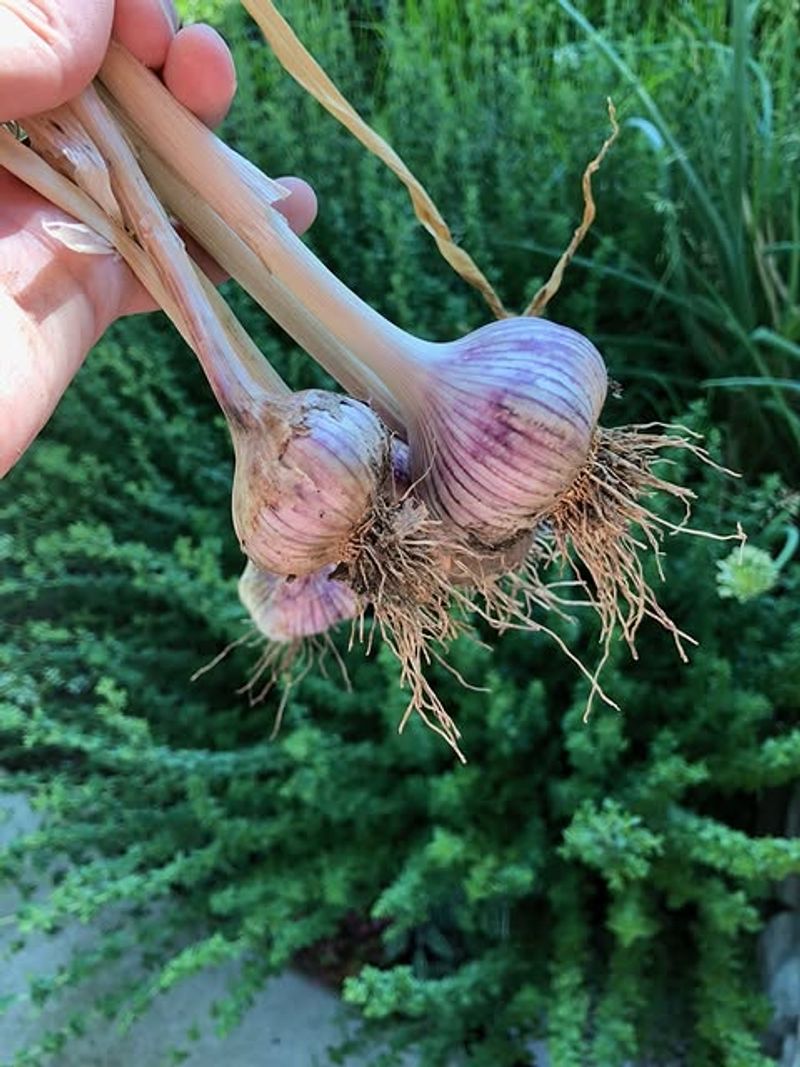
Few plants pack as much pest-fighting power as garlic. Its sharp, sulfur-rich scent is overwhelming to Japanese beetles, and when you plant it near roses, grapes, or beans, those susceptible plants get a natural shield that works quietly all season long.
In Michigan, garlic is best planted in the fall, ideally between mid-October and early November, before the ground freezes. Space cloves about six inches apart and plant them two inches deep with the pointed end facing up.
They will overwinter comfortably and begin growing again in early spring, giving you protection right when beetle season ramps up in late June.
Interplanting garlic throughout your garden beds, rather than grouping it all in one spot, spreads the repelling effect much more evenly. Place a few cloves near the base of your most vulnerable plants.
Full sun and well-drained soil are ideal, though garlic handles clay reasonably well with some compost mixed in. Water consistently but avoid soggy soil.
Harvest bulbs in mid-July when the lower leaves start to yellow, then replant fresh cloves again in fall to keep your beetle defense going year after year. Garlic is genuinely one of the easiest and most rewarding double-duty plants you can grow.
2. Chives
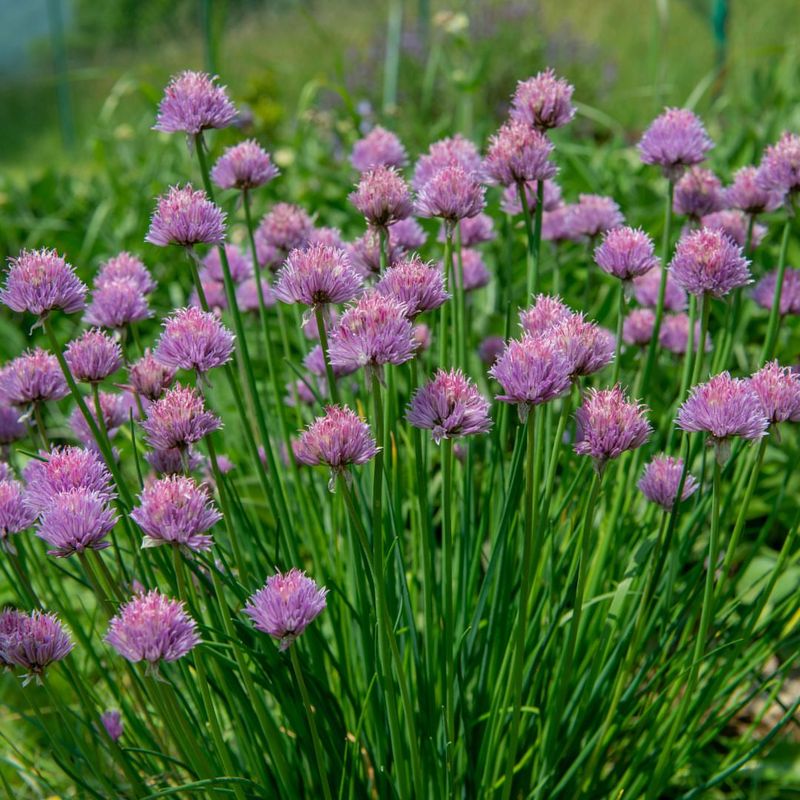
Chives bring a cheerful pop of purple to any garden, but their real superpower is invisible.
Japanese beetles strongly dislike the pungent, onion-like aroma that chive plants release, making them a smart border plant around roses, strawberries, and vegetable beds throughout summers.
As a hardy perennial, chives come back every year without any fuss. They thrive in full sun but can handle light shade, which makes them flexible enough to fit almost anywhere in your yard.
Plant them in well-drained soil with a bit of compost worked in, and water regularly during dry spells, though they are surprisingly drought-tolerant once established. Space plants about eight to twelve inches apart so they have room to form healthy clumps.
One of the best things about chives is that while they push beetles away, they attract bees and other helpful pollinators with their bright blooms. Letting the flowers open fully before cutting them back encourages more visits from beneficial insects.
Trim chive plants back to about two inches after they flower to keep them tidy and encourage fresh growth. In our winters, chives go dormant but return reliably each spring.
Your Michigan Garden Changes Every Week. Your Plan Should Too.
Gardening in Michigan changes quickly throughout the season. Every Friday you’ll receive a simple weekly plan showing exactly what to plant, prune, fertilize, harvest, and protect so you never miss the right timing.
You can also snip the leaves for cooking all season, so they earn their garden space in more ways than one.
3. Catnip
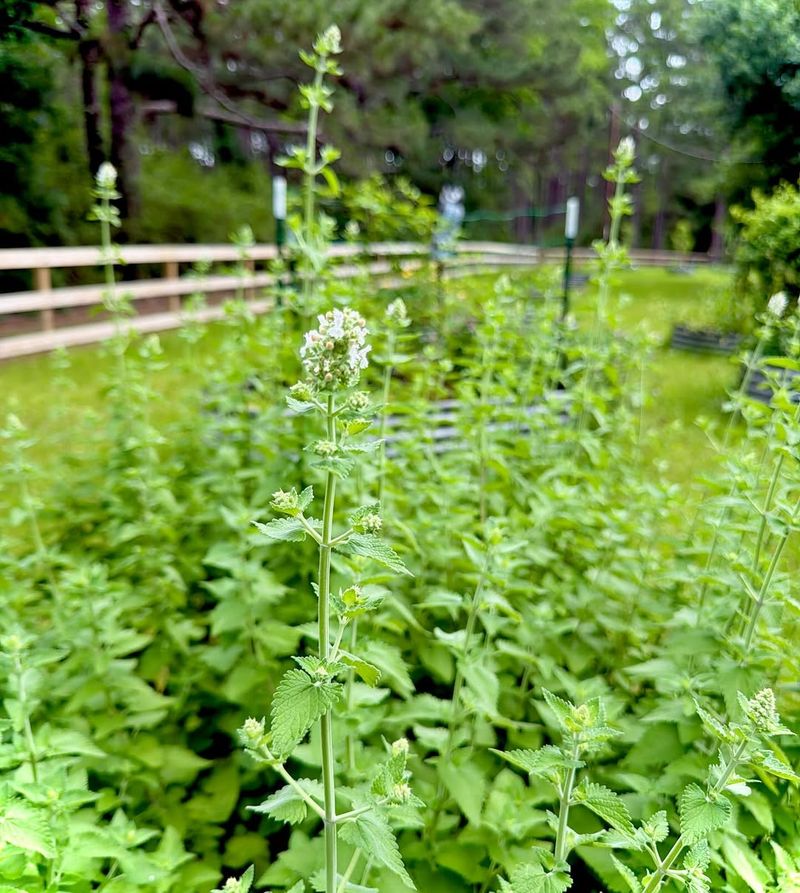
Catnip has a reputation for entertaining cats, but its effect on Japanese beetles is completely different.
These beetles tend to steer clear of catnip entirely, likely because of the strong nepetalactone compounds in its leaves, which create an aroma that many insects find unpleasant rather than inviting.
Growing catnip in Michigan is genuinely easy. It thrives in full sun and tolerates a range of soil types, though it prefers well-drained ground.
Plant it in spring after the last frost, spacing plants about eighteen to twenty-four inches apart since catnip can spread enthusiastically once it gets comfortable. If you want to keep it contained, growing it in a buried pot or a defined border works well.
Water young plants regularly, but mature catnip handles dry conditions without complaint.
What makes catnip even more valuable is that while beetles avoid it, beneficial insects absolutely love it. Bees, lacewings, and parasitic wasps are all drawn to catnip flowers, which means planting it near your garden brings in natural pest predators as a bonus.
Prune the plant back by about one-third after it flowers to encourage a second flush of blooms and keep the growth manageable.
In Michigan, catnip is a perennial that returns each spring, giving you dependable beetle protection season after season without replanting or extra effort.
4. Tansy
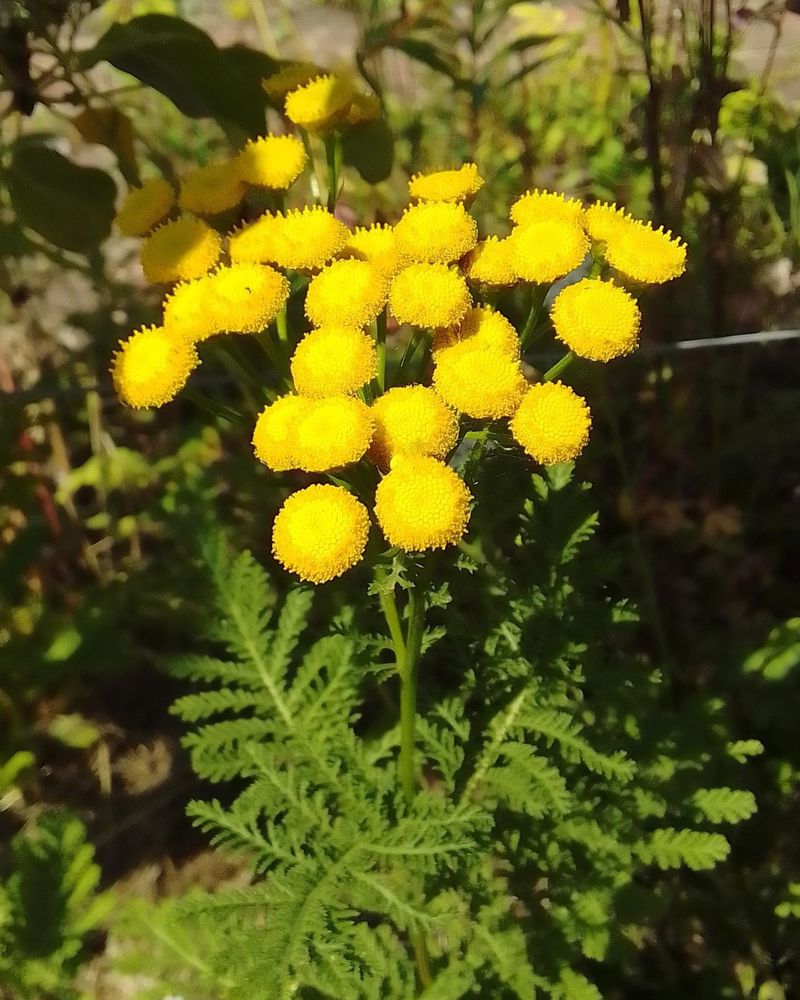
Tansy has been used as a pest deterrent for centuries, and gardeners are rediscovering just how effective it really is.
Its bold, camphor-like fragrance is deeply unappealing to Japanese beetles, and planting it along garden borders creates a natural barrier that quietly discourages feeding on nearby plants all summer.
This perennial grows vigorously in full sun and prefers well-drained soil, though it tolerates average garden conditions across most of Michigan. Plant tansy in spring or early fall, spacing plants about two feet apart to give them room to fill in.
It can spread by both roots and seeds, so placing it in a contained border or trimming off the flower heads before seeds mature helps keep it from taking over other areas of your yard.
One of tansy’s biggest advantages is its low-maintenance nature. Once established, it needs very little attention beyond occasional watering during dry stretches.
Cut the stems back to a few inches above the ground in late fall after frost arrives, and the plant will return reliably each spring. The cheerful yellow button flowers also add genuine visual appeal to borders and cutting gardens.
Just note that tansy is toxic if eaten in large amounts, so plant it where children and pets are unlikely to nibble on it. Used thoughtfully, it is a highly effective and attractive addition to any beetle-resistant garden.
5. Rue
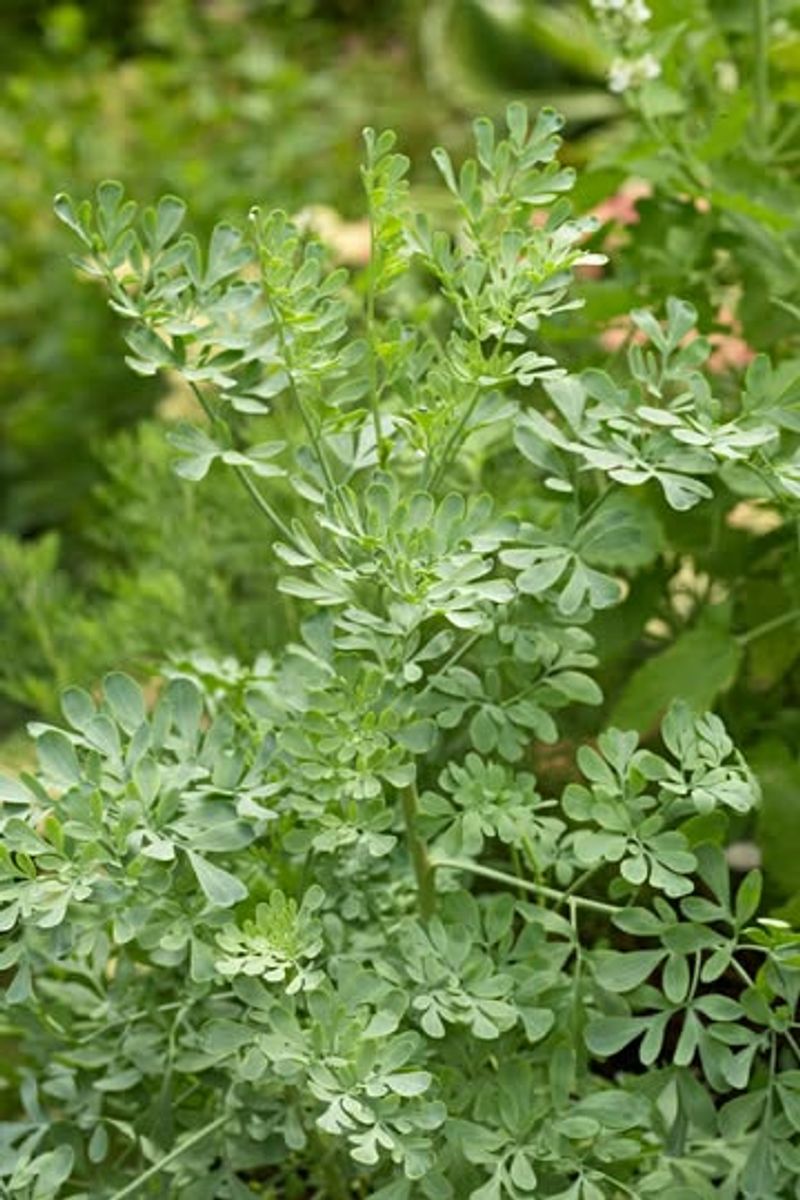
Rue is one of those old-fashioned garden plants that serious gardeners keep coming back to, and for good reason.
Its intensely bitter, medicinal scent is a powerful deterrent for Japanese beetles, and its striking blue-green foliage makes it genuinely ornamental, so it earns its place in the garden on both counts.
In Michigan, rue thrives in full sun and demands well-drained soil above all else. It handles dry conditions well once established, making it a smart choice for raised beds or sloped areas where water drains quickly.
Plant rue in spring after the last frost, spacing plants about eighteen inches apart. It grows into a compact, rounded shrub reaching about two feet tall, which makes it a tidy and attractive border option alongside more vulnerable plants.
One important heads-up for gardeners: rue sap can cause skin irritation or blistering when exposed to sunlight, a condition called phytophotodermatitis. Always wear gloves and long sleeves when handling or pruning rue, and wash your hands thoroughly afterward.
Despite that caution, rue is easy to maintain. Trim it lightly in early spring to encourage fresh, bushy growth, and remove any winter-damaged stems.
It rarely needs fertilizing and is quite drought-tolerant once rooted. For gardeners looking for a visually interesting, low-water plant that beetles genuinely avoid, rue is a reliable and underappreciated choice.
6. Garlic Chives
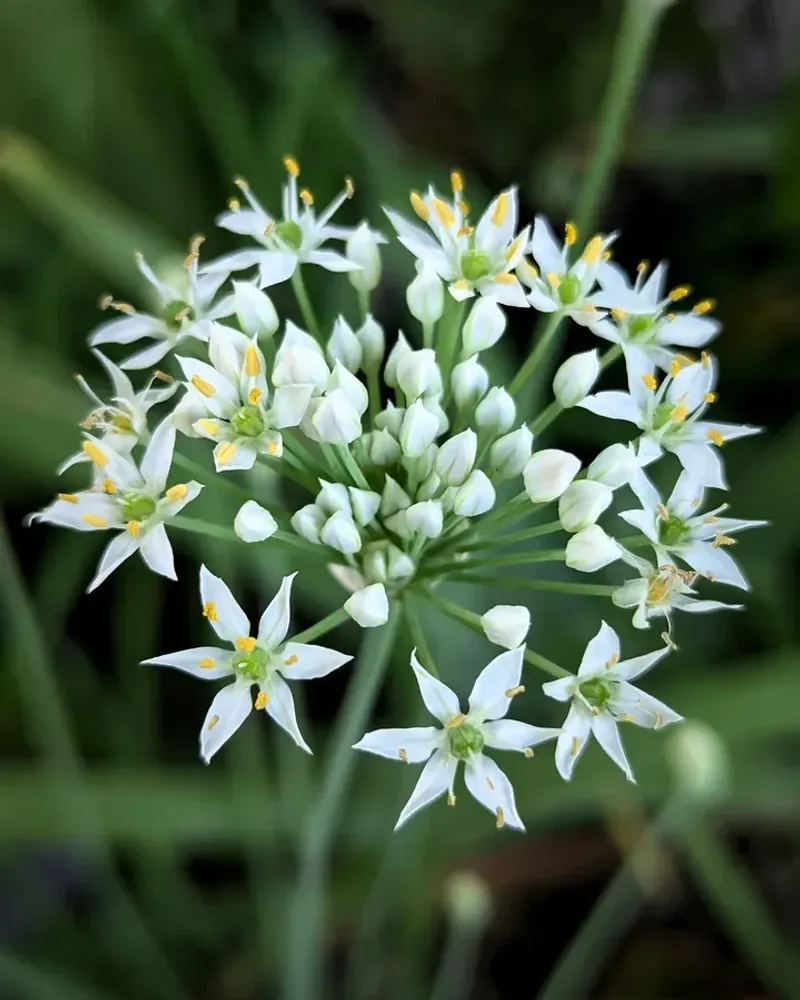
Garlic chives look a lot like regular chives at first glance, but their scent is noticeably more garlicky and intense.
That stronger aroma is exactly what makes them so effective at keeping Japanese beetles away from neighboring plants in gardens, especially when tucked between roses, tomatoes, or berry bushes.
Unlike common chives, garlic chives produce flat, strap-like leaves and beautiful clusters of small white flowers in late summer. They thrive in full sun with average, well-drained soil and need very little babying once established.
Plant them in spring after frost risk has passed, spacing clumps about ten to twelve inches apart.
They are perennial in most Michigan zones, returning each spring with minimal fuss, though a light layer of mulch helps protect the roots through harsh winters in colder northern areas.
Harvesting garlic chive leaves regularly throughout the season actually encourages the plant to produce fresh growth and keeps it from becoming too woody. The white flowers are edible and have a mild garlic flavor, making them a fun addition to salads.
One thing to watch is their seed production. Garlic chives can self-seed freely if the flower heads are left on the plant, so trimming them after bloom keeps spreading under control.
For gardeners who want a versatile, fragrant, and genuinely useful plant that beetles reliably avoid, garlic chives are a fantastic choice for any Michigan garden.
7. Lavender
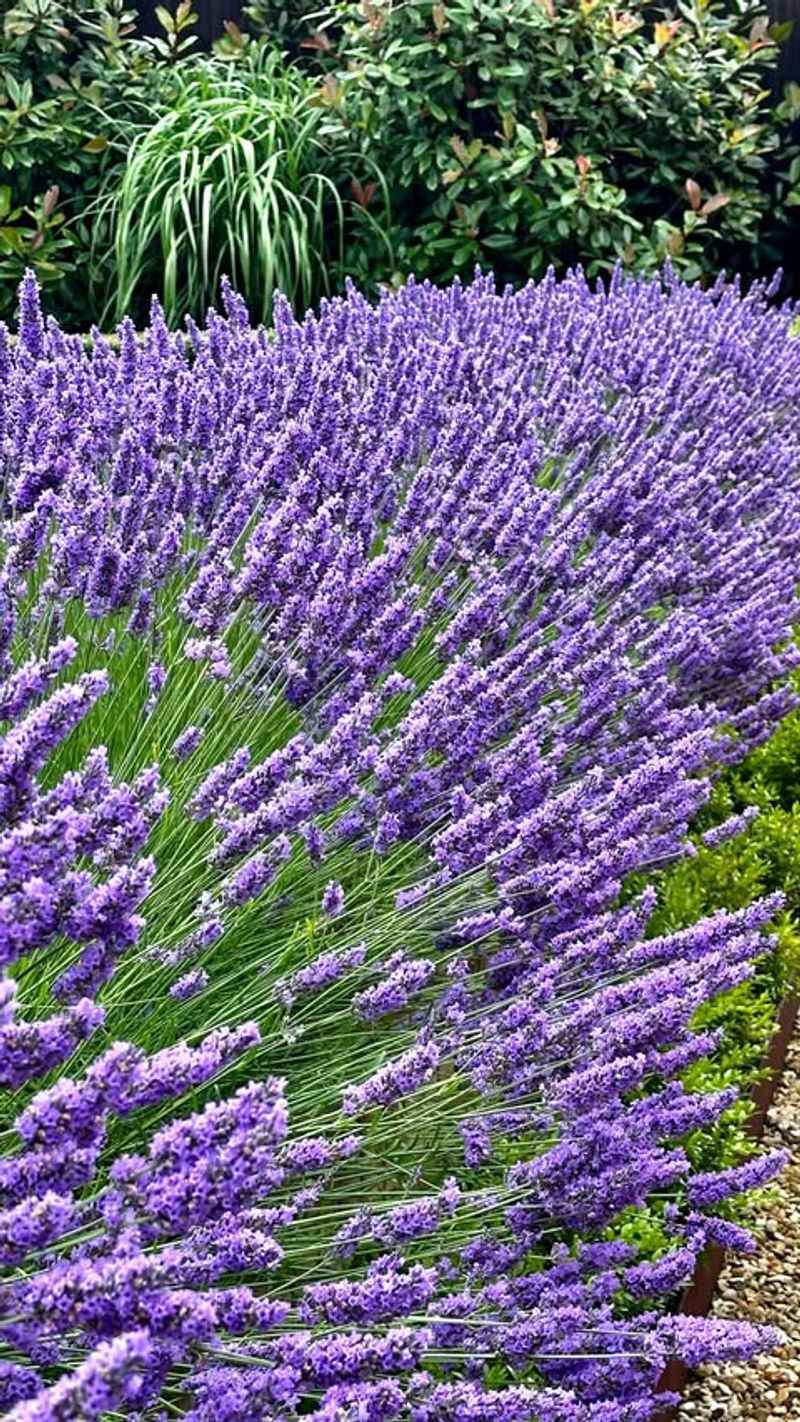
There is something almost magical about a lavender plant in full bloom on a warm Michigan afternoon. Bees love it, gardeners love it, and Japanese beetles want absolutely nothing to do with it.
The aromatic oils in lavender leaves and flowers, primarily linalool and camphor, create a scent that beetles find strongly off-putting.
Lavender thrives in full sun and genuinely needs well-drained soil to perform its best. In Michigan, where clay soils are common, raised beds or amended planting areas with added sand and compost make a big difference.
Plant lavender in spring after the last frost, spacing plants about two to three feet apart to allow good airflow, which helps prevent fungal issues in humid summers.
English lavender varieties like Hidcote and Munstead are the most cold-hardy options for gardens and handle zone 5 winters reliably.
Watering lavender is straightforward. Young plants need consistent moisture to get established, but mature plants prefer drier conditions and do not appreciate soggy roots.
Prune lavender in early spring, cutting back about one-third of the plant to encourage bushy new growth, and trim again lightly after the first bloom flush fades. Avoid cutting into old woody stems, as lavender does not regenerate easily from bare wood.
Planting lavender along borders near roses or vegetable beds creates both beauty and a beetle-resistant boundary that works passively all season.
8. Rosemary
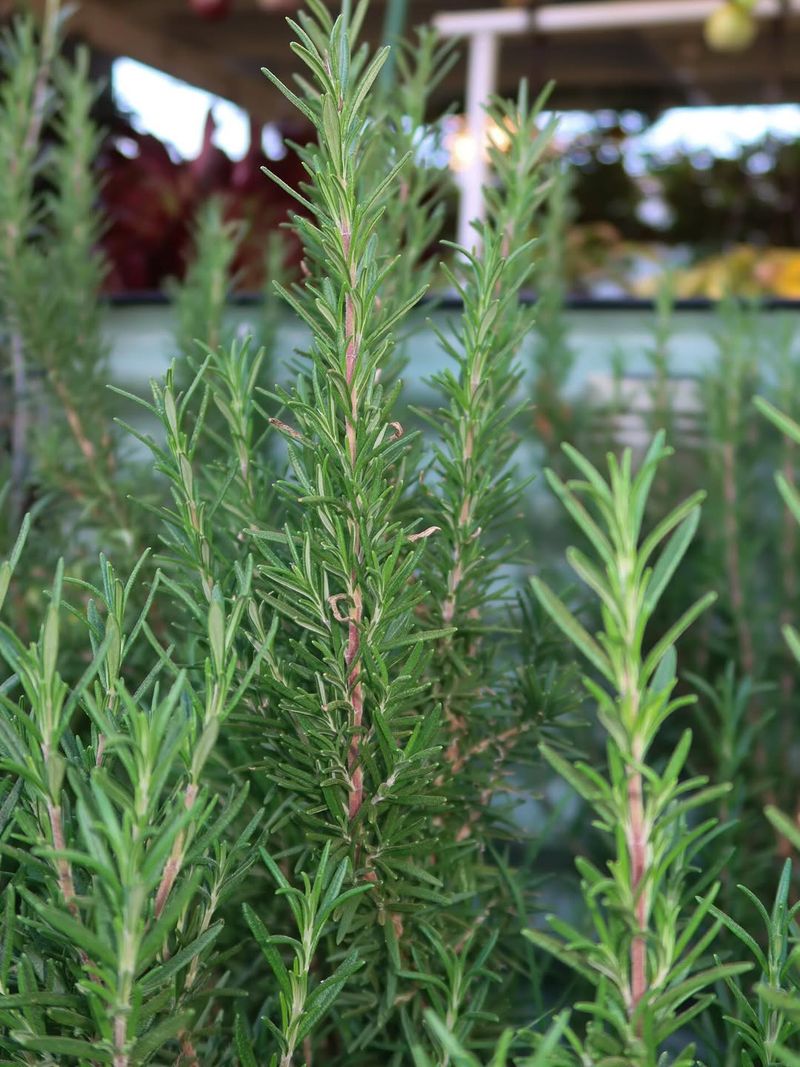
Rosemary smells incredible to most people, but Japanese beetles strongly disagree.
The sharp, resinous fragrance from rosemary’s needle-like leaves acts as a natural repellent, and placing rosemary near more vulnerable plants gives those neighbors a layer of passive protection throughout beetle season.
Growing rosemary in Michigan takes a bit of strategy since it is not reliably cold-hardy in zones 5 and colder. Container growing is a popular solution.
Plant rosemary in a pot with excellent drainage, keep it outdoors in full sun during the growing season, and then bring it inside to a bright, cool windowsill before the first hard frost.
If you are in zone 6 or have a sheltered microclimate, some hardier varieties like Arp or Hill Hardy can overwinter outside with a thick layer of mulch for root protection.
Rosemary loves full sun and well-drained soil above everything else. Water it when the top inch of soil feels dry, and avoid overwatering, which is the most common way rosemary struggles.
Trim the plant lightly after flowering to keep it compact and bushy rather than leggy. During beetle season, positioning rosemary containers near roses, beans, or grapes is a simple way to create a fragrant, beetle-discouraging zone.
Pollinators like bees actively seek out rosemary flowers, so you get the dual benefit of supporting your garden ecosystem while keeping beetles at a distance.
9. Sage
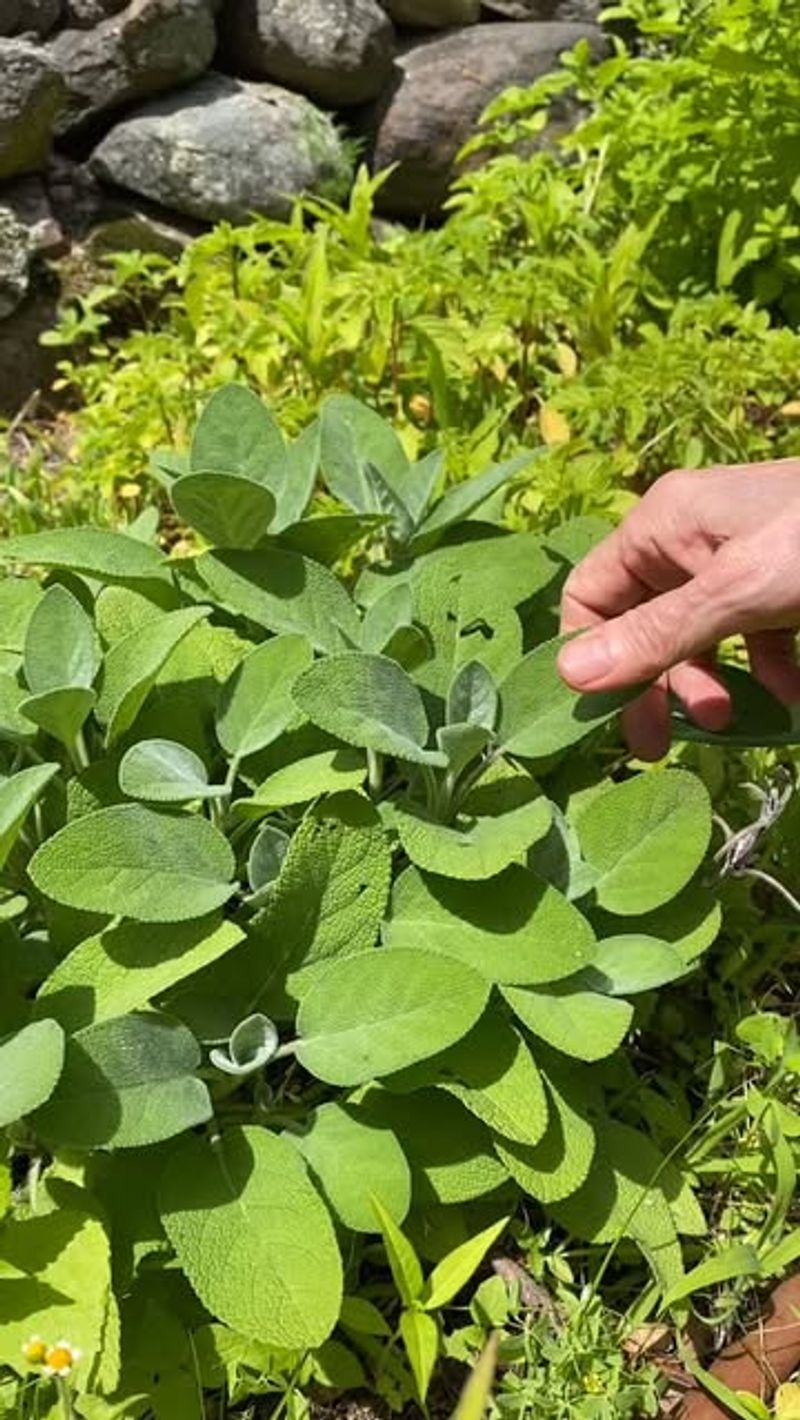
Sage is one of those plants that quietly does a lot of heavy lifting in a Michigan garden.
Its strongly scented, velvety leaves release aromatic compounds that Japanese beetles find deeply unappealing, and because sage is easy to grow and genuinely low maintenance, it fits into almost any garden layout without demanding much in return.
Plant sage in full sun with well-drained soil for the best results. It handles our summers well but appreciates soil that does not stay wet for long periods.
Space plants about eighteen to twenty-four inches apart to give them room to spread into full, bushy shapes.
Common garden sage is hardy to zone 5 and returns reliably each spring in most Michigan gardens, especially with a light layer of mulch over the roots through winter.
Watering sage is easy since established plants are quite drought-tolerant and prefer slightly dry conditions over consistently moist soil.
Prune sage back by about one-third in early spring to encourage vigorous new growth and prevent the plant from becoming overly woody at the base.
After flowering, a second light trim keeps the plant tidy and productive. Planting sage near roses, beans, or cabbage family vegetables creates a fragrant, beetle-resistant zone that also attracts bees and hummingbirds to your garden.
Fresh sage leaves are also wonderful in the kitchen, giving you a practical harvest alongside the pest-repelling benefits all season long.
10. Marigolds
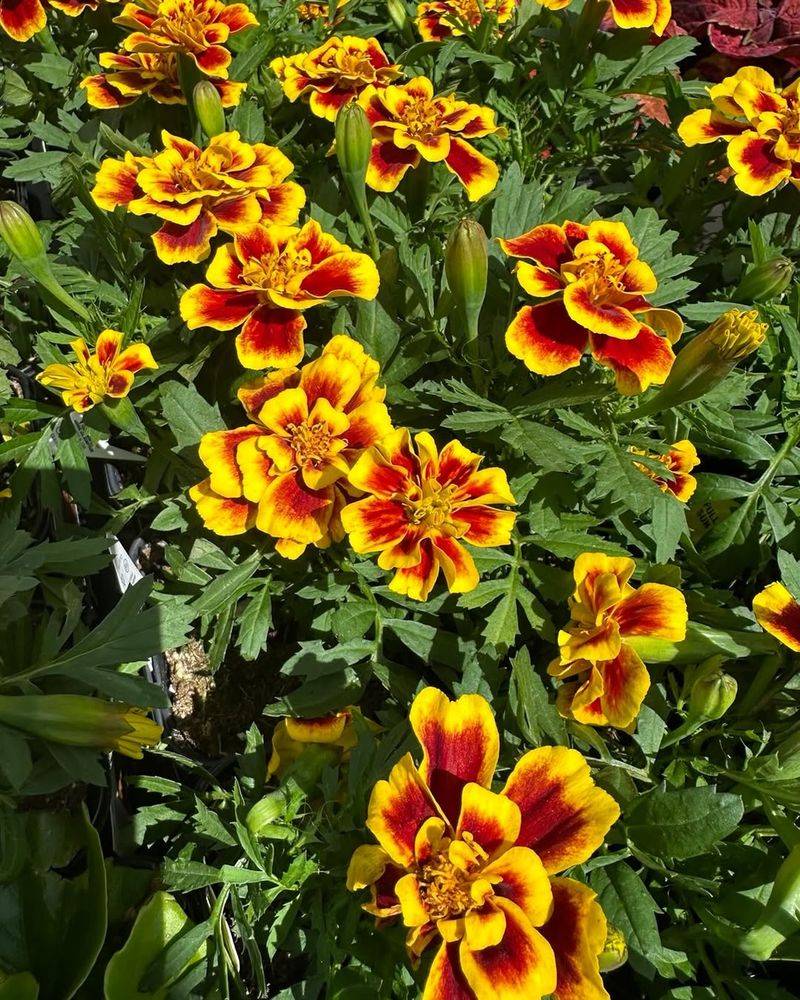
Marigolds are probably the most cheerful pest-fighting plant you can add to a Michigan garden. Their vivid orange and yellow blooms look stunning all summer, and their strong, distinctive scent is something Japanese beetles consistently avoid.
Planting marigolds throughout your garden beds creates a colorful, beetle-resistant border that works beautifully alongside roses, grapes, and vegetables.
French marigold varieties tend to be the most effective for pest deterrence due to their particularly pungent foliage.
Plant marigolds in full sun after the last frost in Michigan, typically around mid-May, spacing them about eight to ten inches apart for a dense, effective border.
They grow quickly and start blooming within weeks of planting, so beetle protection kicks in right at the start of the season when you need it most.
Watering marigolds consistently, especially during dry summer stretches, keeps them blooming steadily. Deadheading spent flowers every week or two is the single most effective way to extend the blooming season all the way through fall.
Simply pinch off faded blooms at the base of the flower stem to encourage the plant to push out fresh buds. Marigolds pair especially well with roses, tomatoes, and beans, plants that Japanese beetles target heavily.
Because marigolds are annuals, replant them each spring to maintain your beetle barrier. The combination of beauty, accessibility, and reliable pest deterrence makes marigolds an absolute must for gardeners.