These 9 Popular Plants Are Being Replaced By Natives In Texas Yards
Something is shifting in Texas yards, and it is happening quickly enough that nurseries and landscape designers across the state are starting to take notice.
Plants that have dominated Texas landscaping for decades are being pulled out and replaced with natives, not because they stopped looking good, but because gardeners are realizing how much they were asking of themselves and the land to keep those plants going.
Non-native ornamentals often demand water Texas cannot reliably spare, care that does not fit the climate, and constant intervention to perform the way they were marketed to.
Texas native plants work with the conditions instead of fighting them, and once established they ask for far less while giving back far more to the local ecosystem.
The shift is not just an environmental statement. It is a practical one made by gardeners who are tired of working harder than they should have to for plants that were never right for this place.
1. Boxwood Replaced With Dwarf Yaupon Holly
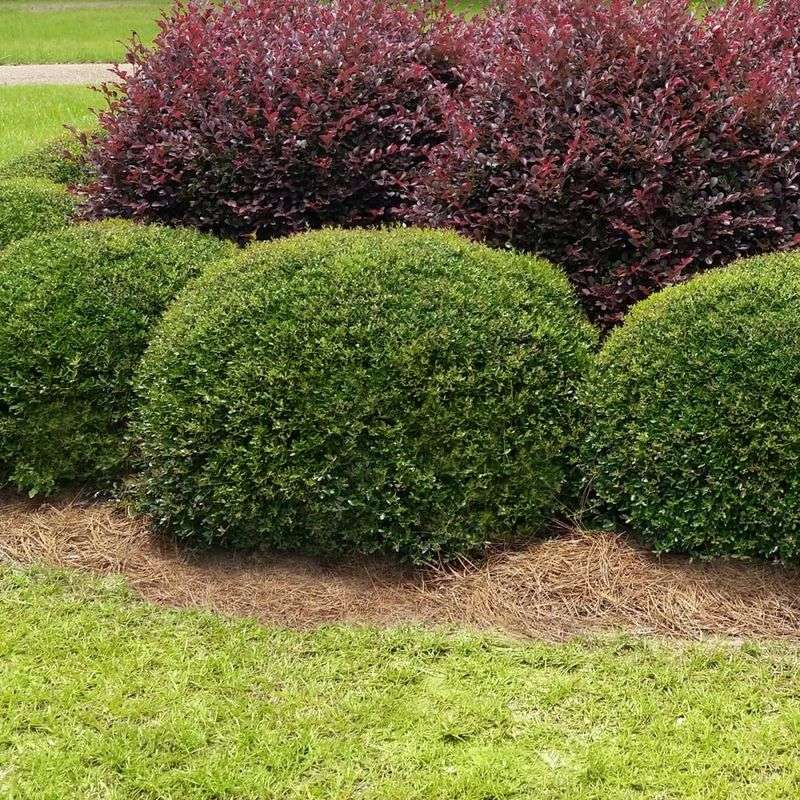
Boxwood has been a go-to shrub for tidy hedges and formal garden borders for decades. It looks sharp, stays compact, and gives yards a clean, manicured look.
But here in Texas, boxwood struggles. It needs regular watering, frequent trimming, and it does not handle extreme heat well at all.
Dwarf Yaupon Holly is stepping in as the smarter choice. This native shrub naturally stays small and rounded, so you do not have to trim it constantly.
It handles Texas heat and drought without much fuss. During winter, female plants produce small red berries that birds absolutely love.
Yaupon Holly is also one of the most adaptable native plants in Texas. It grows in clay soil, sandy soil, and everything in between.
You can plant it along a fence, use it as a low hedge, or let it anchor a garden bed. Compared to boxwood, it needs far less water and almost no pesticides.
Texans who have made the switch say they spend way less time maintaining their yard. That alone makes Dwarf Yaupon Holly a winner for busy homeowners who still want a beautiful, polished landscape.
2. Liriope Replaced With Texas Sedge
Liriope, also called monkey grass, has been planted in Texas yards for years. It is used as a border plant, a ground cover, and a filler for shady spots.
It works okay, but it is not from here. It needs more water than most people realize, and it can spread in ways that crowd out other plants.
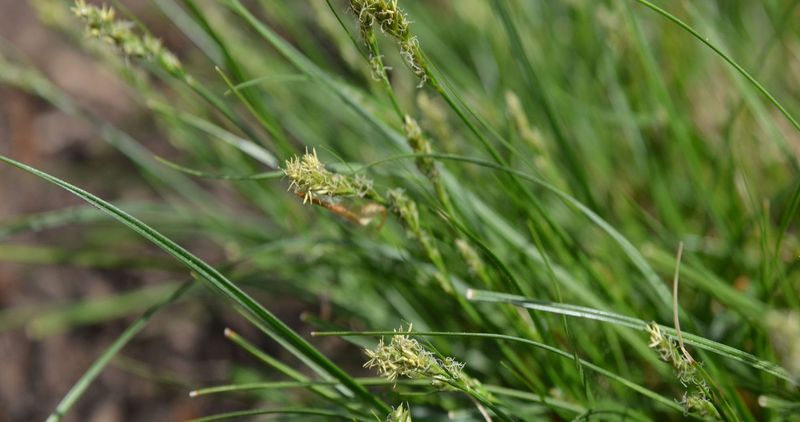
Texas Sedge is a native alternative that does the same job but better. Its thin, arching blades create a soft, meadow-like look that feels natural rather than stiff.
It thrives in shade and part shade, which makes it perfect for spots under trees where grass refuses to grow.
One of the best things about Texas Sedge is how little water it needs once it gets established. It stays green through dry stretches that would stress out liriope.
It also does not spread aggressively, so it plays nicely with other plants in the garden. Wildlife benefits too, since small insects use sedge as habitat.
Your Texas Garden Changes Every Week. Your Plan Should Too.
Gardening in Texas changes quickly throughout the season. Every Friday you’ll receive a simple weekly plan showing exactly what to plant, prune, fertilize, harvest, and protect so you never miss the right timing.
Gardeners who want a low-maintenance, eco-friendly ground cover are increasingly choosing Texas Sedge. It is a simple swap that makes a big difference in water savings and overall yard health throughout the year.
3. Knock Out Rose Replaced With Autumn Sage
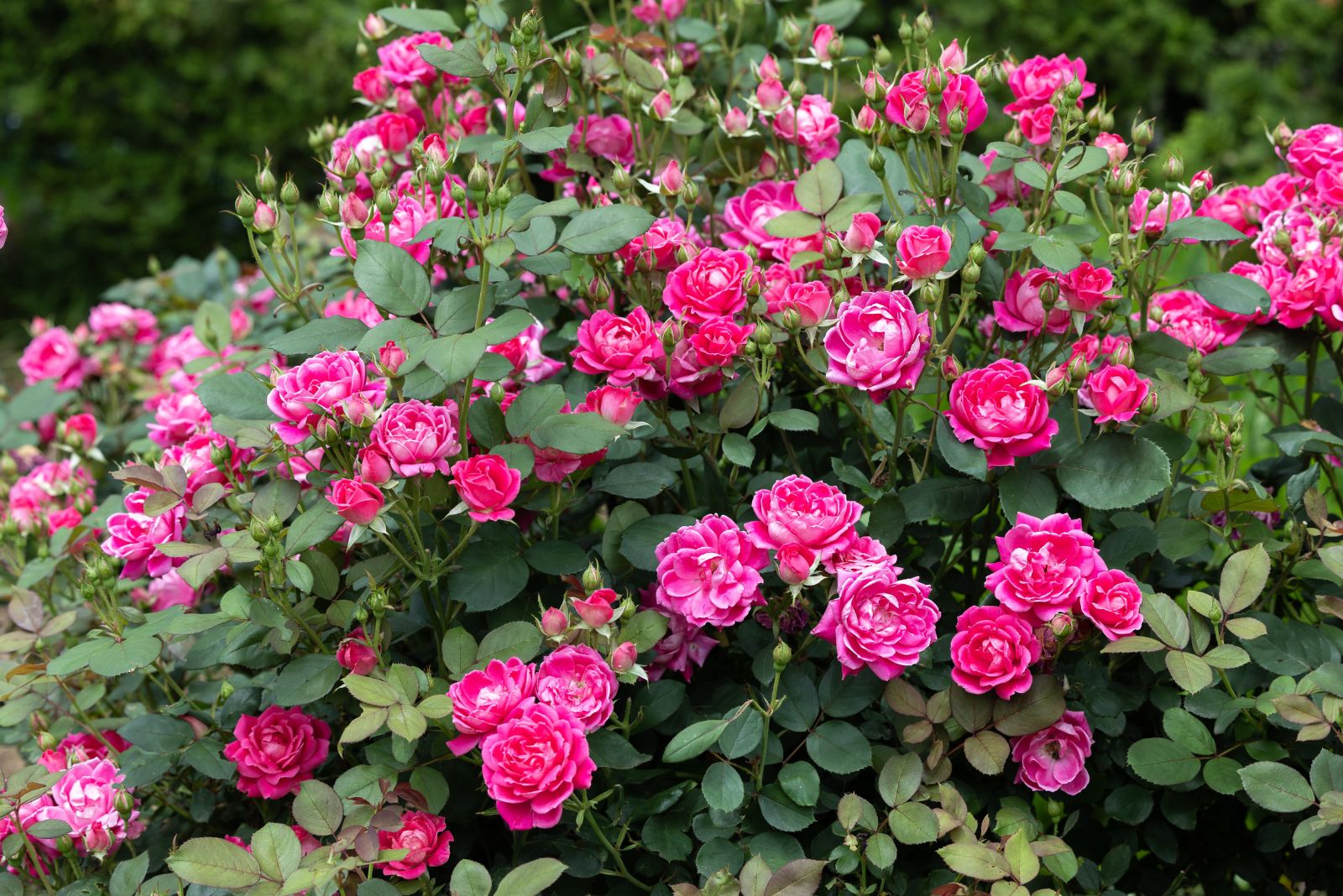
Knock Out Roses became wildly popular because they bloom heavily and resist disease better than old-fashioned roses. Texas gardeners planted them everywhere.
But even Knock Out Roses need regular watering, occasional fertilizing, and some pruning to stay at their best during long Texas summers.
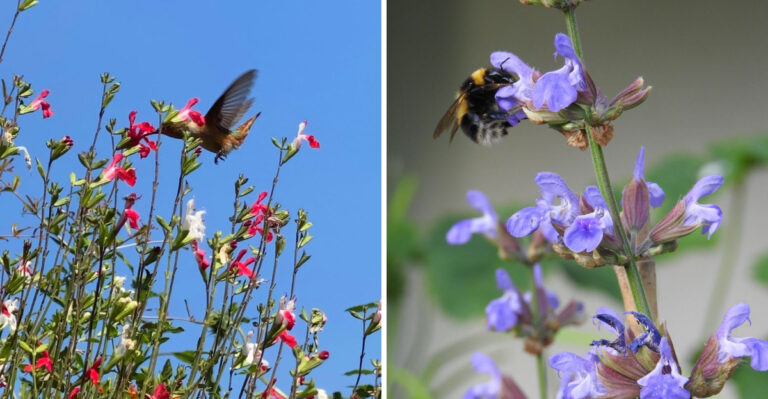
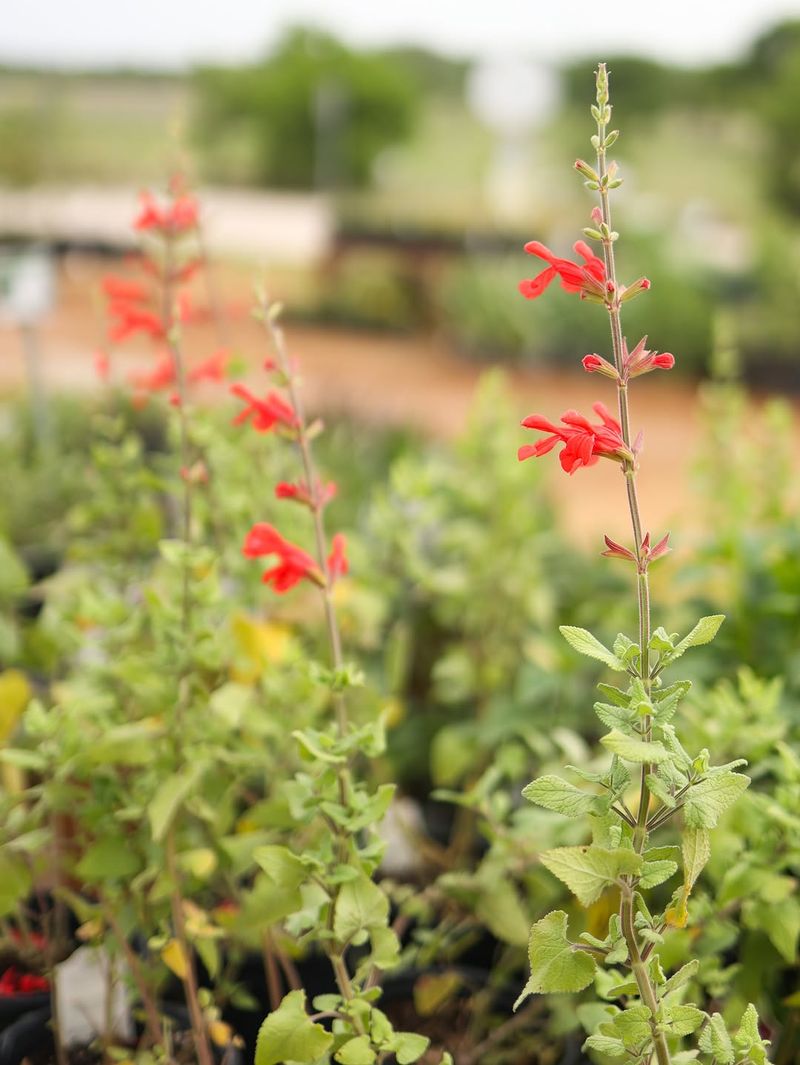
Autumn Sage is a native shrub that offers something even better. It blooms in red, pink, or coral from spring all the way through fall, which is a longer bloom season than most roses can match.
Hummingbirds go absolutely crazy for its tubular flowers, making it a lively addition to any backyard.
Once established, Autumn Sage handles drought like a champ. It does not need fertilizer, and it rarely gets pests or diseases.
You can cut it back lightly after a big bloom period to encourage even more flowers. It grows two to three feet tall and wide, making it a great size for borders, garden beds, or even large containers.
Gardeners who want nonstop color without the extra work are falling in love with this plant. Autumn Sage proves that going native does not mean giving up on beauty or flower power in your Texas yard.
4. St. Augustine Grass Replaced With Frogfruit
St. Augustine Grass is the most common lawn grass in Texas. It creates a thick, lush carpet that looks great in spring.
The problem is that it is incredibly thirsty. During hot Texas summers, keeping St. Augustine green can mean watering several times a week, which is expensive and hard on local water supplies.
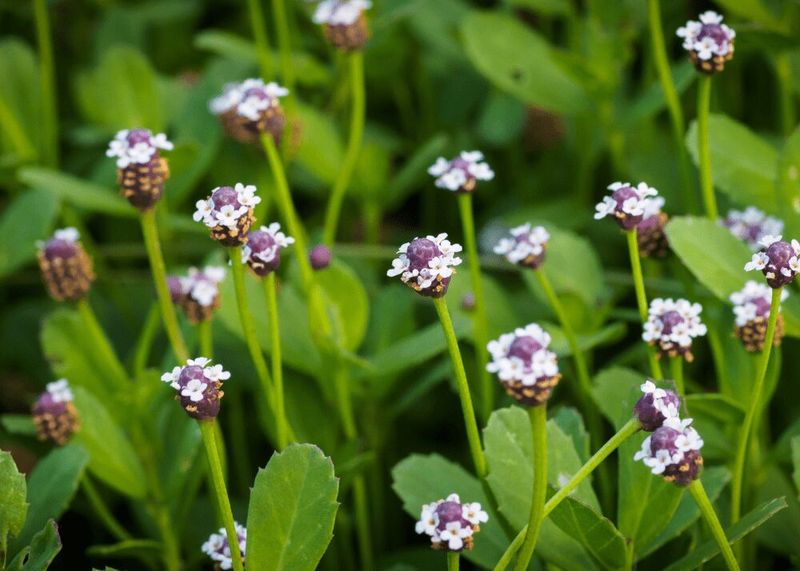
Frogfruit is a native ground cover that is quietly becoming a favorite lawn alternative. It spreads low and dense, covering the ground with small, bright green leaves and tiny white flowers that bloom for months.
It handles foot traffic surprisingly well and stays green with very little water once it gets going.
Butterflies love Frogfruit, especially the White Peacock and Phaon Crescent species, which use it as a host plant for their caterpillars. That means your lawn becomes part of a local ecosystem, not just a patch of grass.
Mowing is optional with Frogfruit, which saves even more time. It grows naturally in Texas prairies and roadsides, so it is perfectly suited to the climate.
Homeowners who have replaced sections of their St. Augustine lawn with Frogfruit report dramatically lower water bills and a yard that feels alive with activity all season long.
5. English Ivy Replaced With Horseherb
English Ivy looks elegant climbing walls and spreading under trees. It is evergreen, grows fast, and fills in bare spots quickly. But looks can be deceiving. English Ivy is invasive in many parts of the country.
It climbs trees and can damage bark over time. It also creates dense mats that crowd out native plants and reduce habitat for local wildlife.
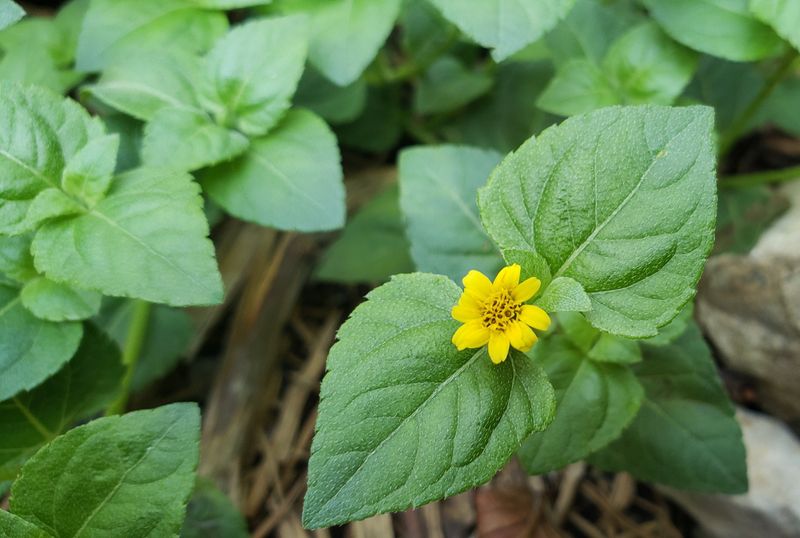
Horseherb, also called straggler daisy, is a native Texas plant that fills the same role without the problems. It spreads naturally in shady spots under trees and produces cheerful little yellow flowers almost year-round.
It is soft underfoot and blends beautifully into natural garden settings. Unlike English Ivy, Horseherb does not aggressively take over. It stays low and lets other plants coexist nearby.
Birds and insects use it as habitat, which adds real ecological value to your yard. It needs very little water and zero fertilizer once it is established.
Some people even let it replace sections of struggling lawn under large shade trees where grass simply will not grow. Horseherb is not the flashiest plant, but it is one of the most practical and wildlife-friendly ground covers available to Texas gardeners today.
6. Nandina Replaced With American Beautyberry
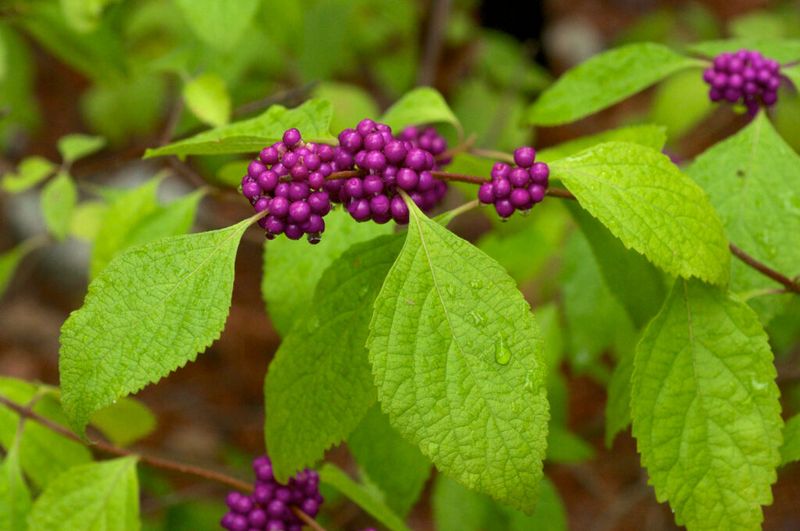
Nandina, sometimes called heavenly bamboo, is everywhere in Texas landscaping. It has pretty red berries in winter and colorful foliage year-round.
But Nandina is not native to Texas, and its berries are toxic to birds and pets. It also spreads into wild areas and outcompetes native plants, causing real problems for local ecosystems.
American Beautyberry is a stunning native replacement that actually helps wildlife instead of harming it. In late summer and fall, its stems become loaded with clusters of electric purple berries that stop people in their tracks.
Over 40 species of birds eat these berries, and deer browse the leaves without any ill effects.
This shrub grows fast and reaches four to six feet tall. It does well in part shade or full sun and handles dry conditions well once established.
The foliage is bright green and lush through spring and summer, giving way to that jaw-dropping berry display each fall. Pruning it back hard in late winter keeps it tidy and encourages even more vigorous growth the following season.
Gardeners who swap out Nandina for American Beautyberry often say it becomes the most talked-about plant in their entire yard, especially when those brilliant purple clusters appear.
7. Oleander Replaced With Flame Acanthus
Oleander has been a Texas landscape staple for generations. It grows fast, tolerates heat, and produces showy clusters of pink, white, or red flowers.
But oleander comes with serious drawbacks. Every part of the plant is highly toxic to people, pets, and livestock. It also requires significant water to look its best and can suffer damage during hard freezes.
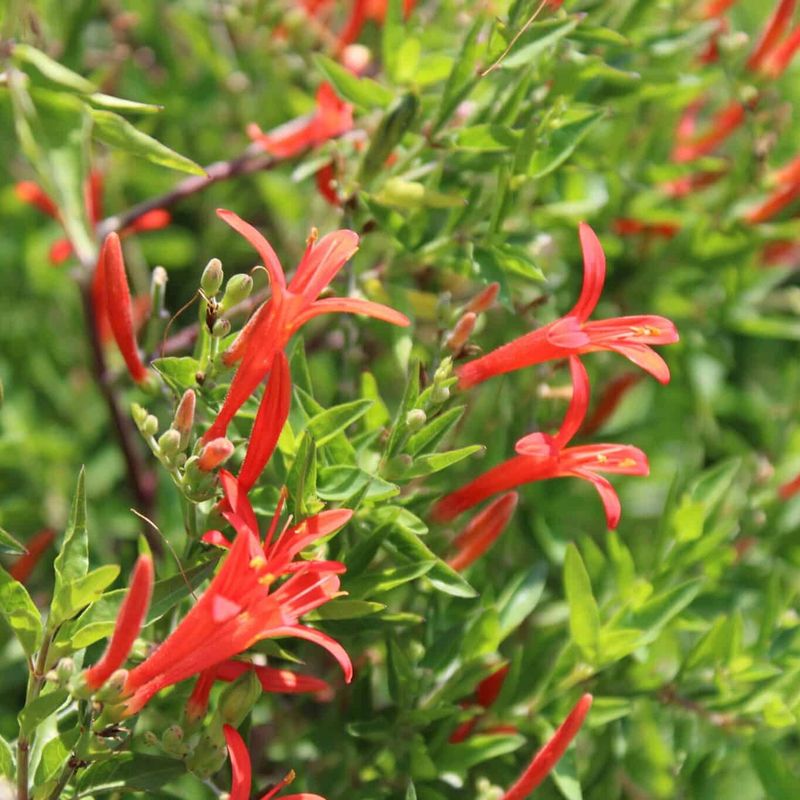
Flame Acanthus is a fantastic native alternative that brings even more wildlife energy to the yard. Its bright orange-red tubular flowers are absolutely irresistible to hummingbirds and butterflies from summer through fall.
It grows three to five feet tall and wide, creating a bold, colorful presence in any sunny garden space.
Once established, Flame Acanthus is remarkably tough. It handles full Texas sun, rocky or poor soil, and long dry periods without complaint.
It freezes back in harsh winters but bounces back from the roots with impressive speed each spring. That resilience makes it a low-stress plant for gardeners who want reliable color without constant attention.
Unlike oleander, it poses no safety risks to children or animals. More Texas gardeners are discovering that Flame Acanthus delivers the same visual punch as oleander with far fewer worries and far greater benefits for local wildlife.
8. Japanese Privet Replaced With Wax Myrtle
Japanese Privet is widely used in Texas as a fast-growing hedge or screen plant. It gets tall quickly, stays evergreen, and provides privacy. Sounds great, right? The catch is that Japanese Privet is considered invasive.
Its berries spread into natural areas, where it forms dense thickets that crowd out native vegetation and reduce habitat for local wildlife.
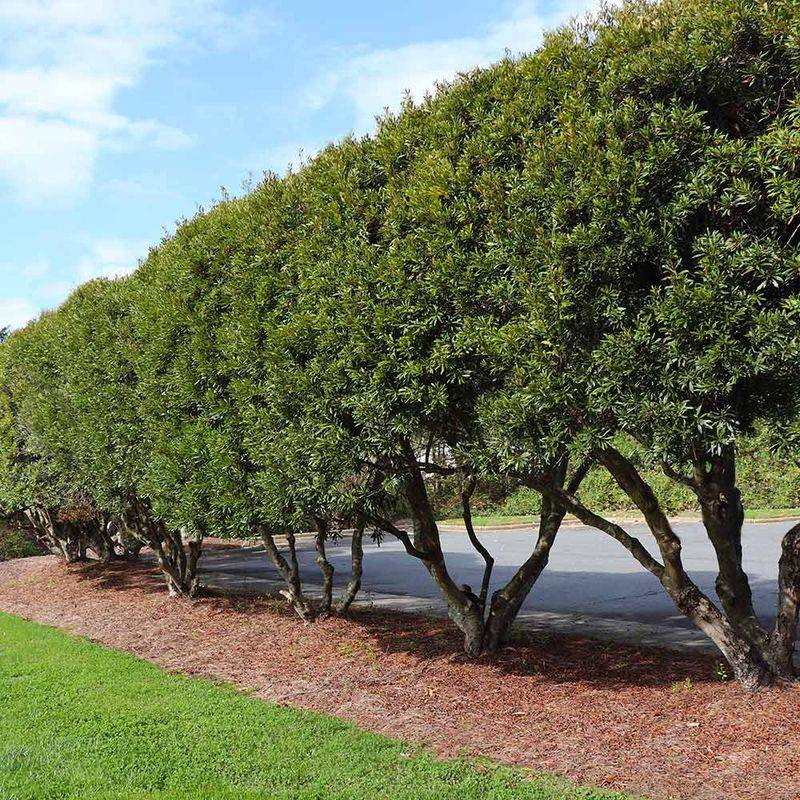
Wax Myrtle is a native Texas shrub that does everything Japanese Privet does, only better for the environment. It grows quickly, reaching ten to fifteen feet tall, and stays evergreen year-round.
Its small, waxy gray-blue berries are a favorite food source for dozens of bird species, including the Yellow-rumped Warbler.
The leaves of Wax Myrtle have a pleasant, spicy fragrance when brushed or crushed. It tolerates wet soil, dry soil, clay, and sand, making it one of the most adaptable native shrubs in the state.
You can trim it into a formal hedge or let it grow naturally into a large, billowing screen. Either way, it provides excellent privacy while actively supporting local wildlife.
Homeowners who have replaced Japanese Privet with Wax Myrtle appreciate how easy it is to manage and how much bird activity it brings to the yard each season.
9. Bermuda Grass Replaced With Buffalograss
Bermuda Grass is tough, fast-growing, and can handle heavy foot traffic. It is a popular choice for Texas lawns, especially in full-sun areas.
But keeping a Bermuda lawn looking green and healthy through summer takes a lot of water. It also needs regular mowing, fertilizing, and edging to stay under control, since it spreads aggressively into garden beds.
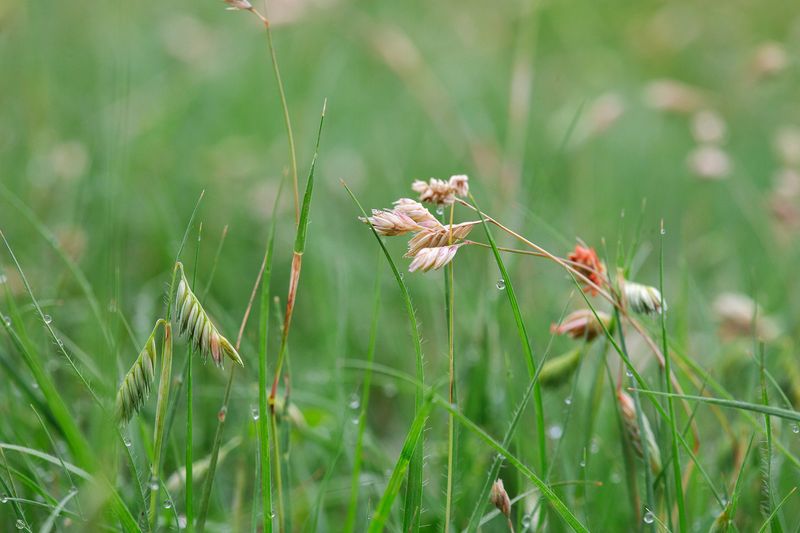
Buffalograss is the native prairie grass that once covered millions of acres of Texas land. It is making a real comeback in residential yards for good reason.
Buffalograss stays low, usually only four to six inches tall, which means far less mowing. Its fine, curly blades turn a soft blue-green in summer and golden in winter.
The water savings are the biggest selling point. Buffalograss can survive on natural rainfall alone in most parts of Texas once it gets established.
That can cut outdoor water use dramatically compared to a Bermuda lawn. It does best in full sun and well-drained soil, and it does not love heavy shade.
It is not quite as lush-looking as Bermuda, but it has a natural, prairie charm that many homeowners find beautiful. For anyone tired of high water bills and endless lawn maintenance, Buffalograss is a genuinely game-changing alternative worth considering.