What To Do With Your Florida Desert Rose In July To Keep It Blooming
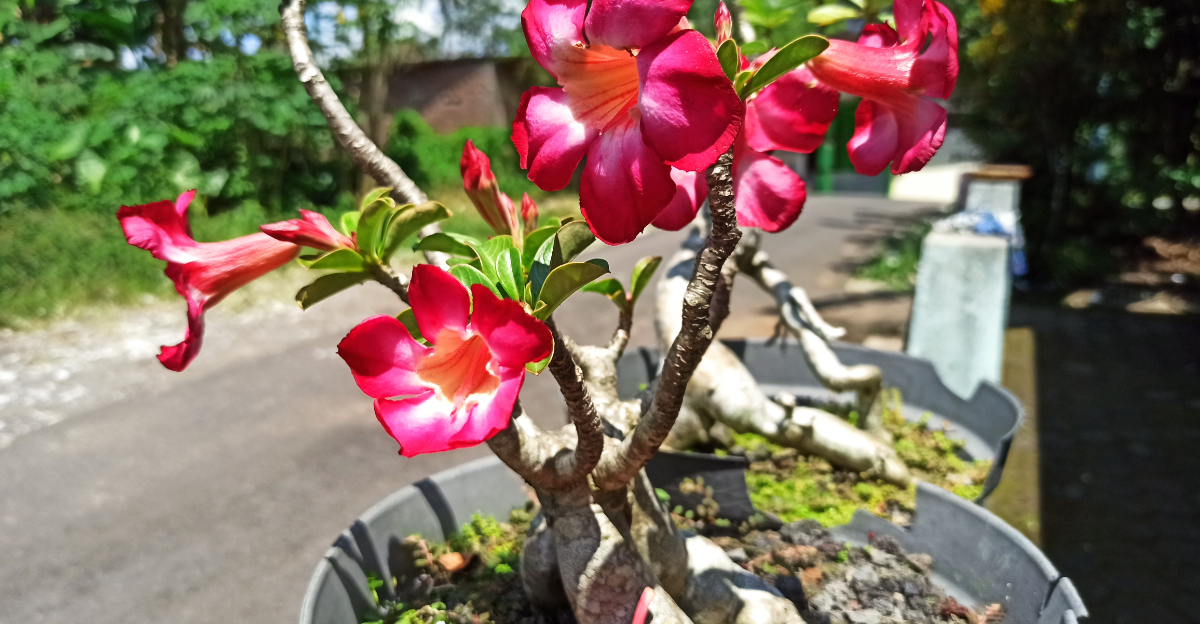
July in Florida can feel like a stress test for almost every plant in the yard, but desert rose has a flair for turning heat into a show.
Those sculptural stems and bold blooms can keep looking gorgeous through the sticky summer stretch, as long as the plant gets the right kind of care.
The trick is not babying it too much. In fact, too much water, soggy soil, or heavy shade can slow the flowers down fast.
This heat-loving beauty prefers bright light, sharp drainage, and a little restraint from the watering can. July is also the month to watch for pests, remove spent blooms, and keep feeding simple.
With a few smart mid-summer habits, your Florida desert rose can stay colorful, healthy, and ready to keep blooming long after other plants start looking tired.
1. Give Desert Rose The Brightest Safe Light You Can
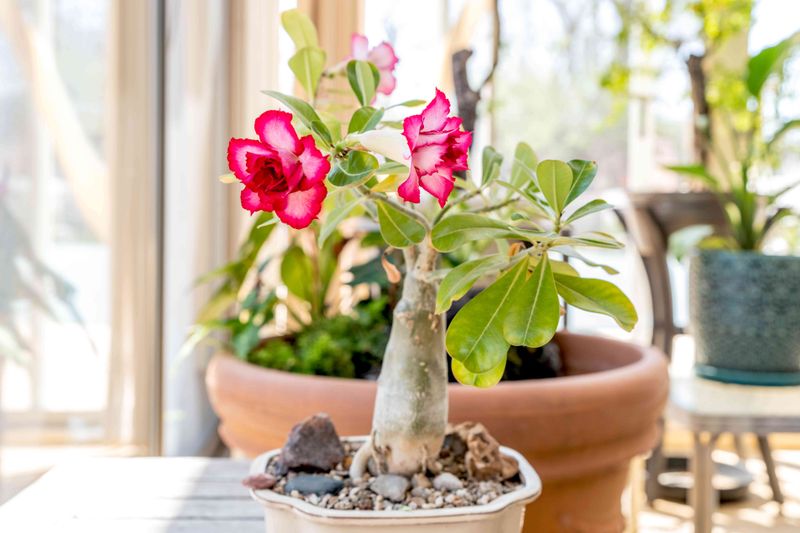
A desert rose sitting in a dim porch corner is a desert rose that has quietly given up on blooming. Strong light is one of the most important factors for getting consistent flowers from this plant, and July is not the month to shortchange it on sunshine.
Adenium obesum thrives in full sun or very bright indirect light, and without enough of it, buds become sparse and stems stretch out thin and leggy.
Morning sun is often the easiest starting point for container plants in this state. It delivers strong light without the brutal reflected heat that bounces off driveways, white walls, or pool decks in the afternoon.
If your plant has been living in lower light, move it gradually into brighter conditions over a week or two. Sudden exposure to harsh reflected heat can scorch leaves and stress the plant, which works against blooming.
Good airflow around the pot also helps. Stagnant, humid air combined with shade is a recipe for weak growth and fewer flowers.
A bright, open patio spot with some air movement gives desert rose a much better chance of staying in bloom through the month. Watch for new buds forming at stem tips as a sign the plant is responding well to better light conditions.
2. Water Deeply Then Let The Pot Dry Back
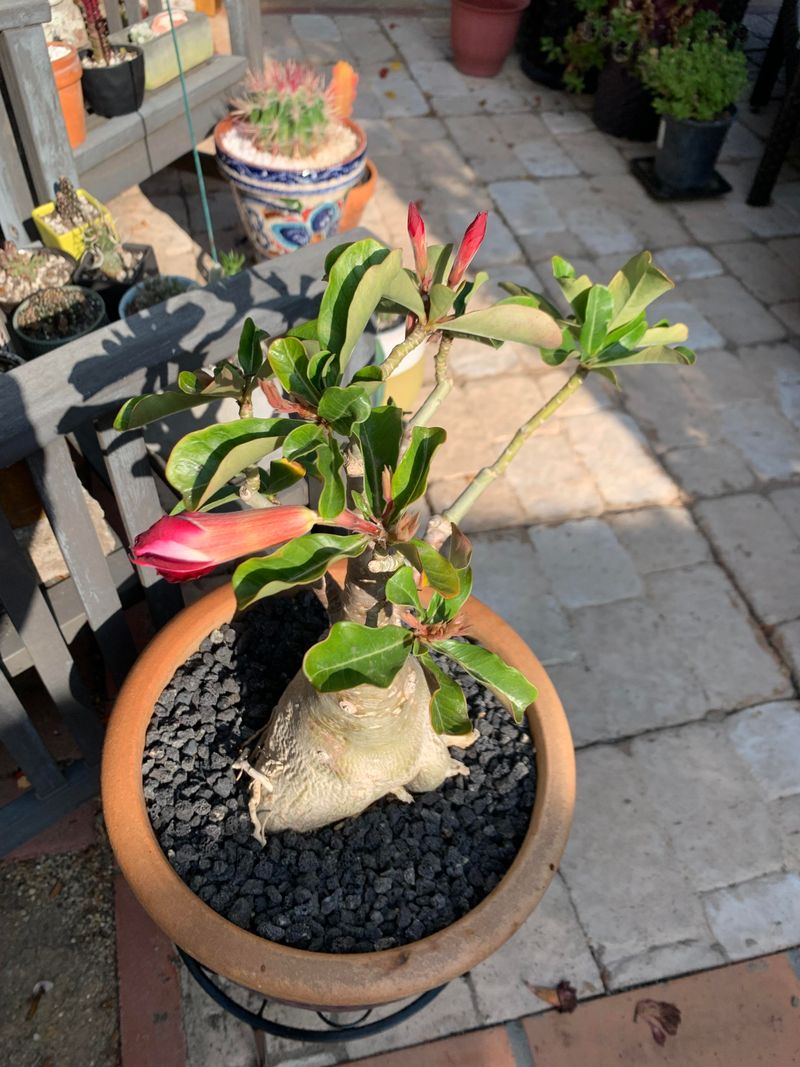
Picture a Florida gardener watering on a schedule every Tuesday and Friday, no matter what. After a week of July downpours and overcast skies, that routine can quietly push a desert rose toward root trouble without the gardener ever noticing.
Watering discipline matters more than watering frequency, and the goal is simple: water deeply, then wait.
When you water, soak the potting mix thoroughly until water runs freely from the drainage holes. That deep drink reaches the full root zone and flushes out any salt buildup from fertilizers.
After that, hold off until the mix has dried back noticeably before watering again. Stick a finger two inches into the mix or lift the pot to feel the weight difference between wet and dry.
Drying time is not fixed. A small clay pot in full sun and wind may dry out in two or three days.
Your Florida Garden Changes Every Week. Your Plan Should Too.
Gardening in Florida changes quickly throughout the season. Every Friday you’ll receive a simple weekly plan showing exactly what to plant, prune, fertilize, harvest, and protect so you never miss the right timing.
A larger plastic pot in a shaded corner during a rainy stretch might stay damp for a week or more. Rain counts as watering, so check the mix after storms before adding more water.
A desert rose that gets steady moisture during active summer growth will stay healthier. Proper drying intervals also make it more likely to keep blooming than a plant that is constantly wet or completely forgotten.
3. Keep Rain From Turning The Potting Mix Soggy
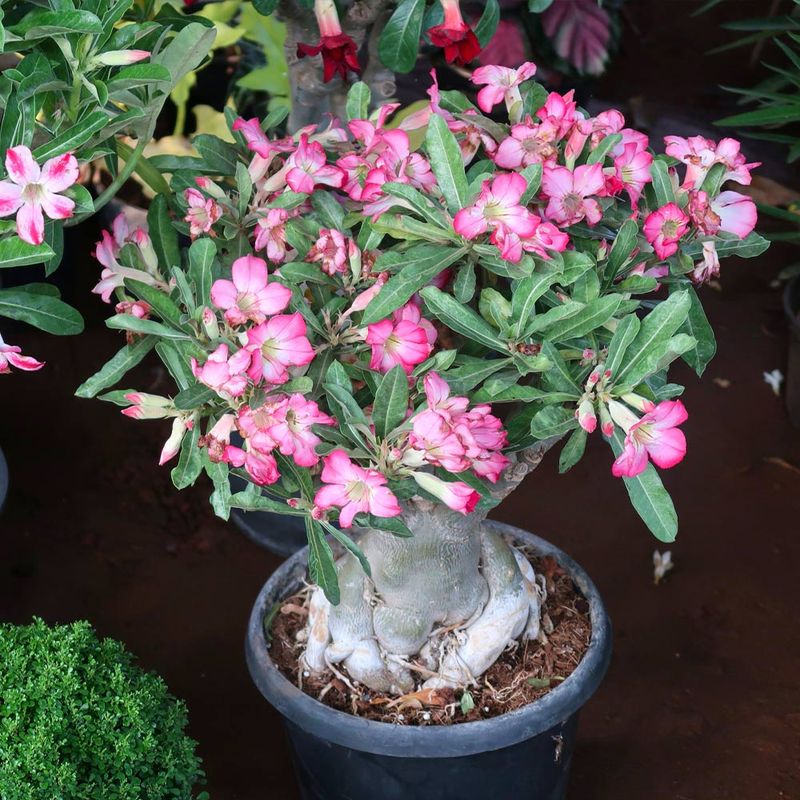
After a long July thunderstorm, check the saucer under your desert rose. If it is sitting in an inch of standing water, that is a problem that needs fixing right now.
This state’s rainy season can drop several inches of rain in a single afternoon. A container that cannot drain fast enough will start drowning roots long before the skies clear.
Heavy potting mixes hold moisture far too long for desert rose. A fast-draining blend, often described as a cactus and succulent mix or a blend cut with coarse perlite, gives roots the air pockets they need between waterings.
Saucers should be emptied promptly after rain events, not left to slowly evaporate. Pots placed where roof runoff hits them directly or where water pools after storms are at especially high risk.
Moving pots under an overhang during long wet spells is a practical solution that many container gardeners in Florida rely on. The plant still gets bright light from the open sides while staying out of direct downpours.
Raising pots slightly on pot feet or bricks also helps water drain away from the bottom instead of pooling underneath. A desert rose that drains well after every storm is far less likely to develop the soggy root conditions that cut blooming short.
4. Feed Lightly While The Plant Is Actively Blooming
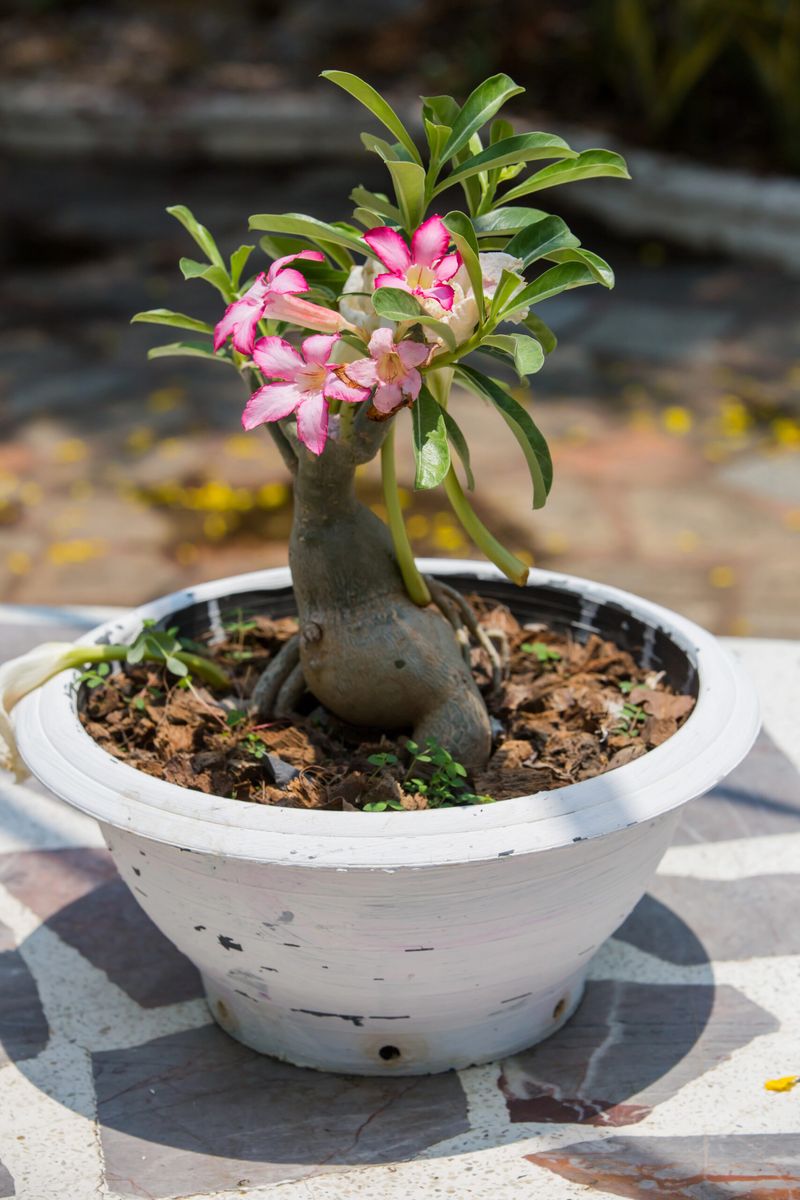
Reaching for a big scoop of fertilizer to push more flowers is a tempting move, but it is one that often backfires with desert rose. Light, consistent feeding during active growth is the right approach.
Heavy doses of fertilizer can push soft, lush new growth that looks promising but actually diverts energy away from flowers and makes the plant more vulnerable to stress.
A balanced granular fertilizer or a bloom-supporting formula with a decent phosphorus number can be used during the summer growing season. Always follow the label directions for the rate and frequency, and never exceed what the label recommends.
Liquid fertilizers diluted to half-strength are also a reasonable option during active growth. The key is moderation and timing.
Do not fertilize a plant that is already struggling. If the potting mix is soggy, the stems look soft, or the leaves are yellowing in an unusual pattern, fixing the underlying problem comes first.
Adding fertilizer to a stressed or waterlogged plant will not trigger blooms and may actually make things worse.
A healthy desert rose with good light, proper drainage, and consistent but moderate feeding is in the best position to keep producing buds through the month.
Look for firm new growth at stem tips as a good sign that feeding is working as intended.
5. Pinch Or Prune Only If The Shape Needs It
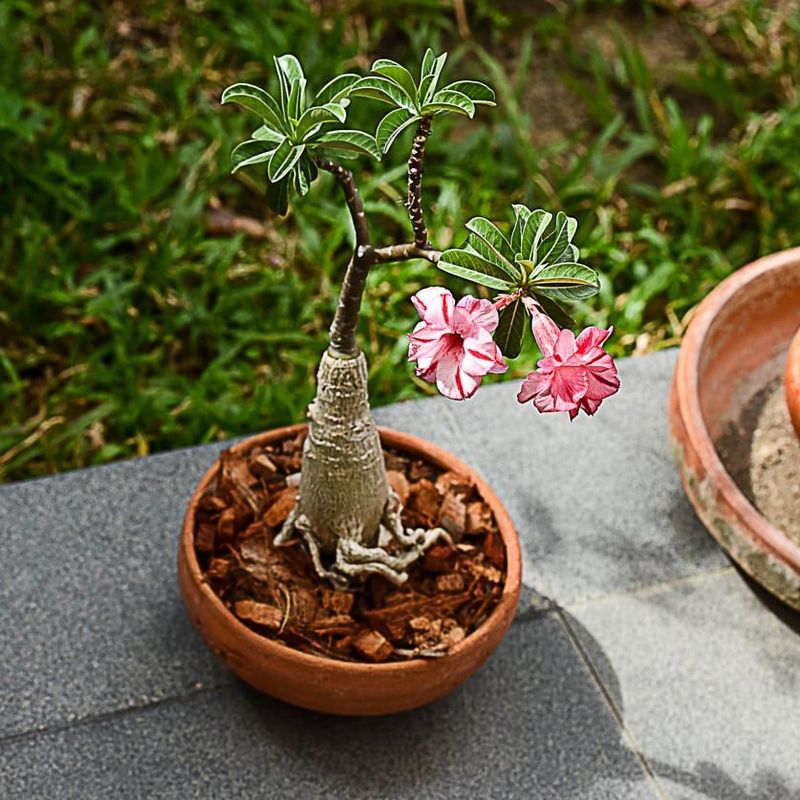
July is not the time to grab your pruning shears and start cutting back a desert rose that is actively blooming. Flowers form at the tips of branches, and removing those tips means removing buds that have not yet opened.
Heavy pruning during peak bloom season can set the plant back for weeks while it puts energy into pushing new growth instead of flowers.
That said, light pinching or selective pruning does have a place in July care. If a branch has become very long and leggy, a strategic trim can encourage branching and a fuller shape over time.
Damaged or withered tips should be removed promptly, especially after storms. Any cut should be made with clean, sharp tools to reduce the risk of introducing problems to the wound.
Timing matters beyond just the season. Avoid pruning during wet weather when the cut surfaces stay damp for extended periods.
After cutting, let the wound callus in a dry, airy spot before rain hits it if possible. A light touch is the right approach: remove only what clearly needs to go, leave healthy flowering branches alone, and let the plant tell you what it needs.
When new buds appear at stem tips shortly after a light trim, that is a good sign the plant is responding well and moving in the right direction.
6. Watch For Soft Stems Before You Blame The Heat
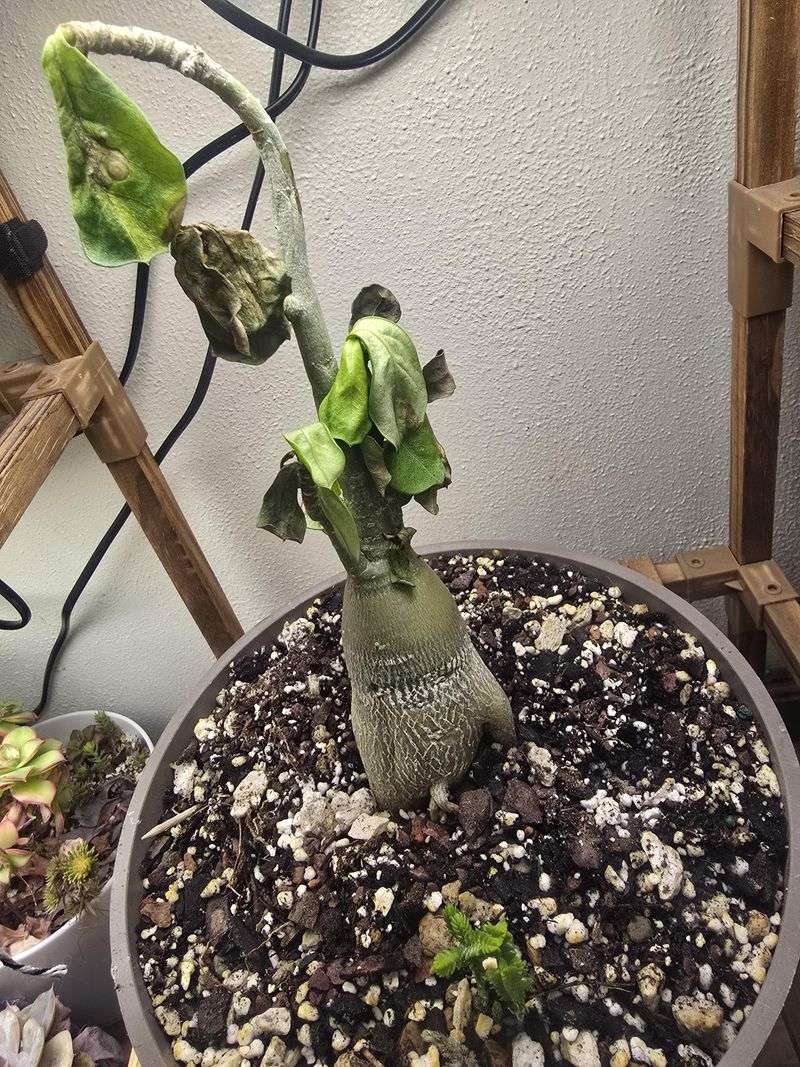
A desert rose that suddenly looks wilted, sad, or collapsed on a hot July afternoon is not always suffering from heat. Soft stems, a mushy or spongy caudex, and yellowing leaves that drop quickly are warning signs.
A sour smell rising from the potting mix also points toward root or stem rot, not sun stress. These two problems look similar at first glance but need very different responses.
Rot in desert rose usually comes from waterlogged roots, poor drainage, or a potting mix that stays wet too long. When the roots cannot breathe, they break down and lose their ability to move water and nutrients up to the rest of the plant.
The stem and caudex can follow. If you press gently on the base of the plant and it feels soft or gives way, that is a serious warning sign that needs attention quickly.
Start by checking the drainage holes for blockage and removing any standing water from the saucer. Pull the pot back from rain exposure and stop adding water until the mix dries out.
Inspect the mix itself: if it smells sour or looks waterlogged, the roots may already be compromised. A plant that is declining fast may need the root ball examined and any rotted sections removed before repotting into fresh, dry mix.
Act promptly rather than waiting to see if it improves on its own.
7. Move Containers Before Storms So Blooms Do Not Shred
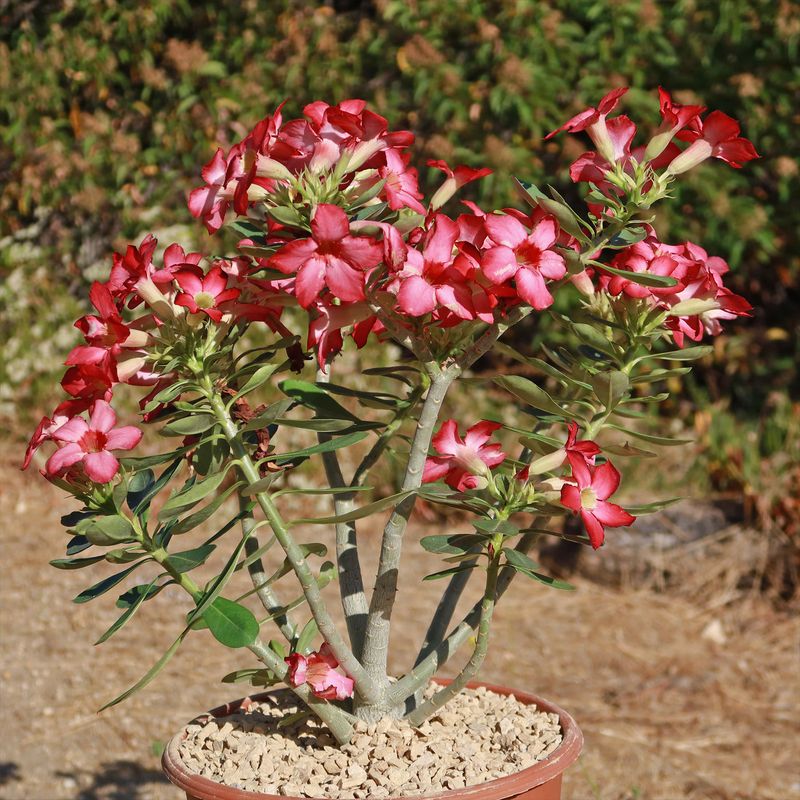
July storms in this state can go from distant rumble to full-on downpour in under fifteen minutes. A lightweight pot sitting on an open patio can tip over in the wind, drench the mix with inches of rain, and shred every open bloom in the process.
Moving containers before a storm hits is one of the simplest things you can do to protect both the flowers and the plant.
A bright covered porch, a carport, or a spot under a wide overhang works well for short-term storm shelter. The goal is to keep the plant out of direct driving rain and away from wind gusts that can snap stems or tip pots.
Group heavier pots together so they support each other, and make sure any pot moved indoors or under cover still gets adequate light during the shelter period.
One important safety note: do not go outside to move pots once lightning is active in the area. Plan ahead when you see storm warnings, and get containers to shelter before conditions become unsafe.
After the storm passes, return the plant to its usual bright spot as soon as the weather clears. Keeping a desert rose sheltered indoors for days on end after a storm reduces the light it needs to stay in bloom.
Short-term protection is the goal, not long-term indoor storage.
8. Skip Oversized Pots That Hold Too Much Moisture
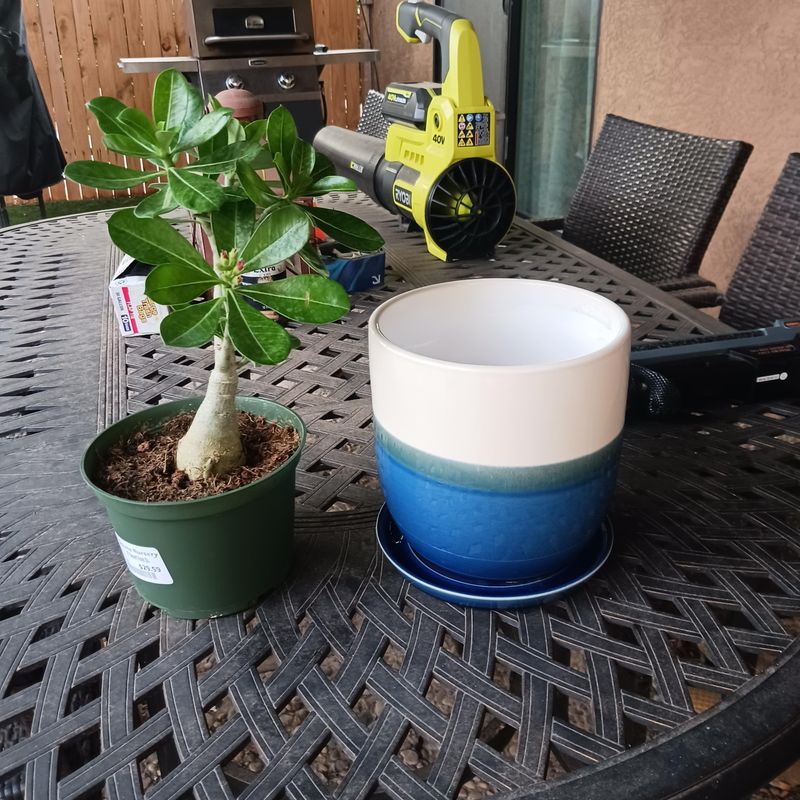
An oversized decorative pot might look stunning on a porch, but for desert rose during rainy season, it can quietly cause real trouble.
When a plant’s root system is surrounded by far more potting mix than it can use, that extra mix holds moisture long after the roots need it.
In July’s humid conditions, that lingering dampness around the root zone creates exactly the environment where rot takes hold.
Container size should match the root system of the plant, not the ambitions of the Florida gardener. A pot that is only a couple of inches wider than the root ball gives roots room to grow without leaving large sections of wet mix sitting around unused.
Drainage holes are non-negotiable. A beautiful container without drainage holes is a liability for desert rose, no matter how good the mix is.
If repotting is needed, choose a time when the plant is not already stressed, and handle the roots gently. Use a fast-draining mix formulated for cacti and succulents, or blend standard potting mix with coarse perlite to improve drainage.
Avoid repotting into a much larger container just because it is available. A snug, well-draining pot kept in bright light gives desert rose the stable, airy root environment it needs.
That helps it stay healthy and keep producing bold blooms through the heat of July and beyond.