These Texas Flowers Can Keep Blooming Into October
What if your Texas garden looked its best in October instead of fading out right when the weather finally becomes enjoyable? Most gardens wind down just as conditions turn in their favor.
The brutal heat backs off, the air becomes pleasant, and the outdoor spaces that felt unbearable through summer suddenly become exactly where you want to spend time.
But there’s nothing left blooming to make it worth looking at. It doesn’t have to be that way.
There are Texas flowers that don’t just survive into October. They bloom in it. Some produce their best color after summer heat eases, hitting a final flush at precisely the moment the garden needs it most.
These aren’t difficult plants or obscure varieties. They’re flowers that are available, manageable, and perfectly suited to carrying a Texas garden through one of its most pleasant months of the year.
1. Lantana
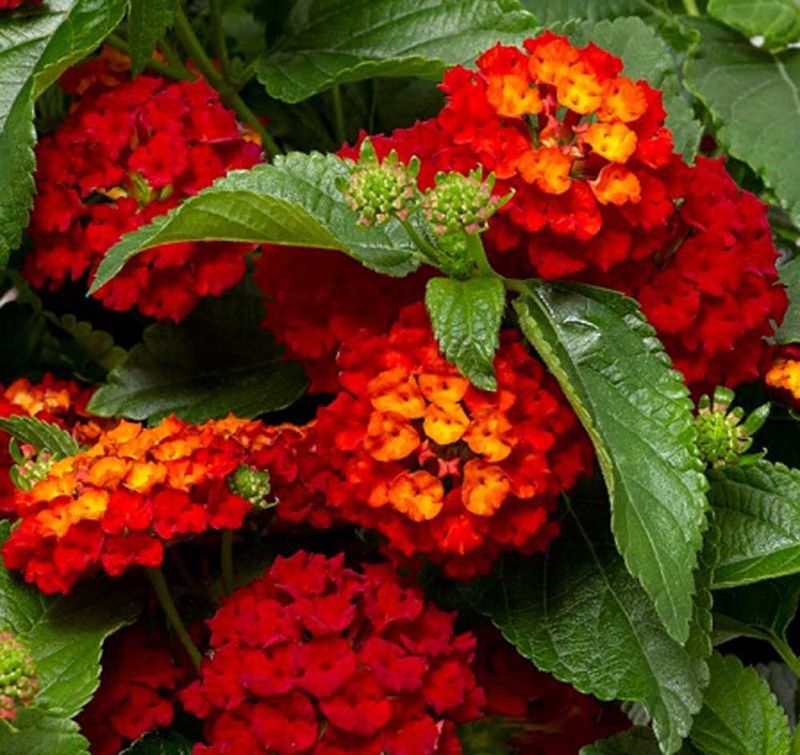
Tough as nails and cheerful as ever, lantana laughs at Texas heat. This plant keeps pumping out little clusters of flowers when many others have quit. You will often spot orange, yellow, pink, and purple blooms all on the same plant.
Butterflies adore lantana, so your garden turns into a busy landing pad. Bees and hummingbirds swing by too, making the whole yard feel alive. That makes it a favorite for anyone who loves watching wildlife up close.
What gardeners really love is how little fuss it needs. Lantana handles poor soil, dry spells, and blazing sun without complaint. Give it a spot with full sunlight, and it rewards you with color for months.
Watering is simple here. Once lantana settles in, it only needs a drink now and then during dry weeks. Too much water can actually slow it down, so let the soil dry between waterings.
To keep blooms coming into October, trim off faded flower heads once in a while. A light haircut encourages fresh buds to pop out. You can also feed it a little balanced fertilizer in early fall for an extra boost.
Fun fact: lantana comes in trailing types too, which look great spilling out of hanging baskets or over walls. Those varieties add a soft, flowing look to porches and patios.
One tip worth remembering is that lantana berries and leaves can upset pets or kids if eaten, so plant it where curious hands stay away. With that small caution in mind, this plant is one of the easiest ways to stretch your garden’s color into fall.
2. Zinnia
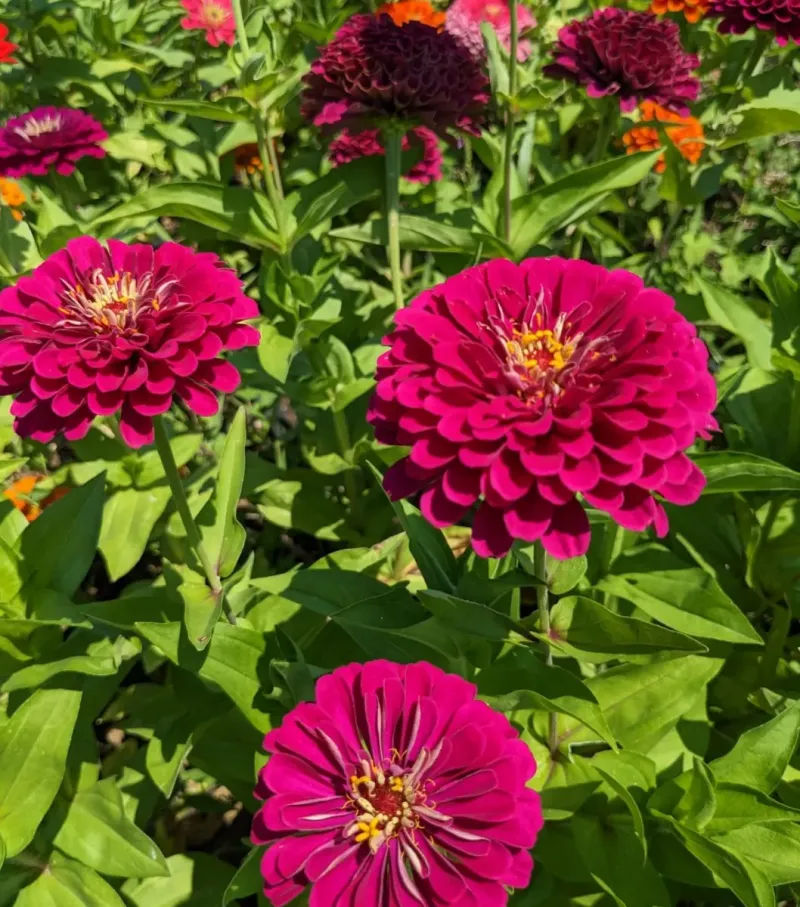
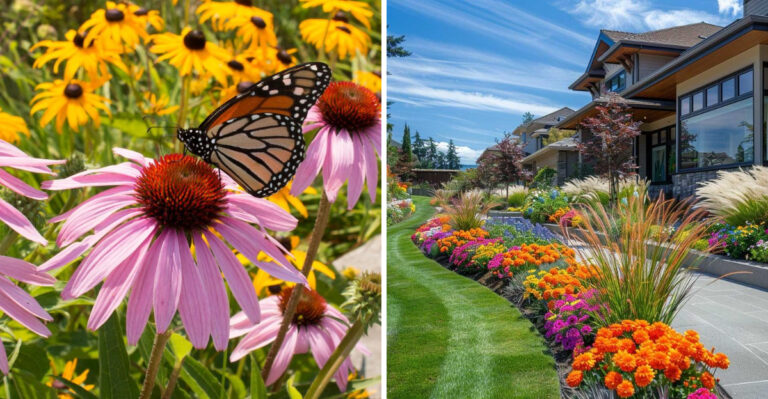
If you want big, bold color on a budget, zinnias are your best friends. These flowers grow fast from seed and bloom all summer long, right into October when treated well. Their daisy-like petals come in nearly every shade you can imagine.
Gardeners love zinnias because they are so forgiving. Toss the seeds in warm soil, water them, and watch them shoot up. Within a couple of months, you get armfuls of blooms perfect for cutting.
Speaking of cutting, zinnias make wonderful bouquets. The more you snip them, the more flowers the plant produces. That means fresh blooms for your table and a fuller garden at the same time.
Your Texas Garden Changes Every Week. Your Plan Should Too.
Gardening in Texas changes quickly throughout the season. Every Friday you’ll receive a simple weekly plan showing exactly what to plant, prune, fertilize, harvest, and protect so you never miss the right timing.
Sunlight is the secret ingredient for happy zinnias. Plant them where they get at least six hours of direct sun each day. They also like good airflow, which helps keep their leaves healthy and free from spots.
Water zinnias at the base rather than over the top. Wet leaves can lead to powdery mildew, especially in humid Texas weather. A soaker hose or careful watering can keep problems away.
To push blooms into fall, remove faded flowers regularly and feed lightly every few weeks. This little routine keeps the plant focused on making new buds instead of seeds.
Butterflies flock to zinnias, adding movement and charm to your beds. Kids especially enjoy watching the colorful visitors flutter around these easygoing plants.
Here is a neat detail: zinnias were named after a German botanist named Johann Gottfried Zinn. So every time you plant one, you are honoring a bit of gardening history.
3. Salvia
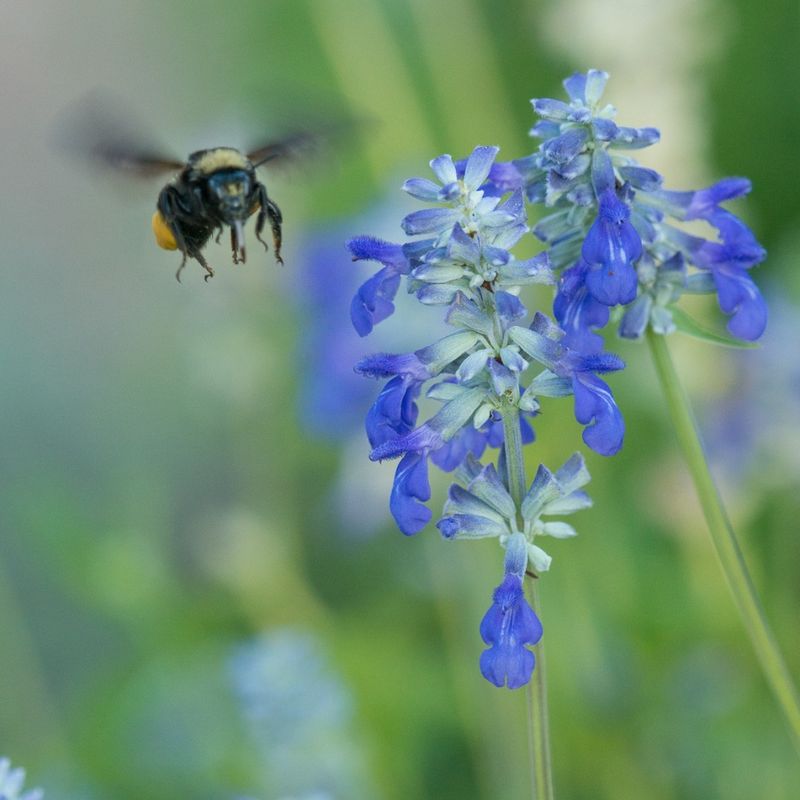
Salvia brings tall, colorful spikes that stand up proudly in the garden. Bees and hummingbirds treat these blooms like a favorite snack bar, buzzing and darting all day. That constant activity gives your yard a fun, lively feel.
Many salvia types are perfect for Texas because they shrug off heat and drought. Once established, they need very little water to keep going. That toughness helps them bloom right through the fall season.
Colors range from deep purple and fiery red to soft blue and pink. With so many choices, you can mix shades for a garden that looks like a painter’s palette. The spiky shape also adds nice height between shorter flowers.
Planting salvia is straightforward. Pick a sunny spot with soil that drains well, since soggy roots can cause trouble. Space plants out a bit so air moves freely between them.
To keep the show going into October, cut back spent flower stalks. This trimming encourages the plant to send up fresh spikes full of new blooms. A little fall feeding helps too.
Some salvias are perennials in Texas, meaning they come back year after year. Others are annuals that last one season. Checking the label helps you know what to expect.
A charming bonus is the scent. Many salvia leaves smell wonderful when brushed, releasing a herbal, earthy aroma. In fact, culinary sage belongs to the salvia family, so this group has tasty relatives.
Plant a few clumps near a window or path where you walk often. You will enjoy both the color and the gentle fragrance all fall long.
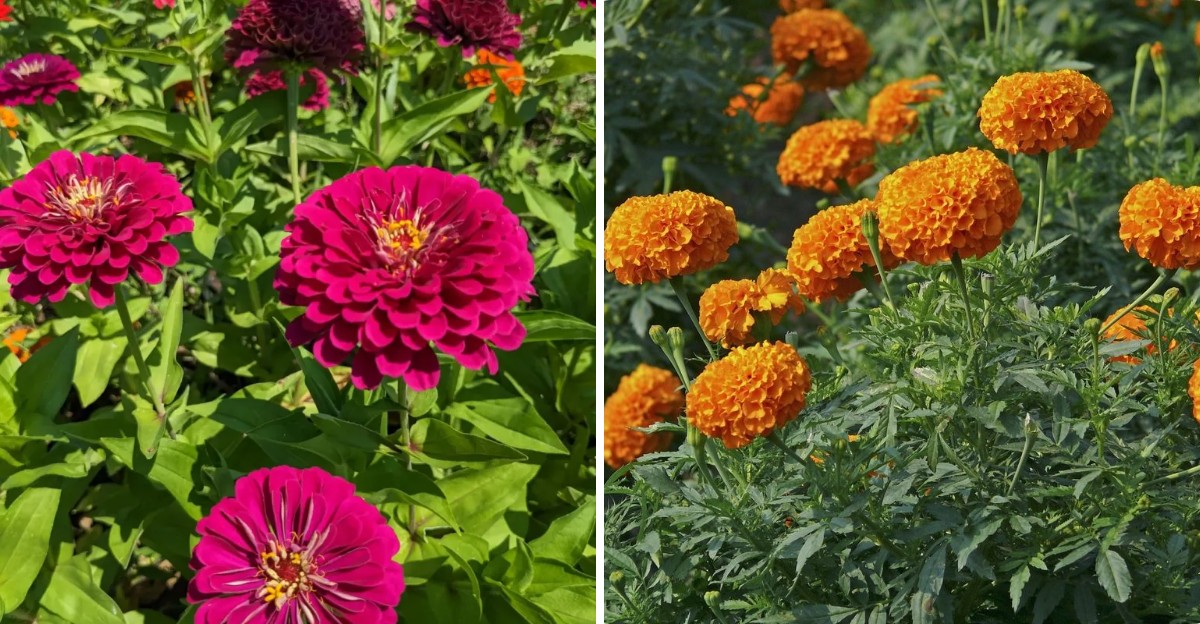
4. Marigold
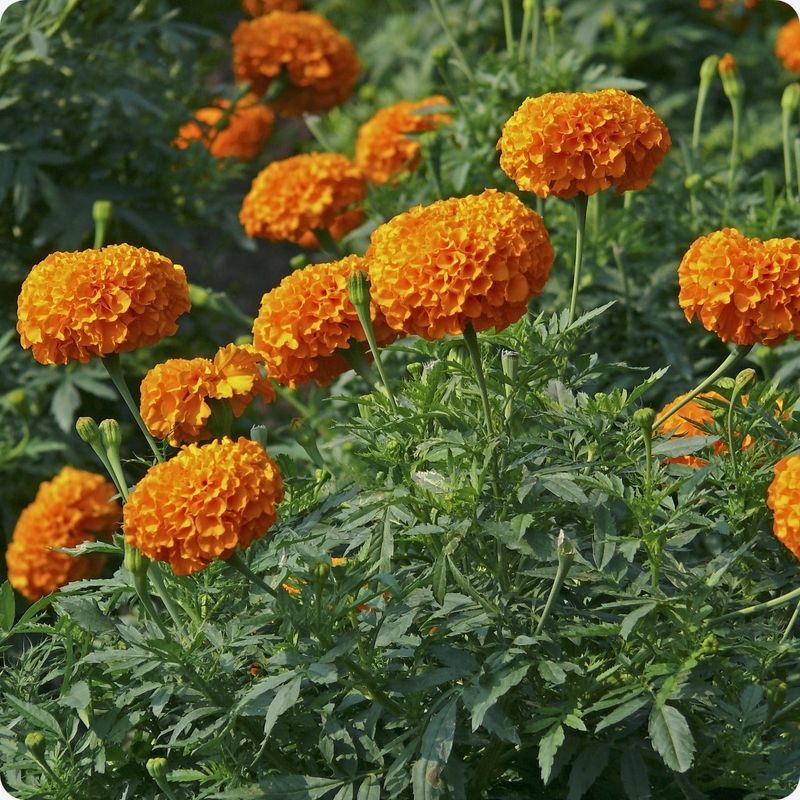
Golden, glowing, and full of cheer, marigolds bring instant warmth to any garden. Their round, ruffled blooms in orange and yellow look like little bursts of sunshine. They fit perfectly with the cozy vibe of early fall.
Gardeners have loved marigolds for generations, partly because they are so easy to grow. Drop the seeds in sunny soil and they sprout quickly. Before long, you have a thick patch of bright blooms.
One handy trait is their smell. Many bugs dislike the scent of marigolds, so people often plant them near vegetables to help keep pests away. That makes them useful as well as pretty.
These flowers thrive in full sun and average soil. They do not ask for rich dirt or fancy care. A regular watering schedule and a sunny spot are usually enough.
To stretch blooms into October, pinch off dry flower heads often. This simple task tells the plant to keep making fresh buds instead of slowing down. Marigolds respond fast to a little attention.
They come in different sizes too. Small French marigolds work great as borders, while taller African types add bold height. Mixing both gives your beds nice layers of color.
Marigolds also make fun projects for kids. The big seeds are easy to handle, and the fast growth keeps young gardeners excited. Watching sprouts turn into flowers teaches patience with a happy reward.
Here is a cultural tidbit: marigolds play a starring role in Mexico’s Day of the Dead celebrations, where their bright petals honor loved ones. That rich history makes them even more meaningful in Texas gardens.
5. Turk’s Cap
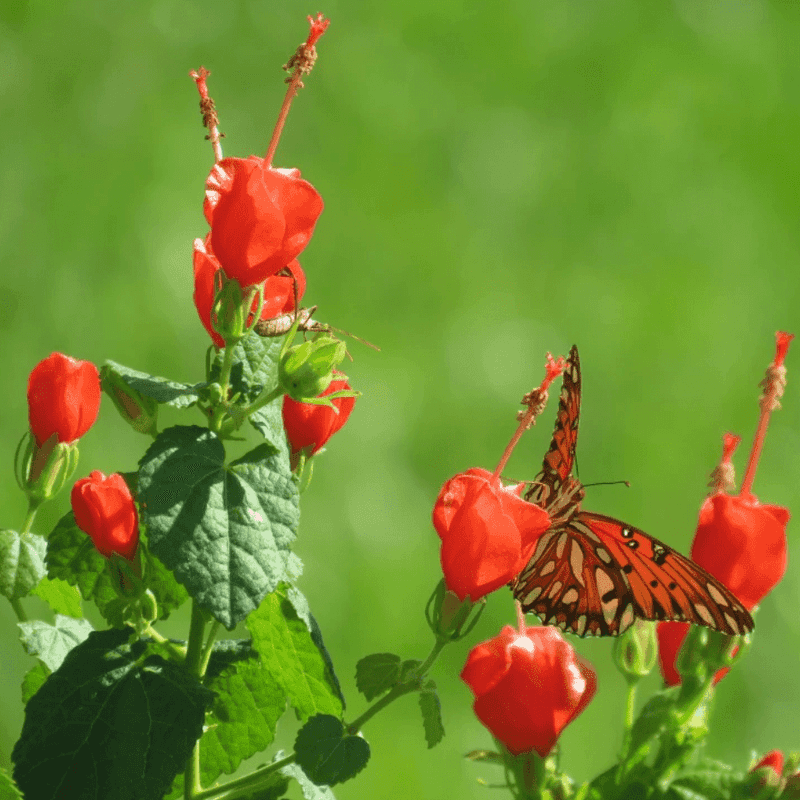
Turk’s cap is a Texas native that feels right at home in our climate. Its bright red flowers have a fun twisted shape, almost like a little turban. That playful look gives the plant its charming name.
Hummingbirds cannot resist these blooms. The tube-shaped flowers are packed with nectar, drawing tiny visitors that hover and sip. Watching them zip around is one of the joys of growing this plant.
What sets turk’s cap apart is its love for shade. While many flowers demand full sun, this one happily blooms in partly shady spots. That makes it a great choice for corners where other plants struggle.
Care is refreshingly simple. Turk’s cap handles heat, drought, and less-than-perfect soil with ease. Once it settles in, it pretty much takes care of itself.
The blooms keep coming from summer into fall, often lasting into October. After flowering, the plant makes small red fruits that birds enjoy. Some people even nibble the mild, apple-like fruit.
Because it is native, turk’s cap supports local wildlife beautifully. Butterflies, bees, and birds all benefit from having it around. Growing it means giving nature a helping hand.
This plant can spread into a nice bushy shape, so give it a little room to fill out. A light trim now and then keeps it tidy and encourages fresh growth.
If you want a low-effort plant that rewards you with color and wildlife, turk’s cap is a smart pick. It proves that native plants can be both tough and gorgeous, thriving where fussier flowers would give up.
6. Esperanza
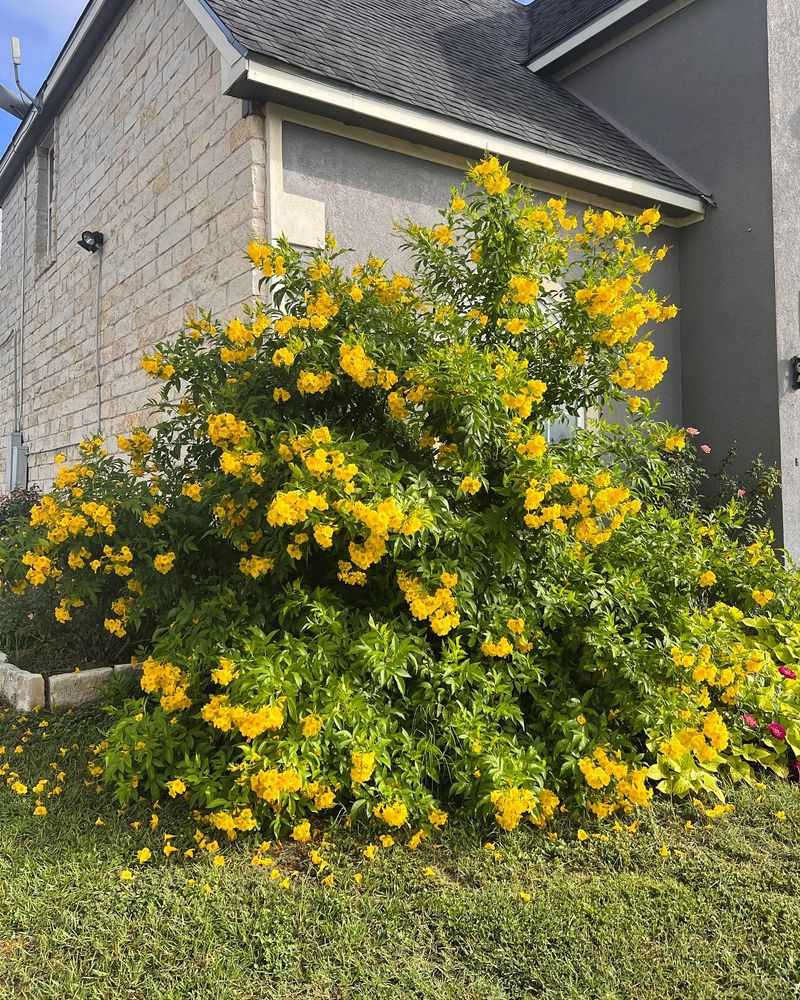
Esperanza means hope in Spanish, and this sunny shrub lives up to its name. Its bright yellow, trumpet-shaped flowers glow against green leaves. Even in the toughest Texas heat, it keeps blooming with joy.
Also called yellow bells, this plant grows into a good-sized bush. That size makes it perfect as a backdrop or a standout centerpiece. Its cheerful color lifts the whole garden’s mood.
Heat and drought barely faze esperanza. It soaks up full sun and keeps going strong when other plants wilt. This toughness lets it bloom all the way into October.
Pollinators love it too. Bees and butterflies flock to the golden blooms, and hummingbirds often stop by. The buzzing crowd adds cheerful movement to your yard.
Planting esperanza is easy in well-draining soil. Give it space to grow tall and wide, since it can reach several feet in a season. A sunny spot brings out the most flowers.
Watering needs are light once the plant is established. A deep soak now and then during dry stretches keeps it thriving. Too much water is worse than too little for this desert-friendly shrub.
To encourage more blooms, trim off old seed pods and shape the plant lightly. This keeps energy going toward fresh flowers rather than seeds. A little fall fertilizer helps as well.
In colder parts of Texas, esperanza may fade back in winter and return in spring. In warmer regions, it can stay green nearly year-round. Either way, its bright color and easygoing nature make it a favorite for gardeners who want dependable fall beauty.
7. Mexican Bush Sage
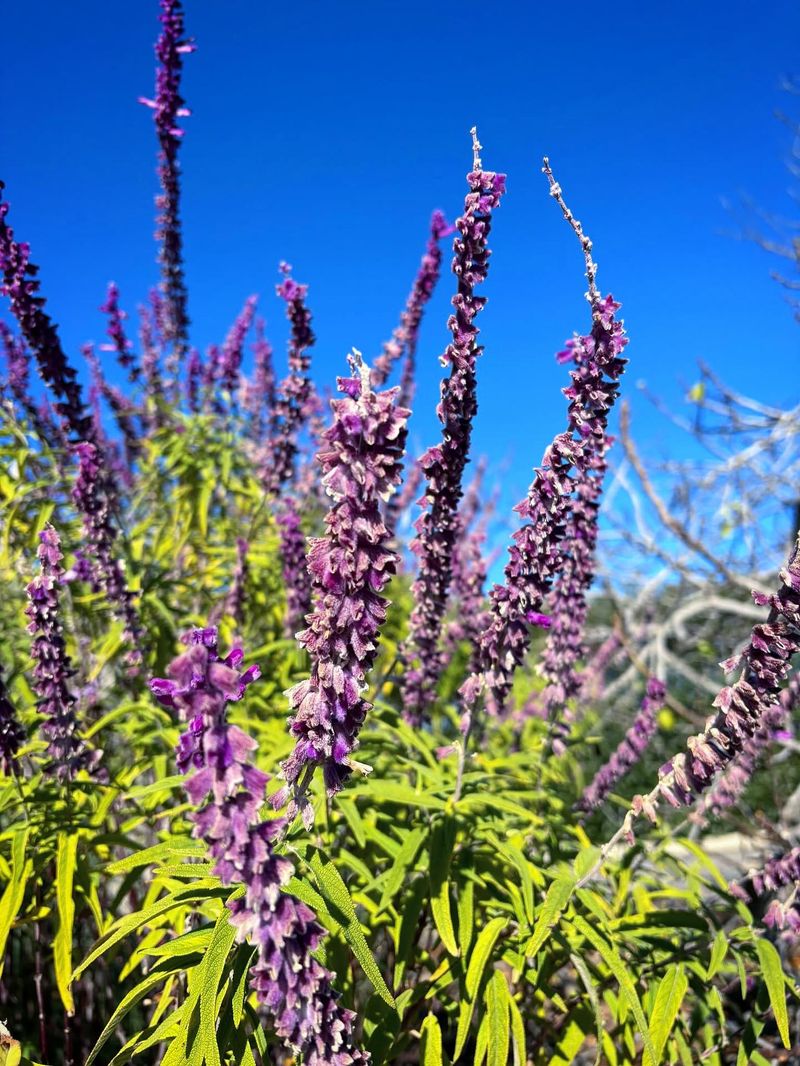
Come fall, Mexican bush sage steals the spotlight with its soft, velvety spikes. The purple and white flowers feel almost fuzzy to the touch. Their gentle color makes autumn gardens look dreamy.
This plant is a fall superstar. While some flowers slow down as the season cools, Mexican bush sage really kicks into gear. Its peak bloom often lands right around October.
Pollinators show up in crowds. Bees and butterflies love the nectar-rich spikes, and hummingbirds join the feast. The buzz of activity makes the garden feel alive during cooler days.
Growing this sage is simple in Texas. It handles heat and dry soil well, needing only occasional watering once settled. Full sun brings out the fullest, richest blooms.
The plant grows into a graceful, arching shape. Give it room to spread, since it can get several feet wide. That fountain-like form looks lovely at the back of a flower bed.
After the blooming season winds down, cut the plant back to keep it neat. This trimming helps it return strong the following year. In many parts of Texas, it comes back as a reliable perennial.
The long, fuzzy flower spikes also make eye-catching additions to bouquets. They dry nicely too, so you can enjoy their color indoors long after cutting. Crafty gardeners love using them in fall arrangements.
If your garden feels tired by autumn, Mexican bush sage brings it roaring back to life. Its cool purple tones pair beautifully with the golds and oranges of other fall bloomers, creating a rich, layered display that carries your yard right through October.