More Toads In Your Texas Garden Means Fewer Roaches And Crickets
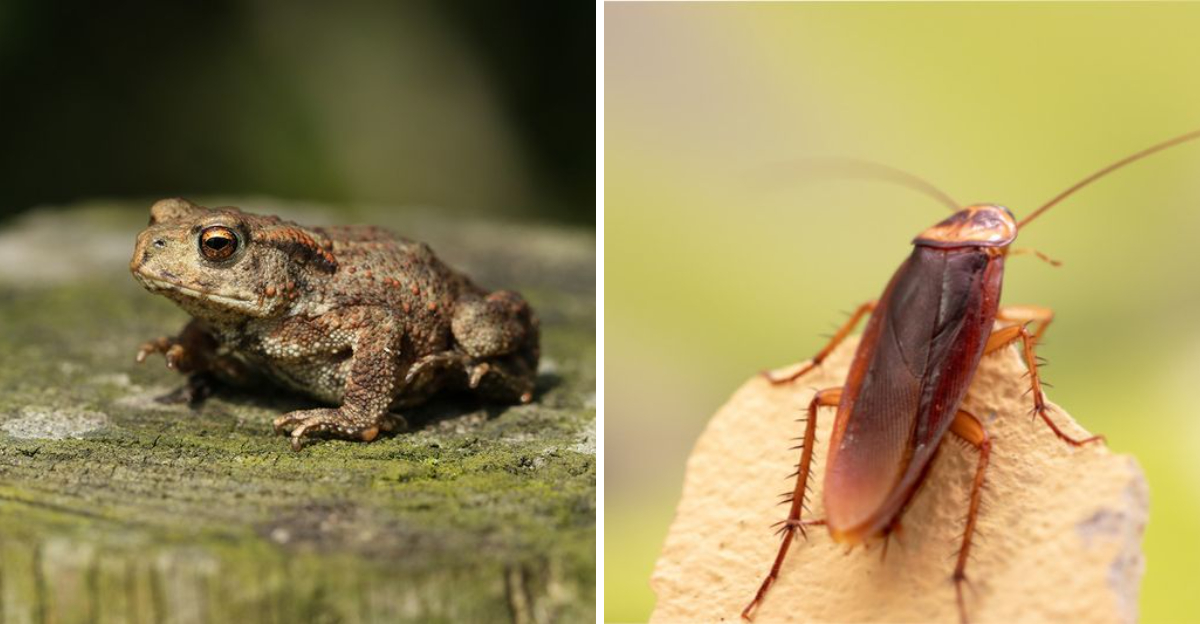
Roaches and crickets are a fact of Texas garden life, but most homeowners accept a level of pest pressure that could actually be significantly reduced with the right approach.
Chemical treatments work, but they come with ongoing costs, environmental concerns, and the constant cycle of reapplication that never quite feels finished. There’s a better option, and it lives right in your garden.
Toads are extraordinary pest hunters. A single toad can consume an impressive number of insects every night, including roaches and crickets at the top of its preference list.
They work in the dark, right at ground level where pest activity peaks, and they do it with a consistency and efficiency that no spray schedule can match.
A yard with a healthy toad population is a yard where roach and cricket pressure stays noticeably lower through the season.
The even better news is that attracting toads to your Texas garden is remarkably simple once you understand what they need.
Toads Can Provide Natural Insect Control
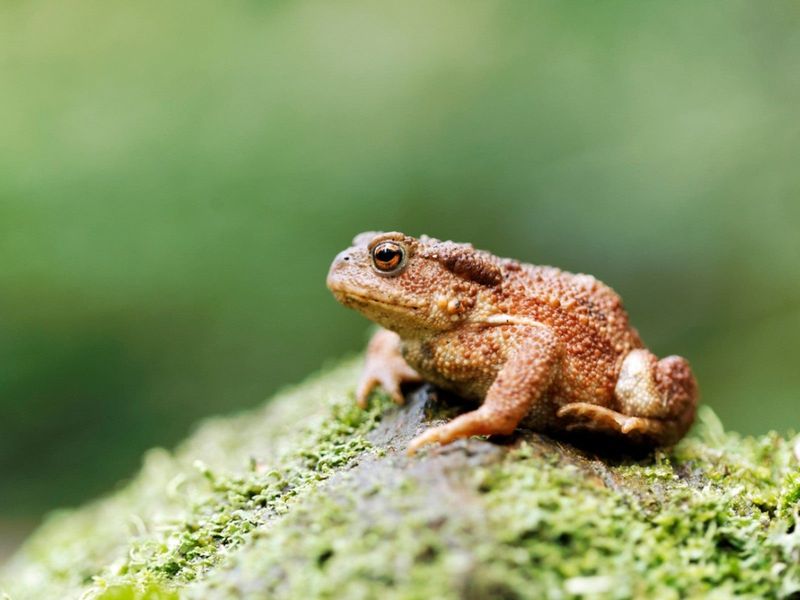
Picture a toad sitting perfectly still near your tomato plants at night, then suddenly snapping up a cricket with lightning speed. That quick, effortless move is exactly why toads have earned a reputation as natural pest controllers.
Adult toads are active predators that feed on insects and other small invertebrates they find moving around them.
Crickets and outdoor cockroaches are fair game for a hungry toad. So are beetles, ants, grasshoppers, moths, and even spiders.
A single toad can eat a surprisingly large number of insects in one night, especially during warm Texas summers when insects are most active.
Gardens that support several toads may naturally experience less nighttime insect activity over time. The toads are not following a schedule or targeting specific pests on purpose.
They simply eat whatever moves within striking range, and that habit benefits your garden in a real way.
That said, toads are not a perfect solution. They cannot guarantee a completely roach-free or cricket-free yard.
Some insects hide in places toads cannot reach, like inside walls or deep in mulch piles. Toads work best as one part of a broader approach to garden pest management.
Think of them as free, low-maintenance helpers that show up every night and do their job without any prompting. You do not need to train them, feed them, or manage their schedule.
Simply making your garden a place where toads feel safe is enough to start seeing their benefits. Over a full growing season, the difference can be noticeable and genuinely satisfying for any Texas gardener.
Texas Gardens Can Host Several Toad Species
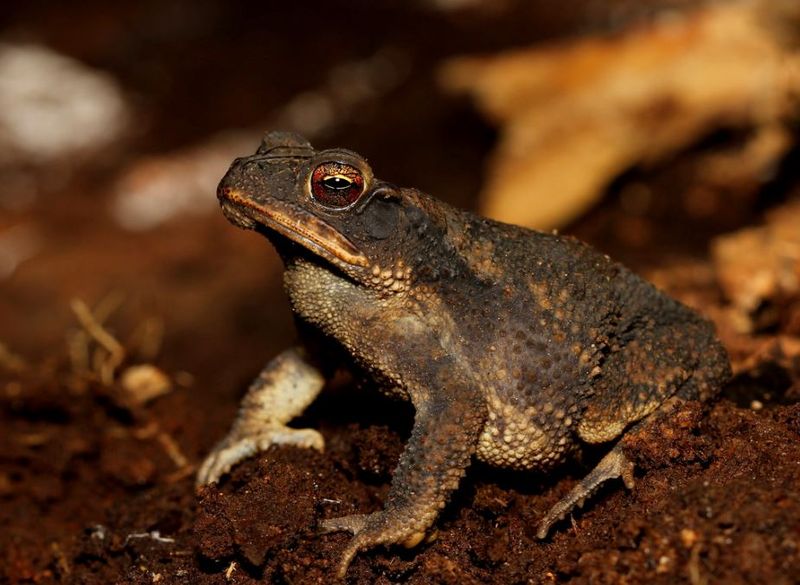
Not every toad you spot in your backyard is the same species, and that actually matters more than most people realize.
Texas is home to several native toad species, including the Texas toad, Gulf Coast toad, Great Plains toad, Woodhouse’s toad, and the red-spotted toad. Each one looks a little different and tends to live in a specific part of the state.
Your Texas Garden Changes Every Week. Your Plan Should Too.
Gardening in Texas changes quickly throughout the season. Every Friday you’ll receive a simple weekly plan showing exactly what to plant, prune, fertilize, harvest, and protect so you never miss the right timing.
The species most likely to visit your garden depends on where you live. Soil type, rainfall, nearby water sources, and regional climate all influence which toads feel at home in your area.
A gardener in the Hill Country may see different visitors than someone gardening along the Gulf Coast.
Most of the toads that wander into backyards are native animals simply doing what they naturally do. They are not invasive, and they are not lost.
They are part of the local ecosystem, moving through neighborhoods the same way they have for generations.
Knowing which species you have is worth the effort. Some species are more sensitive to environmental changes than others, and a few may have specific conservation considerations depending on the region.
A quick look at a Texas wildlife field guide or a trusted online amphibian database can help you identify what you are seeing.
Identification also helps you understand the toad’s behavior and habitat needs. For example, some species prefer sandy soils, while others do well in clay-heavy ground.
Recognizing your garden visitors helps you make smarter choices about how to support them. Treating every toad as a welcome and valued native resident is a great starting point for any Texas gardener interested in wildlife-friendly landscaping.
Toads Hunt When Roaches And Crickets Are Active
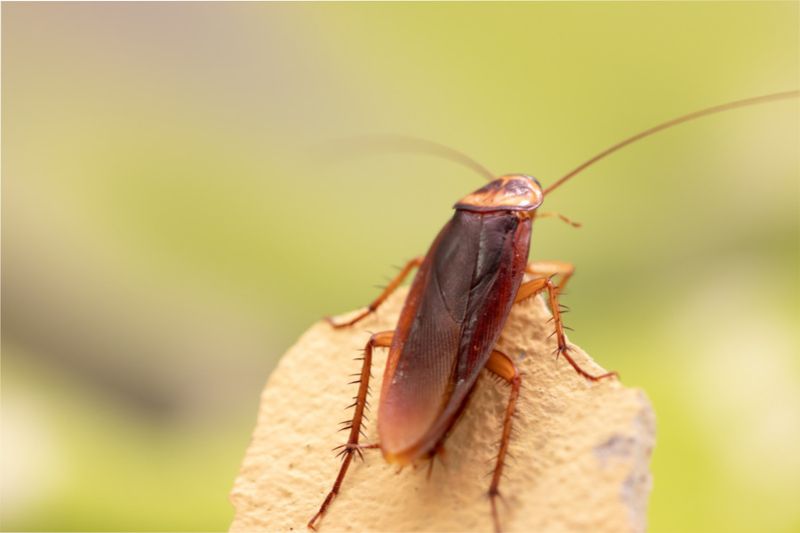
There is something almost perfectly timed about the way toads operate. Most species become active around dusk or after dark, especially when the weather is warm and humid.
That schedule lines up almost exactly with when crickets and outdoor cockroaches begin their own nightly routines.
Crickets start chirping and moving around as the sun goes down. Many outdoor roach species also prefer to forage at night when temperatures have cooled slightly.
Toads take full advantage of this overlap by positioning themselves in spots where insects are likely to pass by. Toads are ambush hunters. They do not chase prey across the yard.
Instead, they wait quietly in one spot and strike at anything that moves close enough. This patient hunting style makes them surprisingly effective, especially in garden beds, near compost areas, or along fence lines where insects travel regularly.
Garden lights can play an interesting role in this dynamic. Insects are naturally drawn to light sources, which can create concentrated feeding spots for toads waiting nearby.
However, too much artificial lighting at night can disrupt other wildlife and interfere with the natural rhythms of your garden ecosystem, so balance is key.
If you want to support toad hunting activity, try to leave a few dark, undisturbed corners in your yard at night. Toads feel safer in low-light conditions and are more likely to stay active in areas that feel sheltered.
Cutting back on bright floodlights near garden beds can make a real difference in how comfortable your toad visitors feel. A quieter, darker garden corner is often a more productive hunting ground for them.
Their Benefits Extend Beyond Two Insects
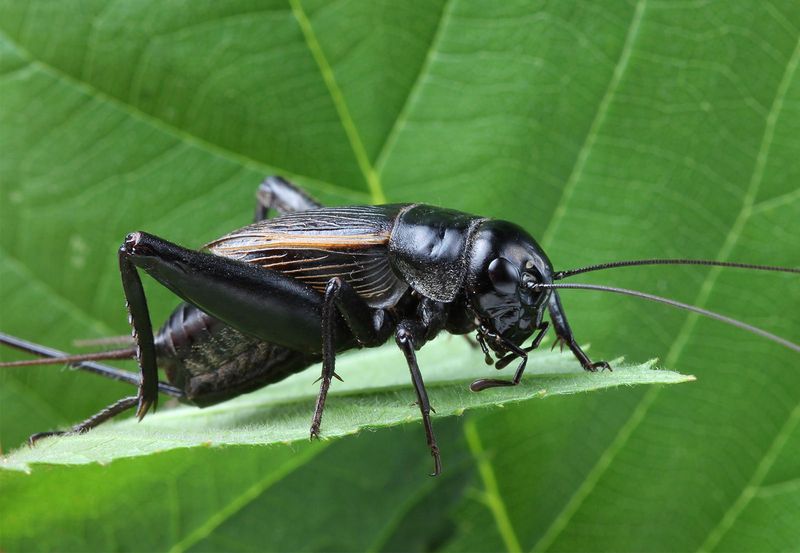
Toads are not picky eaters, and that is actually one of their greatest strengths as garden allies.
Rather than targeting only roaches and crickets, they consume whatever appropriately sized prey happens to wander past. Their menu is surprisingly long and varied.
On any given night, a toad might snack on beetles crawling through the mulch, ants marching along a garden path, grasshoppers resting near plant stems, millipedes moving through damp soil, snails gliding across leaves, or earthworms surfacing after rain.
That broad appetite means they naturally reduce the populations of many different invertebrates at once.
Of course, not everything a toad eats is a pest. Toads may occasionally consume harmless insects or even organisms that are mildly beneficial to the garden, like certain beetles or worms.
This is simply how wild animals work. They respond to movement and opportunity, not to a human-defined list of good bugs versus bad bugs.
This reality is worth keeping in mind. Toads should be seen as one piece of a larger, living garden ecosystem rather than a precision tool aimed only at problem insects.
They contribute meaningfully to the overall balance of invertebrate life in your yard, and that balance is generally a positive thing. Gardeners who appreciate biodiversity tend to get the most out of having toads around.
When you stop thinking about your garden as a place to control every single creature and start thinking about it as a small ecosystem to support, the presence of a few resident toads starts to feel like a genuine gift.
Their wide-ranging appetite quietly keeps many insect populations in a natural, manageable balance all season long.
A Toad-Friendly Garden Needs Shelter And Moisture
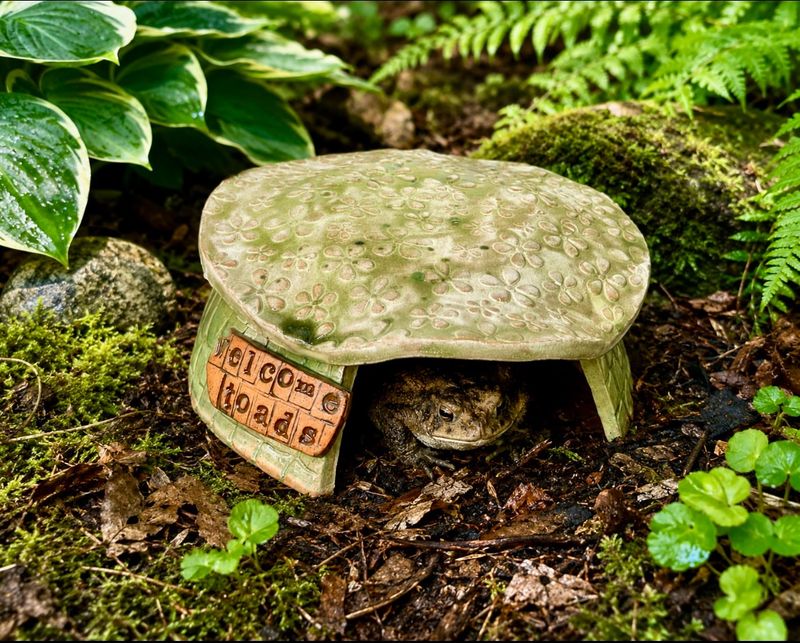
Toads are creatures of habit, and they return night after night to yards that give them what they need. Creating a welcoming environment does not require major renovations or expensive supplies.
A few simple additions can make your garden genuinely attractive to resident toads. Shelter is the first priority. During the day, toads need a cool, damp place to rest and stay out of the intense Texas heat.
A shaded spot beneath dense shrubs, a flat rock, a rotting log, or an overturned clay flowerpot with a small entrance notch cut into the rim all work well. Place these shelters in areas where the soil stays relatively cool and does not bake in direct afternoon sun.
Moisture is equally important. Toads absorb water through their skin rather than drinking it, so they need access to damp ground or shallow water sources.
A small, shallow dish filled with clean water and placed near a shelter spot can help. Refresh the water every day or two and scrub the dish regularly to prevent bacteria and mosquito larvae from building up.
One of the most impactful changes you can make is reducing broad-spectrum pesticide use in your garden. Many common insecticides are harmful to amphibians, either by direct contact with their sensitive skin or by removing the insect food supply they depend on.
Switching to targeted, selective pest treatments whenever possible protects not just toads but the entire web of garden life.
Even small adjustments add up over time. A shaded pot here, a shallow water dish there, and a lighter hand with chemicals can turn an ordinary Texas backyard into a place where toads genuinely want to stay all season.
Welcome Toads Without Catching Or Handling Them
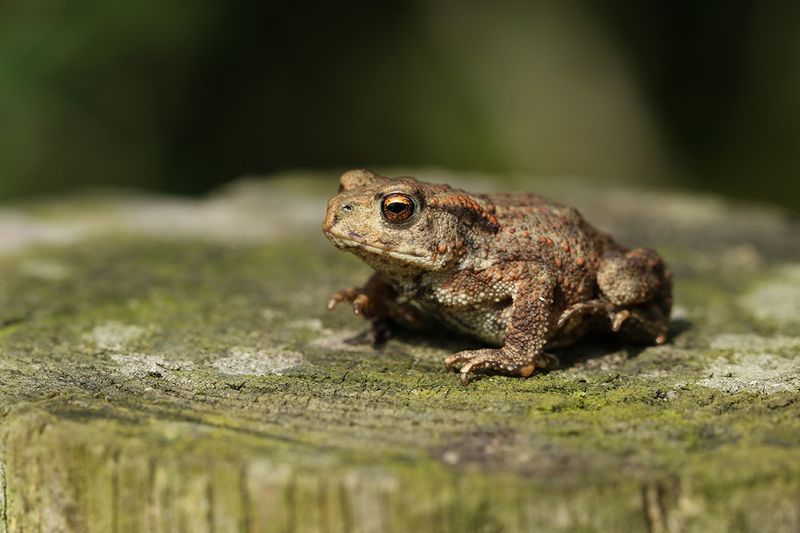
Spotting a toad in your garden for the first time feels exciting, and the instinct to pick it up is completely understandable.
But the best thing you can do for a wild toad is simply leave it alone and let it go about its business. Wild toads thrive when they are observed, not handled.
Toads have special glands behind their eyes called parotoid glands. These glands can release a mild, irritating secretion when the toad feels threatened.
The secretion is not dangerous to humans who simply watch from a distance, but it can cause serious problems for pets that bite or mouth a toad. Dogs and cats should be gently discouraged from interacting with toads in the yard.
If you want more toads in your garden, the right approach is to make your yard welcoming enough that wild toads choose to move in on their own. Relocating toads from another property is not a good idea.
Toads are territorial and have strong homing instincts. Moving them to an unfamiliar location causes unnecessary stress and rarely results in the toad staying put.
Another important reality check: toads are outdoor hunters. They are not going to wander inside and address a cockroach problem happening behind your kitchen walls.
If you have an active indoor roach infestation, toads cannot help with that. Proper sanitation, fixing moisture problems, sealing entry points, and targeted pest management are still necessary steps for indoor pest control.
Toads are wonderful, hardworking garden allies. Treat them with respect, give them space, and they will quietly do their job every single night without asking for anything in return.