These Texas Shrubs Keep Blooming Almost All Year Long
One silvery shrub earned the nickname barometer bush, because purple flowers often explode across it within days of rain. Old-timers joke that it predicts rain, though the real trigger is humidity and moisture after a storm.
Texas heat can push lots of flowering plants into a sulky summer break by late July. A handful of tough shrubs ignore that schedule and keep pushing out color for months on end.
I have to admit that I used to chase fussy bedding plants every spring and replace them every fall. Nobody warned me that a few hardy shrubs could do the same job with far less water or fuss.
You might notice that some of these bloomers feed hummingbirds, while one even produces tiny fruit you can eat. So which Texas shrubs deserve a permanent spot in a yard that rarely takes a flower break?
1. Texas Sage
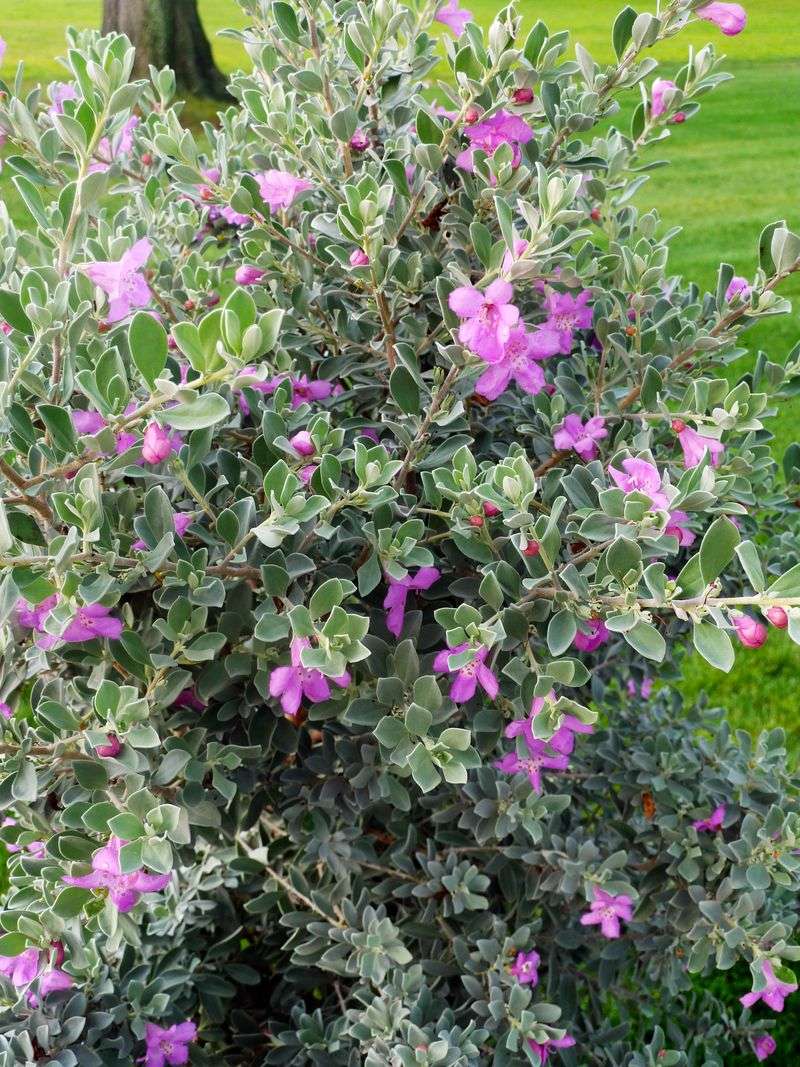
After a summer thunderstorm, this silver shrub can go from quiet gray to a cloud of purple almost overnight. I love checking on it the morning after rain, because the change feels like a magic trick.
Botanists know it as Leucophyllum frutescens, and many folks also call it cenizo or barometer bush. Its fuzzy silver leaves stay on year-round, so the plant looks good even between bursts of flowers.
Blooming comes in waves through the warm months, with the biggest shows arriving when humidity rises after rain.
That rhythm means you get repeated surprises instead of one short season and then a long green pause.
Full sun and fast-draining soil are the secret, since soggy roots cause far more trouble than drought. Plant it on a gentle slope or in a raised bed where rainwater drains away quickly.
Once established, it needs very little extra water, which makes it a smart pick for water-wise yards. Hold back on fertilizer too, because rich feeding often leads to floppy growth and fewer flowers.
Personally, I skip the boxy shearing that you see in parking lots and let the branches stay loose. A natural shape shows off the silver foliage better and leaves more spots for flower buds to form.
Bees visit the tubular blossoms often, so you will hear a happy buzz during each new bloom cycle. Most plants reach around six feet tall, though compact varieties fit nicely into smaller front yards.
2. Texas Lantana
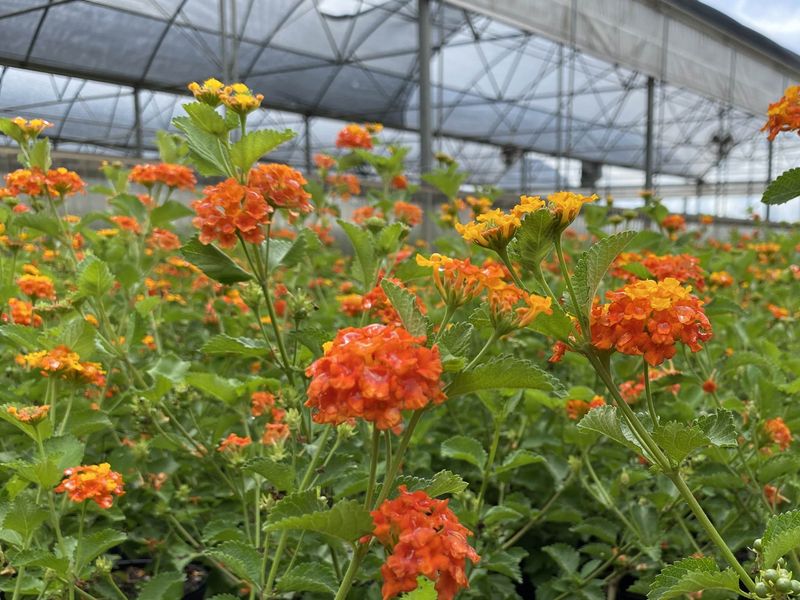
Every single flower cluster on this shrub looks like a tiny sunset, shifting from yellow to orange and then red. I can stand next to one for ten minutes and count more butterflies than I can name.
The native species, Lantana urticoides, grows wild across much of the state and handles brutal heat like a champ. Its rough, aromatic leaves give off a sharp scent when you brush past them in the garden.
Flowers usually show up in late spring and keep coming through fall, often from May into November.
In the warmest southern areas, mild winters can stretch that season even longer than you might expect.
Pay close attention at the nursery, because the tropical Lantana camara spreads aggressively and is considered invasive here.
Stick with the native plant or a sterile cultivar such as New Gold to protect wild areas nearby.
Give it at least six hours of direct sun and soil that drains quickly after a heavy rain. Once roots settle in, it shrugs off drought and needs only an occasional deep drink in summer.
Birds love the small dark berries, but the green unripe fruit and leaves can be poisonous to kids and pets. Plant it away from play areas if little hands or curious dogs spend time in your yard.
Expect a rounded shrub about three to six feet tall that grows fast and fills gaps quickly. Cut it back in late winter, and fresh stems will return with flower buds as the weather warms.
3. Knock Out Rose
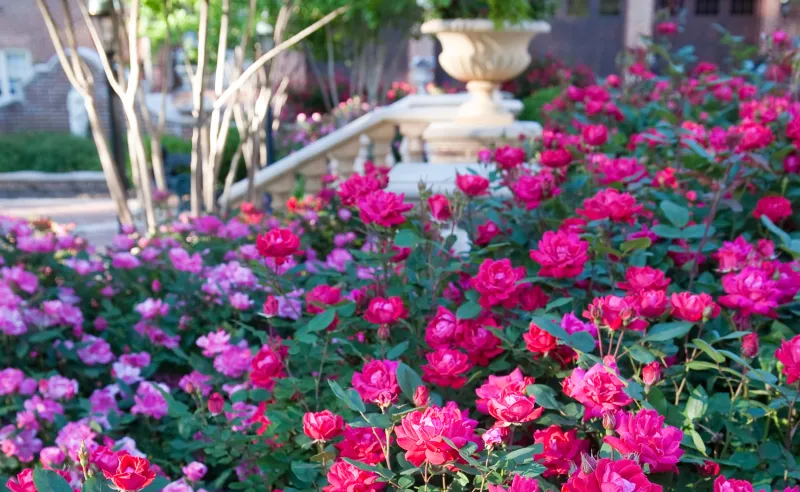
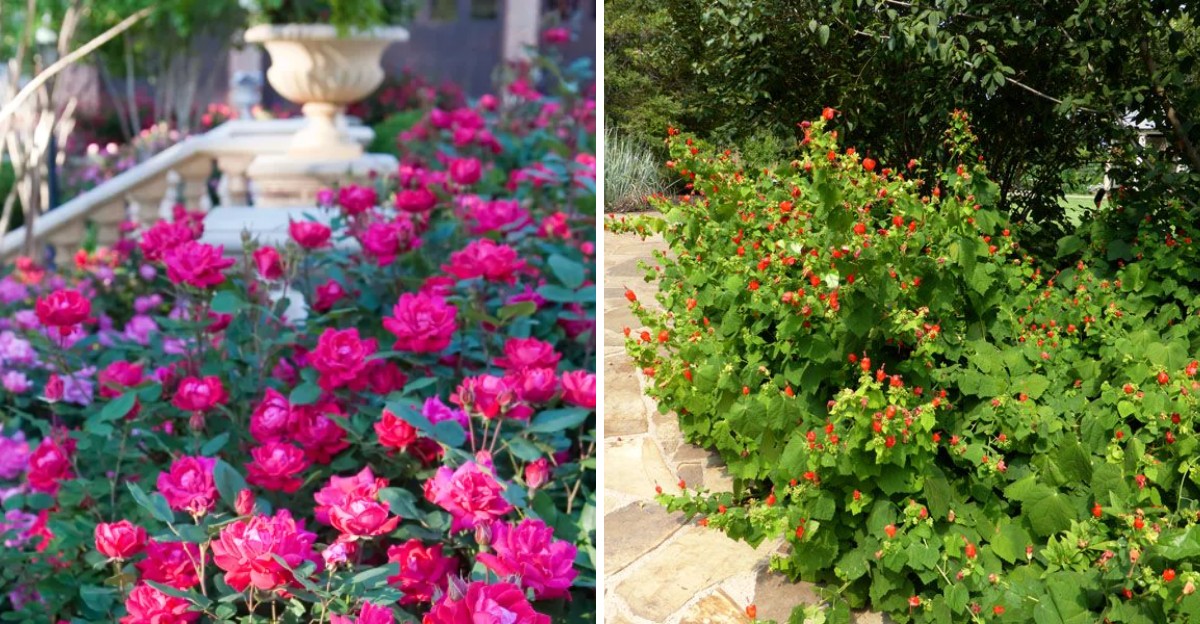
Roses used to scare me off with their reputation for constant spraying and fussy pruning schedules. Then a single Knock Out bush on my porch bloomed from spring into late fall without much help from me.
Breeder William Radler created the original variety, Rosa Radrazz, in his Wisconsin backyard before its release in 2000. His goal was a rose that ordinary gardeners could grow with very little spraying or special care.
Blooms arrive in repeating flushes, roughly every five to six weeks, from spring until cold weather slows things down. Spent flowers drop cleanly on their own, so you can skip the snipping chore that older roses demand.
Plant in full sun with at least six hours of light, and work compost into the soil first. Good airflow around the bush helps the leaves stay dry and resist the black spot that troubles other roses.
Water deeply about once a week during hot spells, aiming at the roots instead of splashing the foliage. A layer of mulch keeps the soil cooler and holds moisture through those long summer afternoons.
Keep an eye out for rose rosette disease, which causes twisted reddish shoots and dense clusters of thorny growth. Remove infected plants promptly, because there is no cure and the mites that spread it travel easily.
In late winter, trim the whole shrub back by about a third to encourage fresh stems and more buds. I truly believe this rose earned its fame, even if it is not a native plant.
4. Glossy Abelia
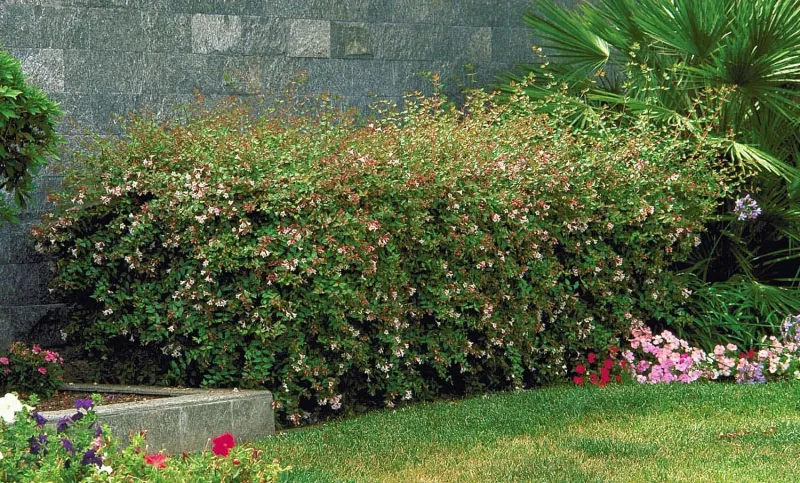
Walk past a glossy abelia in midsummer and you will probably hear it before you smell its sweet blossoms. Bees crowd the tiny bell-shaped flowers so thickly that the whole shrub seems to hum softly.
This hybrid, Abelia x grandiflora, was bred in Italy during the 1880s from two Chinese species. Its shiny leaves catch the light beautifully, and many stay on through mild winters in southern gardens.
White to pale pink flowers open from late spring well into fall, giving you months of quiet charm. Even after petals drop, the pinkish bronze sepals linger and keep the branches looking colorful for weeks.
Full sun brings the heaviest flowering, though a spot with light afternoon shade works well in hotter regions. Well-drained soil matters most, so add some compost if your yard has heavy clay that stays wet.
Young plants need regular watering during their first summer while the roots spread out and settle in. After that, the shrub handles dry stretches fairly well, although a deep soak during drought keeps it blooming.
Pruning surprises a lot of people, because this plant looks best when you barely touch it at all. Its graceful arching branches lose their charm when sheared into tight round balls or flat-topped hedges.
Instead, remove a few of the oldest stems at ground level in late winter to refresh the shrub. Compact cultivars like Kaleidoscope stay small, while the standard type reaches roughly three to six feet tall.
5. Autumn Sage
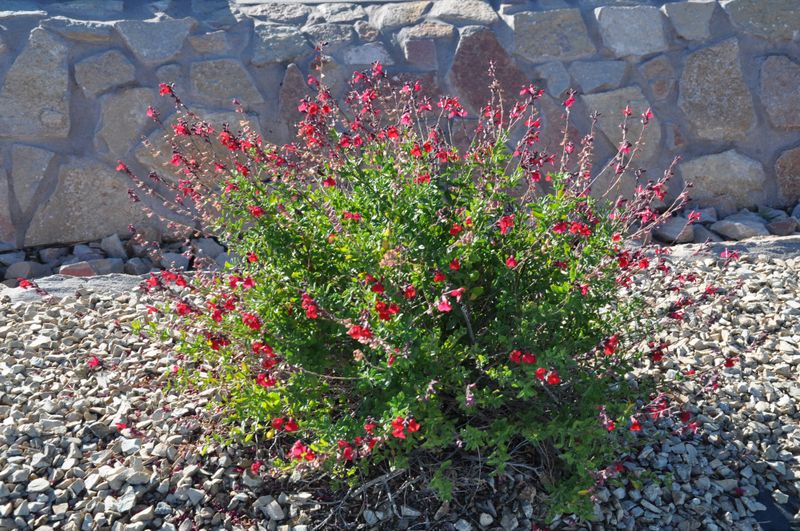
Hummingbirds treat a patch of autumn sage like their favorite drive-through restaurant open nearly every day. I have watched two of them squabble over one red shrub outside my kitchen window on a September morning.
Despite the name, Salvia greggii flowers from spring through fall, with the heaviest shows in spring and autumn. It is native to the rocky hills of Texas and northern Mexico, so heat does not faze it.
The species name honors Josiah Gregg, a nineteenth century trader who collected plants along routes in the Southwest. Modern breeders have since added flowers in pink, purple, coral, and white to the classic red.
Rocky or sandy soil with sharp drainage suits it best, since wet clay can quickly rot the roots. Full sun gives the most flowers, although a little afternoon shade is fine in the hottest areas.
Once established, it rarely needs extra water except during long droughts with no rain for several weeks. Overwatering causes far more trouble than thirst, so check the soil with your finger before reaching for the hose.
Light trimming after a big flush of flowers tidies the plant and encourages a fresh round of blooms. Save heavier shaping for late winter or early spring, just before new growth starts to push out.
Avoid shearing it over and over, because constant cutting ruins the airy, natural shape that makes it charming. Most plants stay around two to three feet tall, which makes them perfect for borders and small yards.
6. Turk’s Cap
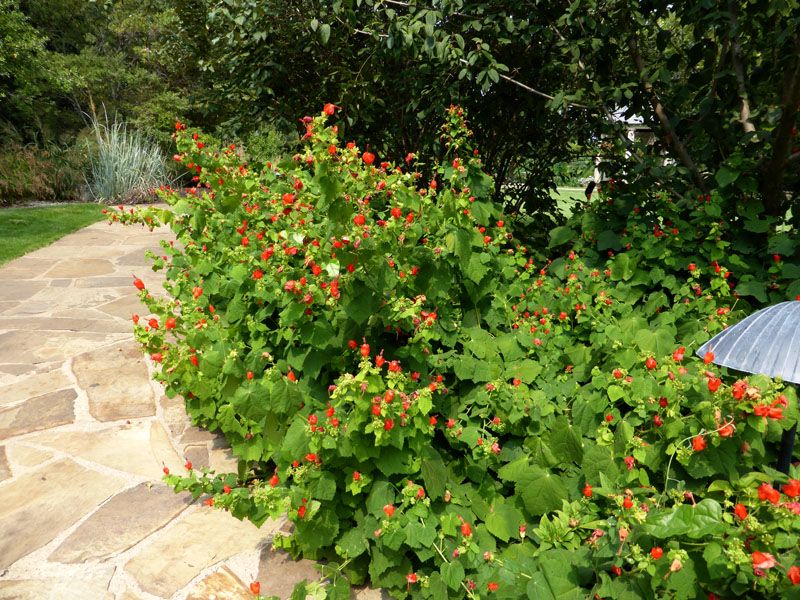
Red flowers on this shrub look like they hit the snooze button, with petals staying twisted in a swirl. That sleepy shape earned it the nickname sleeping hibiscus, and I find it charming every time.
Each bloom also resembles an old-fashioned turban, and botanists call the plant Malvaviscus arboreus var. drummondii.
It grows naturally along shady creek banks and woodland edges across the central and southern parts of the state.
Flowers usually appear from late spring until the first frost, and mild coastal winters can stretch that run even further. Few shrubs on this list match its stamina, especially when you count the months of steady color.
Shade is where this plant truly shines, since it blooms happily under trees where most flowering shrubs sulk. It also handles full sun, though leaves may look a bit droopy during the hottest afternoons.
Hummingbirds and butterflies visit the nectar all season, while birds snack on the small red fruits later. To my surprise, those fruits are edible for people too, with a mild flavor a bit like apple.
Most soils work fine, including heavy clay, and established plants get by on rainfall in many years. A deep watering during long dry spells keeps the leaves fresh and the flowers coming without pause.
Plants can spread into wide clumps about three to five feet tall, so give them some elbow room. If a freeze browns the stems, cut them back in late winter and watch fresh shoots return.
7. Red Yucca
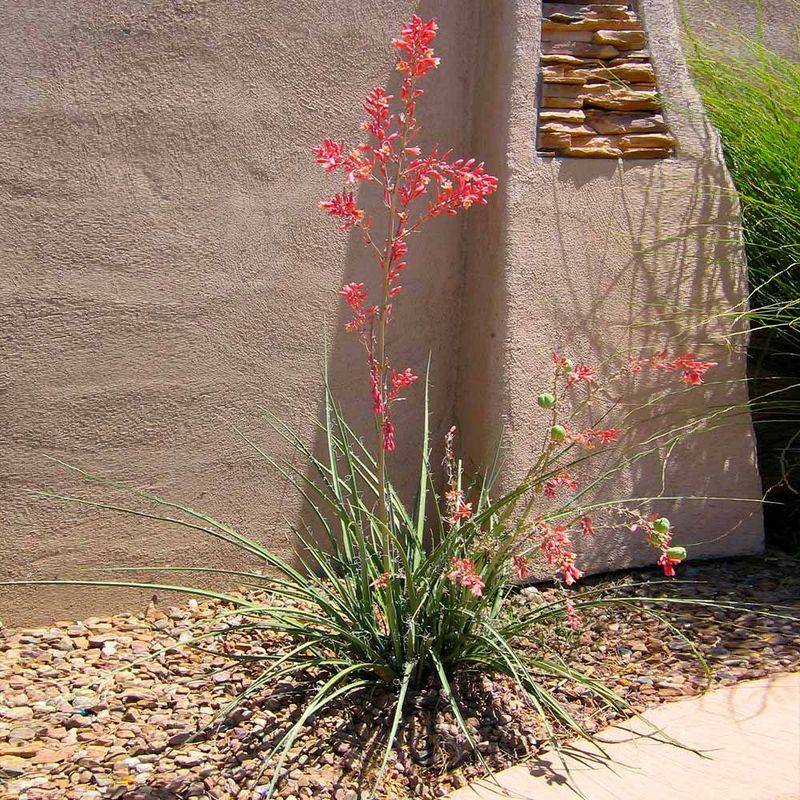
Tall coral flower spikes shoot up from this clump like fireworks frozen in midair, sometimes reaching five feet high. Hummingbirds zip between the tubular blossoms all summer, and I can watch that little show for hours.
Believe it or not, Hesperaloe parviflora is not a true yucca, though it belongs to the same plant family. Its narrow leaves lack the stabbing tips of real yuccas, which makes it friendlier near sidewalks and patios.
Look closely at the leaf edges and you will spot curly white threads that add texture all year. Those evergreen clumps stay attractive in winter, long after most perennials have faded back to bare stems.
Bloom stalks typically appear in late spring and keep coming through summer into fall, giving a remarkably long show.
Native to western Texas and northern Mexico, it handles scorching heat and cold snaps with equal calm.
Full sun and fast-draining soil are the only real demands, so skip low spots where water puddles after storms. Once established, it thrives on rainfall alone in many areas and rarely asks for any fertilizer.
Deer sometimes nibble the tender flower stalks, which can be frustrating right before a big bloom opens. A simple wire cage or a spray of repellent around the stalks usually solves that problem nicely.
Snip off old flower stalks at the base once they finish, and the plant looks tidy again instantly. You’ll wonder why you didn’t plant a whole row sooner once the hummingbirds start showing up daily.