This Invasive California Tree Gets Less Attention Than Pampas Grass But Destroys More Native Habitat Every Year
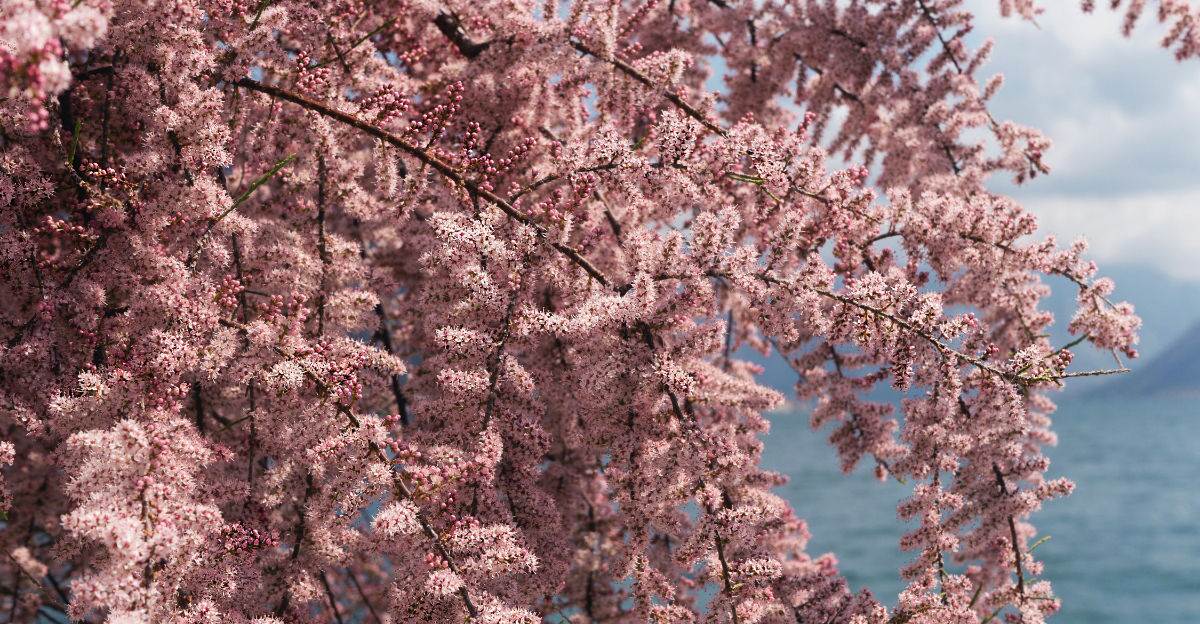
Pampas grass may attract more headlines, but a far quieter invader has changed huge stretches of California habitat with ruthless efficiency.
It thrives where water matters most, forms dense stands, and leaves native plants with little room to survive.
Its damage reaches far beyond one crowded patch of soil. The tree can alter streamside ecosystems, increase soil salinity, and reduce the quality of habitat that birds and other wildlife depend on.
Yet many homeowners still pass it without a second glance.
Part of the problem is its appearance. Soft foliage and delicate flowers can make it look harmless, even attractive.
That disguise has helped it spread while louder invasive species take most of the blame.
Once this tree takes hold, removal becomes difficult and recovery can take years. California’s native landscapes face a much bigger threat than its modest reputation suggests.
1. The Tree You Should Watch Out For
Not many invasive plants manage to fly under the radar the way tamarisk has for so long.
While gardeners pull pampas grass and land managers battle eucalyptus, this shrubby tree has been quietly colonizing waterways across the western United States for well over a century.
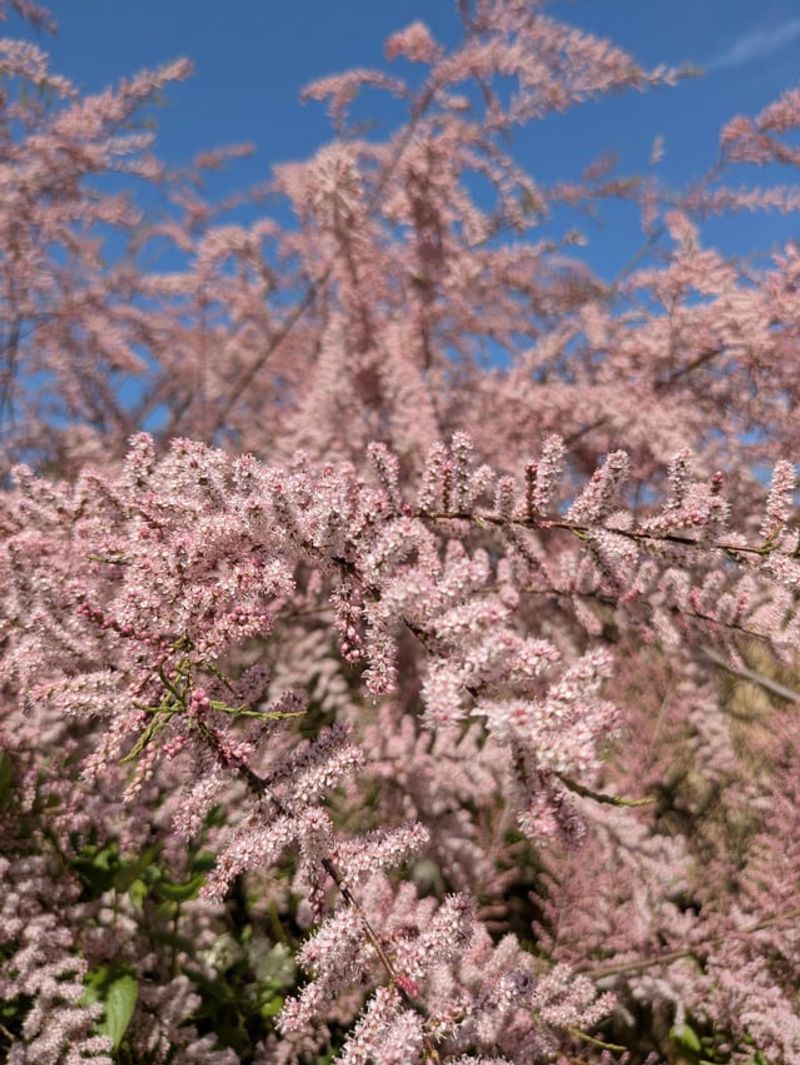
Tamarisk, known scientifically as Tamarix spp., looks almost pretty when it blooms. Its soft pink flowers and feathery green foliage give it an innocent appearance.
That beauty is part of what made it so popular as an ornamental and windbreak plant when it was first introduced.
But looks are deceiving. Beneath that delicate exterior is one of the most aggressive and water-hungry plants on the continent.
It outcompetes native vegetation, alters soil chemistry, and changes the physical structure of riverbeds and floodplains.
In California, tamarisk has established itself most heavily in the southern and eastern regions, particularly along the Colorado River and its tributaries. It thrives in hot, dry conditions and tolerates salt levels that would stop most other plants cold.
Land managers are paying more attention now, but the spread has already been enormous. Millions of acres across the West are affected.
Recognizing tamarisk and understanding its behavior is essential for anyone who wants to protect native riparian ecosystems before more ground is lost.
2. Saltcedar Spreads Along California Waterways
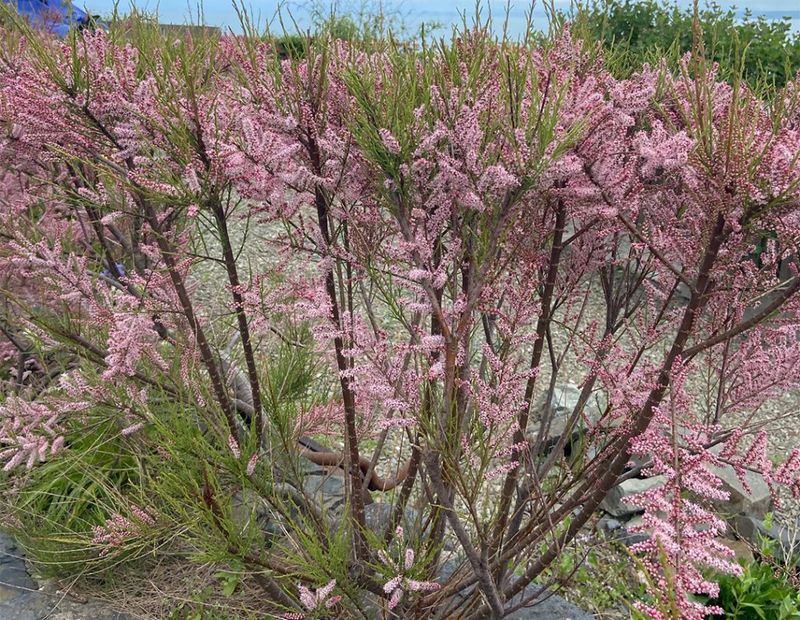
Along many of California’s rivers and streams, there is a familiar sight that most people do not think twice about. Thick, bushy trees line the banks, their soft foliage swaying gently in the breeze.
Many of those trees are tamarisk, and their presence signals a serious ecological problem.
Saltcedar earned its nickname because of how well it handles salty, alkaline soils. It actually deposits salt through its leaves, changing the soil around it over time.
That process makes the ground less hospitable for native plants that cannot tolerate high salt levels.
Rivers like the Owens, the Mojave, and sections of the Colorado have all seen significant tamarisk encroachment.
The plant establishes itself quickly after floods or disturbances, taking advantage of bare, moist soil before native species can recover.
Once saltcedar gets a foothold along a waterway, it tends to spread both upstream and downstream.
Your California Garden Changes Every Week. Your Plan Should Too.
Gardening in California changes quickly throughout the season. Every Friday you’ll receive a simple weekly plan showing exactly what to plant, prune, fertilize, harvest, and protect so you never miss the right timing.
Seeds travel easily on the water’s surface, and new plants can take root within just a few weeks of germination.
The problem is not limited to large rivers. Even small seasonal streams and irrigation canals can support tamarisk growth.
Anywhere water is available, even briefly, this tree is ready to move in and start changing the landscape around it in ways that are very difficult to undo.
3. Tiny Seeds Move Easily With Wind And Water
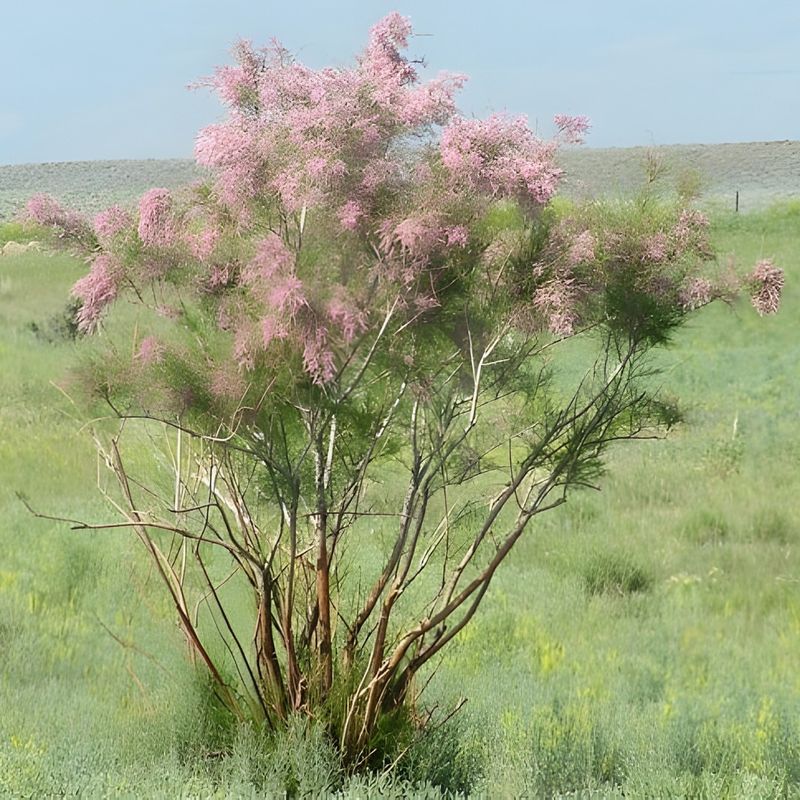
One of the biggest reasons tamarisk spreads so effectively is its remarkable ability to produce and distribute seeds.
A single mature tamarisk plant can release hundreds of thousands of seeds every year. That number alone is staggering.
Each seed is incredibly small and attached to a tuft of cottony fiber. That design makes it almost perfectly suited for wind dispersal.
Seeds can travel long distances on a light breeze, drifting across open landscapes and landing far from the parent plant.
Water is an equally powerful delivery system. Seeds float easily and can remain viable while traveling downstream for days.
Every flood event becomes an opportunity for tamarisk to colonize new stretches of riverbank far beyond where it currently grows.
What makes this even more challenging is the speed at which seeds germinate. Under the right conditions, tamarisk seeds can sprout within 24 hours of landing on moist soil.
Few native plants can compete with that kind of rapid establishment.
The reproductive window is also long. Tamarisk produces seeds from spring through fall, giving it multiple opportunities throughout the growing season to spread.
Native plants that reproduce only once a year simply cannot keep up with that pace.
Understanding how seeds move helps explain why tamarisk is so hard to contain. Stopping spread requires addressing not just existing plants but also the conditions that allow new seedlings to take hold year after year.
4. Streambanks Give Tamarisk A Foothold
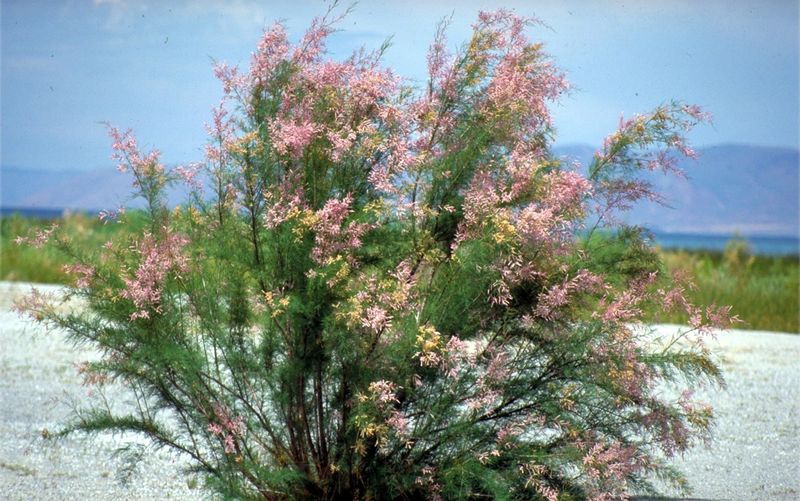
Streambanks are some of the most dynamic and vulnerable landscapes in any region. They get scoured by floods, exposed by drought, and disturbed by human activity.
All of that disturbance creates exactly the kind of open, bare ground that tamarisk loves.
After a flood strips away existing vegetation, tamarisk is often one of the very first plants to move in.
Its seeds arrive quickly, germinate fast, and establish deep root systems before competing plants have a chance to recover. That early-mover advantage is hard to beat.
The root system of tamarisk is remarkably aggressive. Roots can reach down 30 feet or more in search of groundwater.
That depth gives the plant access to moisture that surface-rooted native plants simply cannot reach during dry spells.
Streambanks in arid and semi-arid regions of California are especially vulnerable. The combination of periodic flooding, hot dry summers, and limited native plant recovery creates ideal conditions for tamarisk to spread and dominate.
Human changes to waterways make the problem worse. Dams alter natural flood cycles, which changes the conditions that native riparian plants evolved to rely on.
Meanwhile, tamarisk adapts easily to altered flow regimes and continues spreading regardless.
Protecting streambanks from tamarisk requires active restoration work. Simply removing the invasive plant is not enough.
Native vegetation must be replanted quickly to prevent bare soil from becoming another open invitation for tamarisk to return.
5. Dense Thickets Crowd Out Native Plants
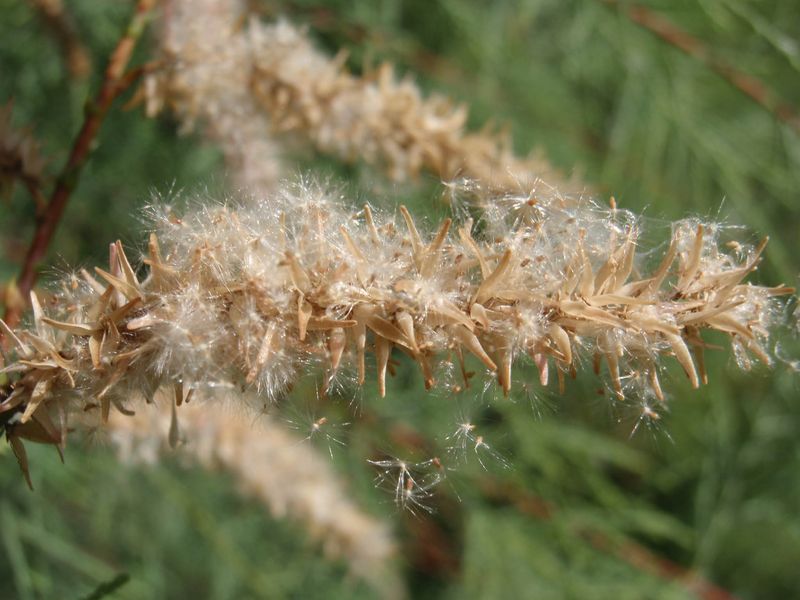
There is something almost architectural about the way tamarisk grows. Over time, individual plants merge into dense, impenetrable thickets that change the entire character of a riparian zone.
Standing at the edge of one of these thickets feels like looking at a wall. Inside that wall, little else survives. The dense canopy blocks sunlight from reaching the ground.
The altered, salty soil discourages native seedling growth. And the sheer physical mass of the tamarisk stems leaves no room for other plants to establish.
Native riparian plants like willows, cottonwoods, and mulefat need open, sunlit areas to get started.
Young seedlings of these species cannot compete in the deep shade created by a mature tamarisk thicket.
The result is a gradual but steady replacement of diverse native plant communities with single-species tamarisk stands.
Biodiversity collapses in these areas. Where a healthy riparian zone might support dozens of native plant species, a tamarisk-dominated stretch may support just one.
That loss of plant diversity ripples outward, affecting every animal, insect, and bird that depends on native vegetation.
The longer a thicket remains in place, the harder it becomes to restore native plants. Soil chemistry changes accumulate over time, making recovery more difficult even after tamarisk is removed.
Early intervention is always far more effective than trying to restore land after decades of tamarisk dominance.
6. Cottonwoods And Willows Lose Growing Room
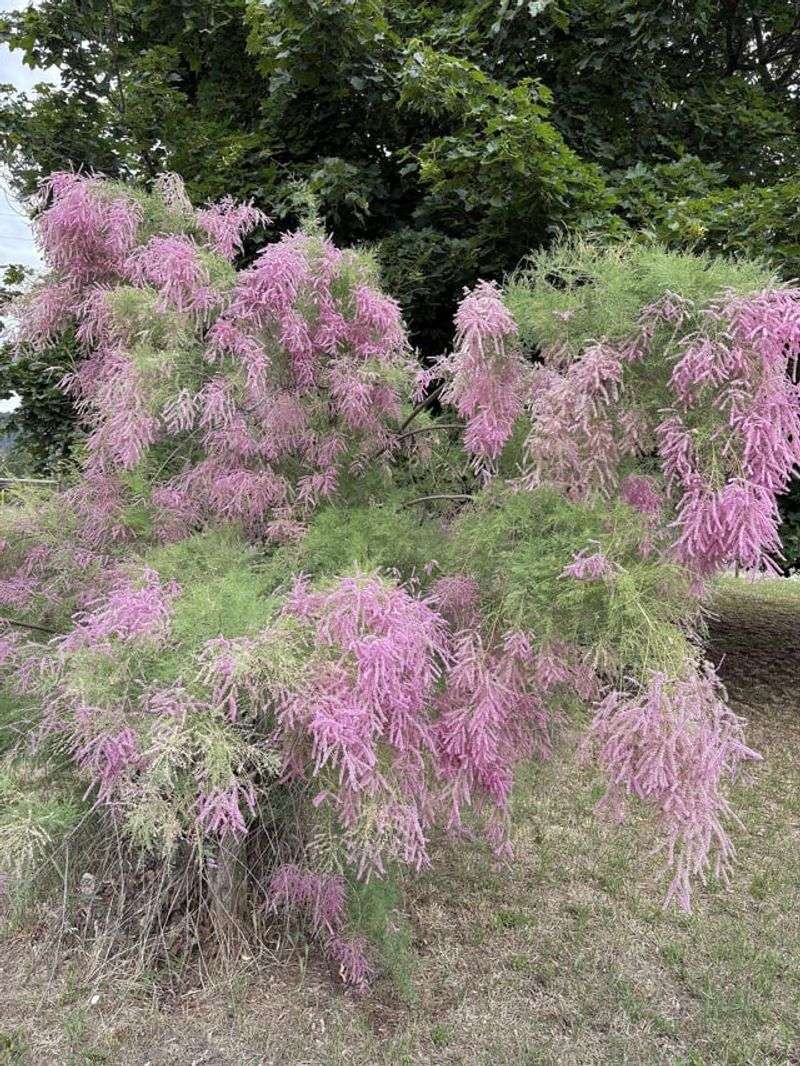
Few trees are more iconic along western rivers than the cottonwood and the willow. Their broad canopies provide shade, their roots stabilize banks, and their branches support an enormous variety of wildlife.
They are the backbone of healthy riparian ecosystems across California.
Tamarisk is pushing them out. As saltcedar spreads along riverbanks, it competes directly with cottonwood and willow seedlings for the moist, open ground those species need to establish.
Young cottonwoods and willows grow relatively slowly, and they cannot match the establishment speed of tamarisk.
The result is a generational shift in riparian forests. Mature cottonwoods and willows may still stand in some areas, but when they eventually fall, there are no young native trees ready to replace them.
The next generation of the forest is being quietly replaced by tamarisk before most people even notice.
Water competition makes the problem even sharper. Tamarisk uses a tremendous amount of water, sometimes more than 200 gallons per plant per day during peak growing season.
That level of water use lowers the water table, making it even harder for native trees to access the moisture they need.
Restoration efforts that focus on removing tamarisk and replanting native cottonwoods and willows have shown real promise. But success depends on consistent follow-up.
Without ongoing management, tamarisk returns quickly and the hard work of restoration can be undone in just a few growing seasons.
7. Wildlife Habitat Changes When Tamarisk Takes Over
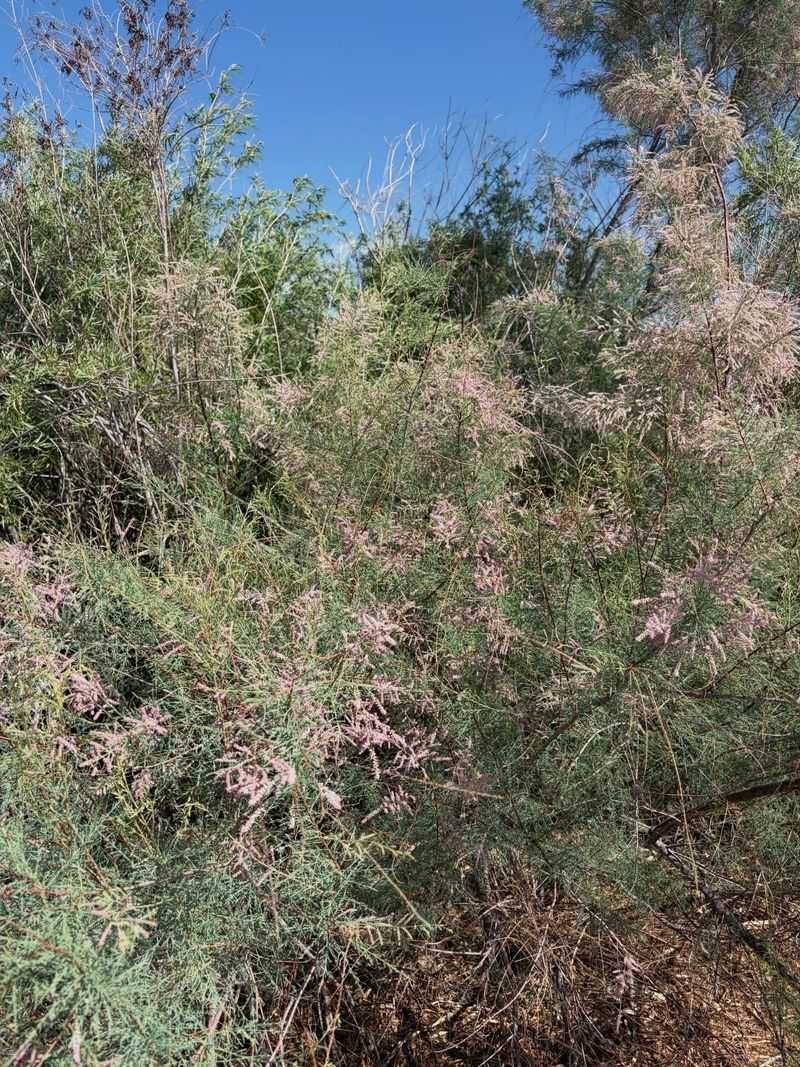
Animals do not always have the option of simply moving somewhere else when their habitat changes.
For many species that depend on native riparian vegetation, the spread of tamarisk has created a slow-moving crisis that plays out across generations.
Birds are among the most affected. Species like the yellow warbler, the summer tanager, and the endangered southwestern willow flycatcher rely on native willows and cottonwoods for nesting and feeding.
As tamarisk replaces those trees, suitable nesting habitat shrinks and becomes fragmented.
Interestingly, the southwestern willow flycatcher has begun nesting in tamarisk in some areas simply because native habitat has become so scarce.
That adaptation might sound hopeful, but research shows that nesting success in tamarisk is generally lower than in native vegetation.
Insects are affected too. Native insects evolved alongside native plants.
Many cannot use tamarisk for feeding or reproduction. Fewer insects means less food for insectivorous birds and other animals, creating a ripple effect through the food web.
Amphibians and reptiles that depend on shaded, moist ground near rivers also struggle in tamarisk-dominated areas.
The altered soil and reduced moisture near the surface change the microhabitats these animals need to survive.
The full ecological cost of tamarisk spread is still being studied, but the picture that is emerging is not a good one.
Protecting native habitat now is far more effective than trying to restore it after tamarisk has transformed an entire ecosystem.
8. Dry Regions Feel The Impact Fastest
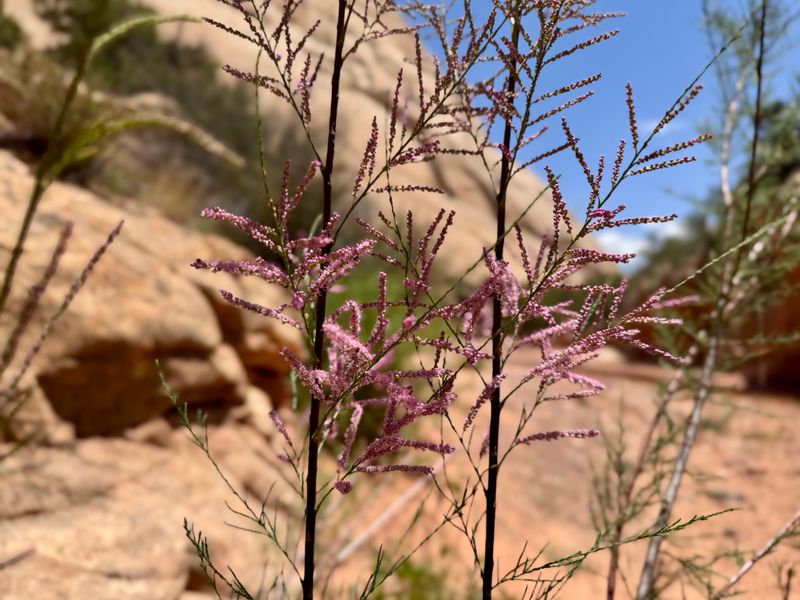
Water is precious in arid landscapes. Every drop that flows through a desert wash or seasonal stream supports a surprising amount of life.
That makes the arrival of a plant that consumes water at the rate tamarisk does especially damaging in dry regions.
Southern and eastern parts are feeling the effects most acutely. In areas where annual rainfall is already low and surface water is limited, tamarisk puts intense additional pressure on already stressed water supplies.
The Mojave Desert region has seen significant tamarisk encroachment along its stream corridors and oasis habitats.
These are some of the most ecologically sensitive spots in the entire state, supporting rare plants, migratory birds, and species found nowhere else in the world.
Desert springs and seeps are particularly vulnerable. Even a small tamarisk stand near a desert spring can measurably reduce water output, affecting every plant and animal that depends on that water source.
The impact spreads far beyond the immediate area where the trees are growing.
Farmers and ranchers in arid regions have also noticed the impact. Tamarisk along irrigation canals and water delivery systems can reduce available water and increase maintenance costs.
The economic impact adds another layer to what is already an environmental problem. Prioritizing removal efforts in the driest regions makes practical sense.
The ecosystems there have the least resilience to additional stress, and the benefits of restoration can be seen relatively quickly once the pressure of tamarisk is removed.
9. Cutting Alone Rarely Solves The Problem
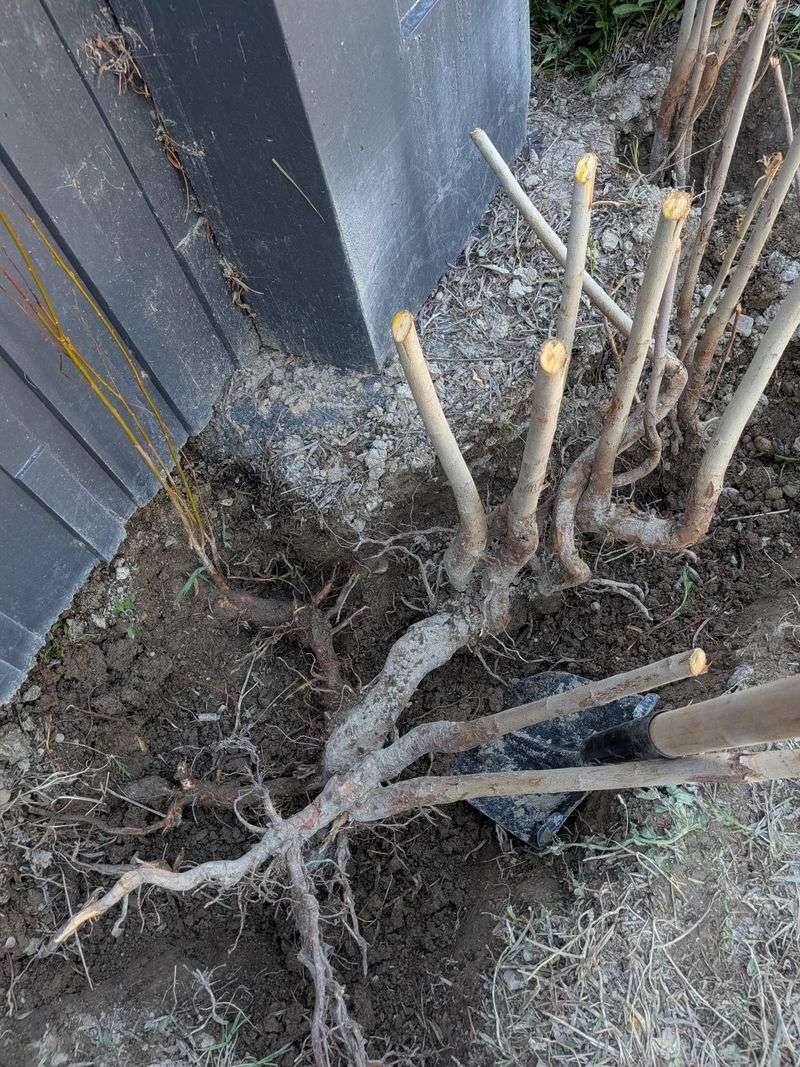
Many people assume that if you cut down an invasive plant, the problem is solved. With tamarisk, that assumption leads to frustration and wasted effort.
Cutting the stems down to the ground almost always results in vigorous resprouting from the root crown within weeks.
A single tamarisk stump can send up dozens of new shoots after being cut. Those shoots grow fast, sometimes faster than the original plant, fueled by the energy stored in the extensive root system below ground.
Without follow-up treatment, cutting just delays the problem rather than solving it.
Effective removal almost always requires treating cut stumps immediately with an approved herbicide.
That combination of cutting and chemical treatment targets the root system and prevents resprouting.
Even then, follow-up monitoring is essential to catch any plants that resprout or new seedlings that establish.
Biological control has also been introduced in some areas. A leaf-eating beetle called Diorhabda carinulata was approved for release in the western United States specifically to attack tamarisk.
Results have been mixed, and the beetle is not suitable for all areas, particularly where the endangered willow flycatcher nests in tamarisk.
Successful tamarisk management is a long-term commitment. It requires coordinated effort across property boundaries, consistent funding, and a follow-up plan that includes native plant restoration.
Communities and land managers working together have the best chance of making a lasting difference in the fight against this persistent invader.