That Silver Bug In Your Louisiana Bathroom Is Harmless
The tiny creature that zipped past my bathtub last night belongs to a lineage older than the dinosaurs. Its ancestors were scurrying around long before the first flowers bloomed.
I froze with my toothbrush in hand. It shimmered like a fish scale and wiggled straight into a crack beside the baseboard. Gone in two seconds flat.
After I calmed down, a little digging gave me real peace of mind. Our steamy Louisiana air turns many homes into a five-star resort for this odd little guest.
Damp towels, warm tile, and a few crumbs of paper are about all it asks for, and few places on earth deliver that better than a Louisiana bathroom.
You might notice one darting across the floor at midnight or hiding under a bath mat at dawn. Meet the silverfish, the ancient bathroom squatter that has outlived the dinosaurs and plans to outlast your humidity too.
That Shiny Wiggler Under Your Bath Mat Has A Very Old Family Tree
Scientists call it Lepisma saccharinum, but most of us know it as the silverfish. It belongs to an ancient group of wingless insects with roots stretching back roughly 400 million years.
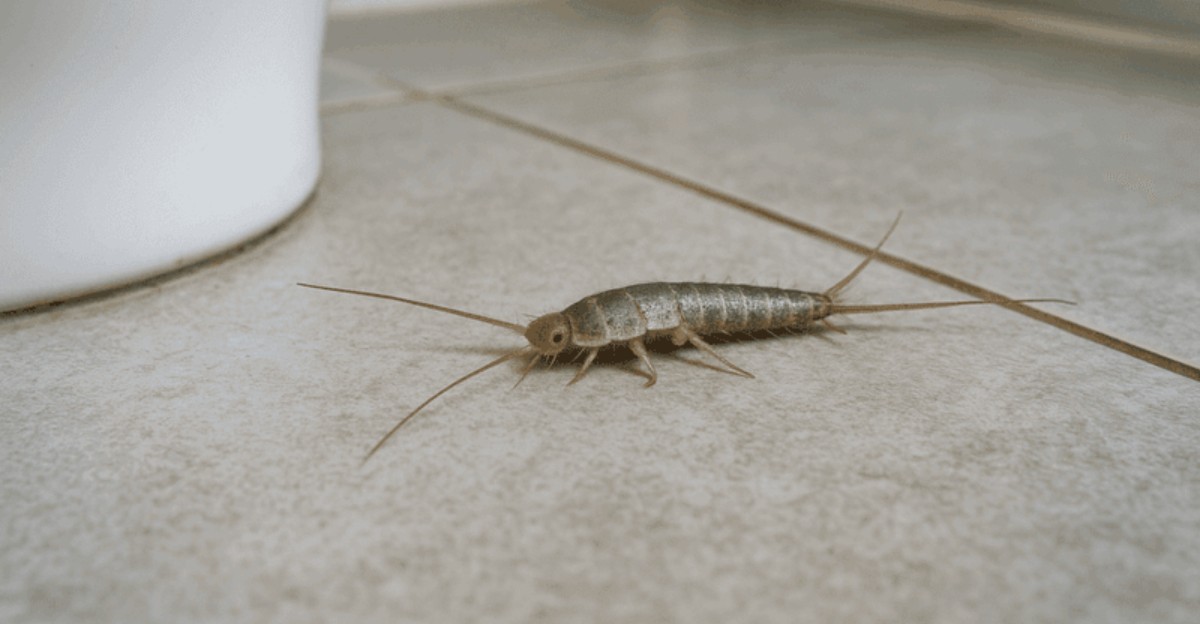
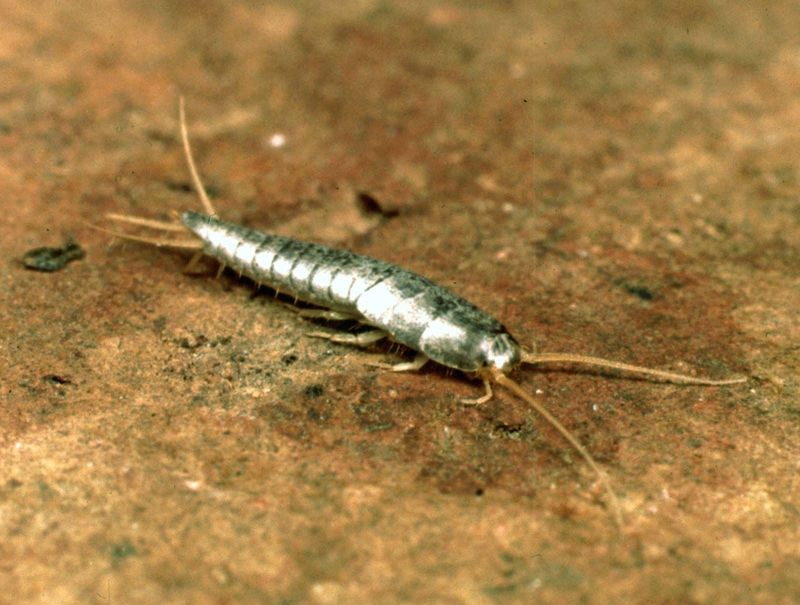
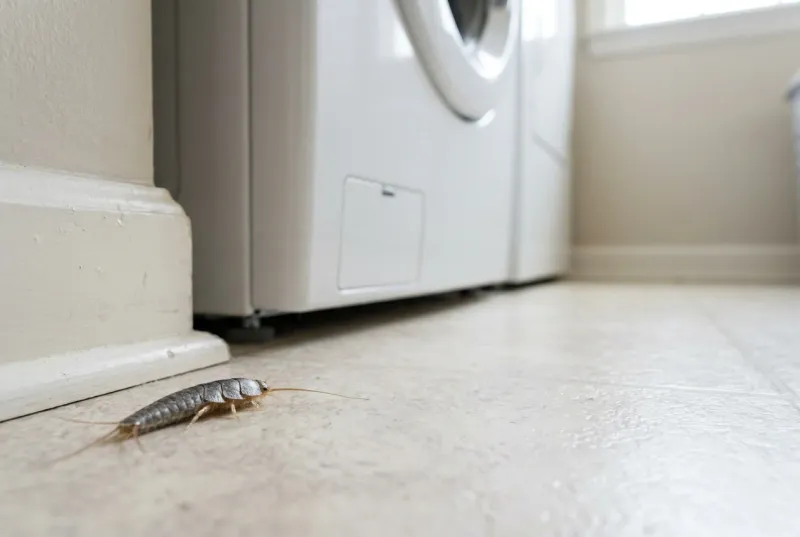
Spotting one is easier once you know the shape. The body is flat and shaped like a carrot or teardrop, wide at the head and narrow at the tail. Adults usually measure about half an inch to three quarters of an inch long.
Tiny silver-gray scales cover the whole body and give it that metallic shine. Up front, you will see two long, thread-like antennae. Out back, three bristly tails trail behind like little streamers.
The way it moves is the real giveaway. A silverfish runs in quick, side-to-side wiggles that look a lot like a fish swimming through water. That motion explains the common name.
A close cousin, the firebrat, looks similar but has a mottled brown and gray body. Firebrats prefer hotter spots, like near water heaters or ovens.
In many Louisiana homes, you might find both. Neither one has wings, so if your mystery bug flew away, you are dealing with something else entirely different.
Silverfish Don’t Bite, Sting, Or Spread Disease
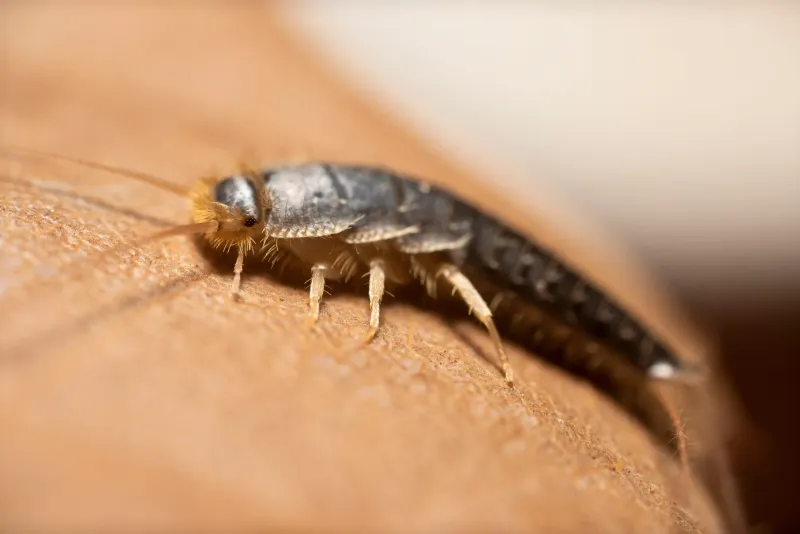
Relax and breathe easy, because this bug cannot hurt you. Silverfish have weak mouthparts built for scraping and chewing soft materials, not for piercing skin. They do not sting either. Those three tails at the rear are just bristles, not weapons.
Even if one runs across your foot at night, it is simply looking for a dark place to hide. Plenty of Louisiana homeowners have met one this way and lived to tell the tale.
University extension entomologists agree that silverfish are not known to carry or spread disease to people or pets. Your dog or cat may chase one around the bathroom, and that is mostly harmless too.
A small number of people may notice mild allergy symptoms from shed skins and scales. Silverfish molt many times during their lives, sometimes dozens of times. In a large, long-term population, those bits can collect in dust.
If anyone in your home has asthma or allergies, regular vacuuming helps keep that debris down, and in muggy Louisiana weather, a little extra cleaning goes a long way. For most families, though, the issue is simple annoyance.
So the real worry is not your health. It is your stuff. Silverfish can nibble on paper, fabric, and stored food, which is why a few visitors deserve attention before they become a crowd in any Louisiana household.
Steamy Showers Turn Your Bathroom Into A Silverfish Spa
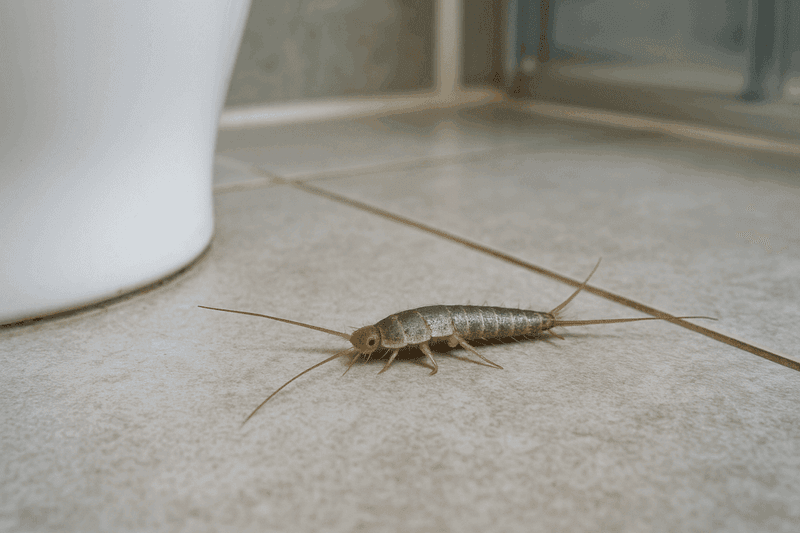
Hot showers are my favorite way to unwind after a sweaty day weeding the vegetable beds. Unfortunately, silverfish love them too, just for different reasons.
These insects crave moisture. Research shows they do best when relative humidity sits around 75 to 95 percent. A closed bathroom after a long shower easily reaches that range.
Warmth matters as well. Silverfish thrive at temperatures between about 70 and 80 degrees Fahrenheit, which matches most air-conditioned homes. Add Louisiana’s muggy climate, and indoor conditions stay friendly for them nearly all year.
Bathrooms also offer plenty of hiding places. Gaps behind tub surrounds, spaces under sinks, and loose baseboards make cozy daytime shelters.
Silverfish are nocturnal, so they rest in these dark spots and come out after you turn off the lights.
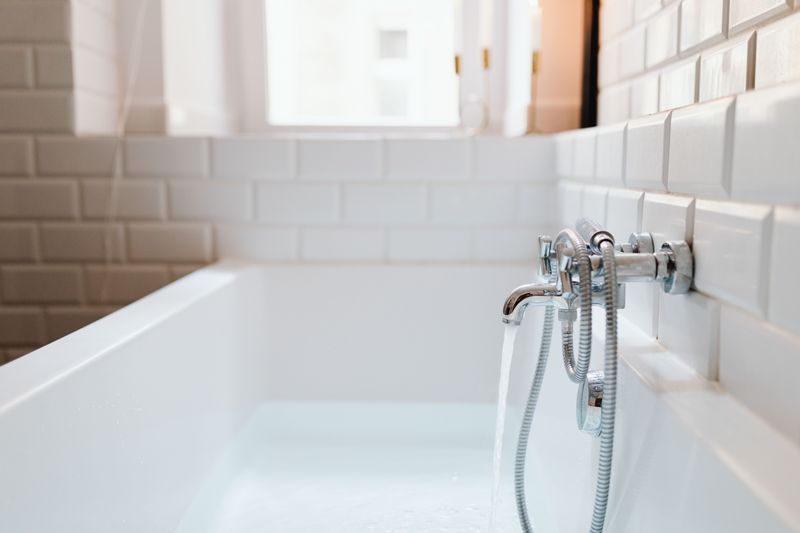
Bathtubs create a funny trap of their own. Many people find silverfish stuck in the tub and assume they crawled up the drain. More often, they wandered in looking for moisture and could not climb the slick sides.
Once you understand this love of damp, warm darkness, the fix starts to make sense. Change the conditions, and the bathroom loses its appeal.
Drying Out Damp Corners Sends Silverfish Packing
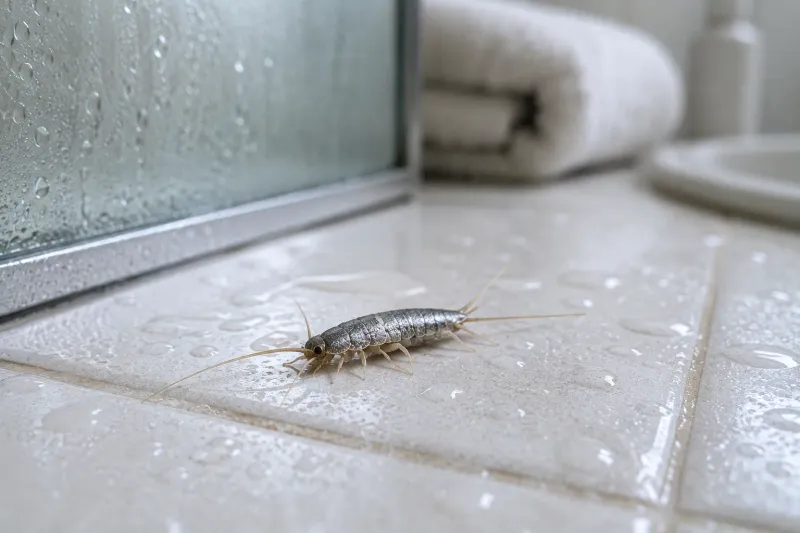
Moisture control is the single most powerful tool you have. I learned this after months of spotting silverfish, then watching them fade once the bathroom stayed drier.
Start with the exhaust fan. Run it during every shower and for at least 20 to 30 minutes afterward. If you lack a fan, crack a window or leave the door open.
A dehumidifier can help a lot in Louisiana’s sticky summers. Aim to keep indoor humidity below about 50 percent. Many affordable units include a built-in gauge, so you can track progress.
Leaks deserve quick attention. Check under sinks, around toilet bases, and behind washing machines for drips or soft spots. Even a slow leak creates a steady water source for these bugs.
Hang towels and bath mats so they dry fully. Piles of damp laundry on the floor make perfect shelters.
Finally, caulk gaps around tubs, baseboards, pipes, and window frames. Sealing those cracks removes hiding spots and blocks travel routes between rooms.
None of these steps require harsh sprays. Mostly, they just make your home less welcoming, and that alone often reduces numbers in a few weeks.
Paper, Glue, And Starch Top Their Favorite Snack List
Picky eaters they are not, but silverfish do have clear favorites. They hunt for starches, sugars, and proteins, especially the kind found in everyday household items.
In the bathroom, that means toilet paper, tissue boxes, and cardboard rolls. They will scrape at soap scum, shampoo residue, hair, and flakes of skin. Wallpaper paste and book bindings are also popular targets.
Elsewhere in the house, they go after flour, cereal, oats, and dry pet food. Cotton, linen, silk, and rayon fabrics can take damage, particularly if clothes were starched. Old photos, letters, and paperback books are frequent victims.
Here is a fun fact for your next family dinner. Silverfish can survive many months without eating, as long as they have moisture. That patience helps them hang on in quiet storage areas.
To protect your treasures, move paper and keepsakes out of humid rooms. Store them in sealed plastic bins instead of cardboard boxes.
Keep pantry foods in airtight glass or plastic containers. Recycle old newspapers and magazines rather than letting them stack up. Fewer snacks and fewer shelters add up to fewer silverfish over time.
Tiny Pepper Droppings And Shed Skins Reveal Hidden Silverfish
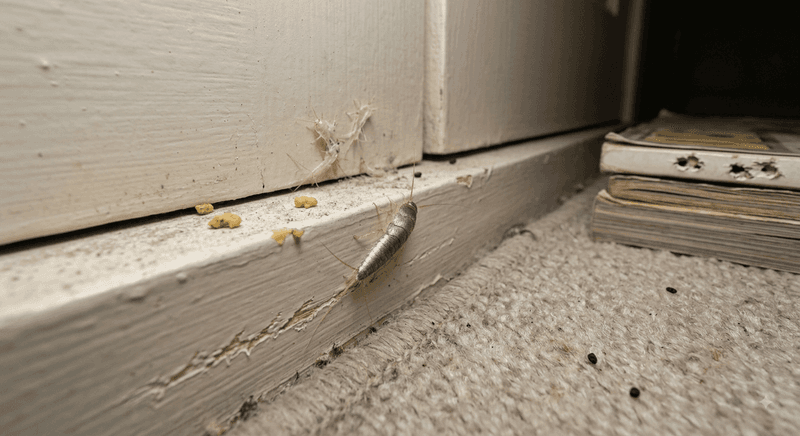
Seeing one silverfish at night does not always mean a big problem. Still, a few clues can tell you whether more are hiding nearby.
Watch for small black specks that look like ground pepper. These droppings often show up on shelves, in drawers, or behind stored boxes.
Shed skins are another strong hint. They look like thin, see-through silverfish ghosts, sometimes with a faint shimmer of scales. Because silverfish keep molting as adults, you may find several in one spot.
Check papers and fabric for feeding damage. Silverfish leave irregular holes, ragged edges, and surface scrapes rather than neat round holes. Light yellowish stains on clothing can also point to their activity.
Want a quick test? Wrap a small glass jar in masking tape so they can climb the outside. Drop a bit of bread or cracker inside, then set it in a dark corner overnight.
Silverfish climb in but struggle to escape the slick glass. Counting your catch helps you see how many are around.
If you catch one or two, simple moisture fixes may be enough. A jar full each morning suggests a larger population worth closer attention.
Bigger Silverfish Crowds Call For Traps Or A Pro
Sometimes drying things out is not quite enough, especially in older Louisiana homes with crawl spaces and drafty walls. A few extra steps can help you take back control.
Sticky traps placed along baseboards, under sinks, and inside cabinets catch wandering silverfish. They also show you where the busiest routes are.
Diatomaceous earth is a popular low-toxicity option. Lightly dust it into cracks and wall voids where pets and kids cannot reach. The fine powder damages the insects’ outer coating and dries them out.
Boric acid baits are another choice. Follow label directions carefully and keep them away from children and animals.
Do not forget outdoor clues. Mulch, leaf litter, and woodpiles pressed against your foundation hold moisture and can welcome silverfish indoors. Pull mulch a few inches back from the walls and keep gutters flowing.
Cardboard boxes from damp storage units or garages may carry hitchhikers inside, so unpack them outdoors when you can.
If numbers stay high after several weeks of effort, call a licensed pest control company. They can find hidden moisture problems and suggest a long-term plan. Either way, you can sleep well tonight knowing this ancient visitor means no harm.