What To Do If You Already Have Running Bamboo In Your New Jersey Yard
Many New Jersey towns have adopted local ordinances that put legal rules on a backyard grass, and bamboo is the plant behind them. That grass can reach forty feet tall and send underground runners racing toward the neighbor’s tidy lawn.
Under many local ordinances, planting the running kind without a barrier near property lines can bring surprisingly real fines in New Jersey. Owners can also pay the bill when roots wander next door and need careful digging out.
I watched one tidy privacy screen turn into a sprawling grove across two yards in a few summers. You might notice fresh spears popping up in your lawn, far from the bed where anyone planted them.
Turns out calm planning beats panic, and smart steps can keep both your yard and neighbors happy. Cut it, treat the regrowth, and keep showing up every season until the roots give out.
1. Identify Running Bamboo By Its Long Spreading Rhizomes
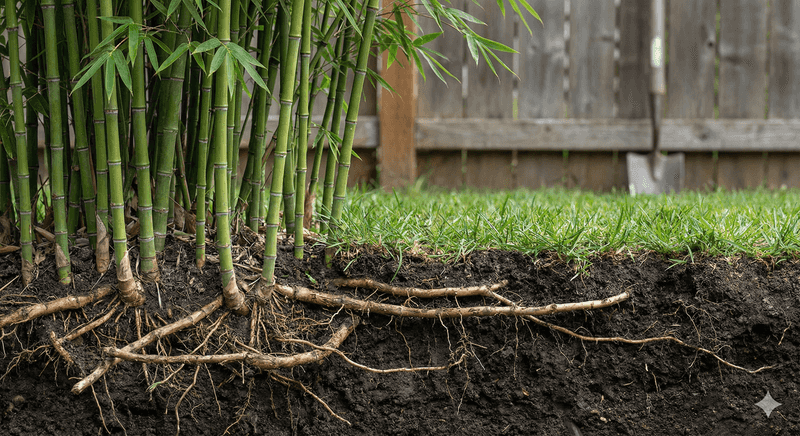
Bamboo comes in two very different personalities, and only one of them causes most backyard headaches for homeowners. Running types, like many Phyllostachys species, send long underground stems sideways for many feet each year.
Clumping bamboo, such as Fargesia, grows in tight bunches that widen slowly and rarely sneak into the neighbor’s yard. I find that knowing which group you have changes every decision you make about the grove afterward.
Start by gently digging along the edge of your patch with a hand trowel on a mild day. Running rhizomes look like pale, jointed cords traveling straight outward, often just a few inches below the surface.
Clumpers usually show short, curved rhizomes that turn upward quickly and stay close to the parent plant’s base. You might also notice running canes popping up several feet apart instead of standing together in a tidy bundle.
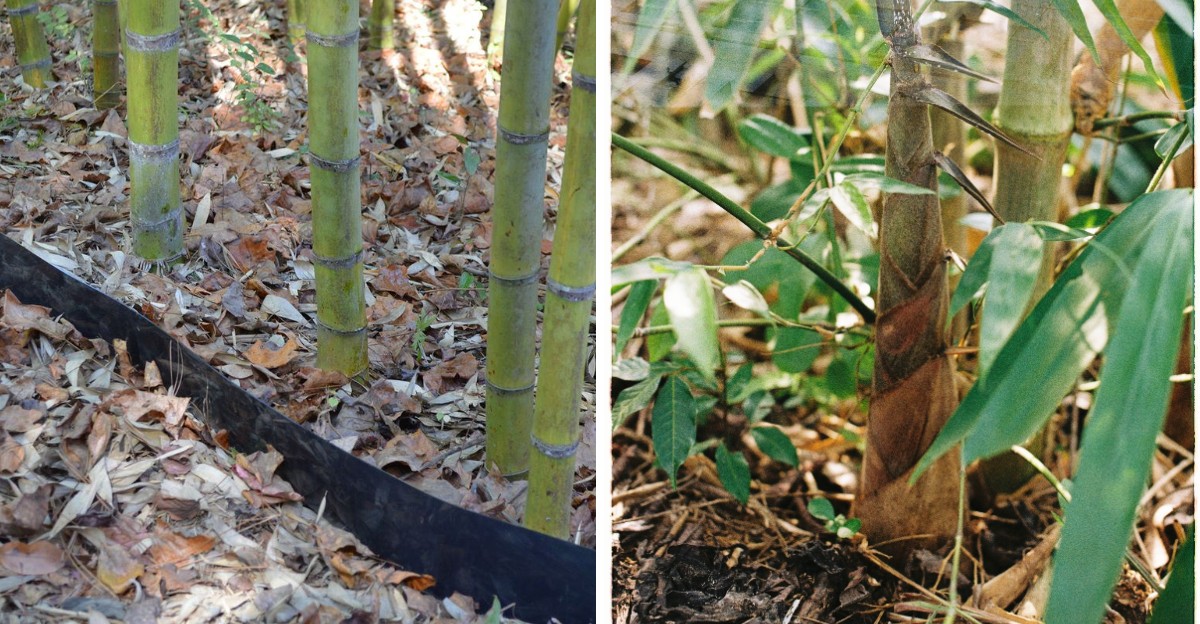
Snap a few clear photos of the canes, leaves, and grooves, then compare them with trusted extension guides. Many running bamboo canes have a flat groove running along one side between each joint, which helps with identification.
Still unsure after looking closely at your plants and photos in different light and seasons of the year? Your county Rutgers Cooperative Extension office can help, and that small step saves you from guessing wrong later.
2. Check Your Township Bamboo Ordinance Before Digging
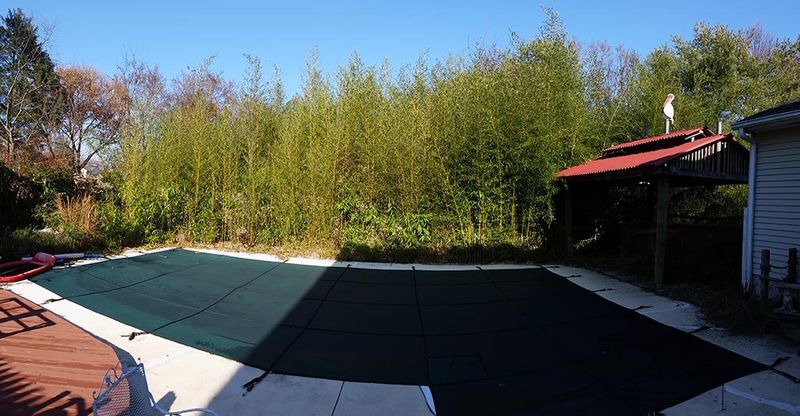
Paperwork rarely feels exciting, yet a quick look at local rules might save you a surprising amount of money. Many New Jersey municipalities have adopted their own bamboo ordinances, so the rules vary by town.
Many local ordinances require a proper barrier for running bamboo planted within one hundred feet of a property line. Under many local ordinances, owners can be held responsible for removal costs when their bamboo spreads onto a neighbor’s land or public property.
Local ordinances often set their own setback distances, barrier details, or fine amounts for repeat problems. Princeton, for example, has posted its own bamboo guidance, so checking your specific town website makes real sense here.
Call your township clerk or code enforcement office and ask which version applies to your street and lot. I like writing down the date, the person’s name, and their answer, just in case questions come up later.
State agriculture officials have also limited the sale of many invasive plants, so nurseries may stop offering some favorites. Those sales rules mostly target selling and distributing plants, so confirm locally what they mean for your existing yard.
Talking with your neighbor early can calm things down before anyone thinks about filing a formal complaint with officials. A friendly chat over the fence often works better than a letter from the town ever could.
3. Install A Deep Plastic Bamboo Barrier Around The Grove
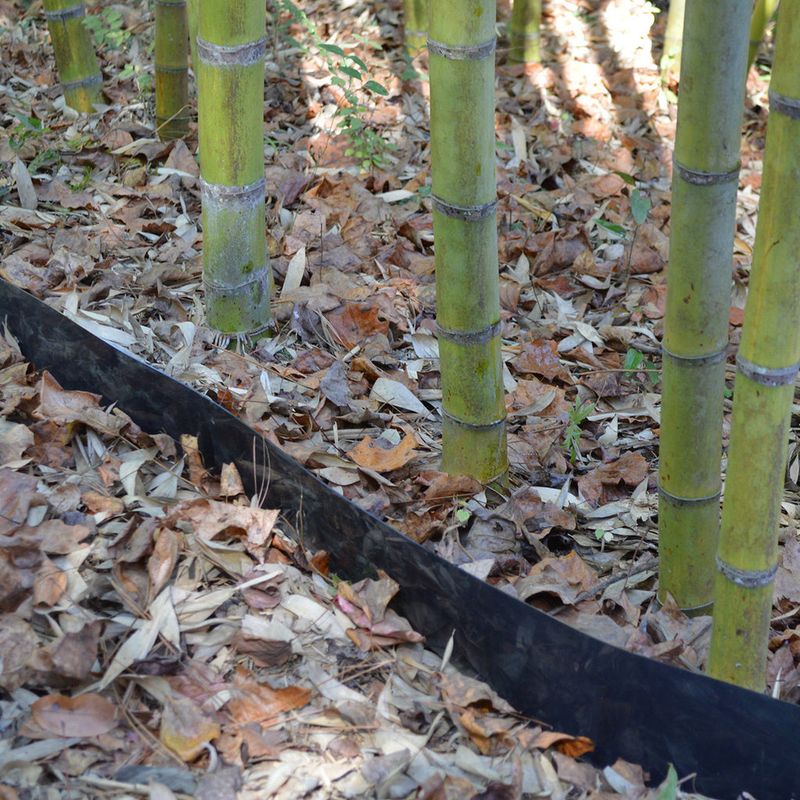
Think of a good barrier as an underground fence that politely tells wandering rhizomes they have reached the end.
Most experts recommend high-density polyethylene sheeting that is at least sixty mil thick for running bamboo, and that standard holds up well in New Jersey’s clay and loam soils.
Dig a trench about twenty-four to thirty inches deep around the grove you plan to keep long term. Leave roughly two to three inches of barrier sticking above the soil, so you can spot rhizomes trying to climb over.
Overlap the seam ends generously and seal them with stainless steel clamps or special barrier tape made for joining. Weak seams are a common escape route, and rhizomes seem to find those gaps with impressive and annoying skill.
Angle the top of the barrier slightly outward, which encourages rhizomes to bend upward instead of diving underneath. I find that a tidy, continuous loop looks like a giant plastic pot sunk deep into the lawn.
Thin landscape edging or garden fabric rarely holds up against running bamboo for very many seasons at all.
Spending more upfront on proper material usually costs far less than paying to remove an escaped grove next door, and local ordinances in New Jersey make that math even clearer
Hiring a crew with a trenching machine can make sense for long runs or rocky soil near foundations. You still want to inspect their work, especially the seams, before the trench gets filled back in completely tight.
4. Slice Wandering Bamboo Rhizomes With A Sharp Spade
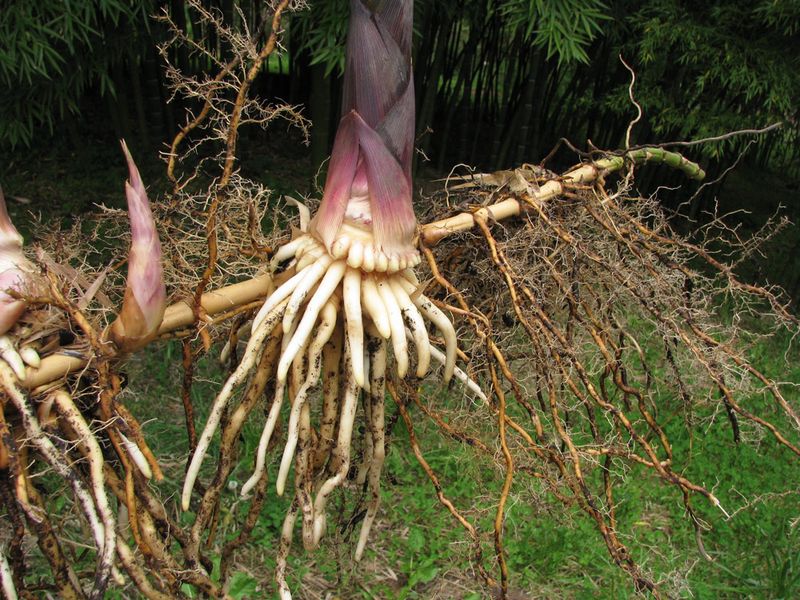
There is a satisfying crunch when a sharp spade slices through a sneaky rhizome heading for your flower bed. That sound means you just stopped next year’s surprise shoot from popping up somewhere you did not want.
Running bamboo rhizomes usually travel fairly shallow, often within the top several inches of loose garden soil. A flat spade or a heavy edging tool pushed straight down can reach most of them without much trouble.
Walk the outside edge of the grove and drive the blade in every few inches, like stitching a seam. Many growers suggest doing this at least once a year, with late summer and fall being popular times.
Pull out any cut sections lying outside your boundary, because they can sometimes sprout again if left in the soil. I keep a bucket nearby so loose pieces go straight into it instead of hiding in the grass.
Root pruning works nicely with a barrier, though it can also slow spread on its own with steady effort. You might notice the grove looking tidier and less pushy after a couple of seasons of regular edge work.
Keep your spade sharp with a file, since a dull blade bounces off tough rhizomes and tires your arms quickly. Wearing sturdy boots helps too, because you will be stomping on that spade more than you expect today.
5. Snap Off Fresh Bamboo Shoots Every Spring
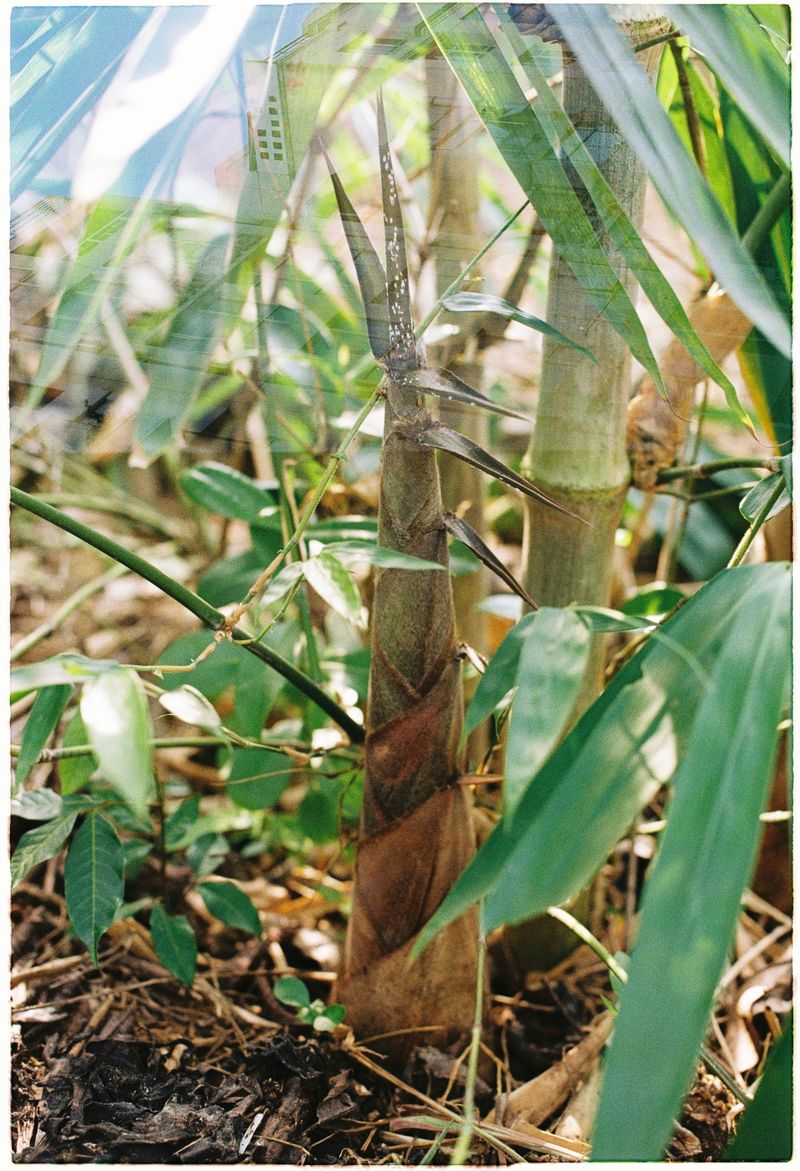
Fresh bamboo shoots shoot up shockingly fast, sometimes gaining well over a foot in a single spring day. In our region, new spears usually appear from about April into early summer, depending on the weather and species.
Young shoots are soft and brittle, so you can often kick them over or snap them off by hand. Waiting even a couple of weeks turns them into woody canes that need loppers or a saw to cut.
Removing new shoots prevents fresh leaves from forming, which slowly drains energy stored in the underground rhizome network. Your patience matters here, because this approach usually takes several growing seasons before you see a real slowdown.
Mowing works great for shoots that pop up in the lawn, since the mower catches them while they are tender. I like to walk the yard every few days during shooting season, coffee mug in hand and gloves ready.
Some homeowners combine shoot removal with a carefully applied herbicide on regrowth, following the product label very closely. Read the label twice, protect nearby plants, and ask your extension office before trying chemicals near water or gardens.
Fun fact, shoots from certain bamboo species are a popular vegetable in many parts of Asia after proper cooking. Check species and preparation carefully before eating any, because some raw shoots contain compounds that need thorough cooking first.
6. Call A Bamboo Removal Pro For Big Groves
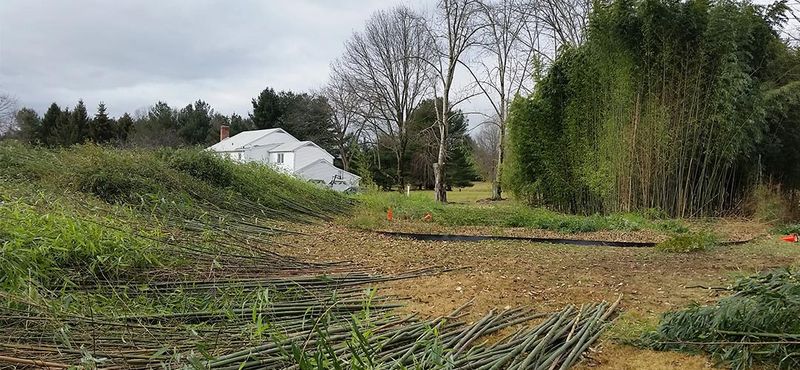
Some groves are simply too big for a weekend shovel and a sore back to handle on their own. When bamboo crowds a foundation, a driveway, or a shared fence, calling experienced help can be the wisest move.
Professional crews bring mini excavators, root grinders, and sifting tools that pull out dense rhizome mats much faster. Those mats can weave together so tightly that hand digging feels like trying to lift a giant woven rug.
Ask several companies for written estimates, and find out whether they remove the soil or sift the rhizomes out. I would also ask how they handle regrowth, since a few shoots commonly return during the following season.
Reputable companies should carry insurance and explain how they protect utility lines, sprinklers, and nearby trees during work. Calling 811 before any digging is required in New Jersey, and good contractors usually handle that request themselves.
Costs vary widely with grove size, access, and soil, so compare details rather than chasing the lowest price. Removing bamboo from a neighbor’s yard may also become your responsibility under local ordinances, which affects your budget.
Once the heavy lifting is done, keep watching the cleared area for stray shoots during the next few springs. You will feel a real sense of relief walking past that open space where the tall wall once stood.
7. Bag Bamboo Cuttings Instead Of Composting Them
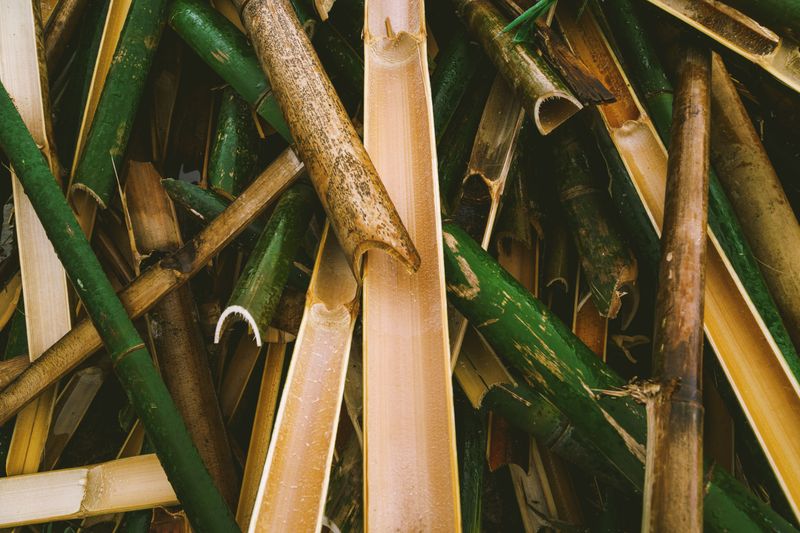
Tossing bamboo scraps on the compost pile feels harmless until little green spears start rising from the heap. Rhizome pieces with healthy buds can sprout in warm, moist compost, which is exactly what you want to avoid.
Keep cut rhizomes separate from canes and leaves, since the underground parts cause most regrowth problems after removal. Let them dry thoroughly in the sun on a tarp or pavement before deciding where they should finally go.
Heavy contractor bags work well for smaller amounts headed out with regular trash, if your town allows that. Check your municipal yard waste rules first, because some programs refuse rhizomes or ask residents to bundle canes separately.
Dry canes are surprisingly useful, so do not rush to throw every single one away after cutting. I use straight pieces as bean poles and tomato stakes, and they last several seasons before finally cracking apart.
Large removal projects might call for a chipping service or a hauling company that accepts invasive plant debris. Ask them where the material ends up, since dumping it in woods or ditches can start brand new groves.
Clean your tools, wheelbarrow, and boots after the job, especially before working in another part of the garden. Tiny rhizome bits stuck in soil clumps can hitch a ride surprisingly far without anyone noticing them at all.
8. Swap Bamboo For Native Shrubs Like Inkberry Holly
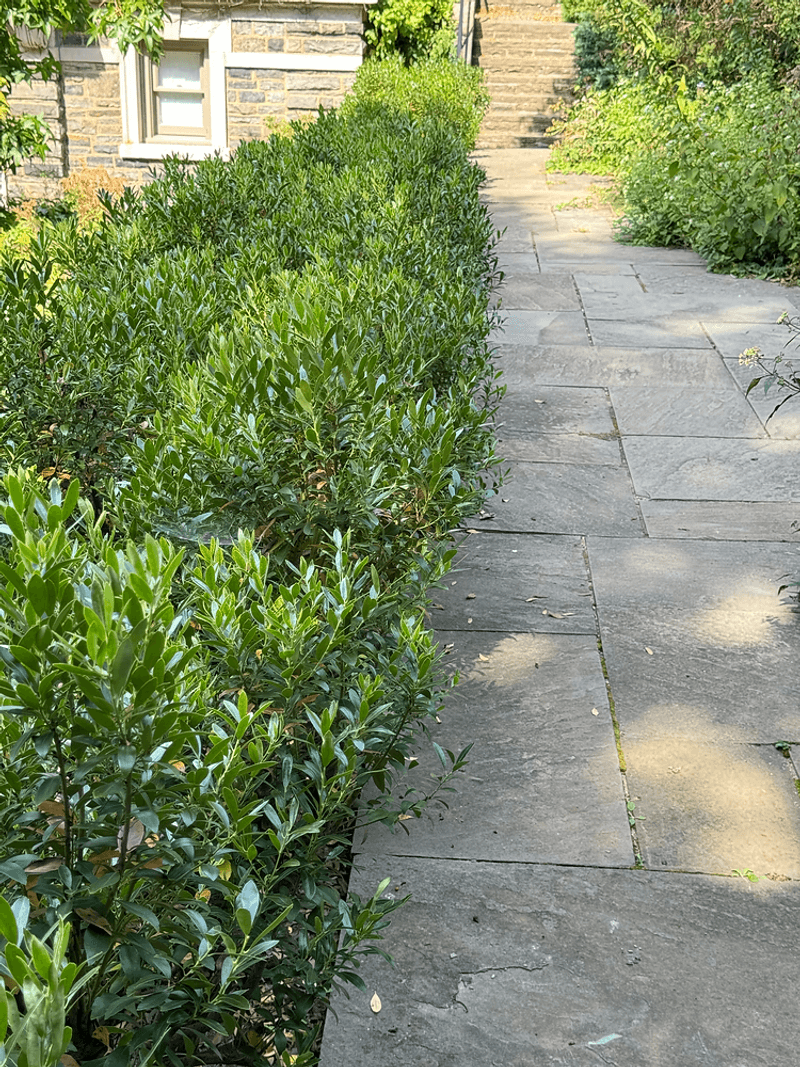
Losing a privacy screen stings, but the empty space opens a fun chance to try something friendlier. Native shrubs can hide the neighbor’s shed just as nicely while giving birds and pollinators a real meal.
Inkberry holly, Ilex glabra, stays evergreen, tolerates damp soil, and forms dense, glossy hedges over a few years. Bees love its small spring flowers, and female plants produce dark berries that birds snack on through winter.
American holly, Ilex opaca, grows into a tall, sturdy screen with spiny leaves and bright red winter berries. Plant both male and female trees if you want berries, since only the females produce that cheerful fruit.
Eastern red cedar, Juniperus virginiana, handles sandy or dry soil well and makes a tough windbreak along property lines. I like mixing it with hollies, because the layered textures look natural instead of like a stiff wall.
Switchgrass, Panicum virgatum, offers tall summer screening and lovely tan color that lingers into the colder months. Many varieties form clumps instead of runners, so they stay where you plant them with far less drama.
Fall is often a great planting time here, since cooler air and steady rain help roots settle comfortably. Water new plants deeply during dry spells for the first couple of years until their roots dig in.
9. Walk Your Property Line To Spot New Bamboo Shoots
Bamboo is famously patient, and a few hidden rhizome bits can wait quietly before sending up surprise shoots. A short stroll around your yard every couple of weeks during the growing season catches most problems early.
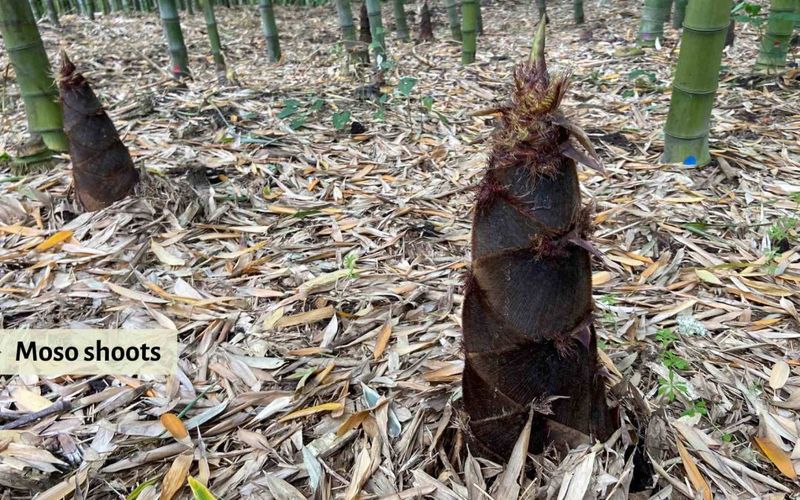
Pay special attention to fence lines, barrier edges, and spots where removal crews dug the most soil. You might notice pointy, sheathed shoots that look a little like tiny green spears poking through the grass.
Remove those shoots right away, while they are tender and easy to snap or cut down at ground level. Waiting gives them time to leaf out and recharge the rhizome, which undoes some of your earlier hard work.
Keep a simple notebook or phone log listing dates and locations where shoots appeared each spring and summer. Patterns often show up quickly, pointing you toward a leaky barrier seam or a missed rhizome hiding underground.
Share what you see with neighbors, since bamboo pays little attention to property lines or fence posts. I found that a friendly heads up builds goodwill and often turns a neighbor into a helpful second set of eyes.
After a few calm seasons with fewer shoots, you can relax a bit and enjoy your reclaimed yard. Steady attention turns a stressful legal worry into just another ordinary chore on your regular gardening list.