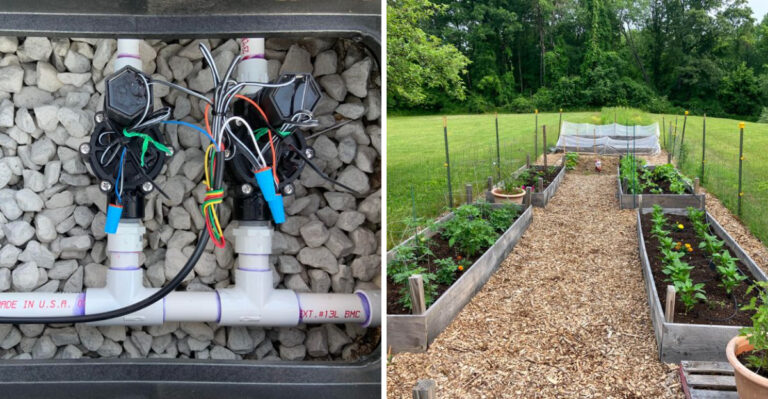
8 Things Florida Gardeners Should Stop Doing Once The Rainy Season Starts
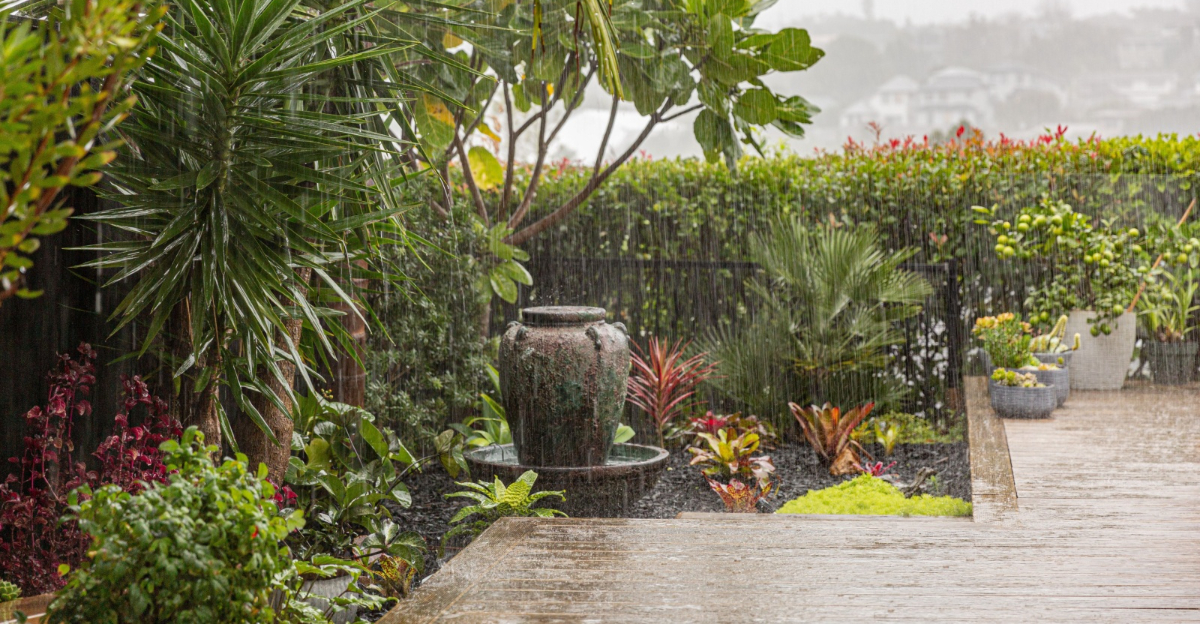
There is a specific moment every Florida gardener knows. The dry season routine is humming along, everything feels manageable, and then rainy season arrives and changes the entire game almost overnight.
Afternoon storms become a daily feature, the humidity settles in for the long haul, weeds appear faster than seems reasonable, and soil that used to drain quickly is now staying wet for days.
It is a dramatic shift, and the garden needs a different approach to match it.
Rainy season care is not about stopping everything and hoping for the best. It is about recognizing which habits made sense when rain was scarce and which ones stop making sense when the sky is doing most of the watering for you.
A few smart adjustments across irrigation, fertilizer, mulch, and pest management can keep a Florida landscape genuinely healthy all summer long.
1. Stop Watering On Autopilot
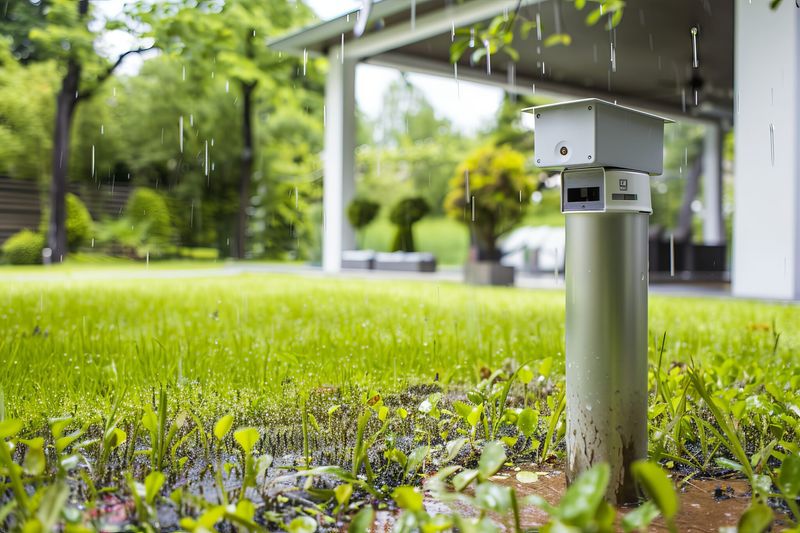
Afternoon storms in Florida can drop half an inch of rain or more in less than an hour, and if your irrigation system keeps running on the same schedule it followed in March, your garden beds and lawn may end up far wetter than your plants actually need.
Soggy soil can stress roots, reduce oxygen in the ground, and create conditions that encourage fungal problems over time.
Checking recent rainfall before you run your system is one of the simplest adjustments you can make.
A rain sensor or smart irrigation controller can help automate this process, but even a quick look at a rain gauge in the yard gives you useful information.
Many Florida water management districts encourage homeowners to water only when plants actually show signs of needing it, rather than watering on a fixed schedule year-round.
Local watering restrictions may also change during the rainy season, so checking your city or county rules is a smart step.
Sandy Florida soils drain quickly in some yards and hold moisture longer in others, so soil type matters when deciding whether to irrigate.
Walking the yard after a storm and pressing your fingers into the soil near plant roots can tell you more than any calendar.
Rainy season is a good time to let natural rainfall do the work whenever possible.
2. Skip Fertilizer Before Storms
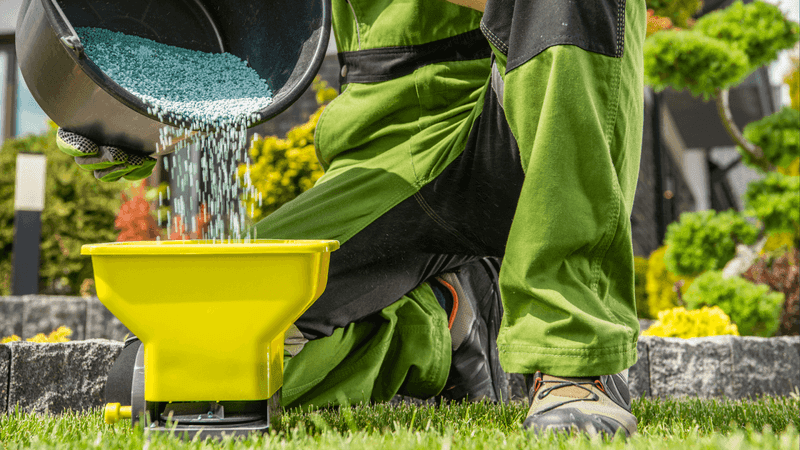
Spreading fertilizer on your lawn or garden beds right before a heavy Florida storm is a habit worth breaking.
When rain washes over freshly applied fertilizer, nutrients can move off your property and into storm drains, nearby ditches, or local waterways before plants ever have a chance to absorb them.
That means you spend money on a product that does not stay where it was intended, and the environment takes an unnecessary hit in the process.
Fertilizer labels include directions about application timing for a reason. Most recommend applying when no significant rain is expected for at least 24 hours, giving nutrients time to work into the soil.
During Florida’s rainy season, predicting when the next storm will arrive is not always easy, since pop-up showers can appear with little warning on an otherwise clear morning.
Your Florida Garden Changes Every Week. Your Plan Should Too.
Gardening in Florida changes quickly throughout the season. Every Friday you’ll receive a simple weekly plan showing exactly what to plant, prune, fertilize, harvest, and protect so you never miss the right timing.
A better approach is to watch the forecast carefully and apply fertilizer during a dry window when the ground is not already saturated.
Slow-release fertilizer products tend to be more forgiving in rainy conditions than quick-release options, since they release nutrients gradually rather than all at once.
Fertilizing thoughtfully based on actual plant need, rather than just following a seasonal calendar, helps keep nutrients in the soil where your plants can actually use them during Florida’s wet summer months.
3. Stop Ignoring Local Fertilizer Rules
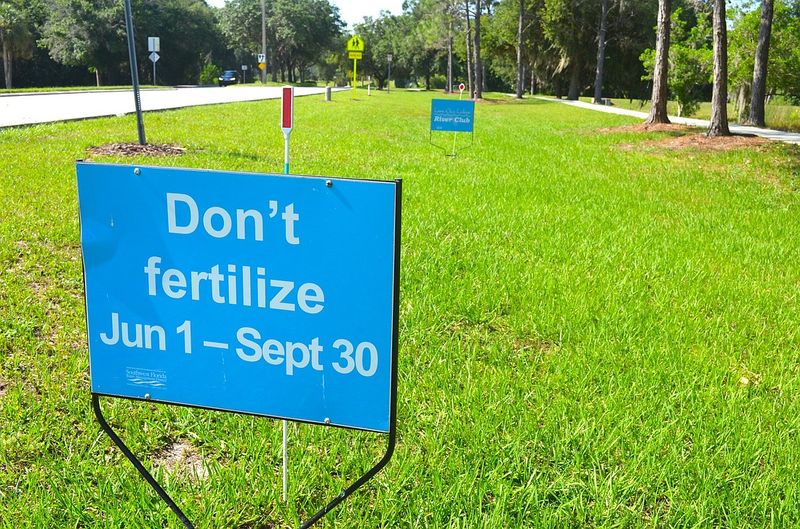
Many homeowners are surprised to learn that their city or county may have rules restricting when lawn and landscape fertilizer can be applied.
Some communities enforce rainy-season fertilizer blackout periods, typically running from June through September, that limit or prohibit the use of nitrogen and phosphorus fertilizers on residential properties.
These restrictions exist because heavy summer rain increases the risk of nutrients washing into local lakes, rivers, and coastal waters.
Ignoring these rules is not just a gardening mistake, it can result in fines or citations depending on where you live in Florida.
Checking with your local county extension office, city website, or water management district is the easiest way to find out what rules apply to your neighborhood.
Some areas have stricter rules than others, so what applies in one Florida county may differ from the next.
Understanding these restrictions does not mean your lawn or garden has to go without care.
Many Florida-friendly landscaping practices focus on timing applications correctly, using slow-release products when allowed, and focusing on soil health rather than heavy fertilizer inputs during the wet season.
Healthy soil with good organic matter tends to support plants more effectively during rainy weather anyway. Taking the time to learn your local rules helps you care for your landscape responsibly while staying on the right side of Florida environmental guidelines.
4. Sprinklers Should Not Water Sidewalks
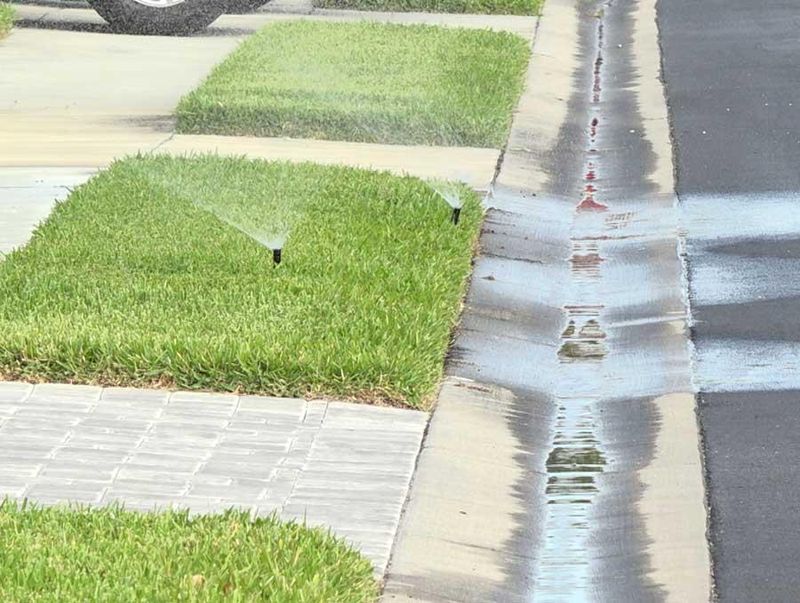
Overspray from poorly aimed sprinkler heads is one of the most common and overlooked irrigation problems in Florida neighborhoods.
When sprinkler heads are tilted, blocked by plant growth, or simply pointed in the wrong direction, water ends up landing on sidewalks, driveways, streets, and walls instead of on the soil and plants that actually need it.
During the rainy season, this wastes water that is already abundant and sends runoff flowing toward storm drains carrying debris, residues, and sediment along the way.
Walking through your yard while the irrigation system runs is one of the most practical things you can do to catch these issues early. Look for heads that are spraying hard surfaces, misting into the street, or pooling water in low spots near paved areas.
Adjusting spray patterns, replacing worn heads, or repositioning rotors can often fix the problem without a major investment of time or money.
Florida water management districts regularly remind homeowners that irrigation should be targeted, efficient, and matched to actual plant needs rather than running on a broad schedule that soaks everything in range.
Keeping water on planted areas rather than hard surfaces reduces waste, limits the amount of runoff leaving your property, and helps keep local waterways cleaner.
Even small adjustments to sprinkler direction can make a noticeable difference in how much water your Florida landscape actually uses each week.
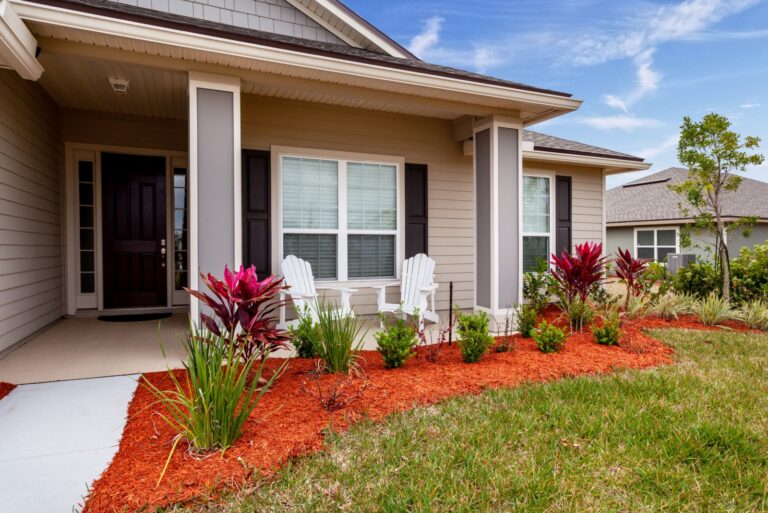
5. Don’t Leave Bare Mulch Spots Exposed
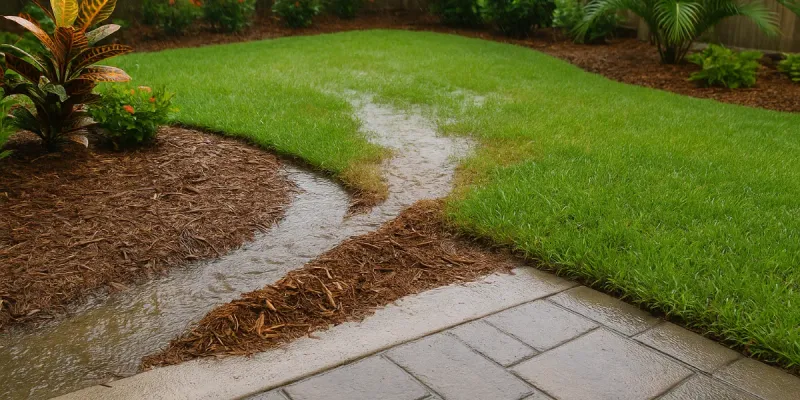
Heavy rain can move mulch around faster than most gardeners expect. A bed that looked neat and well-covered before the storm may have thin patches, bare spots, or mulch piled up against plant stems by the time the sun comes back out.
Exposed soil in a Florida garden bed is vulnerable to erosion, compaction from raindrops, and rapid weed germination, all of which can create more work down the road if left unaddressed.
Replacing mulch in bare spots helps protect the soil surface, retain moisture between rain events, and moderate soil temperature during hot summers.
A layer of about two to three inches is generally a good target for most landscape beds, though this can vary depending on the plants and conditions in your specific yard.
Organic mulches like shredded bark or pine straw are popular choices in Florida because they break down over time and add organic matter to the soil.
One important thing to watch is mulch placement around plant crowns, trunks, and stems. Piling mulch directly against these areas can trap moisture and create conditions that stress plants over time.
Keeping mulch a few inches away from the base of each plant while still covering the surrounding soil gives beds a healthy, balanced look.
Checking mulch levels after significant storms and topping up as needed is a simple habit that pays off throughout Florida’s long wet season.
6. Stop Letting Weeds Settle In After Rain
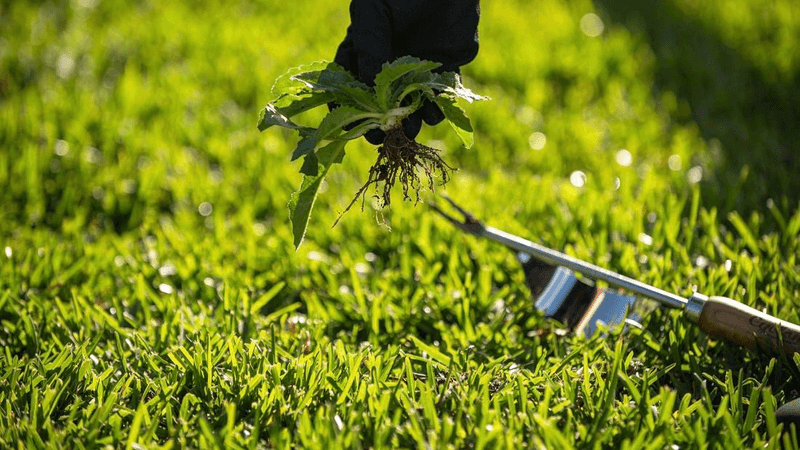
Wet soil after a Florida rainstorm is practically an invitation for weeds. Seeds that were sitting dormant in the ground suddenly have the moisture they need to sprout, and warm summer temperatures speed up the process considerably.
Weeds that seem tiny and harmless on Monday can be well-rooted and spreading by the weekend if left alone in a Florida garden bed during peak rainy season.
The good news is that pulling weeds shortly after rain is much easier than trying to remove them from dry, compacted soil. Roots tend to come out more cleanly when the ground is soft, which reduces the chance of leaving root fragments behind that might resprout.
Working carefully around desirable plants while removing weeds helps avoid disturbing shallow roots that could be close to the surface after a wet spell.
For container gardens, weeds can become a real nuisance during rainy season since the consistent moisture and warm conditions suit many common weed species well.
Checking pots regularly and removing any unwanted seedlings before they get established saves time compared to dealing with a larger problem later.
Maintaining a healthy layer of mulch in garden beds can also reduce how many weed seeds reach the soil surface in the first place.
Staying consistent with small weeding sessions throughout the rainy season is far more manageable than tackling an overgrown bed all at once.
7. Avoid Ignoring Early Pest And Disease Signs
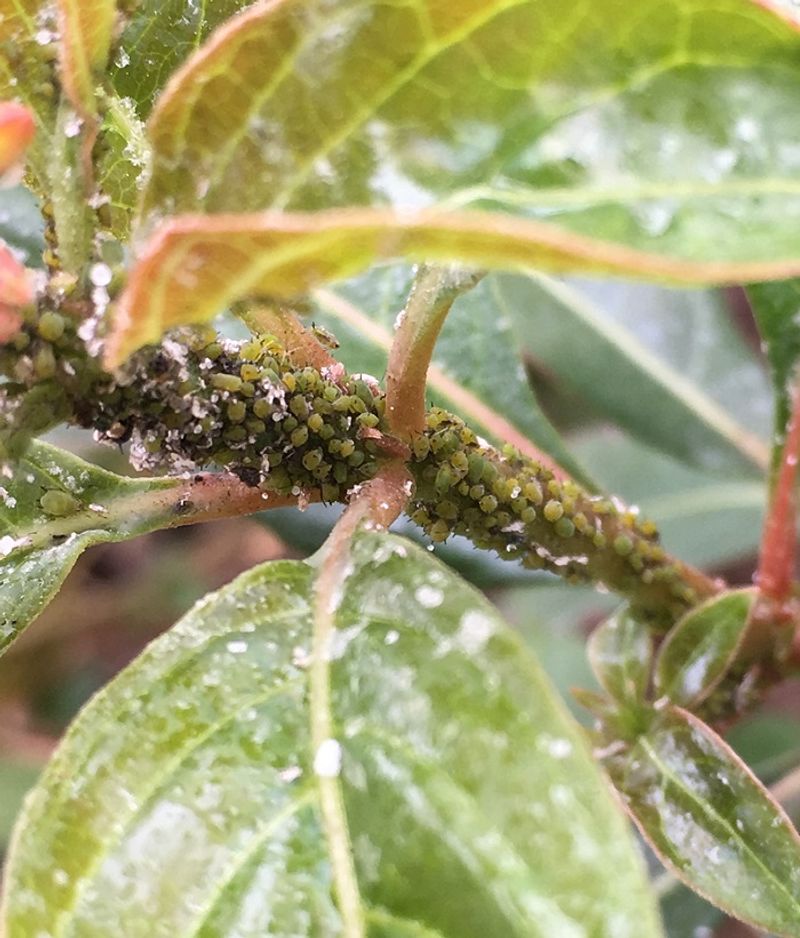
Humid air, wet leaves, and dense plant growth create conditions where certain pests and fungal issues can develop more easily during Florida’s rainy season.
Waiting until a problem looks severe before taking action makes management harder and can mean more plant stress over time.
Catching issues early, while they are still limited to a small area or a few leaves, gives you more options for addressing them without reaching for heavy treatments right away.
Scouting the garden regularly means more than a quick glance from a distance.
Checking leaf undersides, new growth tips, and crowded interior branches where air circulation is low can reveal early signs of aphids, scale, whiteflies, or fungal spotting that might not be visible from the top of the plant.
Morning walks through the garden, when leaves are still wet from overnight humidity or early rain, are a good time to notice changes in plant appearance.
Not every spot or wilted leaf during rainy season signals a serious problem. Heat stress, temporary waterlogging, and nutrient fluctuations can all cause symptoms that look similar to pest or disease damage.
Identifying the actual cause before responding helps avoid unnecessary treatments.
Keeping plants well-spaced, removing heavily affected leaves, and improving air circulation in dense beds are practical first steps that support healthier plants through the long, humid Florida summer without creating bigger issues.
8. Quit Letting Stormwater Rush Through The Yard
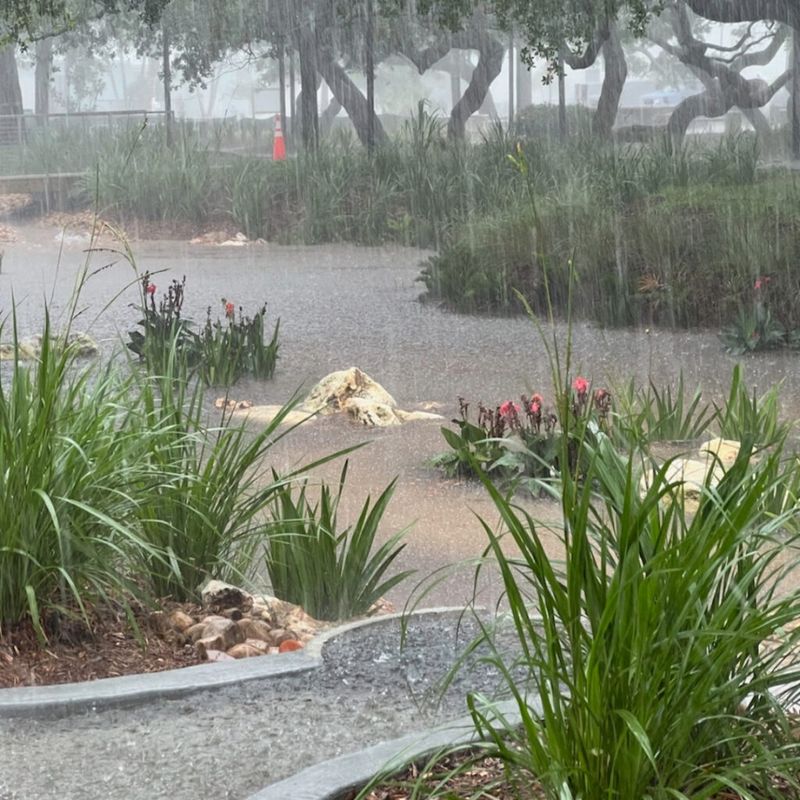
Watching where water goes during a heavy Florida rainstorm can tell you a lot about your yard.
Some properties channel runoff in ways that erode garden beds, undercut mulch, wash out newly planted areas, or send sediment toward the street and into storm drains.
Once you notice the paths water tends to follow, you have useful information for making small changes that can reduce the impact of future storms on your landscape.
Planted beds, groundcovers, and mulched areas all help slow the movement of water across the yard surface compared to bare soil or compacted turf.
In spots where runoff tends to concentrate, options like a simple rain garden, a planted swale, or a well-placed berm can help water slow down and soak in rather than rushing off the property.
These features work best when they are sized and positioned to match the actual drainage patterns on your specific site.
Stormwater management in Florida yards is not about stopping water movement entirely, since some drainage is natural and necessary.
The goal is to slow runoff where practical, reduce erosion in vulnerable spots, and give water more opportunity to absorb into the soil rather than leaving the property as fast runoff.
Small, thoughtful changes to how your landscape handles heavy rain can protect your garden beds, support groundwater recharge, and reduce the amount of debris and sediment that leaves your Florida yard during summer storms.