7 Things New York Renters Can and Can’t Do in Their Yard or Balcony Garden
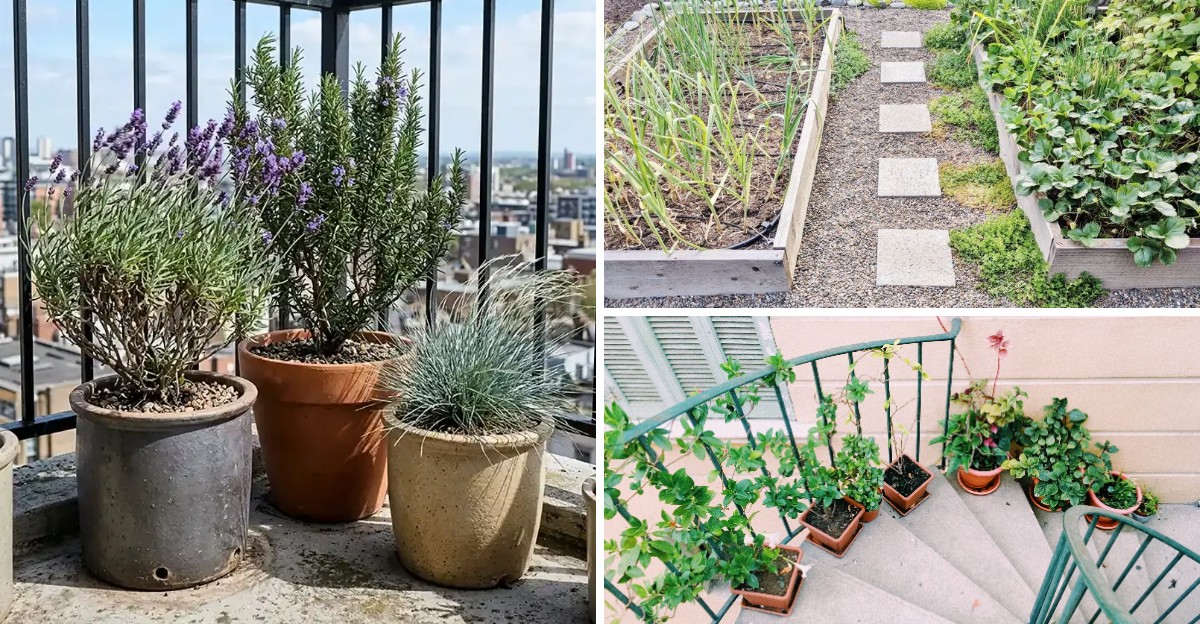
A single clay pot of basil on a fire escape can earn your building a violation from fire inspectors. That tiny herb looks innocent, yet New York City treats those iron stairs as emergency exits, not patios.
Rental gardens come with a surprising number of rules, and most of them hide inside your lease. Building codes and state laws get a say too, though each one controls something a little different.
Take it from someone who once hung a planter box without asking first and later paid for the patching. Between you and me, a quick email to my landlord would have saved me money and an awkward conversation.
Renters across New York still have plenty of room to grow tomatoes and herbs with real confidence. So which garden moves are fair game, and which ones could quietly land you in trouble with your landlord?
1. Read Your Lease Before Planting A Single Seed
My first tomato seedlings sat on the counter for a week while I hunted for one paragraph in my lease. That boring stack of paper turned out to be the most useful gardening guide I owned that spring.
Your lease is a binding contract, and it usually decides what you may change outside your apartment. Many agreements include an alterations clause that bans tenants from making physical changes without written landlord consent.
Look for words like alterations, improvements, landscaping, or common areas while you skim through each section slowly. Those terms often reveal whether your balcony or backyard counts as your private space or shared building property.
Silence in a lease does not mean you have free rein to rip up the lawn or build planters. If gardening is not mentioned at all, the smartest move is asking your landlord for clear permission first.
Put every approval in writing, even a short email that confirms what you plan to grow and where. A written record protects you later if a new manager or owner questions your little patch of green.
For what it is worth, most landlords respond better to a friendly, specific request than a vague one. Mention pot sizes and drip trays, and show that you care about keeping their property in good shape.
Once you understand those rules, every later decision about pots or beds gets much easier to make. Think of your lease as the map you check before you head out on any garden adventure.
2. Potted Herbs And Container Gardens Are Usually Welcome
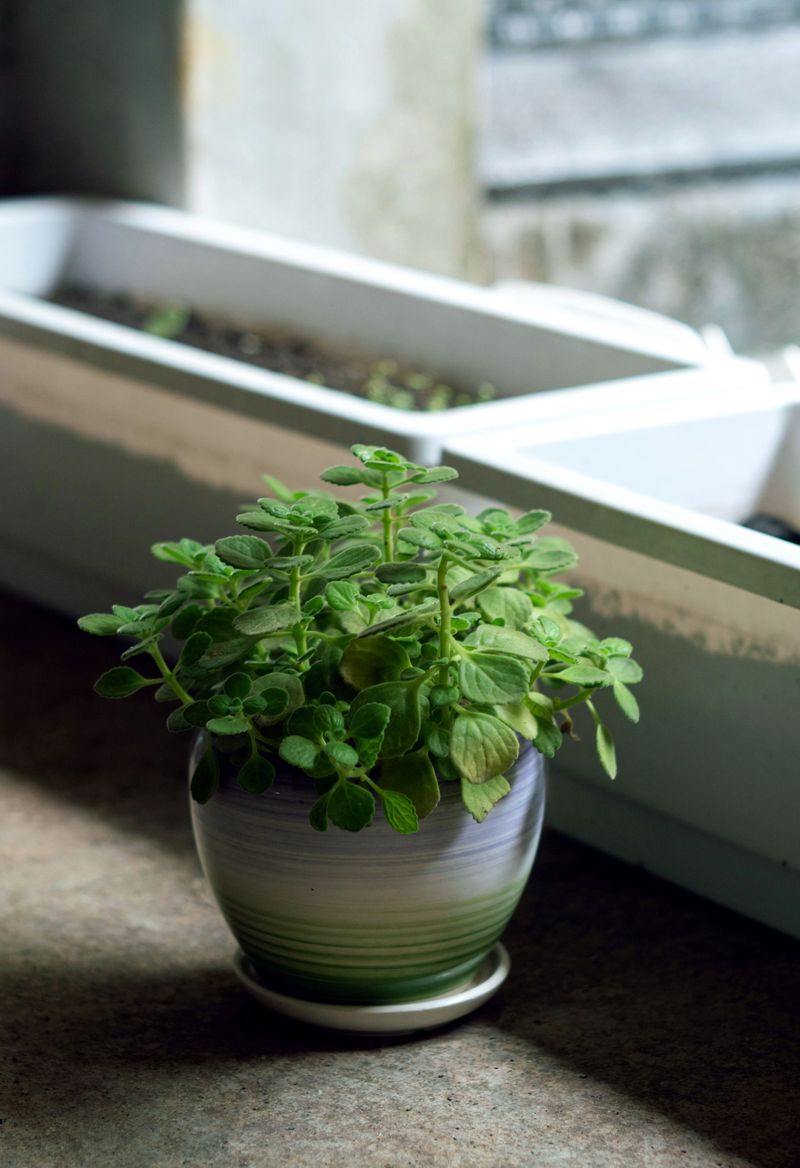
Few things smell better than brushing past a pot of sweet basil on a warm summer evening outside your door. Containers are the renter’s best friend, because they bring that joy without changing the building itself.
Most landlords allow movable pots on private balconies, patios, and yards, since nothing gets dug up or attached. You can pack them up on moving day and carry your whole garden to the next apartment.
Herbs like basil, parsley, and chives thrive in containers that get six or more hours of direct sun. Cherry tomatoes and peppers also do well in pots, especially ones holding at least five gallons of soil.
Choose containers with drainage holes, then set each one on a saucer so extra water stays put. Cornell Cooperative Extension recommends quality potting mix rather than garden soil, which packs down tightly inside containers.
Shady balconies still have options, so do not give up if your space faces north or sits between buildings. Leafy greens like lettuce and spinach handle less sun, and native ferns can brighten a dim corner nicely.
Funny thing is, my most productive pot one year held a simple mint plant that nearly took over its saucer. Keep mint in its own container, because its spreading roots will crowd out any neighbors sharing that soil.
Tidy containers also keep landlords happy, since a neat balcony rarely draws complaints from staff or other tenants. Pull spent plants, sweep spilled soil, and watch for pests so your little garden stays a welcome sight.
3. Heavy Planters And Dripping Water Can Strain Your Balcony
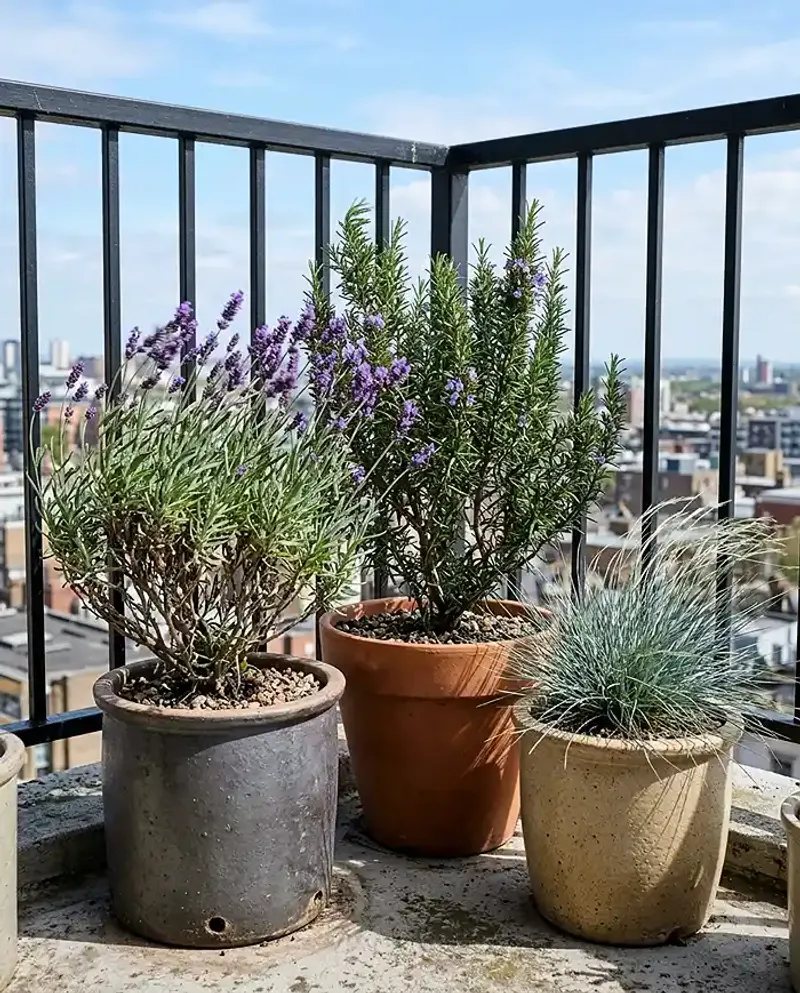
Wet soil is heavier than most people expect, and a big glazed planter can weigh more than a grown adult. Line up several of those on a small balcony, and the total load climbs surprisingly fast.
Every balcony is engineered to carry a certain amount of weight, and older buildings may have tighter limits. Ask your landlord or building manager about weight guidelines before hauling up oversized pots or bags of soil.
Lightweight containers made from fabric, resin, or fiberglass help keep the load down without shrinking your harvest. Some gardeners also place heavier pots near the wall, where support is typically stronger than along the outer edge.
Water deserves equal attention, because drips can stain the balcony below or soak a neighbor’s chair on a sunny afternoon. Saucers under every pot catch runoff, and watering slowly gives the soil time to absorb each drink.
Let’s just say I learned this lesson when a downstairs neighbor knocked on my door holding a very soggy cushion. Since then, I water early in the morning and check the trays before stepping back inside.
Wind is another sneaky factor, especially on higher floors where gusts can tip tall plants or send light pots sliding. Keep loose items away from railings, and avoid perching planters on ledges where a breeze could knock them over.
Clear walkways matter too, so leave a path to your door and any vents along the wall. A balcony that feels roomy and safe is easier to enjoy, and much easier for a landlord to approve.
4. Drilling Into Railings Or Walls Needs Written Permission
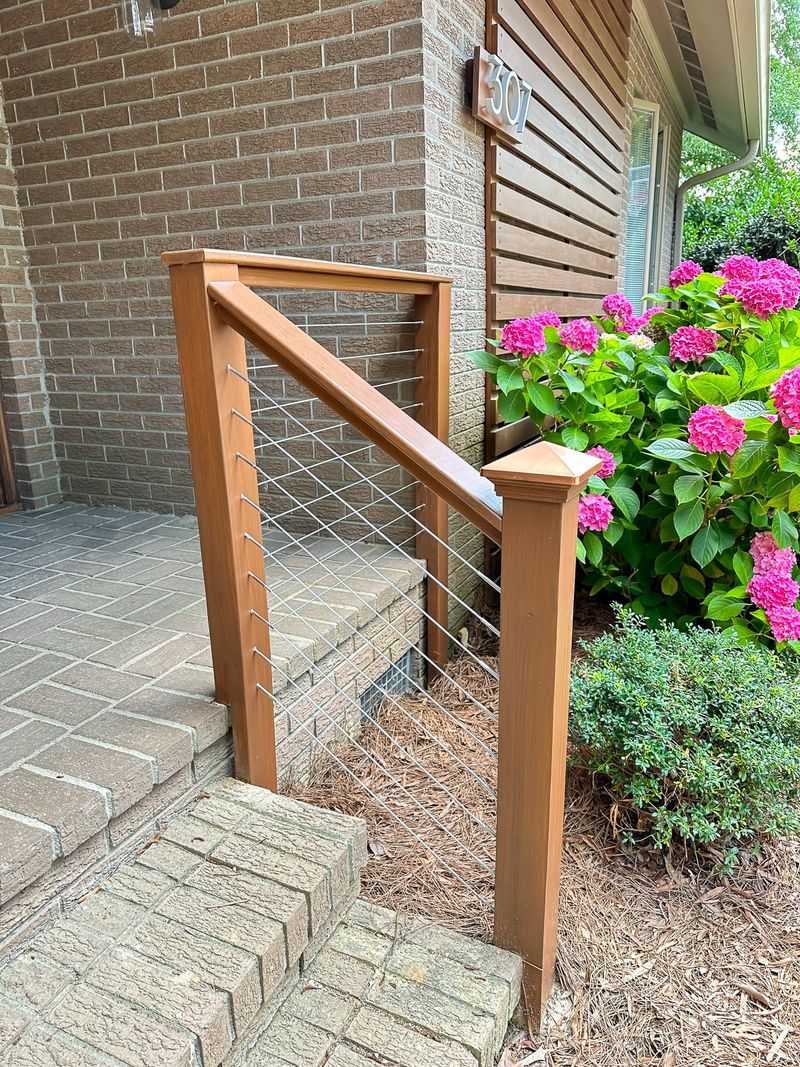
A power drill feels wonderfully satisfying in your hand, right up until the landlord sees fresh holes in the brick. Those little openings can let water inside walls, and repairs often land on the tenant’s bill.
Most leases treat drilling as an alteration, which means you need written consent before attaching anything permanent. That rule usually covers exterior walls, balcony railings, ceilings, and even the wooden trim around your door.
Looking back, I should have asked before mounting that window box, because patching the holes cost more than the box. Landlords can deduct repair costs from your security deposit when damage goes beyond normal wear and tear.
Thankfully, clever gear exists for renters who want vertical gardens without any screws or anchors involved. Freestanding plant ladders, tiered shelves, and tension rods can hold plenty of greenery while leaving the building untouched.
Railing planters with adjustable brackets hook over the bar instead of bolting through it, which keeps metal finishes intact. Set them on the inside of the railing, so nothing can drop toward the sidewalk or the balcony below.
Hanging baskets can work too, but only from hooks your landlord approves or stands that rest on the floor. Heavy baskets swing in strong wind, so check that every hook and chain feels secure before adding soil.
If you truly want a permanent trellis, present a simple plan with photos and offer to restore the wall later. Clear proposals with a written agreement can turn a quick no into a friendly yes from many owners.
5. Fire Escapes Must Stay Clear Of Plants And Pots
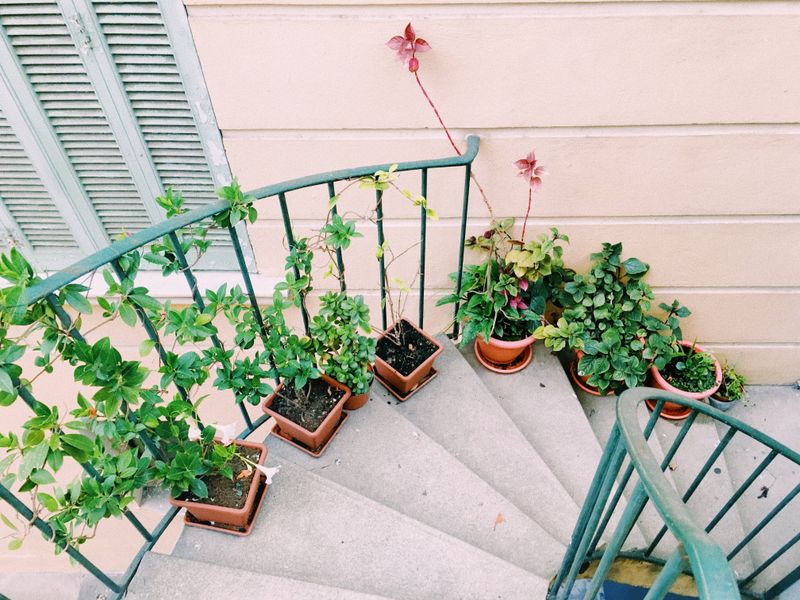
Those black iron zigzags on old brick walls look like they were made for tomato plants and morning coffee. Sadly, city rules see them as emergency exits, and that purpose comes first every single time.
The New York City Fire Code requires fire escapes to stay free of obstructions, including furniture, grills, and plant pots. The FDNY can issue violations to buildings with blocked fire escapes, and landlords often pass that pressure onto tenants.
Even one small pot can trip someone climbing out in smoke and darkness during a real emergency. Firefighters also use these ladders and landings, so every inch of clear space might matter when seconds count.
Plenty of people still keep fire escape gardens, and they look charming in photos from all over the city. Popularity does not make them legal, and a lease violation notice can arrive without much warning.
Windows leading to the fire escape must open easily, so skip window boxes or trellises that block that route. Window gates on those openings also need approval from the fire department, so check with your building first.
If you ask me, the better plan is moving that green energy indoors to a bright sill inside. Herbs like parsley and thyme grow nicely on sunny inside windowsills, especially with a south or west exposure.
Community gardens offer another great outlet, and the city’s GreenThumb program supports hundreds of them across all five boroughs. Joining one gives you real soil, friendly neighbors, and no worries about blocking anyone’s escape route.
6. Digging New Garden Beds In The Yard Requires Approval
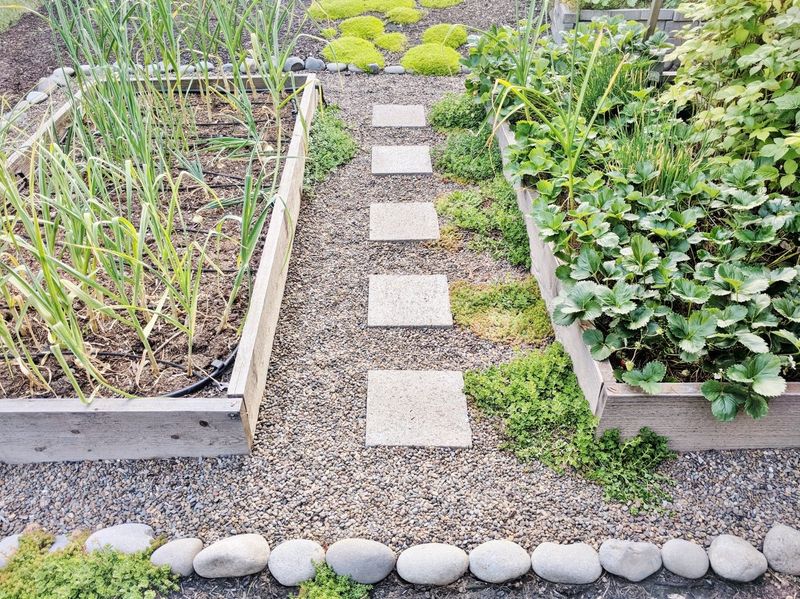
Backyard access in a rental feels like winning a small lottery, especially after years of balcony pots. That rush of excitement makes grabbing a shovel tempting, but the ground still belongs to your landlord.
Digging new beds, removing shrubs, or laying stepping stones counts as changing the property’s landscape in most leases. Without written approval, you could be asked to restore the yard or pay someone else to do it.
Read your lease for yard language, since many agreements give tenants mowing duties without permission to make lasting changes. Snap photos of the yard on move-in day, so you have a clear record of its original condition.
When you approach your landlord, bring a simple sketch showing bed size, location, and what you plan to grow. Offering a few summer tomatoes or promising to keep weeds trimmed can make the conversation surprisingly pleasant.
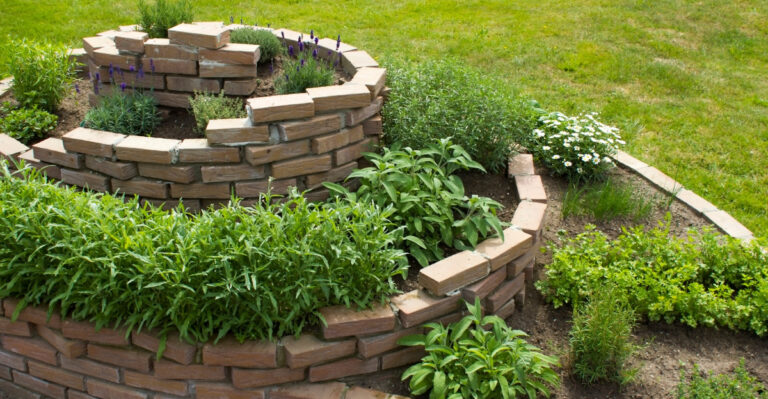
Freestanding raised beds make a great compromise, because they sit on top of the ground and lift away later. Line the bottom with cardboard, fill with quality soil, and you can start planting without breaking any turf.
Urban soil sometimes contains lead from old paint or past building activity, especially near walls and foundations. Cornell’s Healthy Soils, Healthy Communities project suggests testing soil, and raised beds with clean soil help reduce that concern.
Don’t make my mistake of planting fast-spreading perennials that will annoy the next tenant or the owner. Stick with annual vegetables and native flowers like purple coneflower, which pollinators adore and landlords rarely mind.
7. Accessible Raised Beds Can Be A Reasonable Modification
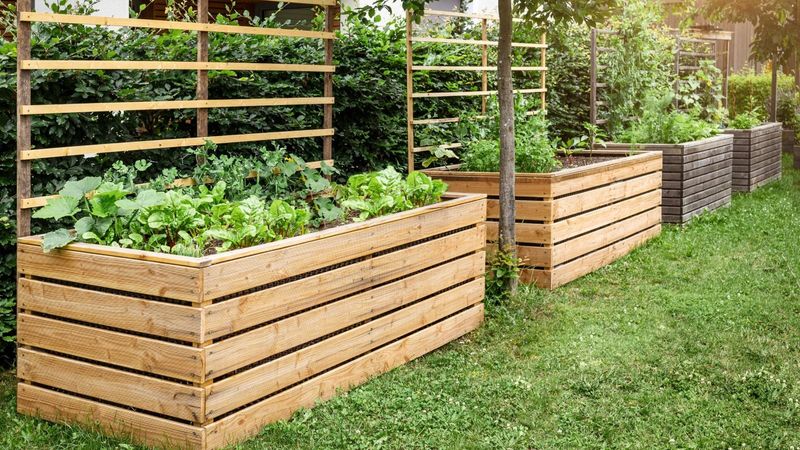
Gardening should feel good for every body, and tall raised beds can turn painful kneeling into comfortable work. For renters with disabilities, the law offers a helpful path toward that kind of accessible garden.
The federal Fair Housing Act lets tenants with disabilities request reasonable modifications to their homes and common areas. State and city human rights laws add similar protections, and New York City’s rules often go even further.
A reasonable modification is a physical change that helps you use your home the same way other tenants do. Examples might include a ramp to the yard, wider garden paths, or a waist-high bed for wheelchair users.
Tenants in private housing usually pay for these changes, though federally funded housing may follow different cost rules. Landlords can ask for reliable proof that the change relates to a disability, often through a provider’s letter.
You do not need fancy legal phrases to start the process, so a simple written request works well. Describe the change you need and explain how it helps you safely enjoy your outdoor space throughout the season.
In some cases, a landlord can ask you to restore the area when you move out at your own cost. Talk through those details early, and get the final agreement in writing before any lumber arrives.
My garden taught me that comfort keeps people growing season after season, rather than quitting after one sore summer. If a modification would help you, contact a local fair housing group for free guidance on your rights.