How to Grow a Christmas Rose (Hellebore) in New York for Blooms in Deep Winter
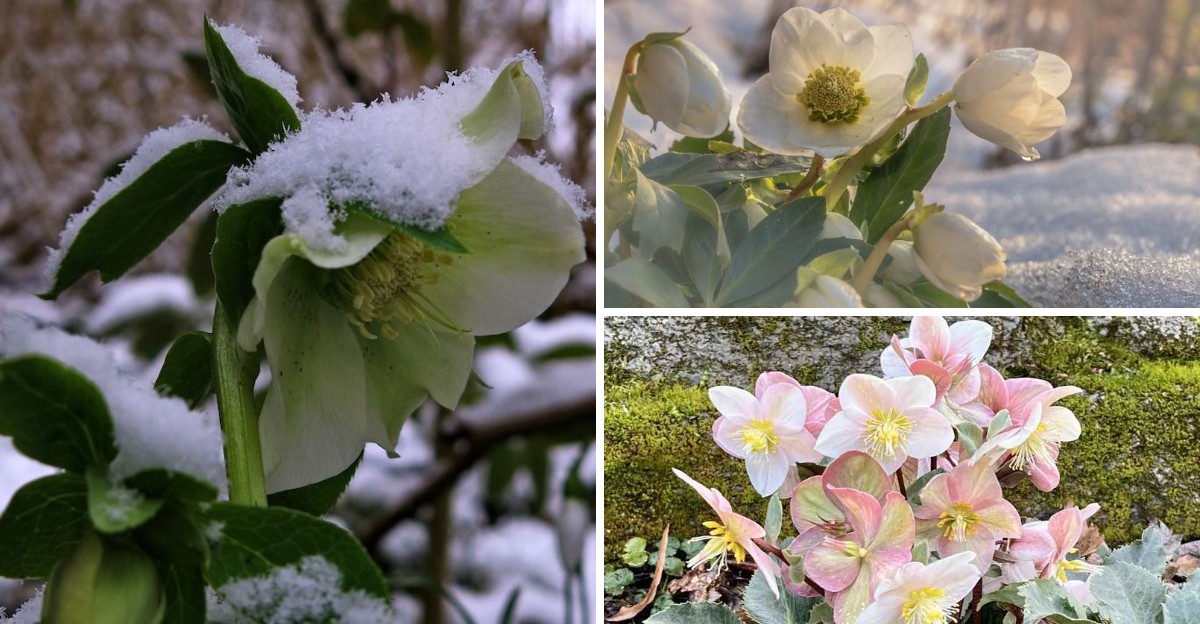
Some flowers can push open right through a layer of snow, and the white petals hang on for weeks without fuss. Funny thing is, those petals are not really petals at all.
They are tough sepals, built to last through frost and thaw. The plant is not even a true rose, since it belongs to the buttercup family. It also carries a long history in old European cottage gardens.
In my own yard, I used to think January was a lost cause for color. Then one gray morning, a cluster of nodding blooms stopped me on the walk to the mailbox. I stood there in my slippers far longer than I should have.
If you garden in New York, you can grow this cold-weather surprise too. So why settle for bare dirt and brown stems when winter could give you flowers instead?
That Snow-Dusted White Flower Has a Few Surprises Up Its Sleeve
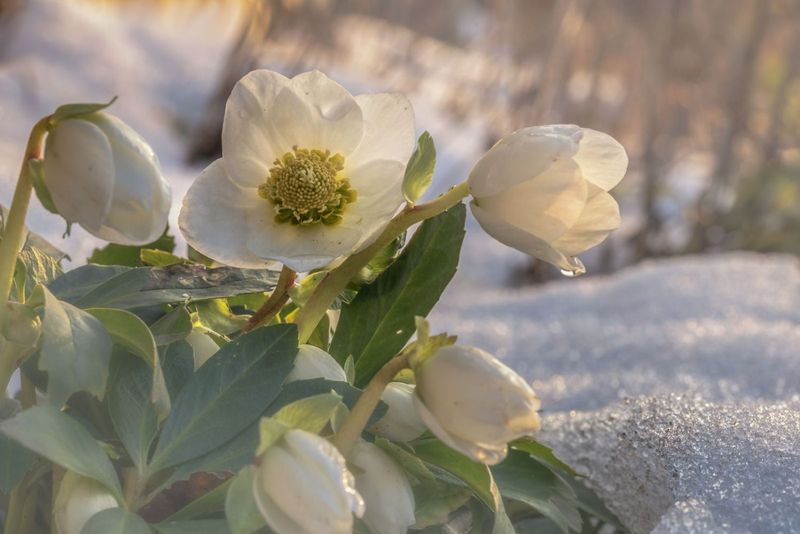
Gardeners love a plant with a name that tells half the truth. The Christmas rose, or Helleborus niger, is not a rose and rarely blooms on Christmas in New York.
In milder places, the large white cups can open in December. Across most of our state, you can expect flowers anywhere from late winter into early spring, depending on how cold the season runs.
A sheltered spot near a house wall may nudge blooms out a few weeks sooner.
Those white parts are sepals, not petals. Sepals are thicker and tougher, which explains why the flowers hold up through freezing nights and slushy afternoons.
As they age, many fade to a soft pink or green and stay attractive for weeks.
The plant also has a clever cold-weather trick. On frigid nights, the stems may flop over as the plant pulls water from its cells to avoid frost damage.
Once the air warms, they often stand back up like nothing happened.
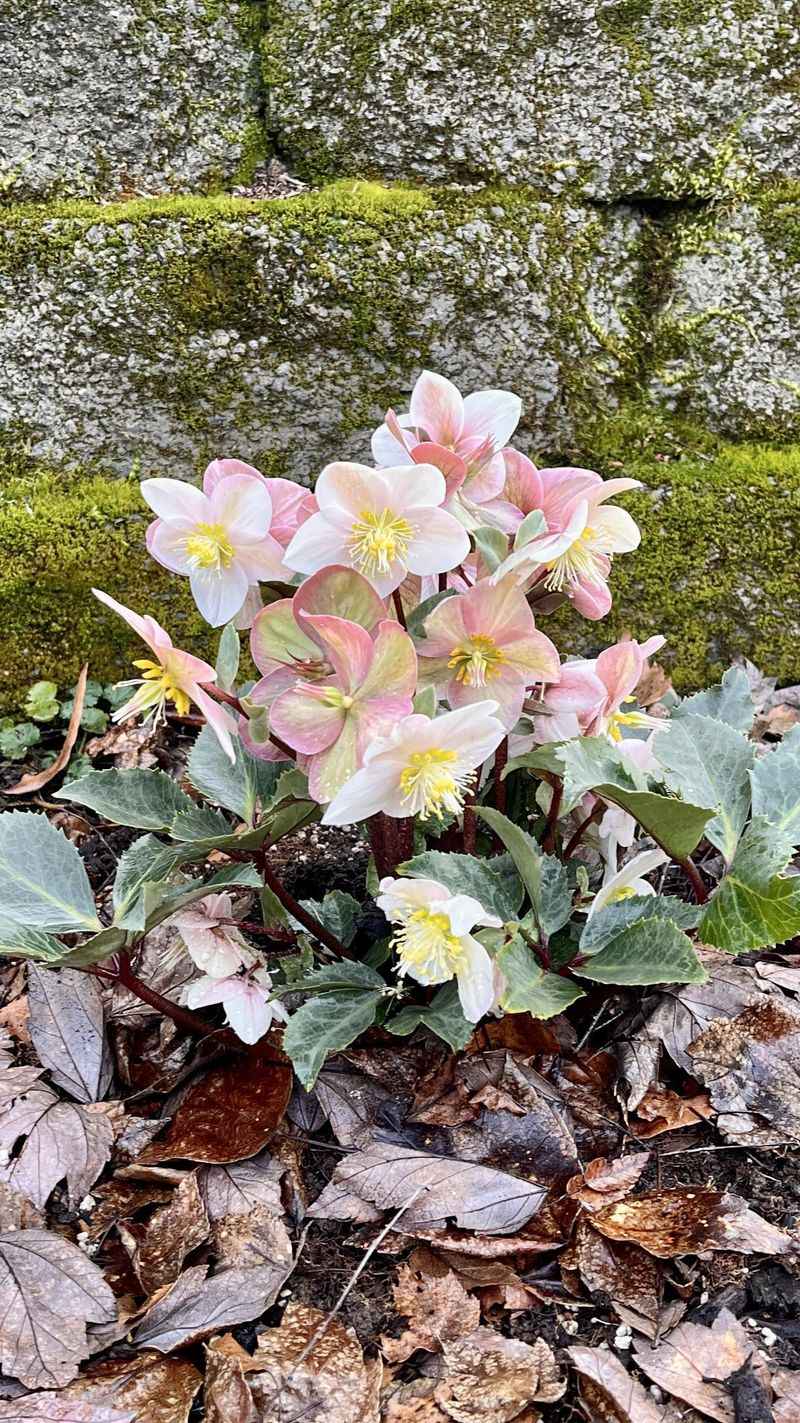
You will also hear about the Lenten rose, usually sold as Helleborus x hybridus or orientalis. That cousin blooms a bit later and comes in pinks, purples, deep reds, greens, and speckled forms.
Planting both gives you a longer parade of winter color.
One more fact worth knowing early is that all parts of hellebores are toxic if eaten. Keep that in mind around curious pets and small children.
Plant Hellebores Under Deciduous Trees for Winter Sun and Summer Shade
Location makes or breaks this plant. My garden taught me that the best hellebore spot is often the one I used to ignore, under a big maple near the fence.
Hellebores like partial shade. Under leafy trees, they soak up winter sunshine while the branches are bare, which is exactly when they bloom.
Later, summer leaves shield their glossy foliage from harsh afternoon heat.
Deep, gloomy shade is a different story. Too little light usually means fewer flowers, so aim for bright shade or a few hours of gentle morning sun.
An east-facing bed or the edge of a woodland planting works nicely.
Wind matters too. Cold, drying winter gusts can scorch evergreen leaves and leave them ragged by February.
A spot beside a hedge, shed, or north side of a low wall offers welcome shelter.
Think about where you walk in winter. You will want these blooms close to a front step, a path, or a window where you can actually see them.
The flowers nod downward, so a raised bed or gentle slope lets you peek at their faces more easily.
Once you find the right place, leave them there. Hellebores dislike being moved and can sulk for a year or two after transplanting.
Choose thoughtfully the first time, and they can reward you for decades.
Rich, Well-Drained Soil Keeps Hellebore Crowns Happy
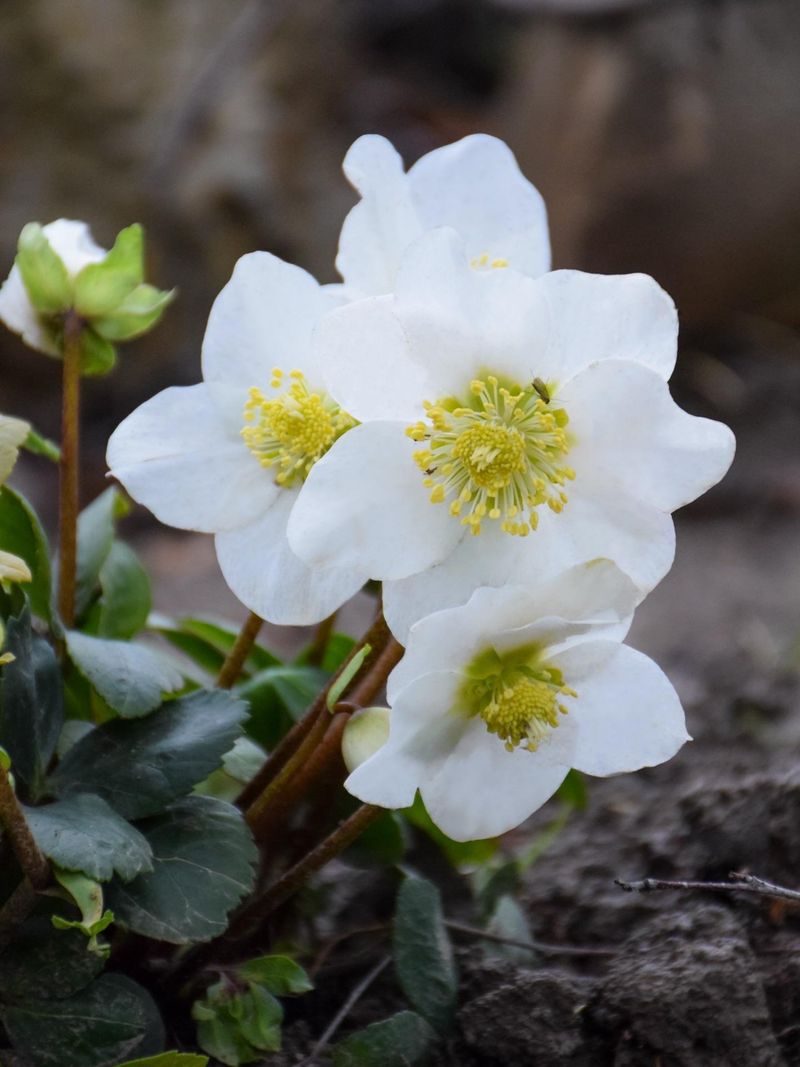
Picture-perfect blooms start underground, with soil that feels like a forest floor. Rich, crumbly earth full of rotted leaves is what hellebores crave most.
Drainage tops the list. Soggy roots and a wet crown are the main reasons these plants struggle, so water should soak in rather than puddle.
Plenty of New York yards have heavy clay, which holds moisture far too long.
If that sounds like your yard, mix generous amounts of compost or leaf mold into the bed before planting. Working it in across a wide area helps more than filling a single hole.
A slightly raised bed is another simple fix for stubborn clay.
Hellebores prefer soil that is near neutral to slightly alkaline, around a pH of 6.5 to 7.5. Christmas roses especially appreciate this range.
A basic soil test through your local Cornell Cooperative Extension office tells you whether adding lime makes sense.
Planting depth deserves careful attention. Set the crown, where stems meet roots, right at the soil surface and no deeper.
Burying it invites rot.
Fall is a great planting time, giving roots several weeks to settle before the ground freezes. Spring planting works as well once the soil thaws.
Water deeply after planting, then add mulch around, but not over, the crown.
Cold Snaps and Snowdrifts Barely Faze a Hardy Hellebore
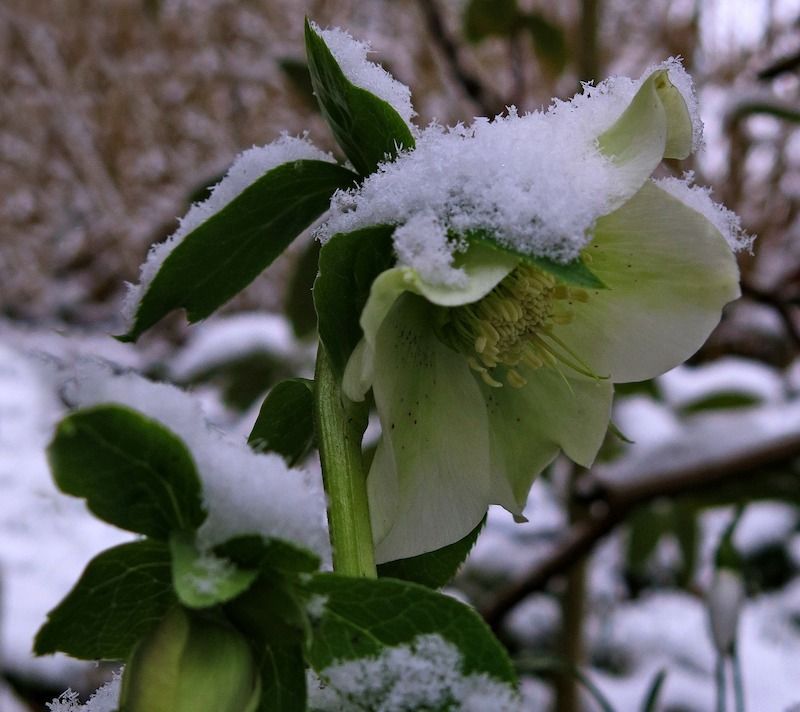
Here’s a plant that shrugs at the weather report. Christmas roses are generally rated hardy to USDA Zone 3, and most Lenten rose hybrids handle Zone 4 or 5.
That covers a huge part of the state. Long Island and New York City sit in milder Zones 7a and 7b, while much of upstate falls between Zones 4 and 6.
The Adirondacks and some high northern areas can dip into Zone 3 or colder pockets.
In colder regions, expect later blooms. A Christmas rose in Brooklyn might flower in January during a mild year, while one near Watertown may wait until March or April.
Same plant, different calendar.
Snow is actually a friend here. A steady blanket insulates roots from bitter temperatures and drying wind.
I like to leave snow piled gently around my plants rather than brushing it away.
Bare, frozen ground with no snow cover is tougher on them. A few inches of shredded leaves or leaf mold applied in late fall helps buffer those swings.
Keep mulch a couple of inches back from the crown so moisture does not collect there.
Be careful with road salt. Plants near driveways and sidewalks can suffer when salty slush gets shoveled onto them.
Choose a planting spot away from where snow gets piled.
Trimming Old Hellebore Leaves Makes the Flowers Shine
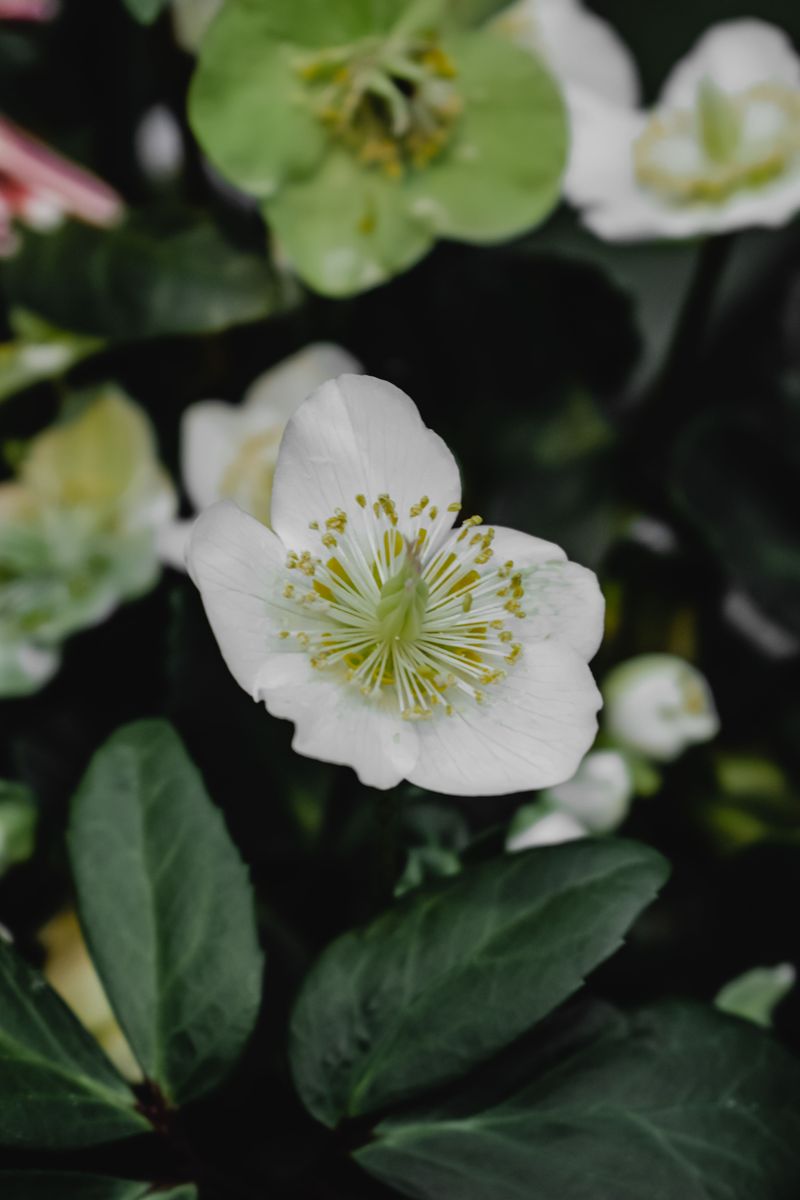
Ragged winter foliage can hide the best part of the show. A quick cleanup in late winter makes a surprising difference.
By January or February, last year’s leaves often look tattered, brown, or spotted. Removing them improves airflow, lowers disease risk, and lets the new flowers stand out.
Use clean, sharp pruners and cut close to the ground.
Here comes the tricky part, and it trips up plenty of gardeners. Lenten rose hybrids send up flowers and leaves on separate stems.
That means you can usually cut back all the old foliage just as flower buds appear.
Christmas roses are built differently. Their leaves keep feeding the plant through winter, so cutting everything back can weaken it.
With Helleborus niger, snip only the leaves that are damaged or spotted.
Wear gloves for this job. Hellebore sap can irritate skin, and the plants are toxic if eaten.
Wash your tools afterward, especially if you removed diseased leaves.
Toss spotted foliage in the trash rather than the compost pile. Black leaf spot is a common fungal issue, and those spores can linger.
Clearing infected leaves each year keeps the problem in check.
After flowering, fresh new leaves will fill in quickly. By summer, you will have a tidy evergreen clump that looks good long after the blooms fade.
Light Feeding and Steady Water Help Young Hellebores Settle In
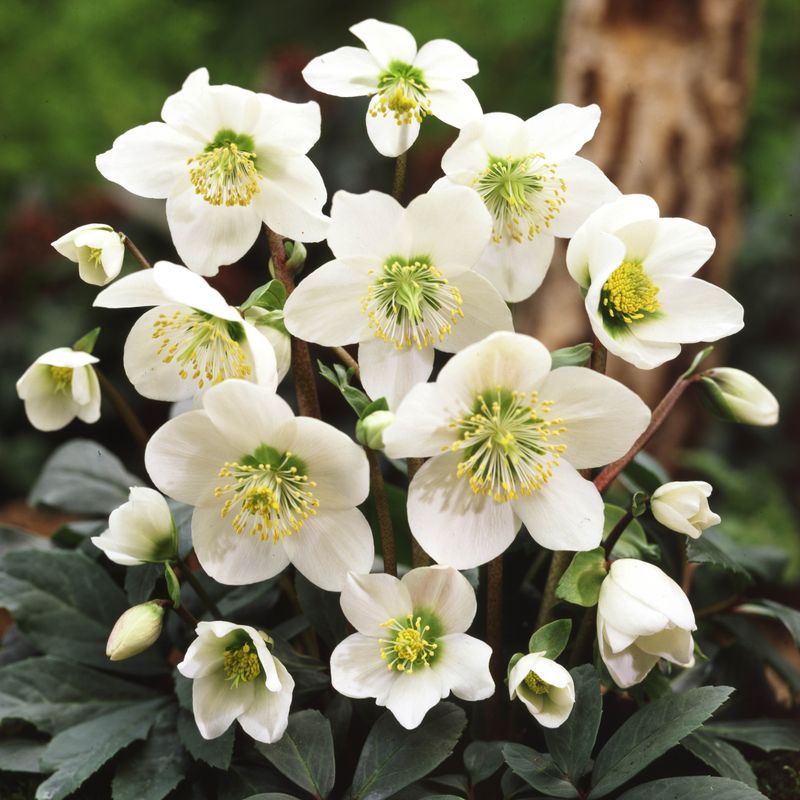
Patience pays off with hellebores. A newly planted one often spends its first year building roots instead of showing off.
During that first growing season, steady moisture matters. Give the plant about an inch of water a week when rain falls short, soaking the soil deeply.
Shallow sprinkles encourage weak roots near the surface.
Once established, hellebores handle short dry spells fairly well. Still, long summer droughts can stress them, so a deep weekly drink during heat waves is a smart habit.
The goal is moist soil, not a muddy mess.
Feeding is refreshingly simple. A layer of compost spread around the plant each fall or early spring usually provides plenty of nutrients.
If your soil is poor, a light sprinkle of balanced slow-release fertilizer in spring works too.
Go easy, though. Too much fertilizer can push lots of leafy growth with fewer flowers.
Heavy feeding in summer, when growth slows, offers little benefit.
If you buy hellebores in bloom at a nursery, expect them to settle in over the next year. Many gardeners notice bigger, fuller flower displays by the second or third winter.
I believe that wait is worth it, since mature clumps can carry dozens of blooms at once.
Deer Usually Skip Hellebores, but Slugs and Aphids Might Visit
Deer pressure across New York can be fierce, so this perk deserves attention. Hellebores contain bitter, toxic compounds, and deer and rabbits usually leave them alone.
That makes them a smart choice for suburban and rural yards where hostas get mowed down overnight. No plant is fully deer-proof, but hellebores rank among the most dependable options.
Their leathery leaves are simply not appealing.
Smaller visitors can still cause trouble. Slugs sometimes chew on flowers and young leaves during damp spring weather.
Hand-picking them in the evening or using iron phosphate bait helps manage them.
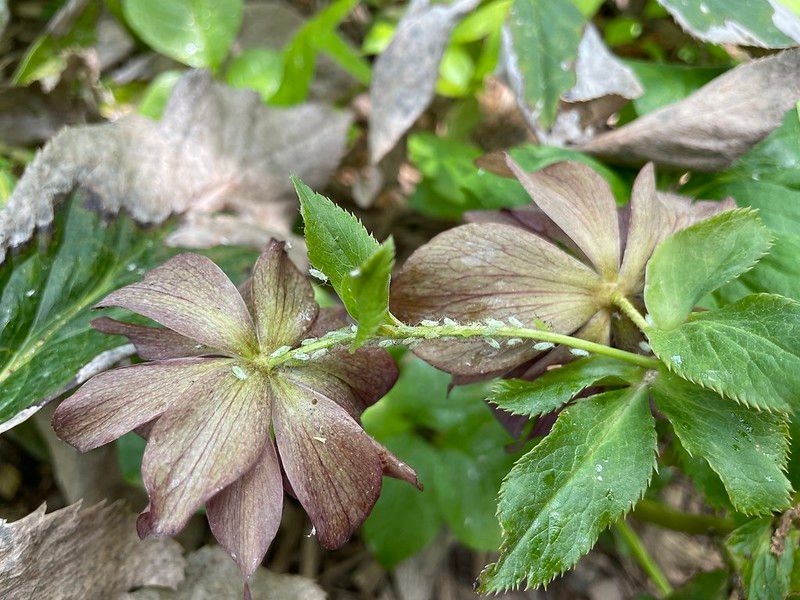
Aphids may cluster on new growth and flower buds. A strong spray of water often knocks them off.
Insecticidal soap is another gentle option if numbers climb.
Black leaf spot shows up as dark blotches on foliage. Removing affected leaves and spacing plants for good airflow keeps it under control.
A more serious virus exists in Lenten hybrids, causing streaky black markings, and affected plants should be removed.
Crown rot remains the most common problem, and it is almost always tied to wet soil or deep planting. Fixing drainage prevents most headaches.
Honestly, for a plant that blooms in winter, hellebores ask for very little attention.
Pair Your Christmas Roses With Lenten Roses for Months of Winter Color
One plant brings joy, but a small collection brings a whole season. Mixing hellebore types is my favorite way to stretch winter color.
Start with a Christmas rose for the earliest white flowers. Varieties like ‘Josef Lemper’ are known for blooming especially early.
Then add a few Lenten rose hybrids to carry color into March and April.
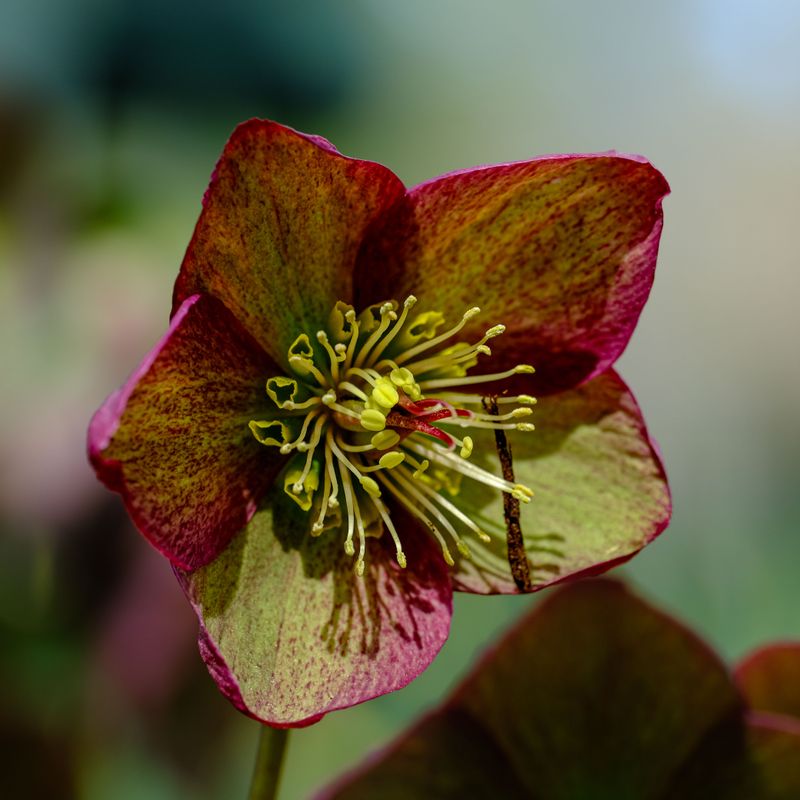
The Lenten group offers serious variety. You can find double flowers, picotee edges, freckled centers, and shades from soft blush to near-black plum.
Series like Honeymoon and Wedding Party are widely sold and fun to explore.
Planting partners make the scene even better. Snowdrops, winter aconite, and early crocus bloom around the same time and love similar conditions.
Ferns and native woodland plants such as wild ginger fill in nicely once summer arrives.
Hellebores also reseed gently under the right conditions. Seedlings may look a bit different from their parents, which adds a fun element of surprise.
Transplant them young, while they are small.
You need to start somewhere, so begin with three plants in a sheltered, shady spot this fall. Add compost, water well, and wait.
By late winter, you may find yourself checking that bed every morning, just like I do.