What To Do If A Fox Family Settles Near Your Georgia Yard

Spotting a fox along your back fence at dusk is a surprise the first time. Seeing it again with a smaller one close behind usually means there is a den nearby.
That can feel exciting and a little unsettling, especially if you have pets.
Foxes are common across Georgia, and many live closer to neighborhoods than you think. They usually stay out of sight, so a string of sightings gets your attention.
In most cases, a fox family near your yard wants to avoid you, not cause trouble.
How you react in the first few weeks can decide whether they stay or move along.
Watch where they come and go, and notice what might be drawing them in. Food left outside overnight is often a bigger lure than homeowners realize.
1. Daily Fox Sightings Can Point To A Den Nearby
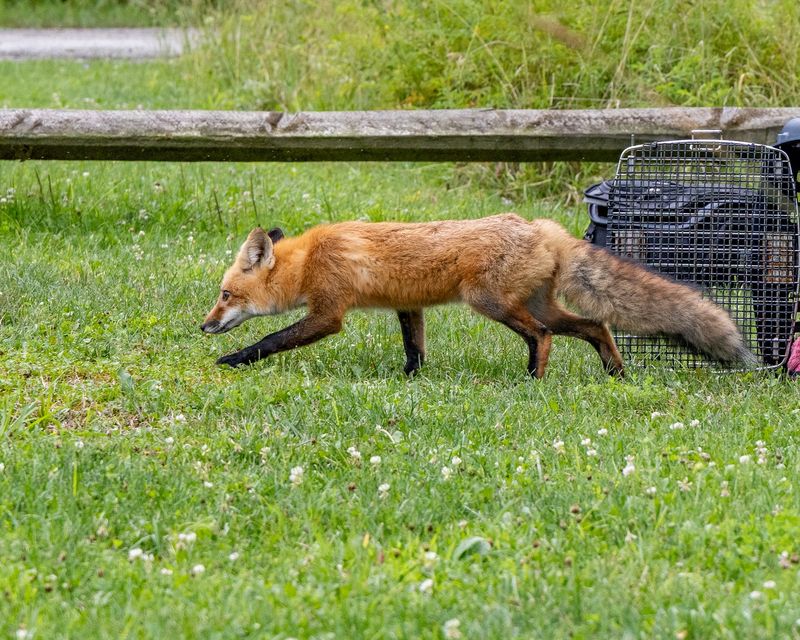
Seeing the same fox at the same spot every evening is rarely a coincidence. Adult foxes often travel set paths between their den and their favorite hunting areas.
Dens can be tucked under decks, sheds, brush piles, or old woodpiles near the edge of a yard.
Look for a hole about eight to ten inches wide with loose dirt spread around the opening. You may also notice small bones, feathers, or a faint musky smell nearby.
Early morning and dusk are the best times to watch quietly from a window.
Across Georgia, fox pups are usually born between February and April, so dens get busier in spring. Parents may carry food back to the den several times a day once the pups start eating solid meals.
Resist the urge to walk right up to the entrance for a closer look.
Getting too close can stress the parents, and they may move the pups to a new spot. That move is not always a good thing for young foxes that are still small and learning.
Keeping a simple notebook of when and where you see the fox can help you understand its routine. Once you know the pattern, you can plan dog walks and yard work around the busiest hours.
2. Red And Gray Foxes Do Not Always Behave The Same Way

Here is a surprise that catches plenty of homeowners off guard: one kind of fox can climb trees. Gray foxes have curved claws that let them scramble up trunks and rest on branches.
Red foxes stick to the ground and tend to favor open fields, yard edges, and grassy areas.
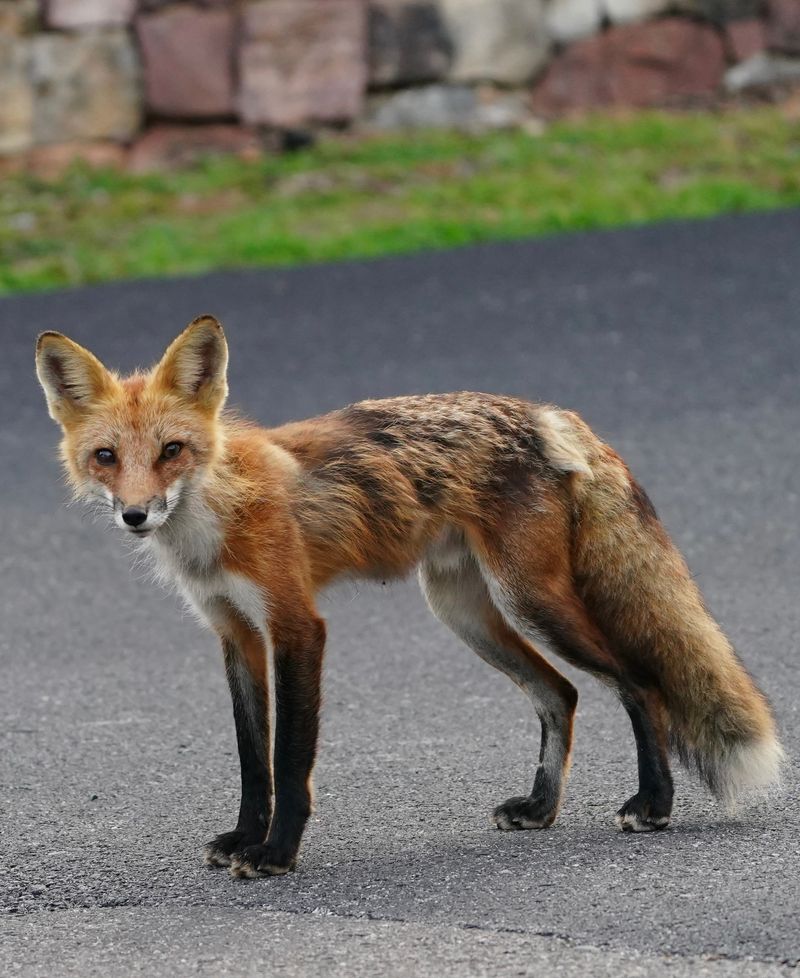
Telling them apart is easier than it sounds once you know the signs. Red foxes usually have a rusty orange coat, black legs, and a white tip on the tail.
Gray foxes look salt and pepper gray with reddish sides and a black stripe running down the tail.
Both species live throughout Georgia, but gray foxes are often linked to thicker woods and brushy cover. Red foxes seem to handle suburbs and open land fairly well, though habits can vary from place to place.
Knowing which one you have can shape how you protect your yard.
Your Georgia Garden Changes Every Week. Your Plan Should Too.
Gardening in Georgia changes quickly throughout the season. Every Friday you’ll receive a simple weekly plan showing exactly what to plant, prune, fertilize, harvest, and protect so you never miss the right timing.
A gray fox might reach a low roof, a tree near a coop, or a fence that a red fox would struggle with. Covering the top of a chicken run makes more sense if a climber is part of the picture.
Either way, both are usually wary animals that prefer to avoid people whenever they can.
3. Young Foxes Eventually Become Ready To Leave The Den

Patience may be your best tool here. A fox den is usually a temporary nursery, not a permanent home.
Pups tend to stay close to the den for the first couple of months while they grow stronger.
By around early summer, the family often starts spending less time at the main den. The young may move to other resting spots nearby as they practice hunting and roaming.
In many Georgia neighborhoods, a spring den can be empty by June or July, though timing can shift.
Wildlife groups often suggest waiting it out rather than trying to force the family away. Chasing them off too early could separate pups from parents while the young still rely on them.
Once you are fairly sure the den is empty, you can take steps to keep another family from using it.
Loosely stuff the hole with leaves or crumpled newspaper and check it for a few days. If the material stays in place, the den is likely unused and can be filled and blocked with sturdy wire mesh.
Closing off gaps under decks and sheds afterward can make the spot less attractive next season.
4. Rodents Are Often Part Of A Fox Family’s Diet
Your new neighbors might be quietly doing you a favor. Mice, rats, voles, and rabbits are common items on a fox menu.
A growing litter needs a lot of food, so parents may hunt often around yards and gardens.
Foxes are not picky eaters, and their meals change with the season. Along with small animals, they may eat insects, birds, fruit, berries, and whatever scraps they can find.
Fallen persimmons and muscadine grapes in Georgia yards can draw a fox in late summer and fall.
Gardeners sometimes notice fewer voles chewing on roots when a fox is active nearby. Results can vary, and a single fox family should not be counted on as a full pest control plan.
Skipping rat poison is a smart move when foxes are hunting on your property.
Poisoned rodents can pass harmful chemicals to the animals that eat them, including foxes and owls. Snap traps placed inside covered boxes are a safer choice for other wildlife and pets.
Watching a fox pounce on a mouse in tall grass is a fun sight that says a lot about its hunting skills.
5. Pets Chickens And Food Scraps Need Extra Attention

Chickens left outside after dark are an easy invitation. Foxes are skilled at finding weak spots in coops, especially at night.
Closing birds inside a sturdy coop every evening is one of the most helpful habits you can build.
Hardware cloth works better than chicken wire, which a determined fox can tear or push through. Burying the mesh about a foot deep, or adding an apron along the ground, helps stop digging.
Small pets like cats, rabbits, and tiny dogs are safer indoors or supervised outside at dawn and dusk.
Most foxes avoid larger dogs, but a parent guarding pups may act defensive if a dog gets too close. Keeping dogs on a leash near the den area can prevent a tense standoff.
Pet food bowls left on the porch can bring foxes right up to your door.
Georgia summers also make garbage smell stronger, so secure trash cans with tight lids or straps. Compost piles with meat or dairy can attract hungry visitors too.
Never feed a fox on purpose, even if the pups look hungry or cute.
6. Unusual Behavior Is A Reason To Contact A Professional
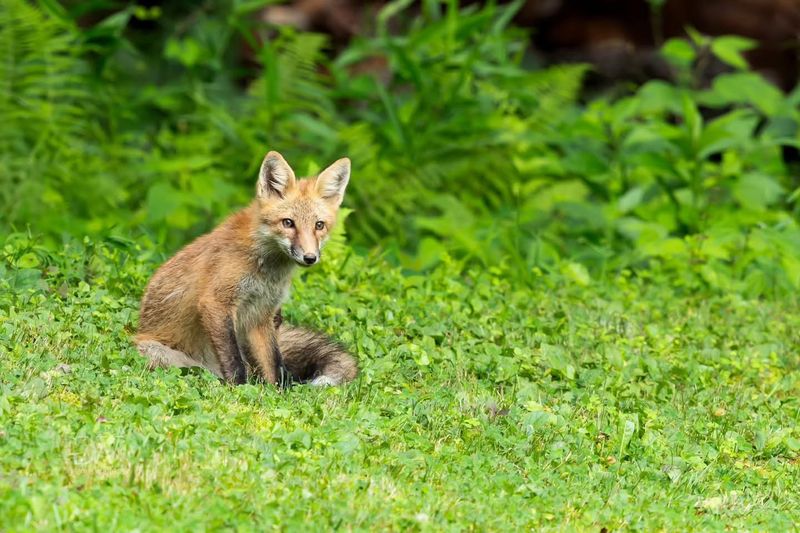
A fox that walks toward you instead of away deserves a second look. Healthy foxes normally keep their distance and slip away when people show up.
Signs of trouble can include stumbling, circling, strange boldness, or aggression without a clear reason.
Mange is another common issue, showing up as patchy fur, crusty skin, and a thin, ragged look. Rabies is less common but serious, and any fox acting very odd should be treated with caution.
Keep kids and pets inside and avoid touching or trapping the animal yourself.
Georgia residents can reach out to the Georgia Department of Natural Resources Wildlife Resources Division for guidance. Local animal control or a licensed wildlife rehabilitator can also help in many counties.
Seeing a fox during the day is not a problem on its own, since parents often hunt in daylight to feed pups.
A single orphaned-looking pup may not actually be alone, because parents leave young for hours at a time. Watching from far away for a day before calling for help is often the wiser choice.
If anyone is bitten or scratched, wash the wound and contact a doctor right away.
7. Fox Activity Usually Changes As The Young Grow Older

Spring and fall can feel like two different fox stories in the same yard. Early in the year, the den area buzzes with play, tumbling pups, and parents coming and going.
As summer rolls on, the young start wandering farther and spend more time out of sight.
By fall, many young foxes leave their family area to look for territory of their own. You might spot a lone young fox crossing roads or passing through yards it has never visited before.
Winter in Georgia often brings mating season, and you may hear sharp barks or eerie screams at night.
Those sounds can be startling, but they are a normal part of fox communication. Noise levels and timing may vary depending on how many foxes live in your area.
Tracking these shifts can help you decide when to relax and when to tighten up yard safety.
Late winter is a good time to check under decks and sheds before a new family moves in. Blocking openings then may lower the chance of another den right beside your house.
Each season gives you a chance to learn something new about these clever neighbors.