8 Things That Make Your Texas Yard An Opossum Magnet This Time Of Year
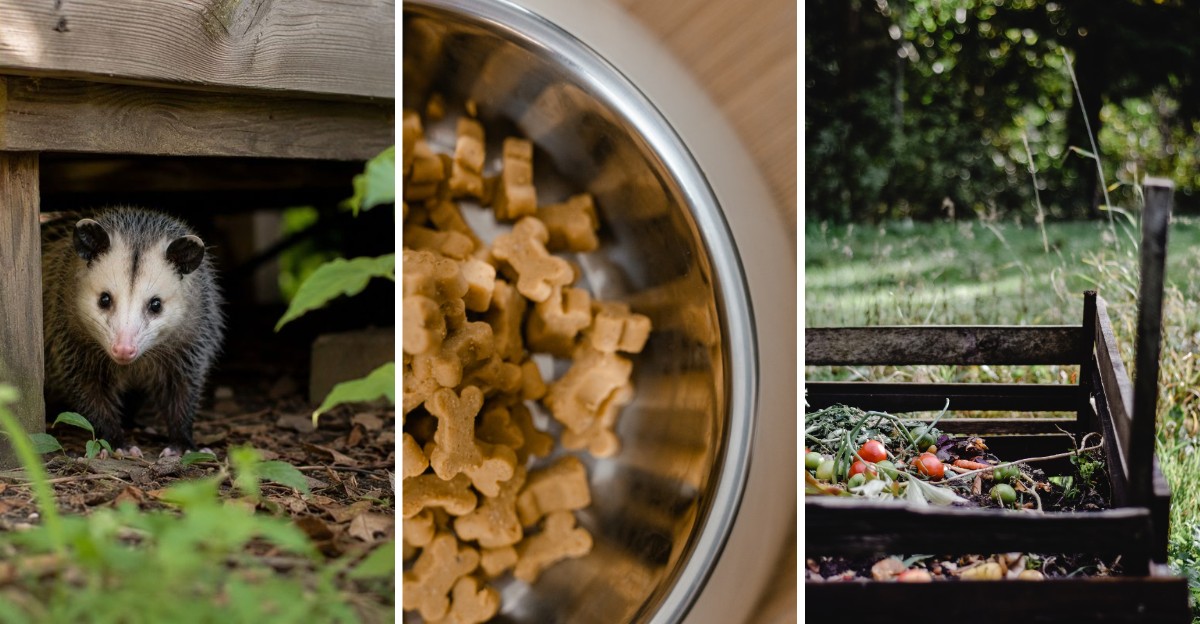
Fallen pecans beneath your trees are feeding guests you did not invite. Opossums and raccoons pick up that rich scent quickly after dark.
Cooler Texas nights bring heavy nut drops across lawns, patios, and driveways. That timing matters because wild animals start fattening up for winter.
Raccoons use nimble front paws to lift lids, tip bowls, and unlatch bins. Pale opossums sample porch pet food, fallen birdseed, and overripe garden tomatoes. Grubs beneath Texas lawns pull in armadillos, too.
You hear crunching by the shed and suspect the wind. Daylight then reveals scattered trash bags, overturned cans, and muddy prints across your steps. Plus, a well-fed visitor returns with friends.
Closing down this late-night buffet takes less effort than you expect. Smart fixes now spare you a messy season. Here is how you send them elsewhere before they settle in.
Fallen Pecans And Acorns Littering The Grass
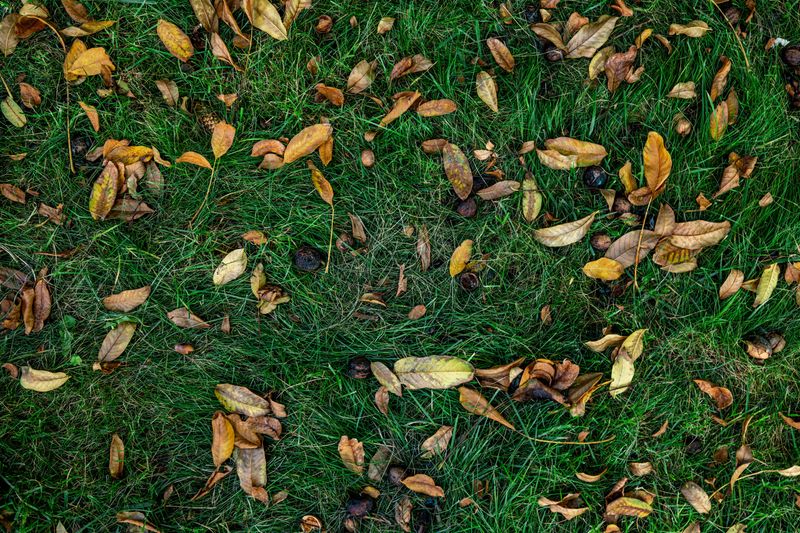
An old saying holds that a good pecan year means a busy fall for wildlife. Texas pecan trees can start dropping nuts in early fall, with the heaviest drop in October and November, and hungry critters notice fast.
Opossums are not picky eaters at all. Alongside fruit and insects, they will snack on pecans, acorns, and cracked nuts left in the grass.
Live oaks and post oaks across the state also drop acorns around this time. A single large oak can shed thousands of acorns in one good season.
That pile under your tree works like an open snack bar every single night. Once an opossum finds it, the animal will likely return again and again.
The simplest fix is raking or sweeping up fallen nuts every few days. A nut gatherer tool, the kind with a wire cage, makes the chore surprisingly quick.
Kids often enjoy rolling the gatherer around, so turn it into a family game. Pay a penny per nut, and the lawn will be spotless by supper.
Save the good pecans for pies, and toss cracked or moldy ones in a sealed bin. Leaving them on the ground only keeps the midnight buffet running.
Fun fact: the pecan is the official state tree of Texas. You can love your tree and still keep its dropped treasures off the menu for wildlife.
Check under the tree each morning during peak drop season. A quick pickup routine keeps visitors moving on to someone else’s yard.
Overripe Persimmons Dropping From The Trees
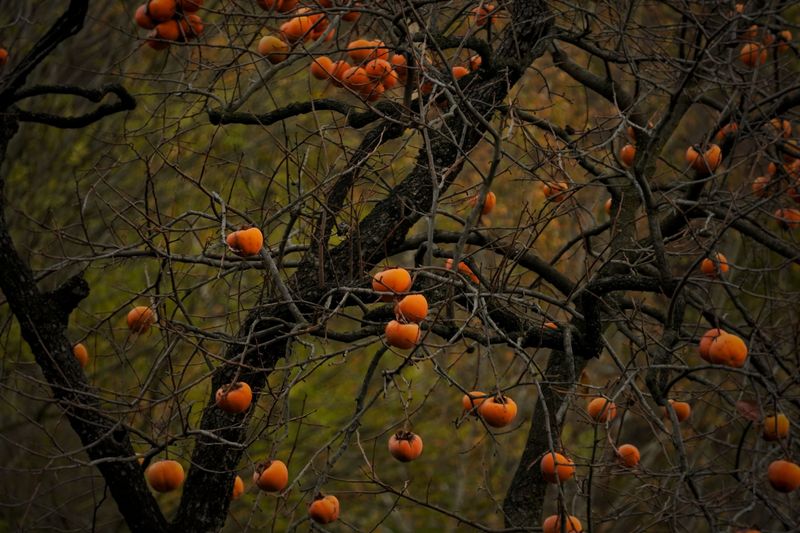
Picture a soft orange fruit so ripe it practically melts when it hits the ground. To an opossum, that splat sounds like a dinner bell.
Texas persimmon and American persimmon trees ripen from late summer into fall. Old country folks even called the American persimmon tree possumwood.
Opossums adore sweet, mushy fruit, and fallen persimmons are some of their top picks. They will climb trees, too, grabbing fruit before it even drops.
Figs, pears, and late grapes can cause the same problem in many Texas yards. Anything soft and sugary rotting on the ground acts like a giant welcome sign.
Your Texas Garden Changes Every Week. Your Plan Should Too.
Gardening in Texas changes quickly throughout the season. Every Friday you’ll receive a simple weekly plan showing exactly what to plant, prune, fertilize, harvest, and protect so you never miss the right timing.
Rotting fruit also draws fire ants, flies, and wasps, which nobody wants near the patio. Cleaning it up solves several headaches at the same time.
Pick ripe fruit as soon as it is ready, even if you have to share with neighbors. A fruit picker pole helps you reach high branches without a wobbly ladder.
Collect fallen pieces daily, especially in the evening before critters start their rounds. Bag the mushy fruit and place it in a trash can with a tight lid.
If your tree produces more than you can handle, consider making jam or fruit leather. Local food pantries sometimes welcome fresh, firm fruit donations as well.
Honestly, a little effort each evening goes a long way. Your yard stays cleaner, and the night visitors lose their favorite dessert stop.
Some homeowners also wrap trunks with smooth metal sheeting to discourage climbing. Keep the band about two feet wide and three feet off the ground, and trim branches that touch fences, roofs, or nearby trees.
Pet Food Bowls Left On The Porch
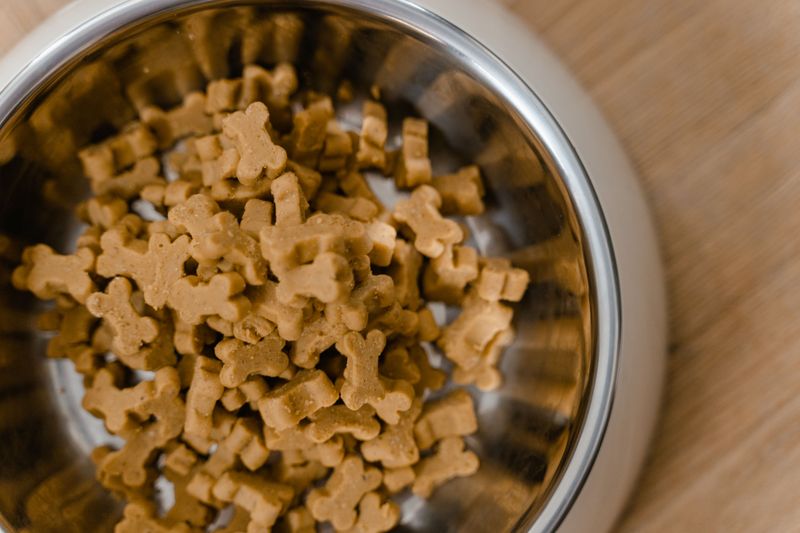
Your cat thinks that bowl on the porch belongs to her alone. Sadly, the neighborhood opossum strongly disagrees and shows up nightly to prove it.
Pet food is a major opossum attractant in many Texas neighborhoods. Kibble is packed with protein and smells amazing to a nose built for finding snacks.
Fall makes the issue worse because many folks feed pets outside once the heat breaks. Those pleasant fall evenings are great for us and even better for hungry critters.
Leftover food also brings raccoons, skunks, and stray cats into the mix. Soon your porch turns into a noisy nightly party with fur flying.
Feed pets indoors whenever possible, or serve meals outdoors only during daylight. Pick up the bowl after about twenty minutes, even if some food remains.
Water bowls can attract visitors too, especially during dry spells. Bring them inside at night or empty them before bedtime.
Store pet food bags in a garage or shed inside a sealed plastic or metal container. Opossums can chew through paper bags quicker than you might expect.
Automatic feeders left outside are another sneaky trouble spot. Some clever critters learn to nudge the dispenser until kibble tumbles right out.
Here is a quick trick worth trying tonight. Place a motion light near the feeding area, since opossums prefer to eat in darkness, though they may get used to it over time.
Your pets will not mind the new routine after a few days. Plus, you get to skip the startled scream when a hissing face greets you at midnight.
Unsecured Trash Cans Beside The Garage
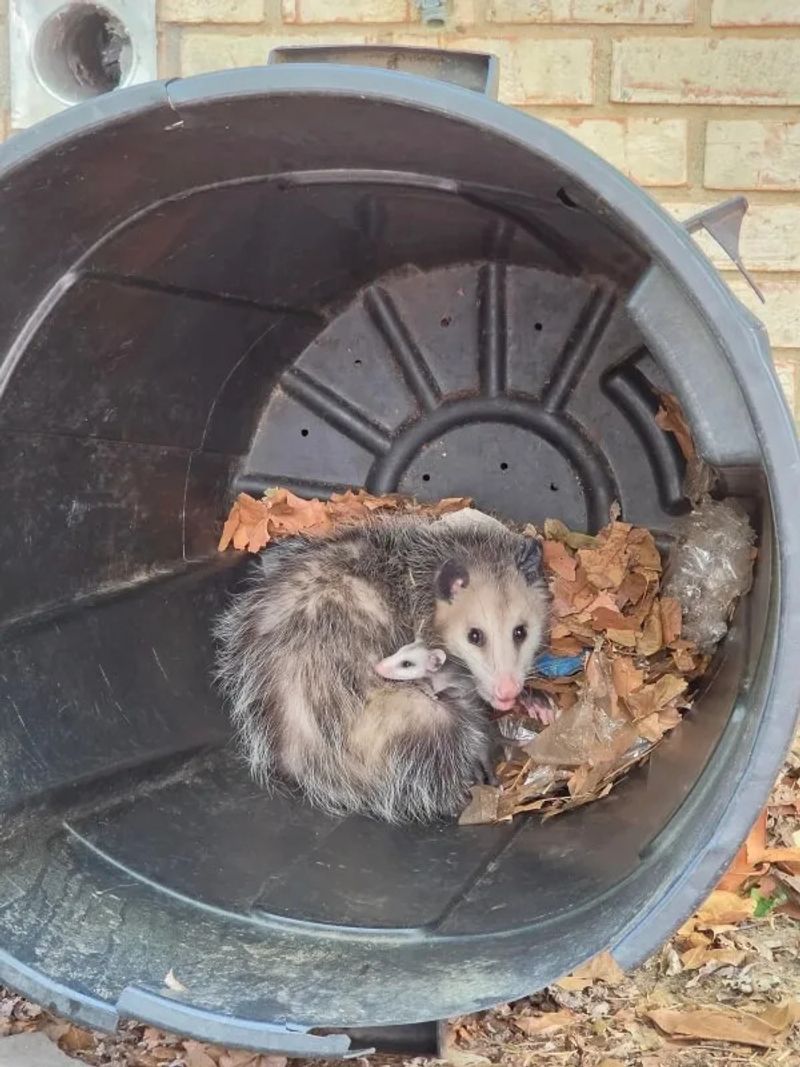
Nothing says good morning like garbage scattered across your driveway at sunrise. If this sounds familiar, a night visitor may have raided your trash can.
Opossums have about fifty teeth, more than any other North American land mammal. Those teeth and a strong sense of smell make trash cans easy targets.
Fall cookouts, football parties, and holiday baking start filling bins with tasty leftovers. Chicken bones, greasy wrappers, and fruit peels create an irresistible smell.
A lid that simply rests on top does very little to stop a determined animal. One bump from a curious critter can tip the whole can over.
Choose sturdy cans with locking lids or add bungee cords across the top. Heavy-duty plastic or metal cans hold up far better than thin, cheap ones.
Keep bins inside a garage or shed until the morning of trash pickup. If that is not possible, strap them to a fence post so they stay upright.
Rinse cans with soapy water every couple of weeks to cut down on lingering odors. A splash of vinegar or a sprinkle of baking soda helps even more.
Double-bag smelly scraps like meat and fish before tossing them in the bin. Freezing those scraps until trash day also keeps odors from drifting.
Recycling bins deserve attention too, since soda cans and yogurt cups carry sweet leftovers. Give containers a quick rinse before they go out.
With a few tweaks, your trash will stop being the hottest spot in town. Your driveway, and your mornings, will look a whole lot better.
Leaf Piles And Brush Heaps In The Corners
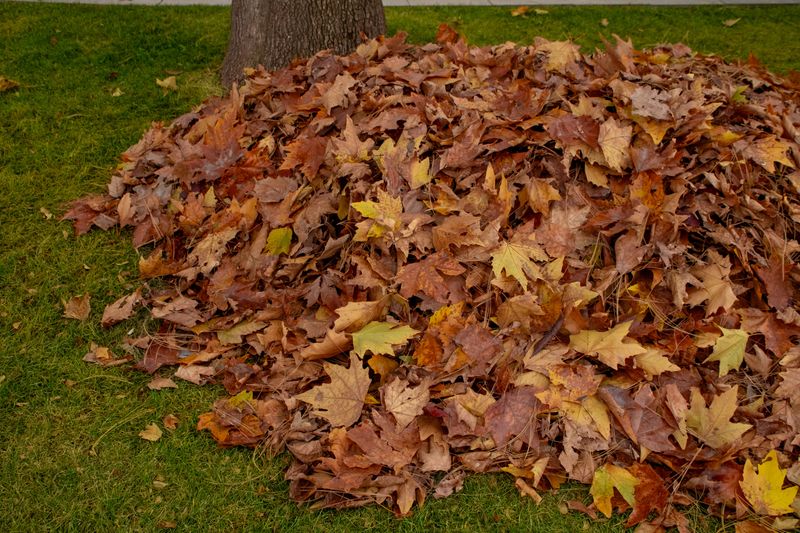
Jumping into a crunchy leaf pile is a classic fall joy for kids. Opossums love those piles too, but for very different reasons.
Piles of leaves, branches, and yard clippings make cozy hiding spots during cooler nights. They also hold beetles, crickets, snails, and grubs, which opossums gladly gobble up.
In Texas, leaves drop later than up north, but many trees start shedding in early fall. Brush piles from summer trimming often sit untouched in back corners, too.
An opossum does not dig its own den like some animals do. Instead, it borrows ready-made shelters, and your messy brush heap fits the bill nicely.
Here is the tricky part for gardeners who love wildlife. Leaf litter is great for soil and helpful bugs, so a little mulch is fine.
The key is keeping loose piles small, spread out, and away from the house. Shred leaves with a mower and spread them thinly across garden beds.
Haul large brush piles to a city drop-off site or schedule a bulk pickup. Many Texas cities offer yard waste collection or drop-off sites, so check with your city for schedules and fees.
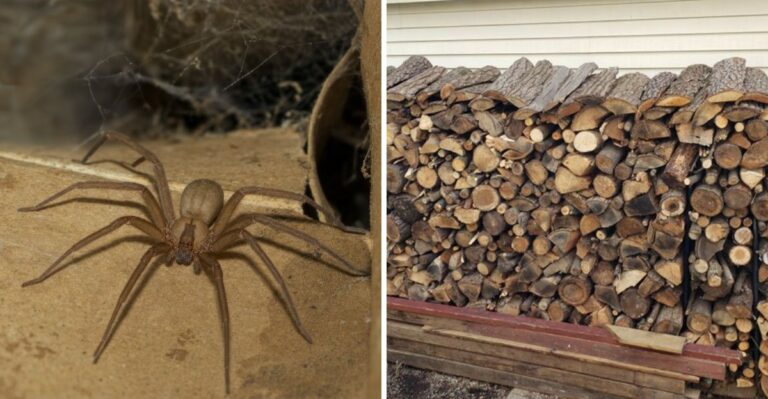
Stacked firewood is another favorite hideout, especially near back porches. Keep woodpiles raised off the ground and at least twenty feet from your home.
Before moving any big pile, poke it gently with a rake first. A mother opossum might be tucked inside with babies clinging to her back.
Tidy corners mean fewer hideouts and fewer surprise encounters. You will also find it easier to spot snakes, which is a nice bonus.
Open Crawl Spaces Under The House
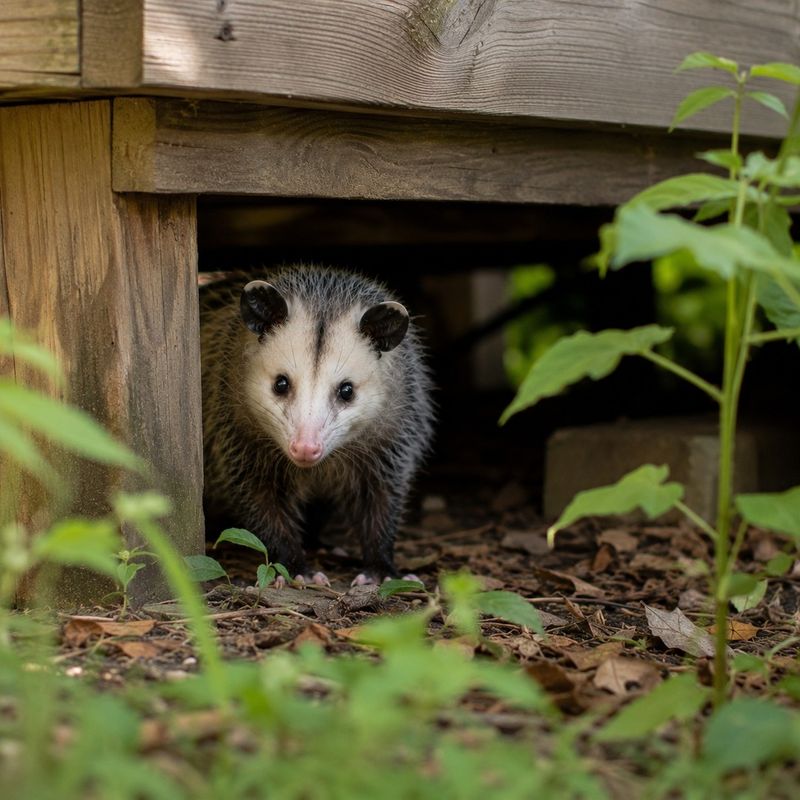
Imagine lying in bed one October night and hearing soft scratching beneath the floor. The culprit could easily be an opossum setting up camp in your crawl space.
As nights get cooler, opossums start hunting for warm, dry shelter. Gaps under homes, decks, porches, and sheds look like perfect little apartments.
Opossums cannot handle cold very well because their tails and ears have little fur. Even mild Texas cold snaps send them looking for protection from wind.
Walk around your house in early fall and look for loose vent covers or broken lattice. Check for gaps where skirting has pulled away from mobile homes, too.
An opossum can squeeze through an opening about three inches wide. That means a small hole can quickly become a big headache.
Seal openings with sturdy hardware cloth rather than flimsy chicken wire. Bury the bottom edge several inches deep to block any digging underneath.
Make sure the space is empty before you seal it. Sprinkle flour near the opening and look for tracks the next morning.
If tracks lead out but not back in, the visitor has likely moved on. Close the gap that same day before another guest discovers it.
Babies are most common in spring and summer, so fall is usually a better time for repairs, though late litters are still possible.
A licensed wildlife removal service can help if an animal refuses to leave, and Texas Parks and Wildlife offers guidance on trapping and relocation rules.
Blocking crawl spaces also protects wiring, insulation, and pipes from damage. Your floors stay quiet, and your sleep stays peaceful.
Compost Bins Full Of Kitchen Scraps
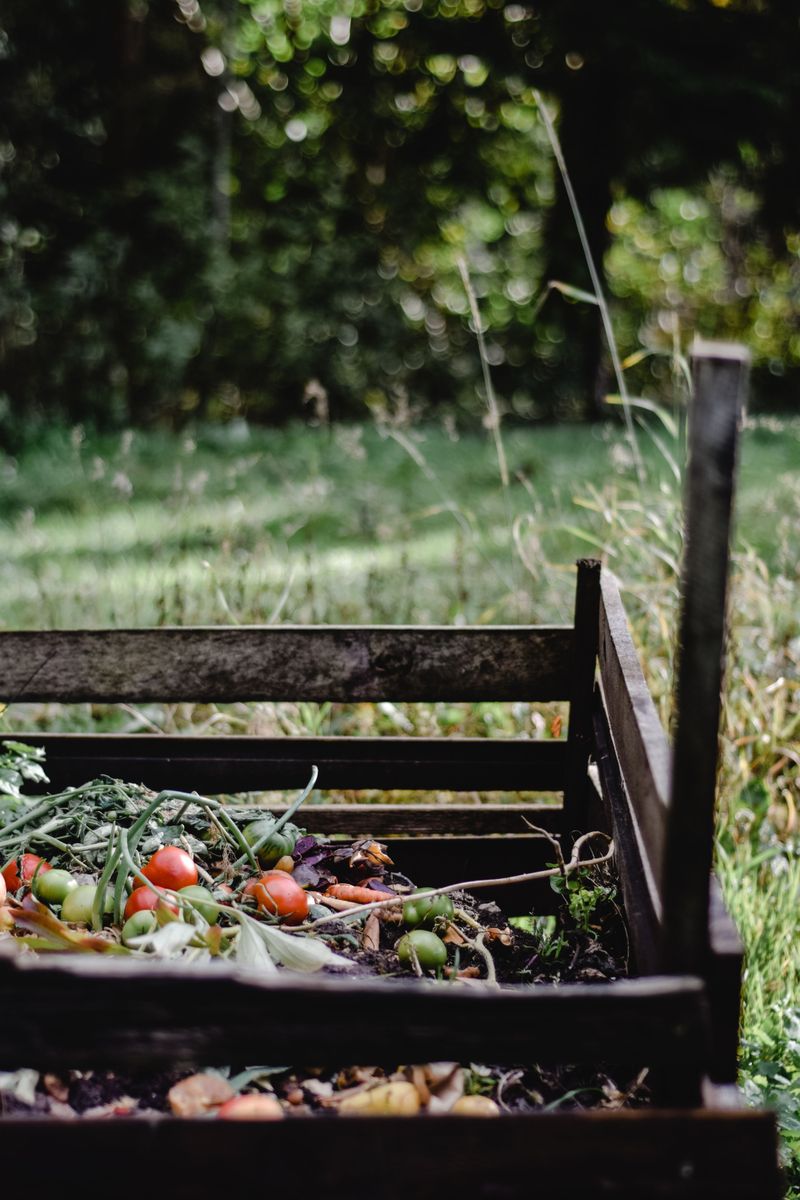
Composting is a wonderful habit, and Mother Earth thanks you for it. Unfortunately, so does every hungry opossum within smelling distance.
Open compost piles loaded with kitchen scraps can smell like a fancy buffet. Melon rinds, bread crusts, and eggshells send a tempting message into the night air.
Fall is a busy composting season, with pumpkin guts, apple cores, and raked leaves piling up. Warm Texas days keep scraps breaking down, which boosts the smell.
Meat, dairy, oily foods, and bones should stay out of home compost altogether. Those items attract wildlife fastest and do not break down well in backyard bins.
Switch to an enclosed bin or a tumbler with a latching door. Critters have a much harder time getting inside a sealed container.
Bury fresh food scraps under a thick layer of brown material like dry leaves. The leaves hide odors and help balance the pile at the same time.
Place the bin on a base of hardware cloth to stop animals from tunneling underneath. Setting it away from fences also removes an easy climbing route.
Turning the pile often keeps it hot and speeds up decomposition. A hotter pile breaks food down faster, leaving less time for critters to raid it.
Some folks worry that composting is too messy to be worth the trouble. With the right setup, it stays neat, smells earthy, and feeds your garden beautifully.
Think of it as locking the pantry door at night. Your soil still gets its treats, and the neighborhood night crew goes home hungry.
Bird Feeders Spilling Seed On The Ground
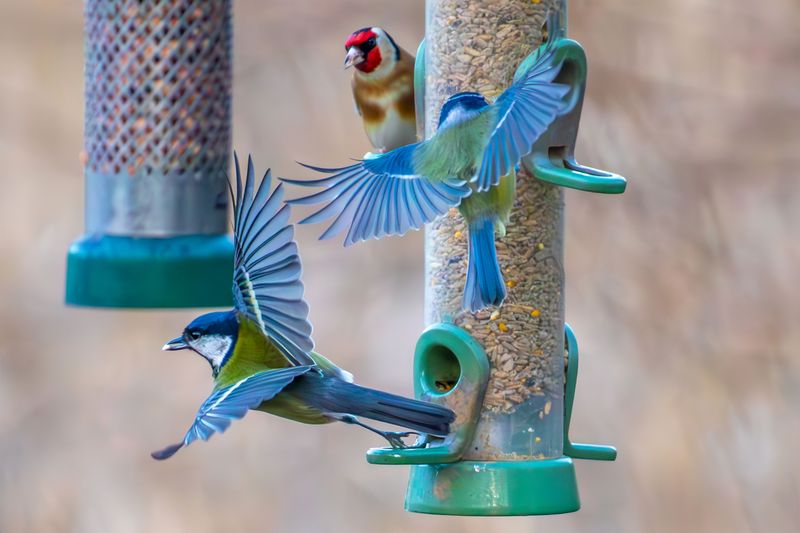
Did you know that fall migration brings millions of birds through Texas each year? Many homeowners hang feeders to enjoy the show, and that is a lovely idea.
Birds are messy diners, though, and they fling seeds everywhere while they eat. That spilled seed lands on the ground and quietly calls in nighttime guests.
Opossums happily snack on sunflower seeds, cracked corn, and suet. Spilled seed also draws mice and rats, which may bring snakes along for the party.
Seed trays placed directly on the ground are a common problem. Suet cakes hung low on fences cause similar trouble.
Add a wide catch tray under each feeder to trap falling seeds before they hit the grass. Sweep up leftovers every evening, just like clearing a dinner table.
Try no-mess seed blends made from hulled sunflower hearts or chips. Birds eat the whole thing, so fewer shells and scraps end up on the ground.
Hang feeders at least five feet high on a smooth metal pole, about eight to ten feet from fences and branches. A cone-shaped baffle below the feeder stops climbers from shimmying up.
Consider bringing feeders inside at night if visitors keep showing up. Birds mostly feed during the day, so they will barely notice the change.
Store extra birdseed in a metal can with a snug lid. A forgotten bag in the garage can be torn open by morning.
With a few adjustments, you can enjoy colorful cardinals without inviting the night shift. Your feathered friends get breakfast, and the uninvited diners get nothing.