Arizona Grape Ivy: A Backyard Vine That May Cause a Rash in Some People
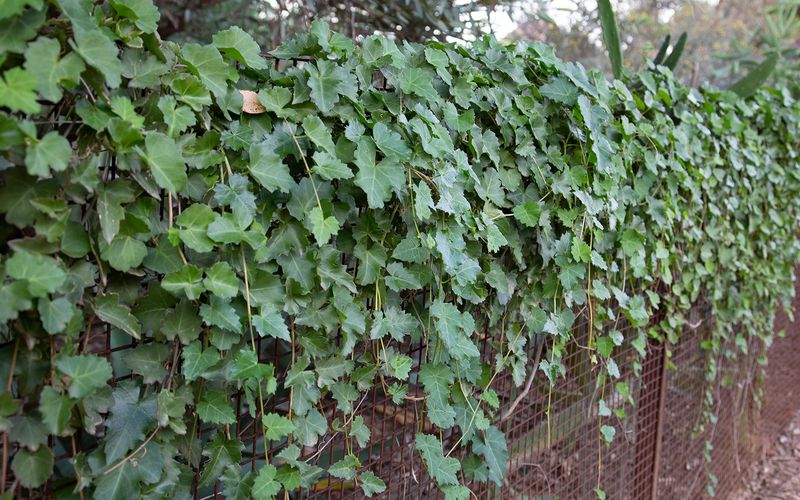
Plenty of Arizona backyards have a climbing vine that blends right into the fence line or scrambles up a block wall without drawing much attention. What surprises some homeowners is finding out that certain native vines can irritate the skin after contact.
Arizona grape ivy is one plant worth knowing about, because a little information goes a long way toward staying comfortable while you work in the yard.
Arizona grape ivy is a plausible match, not a confirmed identification
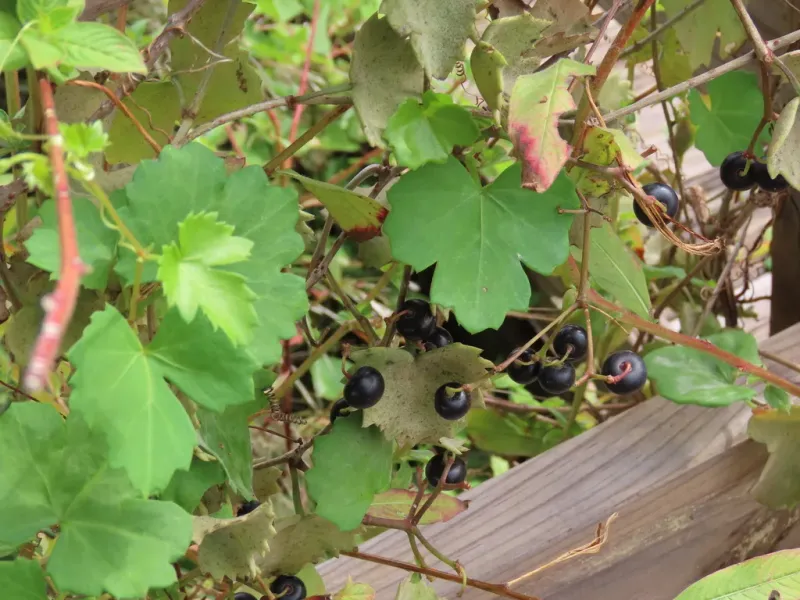
When a homeowner spots an unfamiliar climbing vine in the yard and wonders whether it could irritate the skin, Arizona grape ivy (Cissus trifoliata, also noted in some botanical records as Cissus trifoliata var. incisa) is a reasonable plant to look into. University of Arizona Cooperative Extension vine guidance describes it as a deciduous climbing vine with low-to-medium water needs that can reach 15 to 30 feet at maturity.
It spreads by underground tubers, which helps it persist through hot Arizona summers and resprout after frost.
The vine is native to parts of the Southwest, and botanical records place it in southeastern Arizona in particular. Its three-leaflet pattern and climbing habit make it look fairly unassuming against a wall or fence, which is part of why it often goes unnoticed until someone brushes against it.
Saying that Arizona grape ivy is a plausible match for a backyard vine is not the same as identifying a specific plant. Without a photograph, a pressed specimen, or an in-person look from someone with local plant knowledge, no article can confirm what is actually growing in a reader’s yard.
Arizona has many climbing vines, and other plants can cause similar concerns.
Its foliage may cause a rash in some people
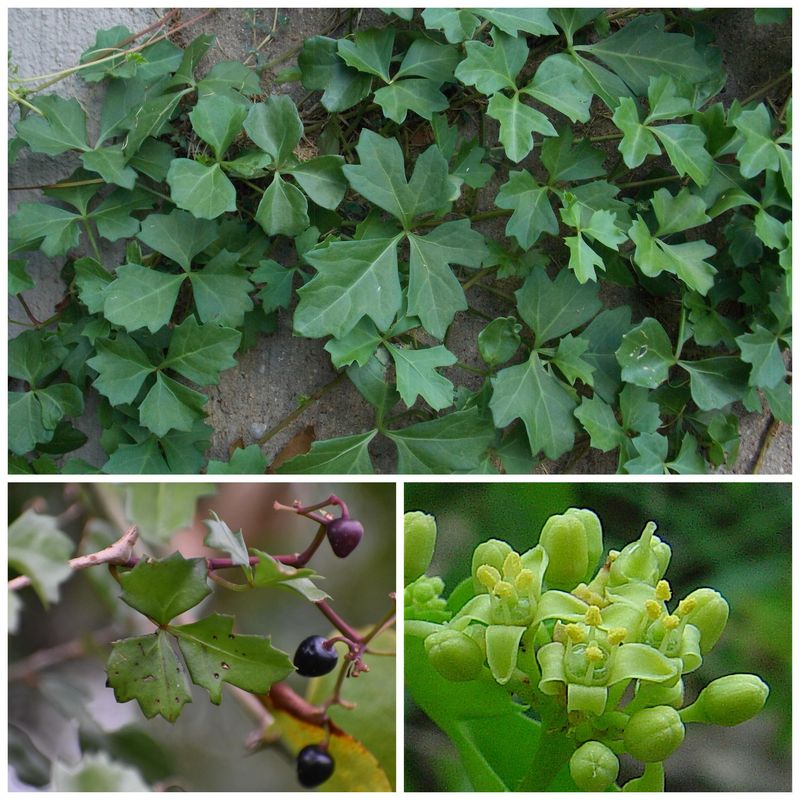
The University of Arizona’s vine guide notes that Arizona grape ivy foliage can cause a rash in some people. The SEINet botanical database for the Arizona-New Mexico region similarly records that sensitive individuals may develop dermatitis from contact with the plant.
Both sources are clear that this is a reaction affecting some people, not a guaranteed outcome for everyone who brushes against a leaf.
Neither source names a specific toxin, describes how the reaction works in the body, or gives a percentage of people likely to be affected. The reaction appears to depend on individual sensitivity, so one person may work near the vine without any trouble while someone else develops noticeable skin irritation after contact.
One detail worth separating out: the same plant’s underground tubers are reported to be poisonous. That is a different concern from the possible skin reaction tied to the foliage.
Touching the leaves or stems is not the same as ingesting a tuber, and the sources treat these as two distinct hazards. Keeping that distinction clear helps avoid overstating either risk.
The evidence does not establish a burn or how long a rash lasts
The phrase “burns skin for days” sounds alarming, and it is worth being straightforward about what the available information actually says. The University of Arizona source describes a possible rash in some people after contact with Arizona grape ivy foliage.
Your Arizona Garden Changes Every Week. Your Plan Should Too.
Gardening in Arizona changes quickly throughout the season. Every Friday you’ll receive a simple weekly plan showing exactly what to plant, prune, fertilize, harvest, and protect so you never miss the right timing.
That is the documented claim. The sources do not describe a burn, and they do not say how long any rash might last or when it typically begins after contact.
For plant exposures generally, FDA guidance on poisonous plants notes that symptoms can appear anywhere from a few hours to several days after exposure, depending on the plant and the person. Poison Control also notes that certain plant sap exposures combined with sunlight can produce delayed redness or blistering.
Those are general facts about plant-related skin reactions, not specific findings about Arizona grape ivy.
Treating a possible rash seriously makes sense. Overstating it as a guaranteed severe burn that lasts for days does not match what the sources report.
The practical takeaway is straightforward: if you contact an unidentified vine and later notice skin irritation, the timing and severity can vary, so protecting yourself before contact and washing promptly after are the steps that matter regardless of which plant is involved.
Western poison ivy is a separate Arizona possibility
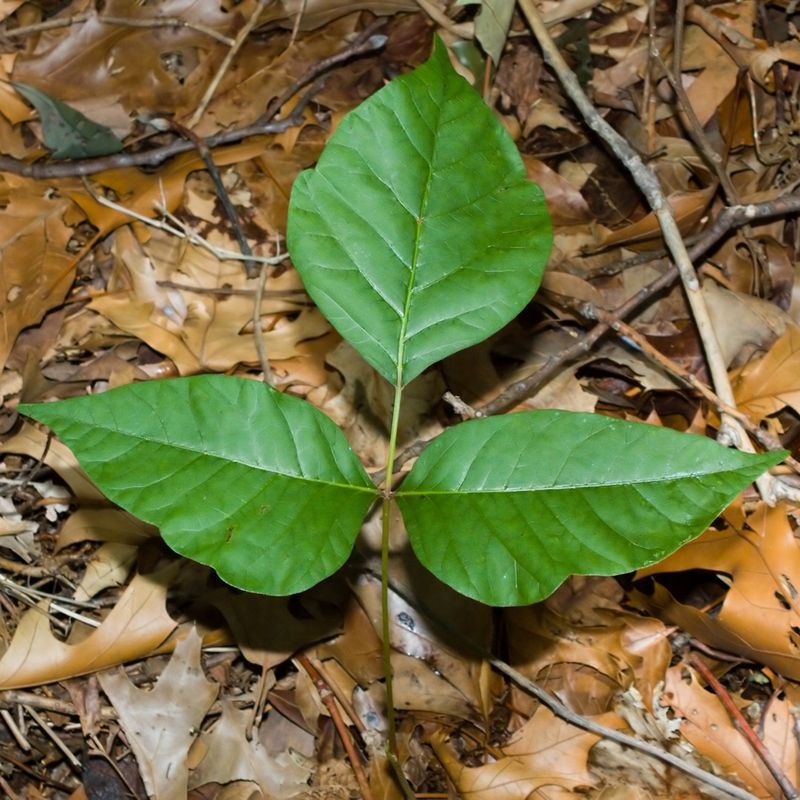
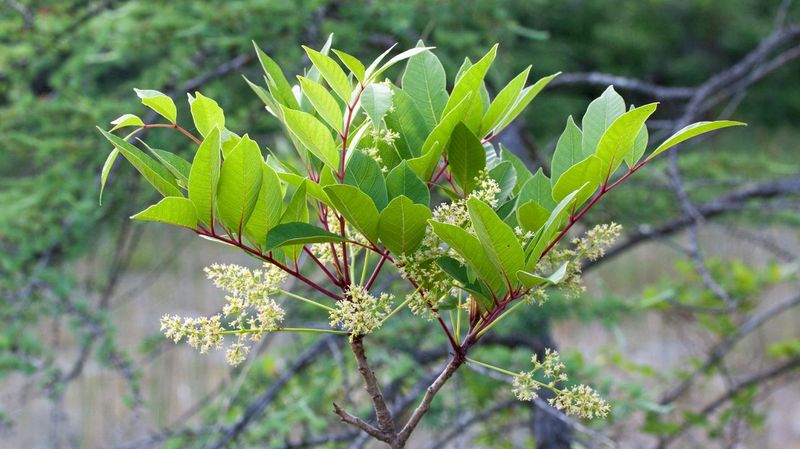
Arizona grape ivy is not the only plant worth knowing about when a yard vine raises concerns. Western poison ivy (Toxicodendron rydbergii) is also present in Arizona, though its typical habitat and growth habit differ from what most people picture when they think of a backyard climber.
A University of Arizona Cooperative Extension profile for Yavapai County describes western poison ivy as an upright shrub or ascending plant rather than a classic climbing vine. It tends to grow in moist sites such as canyon bottoms, stream banks, seeps, and springs.
The profile notes that the plant’s parts contain an oil irritant capable of causing severe reactions in many people. The U.S.
Forest Service also documents poison ivy species in Arizona and connects urushiol exposure to dermatitis, noting that growth form can vary by species and conditions.
These descriptions are useful background, but they cannot identify an unseen plant in a specific yard. A vine growing on a sunny block wall in a Phoenix suburb and a shrubby plant along a Sedona creek are very different situations.
The three-leaflet rule is widely repeated but not a reliable standalone identifier, since multiple Arizona plants share that leaf pattern. Local plant identification from a reliable source remains the clearest path to knowing what you are actually dealing with.
Protect your skin while identifying or clearing unknown growth
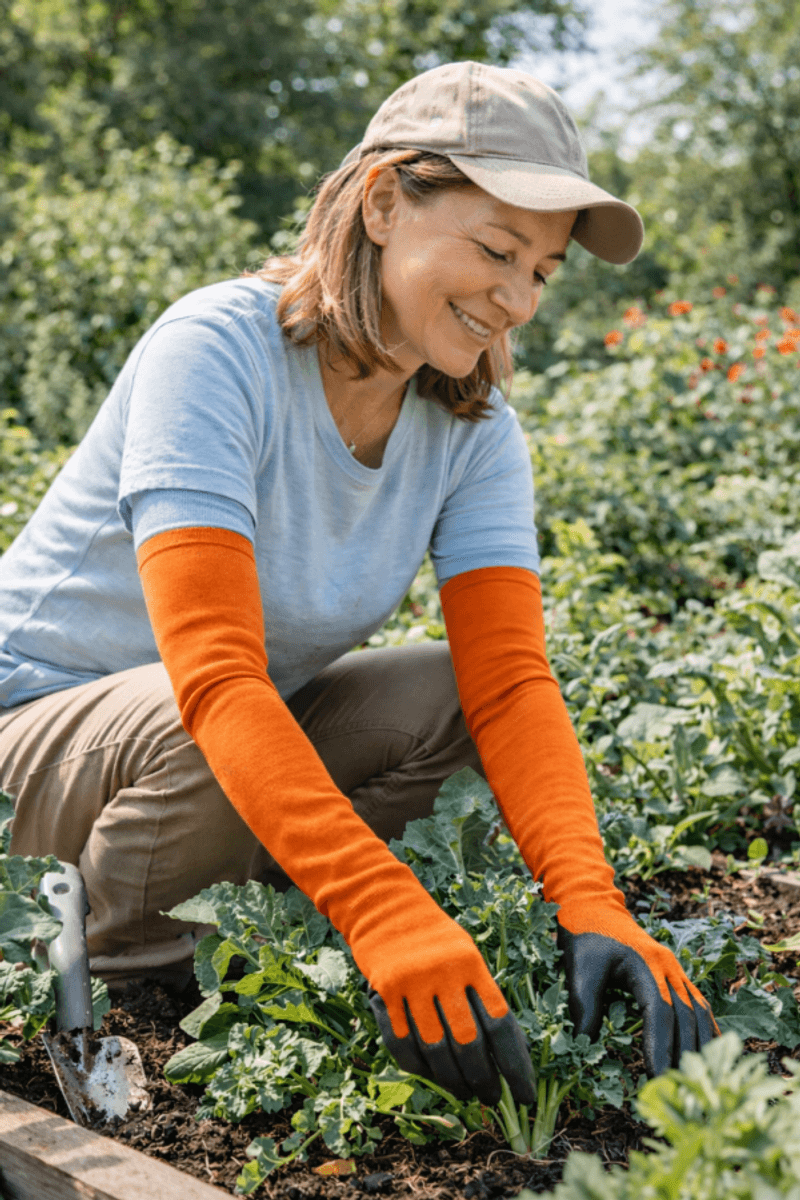
Before touching any unidentified vine, covering exposed skin is the most straightforward way to reduce the chance of irritation. Long sleeves, long pants, closed-toe shoes, and sturdy gloves all help keep plant material away from skin.
Keeping your hands away from your face and eyes while working matters just as much, since transferring plant material that way can cause problems in sensitive areas.
Poison Control recommends these basic precautions for working around outdoor plants that may cause skin reactions. Getting a reliable identification before you start clearing or trimming unknown growth is also worth the effort.
Local resources such as a county cooperative extension office, a native plant society, or a knowledgeable nursery can often help identify a plant from a photo or a clipping.
One precaution deserves particular emphasis: do not burn a vine you suspect might be poison ivy. The FDA specifically warns that burning poison ivy releases compounds into the smoke that can cause serious breathing problems, affecting the airways in ways that skin contact alone does not.
That warning applies whether you are certain of the identification or just uncertain enough to be cautious. Pulling or mowing an unidentified vine bare-handed carries its own risks, so protective gear and a confirmed identification should come before any removal attempt.
Wash exposed skin and contaminated items promptly
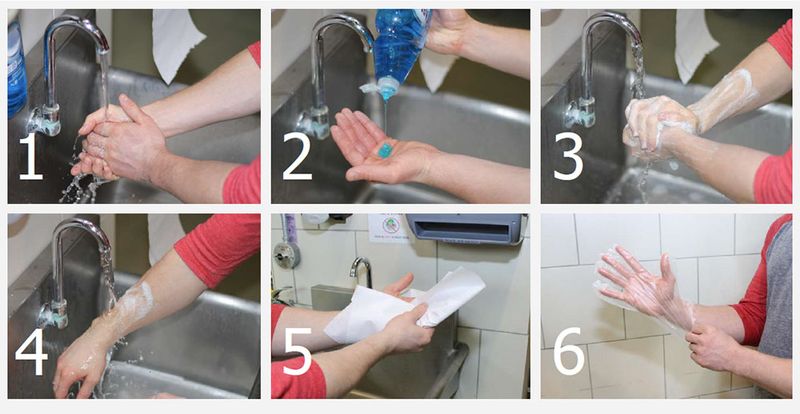
After any contact with an unfamiliar plant, washing exposed skin with soap and running water is a practical first step. Poison Control recommends doing this promptly to remove plant material or sap before it has more time to interact with the skin.
Cool or lukewarm water works fine; the goal is thorough rinsing rather than any particular water temperature.
Clothing, gloves, and tools that touched the plant should also be cleaned, since plant oils and residues can linger on surfaces and cause a reaction later when you handle those items again. For situations where poison ivy contact is suspected, the FDA specifically advises cleaning pet fur as well, because animals can carry urushiol on their coat and transfer it to a person’s skin without showing any reaction themselves.
These steps are reasonable precautions after contact with any unidentified plant, not a diagnosis of what caused a reaction. Washing promptly does not confirm which plant was involved, but it reduces the chance that a reaction will be worse than it might otherwise be.
Keeping a pair of dedicated yard gloves and a change of clothes near the back door makes the habit easier to follow after every yard session.
Know when a rash or other symptoms need medical care
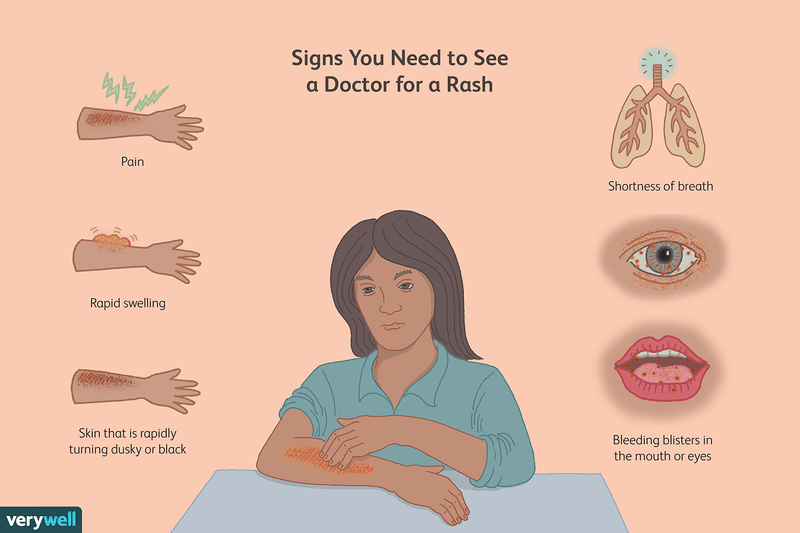
Most mild plant-related skin irritation can be managed at home with prompt washing and basic care. Some situations, though, call for a visit to a doctor or urgent care rather than a wait-and-see approach.
The FDA advises seeking medical attention for a rash that is severe or spreading rapidly across a large area of the body. A rash that involves the eyes, mouth, or genital area also warrants professional evaluation, since those locations are more sensitive and harder to treat without guidance.
Signs of infection, such as increasing warmth, swelling, pus, or fever, are additional reasons to get checked out rather than continuing to manage things at home.
Difficulty breathing after potential plant exposure is a more urgent concern and should prompt a call to 911 or an immediate trip to an emergency room. This is most relevant if smoke from burning plant material was inhaled, but any breathing trouble following plant contact deserves prompt attention.
When in doubt about a reaction’s severity, Arizona Poison Control (1-800-222-1222) can provide guidance over the phone. Knowing your limits when it comes to home treatment is its own form of practical yard sense.