Things That Might Be Attracting Yellowjackets To Your Texas Yard This Fall
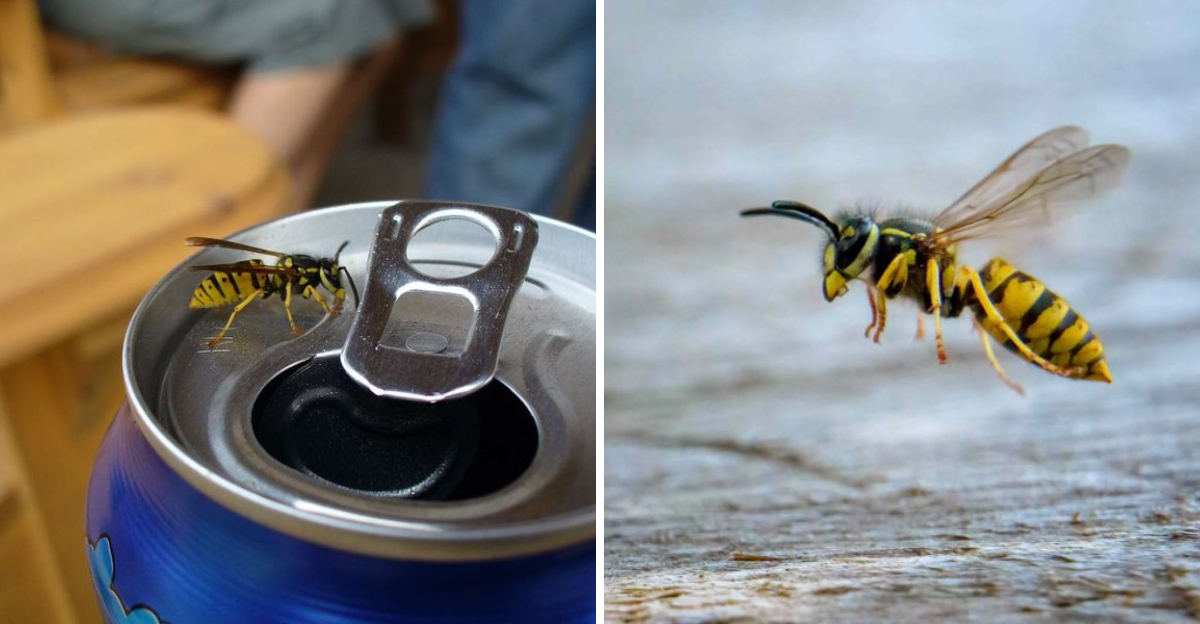
Yellowjacket activity in Texas yards intensifies right when most people finally want to spend time outside again.
Pleasant fall temperatures and peak yellowjacket colony size arrive at exactly the same moment, turning what felt manageable through summer into a genuine problem. And for many Texas homeowners, something in their own yard is making it worse.
Yellowjackets don’t gather in large numbers randomly. They follow reliable signals toward food, water, and nesting conditions, and certain common yard features provide exactly what they’re looking for at the worst possible time of year.
Knowing what’s drawing them in is the most useful first step toward reducing their presence.
Here’s what might be attracting yellowjackets to your Texas yard this fall and what to do about each one.
1. Fallen And Overripe Fruit
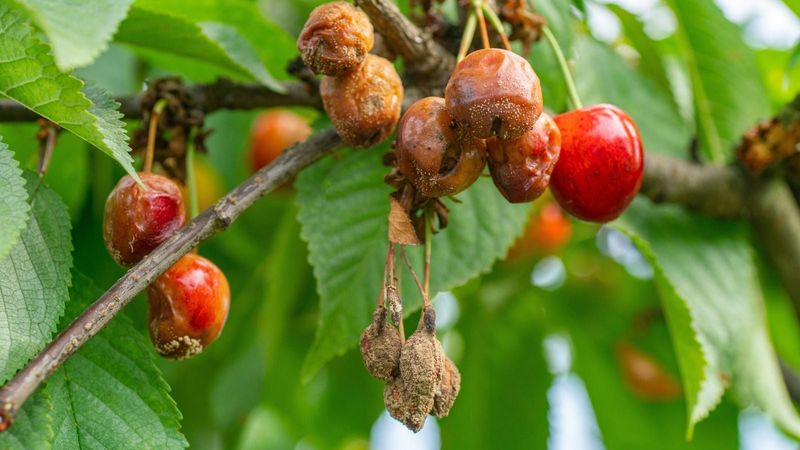
Picture a peach tree in your Texas backyard dropping fruit all through September. Those soft, sugary pieces lying in the grass are basically a buffet for hungry yellowjackets.
As fruit ripens and starts to ferment, it releases a sweet smell that travels far. Yellowjackets have a strong sense for sugar, and fermenting fruit gives them the quick energy their growing colonies crave in fall.
A single fallen apple can attract dozens of them in just a few hours. The problem gets worse when fruit sits untouched for days. Bruised and mushy pieces leak juice into the soil, creating a sticky patch that keeps drawing insects back again and again.
Even fruit that looks half-eaten by birds can become a magnet. You can cut down on this easily. Walk your yard every couple of days and pick up any fruit that has dropped. Toss it into a sealed compost bin or a bag you close tightly before putting it in the trash.
If you have several fruit trees, consider harvesting fruit a little early before it gets too ripe. Netting around lower branches can also help catch fruit before it hits the ground.
Keep the area under trees clean and raked. The less sweet material sitting out, the fewer reasons yellowjackets have to hang around your yard.
Fun fact: yellowjackets actually help pollinate some plants, but during fall their sugar cravings turn them into persistent scavengers. Managing fallen fruit is one of the simplest ways to make your yard less inviting while still enjoying your harvest safely.
2. Open Trash Cans
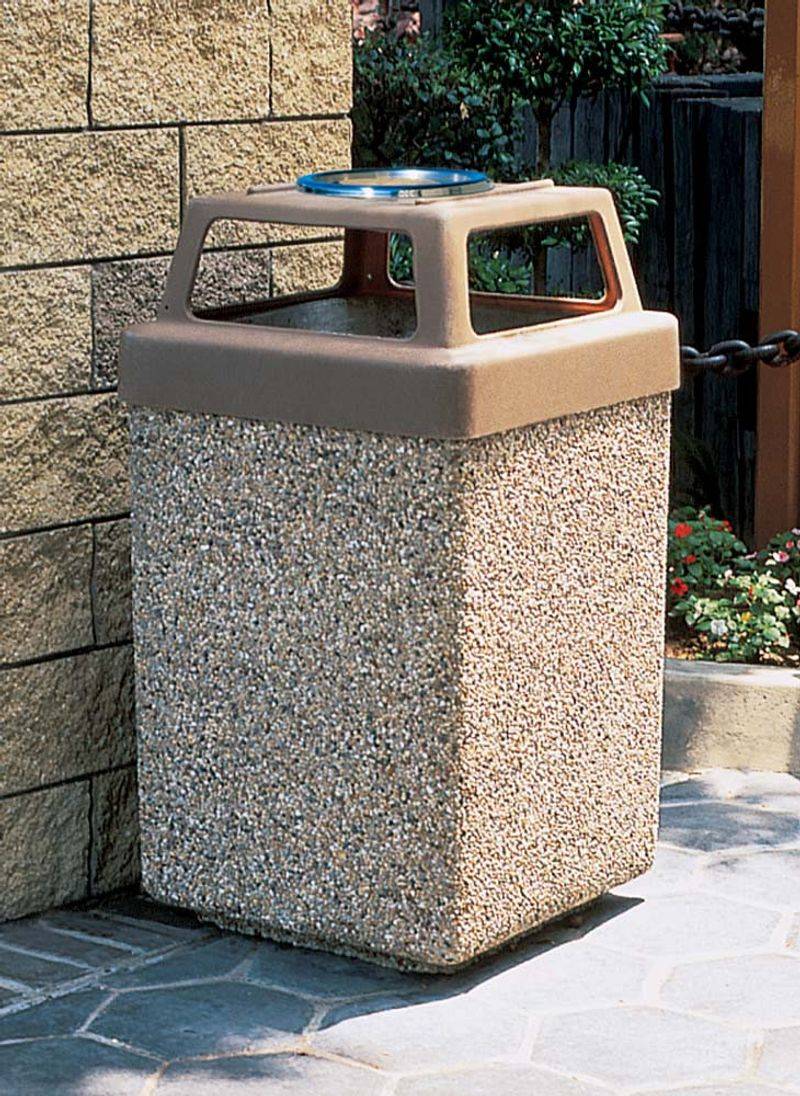
Your trash can can become an important food source for yellowjackets. Leftover food, sticky cans, and sugary wrappers make it a treasure chest they cannot resist.
Food odors escaping from an open or poorly sealed can can attract foraging yellowjackets. Yellowjackets love both the sugar from soda cans and the protein from meat scraps, so a mixed trash can offers everything they need in one place.
Fall makes this even trickier. As natural food becomes scarce, these insects grow bolder and will crawl deep into bins searching for anything edible. That is when people often get surprised while tossing out the trash.
Start by keeping your garbage cans tightly sealed at all times. A lid that clicks or latches shut works far better than one that just rests on top.
Your Texas Garden Changes Every Week. Your Plan Should Too.
Gardening in Texas changes quickly throughout the season. Every Friday you’ll receive a simple weekly plan showing exactly what to plant, prune, fertilize, harvest, and protect so you never miss the right timing.
Rinse out cans and recycling bins regularly to remove sticky residue. A quick spray with a hose and a little soap can wash away the sweet smells that draw yellowjackets in.
Try to keep trash cans away from doors, patios, and areas where your family spends time. Putting them in a shaded shed or along a side fence keeps the buzzing crowd farther from you.
If you notice several yellowjackets circling a can, do not swat at them. Move calmly and give them space while you work on sealing things up better.
A clean, closed trash can might seem like a small thing, but it removes one of the biggest food sources yellowjackets look for near Texas homes each fall.
3. Sugary Drinks And Food Outdoors
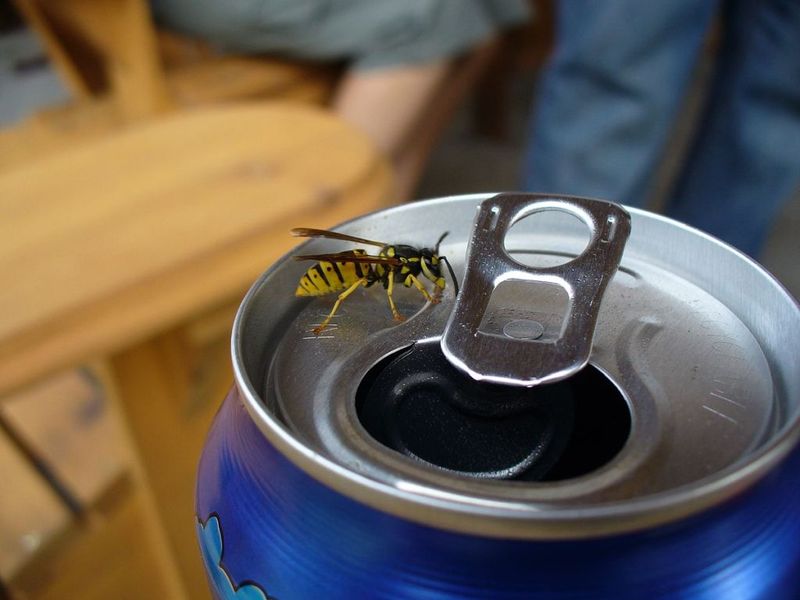
Nothing ruins a backyard cookout faster than a yellowjacket landing right on your soda can. Sweet drinks and uncovered food are like flashing signs that say come and get it.
Sugary sodas, fruit juice, lemonade, and sweet tea all give off aromas that yellowjackets track from a distance. Desserts, sliced watermelon, and even barbecue sauce add to the temptation.
During fall, when colonies are large and food is limited, these insects will show up in bigger numbers than in summer.
One sneaky danger is drinking from an open can outdoors. A yellowjacket can crawl inside without you noticing, which is why pouring drinks into clear cups is a smart move.
Keep your food covered whenever you eat outside. Mesh food tents, lids, and foil all help block the smells that draw insects to your table.
Clean up spills right away. A splash of soda on the table or ground keeps yellowjackets coming back long after the meal is over.
Wipe down surfaces and take dirty dishes inside quickly once everyone finishes eating. The faster you clear the sweet stuff, the sooner the buzzing crowd loses interest.
If you are planning a party, set up food and drink stations a little away from where people sit. That way, if a few yellowjackets do show up, they gather at a distance instead of near your guests.
Enjoying meals outdoors in the Texas fall is one of the best parts of the season. With a few simple habits, you can keep your food to yourself and leave the yellowjackets hungry.
4. Pet Food And Water
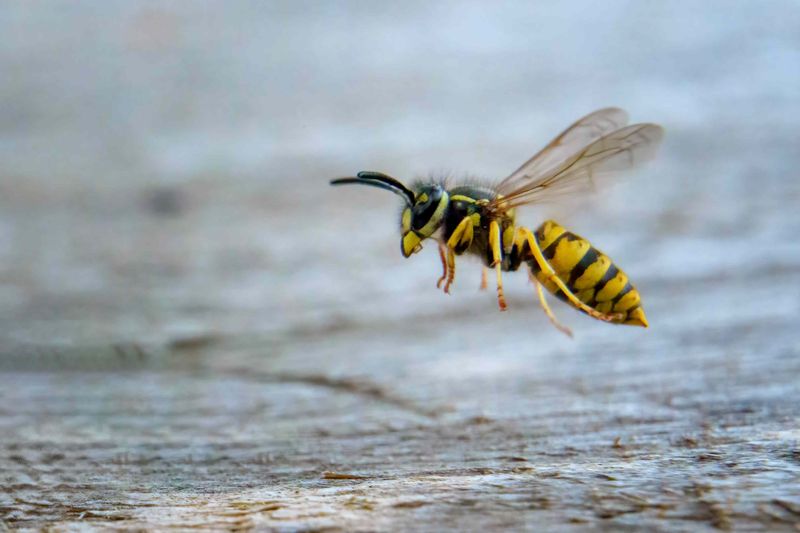
That bowl of kibble you leave out for your dog or cat could be doing double duty as a yellowjacket snack bar. These insects are drawn to the protein and fats in pet food just as much as your pet is.
Wet and canned pet food is especially attractive because of its strong smell. When it sits outside for hours, yellowjackets can find it easily and gather around the bowl. This can put your pet at risk of getting stung while trying to eat.
Water bowls matter too. Fall in Texas can stay warm and dry, so any easy source of water becomes valuable to thirsty insects. A shallow dish gives them a spot to drink and cool off.
The simplest fix is feeding your pets indoors whenever possible. If they must eat outside, pick up the bowls as soon as they finish and rinse away any leftovers.
Do not leave food out all day. Set regular feeding times so bowls are not sitting there attracting a crowd between meals.
Keep water bowls fresh and change them often. Dumping and refilling the water helps, and placing bowls in shaded spots away from patios keeps buzzing visitors farther from your family.
Store bags of pet food in sealed containers, not open sacks in the garage or on the porch. The tight seal keeps smells locked in and pests out.
Your pets deserve a peaceful meal without stinging guests. A little attention to when and where they eat goes a long way toward keeping yellowjackets away from their bowls this fall.
5. Insects And Other Small Prey
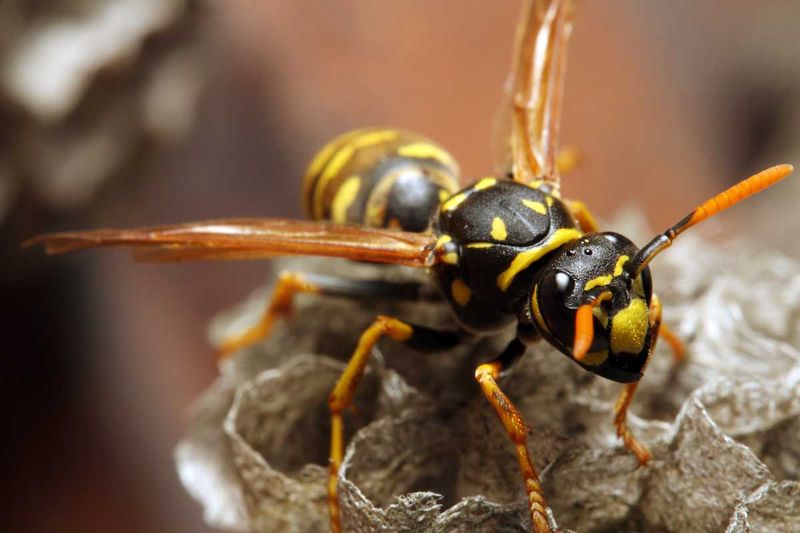
Here is something many people do not realize: yellowjackets are hunters. Besides loving sugar, they chase down caterpillars, flies, spiders, and other small bugs to feed their young.
A yard packed with insects becomes a hunting ground. If your garden has lots of caterpillars munching leaves or flies buzzing around, yellowjackets will patrol the area looking for their next catch.
In that way, a bug-filled yard keeps them coming back. This part of their diet actually makes them useful. Yellowjackets help control pests that damage plants, so they are not all bad.
Still, too many insects can mean too many yellowjackets hanging around your space. To reduce the number of small prey, keep your garden healthy and tidy. Remove plants that are heavily infested with pests, since they draw both the bugs and the hunters that follow.
Outdoor lights attract night-flying insects, which then attract predators during the day. Switching to yellow bug lights or turning off unnecessary lights can lower the insect crowd.
Standing water breeds mosquitoes and other bugs, so empty any containers holding water after rain. Fewer breeding spots mean fewer insects overall.
Encourage natural balance in your yard by welcoming birds, which eat many of the same insects. A birdbath and a few feeders can help keep bug numbers in check without harsh chemicals.
Managing the insect population takes patience, but it works. When there is less prey to hunt, yellowjackets have fewer reasons to set up camp near your home and will often move on to find better hunting grounds elsewhere.
6. Hidden Nests Around The Property
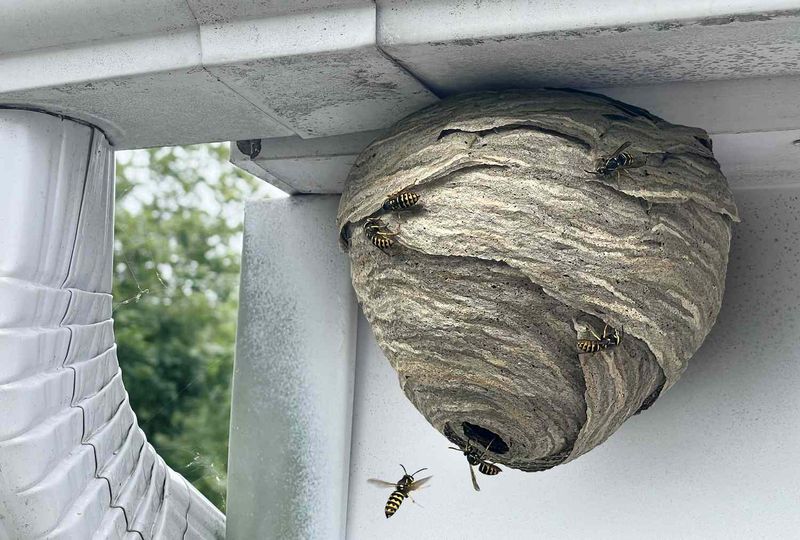
Sometimes the biggest reason for a yellowjacket problem is not food at all. It is a nest tucked somewhere on your property that you have not spotted yet.
Yellowjackets love protected, hidden spaces. Ground cavities, old rodent burrows, wall voids, sheds, and the eaves of your house all make cozy nesting spots. In fall, these nests reach their largest size, sometimes holding thousands of insects.
The tricky part is that many nests stay out of sight. You might only notice steady traffic of yellowjackets flying in and out of a small hole in the ground or a gap in your siding.
Take time to watch where the insects go. If you see a steady stream heading toward the same spot, there is likely a nest nearby. Early morning and late evening are good times to observe safely from a distance.
Seal up cracks and gaps around your home before nesting season begins. Filling holes in walls, screening vents, and closing openings in sheds removes the shelter they look for.
Never try to block or disturb an active nest on your own. Yellowjackets defend their homes fiercely, and poking around can lead to many stings at once.
For an active nest, calling a licensed pest control professional is the safest choice. They have the right gear and know-how to handle the situation without putting your family at risk.
Checking your property regularly helps you catch nests early, when they are small and easier to deal with. A quick walk around the yard each week can save you a lot of trouble later in the season.
7. Fallen Leaves And Yard Debris
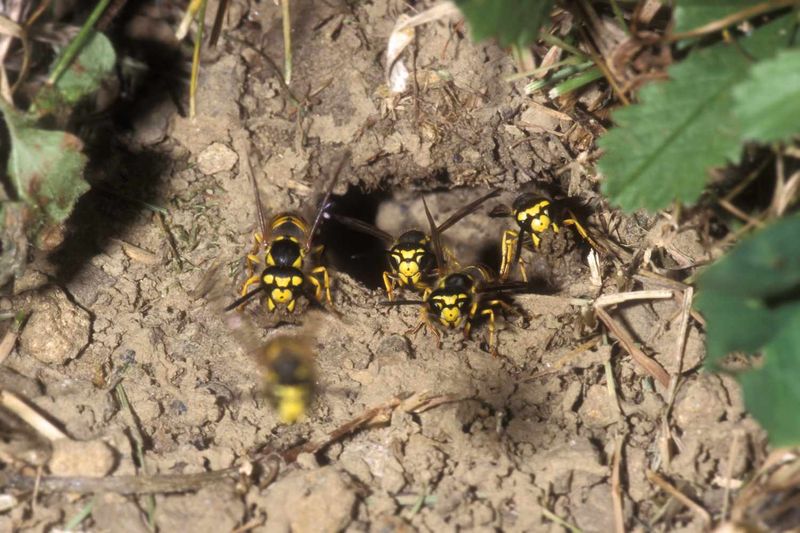
All those crunchy leaves piling up in fall look pretty, but they can quietly turn into a haven for yellowjackets. Cluttered corners and undisturbed debris give these insects the shelter they crave.
Piles of leaves, stacked wood, forgotten flower pots, and messy corners create dark, quiet spaces. Yellowjackets like to nest in spots where they will not be bothered, and a neglected yard offers plenty of options.
Debris also traps moisture and attracts other bugs. That combination gives yellowjackets both a place to hide and a nearby food supply, which makes your yard even more appealing.
Keeping things tidy makes a real difference. Rake up leaves regularly and bag them or add them to a sealed compost bin instead of letting them sit in heaps.
Clear out clutter like old boxes, unused pots, and random junk from around your shed and fence line. The fewer hiding spots you leave, the harder it is for yellowjackets to settle in.
Stack firewood neatly and store it away from your house, ideally raised off the ground. This reduces the shadowy gaps where nests often start.
Trim overgrown bushes and tall grass too. Open, well-kept spaces are far less inviting than tangled, shady corners.
Walk your property now and then to spot any messes building up. Catching clutter early keeps it from becoming a comfy home for stinging insects.
A clean yard is not just nice to look at. It removes the quiet, sheltered places yellowjackets depend on, helping you enjoy the Texas fall with fewer unwelcome visitors buzzing around your outdoor space.