Mole Activity Rises In Fall And Virginia Lawns Need This Before It Starts
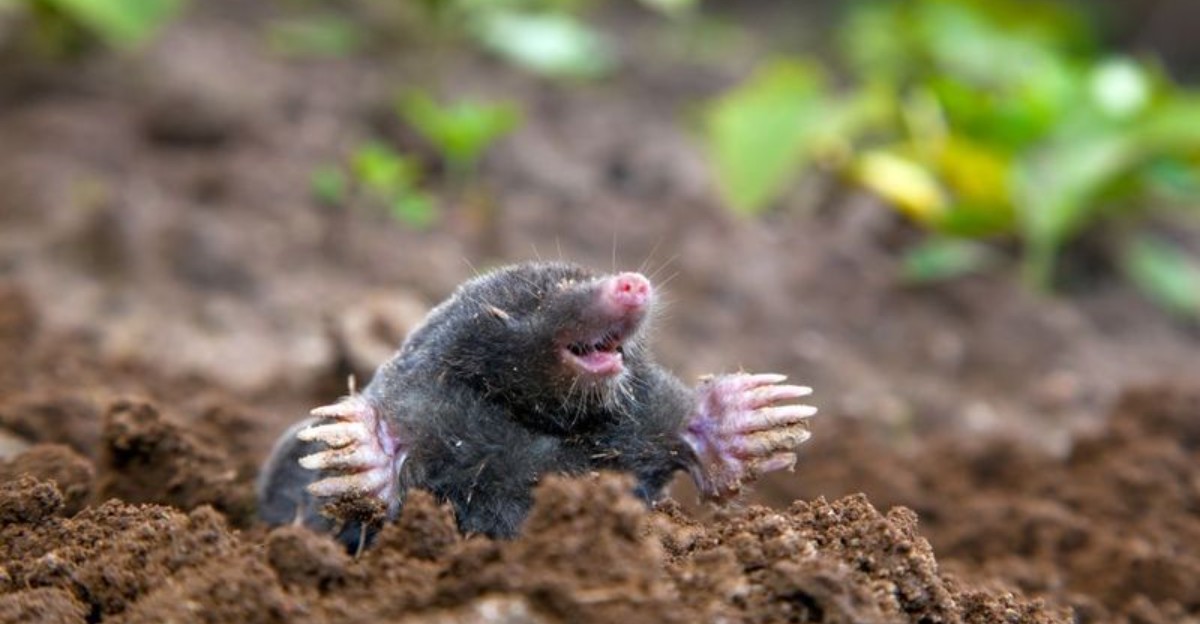
Those strange ridges appearing across your lawn did not show up overnight by accident. Something beneath the surface is moving, and fall is when it becomes much easier to notice.
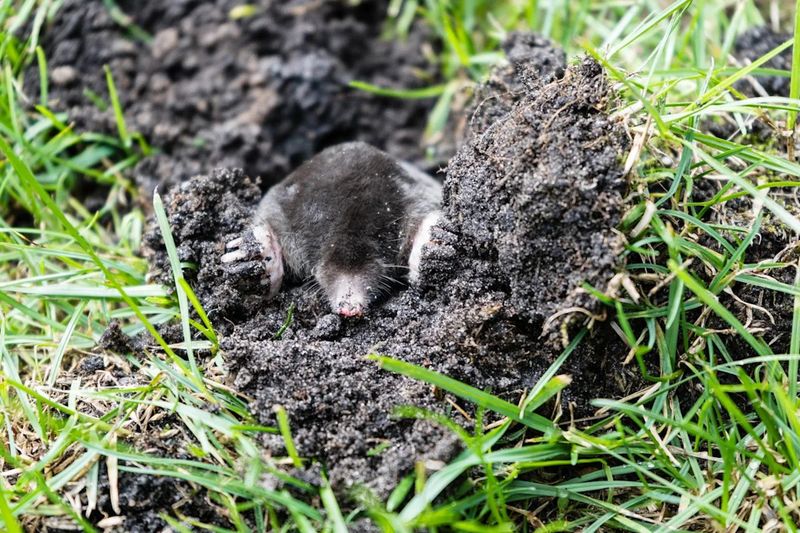
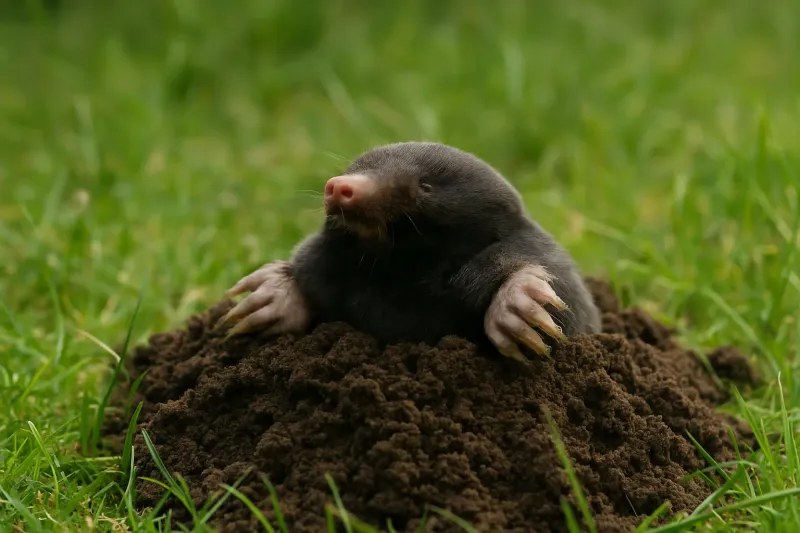
The culprit is often a mole, a small underground hunter that creates tunnels while searching for insects and earthworms.
As temperatures cool and soil stays moist, mole activity can become easier to notice across Virginia lawns. Their digging leaves raised trails, uneven ground, and frustrating bumps that can quickly change the look of your yard.
A little attention now can help you stay ahead of bigger problems. Knowing how to respond the right way can protect your grass before winter arrives.
1. Check Your Lawn For Early Mole Warning Signs
Catching mole clues early can save your lawn from becoming one giant obstacle course. The first hints usually aren’t dramatic.
Instead, you’ll notice small changes in how your grass looks and feels underfoot.
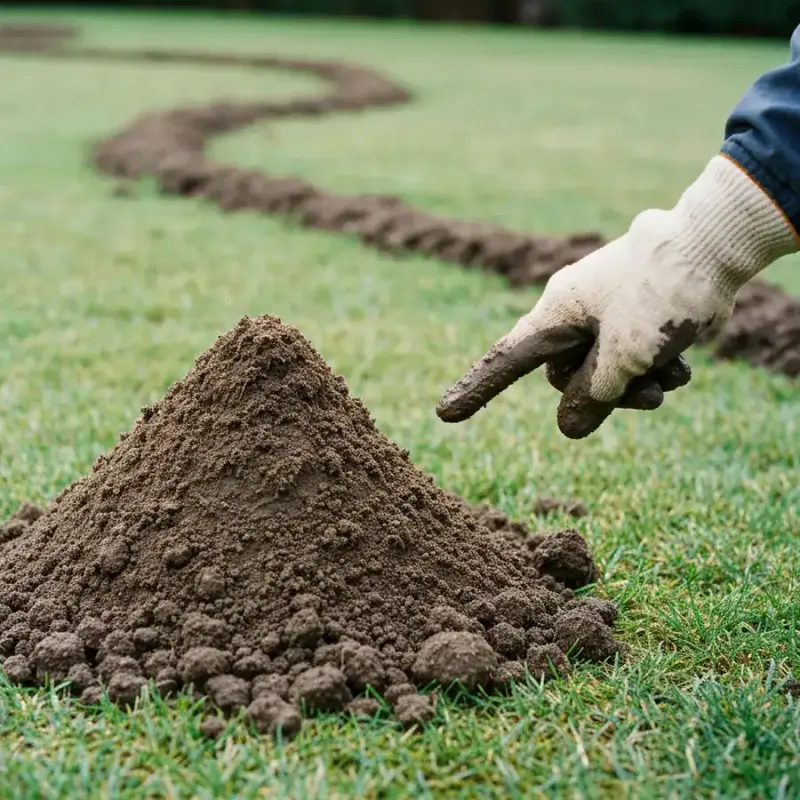
Raised ridges snaking across the yard are one of the most common signs. These shallow feeding tunnels sit just an inch or two below the surface, where moles hunt for earthworms.
You’ll often spot them along sidewalks, fence lines, and garden bed edges. Step on one and it feels soft and spongy because the soil beneath has been loosened.
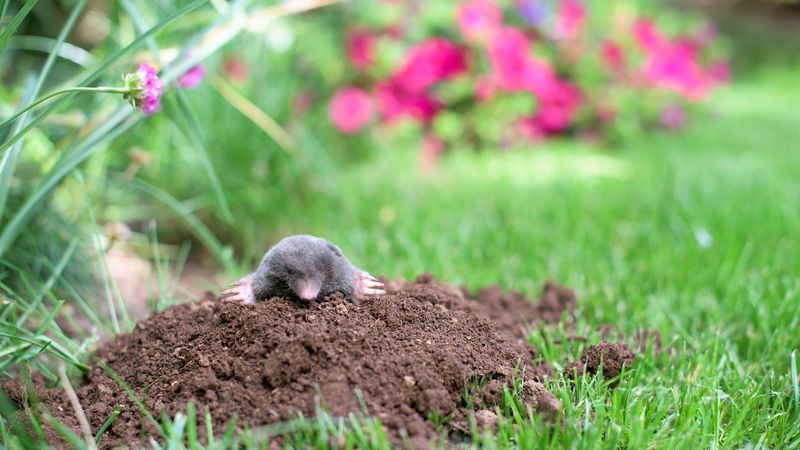
Molehills give away deeper activity. These volcano-shaped soil piles often come from deeper tunnels where moles move through the soil.
That’s different from gopher mounds, which look fan-shaped with an off-center hole.
Keep an eye out for patches of brown or discolored grass too. When moles tunnel, they can disturb the root systems underneath, leaving weakened turf behind.
Cooler, moist periods are often the easiest times to spot fresh mole activity. Walk your yard regularly and look for new ridges, raised tunnels, and fresh soil.
Spotting these signs right away gives you a huge head start. Once you know moles are around, you can plan your next moves before the tunnels multiply.
A quick weekly stroll around your property makes a real difference in staying ahead of the problem this fall.
2. Prepare Your Lawn Before Fall Mole Activity Increases
Fall is honestly the best season for lawn care in Virginia, and it lines up perfectly with getting ahead of moles. As summer heat fades, cool-season grasses like fescue start recovering and building strong roots before winter.
Core aeration is one of the smartest things you can do now. This process pulls small plugs of soil from your lawn, easing compaction and letting air, water, and nutrients reach the roots.
The state’s clay-heavy soil especially benefits, and lawns with heavy foot traffic or thinning grass respond well too.
Right after aerating, overseeding thin spots creates thicker, denser turf. Those aeration holes give seeds excellent contact with the soil, which helps them sprout and fill in gaps.
Feeding your lawn with the right fall fertilizer matters just as much. A good fall feeding pushes root growth instead of tall top growth, setting your grass up for winter toughness and a healthy spring comeback.
Your Virginia Garden Changes Every Week. Your Plan Should Too.
Gardening in Virginia changes quickly throughout the season. Every Friday you’ll receive a simple weekly plan showing exactly what to plant, prune, fertilize, harvest, and protect so you never miss the right timing.
Don’t forget those falling leaves. A thick blanket of leaves can smother grass, block sunlight, and trap moisture, creating conditions certain pests enjoy. Raking or mulching them regularly keeps your turf breathing.
Taking these steps now builds a stronger, healthier lawn overall. While these tasks won’t chase moles away by themselves, a robust lawn recovers faster from any tunneling and gives you a solid foundation.
An autumn spent on aeration, overseeding, and feeding pays off in a resilient yard that handles whatever the season brings.
3. Improve Your Soil Without Creating A Mole Magnet
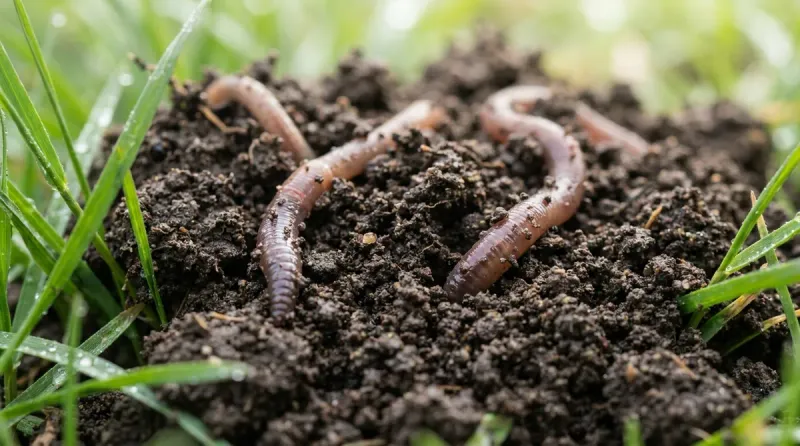
Here’s a myth worth clearing up: a healthy lawn does not automatically invite moles. Moles are insectivores hunting earthworms, grubs, and other soil bugs, not your grass roots themselves.
A thriving lawn naturally supports plenty of earthworms, which happen to be a mole favorite. So the goal isn’t to grow a sad, unhealthy yard. Instead, it’s about understanding what moles eat and managing your lawn wisely.
Fertilizing doesn’t draw moles in directly. What it does is build overall turf health, which supports a lively soil ecosystem.
Earthworms, while they feed moles, also aerate your soil and improve its structure, so you actually want them around.
A balanced approach works best. Aerating with a core aerator does double duty.
It improves water and nutrient absorption while helping create healthier growing conditions for your grass.
Plenty of folks believe grub control alone will send moles packing. Since earthworms make up so much of their diet, that rarely solves everything. Still, if you genuinely have a grub infestation, treating it trims one part of the mole buffet.
Watering habits play a role too. Avoid overwatering, since soggy soil pulls food sources closer to the surface and makes tunneling easier.
Deep, less frequent watering plus good drainage helps maintain healthier turf and prevents overly wet conditions that can stress your lawn.
Focus on smart, balanced care. You’ll get a vibrant lawn that’s simply less appealing to hungry diggers.
4. Learn To Tell Mole Damage From Other Lawn Problems
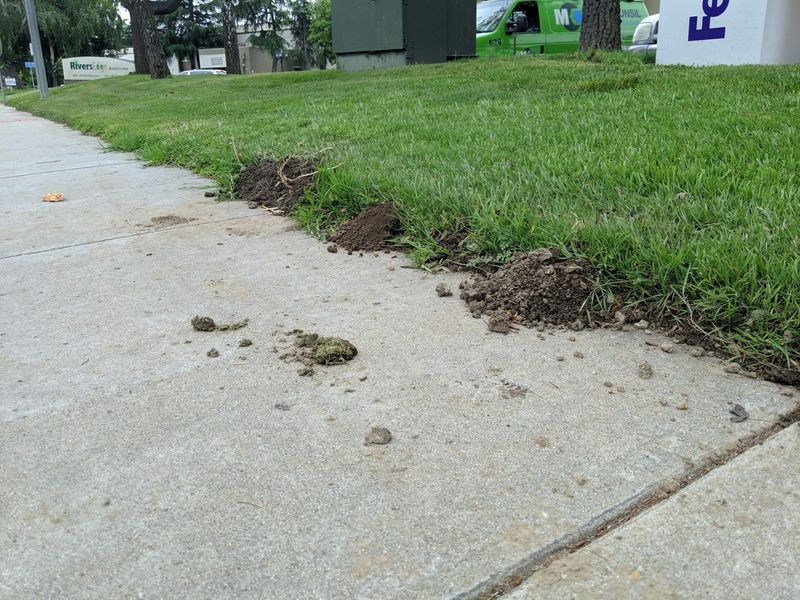
It’s tempting to blame moles the moment your lawn looks rough, but naming the right culprit changes everything about how you respond. Mole damage often gets mixed up with voles, grubs, or plain old drought stress.
Moles, being insectivores, eat earthworms, grubs, slugs, and soil insects. Their signature marks are raised ridges crisscrossing the lawn and those round molehills. While digging can loosen roots, moles rarely munch on plants.
Voles are a totally different story. These small rodents feed on plant roots, bulbs, and bark, especially in leaner winter months.
Rather than raised tunnels, they carve one to two-inch wide surface runways through the grass, sometimes with open burrow holes and tiny grass clippings or droppings along the path. Voles even borrow mole tunnels, so plant damage near tunnels often points to voles.
Grubs, the larvae of beetles, chew grass roots just below the surface. That leads to irregular brown patches you can peel back like loose carpet. Dig a small section and count the C-shaped white grubs to confirm.
Drought stress looks different again. It usually browns large areas evenly, not in tunnels or chewed lines.
Take a moment to study the type of damage and the clues left behind before treating anything. Matching the problem to the right pest saves you money and effort.
Homeowners who slow down and identify carefully almost always fix their lawns faster than those who guess.
5. Strengthen Your Grass Before Winter Arrives
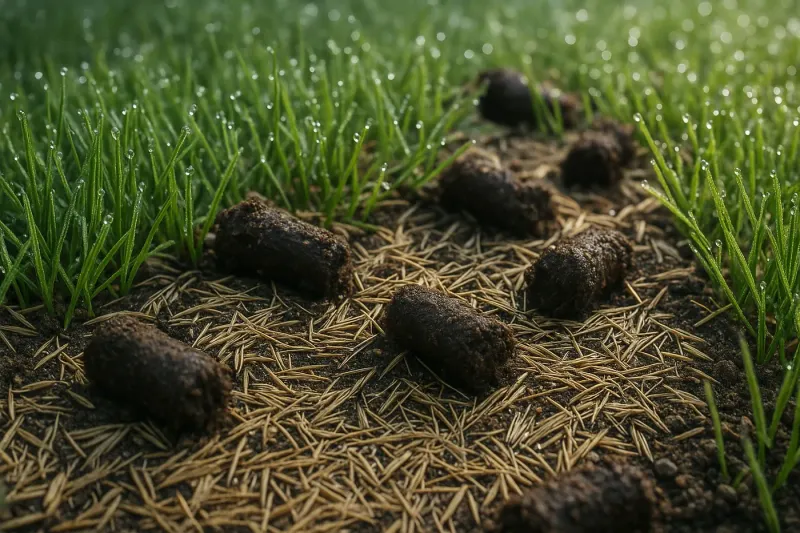
Strong grass is your quiet weapon against mole damage, and fall is when lawns build that strength. Cool-season grasses do most of their repair work now, growing deep roots to survive winter and bounce back in spring.
Core aeration tops the list. In Northern Virginia, aim for late August through mid-October, while other parts of the state do well from September through October. Opening up that compacted clay soil lets air, water, and nutrients reach roots more easily.
Overseeding right after aeration fills thin or damaged spots. The little holes give seeds great soil contact, boosting germination and creating denser turf. For fescue, which loves Virginia’s climate, late August into September is the sweet spot.
Fertilizing matters here too. Some experts suggest several fall feedings, starting around mid-August to mid-September, another in mid-October, and a final winterizer application in early November before the ground freezes. These push root growth and store energy.
Mowing wisely rounds it out. Gradually lower your blade through the season, but never scalp the grass. A moderate height keeps grass making energy through photosynthesis and prevents matting under leaves or snow.
Doing these things together builds a lawn that recovers quickly from any tunneling and shrugs off winter stress. A thick, healthy stand of grass simply holds up better when a mole passes through.
Homeowners who invest in fall turf care end up with a lawn that looks great and handles trouble far more gracefully.
6. Find Active Mole Tunnels Before Taking Action
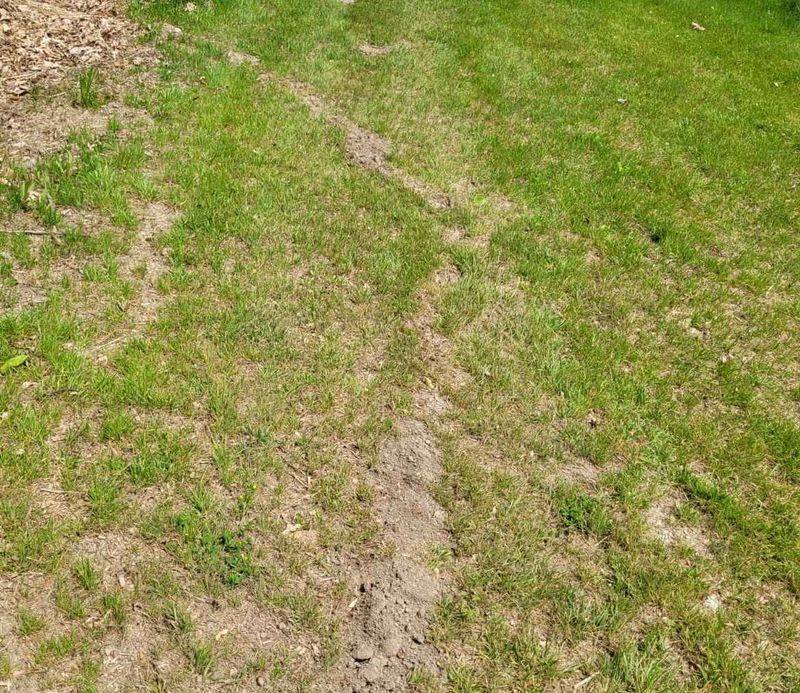
Before spending time or money on mole control, make sure the tunnels you see are actually being used. Moles build sprawling networks, but not every ridge or mound in your lawn is a current pathway.
Treating abandoned tunnels wastes your effort, so a quick test helps. The simplest method is to flatten a section of a raised ridge. Just step along the whole length of the visible tunnel and press it down firmly.
Once you’ve flattened a few tunnel sections, leave them alone for about a day or overnight. Then head back out and take a look at what happened.
If a mole is still patrolling that route, the flattened areas will be pushed back up, rounded and tunnel-shaped again. That re-raised dirt is a clear sign of ongoing activity.
If the spots stay flat after 24 hours, that tunnel is probably out of use. You can shift your attention somewhere else and focus on the busy routes instead.
Moles keep both shallow feeding tunnels and deeper main runways, and their activity moves around over time. Knowing exactly which paths are active lets you aim any trapping, repellents, or other steps where they’ll actually count.
This little test takes almost no time yet keeps you from chasing old damage. That means smarter, more effective action and less frustration.
A quick flatten-and-wait check is one of the most useful habits you can build this fall.
7. Avoid These Mistakes That Make Mole Problems Worse
Frustration pushes a lot of homeowners to react fast, and that’s exactly when mistakes happen. Some quick fixes actually make things worse or create new risks.
Pouring gasoline or harsh chemicals into tunnels is a big one to avoid. It’s dangerous to your family and pets, it pollutes soil and groundwater, and it won’t solve the problem.
Moles simply tunnel around the mess, and their networks are built to handle flooding, so trying to drown them fails too.
Rodenticides and glue traps are another poor choice. They’re indiscriminate, unlikely to deter moles who eat insects rather than baits, and they can harm helpful wildlife in your ecosystem.
Misidentifying the pest trips people up constantly. Since moles eat earthworms and insects, grub control alone often falls short unless there’s a heavy grub problem. And if voles are actually chewing your plants, a mole treatment does absolutely nothing.
Overwatering is a sneaky error too. Moles like moist soil, and too much irrigation draws their food closer to the surface, making your lawn easier and more tempting to tunnel through.
Finally, the one-and-done mindset rarely works. Moles are persistent, so a single quick fix usually leads to repeat visits.
Successful control in a yard means combining strategies and keeping an eye on things over time. Slow down, identify the real cause, and skip the risky shortcuts. A patient, thoughtful approach protects both your lawn and everything living around it.
8. Take Simple Fall Steps To Limit Future Mole Damage
Autumn in Virginia is the ideal time to set up long-term defenses that keep future mole damage low. The heart of good management is disrupting their food supply and making your yard less appealing to forage in.
Wiping out earthworms isn’t realistic or good for your lawn, but managing grubs helps. If you suspect a grub problem, late summer is often the best time to inspect and treat certain grub species, when young larvae are near the soil surface and more vulnerable.
Steady lawn care does a lot of heavy lifting. Fall fertilization, aeration, and overseeding build thick, healthy turf that resists tunneling and recovers quickly from any disturbance.
Watering habits matter too. Deep, less frequent watering keeps soil from staying overly moist, which makes the ground less inviting to moles and the prey they chase.
Physical deterrents can add another layer. Castor oil-based repellents are available for mole control and may discourage activity temporarily, although results can vary.
Some homeowners try vibration or noise devices, although their effectiveness for long-term mole control is inconsistent.
For stubborn situations, professional trapping remains one of the most reliable options. Keep in mind that moles are solitary, so even several tunnels might mean just one or two animals are responsible.
Weaving these simple steps into your fall routine gives your lawn a real edge. You’ll enjoy a beautiful, resilient landscape while steadily reducing mole trouble season after season.
A little consistency now means far fewer surprises down the road.