What Pennsylvania Law Says About Trimming Neighbor’s Overhanging Branches
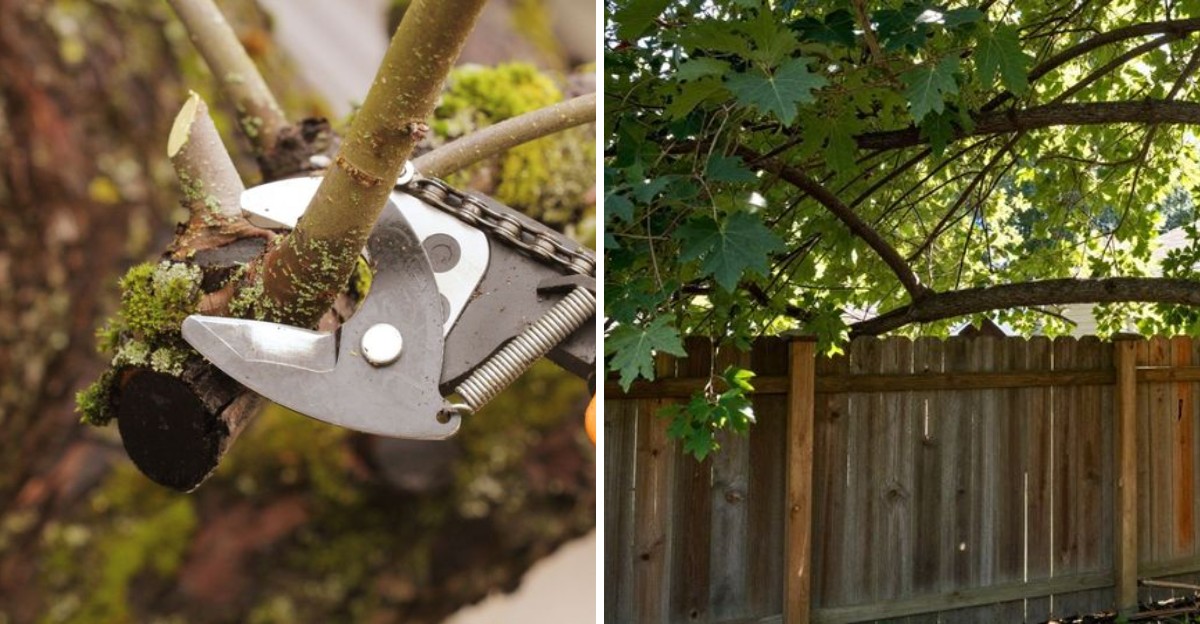
A tree limb dangling over your fence can count as trespassing in the eyes of a court. That idea comes from a 1993 Pennsylvania appeals case, and it still shapes backyard arguments today.
I used to grumble every autumn as maple leaves from next door buried my hostas. Nobody warned me that the law gives you a real say in what hangs over your side. The catch? That say comes with some firm limits.
You can’t just grab a chainsaw and go wild. Roots, shared trees, storm damage, and local rules all add their own twists to the story. Some of those twists honestly surprised me.
So how far can your pruners legally reach, and who pays when things go wrong? The answers might change how you look at that leafy limb over your patio tonight. I know they changed how I see mine.
1. A Leafy Limb Over Your Fence Carries More Legal Weight Than You’d Expect

Courts have a surprisingly blunt view of that branch hanging over your vegetable bed. In the 1993 case Jones v. Wagner, the Pennsylvania Superior Court treated encroaching branches and roots as a form of trespass onto the neighbor’s land.
That ruling matters because it gives you something lawyers call a self-help remedy. In plain words, you are allowed to fix the problem yourself instead of waiting for your neighbor to act.
You also don’t have to prove the limb has already cracked a gutter or crushed your tomatoes before you trim it.
I find that oddly comforting. For years I assumed a tree belonged entirely to whoever planted it, wherever its arms wandered. The law sees it differently once those arms cross into your airspace.
Still, trespass doesn’t mean your neighbor is a villain. Trees grow slowly and quietly, and most owners have no idea how far a limb has stretched. Many folks are happy to help once they notice.
Think of this rule as a key to your own yard, not a weapon. It explains why you have rights, and the next few sections show exactly where those rights stop.
2. Your Pruners Can Reach Right Up To The Property Line And No Farther
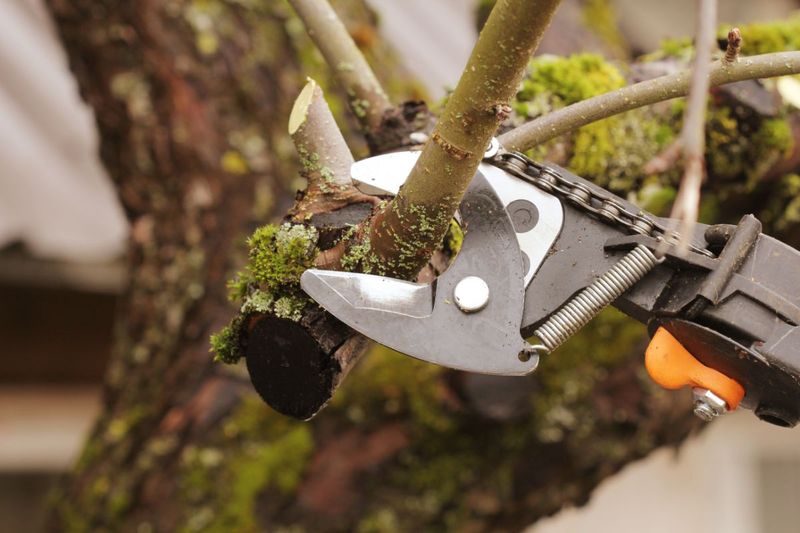
Here’s the golden rule in one sentence. You may cut overhanging branches back to the property line, and that is where your legal reach ends. Crossing the line is where people get into trouble.
Stepping into your neighbor’s yard, leaning a ladder against their tree, or climbing into the canopy without permission can turn you into the trespasser. If you can’t reach a limb safely from your own side, ask first or hire help.
Knowing exactly where the line sits helps a lot. Fences are not reliable markers, since many were built a foot or two off the true boundary. A property survey or your deed plat gives you a much clearer answer.
What about the bill? Some Pennsylvania attorneys point to Jones v. Wagner when arguing a tree owner may owe reasonable costs tied to encroachment.
Recovery is not automatic, though, and it often depends on the facts and whether real harm occurred.
My practical tip is simple. Keep receipts, take before and after photos, and talk with a local attorney before demanding payment.
A polite request with clear records usually lands better than a surprise invoice tucked in a mailbox.
3. Sloppy Cuts On A Neighbor’s Oak Can Land You In Hot Water
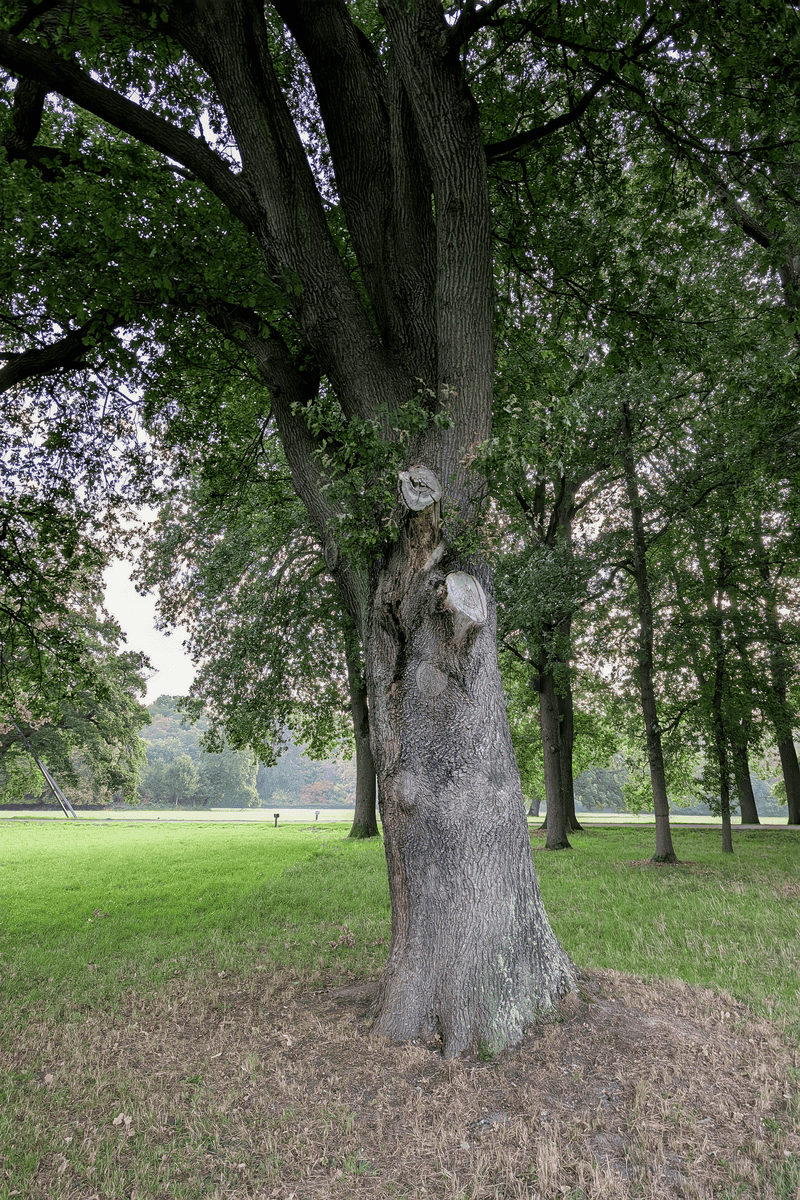
Picking up a saw feels powerful, but a bad cut can cost far more than the branch was worth. Your right to trim comes with a duty not to seriously harm the tree.
If careless pruning causes a tree to decline or become unstable, the owner may have a claim for damages.
Pennsylvania also has a timber trespass law that can allow higher damages when someone wrongfully cuts trees belonging to another person. That’s a costly mistake for a weekend chore.
Good technique protects everyone. Penn State Extension and arborists recommend cutting just outside the branch collar, the slightly swollen ring where a limb meets the trunk. Avoid flush cuts, ragged tears, and topping the crown.
For heavier limbs, use the three-cut method. Make an undercut first, then a top cut farther out to drop the weight, and finally a clean cut near the collar.
Timing helps too. Late winter dormancy is often a smart window for many trees, and oaks are best pruned outside spring and early summer to lower oak wilt risk.
When a job looks big, high, or near power lines, a certified arborist is worth every penny.
4. Tree Roots Buckling Your Patio Follow Similar Rules
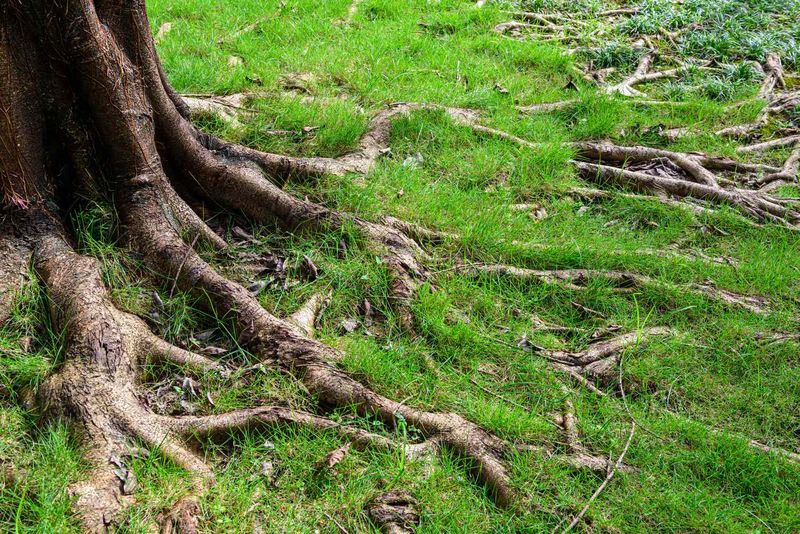
Branches get all the attention, yet the real troublemakers often hide underground. Roots from a neighbor’s tree can heave pavers, crowd raised beds, and creep toward sewer lines.
The same Jones v. Wagner decision covered roots as well as branches. That means you can generally cut encroaching roots back to the property line on your side.
Here’s the tricky part. Roots are a tree’s anchor and its water supply, and most of them sit in the top 12 to 18 inches of soil. Cutting a big root close to the trunk can leave a tree weak, wobbly, or prone to toppling in a storm.
If that tree later falls or declines because of your digging, you could face a liability claim. A neighbor might argue your root work caused the problem.
Before you trench, call an arborist to estimate how much root loss the tree can handle. Also call 811 to mark utility lines, since PA One Call requires notice before digging.
Root barriers along the line can be a gentler long-term fix than repeated hacking. Personally, I’d rather spend a little on advice than gamble with a toppled tree next to my house.
5. A Trunk Straddling The Property Line Belongs To Both Of You
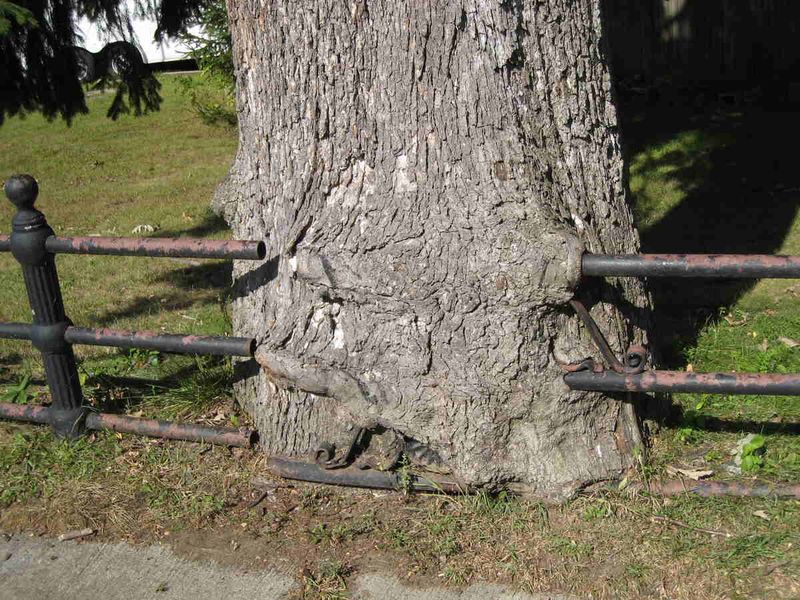
Some trees refuse to pick a side. When a trunk grows right across the boundary, it’s usually called a boundary tree, and it plays by its own rules.
In most cases, both owners share ownership of a boundary tree. That shared interest means neither neighbor should remove it, or prune it heavily, without the other person’s agreement.
Taking it down alone could open the door to a damages claim. Responsibility tends to be shared too. If the tree needs care, both owners may have a stake in keeping it healthy and safe.
I love the quiet charm of these trees. They often predate both houses and sometimes mark old farm or survey lines from long ago. A big shared oak can feel like a neighborhood elder.
Disputes over them can get emotional, though. One family loves the shade, while the other is tired of raking.
A written agreement is the smartest move. Spell out who handles pruning, how costs get split, and what happens if the tree becomes hazardous.
If you can’t agree, mediation through a local dispute resolution center is often cheaper and friendlier than court.
6. Who Cleans Up When A Storm Drops Your Neighbor’s Tree In Your Yard?
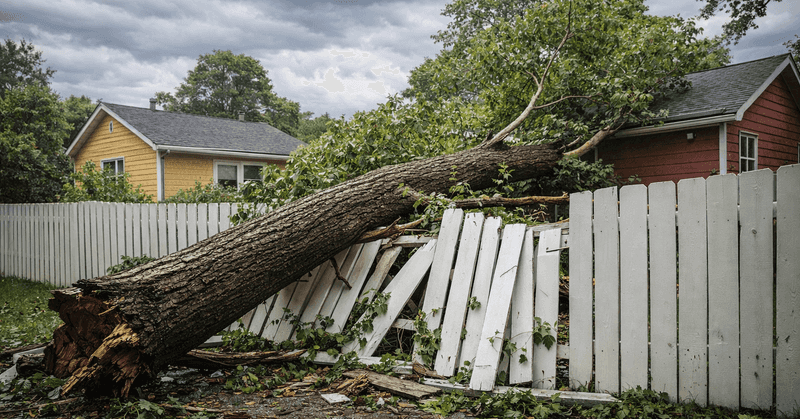
Few sounds are worse than a loud crack during a summer thunderstorm. When you peek outside and see your neighbor’s tree across your lawn, blame is the first thing on your mind.
Generally, if a healthy tree falls because of severe weather, it’s treated as an act of nature. In that situation, you often handle cleanup on your side, usually through your own homeowners insurance.
The picture changes with a neglected tree. If the owner knew, or reasonably should have known, the tree was decayed, hollow, or leaning badly and did nothing, they may be liable for damage. Courts in Pennsylvania look closely at that notice question.
So what can you do before the next storm? Watch for warning signs like mushrooms at the base, large dead-looking limbs, deep cracks, or a sudden lean.
Then share your concerns in writing. A friendly letter or email with dated photos creates a clear record that the owner was informed. It also gives them a fair chance to fix the problem.
Check your insurance policy too. Coverage for fence repair, debris removal, and tree cleanup varies quite a bit between plans.
7. A Friendly Chat Over The Backyard Fence Beats Grabbing The Chainsaw
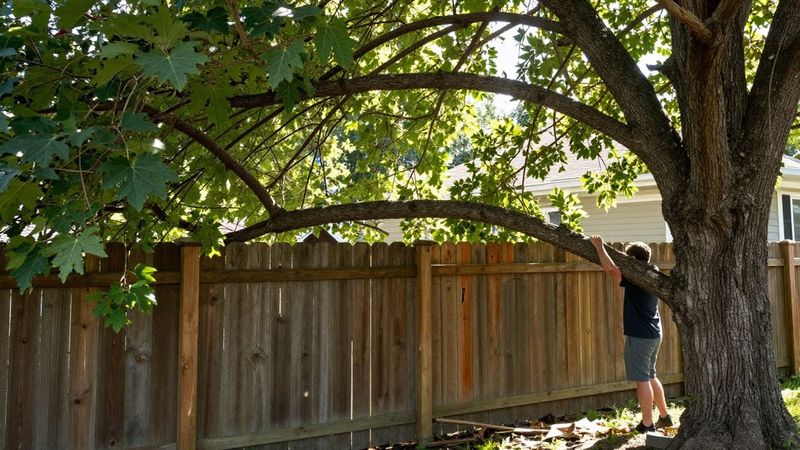
Honestly, the best tool for this problem isn’t a saw at all. A five-minute talk over the fence solves more tree trouble than any court case ever will.
Start with something kind. Mention that you enjoy the shade, then explain what’s bothering you, like leaves clogging gutters or a limb brushing your roof. Offer to share costs or to coordinate one arborist visit for both yards.
Give a heads-up even when you plan to trim on your own side. Nobody likes discovering a lopsided tree with zero warning.
Next, check local rules before cutting anything big. Some townships and boroughs protect certain trees, regulate work in historic districts, or limit removals near streets.
Your municipal office or shade tree commission can tell you quickly. Homeowners associations may have their own guidelines as well, so read your HOA documents.
Keep notes of every conversation and agreement. If things ever do head toward a dispute, those records will help a Pennsylvania attorney sort it out faster.
My takeaway is simple. Know your rights, cut carefully at the line, and lead with kindness. Good fences matter, but good neighbors make the garden feel like home.