What Texas Law Says About Building A Fence On The Property Line
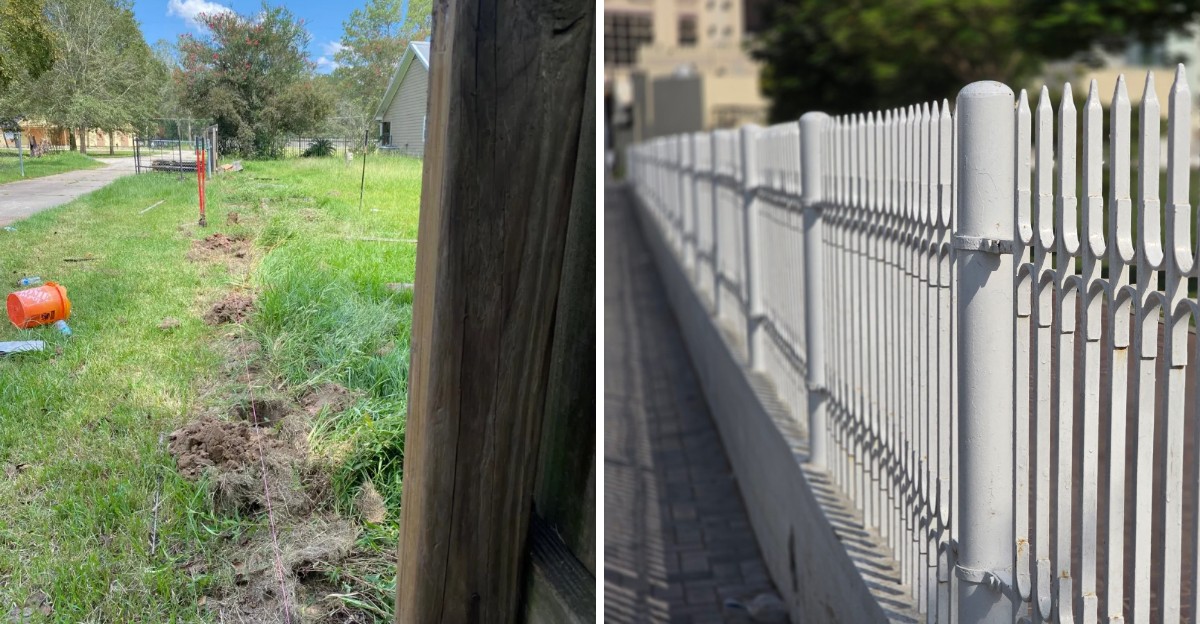
Your neighbor can enjoy every board of your shiny new fence without paying a cent. In Texas, the law mostly shrugs at that. I nearly dropped my trowel when I learned it.
Fences feel simple. Dig holes, set posts, hang pickets, done. Yet a few inches in the wrong spot can spark years of awkward waves over the tomato beds.
I believe a good fence protects more than garden beds. It shields your peace, your pets, and that fragile friendship with the folks next door. Personally, I would rather do my homework than argue over a strip of grass.
Believe it or not, an old fence can sometimes shape who owns the land beneath it. Even a buried cable might have a say in where your posts go. So who really gets the final word on that thin line between your yard and theirs?
1. That Shared Fence Line Has A Surprising Owner

Most folks assume a fence on the line belongs to both houses. In reality, ownership usually follows the dirt under the posts.
If your fence sits fully on your land, it is your fence, even when your neighbor enjoys the shade and privacy for free.
Things get trickier when the posts straddle the boundary. A fence built right on the line is often treated as shared, but mostly when both owners agreed to it or have treated it that way.
Without that agreement, the person who built and paid for it may still be seen as the owner. Ownership matters more than you might expect.
The owner usually decides on repairs, paint colors, and replacement. The owner also carries the cost when a storm knocks panels flat or termites chew through a post.
I like to think of it like a shared garden bed. If nobody wrote down who waters it, everyone remembers the deal differently later.
Here is my friendly tip. Many homeowners build their fence a few inches inside their own line on purpose. That small buffer keeps the fence clearly yours and avoids a tug-of-war over every crooked board down the road.
2. A Property Survey Shows Exactly Where Your Fence Posts Belong
Old fences lie. Hedges, sidewalks, and that crooked row of crepe myrtles can wander feet away from the real boundary. The only marker that truly counts is the legal property line on record.
A boundary survey from a licensed surveyor settles the question. In Texas, surveyors are licensed by the state board that oversees professional engineers and land surveyors, so ask for proof of licensing before you hire.
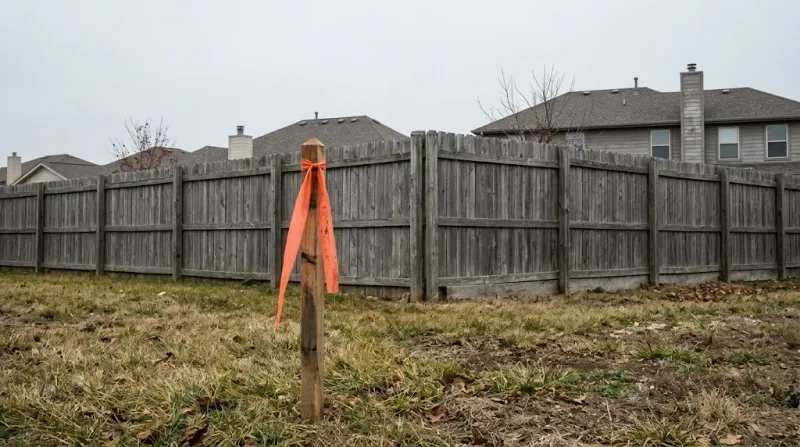
The surveyor locates corner pins, sets stakes or flags, and gives you a drawing you can keep.
Prices vary by lot size and location, but many residential surveys land somewhere in the few-hundred-dollar range. Compared with tearing out and rebuilding a fence, that is pocket change.
Check your closing papers first. You may already own a survey from your home purchase, though an older one may not show newer fences or changes nearby.
Once the stakes are in, snap a few photos with the flags visible. Share the results with your neighbor before construction starts.
Personally, I find that a calm chat with a printed survey in hand turns a possible argument into a quick nod and maybe even an offer of iced tea.
3. Your Neighbor Usually Isn’t Required To Chip In For The Fence

Some states have old laws that split fence costs between neighbors. Texas does not have a general statute that forces a residential neighbor to pay for a boundary fence, even when they clearly benefit from it.
So the honest answer to who pays is simple. Whoever agrees to pay, pays. Everything else comes down to friendly negotiation and good manners.
If your neighbor is willing to split the bill, wonderful. Put the deal in writing anyway. A short signed agreement can cover who pays what, which materials you will use, where the fence sits, and who handles repairs later.
Do not forget the future. Homes sell, and the next owner may not remember a handshake from five summers ago.
Some neighbors record their fence agreement with the county clerk so it stays attached to the property, and a real estate attorney can help with that step.
To my surprise, many people skip the paperwork because it feels unfriendly. I see it the other way around.
Clear terms protect the friendship, and nobody has to guess who owes money when a windstorm snaps three posts in the middle of tomato season.
4. An Old Fence Line Can Slowly Shift Who Owns The Yard
Land can change hands without a sale. Under a legal idea called adverse possession, someone who openly uses and claims another person’s land for long enough may be able to gain title to it.
Texas sets several time periods for these claims, ranging from 3 to 25 years depending on the situation.
The one people mention most is the 10-year rule in the Civil Practice and Remedies Code, which requires peaceful, open, continuous, and hostile possession that a reasonable owner would notice.
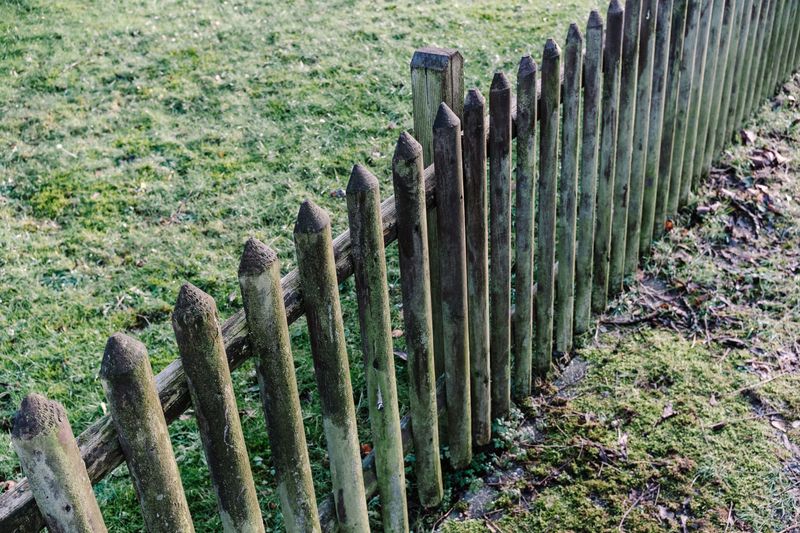
Now for the twist. Texas courts have long recognized something called a casual fence. A fence built for another purpose, like holding cattle or following a creek, often does not prove a land claim by itself.
The person claiming the land usually must show the fence was meant to enclose it or that they used the land in other clear ways. Still, these cases are messy and expensive. Do not count on winning or losing one.
If you discover an old fence sitting off the true line, address it calmly and soon. A written permission letter or a recorded boundary agreement can keep everyone’s ownership clear for decades.
5. Fence Posts Over The Line Can Land You In A Neighbor Dispute
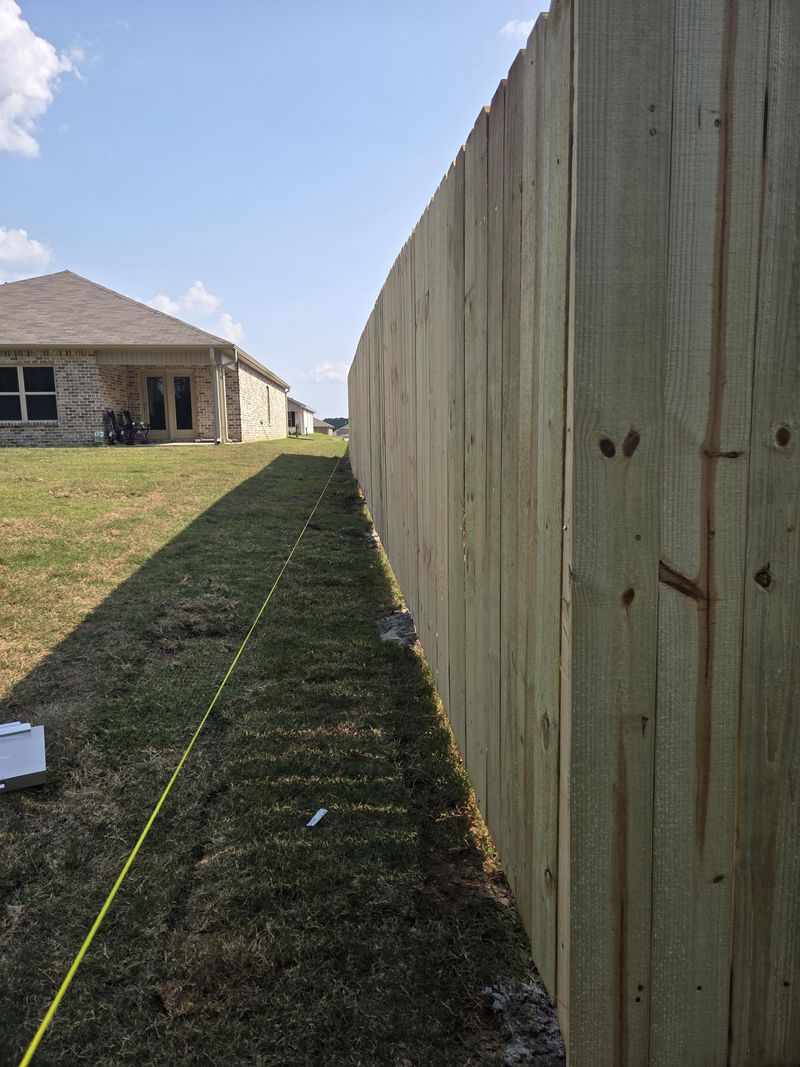
Three inches. That is all it takes for a fence to cross onto a neighbor’s land and become an encroachment.
When a fence sits on someone else’s property without permission, that owner can usually ask you to move it.
If talks go nowhere, they may file a lawsuit for trespass or to remove the structure, and the court could order it moved at your expense.
I truly believe most of these fights start with good intentions. Someone followed an old fence line, guessed at a corner pin, or trusted a contractor who eyeballed things. The fix often begins with a fresh survey that both sides can see.
Once the facts are clear, you have options. You can move the fence back to your side. You can ask your neighbor for written permission to leave it in place.
You can also sign a boundary line agreement that confirms where the true line is, without handing over the land.
Keep conversations friendly and keep notes. If things get tense, a real estate attorney or a local mediation center can help. A little patience now beats paying for a whole new fence later.
6. City Fence Height Rules And Permits Vary By Town

State law sets the big picture, but your city sweats the details. Fence height, materials, permits, and placement are mostly handled by local ordinances.
Plenty of Texas cities cap backyard fences somewhere around 6 to 8 feet. Front yard fences are often limited to lower heights, sometimes around 3 or 4 feet, especially when they are solid. Rules shift from town to town, so the numbers on your street may look different.
Corner lots bring an extra wrinkle. Many cities enforce sight triangles near intersections and driveways, where tall fences and shrubs are restricted so drivers can see oncoming traffic.
Permits are another wild card. Some cities require one for any new fence, while others only care about taller fences, pool barriers, or work in certain zones. Pool fences carry their own safety rules in many areas.
Here is my practical move. Call your city’s permitting or code office, or search their website for the fence ordinance.
Unincorporated county land often has fewer rules, but deed restrictions may still apply. Ten minutes on the phone could save you from tearing down two feet of brand-new cedar.
7. HOA Fence Rules Can Override Your Dream Picket Design

That charming white picket fence you pinned last spring? Your homeowners association might have other plans.
In deed-restricted neighborhoods, the recorded restrictions and HOA rules often control fence style, height, color, stain, and even which side of the boards faces the street.
Texas courts generally enforce valid deed restrictions, so these rules carry real weight on top of city codes.
Many associations require approval from an architectural review committee before you build. Skipping that step can lead to violation letters, fines, or a request to remove the fence. Nobody wants to rip out a weekend of hard work.
Start by reading your community’s governing documents. Texas law requires associations to make their dedicatory instruments available, and many post them online through a management portal. Look for sections on fences, walls, and improvements.
Then submit a simple application with a sketch, materials list, and your survey showing the fence location. Approval can take a few weeks, so plan ahead.
Here’s a fun twist. Some HOAs maintain the shared perimeter fences along main roads themselves. Check whether the fence you want to replace is even yours before you call a contractor.
8. Call 811 Before You Dig That First Fence Post Hole
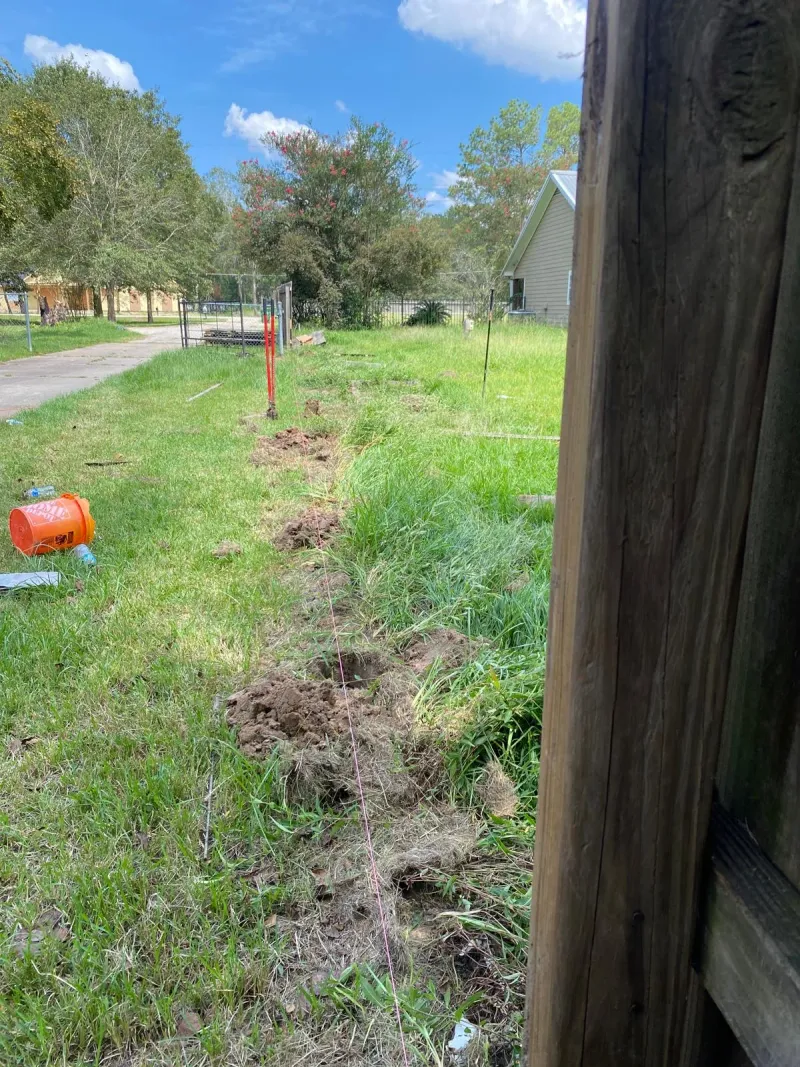
Grab your gloves, but hold off on the post hole digger. Gas lines, water pipes, and fiber cables often run just a few feet under backyard soil.
Texas law requires excavators to notify the state one-call system before digging, and homeowners are encouraged to call too.
Dial 811 or submit a request online with Texas811 at least two business days before you start. Utility companies will mark their lines with colored paint or small flags at no charge.
Keep an eye on easements while you are at it. Your plat or survey may show utility or drainage easements along the back or side of your lot.
Fences inside an easement may need to be removed if crews need access, often at the owner’s cost.
Before the first post goes in, run through a quick checklist. Confirm your survey, check city and HOA rules, talk with your neighbor, get agreements in writing, and wait for the utility marks.
You’ll wonder why you didn’t plan this way sooner. A well-placed fence frames your garden beautifully, keeps the dog out of the peppers, and lets you wave at the neighbors with a clear conscience.