7 Things You Should Never Do to Your Virginia Lawn in November
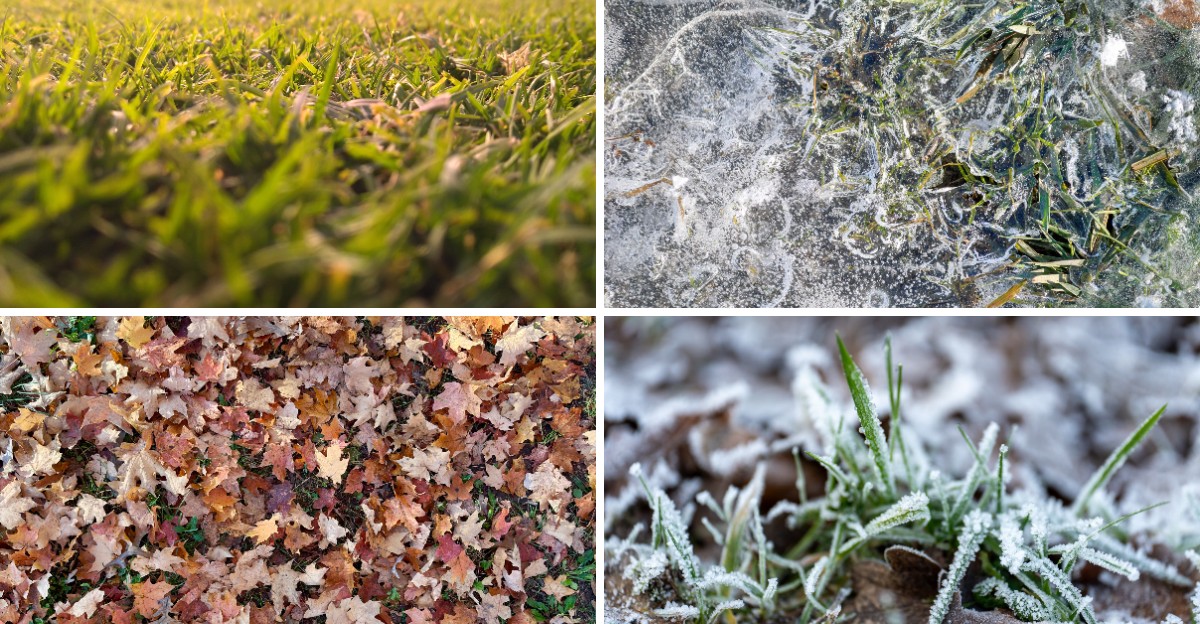
Tall fescue roots keep growing in cool soil long after the grass blades above them slow down for the year. That hidden underground work makes this month far busier for your lawn than most folks realize.
Virginia Cooperative Extension even suggests fall as the main feeding season for cool-season turf across much of the region. Those quiet weeks before winter shape how thick and green your yard will look next April.
Truth be told, I used to park my mower early and call the lawn finished once the maples turned. My patchy spring grass taught me a humbling lesson about timing, and I have not forgotten it since.
A few common habits can quietly undo a whole season of mowing, watering, and careful seeding across Virginia yards. So which friendly-looking chores might actually be hurting your turf before the cold weather settles in for good?
1. Scalped Grass Blades Leave Turf Exposed
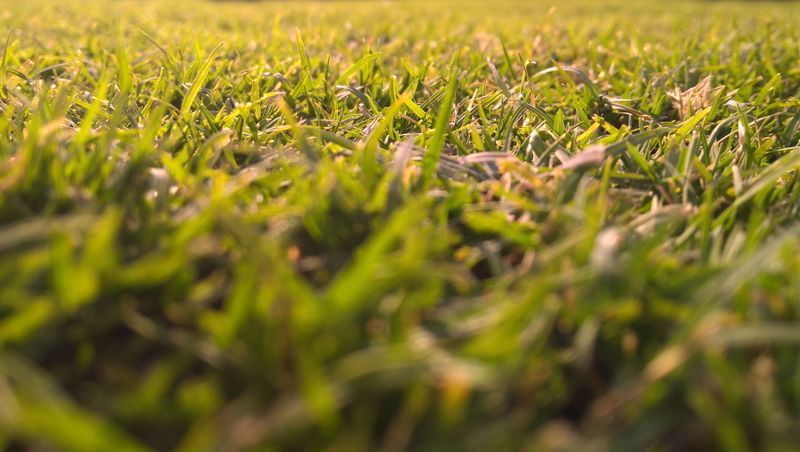
My first instinct every fall was to drop the mower deck low and give the yard one tight buzz cut. Turns out that short haircut leaves the grass crown exposed to cold wind and hungry weeds by spring.
Cool-season grasses like tall fescue keep growing slowly through much of November across the state. That means your mower still has a job, even after the first light frost silvers the lawn some morning.
Scalping removes the leaf tissue grass uses to make food and store energy in its roots. A weakened plant heading into winter often greets spring thin, pale, and slow to recover its color.
Leaving grass too shaggy causes a different headache, since long blades can mat down under snow or wet leaves. Matted turf traps moisture, and that soggy layer invites snow mold patches that show up in early spring.
If you ask me, the sweet spot for tall fescue sits around three inches for the final few cuts. Virginia Tech turf experts often recommend a range between three and four inches for this popular grass type.
Follow the one-third rule, which means removing no more than a third of the blade during each mowing. Taking too much at once shocks the plant, so lower the deck gradually over several weeks if needed.
Watch your lawn closely as the weather cools, because growth will slow and eventually stall around late November. Once the grass stops growing for a week or more, you can clean the mower and store it.
2. Fertilizer Spread On Frozen Ground Washes Away
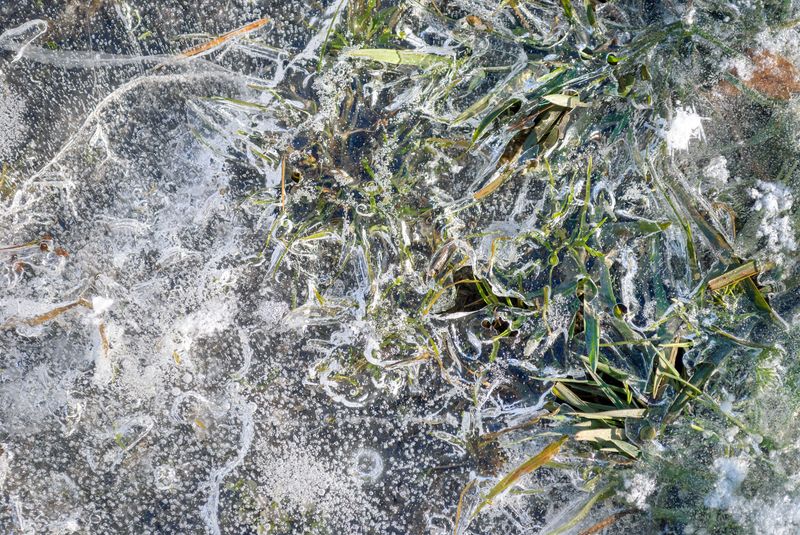
Few lawn chores feel as satisfying as pushing a spreader across the yard on a crisp, sunny afternoon. Timing matters enormously, though, because frozen soil turns that helpful fertilizer into wasted pellets sitting on top.
Roots cannot absorb nutrients when the ground is locked solid, so the granules just wait for the next rain. That rain then carries nitrogen and phosphorus into storm drains, streams, and eventually the Chesapeake Bay watershed.
Virginia has rules about this, too, since state law limits nitrogen rates and restricts fertilizer on frozen ground. Professional applicators follow strict guidelines, and homeowners can protect local water by following the same sensible approach.
Late-fall feeding still helps cool-season grass, which is why many extension guides favor fall over spring fertilization. Many lawn pros aim for early November, while the grass is still green and the soil remains workable.
In my own yard, I noticed a richer spring color after switching my main feeding from April to autumn. Those stored carbohydrates help roots develop strongly and support a quicker green-up once warmer weather returns next year.
A soil test every few years takes the guesswork out of choosing products and deciding how much to spread. Virginia Tech offers affordable soil testing through local extension offices, and the results arrive with clear recommendations.
Before you fill the spreader, press a screwdriver into the soil to check whether it slides in easily. Sweep any stray granules off sidewalks and driveways back onto the grass so they stay out of gutters.
3. Thick Oak And Maple Leaves Smother The Grass
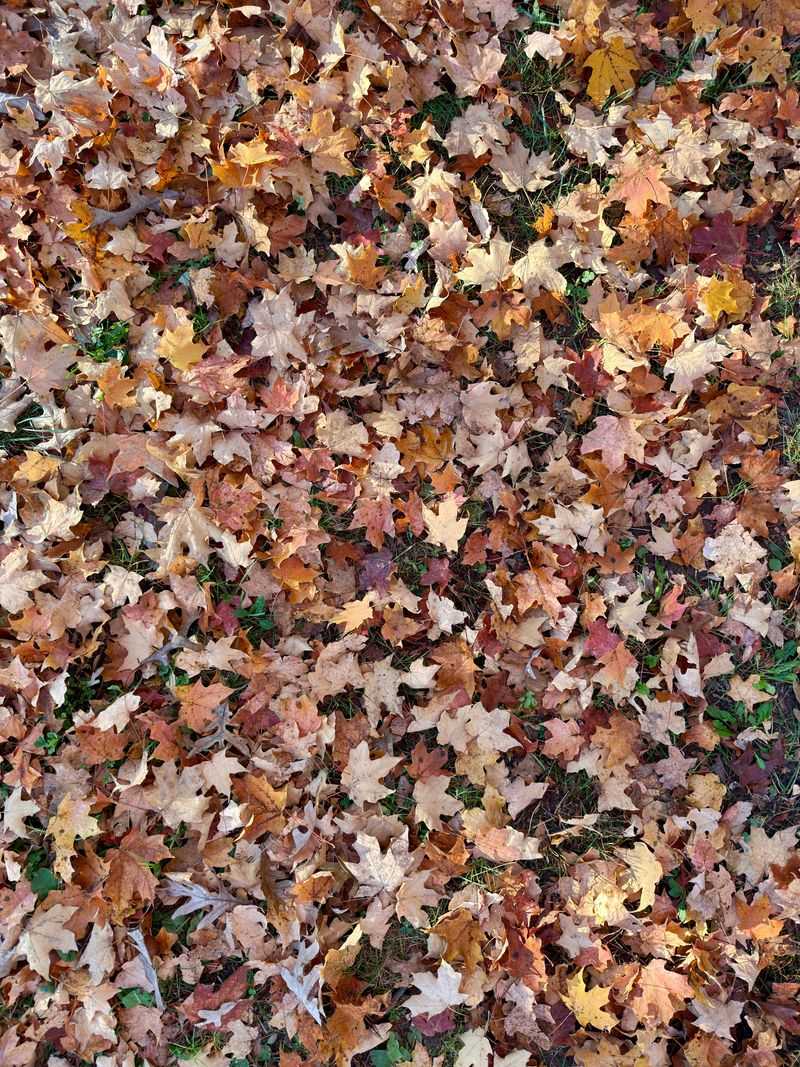
Crunching through a carpet of red maple and oak leaves ranks among the best sounds of autumn. Your grass, however, would probably vote for a lighter covering, because thick leaf piles block nearly all the sunlight.
Grass keeps making food through photosynthesis as long as the blades stay green and catch enough daylight. A heavy blanket of leaves stops that process and traps moisture right against the turf for weeks on end.
Damp, shaded grass becomes an easy target for fungal problems, and snow mold often shows up in those spots. By early spring, you may lift a soggy leaf mat and find a pale, thin patch underneath.
Funny thing is, the leaves themselves can actually help your lawn when you handle them the right way. Running a mulching mower over dry leaves chops them into tiny flakes that settle between grass blades.
Those small bits break down over winter and add organic matter back into the soil for free. Research at several universities has found that mulched leaves rarely harm turf when the pieces are small enough.
Wet leaves clump and mat down under the mower, so wait for a dry afternoon before tackling them. When leaf layers get too deep to mulch, rake the extra into garden beds or a compost pile instead.
Plan on several leaf sessions through November, since oaks often hold their leaves longer than maples do. Staying ahead of the piles is far easier than wrestling with a soggy, heavy mess in December.
4. Late Grass Seed Struggles Before Winter Cold
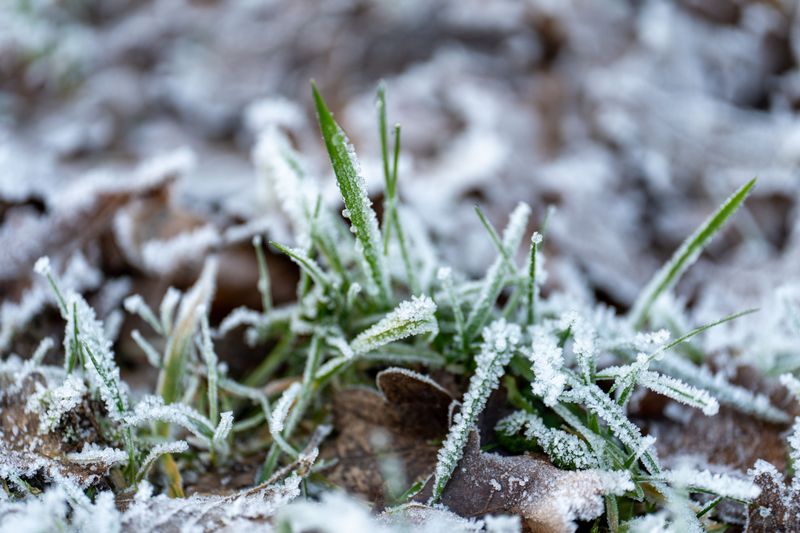
Tossing grass seed onto bare spots in late November feels hopeful, almost like planting a wish for spring. Sadly, those tiny seedlings usually run out of growing time before hard freezes arrive in many areas.
New grass needs several weeks of mild weather to build roots strong enough to hold through winter. Freeze and thaw cycles can lift shallow seedlings right out of the soil, leaving them exposed and struggling.
Virginia Cooperative Extension points to late summer and early fall as the prime window for seeding cool-season grasses. Mid-August through mid-October often works best, depending on whether you garden in the mountains or near the coast.
Dormant seeding is a separate technique, where seed goes down after soil gets too cold for sprouting. The seed then waits until spring warmth, though birds and washouts can reduce how much of it survives.
Truth be told, my one attempt at late November seeding produced a sparse fuzz that faded by June. The following September, I tried again at the proper time and enjoyed a thick, healthy stand of grass.
Spring seeding remains an option, but young plants face summer heat before their roots grow deep enough. Many turf specialists consider fall seeding more reliable for tall fescue in most parts of the state.
For now, mark thin areas with small flags so you remember exactly where to reseed next September. Keeping leaves off those bare spots also helps reduce erosion and gives future seed a cleaner starting bed.
5. Core Aerators Belong In Early Fall Instead
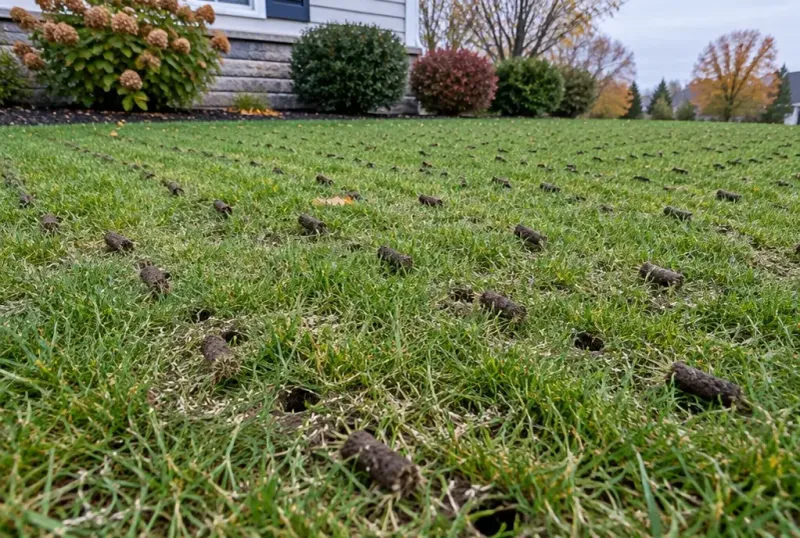
Those little soil plugs scattered across a freshly aerated lawn look a bit like goose droppings to me. They do wonderful work, though, opening space for air and water to reach crowded roots below.
Core aeration and dethatching help a lawn breathe, but both tasks put real stress on the grass. Cool-season turf needs several weeks of active growth afterward to heal those small wounds before winter weather arrives.
Early fall, usually September into early October, gives tall fescue and Kentucky bluegrass the best recovery window. By November, growth slows so much that the lawn may stay torn up and thin until spring.
Dethatching is especially rough, since it rips out the layer of old stems and roots near the soil. Most cool-season lawns rarely need it unless that thatch layer grows thicker than about half an inch.
Here’s what caught my attention while reading extension guidance: warm-season grasses follow an entirely different calendar. Bermudagrass and zoysiagrass prefer aeration in late spring or early summer, when they actively spread and recover quickly.
Not sure which grass type you have growing out there right now? Take a sample to your local extension office, and the staff can usually help identify it with surprising speed and accuracy.
If compaction bothers you this month, jot down where puddles collect or where foot traffic wears paths. That simple list makes next fall’s aeration plan easier and helps you rent equipment at the right time.
6. Dry Autumn Weeks Still Call For The Sprinkler
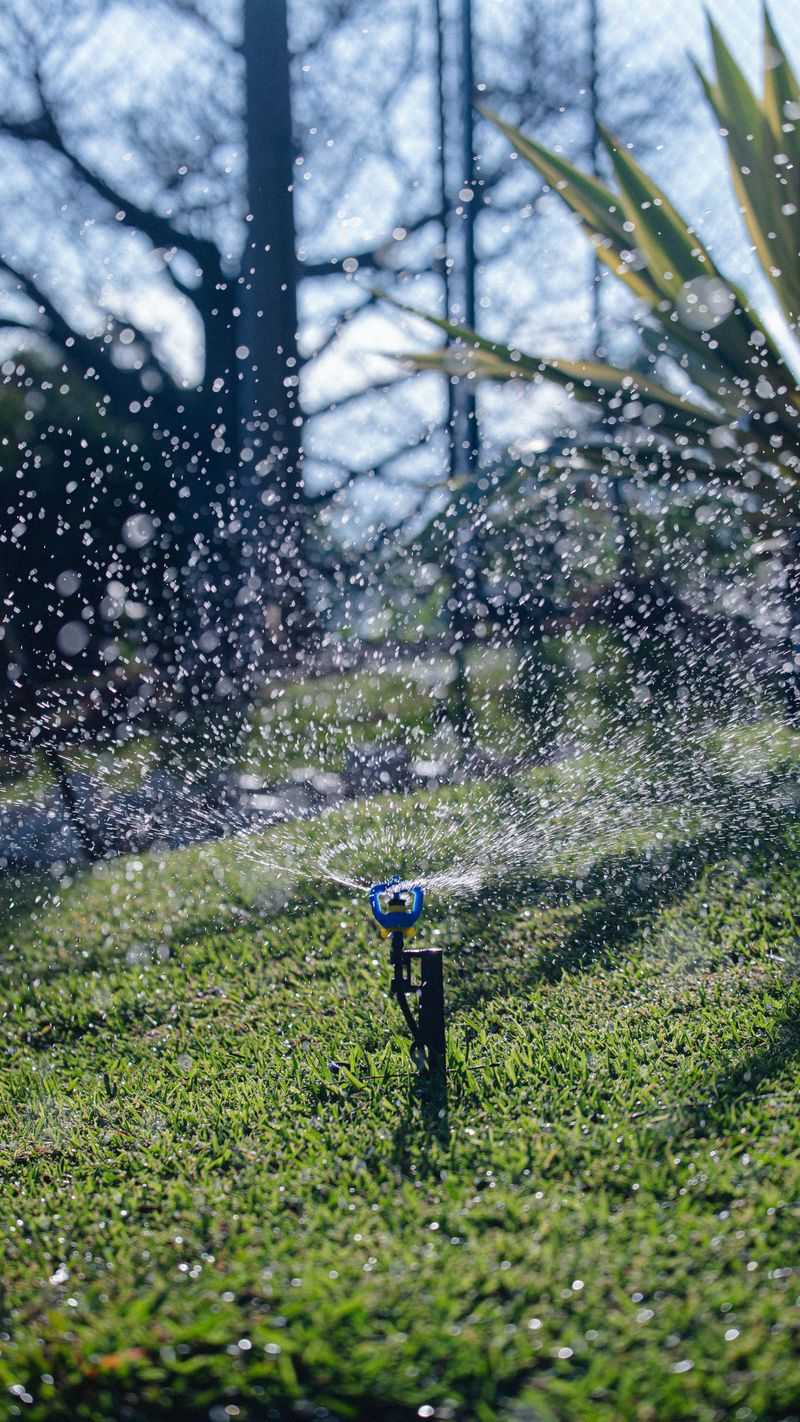
Cooler air tricks many of us into coiling up the hose and forgetting about watering until next May. Dry spells still happen in autumn, though, and thirsty grass enters winter with less strength in reserve.
Cool-season lawns use moisture to support root growth and store energy throughout the shorter days of fall. Without enough water, those roots stay shallow and the grass becomes more vulnerable to drying winter winds.
A simple rain gauge stuck in the yard tells you exactly how much water nature delivered each week. Many lawn experts suggest roughly one inch per week, counting both rainfall and any extra water you add.
My garden taught me that deep, occasional soakings work much better than quick daily sprinkles in fall. Deeper watering encourages roots to follow moisture downward, which builds a sturdier lawn heading into the cold months.
Morning remains the best time to run sprinklers, since the blades can dry before evening temperatures fall. Wet grass sitting overnight in cool weather creates an inviting environment for fungal diseases to settle in.
Once regular rains return and the ground begins freezing at night, you can safely put irrigation away. Drain hoses and shut off outdoor spigots before hard freezes arrive, since trapped water can crack pipes and fittings.
Watch for footprints that linger on the lawn after you walk across it during a dry week. That slow bounce-back often signals thirsty grass, and a thorough soaking usually perks the blades up quickly.
7. Herbicide Granules Spread Without Reading The Label
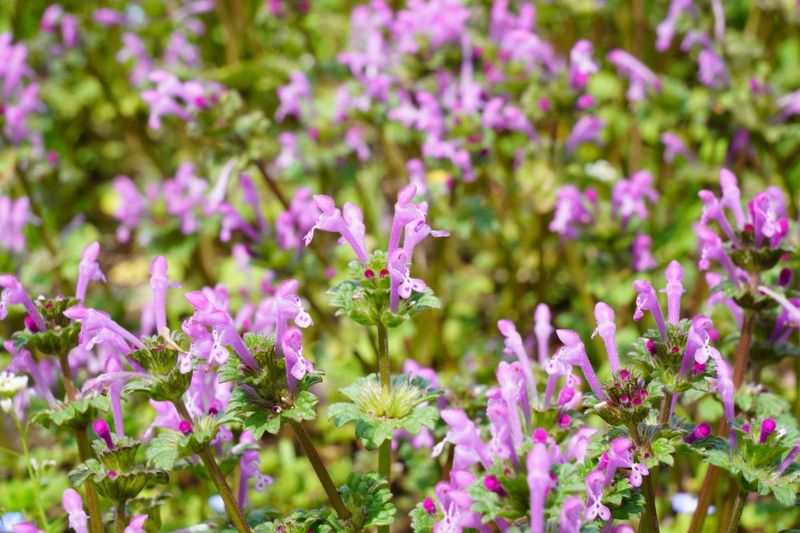
Chickweed and henbit love sneaking into thin lawns during cool weather, sprouting quietly while we rake leaves. They often stay low and unnoticed until spring, when their tiny flowers suddenly appear everywhere across the yard.
Pre-emergent herbicides form a barrier in the soil that stops many weed seeds from sprouting successfully. Unfortunately, that same barrier usually blocks grass seed too, so it can ruin a recent overseeding job quickly.
Many lawn guides time fall pre-emergents for late summer or early fall, before winter annual weeds germinate. By November, most of those weeds have already sprouted, so a pre-emergent often arrives far too late.
Broadleaf weeds that are already growing respond better to post-emergent products during mild autumn days. Plants send sugars down toward their roots in fall, which helps carry the treatment where it does the most good.
If you ask me, reading the label is the most important lawn habit anyone can learn this season. Labels list temperature limits, grass types, and waiting periods, and following those directions is required by law.
Spot-treating individual weeds uses far less product than blanketing the entire yard with herbicide every autumn. Hand-pulling a few clumps after a soaking rain also works surprisingly well, and the soft soil releases roots easily.
Keep children and pets off treated areas for as long as the label recommends after you apply anything. Store leftover products in their original containers, somewhere cool, dry, and safely out of reach of curious hands.