9 Things That Draw Black Bears to Upstate New York Yards
One overlooked bird feeder can hand a hungry visitor thousands of easy calories in just a few minutes. Wildlife biologists in New York say feeders and garbage start more backyard trouble than almost anything else.
That big furry guest can smell a meal from remarkable distances, with a nose far sharper than a bloodhound’s. The state counts several thousand of these animals, and many live closer to quiet neighborhoods than people realize.
I learned the hard way when my tidy compost bin ended up rolled across the lawn one June morning. You’d think a fence and a barking dog would be enough, but hungry noses rarely give up that easily.
Most of the trouble starts with ordinary stuff we leave outside without a second thought in Upstate New York. Is something sitting in your yard ringing the dinner bell for bears tonight?
1. Overflowing Garbage Cans Tempt Hungry Black Bears
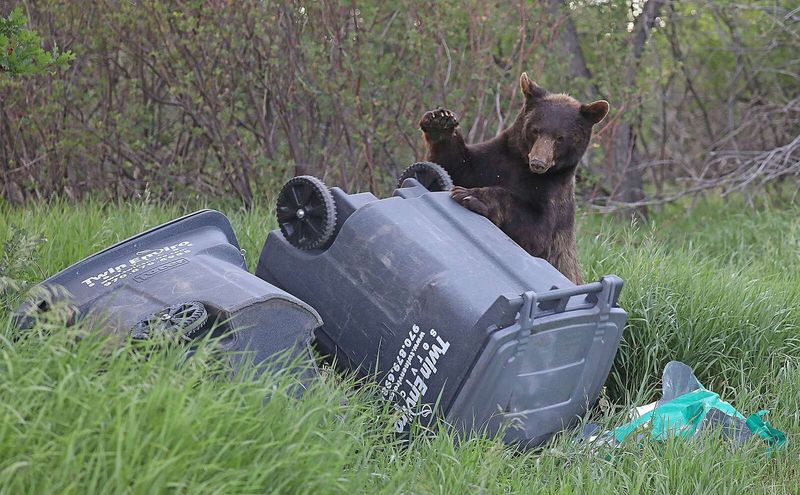
Trash night used to feel like the most boring chore of the week, until a bear made it exciting. Greasy wrappers and leftover scraps send out a smelly signal that drifts through the quiet woods long after dark.
Bears are fast learners, and one successful raid can teach them to check the same curb every week. Wildlife officials note that garbage is one of the most common reasons bears start visiting homes across the region.
Guilty as charged, I once rolled my cans to the road the night before pickup to save time. The next morning, my neighbors and I were picking soggy paper towels out of the ditch for an hour.
Keep your cans inside a sturdy garage or shed, and set them out only on the morning of pickup. A plastic bin on a porch offers little protection, since a determined bear can pop a flimsy lid quite easily.
Certified bear-resistant containers are well worth a look if you live near thick woods or lack garage space. Some towns and haulers in bear country now offer or require them, so call yours before buying one.
Rinse your cans regularly with a little ammonia or a strong cleaner to cut down on lingering odors. Freezing meat scraps until trash day helps too, and it keeps the whole bin from smelling like a buffet.
2. Bird Feeders Packed With Sunflower Seeds
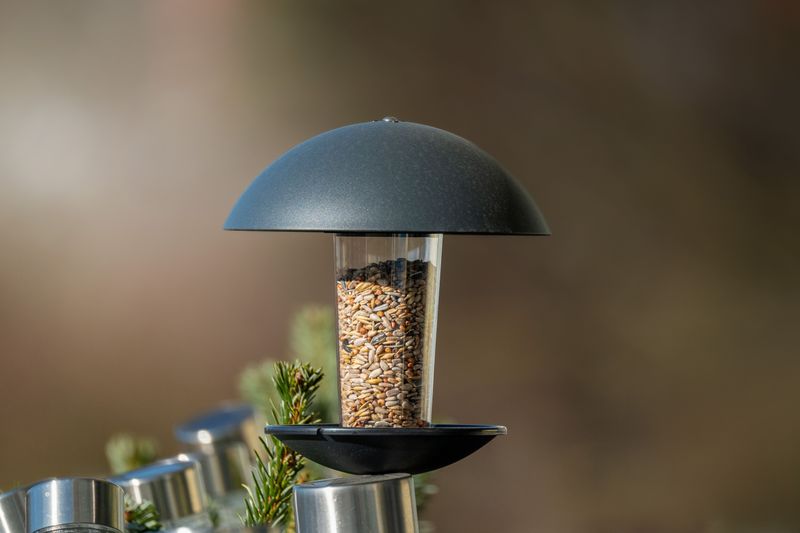
A bird feeder stuffed with black oil sunflower seeds is basically a candy jar hanging at bear height. Those tiny seeds are packed with fat, and a bear can empty a full tube in just a few minutes.
I’m a sucker for chickadees and cardinals, so taking my feeders down felt like a real loss at first. Then a bent pole and a shredded suet cage on my deck changed my mind pretty quickly that spring.
State wildlife biologists advise taking all feeders down from early April until late November or early December. That window covers the months when bears are awake and hunting for easy calories near homes and backyards.
Spilled seed on the ground matters too, because bears happily vacuum up hulls and kernels from the grass. Rake up leftovers when you take feeders down, and store big bags of seed inside a locked garage.
Your songbirds will be fine during warmer months, since insects and wild seeds give them plenty to eat. A shallow birdbath and native flowers like coneflowers can still keep birds visiting without inviting a heavy furry guest.
Once deep winter settles in and bears are tucked into dens, you can usually hang your feeders back up safely. Watch for tracks during warm spells, though, since a few restless bears wander out on mild winter days.
3. Pet Food Bowls Left Out On The Porch

Kibble barely smells like anything to us, but to a bear it smells like an open invitation. Pet food is rich in fat and protein, which makes a half-full bowl on the porch hard to resist.
Trust me on this one, because my old barn cat’s dish once vanished along with the plastic mat underneath. I found the bowl later near the tree line, licked clean and covered in muddy paw prints.
Feeding pets indoors is the simplest fix, and it also keeps raccoons and skunks from joining the party. If your pets must eat outside, pick up the dishes as soon as they finish every single meal.
Storage counts just as much as feeding time, since a bear can tear into a bag in a few seconds. Keep pet food and livestock feed inside a locked building or a sturdy metal container with a tight lid.
Many people forget about the feed room in the barn, where grain bags sit behind a flimsy wooden door. Bears have been known to push through weak doors once they catch a single whiff of sweet feed.
In New York, feeding bears on purpose is illegal, and officials can also act when attractants keep drawing them in. A clean porch protects your pets, and it keeps the neighborhood bears wild and wary of people.
4. Greasy Barbecue Grills And Drip Pans
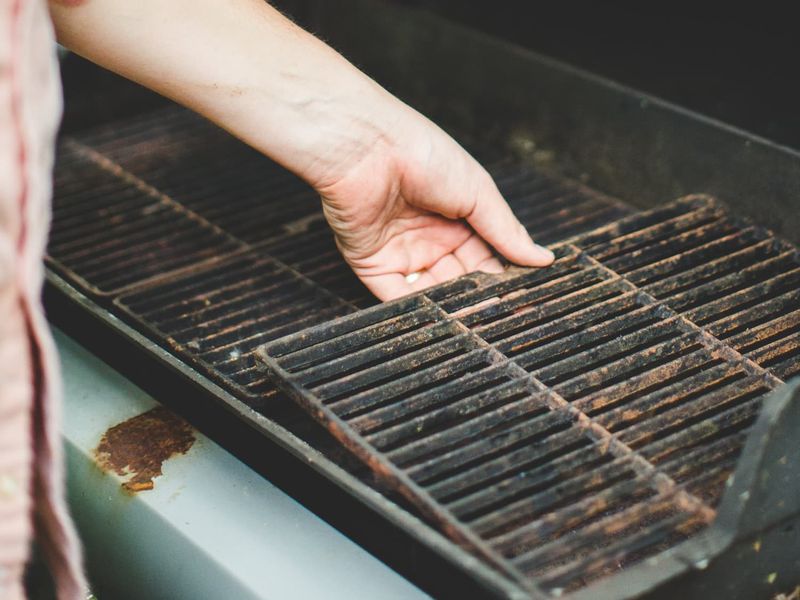
Last night’s burgers might be a happy memory for you, but the grease trap is still talking loudly. Drippings and charred bits give off a smoky smell that can pull a curious bear right onto your deck.
I didn’t see this coming the first time, but bears will lick grates and even tip over a grill. Some homeowners have even found their grills dragged across the yard with the drip pan licked shiny clean.
After you finish cooking, crank the burners up on high for several more minutes to burn off stuck-on residue. Give the grates a good scrub once they cool, and wipe down the outside where splatter tends to land.
Empty the grease cup after every cookout, because that little metal tin holds the strongest smell of all. Toss the drippings into a sealed bag, then put that bag in your secured garbage container right away.
Roll the cleaned grill into a garage or shed when you can, especially if you live near woods. A cover alone will not hide the scent, though it does keep rain from rusting the metal grates.
Pay attention to the patio itself, too, since dropped food and spilled marinade soak deep into wood and stone. A quick rinse with soapy water after dinner can make your deck far less interesting to passing noses.
5. Ripe Apples Falling Beneath Backyard Fruit Trees
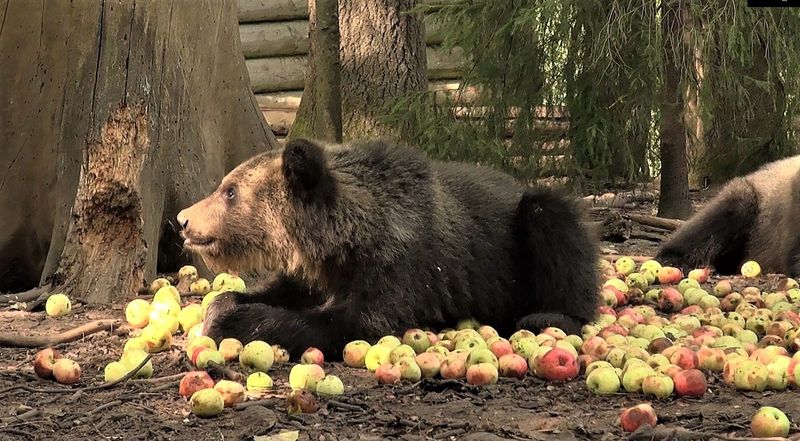
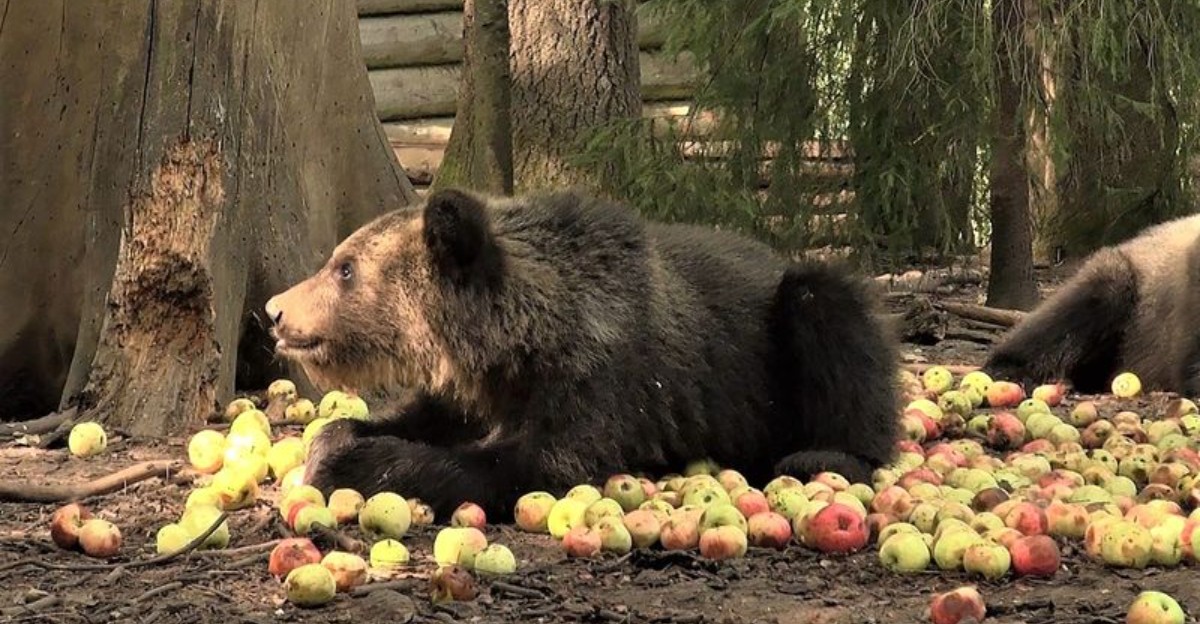
Nothing smells quite like a carpet of bruised, sun-warmed apples under an old tree in early autumn. Bears love that sweet aroma too, and a single loaded tree can keep one coming back night after night.
Late summer and fall bring a feeding stage called hyperphagia, when bears eat almost nonstop before heading into winter dens. Some bears take in around 20,000 calories a day during this stretch, so ripe fruit is a jackpot.
Every fall, I make a habit of walking under my two apple trees with a bucket each cool evening. Picking up drops daily feels tedious, but it keeps my yard from turning into a nightly snack bar.
Harvest fruit as soon as it ripens, rather than letting it hang until every branch sags with weight. Bears are strong climbers, and they can snap limbs while reaching for the sweetest fruit near the top.
Berry patches deserve the same attention, especially blueberries and raspberries planted close to the edge of the woods. Electric fencing is one of the most effective tools for protecting small orchards and berry plantings from bears.
If you are planning new plantings, keep fruit trees well away from your doors and the spot where kids play. Sharing a few windfalls with deer is one thing, but feeding a bear creates trouble for everyone nearby.
6. Open Compost Piles Loaded With Kitchen Scraps
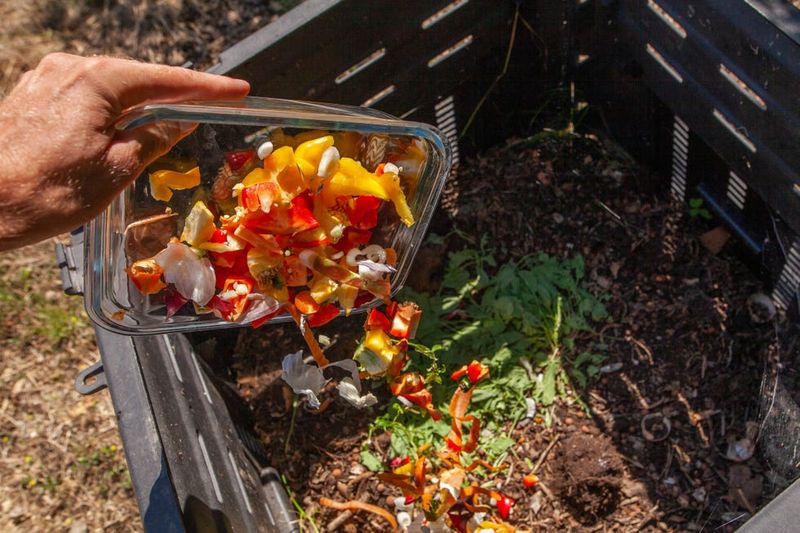
Rich, earthy compost is gardener gold, but a pile full of melon rinds smells like dessert to a bear. Not going to lie, my first open heap attracted more wildlife than my whole flower bed ever did.
Meat scraps and greasy leftovers send out the strongest signals, so keep them out of backyard compost altogether. Those items belong in your secured trash, where they cannot sit in the open for days at a time.
Fruit peels and sweet scraps are trickier, since bears can dig through a loose pile with little effort. Burying them a few inches down rarely fools a nose that can find food from a remarkable distance.
Cover each fresh layer of scraps with a thick blanket of crunchy shredded leaves or dry grass clippings. Turning the pile often speeds up decay and helps tame the sour smell that drifts across the whole yard.
An enclosed bin is a big step up from a simple open heap, though it is not bear-proof. For extra protection, run a strand or two of electric fencing around the compost area during active months.
Placing the pile far from your house helps as well, since any visitor will stay farther from your doors. Some gardeners in bear country switch to indoor worm bins, which keep kitchen scraps tucked safely inside on the counter.
7. Beehives And Backyard Chicken Coops
Winnie the Pooh had it partly right, because bears do love honey, but the bee larvae are a prize too. Those soft brood cells pack serious protein, which explains why a bear will tolerate stings to reach them.
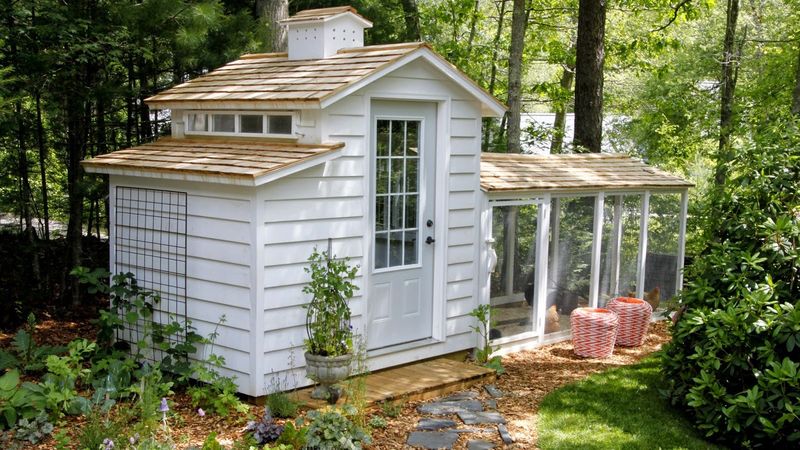
Chicken coops draw a different kind of attention, mostly from the feed bins and eggs inside. A hungry bear may also go after the birds themselves, especially when the coop is flimsy or poorly latched.
Spring can be a risky stretch, since bears leave their dens hungry and natural foods are still scarce. A tipped hive or a torn coop door in April often points to a bear looking for an early meal.
Electric fencing is the go-to protection recommended by wildlife agencies for apiaries and backyard flocks alike in bear country. Some beekeepers bait the wire with a dab of peanut butter so a curious bear gets a memorable zap.
I’ll say this much, a properly grounded fence matters far more than a fancy charger or a tall post. Check the voltage often, and keep grass trimmed under the wires so weeds do not drain the charge.
Lock chickens inside a sturdy wooden coop each night, and store their feed in a sealed metal can. Collect eggs every day as well, because a full nest box gives off a scent that travels surprisingly far.
8. Sweet Corn Ripening In The Vegetable Garden

Sweet corn in August might be my favorite summer treat, and I am clearly not the only one. Bears can flatten a patch overnight, pulling down stalks and leaving chewed cobs scattered all across the rows.
Corn is a well-known favorite, though bears will also sample melons and other sugary crops as they ripen. Leafy greens and tomatoes draw less interest, but hungry bears are opportunists and will try plenty of things.
I get it, nobody wants to pick corn a day early after months of weeding and careful watering. Still, harvesting promptly as crops mature is one of the easiest ways to keep the garden less tempting.
Clean up overripe produce and spoiled vegetables quickly, since rotting food on the ground spreads a strong odor. Toss the waste into secured trash instead of leaving it piled up at the far edge of the garden.
Electric fencing around the whole garden offers solid protection, and portable kits make setup easier than you might expect. Run the fence before crops ripen, so bears meet the wire before they ever get a taste of your harvest.
Motion lights and radios may startle a bear briefly, but most bears learn to ignore them over time. Pair any scare tactics with good cleanup habits, and your rows of corn will stand a much better chance.
9. Scented Candles And Sunscreen Left Outdoors

Bears sometimes investigate strange things like citronella candles and lip balm, which still surprises me every single time. Their curiosity runs as deep as their appetite, so a fruity scent can easily earn a close sniff.
Don’t laugh, but I once found claw marks on a patio tub where a coconut candle had been sitting. Nothing else on the patio was touched, which made it clear that the sweet smell was the main draw.
Bringing scented items inside at night is an easy habit, and it costs nothing but a single minute. Pay attention to sunscreen bottles and bug spray left on deck tables and railings after a long afternoon outdoors.
Cars deserve a quick check too, since bears have broken into vehicles that held food or fragrant wrappers. Lock your doors and roll up the windows, and keep air fresheners and snacks out of parked cars overnight.
Open kitchen windows can also send cooking smells drifting outside, especially when bacon or baked goods are involved. Closing ground-floor windows at night while you cook can keep those tempting aromas safely inside where they belong.
Around Upstate New York, most bears would rather avoid people, and a clean yard helps them keep that healthy distance. If a bear keeps returning despite your efforts, contact your regional DEC wildlife office for practical advice.