This Ant Hiding in Your New York Mulch Delivers A Sting Worse Than It Looks
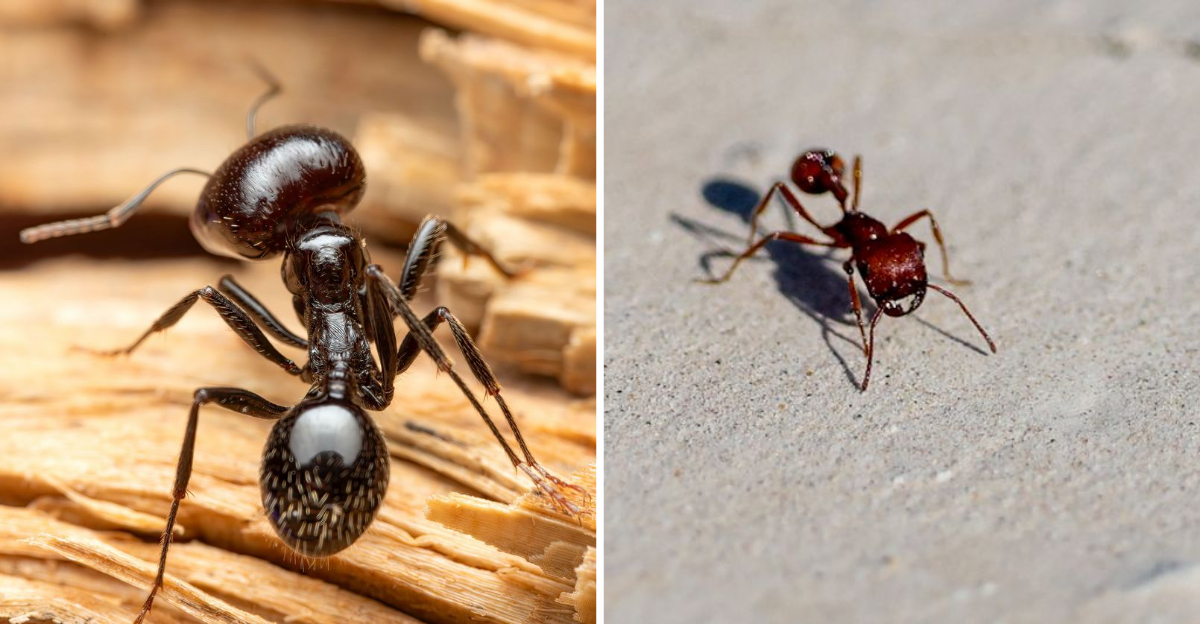
Small, dark, and easy to miss, it’s already settled into your mulch. Quiet invaders rarely announce themselves before they strike.
Wood chips and logs create perfect cover for something small and dark across New York yards. It waits, patient and unseen, until your hand gets too close.
A sting can catch you completely off guard. Pain arrives fast, sharp, and confusing without warning. Many homeowners mistake it for something ordinary. That mistake costs comfort, time, and peace of mind.
Your yard might already host this guest without obvious signs. Digging deeper reveals patterns most people never notice. What hides beneath your mulch is worth knowing before your next garden task.
A New Invasive Ant Is Quietly Spreading Across New York Yards
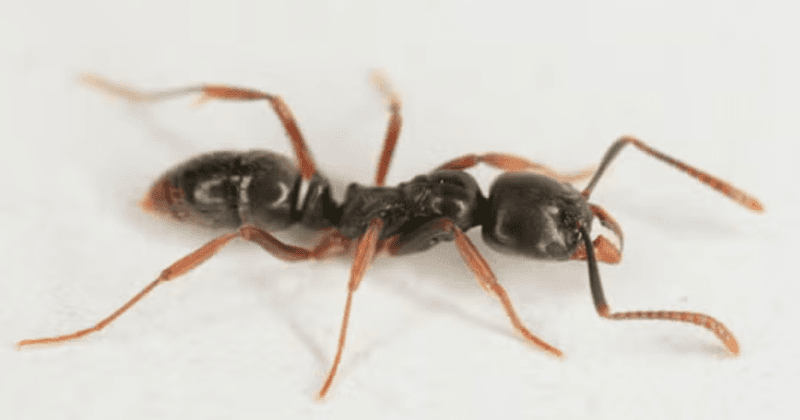
Something is moving through New York backyards without making a sound. The Asian needle ant, known scientifically as Brachyponera chinensis, has been expanding its range across the northeastern United States for years.
Most homeowners never notice these ants until it’s too late. They’re small, dark, and easy to confuse with harmless species that have lived in your yard for decades.
Unlike aggressive fire ants that swarm and attack in numbers, this ant hides and waits. It prefers cool, shaded spots under mulch, rotting wood, and leaf litter near your home’s foundation.
Entomologists first flagged this species as a concern back in the early 2000s. Since then, it has pushed steadily northward into states like New York, New Jersey, and Pennsylvania.
What makes its spread so tricky is its low profile. You won’t see a massive mound or a trail of thousands marching across your sidewalk.
The colonies are small and tucked away, often numbering just a few hundred workers. That makes them nearly invisible until someone accidentally disturbs a nest while gardening.
Warmer fall temperatures have helped this species survive winters that once would have slowed its spread. Climate shifts are giving it a longer active season each year.
Recognizing this pest early makes all the difference for your family’s safety.
Spotting The Difference Between Asian Needle Ants And Common Backyard Species
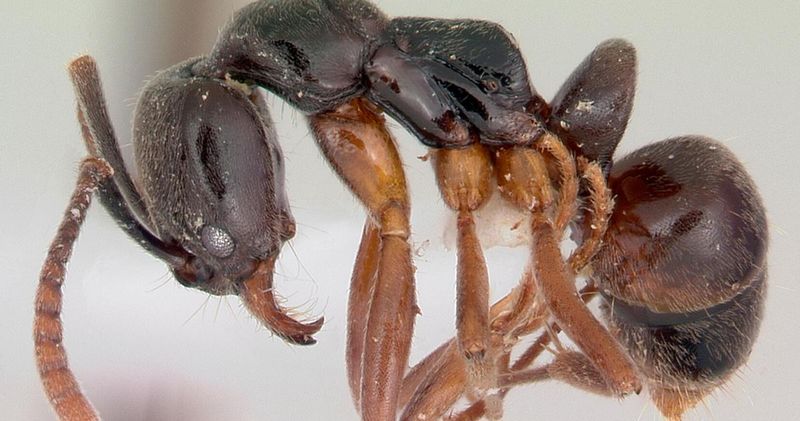
Grab a magnifying glass before you assume that dark ant is harmless. Asian needle ants have a very specific look that sets them apart from the dozens of other ant species living in New York gardens.
Their bodies are dark brownish-black, almost glossy in direct sunlight. The most reliable clue is their orange-tipped mandibles and the faint orange coloring on their legs and antennae.
Common pavement ants are smaller and tend to move in chaotic, fast-moving trails. Carpenter ants are much larger and usually found boring into damaged wood rather than nesting under mulch.
Asian needle ants move more slowly and deliberately than most ants you’re used to seeing. That slow movement can actually make them harder to spot as a threat.
Workers typically measure between 5 and 5.5 millimeters long. That’s roughly the size of a small apple seed, which makes them easy to overlook during a quick garden walk.
Your New York Garden Changes Every Week. Your Plan Should Too.
Gardening in New York changes quickly throughout the season. Every Friday you’ll receive a simple weekly plan showing exactly what to plant, prune, fertilize, harvest, and protect so you never miss the right timing.
One key behavioral difference is that they don’t follow pheromone trails in long lines like other species. You’ll see them moving individually, which is unusual for ants.
Their stinger is located at the tip of the abdomen and is functional, unlike many ant species that can only bite. That functional stinger is what makes identification so important for your safety.
Learning to recognize this ant takes just a few minutes of study. Once you know what orange-tipped mandibles look like, spotting them gets much easier.
Where This Ant Likes To Nest Around Your Property
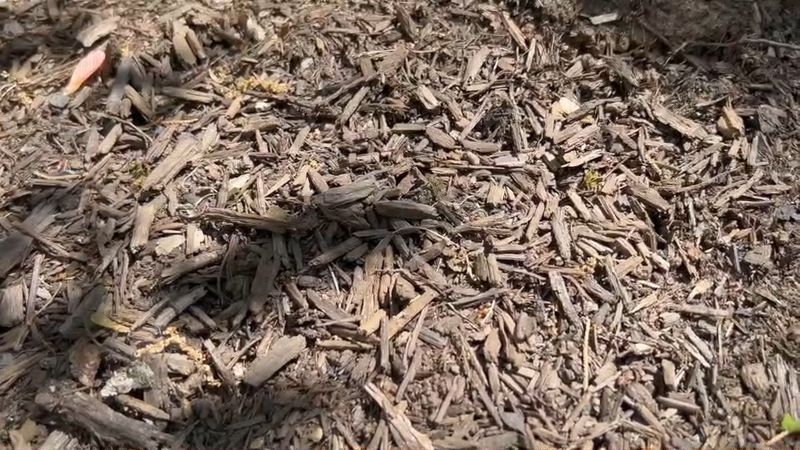
Pull back a handful of mulch near your foundation and you might be in for a surprise. Asian needle ants love moist, shaded environments, and your carefully landscaped garden beds are basically a five-star hotel for them.
They nest under wood chip mulch, fallen logs, stones, and even beneath potted plants left sitting on the ground. Anywhere that stays cool and damp is prime real estate for a colony.
Unlike fire ants that build tall, obvious mounds, these ants keep their nests flat and hidden. A disturbed nest looks like a shallow cavity just beneath the surface of the soil or mulch.
Rotting stumps left in garden corners are a favorite nesting spot. Old railroad ties used as garden borders also attract them because the wood retains moisture beautifully.
Compost bins placed near the house can become nest sites too. Any organic material that breaks down slowly and holds heat creates ideal conditions for a colony to grow.
Leaf piles left against fences or along the house perimeter are another common nesting location. Autumn is actually peak season for finding active nests in these spots.
Nests can also appear under flagstone patios and stepping stone paths. The combination of ground contact, shade, and moisture is exactly what this species seeks out.
Knowing where they settle helps you check the right spots before gardening season ends. A quick inspection now can save you from a painful sting later this fall.
The Sting That Catches Most Homeowners Off Guard
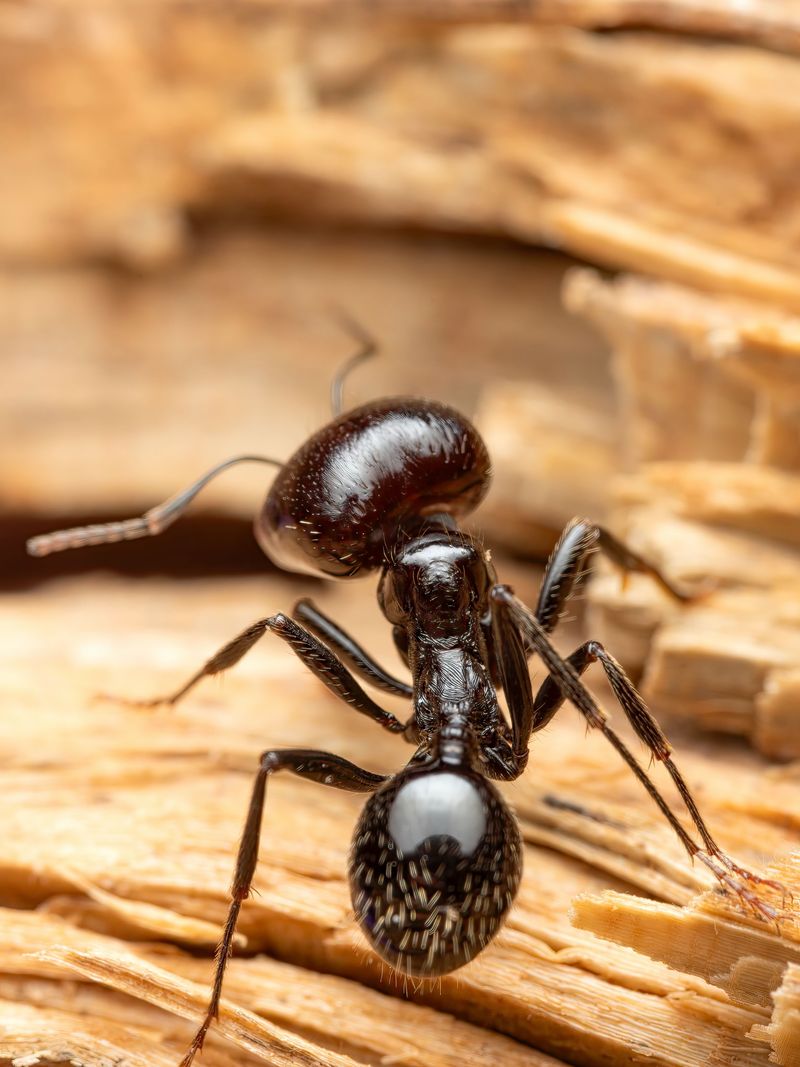
Most people expect an ant sting to feel like a brief pinch and nothing more. The Asian needle ant has a different idea about that, and it will make itself known the moment you disturb its home.
The sting delivers a sharp, burning sensation that lingers far longer than a typical ant bite. Many people describe it as similar to a bee sting, which is not what anyone expects from a small dark ant.
What makes this species medically significant is its venom. Research has shown that it can trigger anaphylactic reactions in sensitive individuals, even in people with no prior history of severe insect allergies.
Documented medical cases have linked this ant to anaphylaxis in the southeastern United States. As the species spreads north, that risk travels with it.
Symptoms of a serious reaction can include hives, swelling beyond the sting site, dizziness, and difficulty breathing. Anyone experiencing those symptoms after a sting needs medical attention quickly.
For most people without allergies, the sting causes localized redness and swelling that can last several hours. Applying a cold pack and taking an antihistamine usually helps manage the discomfort.
Unlike bees, this ant can sting multiple times without losing its stinger. One disturbed nest can mean several stings before you even realize what’s happening.
Small in size, this pest still earns serious respect from anyone who has felt its sting firsthand.
Signs Your Mulch Or Garden Beds Are Already Affected
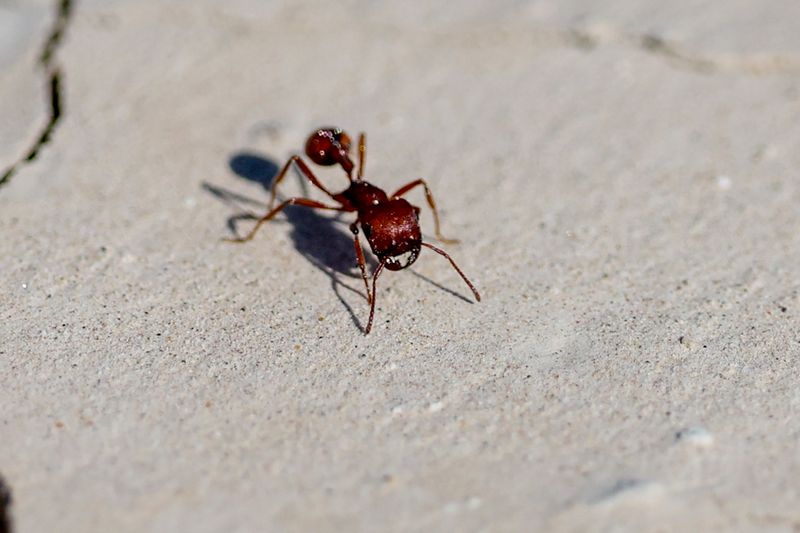
You don’t need to get stung to figure out if these ants have moved in. There are a few reliable signs that a colony has already made itself at home in your garden beds.
The most obvious clue is seeing individual dark ants moving slowly through your mulch without following a trail. That solo behavior is a red flag that separates this species from most others.
Check under stepping stones, bricks, and large flat rocks near your garden. Lifting one and seeing a cluster of dark ants scatter is a strong indicator of a nearby nest.
You may also notice small soil disturbances beneath the mulch surface. Unlike fire ant mounds, these disturbances are subtle, almost like someone loosely packed a handful of dirt.
Termite swarmers are actually a clue too, though in a roundabout way. Asian needle ants are attracted to areas where termites are active, since termites are part of their natural diet.
If you’ve had termite activity near your home, check those same areas carefully for needle ant presence. The two species often overlap in the same moist, wood-rich environments.
Another sign is spotting winged reproductive ants, called alates, emerging from mulch or soil in late summer or early fall. This species swarms later in the season than most local ants.
Catching these signs early gives you the best chance to act before the colony grows larger. A quick walk-through of your beds this week could tell you a lot.
Steps To Reduce Your Risk This Fall
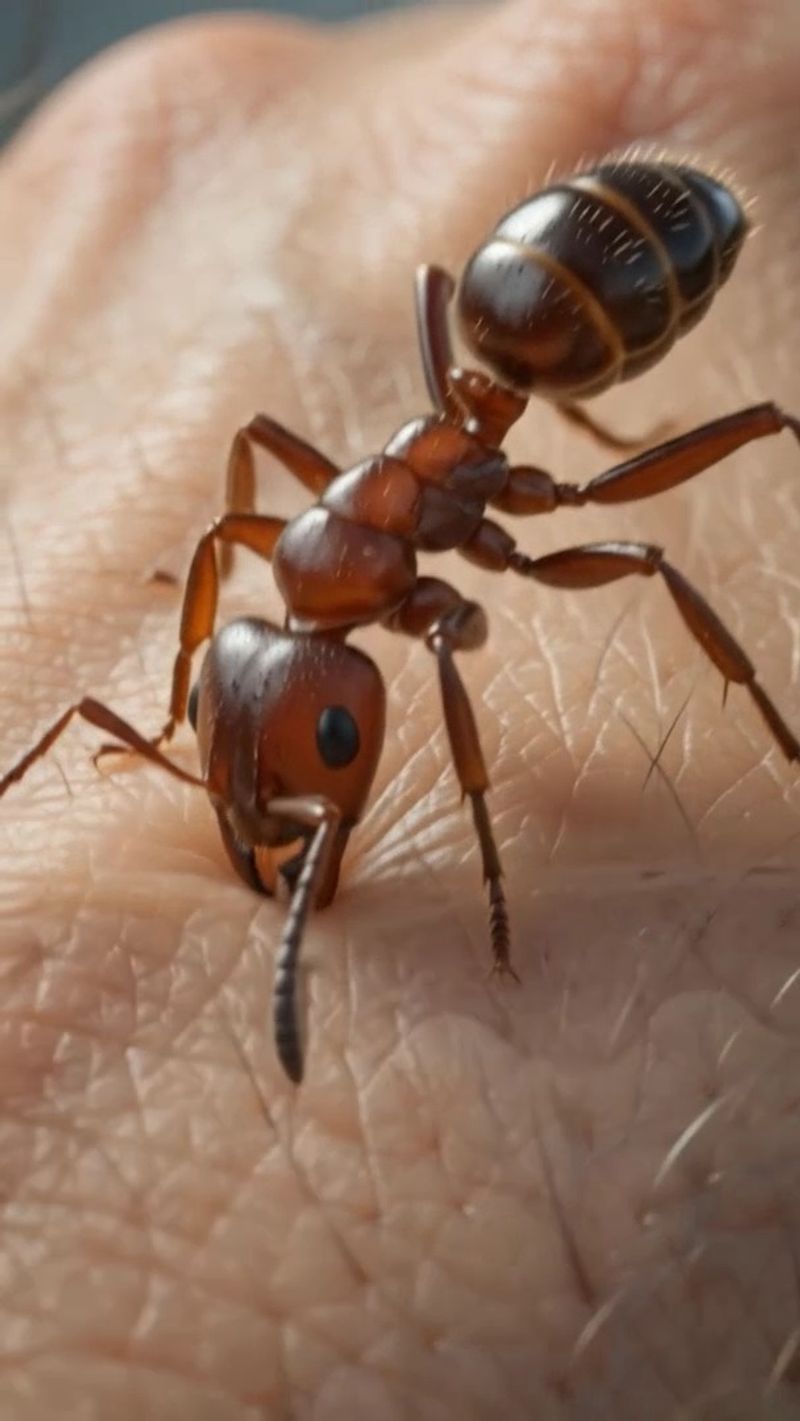
Fall is actually the most important season to act against this pest. Colonies are active later into the year than most ants, and disturbed nests in October can still deliver a serious sting.
Start by pulling on thick gardening gloves before touching any mulch, logs, or stones near your foundation. This one habit alone can prevent most accidental stings during fall cleanup.
Replace old, thick mulch layers with fresh material applied no deeper than two to three inches. Deep, packed mulch holds more moisture and creates better nesting conditions for the colony.
Move firewood piles away from the house and elevate them off the ground if possible. Ground contact and proximity to your home make those piles a perfect nesting site.
Remove any rotting stumps, old railroad ties, or decaying wood from your garden this season. Eliminating those materials removes the habitat that attracts this species in the first place.
If you find an active nest, a targeted insecticide labeled for ant control can be applied directly to the site. Follow label directions carefully and wear protective clothing during application.
For larger infestations or if anyone in your household has insect sting allergies, contact a licensed pest management professional. They can identify the species with certainty and recommend the safest treatment plan.
Staying alert to what’s nesting in your yard is the smartest move before winter arrives. A little preparation now means a much safer spring gardening season ahead.