7 Places in Arizona Yards Where Venomous Things Hide Under Rocks in Winter
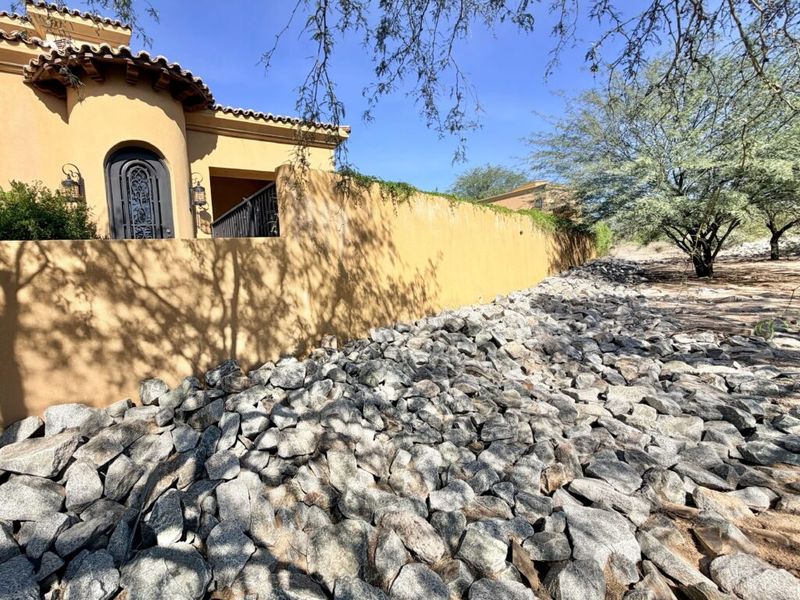
Bark scorpions sometimes overwinter in tight clusters of twenty or more, tucked together under a single stone. That fact alone made me rethink every rock I casually flip in my yard.
Their bodies glow a ghostly blue-green under ultraviolet light, which feels like a strange party trick for a desert hunter. Researchers still debate why that glow exists, and I love that nature keeps a few secrets.
I have to admit, my landscaping looks different now that I know what may be sleeping beneath it. You probably have boulders, pavers, and block walls that feel perfectly harmless in the afternoon sunshine.
October in Arizona is the perfect time to learn where these quiet tenants settle before the cold arrives. So which corner of your yard is quietly renting out space to a venomous guest right now?
1. Sun-Warmed Landscape Boulders
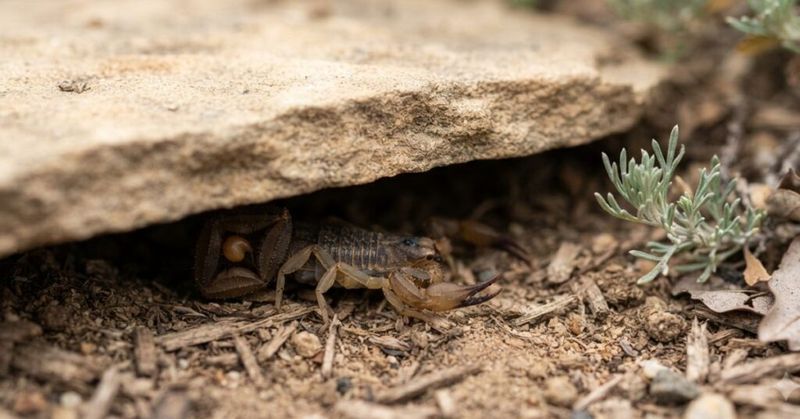
Big decorative boulders work like slow-release heaters, soaking up afternoon sun and holding warmth long after dusk settles in. Bark scorpions notice that comfort, and they often wedge themselves into the cool, slightly damp gap underneath.
Arizona bark scorpions are known to gather in groups during cooler months, sometimes clustering by the dozen under one stone. They slow down considerably in winter, yet they stay alive and alert enough to sting when suddenly disturbed.
Personally, I treat every boulder like a closed door that I should knock on before opening carefully. Wear thick leather gloves and use a pry bar or shovel to tilt rocks away from your body.
October is a smart month for rearranging boulders, since many scorpions are still active and easier to spot at night. A cheap UV flashlight reveals their eerie glow, which makes an evening yard check surprisingly fun for curious families.
Cutting back on crickets and roaches near your rocks reduces the dinner menu that draws scorpions in the first place. Trim irrigation so the soil under boulders stays drier, since moisture is a big part of the appeal.
2. Stacked Stone Walls And Rock Piles
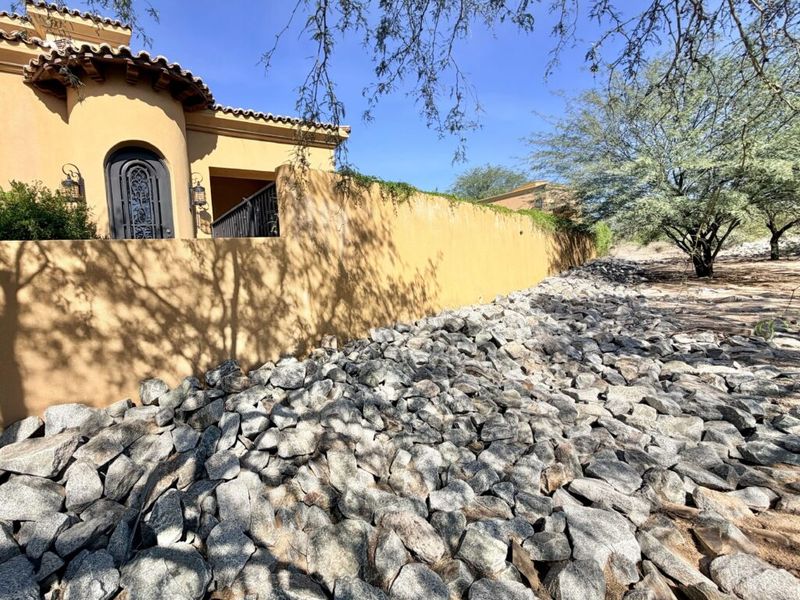
Rattlesnakes can be surprisingly social in winter, sharing rocky dens that sometimes hold several snakes tucked together for warmth. A loose rock pile or dry stacked wall in a yard can mimic those natural hillside crevices nicely.
Arizona has more rattlesnake species than any other state, and many retreat into rocky shelters as temperatures fall. Dens often face south, because that exposure catches the weak winter sun and keeps the inside a little warmer.
I believe the riskiest moment comes during fall cleanup, when we reach into rock piles without looking first. Use a long-handled tool to move stones, and keep your hands and feet where you can clearly see them.
Snakes may still bask on mild winter afternoons, so dormancy rarely means you will go months without a sighting. If you spot one, back away slowly and call a professional or local fire department for relocation help.
Rodents are the main attraction, so reducing mice and pack rats makes your rock features far less tempting. Store birdseed in sealed bins and clean up fallen fruit, since both quietly feed the rodents snakes love.
3. Concrete Patio Pavers And Slabs
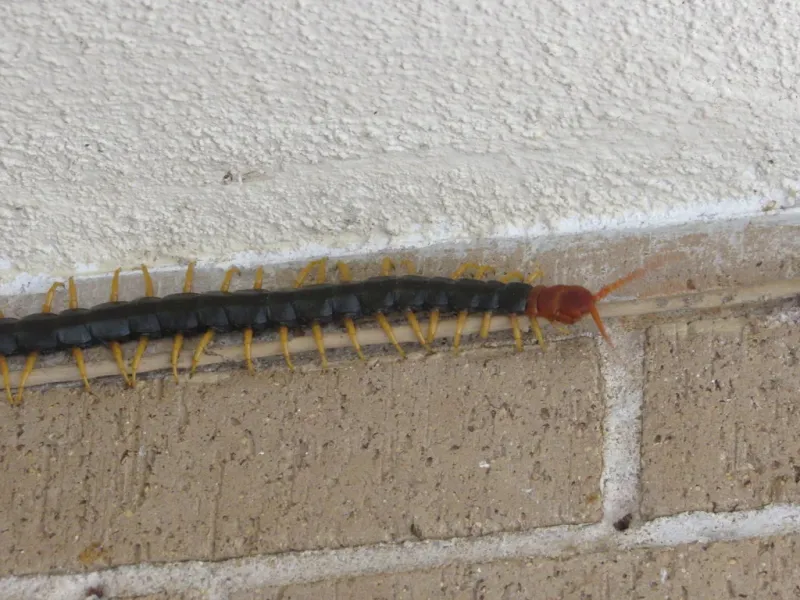
Patio pavers might be the most underrated hideout in the desert yard, acting like flat artificial rocks with steady temperatures. Gaps beneath them stay dark and sheltered, which suits both bark scorpions and giant desert centipedes nicely.
The giant desert centipede, Scolopendra heros, can stretch longer than six inches and delivers a painful venomous bite. You might notice its bold orange and black coloring flashing when you lift a loose paver near the lawn.
What surprises me most is how scorpions use expansion joints, squeezing into slim cracks that barely look wide enough. Their flattened bodies let them slip into spaces far narrower than most of us would ever expect.
Fall is a great window for sealing cracks and expansion joints with outdoor-rated caulk or polymeric sand. Fewer openings mean fewer cozy pockets, and your patio becomes much less welcoming before the cooler season arrives.
Watch for sprinkler overspray soaking the edges of pavers, since damp ground draws insect prey and their hunters. Adjusting a few spray heads now can noticeably reduce how many critters settle under your favorite outdoor seating area.
4. Hollow Block Wall Crevices
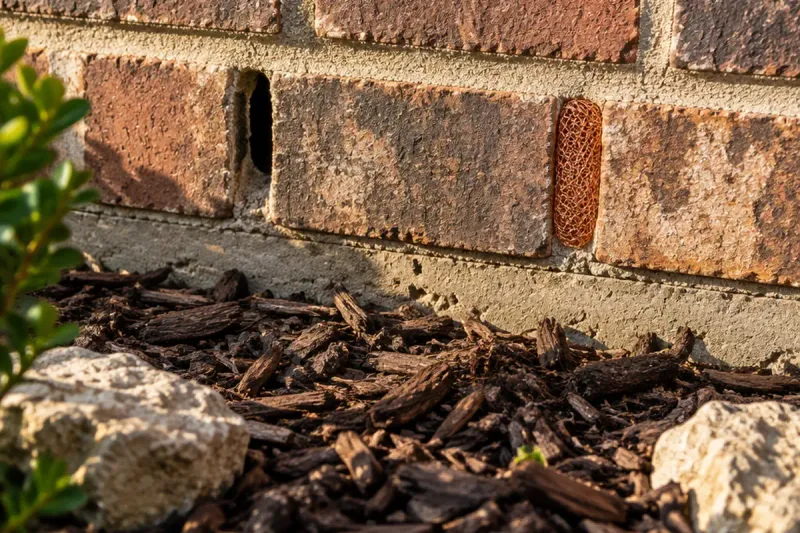
Block walls are practically scorpion apartment buildings, with hollow cores and rough mortar joints offering endless private rooms. Bark scorpions are excellent climbers, so a vertical wall gives them no trouble during their nightly travels.
Black widow spiders also love these walls, spinning messy, tangled webs in sheltered corners near the ground. Females carry the familiar red hourglass marking underneath, and their venom affects the nervous system rather than tissue.
I like how a nighttime UV flashlight turns a boring wall into a surprising map of hidden residents. Scorpions glow bright blue-green in ultraviolet light, so even small ones stand out against the dark blocks.
Bark scorpions can squeeze through openings about as thin as a credit card, which explains how they slip inside. Fill cracked mortar, missing caps, and gaps near the ground with caulk or mortar patch before winter settles.
Keep stacked firewood and plant debris away from the base of your wall to reduce sheltered staging areas. A clear strip of gravel along the bottom makes it harder for spiders and scorpions to move in unnoticed.
5. River Rock Borders And Dry Creek Beds
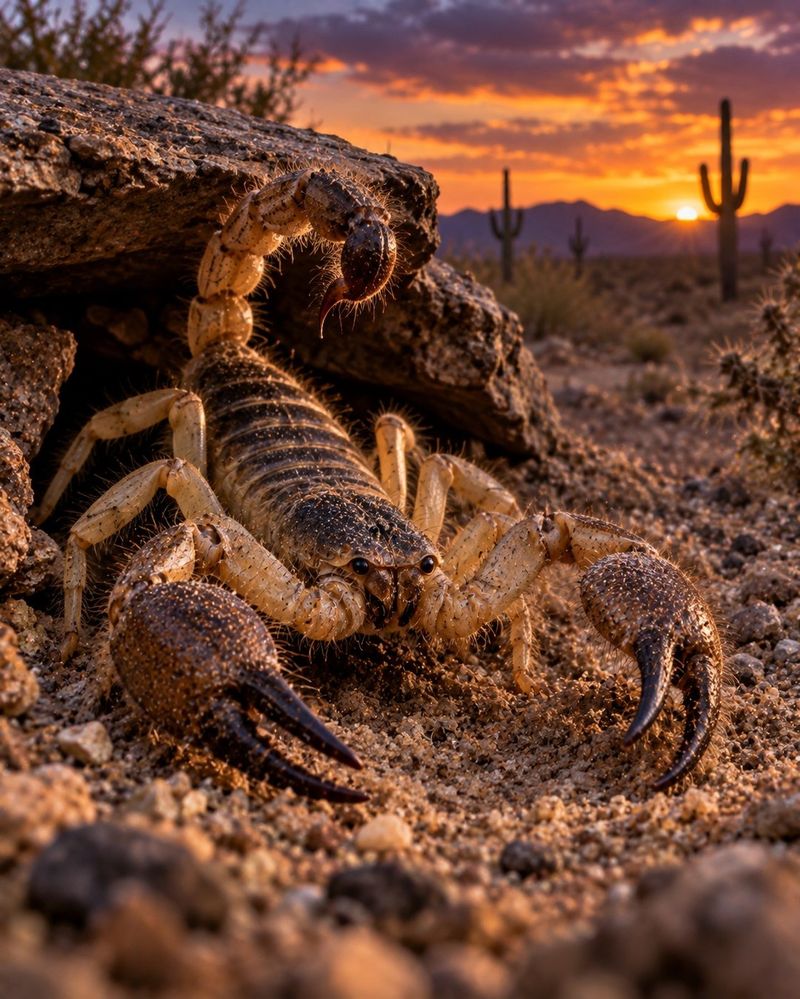
Dry creek beds look lovely and help with drainage, yet they double as layered rock shelters for desert predators. Every rounded stone creates another shaded pocket, and the gaps between them stay cooler and moister than open gravel.
The giant desert hairy scorpion, the largest scorpion in North America, prefers burrows and rocky crevices in sandy soil. Its sting is painful but generally less medically serious than the smaller bark scorpion for healthy adults.
You need to remember that these creatures are hunters, and creek beds often attract the insects they eat. Leaves and twigs collecting between rocks hold moisture and feed crickets, which then pull hungry scorpions into the area.
Personally, I rake out organic debris every fall, because a cleaner creek bed offers fewer hiding spots overall. Gloves and sturdy shoes are worth wearing, since small surprises sometimes curl up beneath the rocks you move.
Native plants like desert milkweed or penstemon soften the edges while staying drought tolerant and fairly low maintenance. Water them deeply but less often, so the ground between rocks dries out and becomes less appealing for centipedes.
6. Gila Monster Burrows Under Rocky Ground
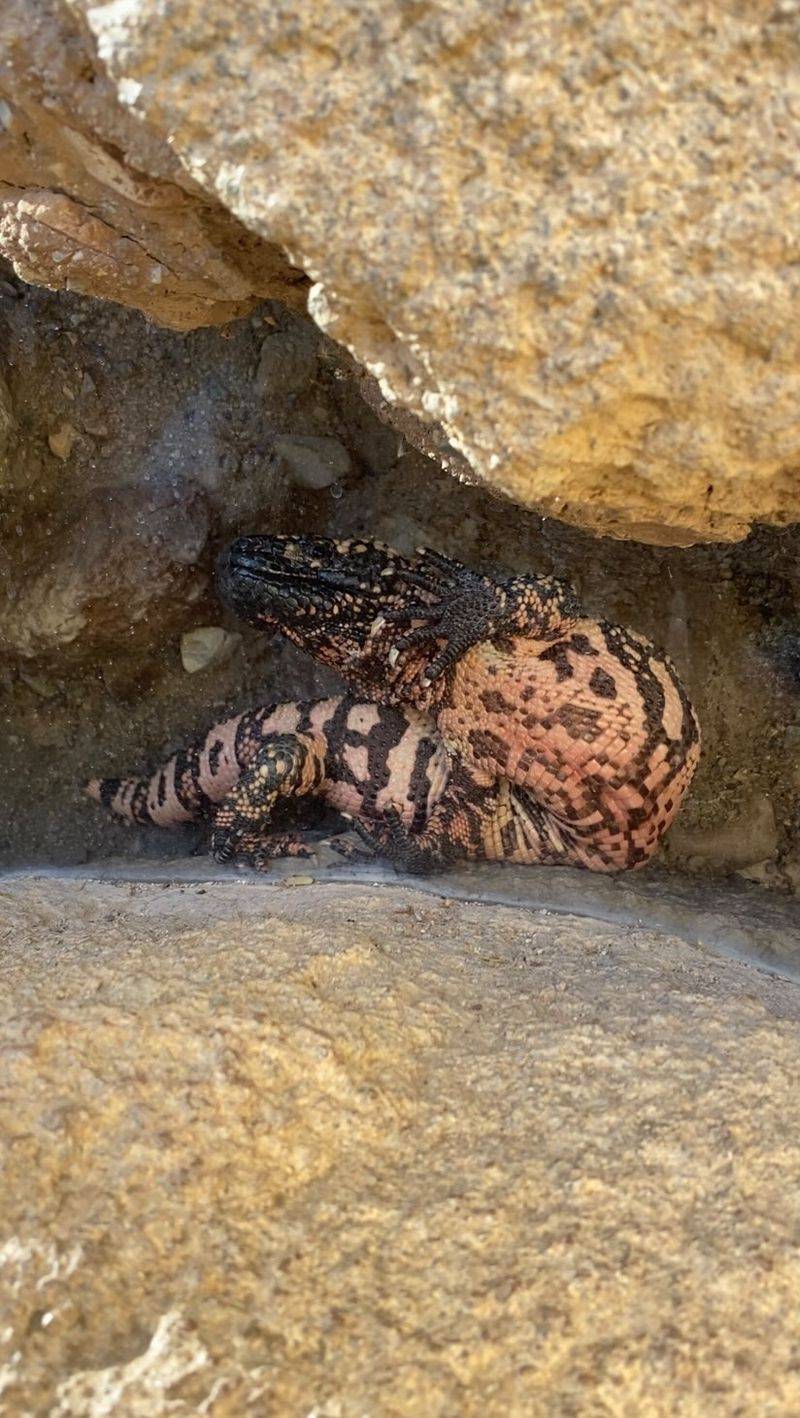
Gila monsters spend most of their lives underground, which makes spotting one feel like winning a desert lottery. Their beaded orange and black skin is unforgettable, and they are one of very few venomous lizards worldwide.
These lizards often use burrows tucked beneath boulders or rocky slopes, returning to favorite shelters again and again. They become mostly inactive through winter, though warm days may tempt them out briefly to soak up sunshine.
Yards bordering open desert are the likeliest places to host a Gila monster, especially in Sonoran Desert neighborhoods. I can’t imagine a cooler neighbor, as long as everyone keeps a respectful distance and leaves it alone.
Gila monsters are slow, shy, and rarely bite unless someone handles them, so giving space solves most problems. State law protects them, and it is illegal to collect, harass, or harm one without proper authorization.
If one wanders into a busy area, contact the Arizona Game and Fish Department for guidance on safe relocation. Avoid filling or disturbing old burrows under rocks this fall, since one may be quietly preparing its winter retreat.
7. Storage Boxes And Clutter Near Rocks
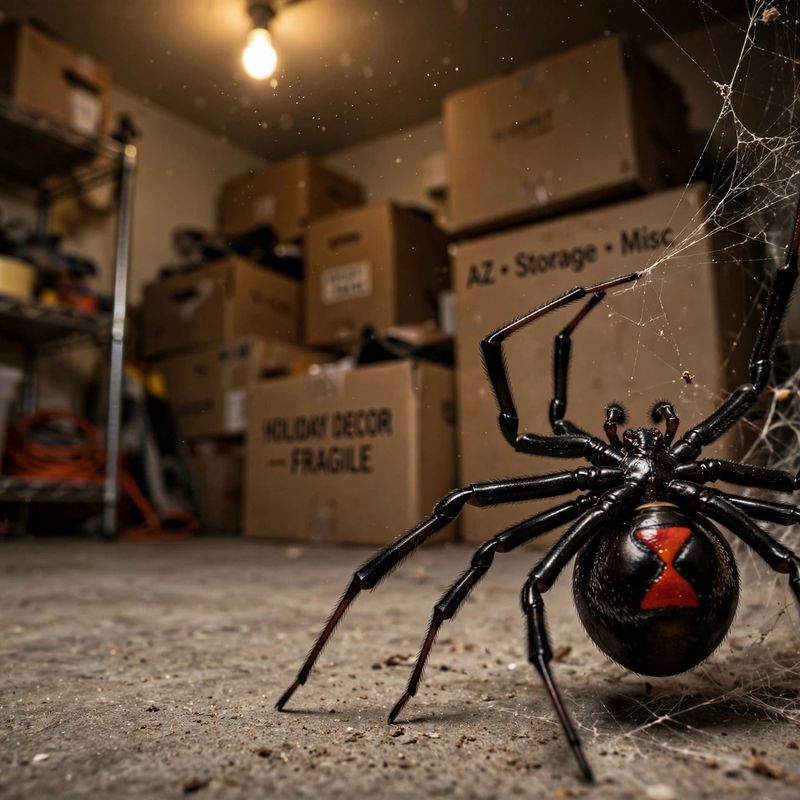
Forgotten flower pots, storage bins, and scrap lumber near rocks become the quiet favorites of black widow spiders. A shady corner nobody touches for months offers exactly the undisturbed calm these spiders seem to prefer.
The Arizona recluse spider also hides under objects in dry, cluttered spots, though bites are uncommon in practice. Its violin-shaped marking is the classic clue, but proper identification often requires a closer look from an expert.
I have to admit, my garden shed corner used to look like an open invitation for every spider around. Clearing it out felt satisfying, and I noticed far fewer webs within just a couple of weeks afterward.
Shake out gloves, boots, and garden clogs before slipping them on, especially items left outside overnight. A quick tap against the ground takes seconds and helps prevent an unpleasant surprise during your next planting session.
October is ideal for decluttering, since cooler weather makes long outdoor projects far more comfortable for gardeners. Lift stored items onto shelves or racks, keeping them off the ground and away from rock borders whenever possible.