The Michigan Herb Garden Mistake That Causes Root Rot Every Fall
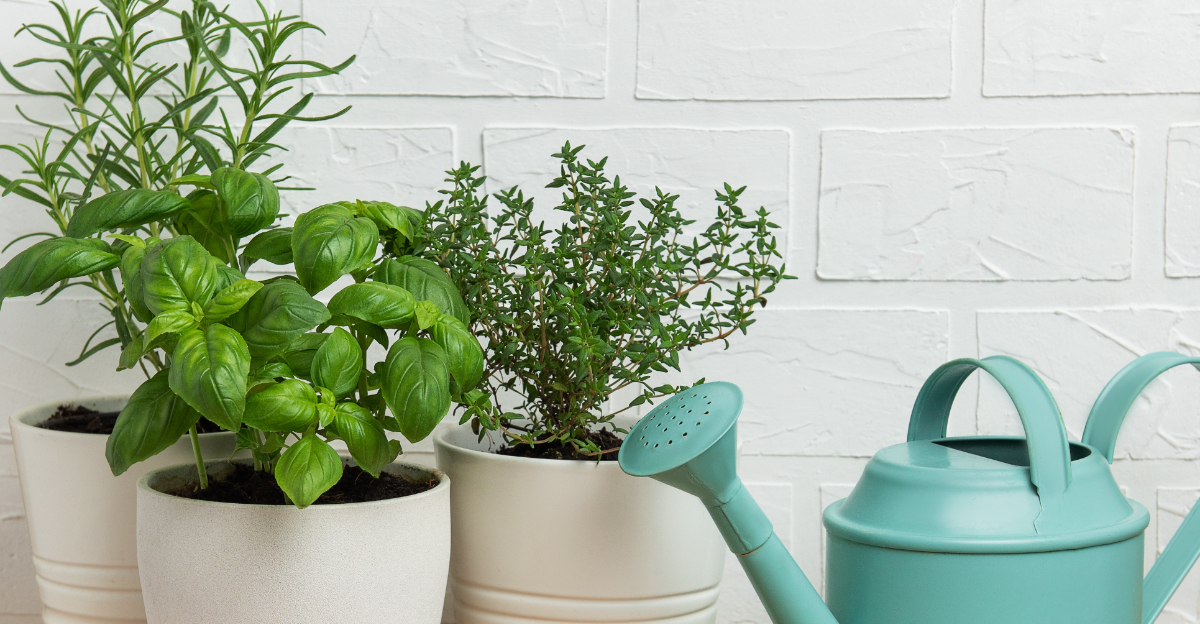
Herb gardens seem nearly foolproof during summer, which makes the sudden root rot that shows up every fall catch so many Michigan gardeners completely off guard.
Most people assume they’re doing everything right, following the same watering and care routine that worked perfectly fine just weeks earlier.
But one specific habit quietly sets the stage for this exact problem once the season shifts, and almost nobody realizes the mistake until it’s already too late.
Understanding what actually goes wrong changes how you should be caring for your herbs as fall approaches each year. Many gardeners repeat this same mistake season after season without ever identifying the real cause.
Once you know what to avoid, protecting your herb garden through this transition becomes remarkably simple. This one adjustment could finally break a frustrating cycle that’s been repeating in your garden for years.
1. The Mistake Is Keeping The Soil Too Wet
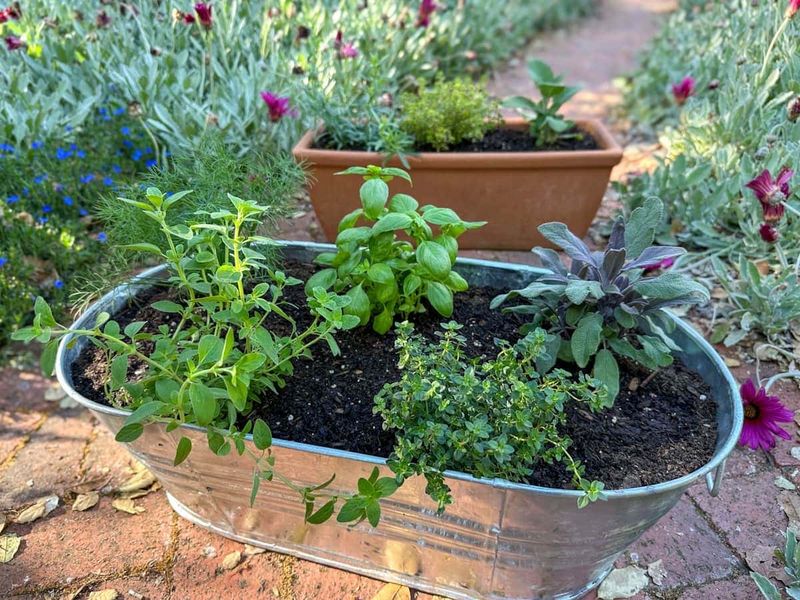
Most gardeners fall into a summer routine without even thinking about it. You grab the hose every couple of days, soak the beds, and your herbs reward you with lush growth. That rhythm feels safe, but it becomes a problem the moment autumn arrives.
Cooler Michigan days change everything under the surface. When temperatures drop, water sits in the soil much longer because it evaporates slowly and plants sip far less than they did in July.
Keep pouring the same amount, and the ground never gets a chance to dry out. Roots need air pockets in the soil just as much as they need moisture.
When those spaces stay flooded, the roots cannot breathe, and rot slowly creeps in. You often will not notice until the plant starts wilting even though the soil feels wet.
A helpful trick is to picture the soil like a sponge. In summer it dries fast, so refilling makes sense. In fall that same sponge stays squishy for days, and adding more only makes it heavier and colder around the roots.
The fix is not complicated. Slow down your watering as the calendar flips toward September and let the top layer dry before you add more. Your herbs will handle a little dryness far better than a soggy mess.
Breaking the summer habit early is the single best thing you can do. Once you match your watering to the season instead of the schedule, that yearly fall struggle simply fades away.
2. Herbs Use Water More Slowly In Fall
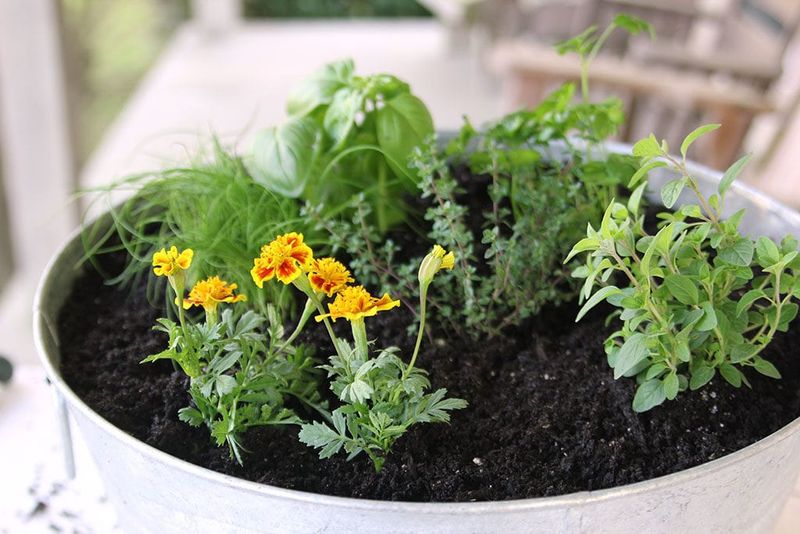
Think about how you feel on a hot day versus a chilly one. On a scorching afternoon you gulp water constantly, but when the air turns crisp you barely reach for your bottle. Herbs work the same way.
As Michigan cools down, plant growth slows to a gentle crawl. Herbs stop pushing out new leaves at full speed, and their roots pull far less moisture from the ground. That means the water you give them lingers instead of getting used up.
Shorter days play a big role too. Less sunlight means less energy for the plant, so it does not need nearly as much fuel or water to keep going. What felt like the perfect amount in summer suddenly becomes way too much.
Your Michigan Garden Changes Every Week. Your Plan Should Too.
Gardening in Michigan changes quickly throughout the season. Every Friday you’ll receive a simple weekly plan showing exactly what to plant, prune, fertilize, harvest, and protect so you never miss the right timing.
Before you water, get in the habit of checking first. Push your finger about two inches into the soil near the base of the plant. If it feels damp and cool down there, hold off and wait another day or two.
This tiny pause saves so many herbs. Instead of guessing, you let the plant tell you what it actually needs, and that keeps the roots comfortable rather than drowned.
You might be surprised how long the soil stays moist once fall rains start rolling in. Sometimes you can skip a whole week without your herbs missing a beat.
Learning to read moisture instead of watering out of habit is a small skill with a big payoff. Your plants stay steady, and you spend less time fussing over the hose.
3. Rosemary Is Especially Sensitive
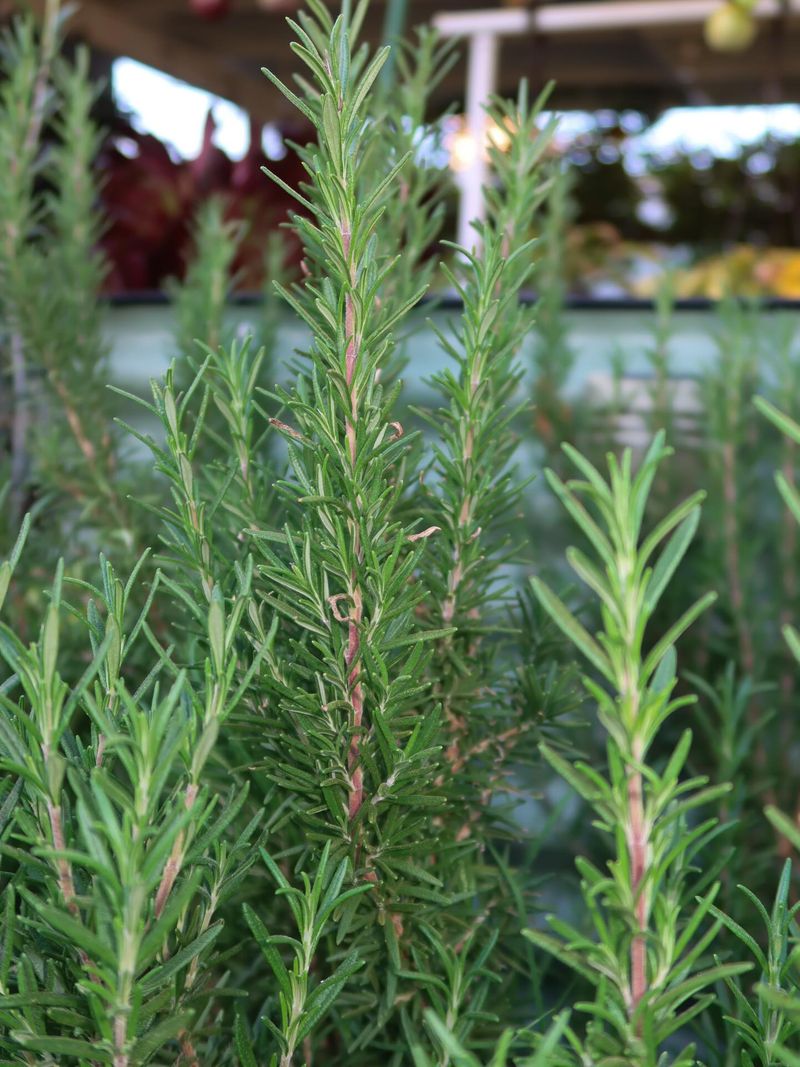
If any herb deserves special attention this season, it is rosemary. This fragrant plant grew up in the dry, sunny hills near the Mediterranean, where soil drains fast and rain is rare. Soggy ground is basically its worst nightmare.
Rosemary roots want to dry out between drinks. When they stay wet for too long, they quickly start to rot, and once that begins the whole plant goes downhill fast. Many gardeners lose their rosemary in fall without ever realizing water was the culprit.
Good drainage is the secret to keeping rosemary happy. Whether it lives in a pot or a bed, the water needs somewhere to escape rather than pooling around the base. Mixing in sand or small gravel helps the moisture move through instead of sticking around.
Watch for early warning signs like yellowing or a droopy look even when the soil is damp. That combination usually means the roots are struggling and you should let things dry out right away.
Here is a fun bit of history. Rosemary has been grown for thousands of years and was once tucked into gardens as a symbol of memory and friendship. It is tougher than it looks, but only when its feet stay dry.
Give rosemary a sunny spot, loose soil, and a light hand with the watering can. Treat it more like a desert plant than a leafy vegetable, and it will stay green and aromatic well into the cool months without any fuss.
4. Thyme And Sage Want Good Drainage Too
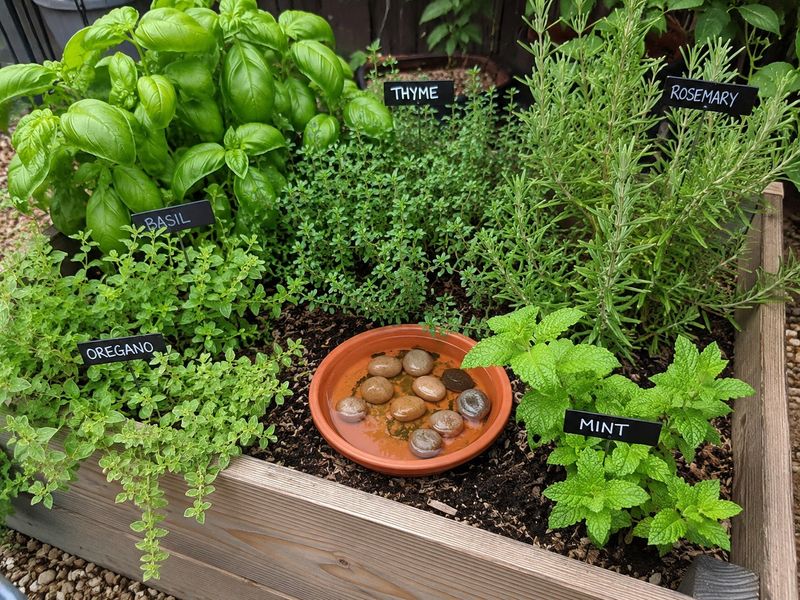
Rosemary is not the only herb with a taste for dry feet. Thyme and sage come from the same warm, rocky regions, and they carry the very same dislike of wet roots into your fall garden.
These Mediterranean plants evolved in places where rain is light and the ground drains almost instantly. Their roots simply are not built to sit in cold, soggy soil for days on end. When they do, they weaken and start to rot.
You can spot a struggling plant pretty easily. Thyme may turn brown and brittle in patches, while sage leaves might feel limp and lose their silvery shine. Both are signals that the root zone is holding too much water.
Loose, gritty soil makes all the difference. Adding a bit of sand or planting on a slight slope helps rain drain away instead of settling around the crown of the plant. Good airflow around the leaves helps too.
Space matters more than people think. Crowded herbs trap moisture and stay damp longer, so give thyme and sage a little breathing room to dry out between rains.
A neat detail about sage is that its fuzzy leaves actually help it survive dry spells by slowing water loss. That design shows just how much these herbs prefer things on the dry side.
Treat thyme and sage like the sun lovers they are. Skip the heavy watering, pick a spot that drains well, and these hardy little plants will keep flavoring your kitchen long after summer ends.
5. Heavy Soil Can Make The Problem Worse
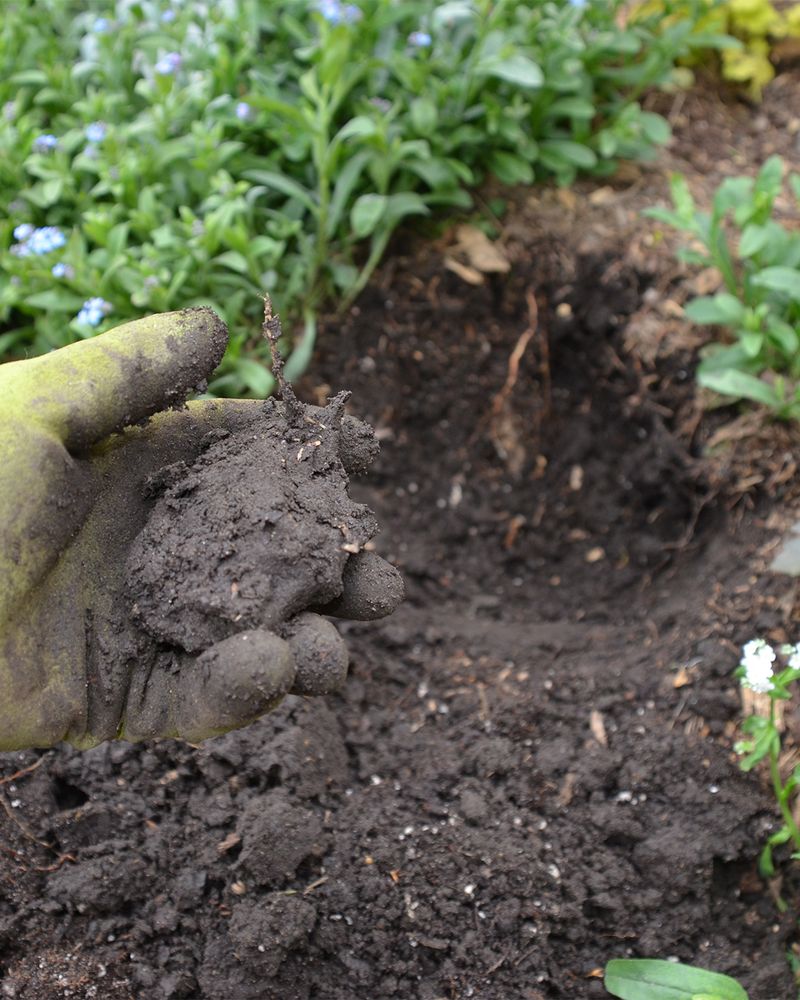
Sometimes the trouble is not how much you water but the ground itself. Much of Michigan sits on heavy clay soil, and that thick texture changes the whole game for your herbs in fall.
Clay holds onto water like a tight fist. When autumn rain rolls in, that moisture soaks into the dense soil and stays put for a long time, wrapping around herb roots that would much rather be dry.
Compacted soil makes things even tougher. When the ground gets packed down from foot traffic or heavy rain, the tiny air pockets that roots depend on disappear. Without air, roots cannot breathe, and rot moves in quickly.
The trick is to loosen things up before the wet season hits. Working in compost, sand, or other coarse material helps break up the clay and creates channels for water to drain through.
You can test your soil with a simple squeeze. Grab a damp handful and press it together. If it forms a sticky, gooey ball that holds its shape, you are dealing with heavy soil that needs some help.
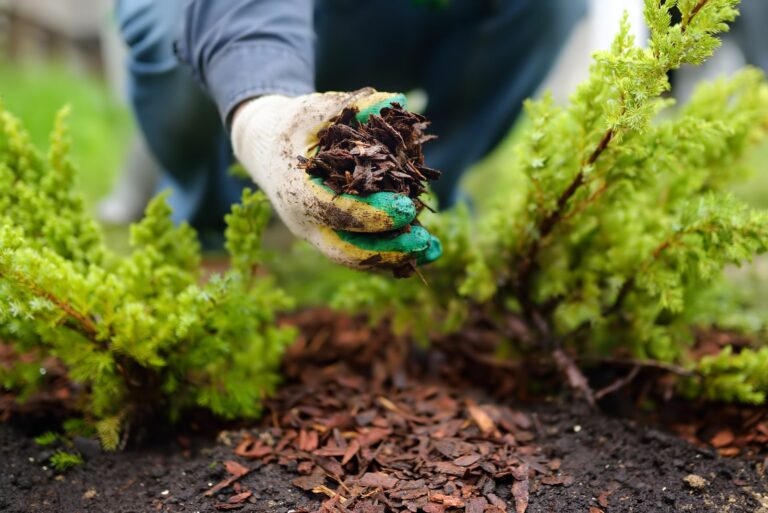
Mulch can be a double edged tool here. A light layer keeps roots cozy, but piling it too thick over clay traps even more moisture, so keep it thin in fall.
Improving your soil is an investment that pays off year after year. Once water can move freely through the ground, your herbs finally get the balance of moisture and air they crave, and fall root rot becomes a thing of the past.
6. Containers Can Stay Wetter Than Expected
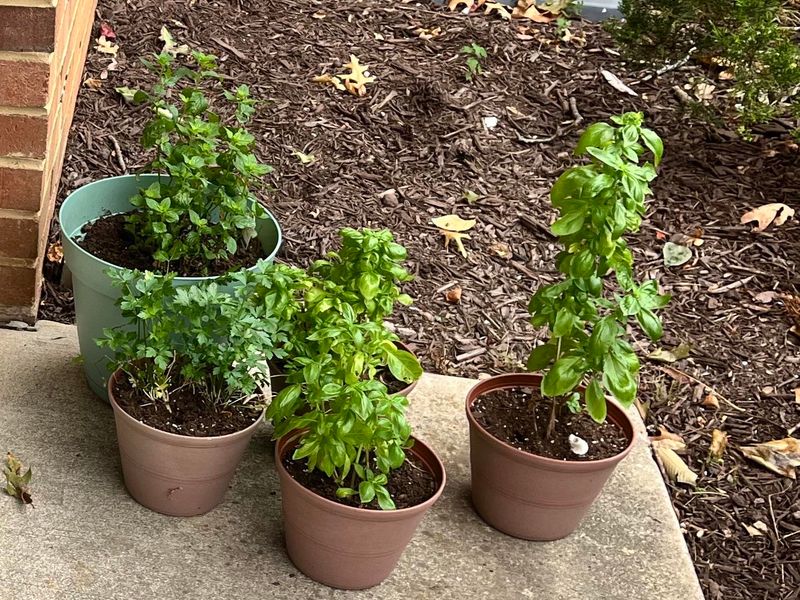
Growing herbs in pots feels like the easy, tidy option, and it often is. But containers hide a sneaky problem in fall that catches many gardeners off guard every single year.
Pots dry out fast in summer heat, so you get used to watering them often. When cool weather arrives, that same soil stays damp for days, and the extra water has nowhere to go but around the roots.
Drainage holes are your best friend here. Flip your pot over and make sure the openings are clear, not clogged with roots or packed soil. Water needs a clear exit so it does not build up inside.
Saucers cause more grief than people realize. When a pot sits in a tray full of standing water, the soil wicks that moisture right back up, keeping the roots soaked long after the rain stops.
Empty those saucers after every rain and after you water. That one small step keeps the bottom of the pot from turning into a tiny swamp.
Lifting pots slightly off the ground helps too. Small feet or a couple of stones under the container let water escape freely and improve airflow underneath.
Terracotta pots have a hidden perk worth knowing. Their clay walls actually breathe, letting extra moisture evaporate through the sides, which makes them a smart pick for fussy herbs.
Keep an eye on your potted herbs as the weather cools, and adjust your habits. A little attention to drainage keeps container plants thriving through the damp Michigan fall.
7. Raised Beds Can Help Wet Sites
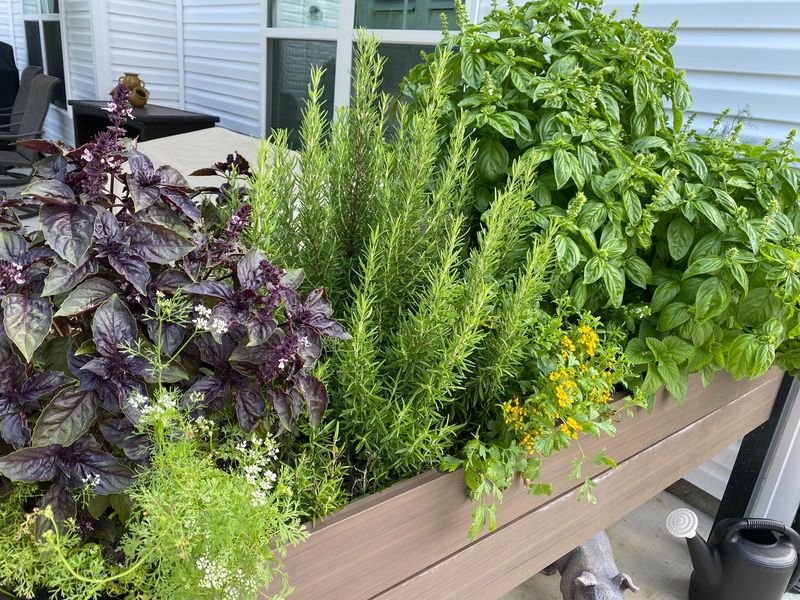
Picture a garden spot that turns into a puddle every time it rains. If that sounds like your yard, a raised bed might be the upgrade your herbs have been waiting for.
Raised beds lift the soil above the soggy ground, which lets water drain down and away instead of pooling around the roots. That extra height makes a huge difference during Michigan’s rainy fall stretches.
You get to control the soil too. Instead of fighting stubborn clay, you fill the bed with a loose, well draining mix that herbs absolutely love. It is like giving your plants a fresh start.
Building one is simpler than you might think. A frame of wood or stone just twelve to eighteen inches tall is plenty to boost drainage and keep roots out of standing water.
Beds also warm up faster in the day because they sit higher and catch more sun. That gentle warmth helps herbs stay active a little longer as the season winds down.
Placement matters when you set one up. Pick a sunny, level spot and avoid low areas where runoff collects, so your new bed does not fill with water anyway.
Another bonus is easier care. You can reach the plants without stooping so low, and weeds have a harder time sneaking in from the surrounding ground.
For anyone battling a naturally wet corner of the yard, raised beds solve the root rot puzzle almost overnight. Give your Mediterranean herbs this dry, airy home, and they will thank you with steady growth all fall long.
8. Water By Soil Moisture Instead Of The Calendar
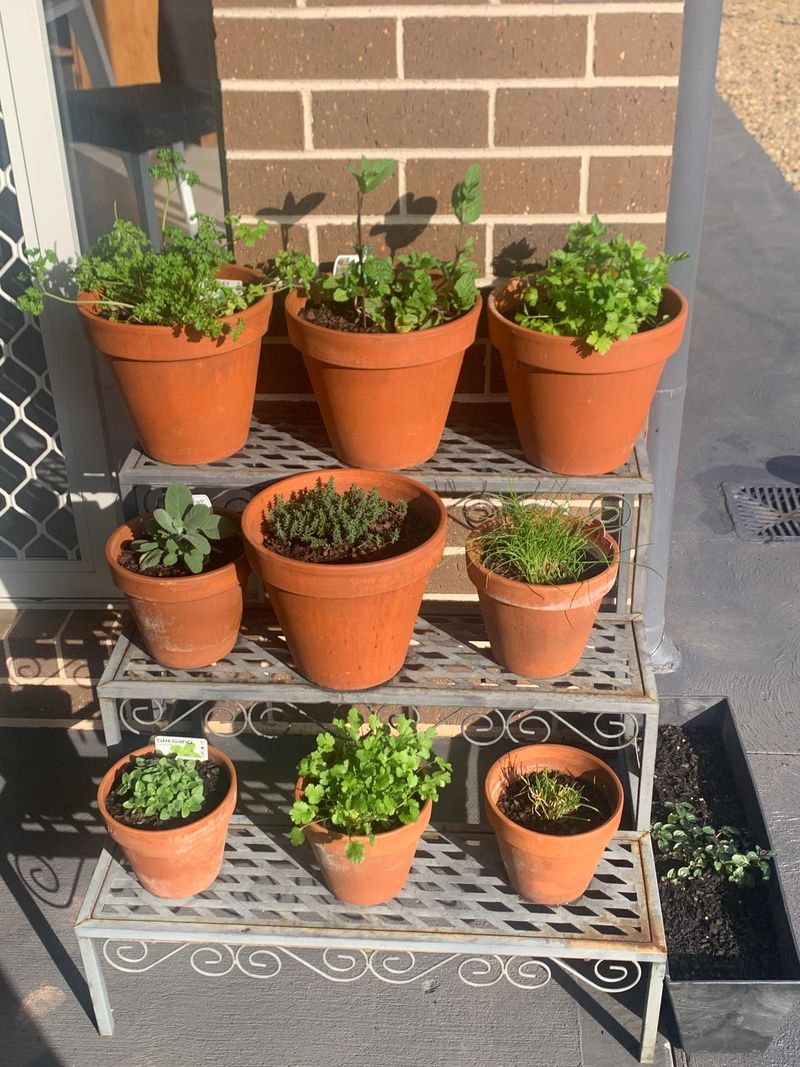
Here is the habit that ties everything together and saves the most plants. Stop watering by the calendar and start watering by what the soil actually tells you.
Many gardeners set a schedule and stick to it like clockwork, watering every Monday and Thursday no matter what. That works in steady summer heat, but fall weather is far too unpredictable for a fixed routine.
Rain changes everything. A single heavy autumn downpour can soak your garden for a week, so watering on top of that just drowns the roots you are trying to protect.
The finger test never fails. Push a finger a couple inches into the soil, and if it comes out damp, skip watering. If it feels dry and crumbly, then go ahead and give your herbs a drink.
You can also watch the sky and the forecast. When rain is on the way, hold off and let nature handle the job for you. It is free and usually more than enough.
Pay attention to your plants as well. Slightly droopy leaves in dry soil mean they are thirsty, while droopy leaves in wet soil mean you have already given too much.
Every herb and every spot in your garden dries at a different pace. Sunny beds need water sooner than shady corners, so treat each area on its own terms.
Once you tune into moisture instead of counting days, you become a much more relaxed and successful gardener. Your herbs stay healthy, your roots stay happy, and fall root rot finally loses its grip.