This Backyard Bird Helps Illinois Homeowners Control Ticks
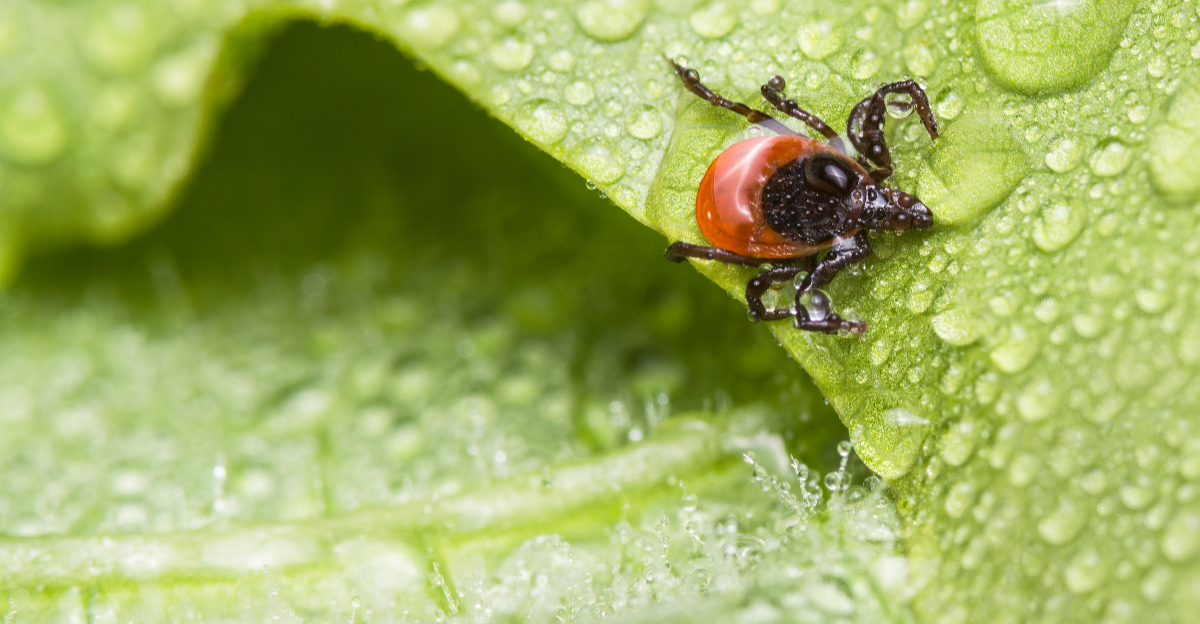
Illinois backyards turn into tick territory the moment temperatures climb, and most homeowners only notice after tall grass leaves them checking their ankles. The culprit hides in shady patches and overgrown lawn edges, waiting for its next meal.
One unconventional backyard resident has become a go-to fix for Illinois homeowners facing this problem. This loud, restless bird spends its days combing the grass, snapping up ticks before they reach the porch.
Its chattering calls might startle a neighbor, but that same alertness makes it a sharp hunter. A small flock can clear surprising ground in one afternoon, turning tick patrol into a hands-off chore.
For families tired of bug spray and tick checks, this odd yard patroller might be the missing piece.
A Common Backyard Visitor Feeds On Illinois Tick Populations
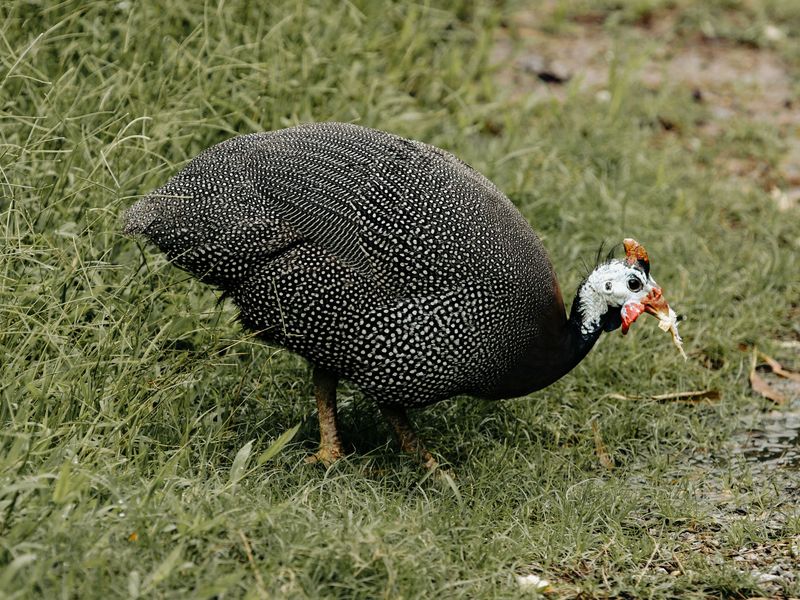
Spotted feathers, loud calls, and a serious appetite for bugs. Guinea fowl are showing up in more Illinois backyards, and homeowners are taking notice fast.
These birds originally come from sub-Saharan Africa, but they have adapted well to American farm and suburban settings. They roam yard spaces in small flocks, constantly pecking at the ground for insects.
Ticks are one of their favorite targets. A guinea fowl does not just stumble across a tick by accident. It actively hunts along grass lines, leaf piles, and garden edges where ticks love to hide.
This backyard bird helps Illinois homeowners control ticks without sprays or chemicals. That makes it a powerful, natural option for families who want a safer yard.
Some homeowners now pair guinea fowl with traditional tick prevention strategies. Unlike chickens, guinea fowl tend to stay closer to the perimeter of a yard.
That habit puts them right where tick populations are highest. They walk slowly, scanning the ground with sharp eyes and quick beaks.
Neighbors sometimes hear them before they see them. Guinea fowl are famously noisy, especially when something unfamiliar enters their space.
That alarm-call behavior actually doubles as a natural security system for your property. Some Midwest farmers have kept these birds for decades.
Now suburban homeowners are catching on to what rural folks have known for years. A small flock can start making a difference in your yard over time.
Why Tick Numbers Rise Across Illinois Yards Each Year
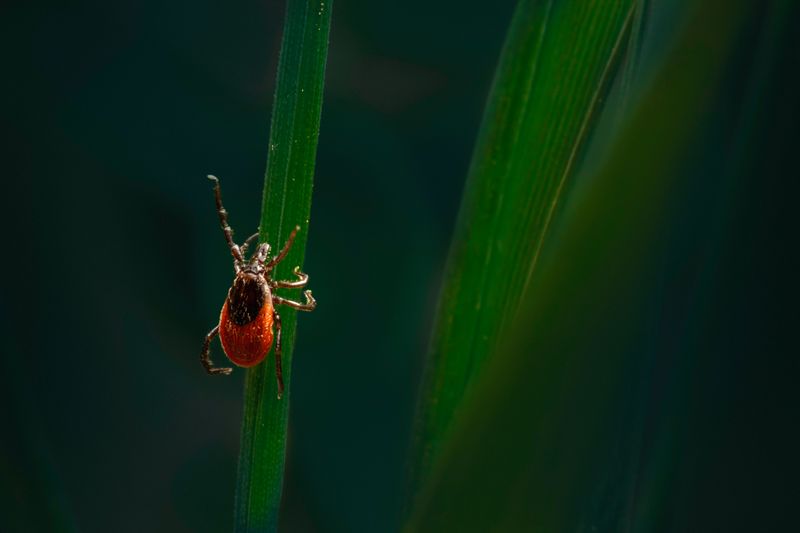
Warm springs and mild winters have created the perfect storm for ticks. Populations across the Midwest have been climbing steadily for the past decade.
White-tailed deer are a major reason tick numbers keep growing. Deer carry ticks across large distances, dropping them right into suburban neighborhoods and backyard spaces.
Once ticks land in your grass, they wait. They cling to tall blades or leaf litter and grab onto passing animals or people.
This behavior is called questing, and it makes them hard to avoid without serious prevention effort. Milder winters mean fewer ticks freeze off during cold months.
Populations that once dropped in January now survive and multiply into the following spring. That cycle compounds year after year.
Your Illinois Garden Changes Every Week. Your Plan Should Too.
Gardening in Illinois changes quickly throughout the season. Every Friday you’ll receive a simple weekly plan showing exactly what to plant, prune, fertilize, harvest, and protect so you never miss the right timing.
Ground-level habitat is also expanding. Overgrown edges, wood piles, and dense garden beds give ticks more places to breed and shelter.
Many homeowners unknowingly create ideal tick environments right in their own yards. Lyme disease cases linked to blacklegged ticks have risen across the state.
Health officials have raised concerns about tick-borne illness risk in parts of the state. Awareness is growing, but so is the tick population itself.
Controlling ticks requires a layered approach. Removing habitat, reducing deer access, and introducing natural predators all help lower the numbers.
Guinea fowl fit naturally into that strategy, patrolling exactly where tick populations tend to cluster most.
Guinea Fowl Are Natural Tick Predators In Backyard Settings
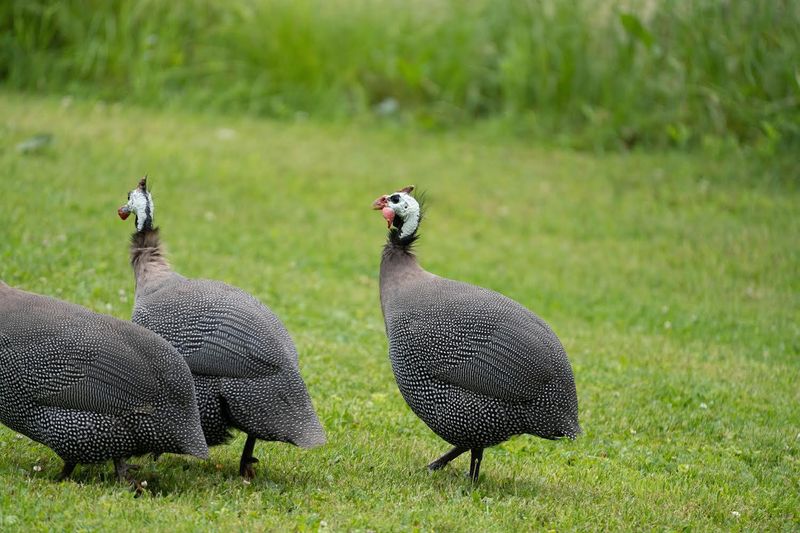
Picture a bird that rarely stops moving and rarely stops eating. That is essentially what a guinea fowl does from sunrise to sunset every single day.
Their foraging style is relentless and precise. They sweep across open ground in a slow, methodical pattern, rarely missing a bug in their path. Ticks, beetles, grasshoppers, and even small spiders all end up on the menu.
What makes guinea fowl especially effective is their preference for ground-level hunting. They do not scratch and dig like chickens do.
Instead, they pick targets carefully, which means your garden beds stay mostly intact during their patrols. Some agricultural extension programs have looked into how guinea fowl affect tick counts in test areas.
Some homeowners report noticeable drops in tick populations within weeks of introducing a small flock. Homeowners who tried this approach reported fewer ticks on their pets and children as well.
These birds are also low-maintenance compared to many backyard animals. They forage for most of their own food during warm months.
Supplemental feed helps keep them close to home and healthy through cooler seasons. Guinea fowl work best in yards with some open space and natural borders.
Fenced areas help contain the flock and direct their foraging patterns. A half-acre or larger property gives them enough room to cover ground effectively.
This backyard bird helps Illinois homeowners control ticks in a way that feels almost effortless. Once they settle into a routine, they just get to work every morning without any prompting from you.
How Many Ticks A Guinea Fowl Can Eat In A Single Day
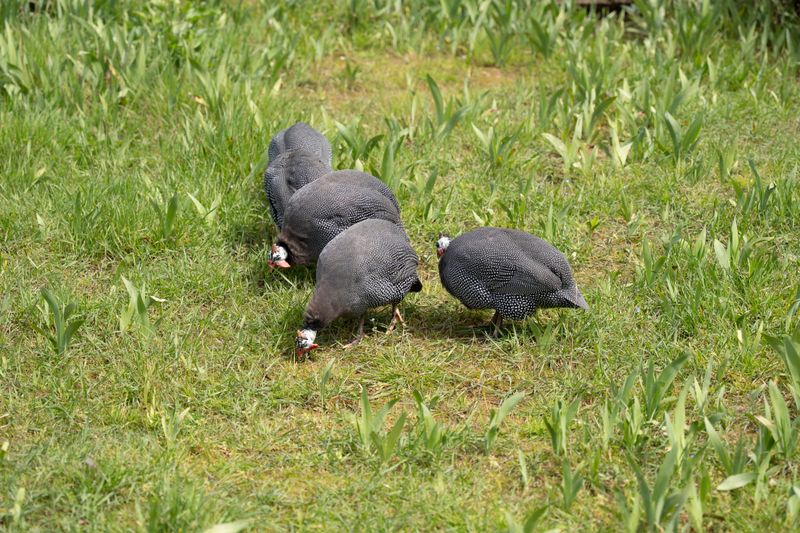
The numbers are genuinely jaw-dropping when you first hear them. A single guinea fowl can eat a meaningful number of ticks during a day of active foraging, though exact figures vary.
Some informal estimates put the daily count in the hundreds per bird, though verified figures are limited. A small flock of just four or five birds can cover serious ground and clear a large yard fast.
That kind of natural pest control adds up quickly over a full summer season. Their digestive systems handle a steady volume of insects well.
Guinea fowl process bugs efficiently, which keeps them motivated to keep hunting throughout the day. They rarely slow down unless the weather turns cold or rainy.
Tick nymphs are the stage most dangerous to humans. Nymphs are tiny and easy to miss, but guinea fowl still find and eat them with impressive accuracy.
Their sharp eyesight helps them pick up movement and contrast at ground level. Flock size matters when planning your tick control strategy.
One bird helps, but a group of three to six birds creates a much stronger impact across a larger property. More foragers means more coverage and fewer ticks surviving each day.
Seasonal activity also plays a role. Guinea fowl are most active and hungry during spring and summer, which aligns perfectly with peak tick season.
Their natural rhythm matches the pest calendar almost exactly. Watching them work is oddly satisfying. They move with purpose, and by the end of the day, your yard is measurably safer.
Setting Up A Backyard That Attracts And Supports Guinea Fowl
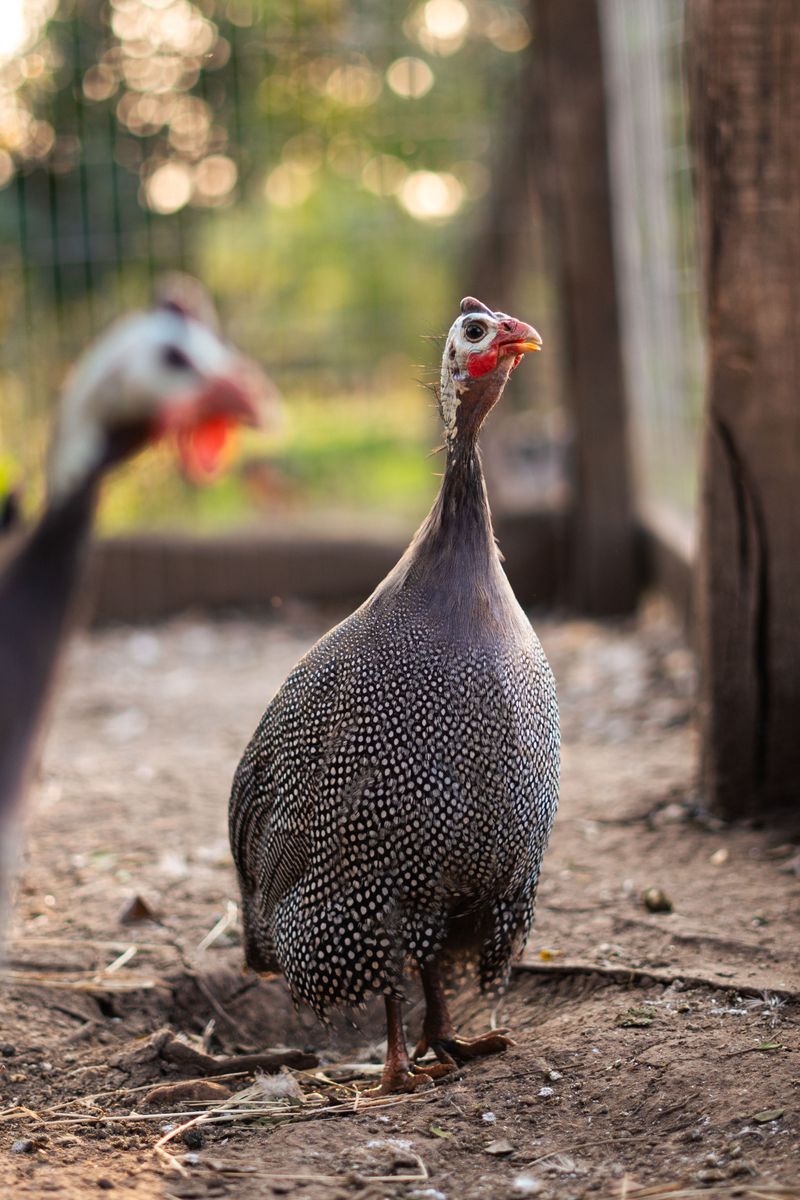
Getting guinea fowl settled into your yard takes a little planning upfront. But once they are established, they basically run their own pest control operation.
Start with a secure coop that protects them from predators at night. Foxes, raccoons, and hawks are the biggest threats to backyard flocks. A well-built shelter with a latched door keeps them safe after dark.
Keets, which are baby guinea fowl, need to be raised in the coop for several weeks before being released. This process helps them learn that your yard is home. Birds released too early tend to wander off and not return.
Fresh water is essential and should be refreshed daily. Guinea fowl drink frequently, especially during hot Midwest summers. A simple poultry waterer placed in a shaded spot works perfectly for a small flock.
Supplemental feed like millet or guinea fowl pellets helps round out their diet. During colder months when insects are scarce, feed becomes their main nutrition source.
Keeping a consistent feeding schedule also encourages the flock to stay close to home. Yard layout matters more than most people expect.
Open grassy areas with natural borders like shrubs or fencing give them ideal foraging conditions. Avoid heavy pesticide use, since chemicals reduce the insect populations they rely on for food.
Neighbors should know guinea fowl are coming. These birds are loud, and a heads-up prevents unnecessary tension. A quick conversation goes a long way toward keeping the peace on your block.
Combining Guinea Fowl With Other Tick Prevention Methods
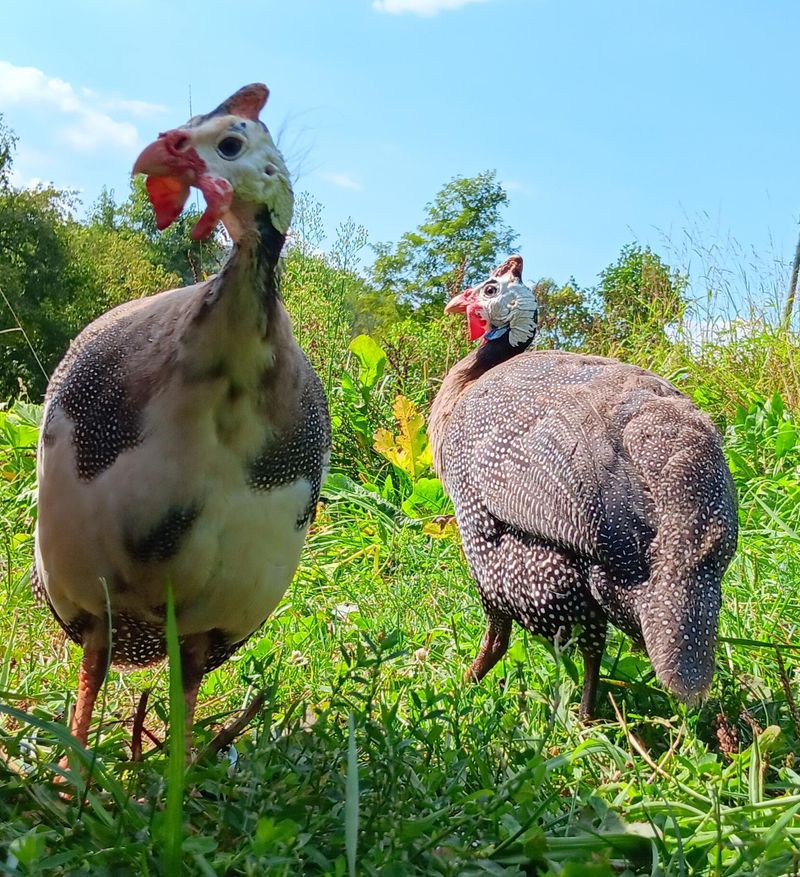
Guinea fowl are impressive, but no single solution wipes out ticks completely. Layering your approach gives you the strongest protection all season long.
Yard maintenance is the first line of defense. Keeping grass trimmed short and removing leaf piles eliminates the moist, shaded spots where ticks breed.
A tidy yard combined with a foraging flock makes survival far harder for ticks. Tick tubes are another smart addition to your strategy.
These small cardboard cylinders contain treated cotton that mice carry back to their nests. Since mice are major tick hosts, treating the nest directly breaks the tick life cycle at the source.
Deer deterrents also help reduce tick introductions into your yard. Fencing, motion-activated sprinklers, and deer-resistant plantings all lower the number of deer passing through.
Fewer deer means fewer ticks hitching rides into your space. Pet protection should never be overlooked. Tick preventatives for dogs and cats stop ticks from feeding even if one does attach.
Talk to your vet about the best monthly or seasonal options available for your specific animals. Some homeowners use perimeter sprays made from natural ingredients like cedar oil.
These products are less harmful to beneficial insects and safe around guinea fowl when applied correctly. Always read labels carefully before applying anything near your flock.
This backyard bird helps Illinois homeowners control ticks best when paired with smart habitat management. Together, these strategies give your family a yard that feels safe, natural, and genuinely enjoyable all summer long.