These Poisonous Evergreen Shrubs Are Common In Illinois Yards (And Dangerous To Pets)
A few mouthfuls of clippings from one popular foundation shrub can stop a horse’s heart within hours. Veterinarians see these cases often enough that poison hotlines keep that shrub near the top of their warning lists.
Plenty of the greenery hugging Illinois porches carries natural toxins that protect the plant from hungry browsing animals.
Dogs and cats rarely understand that rule, especially when a bored afternoon turns into chewing on whatever looks crunchy.
I learned this after catching my puppy gnawing a leafy branch beside our front steps last winter. A quick call to my vet gave me a crash course in reading my own landscape differently.
You build safer yards by knowing which shrubs deserve a second look, not by ripping everything out. Before the next romp, check your Illinois evergreens, because one nibble of the wrong shrub can mean a vet emergency.
1. Yew
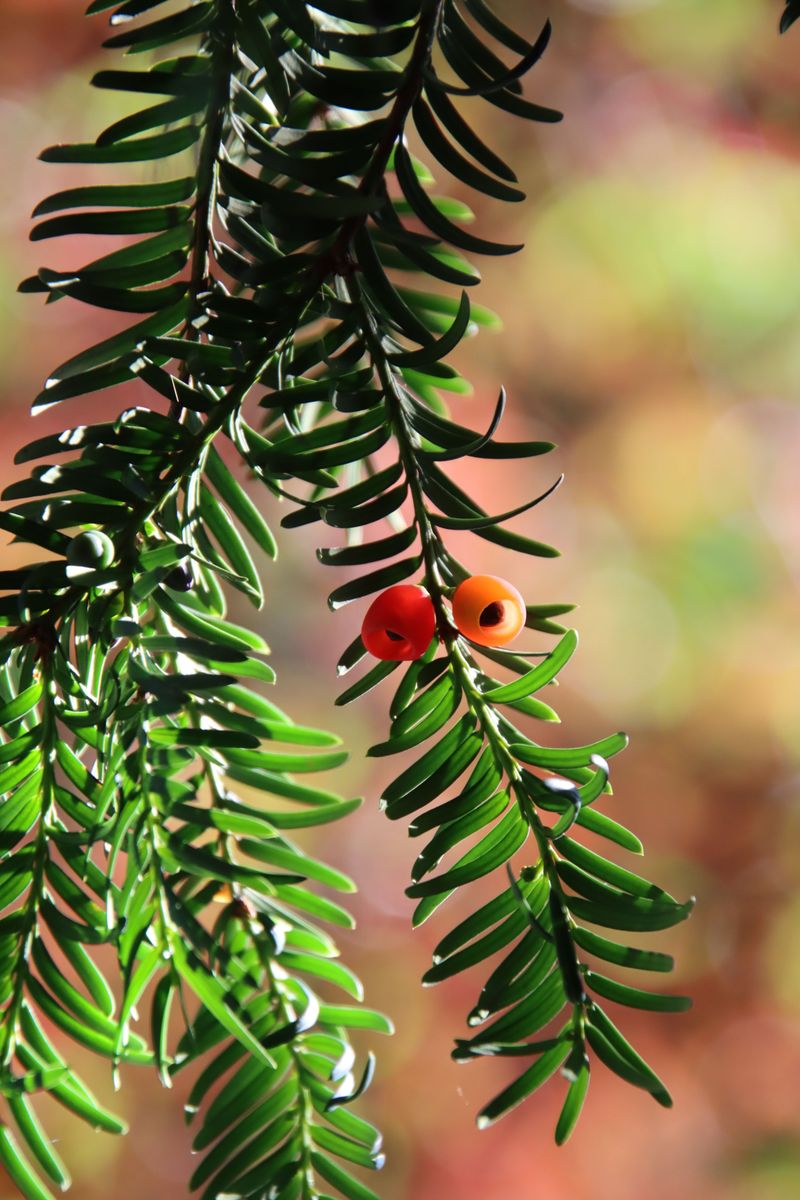
Those cheerful red berries on yews look like tiny candy cups, and that sweet look fools plenty of curious dogs. The fleshy red part is mostly harmless, yet the hard seed tucked inside carries the real trouble.
Yews, or Taxus species, contain compounds called taxines that can disrupt heart rhythm in pets and livestock alike. Needles and seeds both hold these toxins, so fallen clippings are just as risky as the living shrub.
I see Japanese and Anglojap yews everywhere, from suburban foundation beds to tidy hedges outside downtown offices. Their love of shade makes them a go-to choice for north-facing walls where other evergreens sulk.
Symptoms can appear quickly, with trembling and sudden weakness showing up soon after a pet chews on twigs. Sometimes there are few warning signs at all, which is why fast veterinary help matters so much.
My best advice is to bag every clipping right after shearing instead of leaving piles on the lawn. Dogs love dragging branches around, and a forgotten heap becomes a toy with a hidden price tag.
If you already have yews, consider choosing male plants for new spots, since males do not form seeds. Garden centers can often tell you the sex of named cultivars, which saves a lot of guesswork.
Yews grow well in moist, well-drained soil and struggle with soggy roots, so skip low wet corners. A short fence or dense border plant can keep pets from nosing around the base of these shrubs.
2. Boxwood
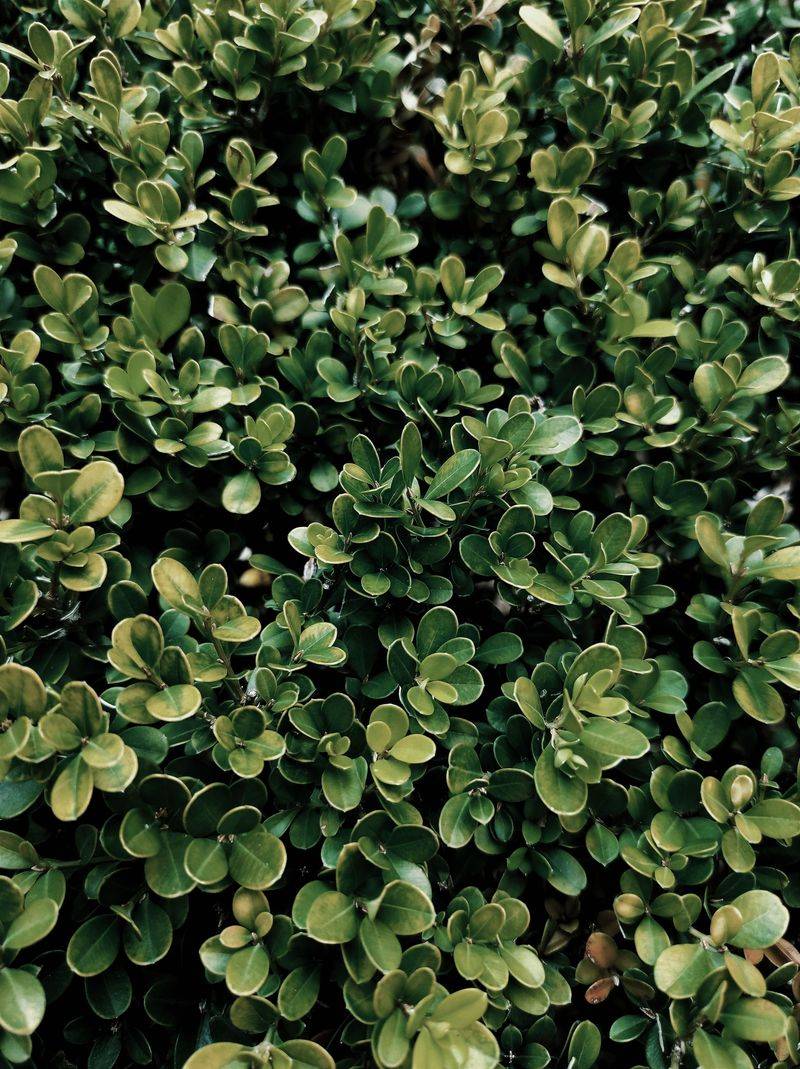
Brush past a boxwood on a warm day and you might catch that odd, musky scent some people adore. That smell is only one quirk of a shrub that has edged formal gardens for centuries across Europe.
Boxwood, or Buxus, holds steroidal alkaloids such as buxine, mostly concentrated in the small leathery leaves. Dogs and cats that chew the foliage may end up with vomiting and heavy diarrhea that leads to dehydration.
Larger amounts can bring more serious trouble, including seizures, so a nibbling habit deserves attention right away. Horses are at risk too, which matters for anyone with a hobby farm on the edge of town.
In Chicagoland, cold-hardy picks like Green Velvet and Green Mountain show up in nearly every new subdivision. Their neat mounds make perfect low hedges along walkways, which unfortunately places them right at nose level.
I trim mine in early summer, then rake the tiny leaves out of the mulch afterward. Those fallen bits are easy to miss, but a playful puppy will find them within minutes.
Boxwoods appreciate well-drained soil and handle alkaline conditions, which suits many clay-heavy yards across the region. Afternoon shade helps reduce winter bronzing, and a layer of mulch keeps roots cool and evenly moist.
Burlap screens can block drying winter winds and also act as a handy barrier for curious pets. Watch for drooling or a sudden upset stomach, and call your vet if you suspect a snack.
3. Holly
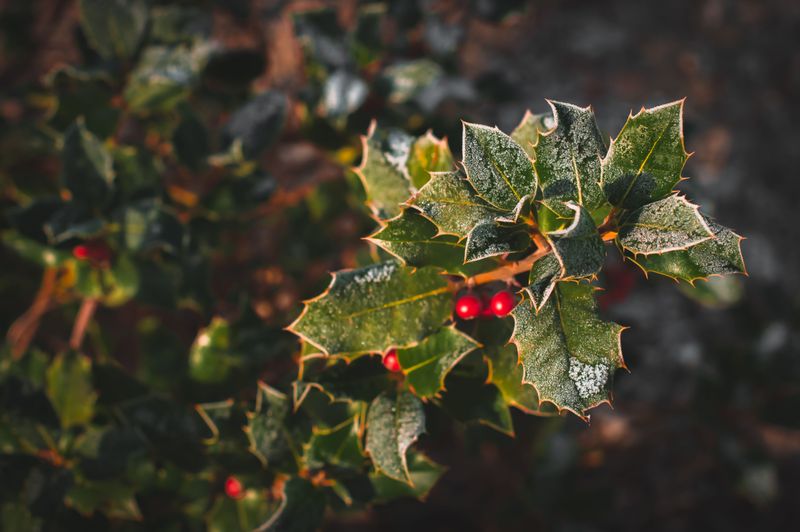
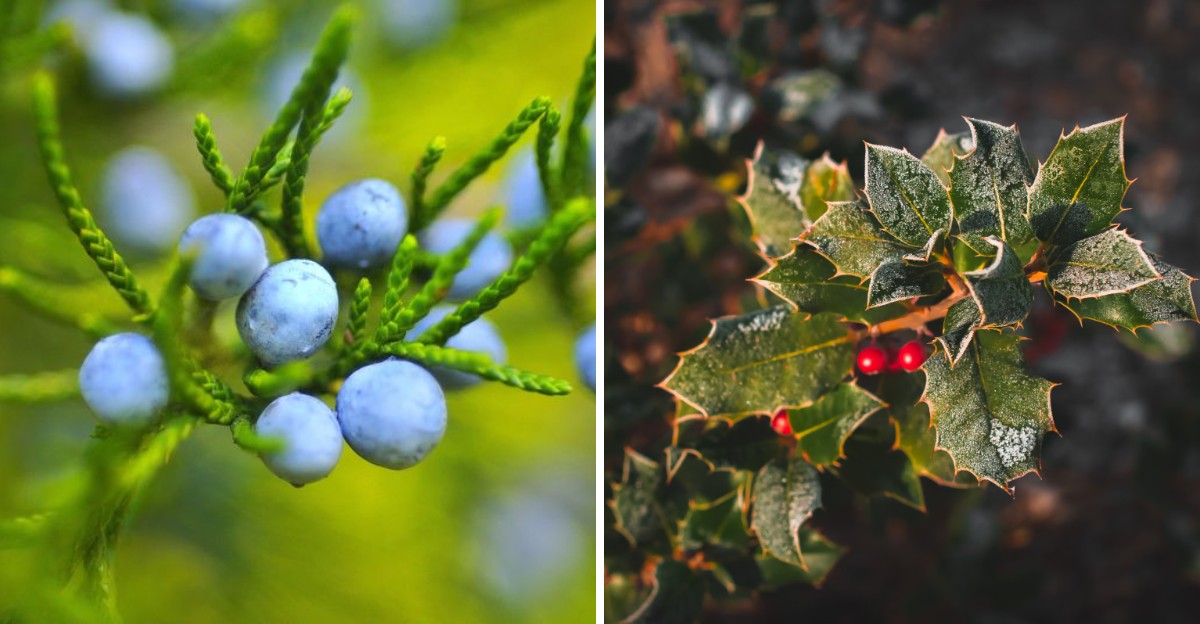
Every December, holly sprigs land on mantels and wreaths, yet the outdoor shrubs carry the same mild risks. Glossy spiny leaves and bright berries make a cheerful picture, but pets see them as something to investigate.
Hollies belong to the genus Ilex, and their berries and leaves contain saponins that irritate the stomach. Dogs and cats that eat several berries often face vomiting and diarrhea, along with a sleepy, sluggish mood.
Toxicity is generally rated mild to moderate, which feels reassuring until you clean up after a sick pet. The prickly leaves can also scratch tender mouths, so drooling and pawing at the face are common clues.
Blue hollies, the Meserve hybrids, are a favorite in colder Midwest yards because they handle winter better. American holly is native farther south and east, and it may need a sheltered spot in northern counties.
One fun detail: only female hollies produce berries, and each one needs a nearby male plant for pollination. That means a male-only planting gives you glossy green leaves without dropping tempting fruit on the ground.
I like placing berry-laden females behind a low fence or in beds my dog rarely visits. Berries often hang on through winter, so check under the shrub for fallen fruit after snowmelt.
Hollies prefer well-drained, slightly acidic soil and generally do best with protection from harsh winter winds. Adding pine bark mulch helps acidify the ground a bit while also discouraging pets from digging there.
4. Rhododendron
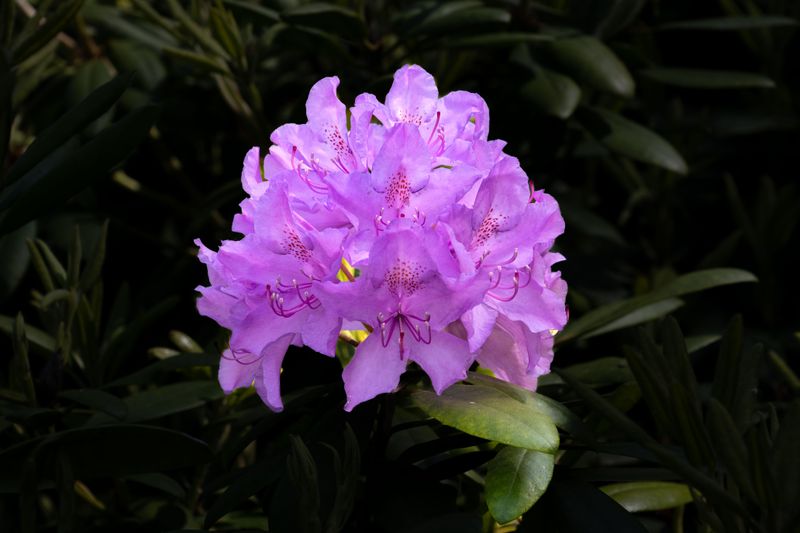
Few springtime sights rival a rhododendron loaded with pink and purple trusses, buzzing with eager bees. Sadly, the same shrub ranks among the most serious plant hazards for dogs and cats in any yard.
Rhododendrons and azaleas share the genus Rhododendron, and every single part of the plant contains grayanotoxins. Those compounds interfere with nerve and muscle function, including the heart, even after fairly small nibbles.
Early signs usually include heavy drooling and vomiting, sometimes followed by weakness or an unsteady walk. Serious cases can bring abnormal heart rhythms and low blood pressure, so treat any snack as an emergency.
Growing these beauties in Illinois takes some effort, since our heavy clay and alkaline soils fight them. Many gardeners build raised beds with acidic, organic-rich soil aimed at a pH between 4.5 and 6.
Hardy picks like PJM rhododendron handle cold winters well and bloom with lavender flowers in early spring. Morning sun with afternoon shade keeps leaves happy, and windbreaks reduce winter scorch on the broad foliage.
After a storm, I walk the yard and pick up any snapped branches before letting pets back outside. Spent flowers that drop onto the patio also deserve a quick sweep, since petals hold toxins too.
Keep the poison control number for your vet handy, and snap a photo of the plant if needed. Quick plant identification helps your veterinarian choose treatment faster, and minutes really count with this toxic group.
5. Mountain Laurel
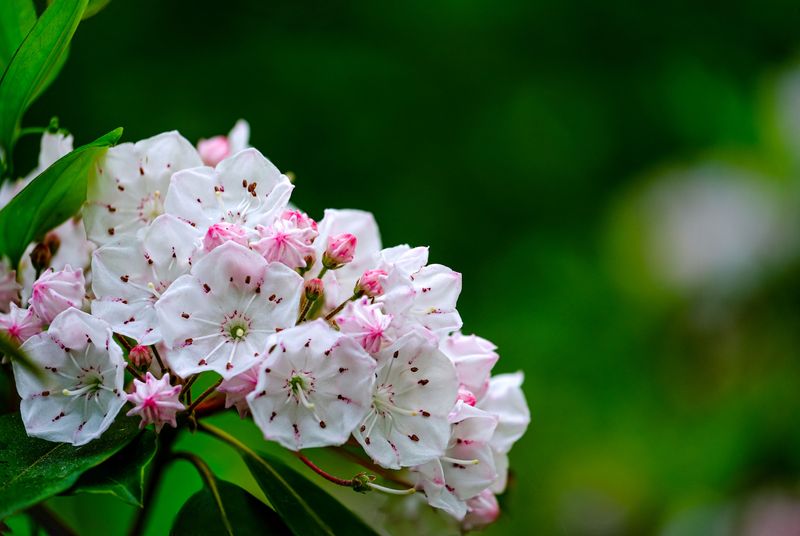
Look closely at a mountain laurel bloom and you will spot tiny pockets holding the stamens like loaded springs. When a bee lands, those stamens flick free and dust the visitor with pollen, a clever bit of engineering.
Kalmia latifolia is a slow-growing broadleaf evergreen native to the eastern United States, often reaching eight feet or more. Cup-shaped flowers in white or pink appear from late May into June, often marked with dainty purple freckles.
Behind all that charm sits a serious warning, because every part of mountain laurel contains grayanotoxins. Pets that chew leaves can drool heavily and vomit, and severe cases may bring tremors, weakness, or collapse.
Even honey made mostly from its nectar has caused illness, which shows just how potent these compounds are. Livestock owners have long kept goats and sheep away from wild laurel thickets in the Appalachian mountains.
Honestly, mountain laurel is a bit of a diva in Illinois, where clay soils and summer heat challenge it. It wants cool, moist, acidic, humus-rich soil with sharp drainage, so raised beds often make the difference.
Partial shade with morning sun suits it best, and soggy spots tend to invite root problems quickly. I would place one in a woodland-style bed away from the main dog run, where it can shine safely.
If you love the look but have a chewer at home, consider admiring laurels at public gardens instead. Arboretums let you enjoy those freckled blooms without worrying about a puppy sampling leaves in the backyard.
6. Japanese Pieris
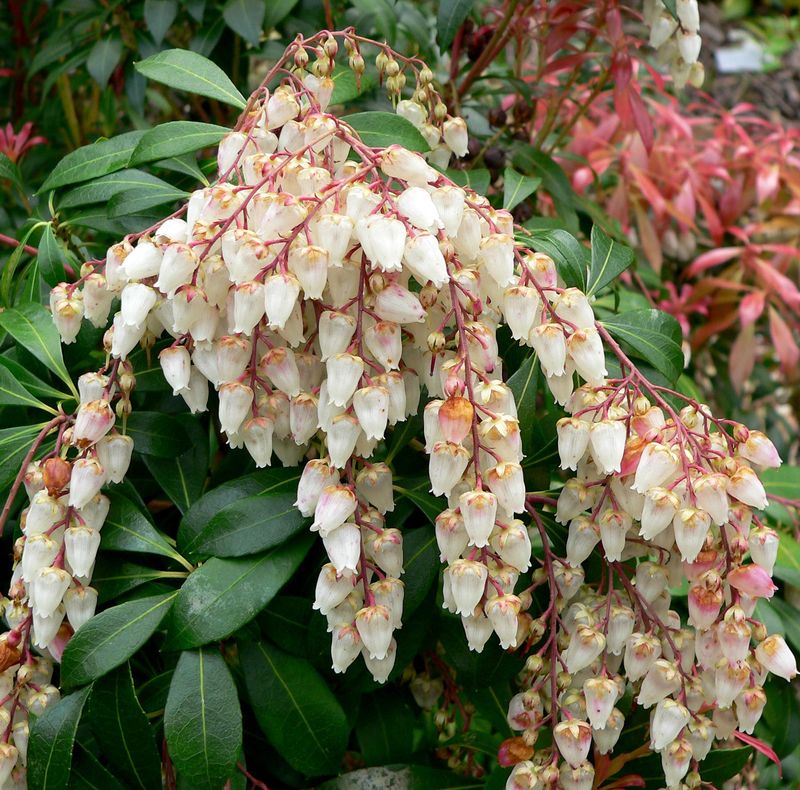
Long before most shrubs wake up, Japanese pieris dangles creamy flower chains that look like strings of tiny bells. Some people call it lily-of-the-valley bush, and the resemblance is easy to see in early spring.
Pieris japonica, also sold as andromeda, belongs to the heath family alongside rhododendrons and mountain laurel. Like those cousins, it carries grayanotoxins throughout the plant, so no part is truly safe for pets.
Dogs and cats that chew it may vomit, drool, or seem depressed and weak within a few hours. Heavy exposure can lead to heart trouble and collapse, so this shrub belongs on your high-alert list.
New growth often emerges in bright red or bronze shades, which adds a lovely second act after flowering. Mature plants commonly reach three to twelve feet tall, depending on the cultivar you choose for the bed.
Pieris prefers acidic, organic-rich soil that stays moist yet drains well, much like its picky relatives. In alkaline ground, the leaves can yellow from chlorosis, which is a common problem in many older suburban neighborhoods.
Partial shade with protection from harsh winter wind keeps it looking glossy, and USDA Zones 5 through 7 suit it. I tuck mine near a fenced porch corner, where my dog cannot reach the lower branches.
Pruning right after flowering keeps the shrub tidy, and you should gather every trimming before pets wander by. A sealed yard waste bag beats a loose pile, especially with puppies who treat sticks like treasure.
7. Juniper
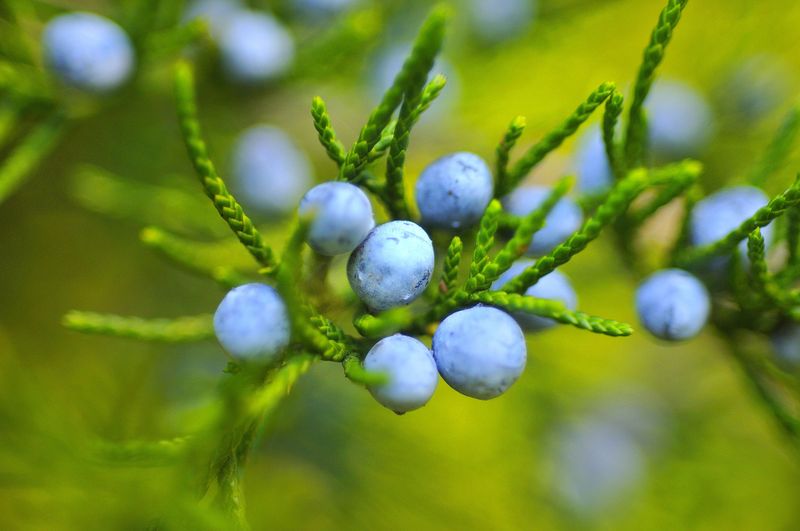
Crush a juniper sprig between your fingers and a sharp, piney fragrance fills the air almost instantly. That scent comes from volatile oils, and those same oils explain why pets should avoid chewing the plant.
Junipers, or Juniperus species, range from flat creeping groundcovers to upright shrubs that guard property lines. Their foliage may be needle-like or scaly, and female plants form blue berry-like cones that dogs notice.
Toxicity is generally rated moderate for dogs and mild for cats, so this one sits lower on the scale. Small nibbles usually cause stomach upset with some vomiting or drooling, which often passes with supportive care.
Larger amounts are a different story, since some sources link heavy ingestion to kidney irritation in dogs. Cats that chew a lot may experience painful abdominal discomfort, so it still deserves respect in pet yards.
Junipers are tough customers in Illinois, thriving in full sun and handling drought once their roots settle. That toughness explains why you spot them along sunny slopes and parking lot islands nearly everywhere.
My tip is to keep prickly spreading types near the street rather than beside the patio where pets lounge. Most dogs find the scratchy texture unpleasant, which naturally discourages much snacking on mature, established plants.
Well-drained soil keeps junipers healthy, while soggy ground often invites root rot and disappointing brown patches. Watch puppies around berry-laden plants in fall, since fallen cones can roll into play areas easily.
8. Arborvitae
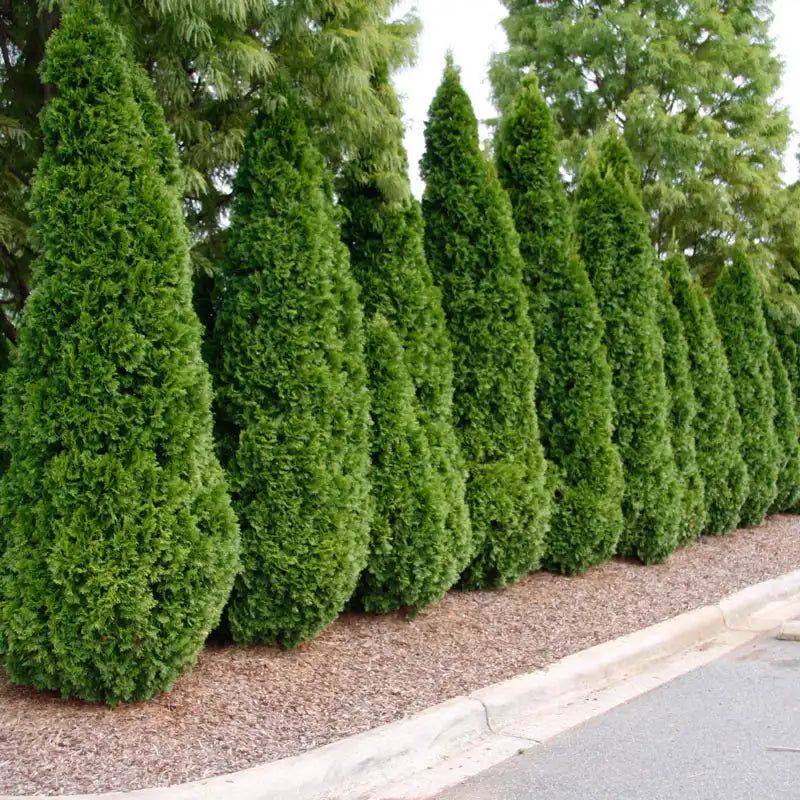
Arborvitae translates roughly to tree of life, a name tied to old stories about using its foliage medicinally. Today it mostly serves as a living privacy wall, standing shoulder to shoulder along suburban fence lines.
Thuja occidentalis, also called eastern arborvitae, is native to parts of northern North America, including northeastern Illinois. Popular cultivars like Emerald Green and Techny form dense columns that rarely need much shaping at all.
The foliage holds aromatic oils, including thujone, which can upset a pet’s stomach when chewed in quantity. Most cases involve vomiting or diarrhea, though large amounts may trigger weakness or seizures in some dogs.
Toxicity is usually considered mild to moderate, so a single nibble rarely calls for panic or emergency trips. Still, dogs that habitually strip lower branches can swallow far more than you would expect in one afternoon.
I have watched bored dogs pace a fence line and chew arborvitae branches simply out of habit. Extra walks and fresh toys often reduce that behavior faster than scolding a pet ever could.
Arborvitae grows best in full sun to partial shade with moist, well-drained soil and decent air circulation. Deer browse them heavily in winter, so wrapping hedges with netting also adds a barrier against pets.
Heavy snow can split columnar types, so gently brush off branches after storms and tie loose leaders. Pick up broken pieces quickly, because a fresh pile of fragrant greenery looks irresistible to a curious dog.