The Illinois Summer Lawn Problem Most Homeowners Misread As Drought
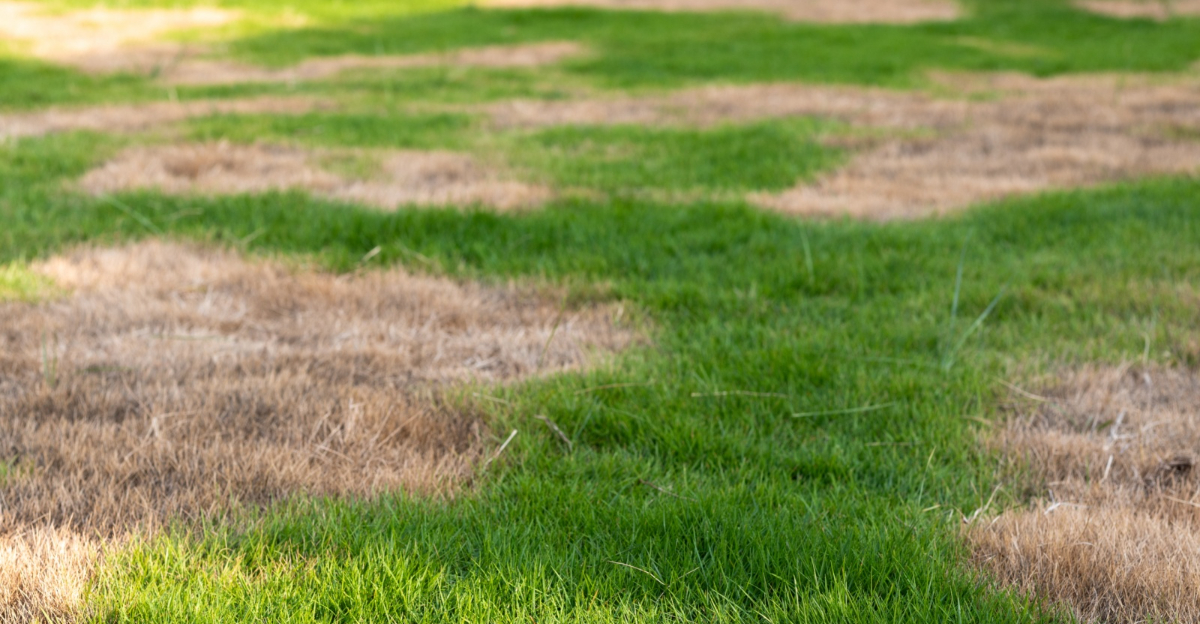
Most people find out the hard way, after they have already made it worse. The patches showed up, brown and growing, and the diagnosis felt obvious: not enough water.
So the sprinkler went on. Then on again the next day. Maybe the day after that. This is precisely what it counts on. The fungus does not slow down in dry conditions.
It quietly moves through wet ones, reaching further across Illinois lawns every summer while homeowners stand there, hose in hand, watching nothing improve.
It is a disease built to be misread. The symptoms mimic stress. The timing mirrors drought season.
And the instinctive fix, more water, carries the problem further than most people expect. What looks tired is not thirsty.
It is infected. That one distinction changes everything, and most people in Illinois only learn it one lawn too late.
Brown Patch Is The Fungus Quietly Taking Over Illinois Lawns
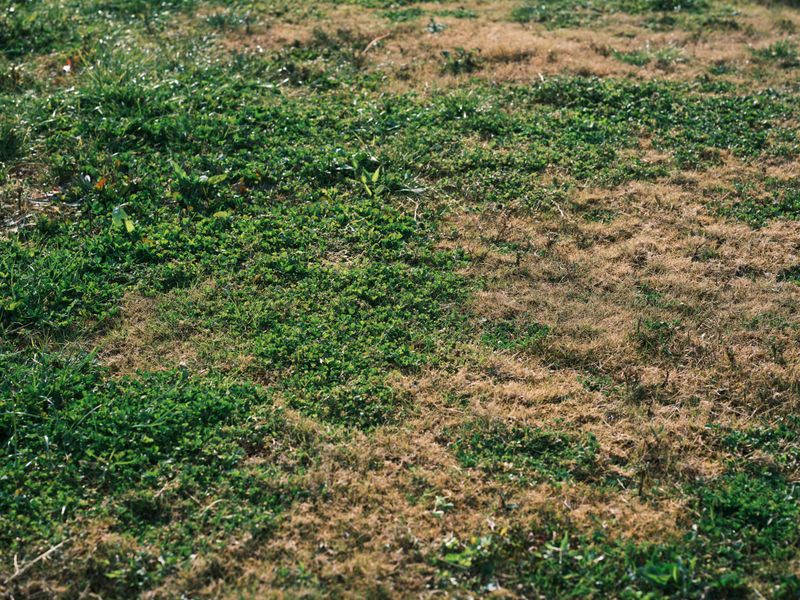
Something is wrong with your lawn, and it showed up fast. One morning it looked fine, and three days later you have got ugly brown circles spreading across your yard.
Brown patch is a fungal lawn disease caused by a pathogen called Rhizoctonia solani. It loves warm nights above 70 degrees and high humidity, which makes Illinois summers basically a perfect breeding ground.
The disease moves steadily through your lawn, reaching further with every wet stretch. Spores travel by wind, water, foot traffic, and even your lawnmower blades.
Most homeowners in the Chicago suburbs and downstate regions never suspect a fungus. They see brown grass and assume the summer heat has simply fried their yard. That assumption leads to the worst possible response.
Brown patch typically hits cool-season grasses hardest. Tall fescue, Kentucky bluegrass, and perennial ryegrass are all highly vulnerable during July and August.
The fungus does not damage roots right away. It attacks the grass blades first, which is why the damage looks so surface-level and drought-like at first glance.
Recognizing brown patch early gives you a real fighting chance. In many cases, catching it in the first week can mean the difference between a quick fix and a full lawn renovation come fall.
What Causes This Fungus To Take Hold In Illinois Summers
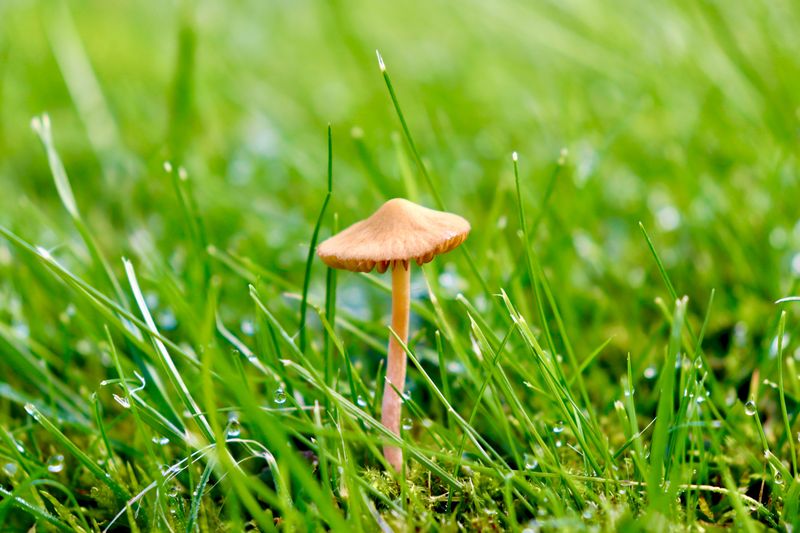
Blame the weather, honestly. Illinois summers serve up the exact conditions brown patch needs to thrive: high heat, sticky humidity, and warm overnight temperatures.
The fungus becomes most active when daytime temps sit above 85 degrees and nighttime temps stay above 70. That is a regular August forecast for most of the state.
Humidity is the real villain here. When grass blades stay wet for more than ten hours at a stretch, the fungus spreads aggressively through the turf.
Overwatering plays a huge role too. Lawns that get watered in the evening stay wet all night long.
That extended moisture on the blade surface is like rolling out a welcome mat for Rhizoctonia.
Thick thatch buildup also traps moisture close to the soil. If your lawn has more than half an inch of thatch, air circulation near the crown of the grass suffers badly.
Your Illinois Garden Changes Every Week. Your Plan Should Too.
Gardening in Illinois changes quickly throughout the season. Every Friday you’ll receive a simple weekly plan showing exactly what to plant, prune, fertilize, harvest, and protect so you never miss the right timing.
Nitrogen-heavy fertilizer in summer makes things worse as well. Lush, fast-growing grass from excess nitrogen is softer and far more susceptible to fungal attack.
Soil compaction limits drainage and keeps moisture sitting where the fungus can use it most. Lawns with poor drainage in Illinois clay soils are especially prone to outbreaks every single summer.
How To Tell This Lawn Disease Apart From Drought Stress
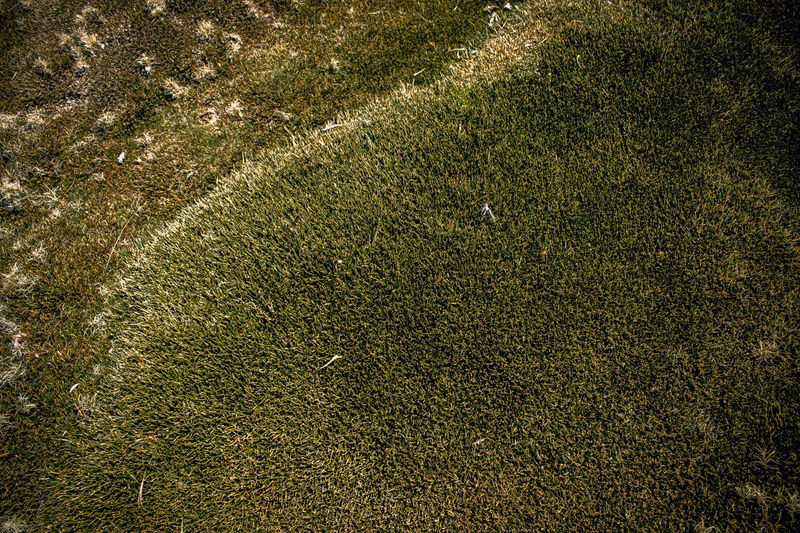
Pull a grass blade from the brown area and look closely at it. That one simple step tells you almost everything you need to know about what is going on.
Drought-stressed grass blades look dull, rolled, or folded lengthwise. The whole blade is dry and crispy from tip to base, with no discoloration pattern.
Brown patch does something completely different. The blade shows a tan or brown lesion with a dark brown border, almost like a water stain with a defined edge.
The shape of the damage is another major clue. Brown patch creates distinct circular or oval patches, often with a darker outer ring called a smoke ring. Drought stress spreads unevenly across the whole lawn.
Walk across the damaged area in the early morning. If you see a white or grayish cottony growth on the grass blades, that is mycelium, and that means fungus, not thirst.
Check when the damage appeared. Drought stress builds slowly over days of no rain. Brown patch can appear almost overnight, especially after a warm, rainy stretch.
One final test: stick a screwdriver into the soil. If it slides in easily, the soil has moisture. A lawn with enough water in the ground but brown patches above it almost certainly has brown patch disease.
What This Fungus Does To Your Lawn Below The Surface
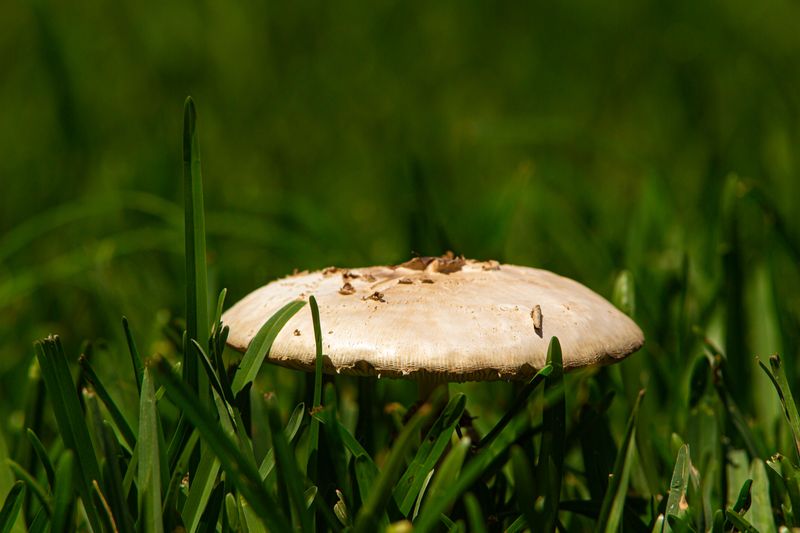
Most people focus on what they see above ground, but the real action with brown patch happens just at and below the soil surface. The crown is where the trouble begins.
The crown is the part of the grass plant where the blade meets the root. When brown patch attacks the crown, it cuts off the plant’s ability to move water and nutrients upward.
That is why affected blades wilt and turn tan so fast. They are not just diseased on the surface. They are being starved from below by fungal threads called hyphae.
The roots themselves often come through the initial wave intact, especially in tall fescue. That is actually good news, because it means the lawn can recover if you stop the spread quickly enough.
However, repeated or prolonged infections weaken the root system over time. A lawn hit by brown patch summer after summer will have shallow, fragile roots that struggle through winter.
The fungus also leaves behind dormant structures in the soil called sclerotia. These tiny dormant pods can remain in your lawn for years and reactivate when conditions get favorable again.
Understanding what happens underground explains why surface-level fixes rarely work alone. You have to address soil health, drainage, and fungal activity together to get lasting results for your lawn.
Why Watering More Makes This Fungus Worse
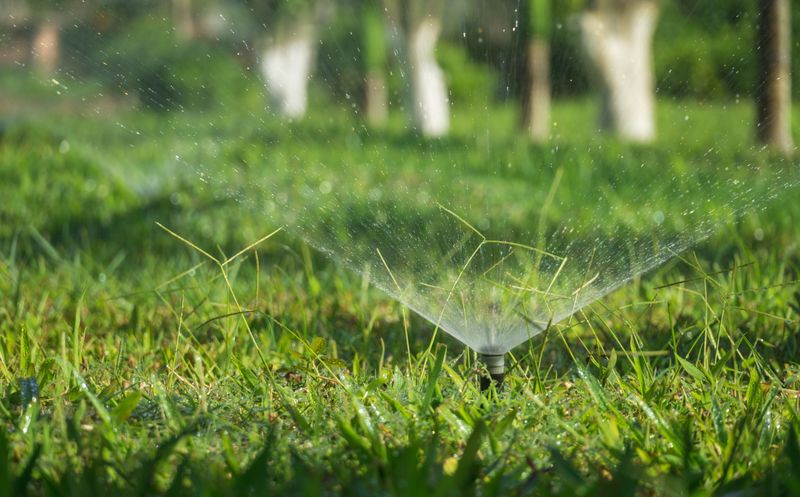
The more you water a lawn that has it, the faster the fungus moves through the turf. Extra moisture is exactly what Rhizoctonia wants from you.
When you see brown patches and assume drought, the instinct is to water deeply and often. That instinct, while well-meaning, can significantly worsen a manageable outbreak faster than most people expect.
Wet grass blades for extended periods are the primary highway for fungal spread. Spores move through water droplets and infect neighboring grass plants fairly quickly.
Evening watering is especially damaging. Water sitting on blades through a warm, humid night gives the fungus eight or more hours to colonize new territory without interruption.
Even morning watering can be risky if your lawn already has poor drainage or heavy thatch. The goal is always to water deeply but infrequently, letting the surface dry between sessions.
Cutting back on irrigation when you spot the problem is one of the smartest moves you can make. Your lawn may look bad for a few days, but dry conditions slow the fungal advance significantly.
Adjust your sprinkler schedule to water only two or three times per week, early in the morning.
Letting the sun dry the blades before evening is one of the most effective brown patch management strategies available.
How To Treat And Stop This Fungus In Its Tracks
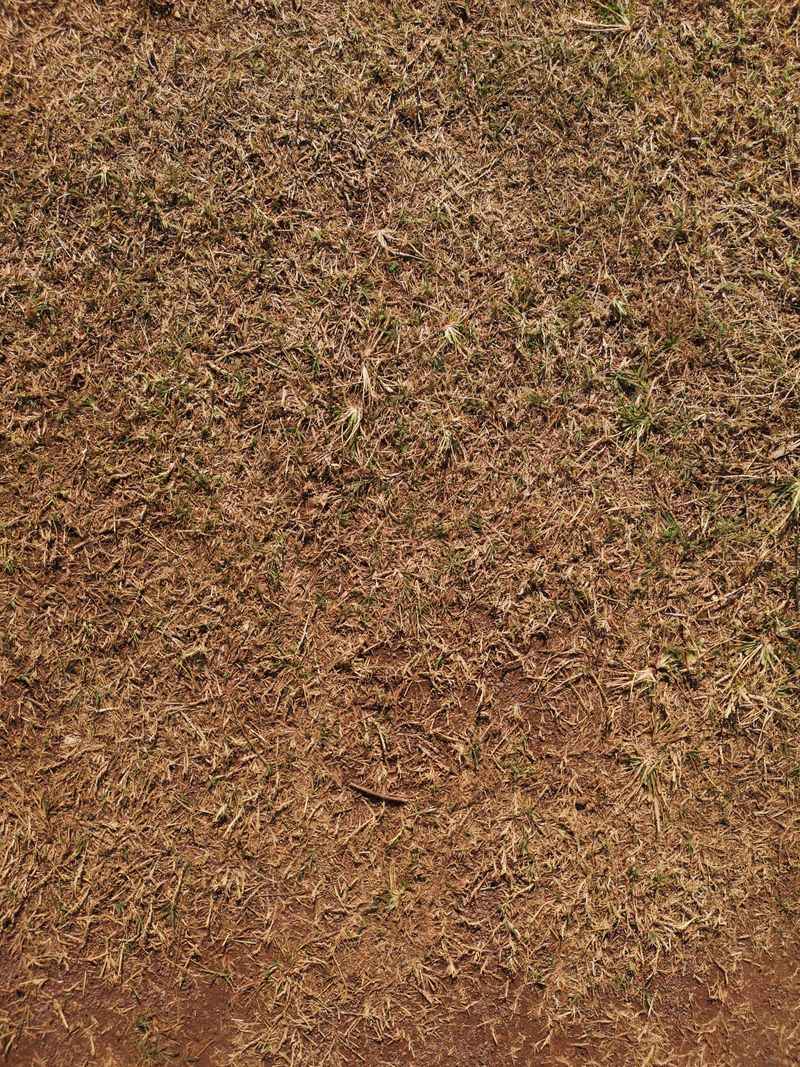
Once you have confirmed brown patch, acting quickly makes a significant difference in how much of your lawn recovers.
Fungicides are the most direct treatment option. Look for products containing active ingredients like azoxystrobin, propiconazole, or myclobutanil, which are widely available at garden centers across the state.
Apply the fungicide early in the morning when dew is still present. This timing helps the product coat the blades and penetrate the thatch layer more effectively than afternoon applications.
Do not mow right after treating. Give the fungicide at least 24 hours to work before you run any equipment over the lawn. Mowing spreads spores to clean areas of the turf.
Clean your mower blades with a disinfectant solution before and after each use during an active outbreak. This one habit alone can prevent the disease from jumping to untouched sections of your yard.
Rake out and bag any heavily damaged grass rather than leaving it in place. Leftover material sitting on the surface can harbor spores that reinfect surrounding healthy turf.
Repeat fungicide applications every two to four weeks while conditions remain hot and humid. Staying consistent with treatment through late summer gives your lawn the best shot at a strong fall recovery.
How To Keep Your Lawn Protected Next Season
One outbreak is enough. The real goal is making sure it never comes back. Prevention is far easier than treatment, and it starts in the fall.
Core aeration in September or October is one of the most powerful preventive steps you can take.
It breaks up compaction and improves drainage, which directly reduces the moisture conditions the fungus needs.
Dethatch your lawn if the thatch layer exceeds half an inch. A thatch rake or dethatching machine removes that built-up layer that traps humidity and heat near the soil surface.
Switch your fertilizer timing. Avoid heavy nitrogen applications in June, July, or August. Feed your lawn in early fall and again in late spring to promote strength without creating soft, fungus-prone growth.
Choose disease-resistant grass seed varieties when overseeding in fall. Many modern tall fescue blends are bred specifically to resist Rhizoctonia and perform well in humid Midwestern climates.
Adjust your sprinkler timer before next summer arrives. Set it to water deeply two times per week, always in the early morning hours, so blades dry fully before nightfall.
Protecting your lawn from brown patch is achievable with the right habits. A little planning this fall means fewer brown circles and a lot more green grass when Illinois summer heat returns.