This Cheap and Easy Task Shields North Carolina Blueberry Roots Before a Hard Freeze
Most of the roots that feed a full-grown blueberry bush sit in the top foot of soil. Many of the tiniest feeder roots hug the surface even closer, sometimes just a few inches down.
Those roots are also hair-thin and lack the root hairs most plants use to soak up water. I can’t help but think that a plant this fussy should come with a warning label.
Here in North Carolina, winter loves to play games. A mild, sunny afternoon can flip into a teeth-rattling night, and bare soil swings right along with the air. I know how frustrating it can be when a bush that looked great in October sulks all spring.
The fix costs less than a fancy coffee drink, and it might already be lying under a tree in your yard. So why do so many of us skip it?
1. Those Shallow Blueberry Roots Are Closer to the Cold Than You Think
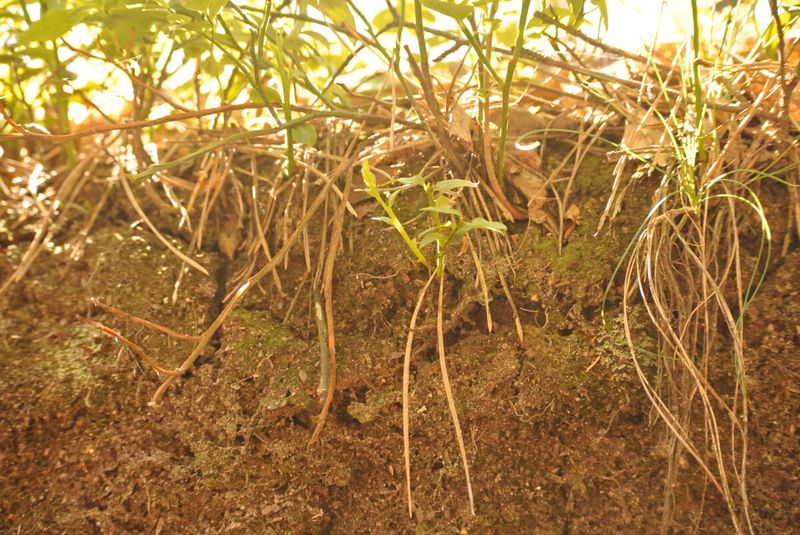
Dig gently beside a blueberry bush and you will find something surprising. The root mass is a dense mat of fine fibers, mostly in the top 12 to 18 inches of soil, with plenty sitting just under the surface.
NC State Extension notes that blueberry roots are fibrous and shallow, and they lack the root hairs that help many plants pull in water.
That design works fine in loose, moist, acidic soil. It also means those roots feel temperature swings far more than a deep taproot would.
Flower buds on a dormant bush can handle a lot of cold. Roots are a different story, since they do not toughen up to the same degree as stems and buds.
Bare soil warms in the afternoon sun and chills hard overnight, and that repeated swing stresses delicate tissue.
Young plants feel it most. A bush set out this fall has a small, compact root ball sitting in fresh soil, and freeze-thaw cycles can nudge it upward in a process called frost heaving. Exposed roots then dry out in winter wind.
So the real worry is not one cold night. The trouble is the constant up-and-down that bare ground allows all winter long.
2. A Fluffy Layer of Pine Straw Around the Bush Does the Heavy Lifting
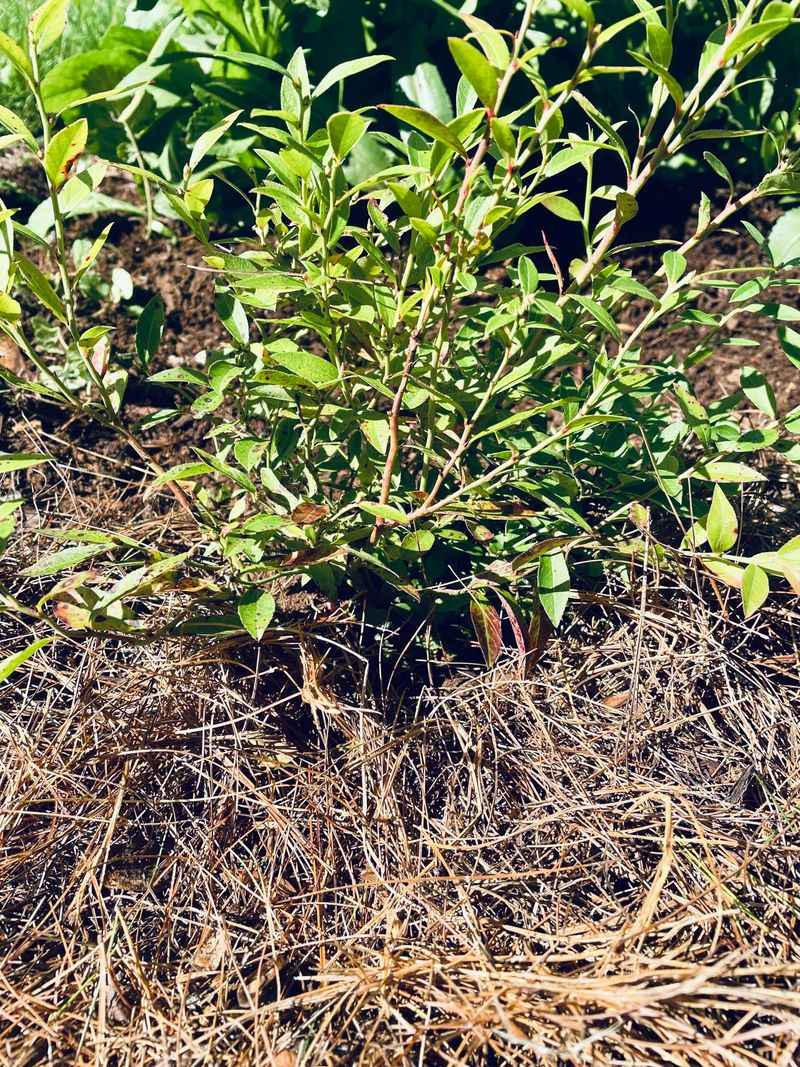
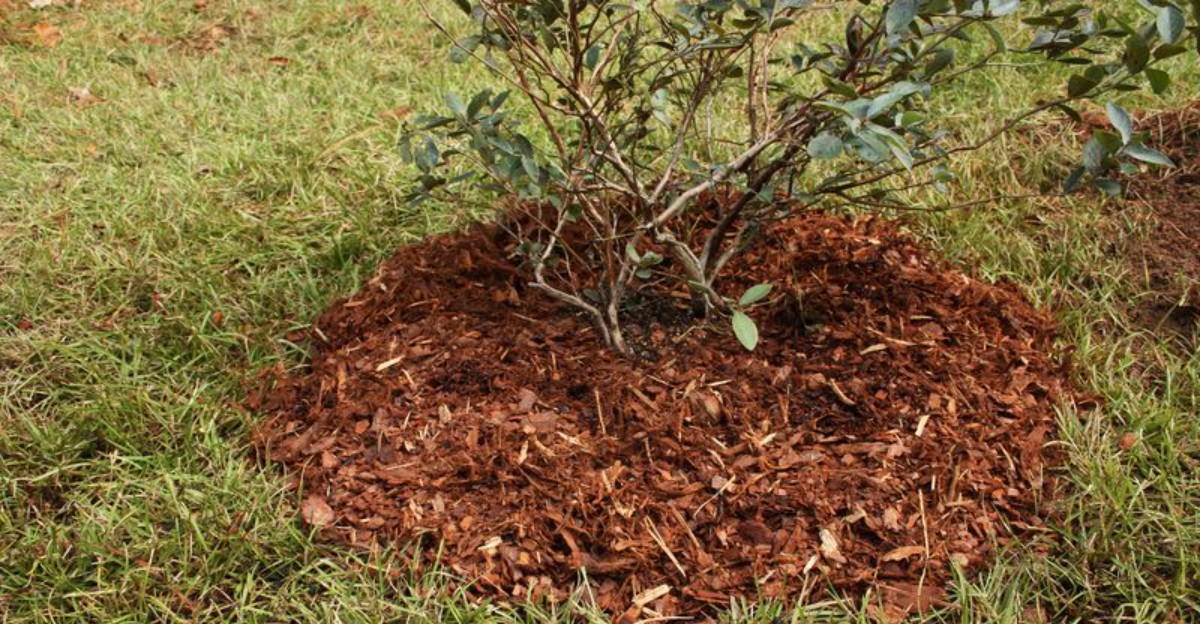
Pine needles are basically free insulation falling from the sky. Long-leaf pine straw is sold in bales across the Southeast for a few dollars, and many yards produce plenty of it every fall. A loose mulch layer traps air, and trapped air slows heat loss from the soil.
That buffer keeps root-zone temperatures steadier, so the ground does not swing wildly between sunny afternoons and frosty nights. Steadier soil means fewer freeze-thaw cycles and less heaving.
Pine straw has extra perks for this particular crop. It breathes well, lets rain soak through, and stays put better than shredded leaves on windy days. It also breaks down slowly, so one good application lasts most of the season.
Other organic mulches work too. NC State Extension often points gardeners toward pine bark, wood chips, or sawdust for blueberries, and all of them help hold moisture and moderate soil temperature.
One myth worth clearing up involves acidity. Pine needles do not dramatically acidify soil as they decay, so they will not replace sulfur if your pH is too high. Still, they suit acid-loving plants nicely and never fight against the low pH blueberries crave.
3. Water the Blueberry Bed Deeply Before the Mulch Goes Down
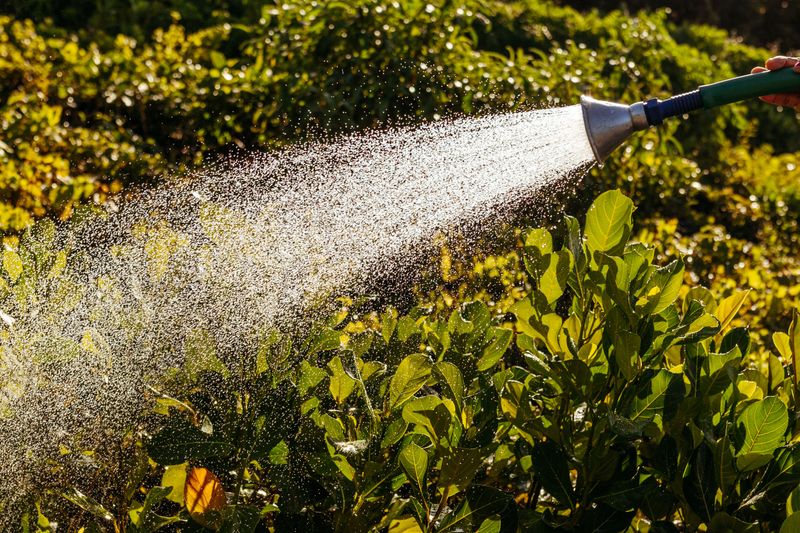
Moist soil is a better heat battery than dry soil. Water holds and releases warmth slowly, which is why fruit growers often irrigate before a freeze.
Fall droughts are common in the Carolinas, and a dry bed loses heat faster on clear nights. If rain has been scarce, give each bush a slow, deep soak a day or two before you mulch. Aim to wet the top foot of soil, where most roots live.
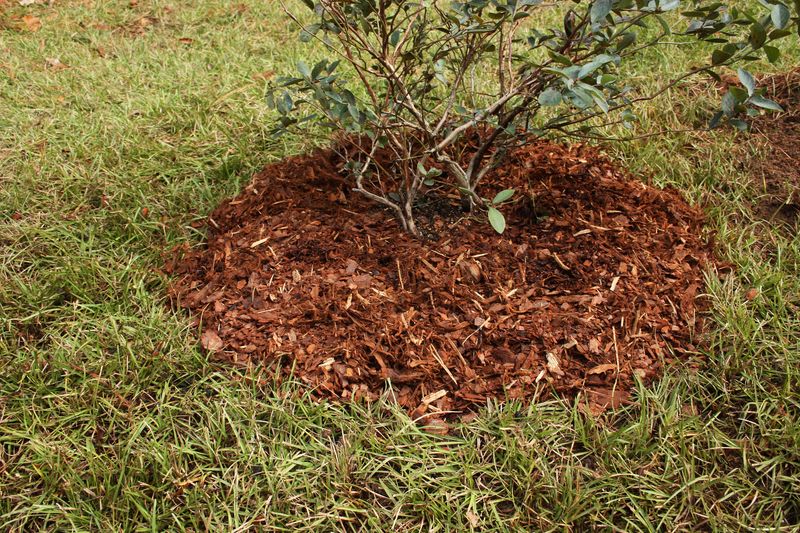
Then pile on 3 to 4 inches of pine straw or bark. Straw packs down over time, so a slightly fluffier layer at first settles into the right depth.
Keep the mulch a couple of inches away from the main stems. Mulch heaped against the crown can hold dampness and invite rot or nibbling rodents looking for a cozy winter home.
Spread the layer wide too. Blueberry roots reach out well beyond the branch tips, so cover a circle at least as wide as the bush, or run a continuous strip along a row.
That combination of damp soil plus a fluffy blanket gives roots the steadiest winter they can get.
4. Spread Mulch Around Blueberries Before the Ground Freezes Solid
Late fall is the sweet spot for this chore in most of the state. Many gardeners wait until the bushes drop their leaves or a light frost has passed, then mulch before the deep cold settles in.
Timing varies by region. Mountain gardens often see hard freezes by early November, while the Piedmont and Coastal Plain usually have until late November or even December.
Watch your local forecast and aim to finish a week or two ahead of the first predicted hard freeze.
Already have mulch down from summer? Great news for your schedule. Simply check its depth, since old mulch settles and decomposes, and top it up where it has thinned out.
There is no reward for rushing in early October, though. Fresh mulch over soil that is still warm is not harmful, but the protection matters most once nights turn consistently cold.
Treat it like a Saturday morning project. One person with a rake, a wheelbarrow, and two or three bales of straw can usually cover a small backyard planting before lunch. Grab a warm drink and call it a win.
5. Mulched Blueberry Beds Pay You Back Long After Winter
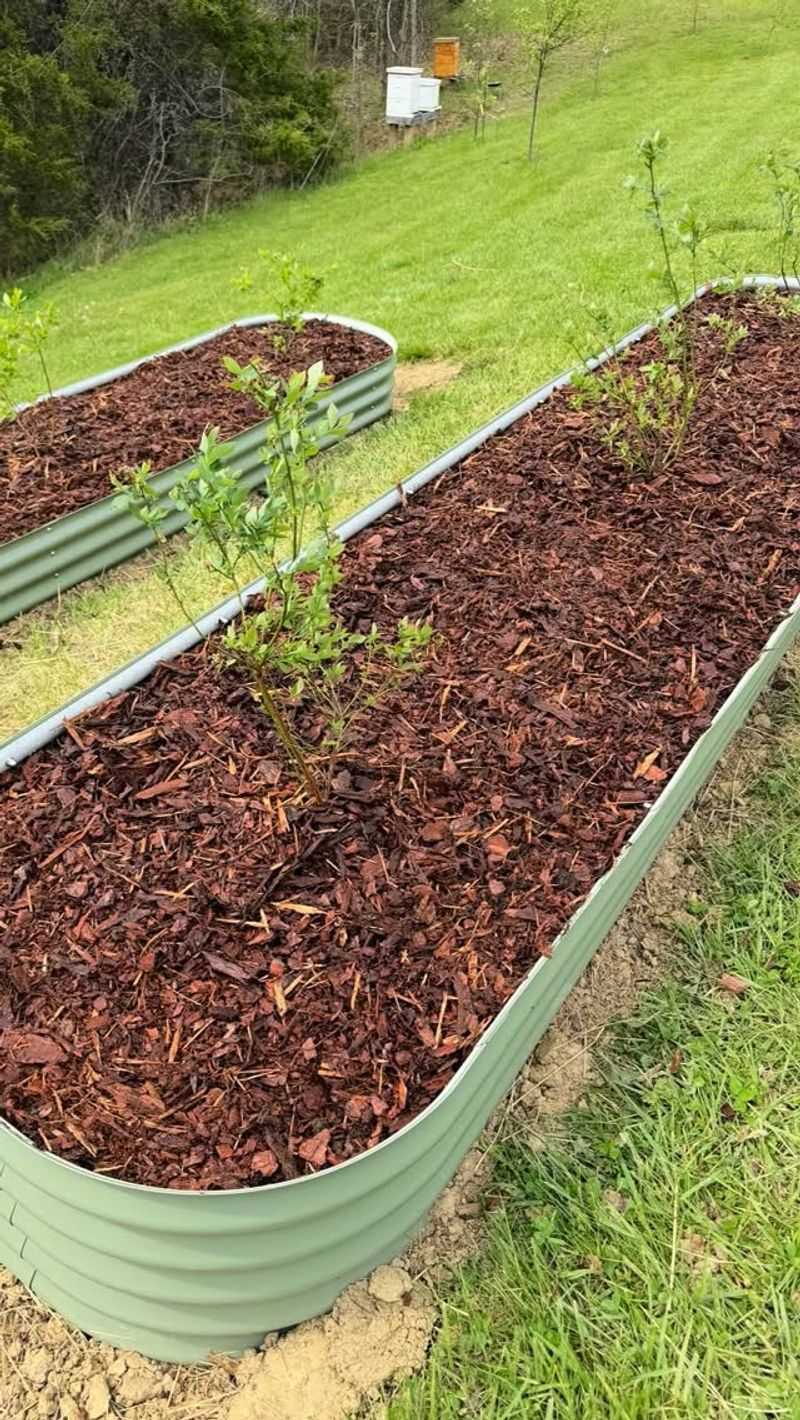
Here’s a sneaky bonus. The same mulch that guards roots in January keeps working right into July.
A thick layer smothers many weed seedlings by blocking light. Blueberries hate competition near their shallow roots, and hoeing too close can tear the very roots you are trying to protect. Mulch lets you skip most of that scraping.
Moisture is the other big payoff. Those hair-thin roots dry out fast, and organic mulch slows evaporation during hot summer stretches. Extension specialists consider mulch one of the most valuable steps for home blueberry success, especially on sandy or clay soils.
As straw and bark break down, they add organic matter that improves soil structure. Blueberries evolved in loose, spongy, humus-rich ground, so this slow feeding suits them well. Expect to refresh the layer yearly as it decomposes.
Mulch also keeps summer soil cooler, which helps roots through Southern heat waves. That is a quiet but real advantage across warmer parts of the state.
Healthy roots grow strong new canes, and new canes carry next year’s fruit. Your winter weekend chore shows up later as bigger berry bowls.
6. Skip Fall Fertilizer and Hoeing Around Your Blueberry Bushes
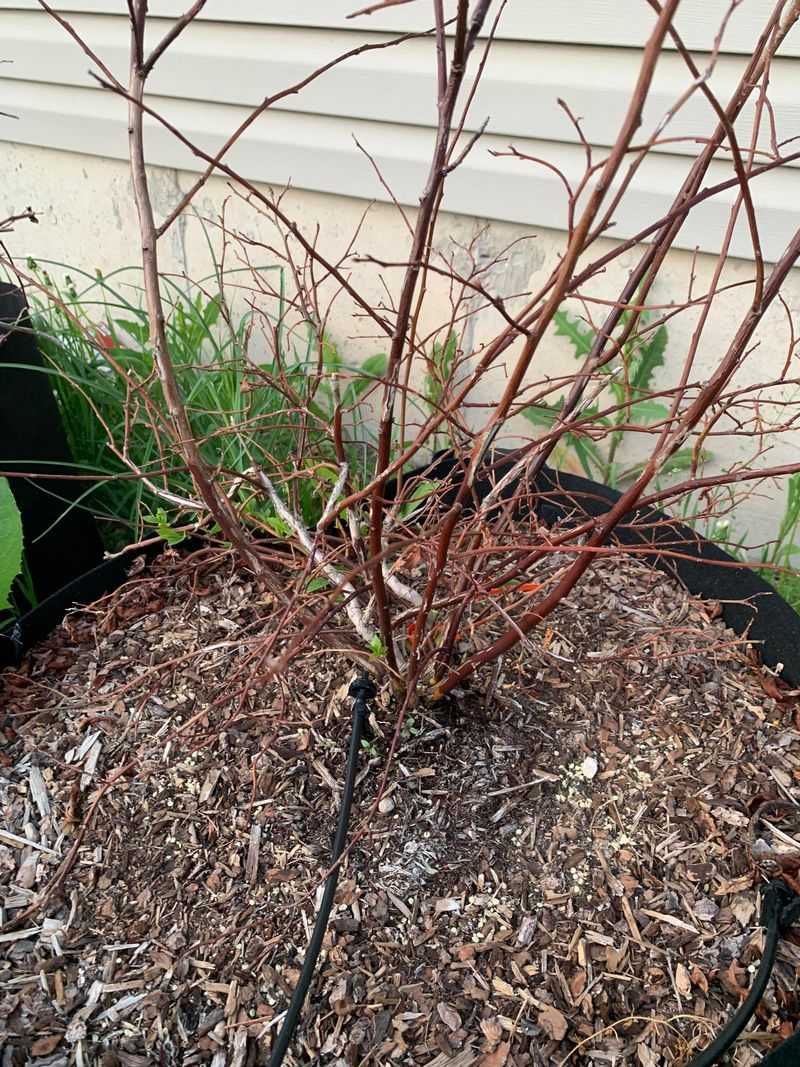
Some winter mistakes come from good intentions. Feeding your bushes in fall feels generous, but it can backfire. Nitrogen applied late in the season may push tender new growth that cannot harden before cold weather.
NC State Extension generally recommends fertilizing blueberries in spring, around bud break, with follow-up feedings in late spring for some types. Save the bag for March or April.
Hold off on digging, too. Cultivating near the bush slices shallow roots and fluffs up the soil, and loose, airy soil stores less heat than firm, moist ground. Leave the bed alone and let the mulch do its job.
Heavy pruning can wait as well. Late winter, while bushes are still dormant, is the standard pruning window, and you can see the cane structure clearly then.
Watch out for one more thing. Avoid piling fallen leaves from walnut trees or mixing in lime, since lime raises pH and blueberries prefer roughly 4.5 to 5.5.
Doing less really is the smart move this season. A rested, undisturbed bush with a warm mulch coat heads into spring in strong shape.
7. Rabbiteye or Highbush Blueberries Handle Winter Differently Across North Carolina
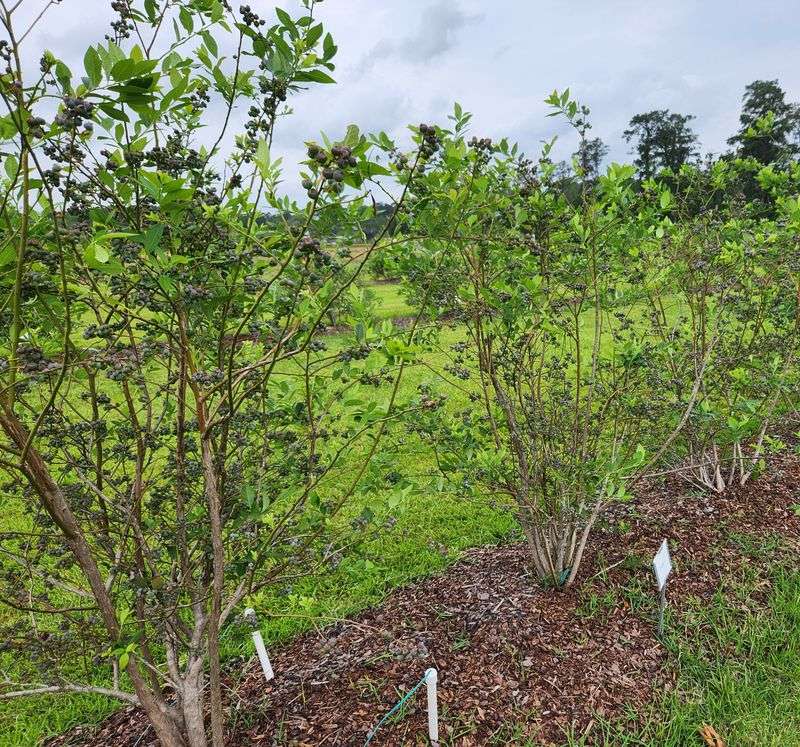
Mulch helps every blueberry, but the right variety does half the winter work for you. The state’s three regions call for different choices.
Rabbiteye blueberries are the go-to for most Piedmont and Coastal Plain home gardens. NC State Extension calls them the easiest type for home growers there, thanks to their heat tolerance and flexibility with soil.
Plant at least two varieties for cross-pollination, such as Premier and Powderblue. The mountains are another story. Above about 2,500 feet, or where winter lows often drop below 10 degrees, northern highbush types are the safer pick for steady crops.
Southern highbush varieties bloom early, which makes their flowers vulnerable to spring frost. They work well in the eastern part of the state, especially where growers can watch for late cold snaps.
Roots of any type benefit from the same winter routine. Even a cold-hardy highbush in Boone appreciates steady soil temperatures under a straw blanket.
So here is the takeaway. Pick a variety matched to your region, keep that mulch ring 3 to 4 inches deep, and refresh it every fall. Future you, holding a bowl of berries, will be grateful.