The Harmless Snake In Your New Jersey Pond That Everyone Keeps Mistaking For A Dangerous One
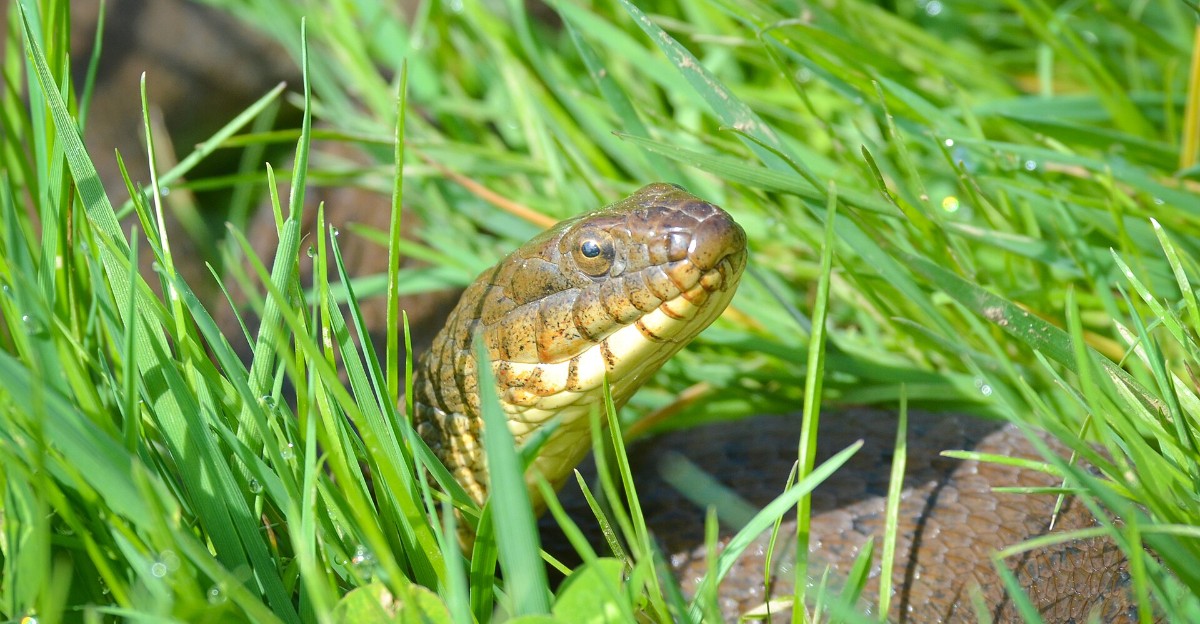
A pond snake in New Jersey gets reported as a cottonmouth over and over, yet cottonmouths do not live anywhere in New Jersey. Not one wild population. The nearest ones are hundreds of miles south.
I learned that fact after a dark, thick-bodied swimmer surfaced beside my lily pads and sent my coffee flying. It held its head high, stared at me, and slid under the water like it owned the place. Honestly, it probably did.
You might notice the same visitor sunning on a rock or a log near your own pond. Big body, dark bands, and a grumpy attitude make a scary combination at first sight. Fear fills in the rest of the story pretty quickly.
A little research calmed my racing heart. That pond resident turned out to be a common, native, and protected animal with a surprisingly helpful job. So who exactly is sharing your water?
That Thick Dark Snake Sunning on Your Pond Rock Has a Surprising Identity
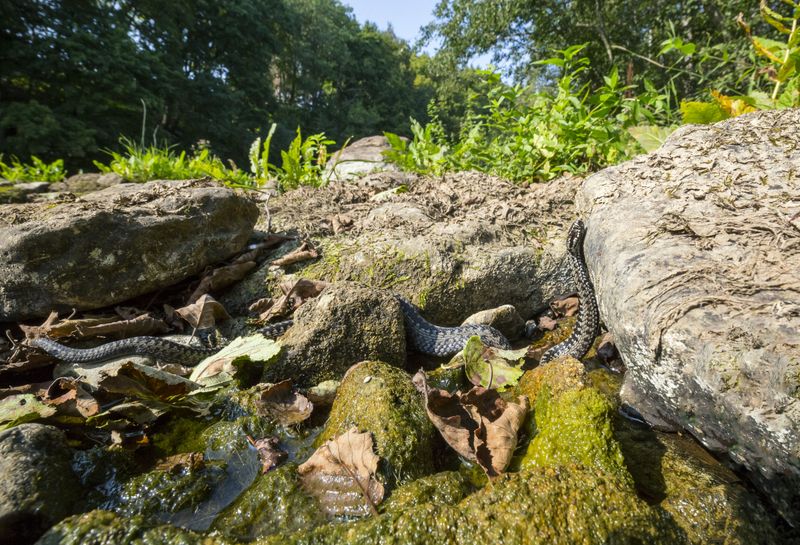
My first thought was cottonmouth, and I bet yours was too. The snake on that sunny rock is almost certainly a northern water snake, known to scientists as Nerodia sipedon sipedon.
It is one of the most common snakes in the state’s freshwater spots. You will find it in ponds, lakes, slow streams, marshes, and even stormwater basins. If there are fish or frogs nearby, there is a good chance one lives close by.
Adults usually reach about two to four feet long, and a few big ones stretch a little longer. Their bodies look heavy and thick, which makes them seem much more threatening than they really are.
Colors range from tan and gray to reddish brown, with darker bands and blotches. Here comes the twist that fools so many people. As these snakes grow older, their patterns often fade into a dull, muddy brown or nearly black color.
A wet, dark, chunky snake in the water easily looks scary to a nervous eye. Fun fact for your next backyard chat. Northern water snakes do not lay eggs.
Mothers give birth to live babies in late summer, sometimes 20 to 40 at a time, and each little one can swim right away.
No Cottonmouths Live in the Garden State, Period
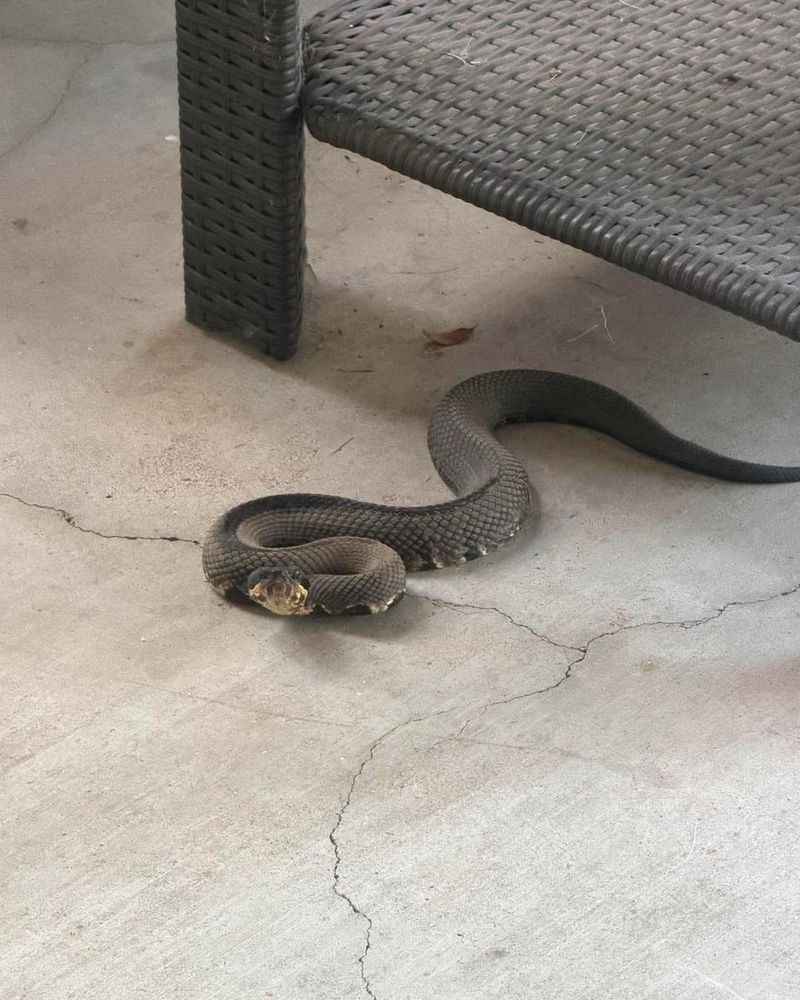
Ask around at any garden club meeting and someone will swear they saw a water moccasin. I understand the feeling, but the facts tell a different story.
The cottonmouth, also called the water moccasin, does not have a natural range in New Jersey. Its northern limit sits in southeastern Virginia, far from our ponds.
The state Division of Fish and Wildlife lists only two venomous snakes here, the northern copperhead and the timber rattlesnake.
So why does the mix-up keep happening? Both snakes are thick, dark, banded, and love the water.
Water snakes also flatten their heads when upset, which makes them look wide and triangular like a viper.
Swimming style offers one handy clue. Cottonmouths tend to float high on the surface with much of their body showing.
Water snakes usually swim with mostly their head above the water while the rest stays lower.
Pupils give another hint if you see one up close with binoculars. Northern water snakes have round pupils, while pit vipers have narrow, cat-like slits.
You never need to get near enough to check, though, since location alone settles this question in New Jersey ponds.
Copperheads Are the Real Look-Alike Worth Learning
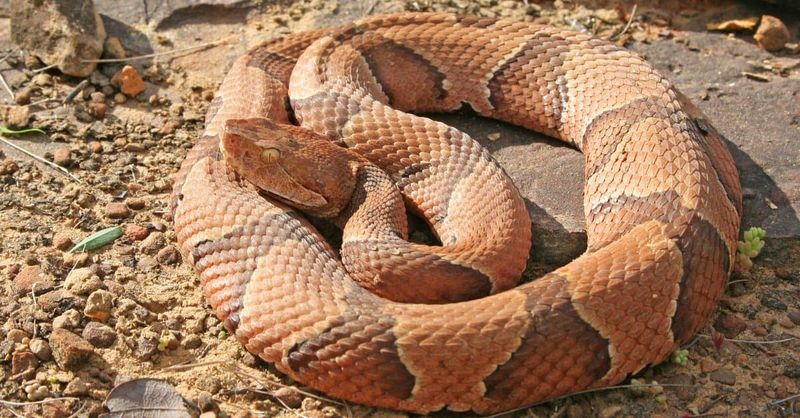
Here is the comparison that matters most for gardeners. The northern copperhead is venomous, and it does share a banded look with our pond snake.
Look closely at the shape of the bands. Copperhead bands form an hourglass, wide on the sides and narrow across the back.
Northern water snakes often show the reverse, with blotches wider over the back and narrower down the sides.
Color helps too. Copperheads wear a smooth, coppery tan with chestnut bands and a plain, unmarked coppery head.
Water snakes look duller and darker, and many have messy half-moon marks on their bellies.
Habitat gives a strong hint as well. Copperheads mostly stick to rocky, wooded hillsides, especially in the northern and central parts of the state.
Water snakes rarely wander far from water and often slide into it the moment they feel spooked.
One personal rule keeps me calm. If the snake is swimming, basking at the waterline, or diving under lily pads, I am probably watching a water snake.
When I am unsure, I simply keep my distance and enjoy the show with binoculars. Treating every unknown snake with respect takes care of any lingering doubt.
A Flattened Head and Hissing Water Snake Is Mostly Bluffing
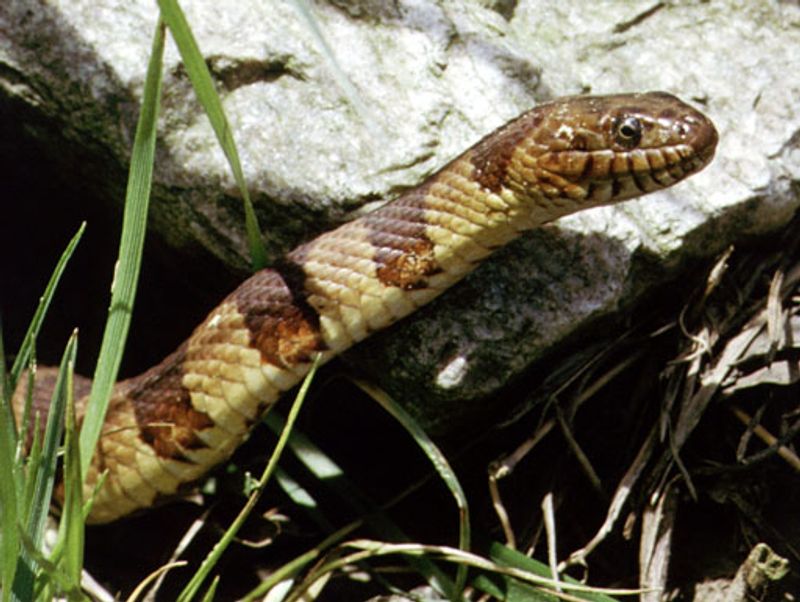
Talk about a drama queen. Corner a northern water snake and it puts on quite a performance.
It flattens its head and body to look bigger and wider. It may coil, strike toward you, and hiss. All of this is a bluff meant to send you away so it can escape.
If someone grabs one, the snake will bite, and it does not hold back. The bite is not venomous, but it can sting and bleed more than you expect.
Their saliva contains a mild substance that slows clotting, so even small scratches look messy.
The show continues after that. A handled water snake often releases a strong, stinky musk mixed with waste. Trust me, that smell lingers on hands and gloves for a while.
Most bites happen when people try to catch, move, or hit the snake. Leave it alone and the whole act usually ends with a quick splash.
If you ever do get bitten, wash the wound well with soap and water and watch for signs of infection. A call to your doctor makes sense if redness spreads or you are unsure about your tetanus shot.
Your Backyard Pond Is a Buffet for Water Snakes
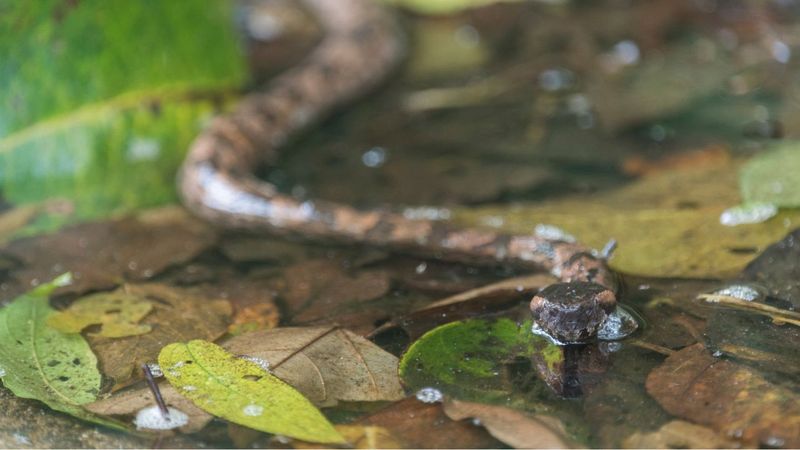
Ever wonder why the snake keeps coming back? Food is the simple answer. Northern water snakes mostly eat fish and amphibians. Frogs, tadpoles, salamanders, and small fish like minnows and sunfish top the menu.
They hunt by poking into shallow edges, under plants, and between rocks. Many studies show they often catch slow, sick, or easy fish. That habit can actually help keep a wild pond population healthy.
They do not wipe out game fish in natural lakes, despite what some anglers believe. Backyard koi and goldfish ponds are a different story. Small, bright fish in shallow water make an easy target.
If you keep ornamental fish, give them deep areas at least two to three feet down and plenty of hiding spots like pipes, caves, or floating plants.
Water snakes also become dinner themselves. Herons, raccoons, hawks, foxes, and snapping turtles all go after them, especially the young ones.
So that scary snake is really just one link in your pond’s busy food chain. Watching that chain at work became one of my favorite summer evening habits.
Spring Through Fall Is Prime Time to Spot These Pond Swimmers
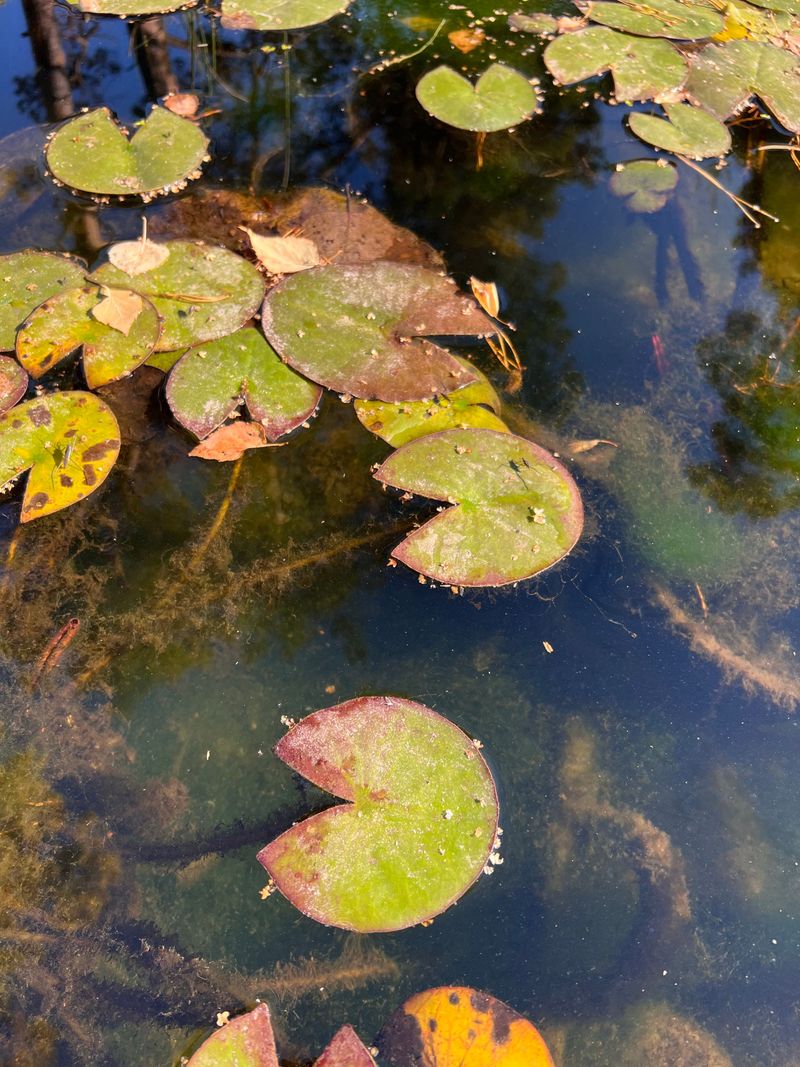
Sightings follow a pretty steady calendar here. Water snakes usually wake from winter rest around late March or April, once the days warm up.
Early spring is when people notice them most. The snakes bask a lot to warm up, and they gather to mate in April and May.
You might even see a few tangled together on a bank, which startles plenty of homeowners. Summer brings busy hunting. On very hot days, they often hunt in the morning, evening, or even at night.
Late summer is birth season, so tiny six to ten inch babies suddenly pop up along the shoreline.
By October or November, the snakes head for winter shelters. They tuck into rock piles, muskrat burrows, banks, and root tangles close to water.
Southern counties can see activity a little later in the fall than the cooler northern highlands.
Knowing this rhythm helps a lot. A snake sighting in April or August is perfectly normal behavior, not a sign of an invasion. They have likely lived around your pond for years without you noticing at all.
Harming a Native Water Snake Can Land You in Legal Trouble
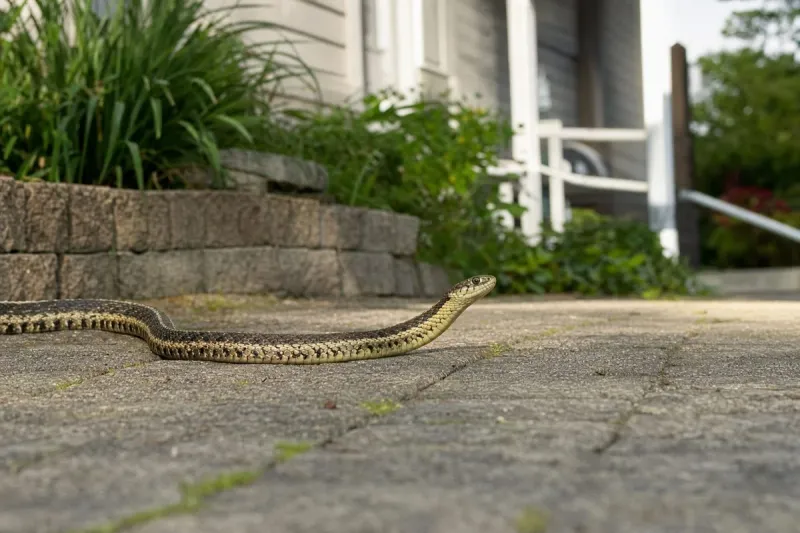
Grabbing a shovel feels like a natural reaction for some folks. Please put it down, because the law sides with the snake.
New Jersey protects its native snakes under state wildlife rules. Harming, collecting, or harassing them without permission is not allowed, and that includes common species like the northern water snake. Fines can apply.
Safety is another reason to back away. Most snake bites happen when people try to handle or harass the animal. Standing still or stepping back is the safest move for you, your kids, and your pets.
Keep dogs on a leash near the pond edge if a snake shows up often. Curious pups tend to sniff and paw, which invites a defensive bite.
A bite is painful but not venomous, though a vet check is still smart. Worried about a snake near a play area? A garden hose gently sprayed nearby usually encourages it to move on.
For a stubborn or truly unknown snake, contact the New Jersey Division of Fish and Wildlife or a licensed wildlife control operator. They can identify it and help safely.
Make Peace With Your Pond Snake Using a Few Easy Habits
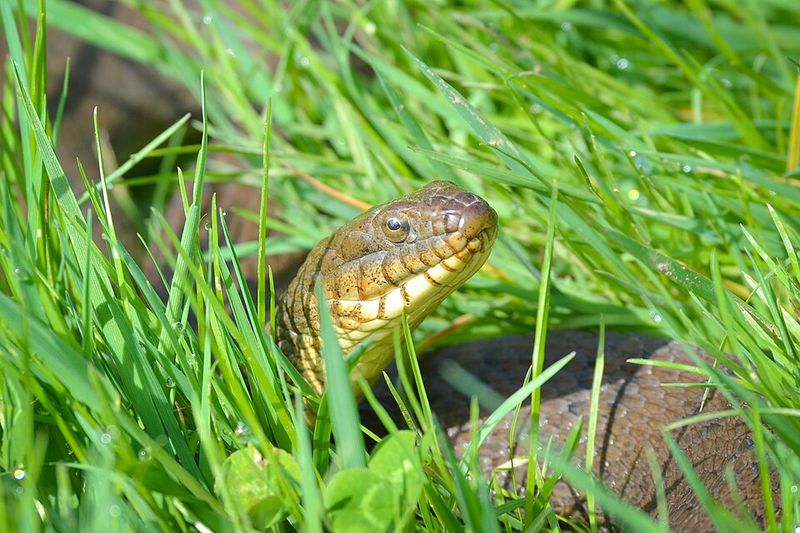
Living with a water snake turned out easier than I expected. A few small habits keep everyone comfortable.
Start by trimming tall grass and weeds along the paths you walk most. Snakes still use the pond, but you will see them sooner and avoid surprise encounters. Keep at least one wilder, planted edge so frogs and dragonflies have a home too.
Clear away loose junk like old boards, tarps, and scrap piles near the water. Those spots make cozy hiding places right where people step. Rock features are fine, just place them away from seating areas.
Wear closed shoes and gloves when cleaning pond edges or pulling plants. Look before reaching into thick growth or under floating leaves. Simple awareness prevents nearly every bad moment.
Most of all, give curiosity a chance. Grab binoculars, watch the snake hunt or bask, and maybe snap a photo for an identification app or local nature group.
Many gardeners, me included, end up proud of their slithery tenant. A healthy pond with snakes, frogs, and fish is a sign your backyard is working the way nature intended.