This Compact Tree Is A Cold-Hardy Japanese Maple Alternative For Michigan Front Yards
Michigan winters have a way of humbling even the most confident gardeners. You fall for a delicate, Japanese-maple look, plant it with high hopes, and by spring you’re staring at bare branches wondering what went wrong.
Here’s the thing most nurseries won’t tell you upfront: not every graceful, colorful tree needs to struggle through a Zone 4 winter. Some handle the cold like it’s nothing.
There’s a small ornamental tree quietly thriving in front yards across the Midwest, built for exactly this climate, yet still delivering that same show-stopping fall color and elegant silhouette gardeners crave.
If you’re rethinking your front yard this season, or filling a gap where something else once stood, this pick might be the answer you didn’t know existed. Stick around, because the reveal is worth it.
A Reliable Pick For Michigan Front Yards
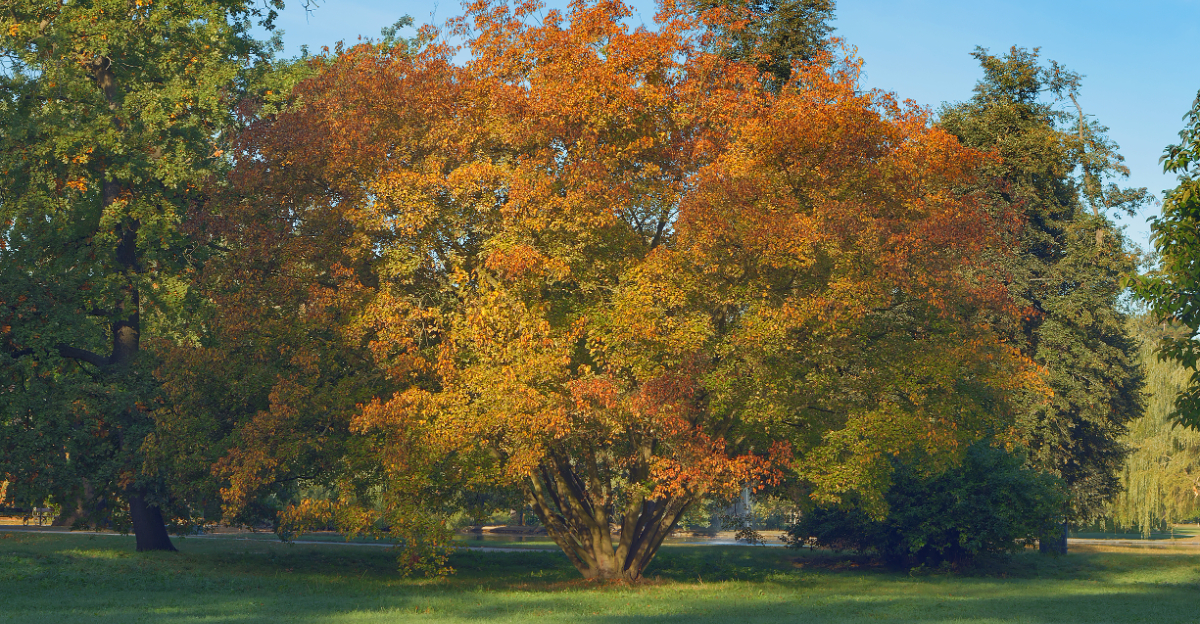
Neighbors will take a second look at your front yard. The Amur maple is the kind of tree that earns that reaction effortlessly.
This resilient front-yard favorite thrives where other ornamental trees struggle. It handles Zone 3 and Zone 4 winters without a single complaint.
Most Japanese maples are rated for Zone 5 at best. That one-zone difference is enough to turn a beautiful tree into a bare stick by February.
Amur maple skips that disappointment altogether. It was originally brought to North America from eastern Asia, where winters are equally punishing and unforgiving.
Michigan gardeners get a tree that looks elegant but acts tough. That combination is hard to find in the ornamental tree world.
You get the fine-textured leaves, the multi-season interest, and the compact size that fits a typical front yard without crowding the house. No power line worries, no root damage to the driveway.
This tree tops out around 15 to 20 feet tall. That scale works perfectly alongside a front walkway or anchoring a corner planting bed.
Landscapers across the Midwest have quietly been recommending Amur maple for decades. It just didn’t get the flashy marketing that Japanese maple received.
Once you plant one and watch it blaze orange and red in October, you will wonder why you waited so long. Your front yard will look anything but ordinary.
The Secret Behind Amur Maple’s Winter Toughness
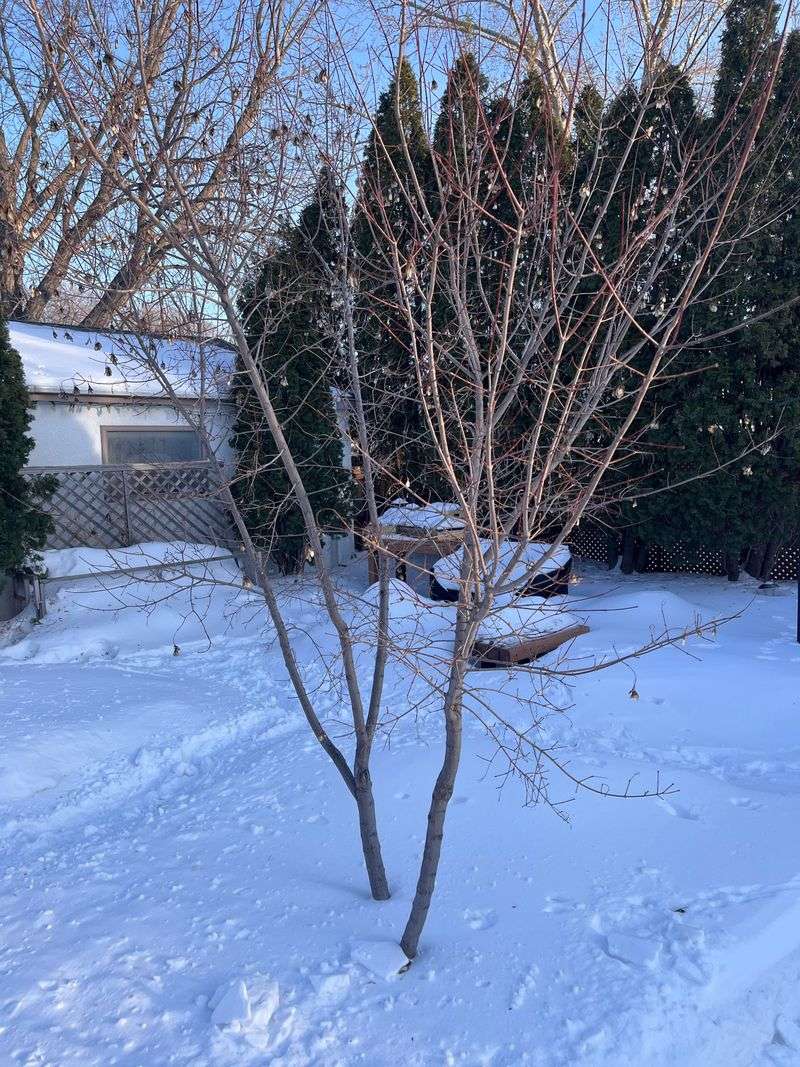
Minus 30 degrees will not rattle this tree one bit. Amur maple evolved in the coldest corners of northeastern Asia, where winters make Michigan look mild.
The tree’s cold hardiness comes from a deep genetic resilience. Its cells tolerate the freeze-thaw cycles that crack and damage less-adapted ornamentals.
Japanese maples, by contrast, originated in the milder climates of Japan and Korea. Their cells simply were not built for the kind of cold that rolls off Lake Michigan in January.
Amur maple handles late spring frosts too, which is a huge bonus in the Great Lakes region. A surprise frost in May can wipe out new growth on tender trees.
This compact cold-hardy alternative shrugs off that late chill and keeps growing. Its buds are naturally more resistant to temperature swings than most ornamental maples.
Your Michigan Garden Changes Every Week. Your Plan Should Too.
Gardening in Michigan changes quickly throughout the season. Every Friday you’ll receive a simple weekly plan showing exactly what to plant, prune, fertilize, harvest, and protect so you never miss the right timing.
The bark is also notably tough. It does not crack or split under repeated freeze-thaw pressure the way thin-barked ornamentals often do.
Established Amur maples rarely need winter wrapping or burlap protection. That saves you time, money, and a lot of weekend frustration in November.
Root systems stay healthy through hard freezes because the tree goes fully dormant in autumn. It knows exactly when to shut down and wait out the cold.
When spring arrives, Amur maple wakes up fast and strong. That kind of reliable return is exactly what a Michigan front yard needs from a feature tree.
Size And Growth Habit Compared To Japanese Maple
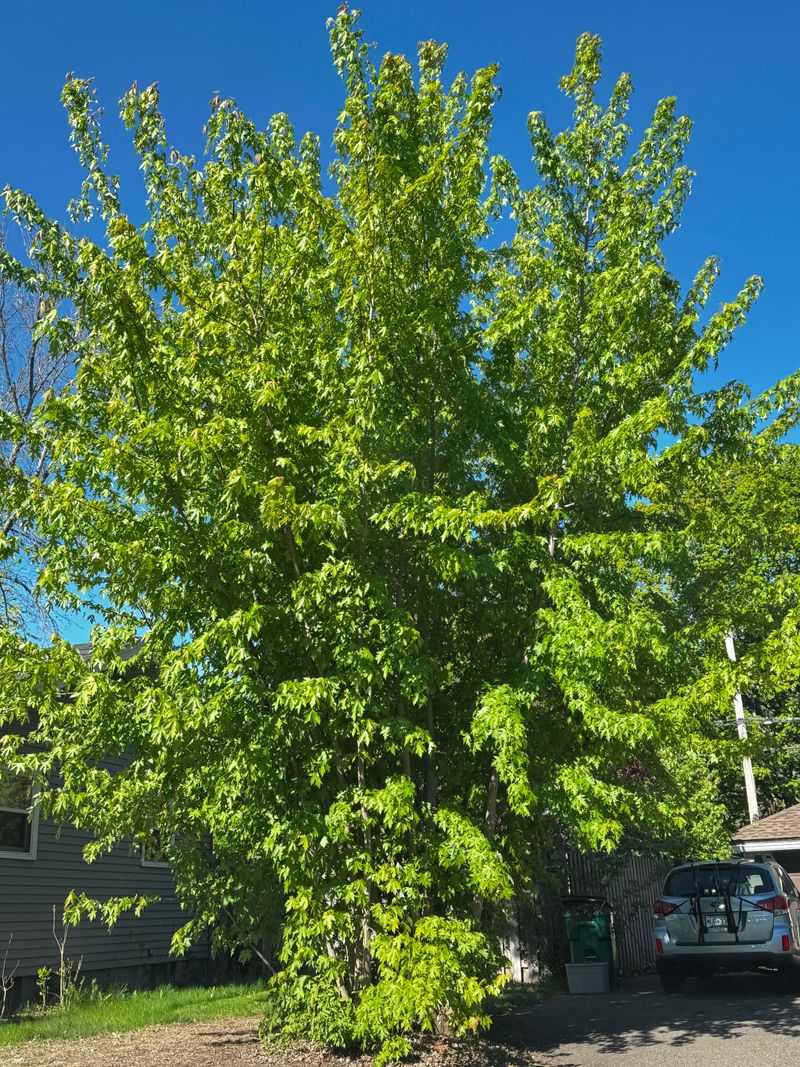
Scale matters in a front yard more than almost anything else. Plant the wrong-sized tree and you spend years fighting it back or watching it swallow your house.
Amur maple grows 15 to 20 feet tall with a spread of roughly 15 to 25 feet at full maturity. That is a very manageable size for most residential lots.
Japanese maples vary widely, but many popular cultivars top out between 10 and 25 feet. The two trees are genuinely comparable in scale, which surprises a lot of gardeners.
The leaf shape on an Amur maple is three-lobed and somewhat resembles the classic maple silhouette. It does not have the deeply cut, feathery look of a Japanese maple, but it is still elegant and refined.
Growth rate is moderate, reaching about 10 feet in the first five years under good conditions. You are not waiting forever to enjoy the effect.
The branching habit is naturally rounded and layered, which gives it a sculptural quality. No heavy pruning is needed to maintain a pleasing shape.
It can even be grown as a large multi-stem shrub for a fuller look. That flexibility gives you more design options than a single-trunk tree allows.
A multi-stem form looks stunning in a corner bed or flanking a front entrance. The layered branching catches light beautifully in every season.
For tight spaces or smaller lots, Amur maple fits where other ornamental trees simply cannot. That practicality is one of its most underrated strengths.
Best Planting Conditions For Front Yard Success
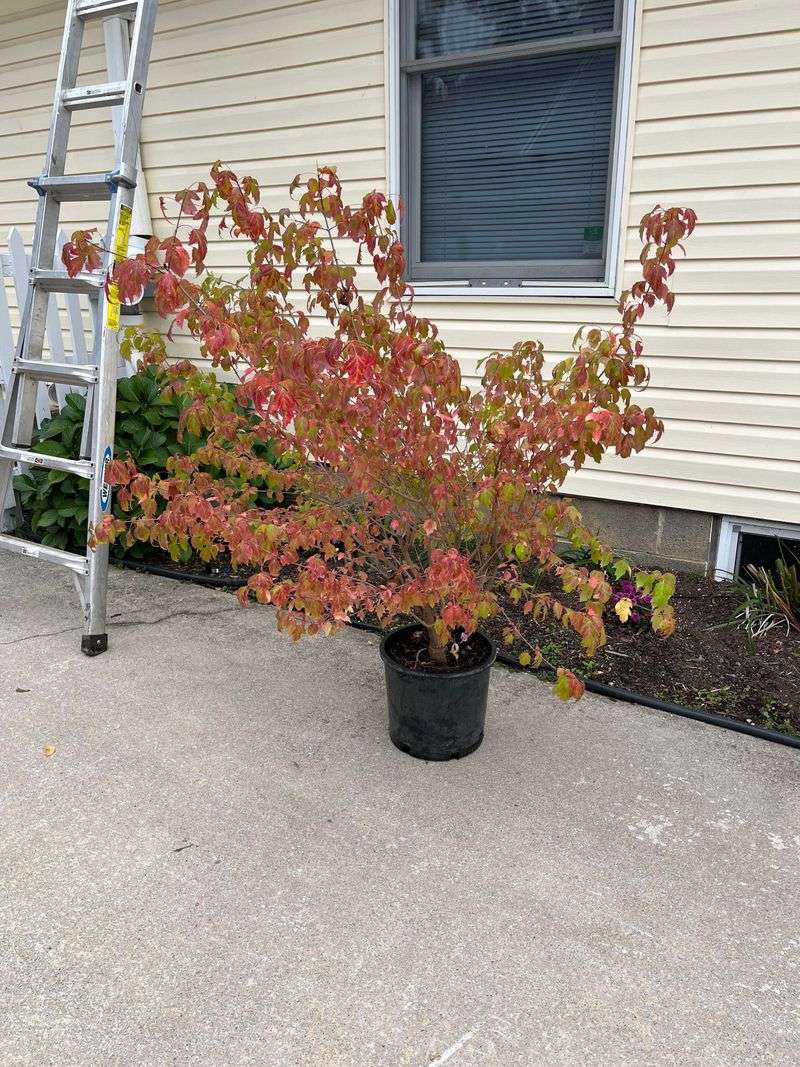
Getting a tree off to a strong start is half the battle. Amur maple is forgiving, but giving it the right conditions sets you up for decades of success.
Full sun is ideal, but this tree tolerates partial shade better than many ornamentals. Aim for at least six hours of direct sunlight for the richest fall color.
Soil adaptability is one of Amur maple’s biggest selling points. It grows in clay, loam, and even sandy soils, which covers most of what Michigan yards throw at it.
Good drainage matters more than soil richness. Avoid planting in low spots where water pools after rain, since soggy roots invite problems over time.
Dig a hole twice as wide as the root ball but no deeper than the root flare. Setting the tree too deep is one of the most common planting mistakes homeowners make.
Backfill with the native soil you removed rather than amended mix. Amur maple adapts better when it starts interacting with the actual ground it will grow in.
Water deeply and slowly right after planting. Then water every few days for the first two weeks to help the roots establish before summer heat sets in.
A three-inch layer of wood chip mulch around the base regulates soil moisture and temperature. Keep the mulch pulled back a few inches from the trunk to prevent rot.
Planting in early spring or early fall gives the roots time to settle before extreme temperatures arrive. Timing your planting right makes every subsequent step easier.
Seasonal Color And Landscape Appeal
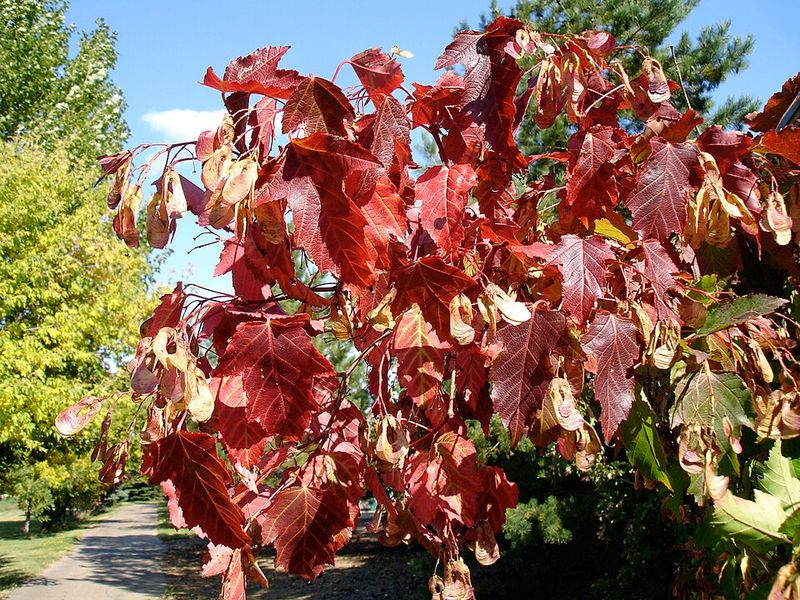
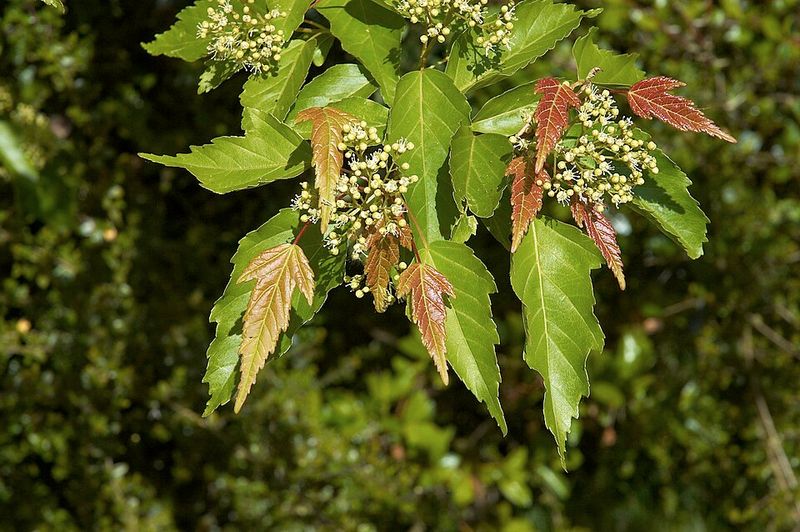
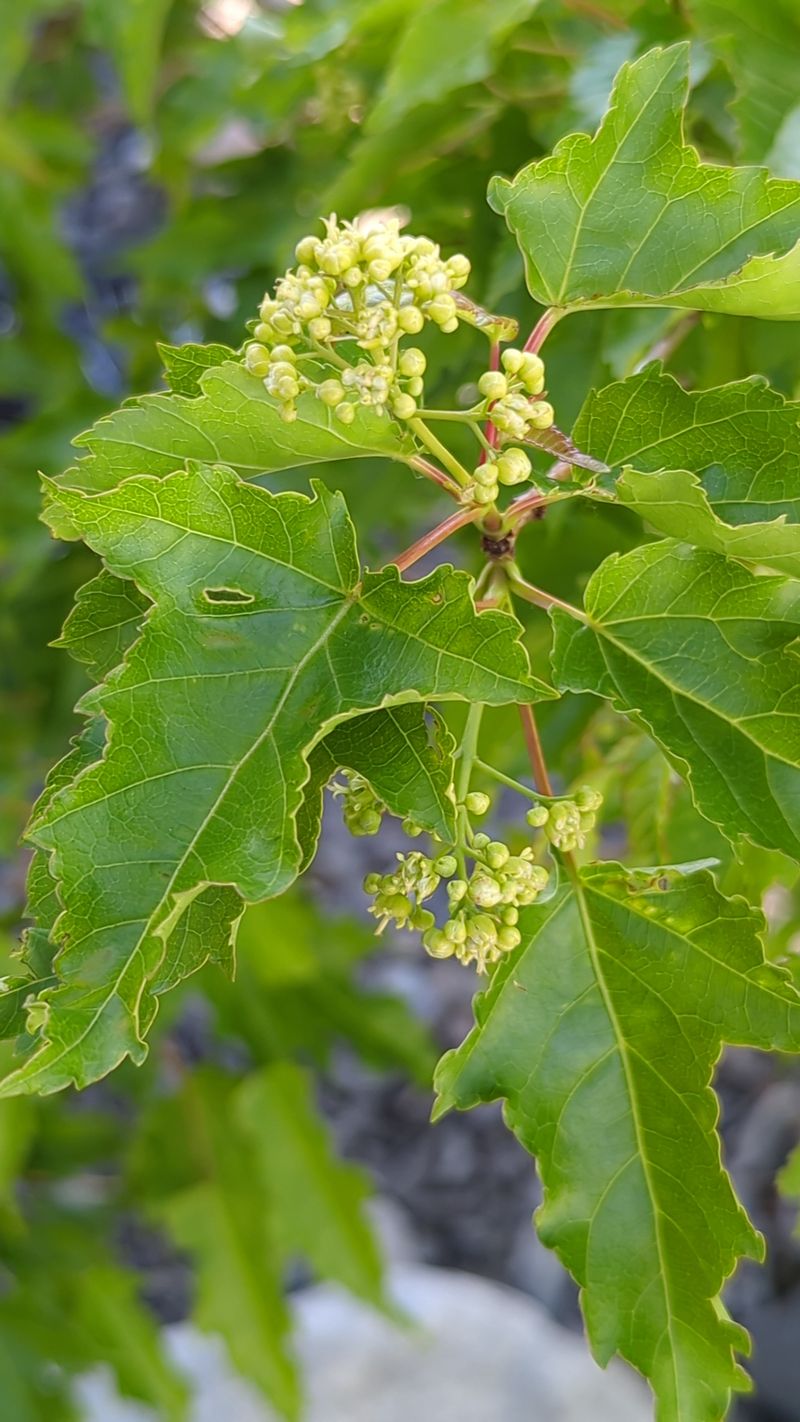
Spring brings something most people do not expect from a maple tree. Amur maple produces small, fragrant, yellow-green flower clusters in April that attract early pollinators.
Those flowers fade into samaras, the winged seed pairs that turn bright red or pink in early summer. That pop of color is unusual and genuinely eye-catching on a green landscape.
Summer foliage is a clean, medium green that holds its color well through heat. The leaves do not scorch or fade the way some ornamentals do in dry summers.
Then autumn arrives and the real show begins. Amur maple turns vivid shades of orange, red, and sometimes scarlet, depending on the season and sun exposure.
The fall color rivals what you would expect from a Japanese maple, which still surprises people seeing it for the first time. That reaction is part of what makes this tree so satisfying to grow.
Winter reveals an attractive branching structure that adds texture to a bare front yard. The gray bark and layered limbs look sculptural against snow.
Multi-season interest is rare in a single tree, and Amur maple delivers it without any extra effort from you. That four-season performance is exactly what landscape designers look for in a feature plant.
Pairing it with evergreen shrubs in the background amplifies the fall color dramatically. The contrast between bright red leaves and dark green needles is visually stunning.
Your front yard will have something worth noticing in every single month of the year. That is a standard most trees simply cannot meet.
Care Tips For Long Term Tree Health
Low maintenance does not mean no maintenance. Amur maple rewards a little annual attention with decades of healthy, beautiful growth.
Pruning is best done in late winter or very early spring before new growth emerges. Removing damaged or crossing branches at that time keeps the canopy open and air flowing.
Avoid heavy pruning in summer or fall, since wounds heal more slowly during those seasons. Late-season cuts can also invite disease into fresh tissue before dormancy sets in.
Fertilizing is rarely necessary in average soil. If growth seems sluggish or leaves look pale, a balanced slow-release fertilizer in early spring can give the tree a boost.
Watch for aphid clusters on new growth in late spring. A strong spray of water from a hose usually handles small infestations without any chemical treatment.
Verticillium wilt is the most serious disease threat to maples in general. Buying from a reputable nursery and avoiding soil compaction around the roots reduces that risk significantly.
This resilient little maple rarely needs irrigation after its first two years. Established roots go deep enough to find moisture on their own.
Renew the mulch ring each spring to keep weed competition down and moisture levels steady. A fresh layer of wood chips also gives the base of the tree a tidy, finished look.
Consistent light care beats occasional heavy intervention every time. A well-tended Amur maple can anchor your front yard for decades.