What The Spread Of Mediterranean Oak Borer Means For Native Oregon Trees
Oregon’s oak country can look almost unshakable.
Those wide limbs, rough trunks, and open canopies have handled summer drought, winter rain, wind, grazing, and generations of change.
They shade pastures, frame neighborhoods, hold wildlife, and make the Willamette Valley feel like home.
Now the problem is not loud. It is not chewing leaves in plain sight. It is tiny, quiet, and working where most people rarely look.
One branch fades. A little dust collects near bark. A stain appears on wood that looked normal last month. The tree may still look mostly fine, which makes the whole thing more unsettling.
That is why Oregon gardeners and landowners need sharper eyes, not panic.
This pest does not turn every oak into an emergency. It does mean mature native trees deserve closer attention, better care, and smarter wood movement.
So what does this spread really mean for Oregon’s oaks, and what should you watch before the warning signs become harder to miss?
1. Oregon White Oaks Face A New Vascular Threat
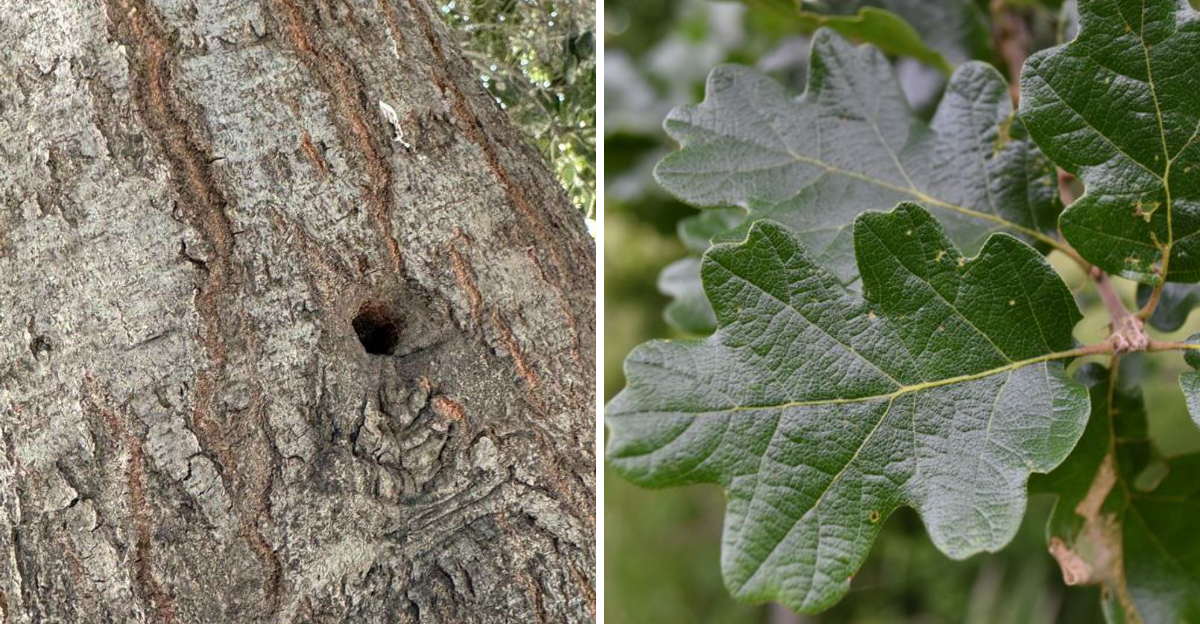
Oregon white oak is the tree at the center of this story.
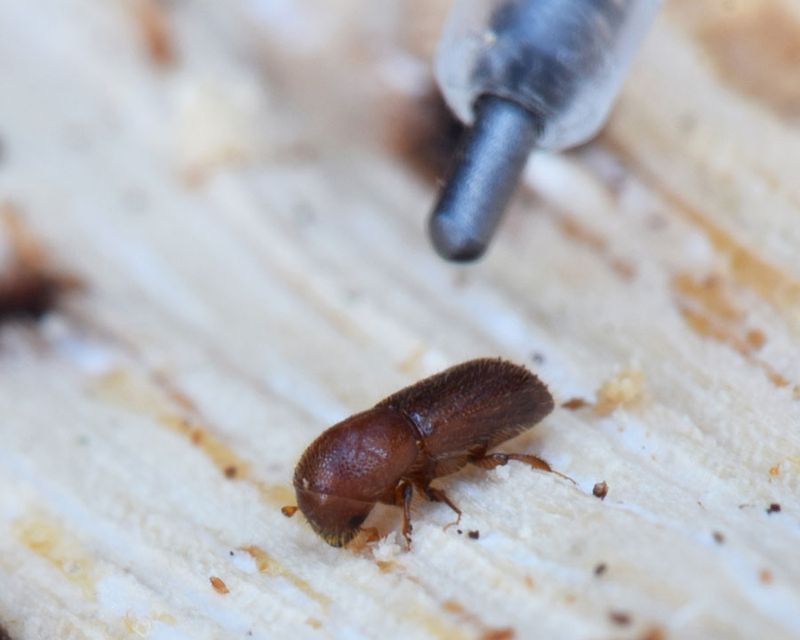
The Mediterranean oak borer is listed in official Oregon materials as Xyleborus monographus, a tiny ambrosia beetle first detected in Oregon in 2018.
It has since become a serious concern because Oregon white oak, Quercus garryana, has shown susceptibility to the beetle and its associated fungi.
This is not a leaf-munching pest that leaves obvious holes across the canopy.
The beetle bores into woody tissue and brings fungi with it. Those fungi become food for the beetle, but they can interfere with the tree’s water-moving system.
That is where the real trouble starts.
Oaks rely on internal vascular tissue to move water from roots to branches and leaves. Once that system gets disrupted, a branch may start to fade while other parts of the tree still look normal.
Very rude behavior from something only a few millimeters long.
Oregon white oak already carries huge ecological value. It supports insects, birds, mammals, and open woodland habitats that took centuries to form.
A mature oak is not easily replaced. Planting a sapling matters, but it does not recreate an old tree’s structure overnight.
This threat means every large native oak deserves a little more attention now.
Not fear. Attention.
2. Stressed Urban Trees May Show Trouble First
Urban oaks often live with a long list of insults.
Sidewalks press above roots. Cars park under canopies. Construction cuts through soil. Irrigation misses the root zone. Summer heat bakes compacted ground. Then everyone expects the tree to act majestic anyway.
Mature urban Oregon white oaks have been a particular focus in Oregon forest health materials, especially where roots are crowded by infrastructure. Roots can extend well beyond the canopy, so damage far from the trunk can still matter.
Stress does not magically create Mediterranean oak borer.
That point matters. A stressed tree is not automatically infested, and a healthy-looking tree is not automatically protected.
Still, stressed trees may have fewer reserves for dealing with drought, injury, fungi, and insect pressure all at once.
Your Oregon Garden Changes Every Week. Your Plan Should Too.
Gardening in Oregon changes quickly throughout the season. Every Friday you’ll receive a simple weekly plan showing exactly what to plant, prune, fertilize, harvest, and protect so you never miss the right timing.
Give urban oaks more room where possible. Keep vehicles, soil piles, stacked materials, and heavy foot traffic away from the root zone.
Avoid trenching near mature trees. A utility project can hurt roots long before leaves show the damage.
Water deeply during long dry stretches where site conditions allow. A slow soak across the root zone helps more than a quick splash at the trunk.
Mulch can help too, but keep it broad and thin. Do not pile it against bark like a damp scarf.
Urban trees already work hard.
Better root-zone care gives them fewer problems to juggle.
3. Healthy Looking Oaks Are Not Automatically Safe
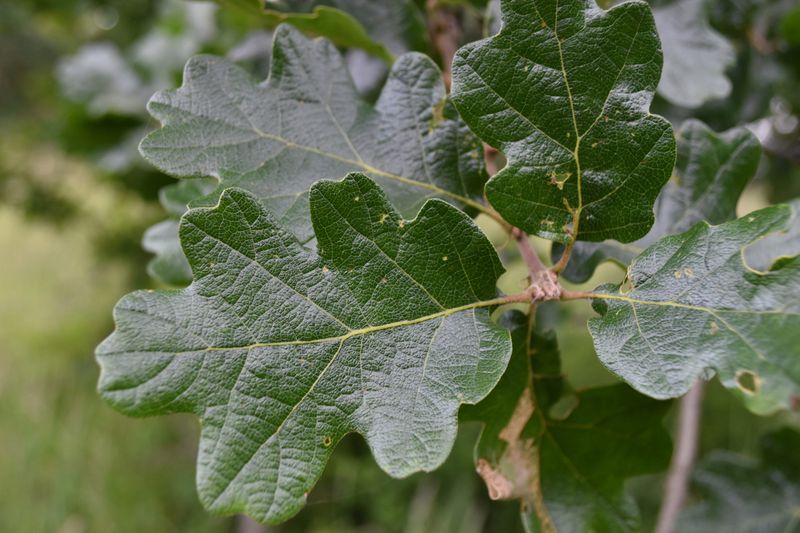
A green canopy can be a very convincing disguise.
One hard part of Mediterranean oak borer detection is that internal activity may begin before the whole tree looks stressed. A tree can carry a mostly full crown while one branch or section starts changing.
That delay makes quick driveway checks less useful than repeated observation.
Take a photo from the same spot every week or two during the growing season. It sounds simple, but it gives you a record your memory cannot always provide.
Watch for one branch that changes faster than the rest. Early browning, sudden thinning, or leaves that linger after the branch fades deserve a closer look.
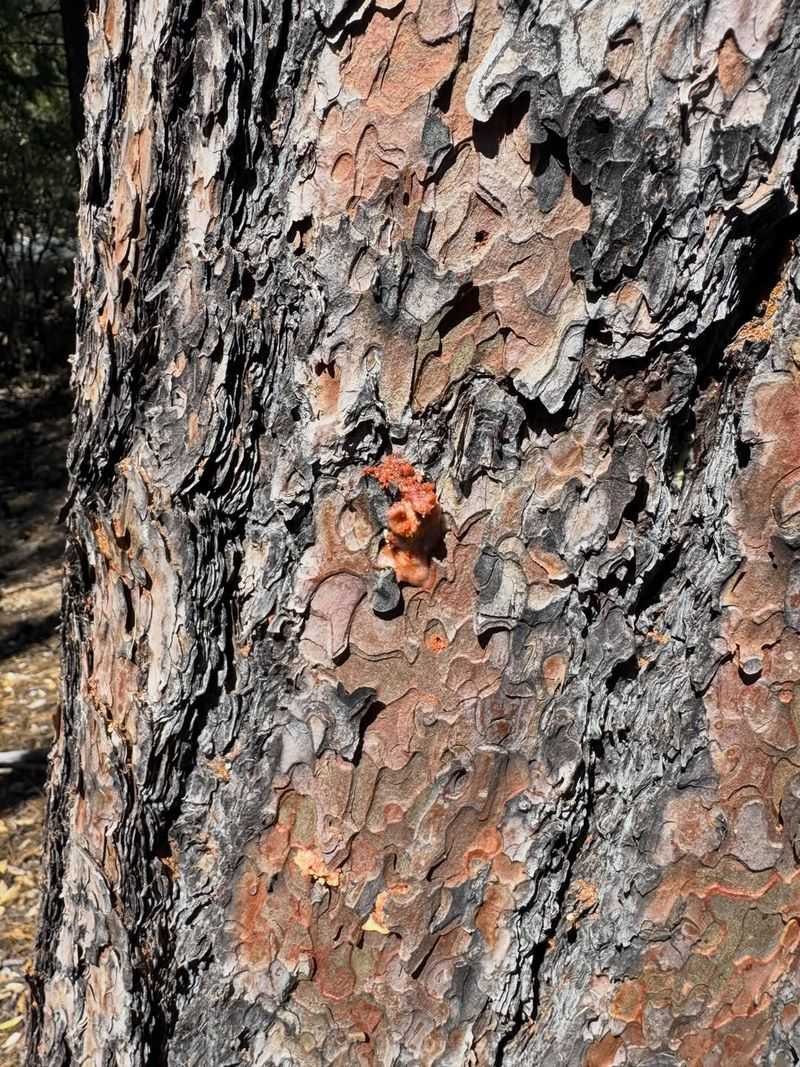
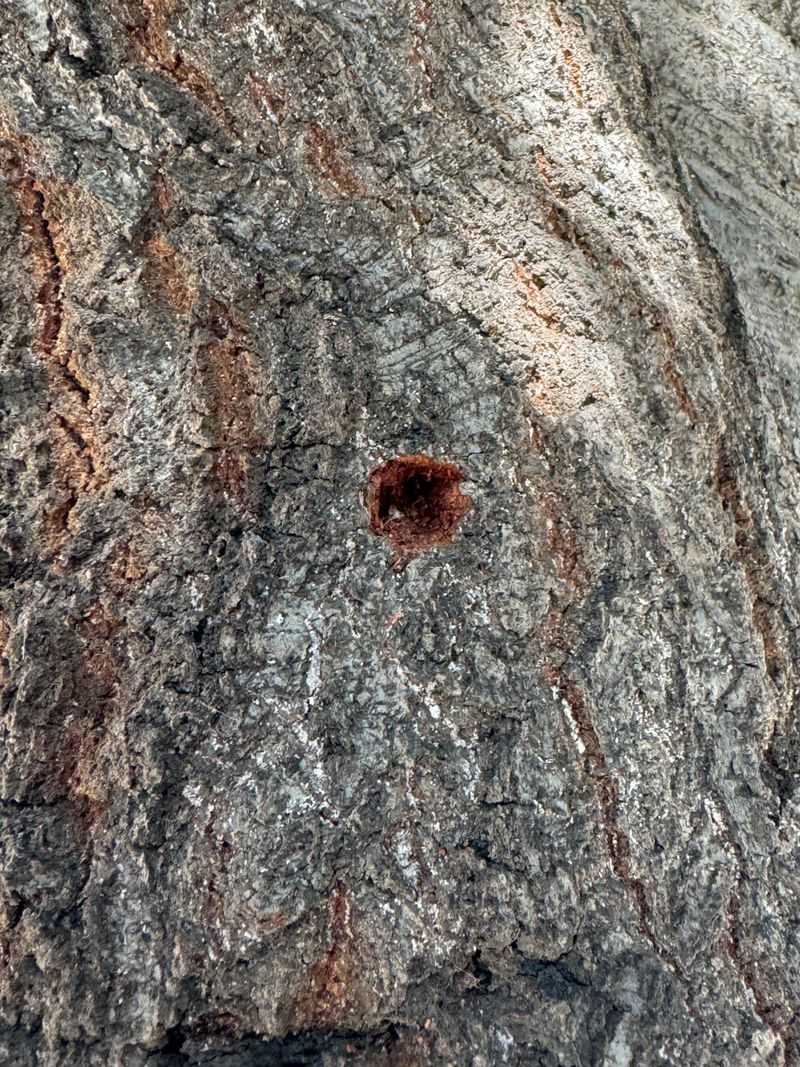
Check the trunk and larger branches from the ground. Look for tiny entry holes, fine boring dust, dark staining, or wet-looking patches.
Do not start cutting, scraping, drilling, or peeling bark to play tree detective.
The tree does not need surprise surgery from someone holding a pocketknife and a theory.
Document what you can see without causing extra harm. Whole-tree photos show the pattern. Close-ups show details.
Write down dates too. A symptom that appeared suddenly matters more than one that has looked the same for years.
A healthy-looking oak may truly be fine.
The smarter move is learning its normal look now, so subtle changes stand out later.
4. Canopy Thinning Can Advance Quickly
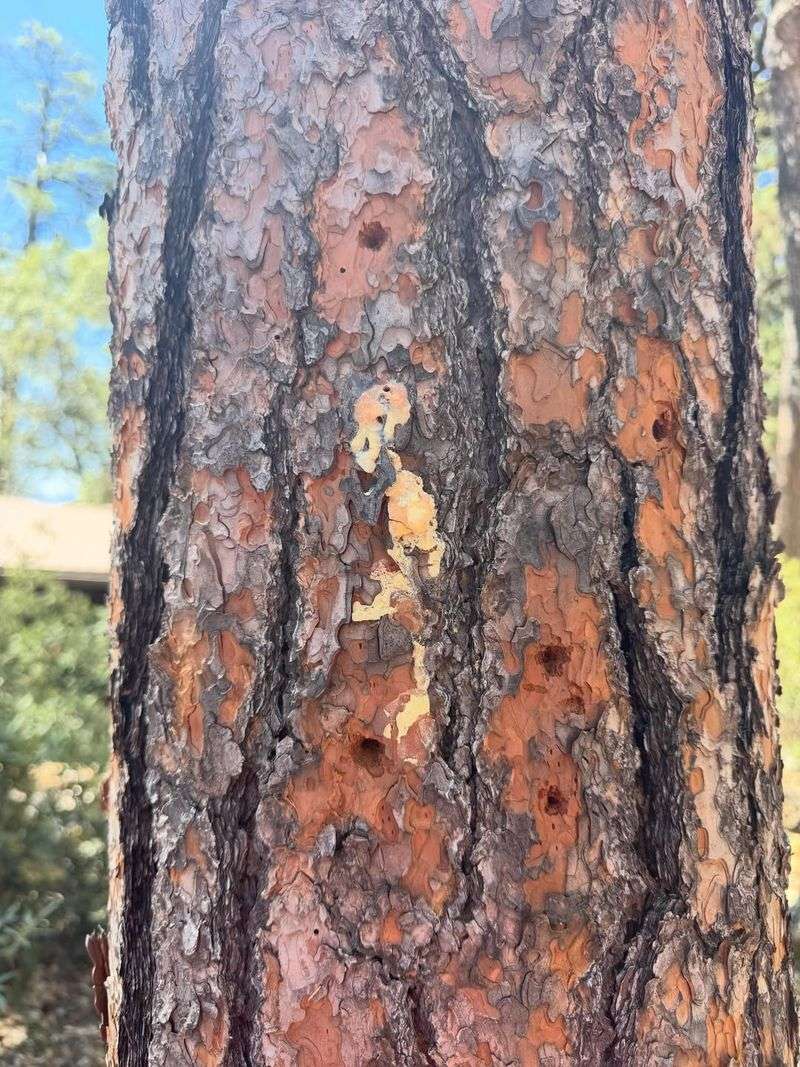
Canopy thinning is the sign that should slow your walk.
One thinning branch might not sound dramatic, but on an oak, pattern matters. Mediterranean oak borer concern rises when an entire branch declines while the rest of the canopy still looks fuller.
Oregon forest health materials list sudden branch decline as a common visible symptom tied to this pest.
Other clues may appear on bark.
Fine boring dust can collect near small holes. Dark staining may show where sap, fungi, and beetle activity interact beneath the surface. Branch flagging can make part of the canopy look scorched or ragged.
None of those clues prove the pest on their own.
Drought, root damage, decay, other insects, and old storm injuries can also make an oak look rough. Oaks are dramatic historians. They carry evidence from many years.
That is why guessing is risky.
Take clear photos first. Get the whole tree, the affected limb, the trunk, and any holes, dust, or staining.
Do not haul cut limbs across town for someone else to inspect. Suspicious oak wood should stay put until proper guidance is clear.
A certified arborist or official pest reporting channel can help sort the cause.
The goal is not instant action.
The goal is useful evidence before the tree’s condition changes again.
5. Firewood Can Carry The Pest Farther
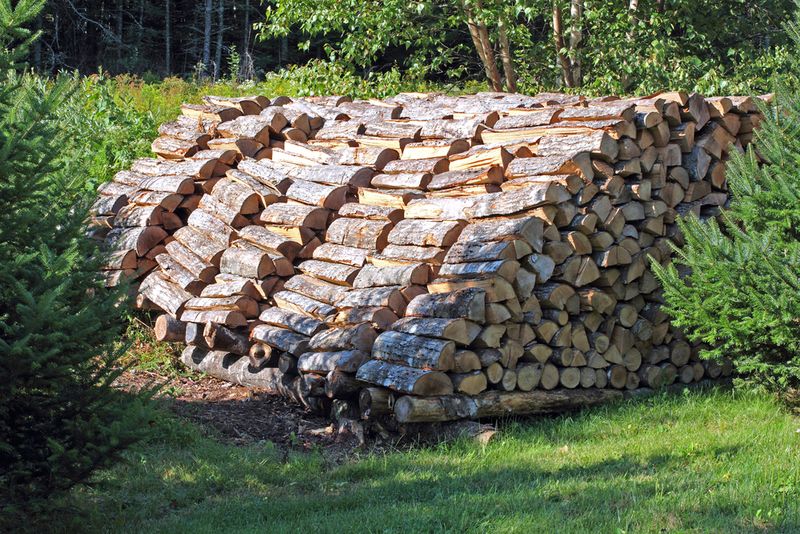
Firewood can be a pest taxi.
That sounds silly until it becomes serious. Wood-boring insects can hide inside logs, and moving that wood can move the problem into a new neighborhood, park, campground, or watershed.
Oregon firewood guidance warns that invasive forest pests can travel in cut wood, and current recommendations stress local firewood use rather than hauling wood long distances.
That means oak firewood deserves extra caution right now.
Do not move oak logs from a tree with suspicious decline to another property. Do not toss leftover oak firewood into the truck after a camping trip and bring it home.
Buy firewood close to where you plan to burn it. Burn it there. Leave the heroic long-distance wood transport to absolutely nobody.
Fresh branches, chips, and logs from symptomatic oaks should not move casually either.
Ask local forestry or pest officials for disposal guidance before transporting suspect material. The right option may depend on location and risk.
Chipping, burning on site where allowed, or other approved methods may reduce spread risk, but guessing is not the best plan.
The annoying part is that infested wood can look fairly ordinary.
That is exactly why the simple rule works so well: keep oak wood local, especially from areas with known or suspected problems.
A small firewood choice can protect a very large oak landscape.
6. Early Reporting Shapes The State Response
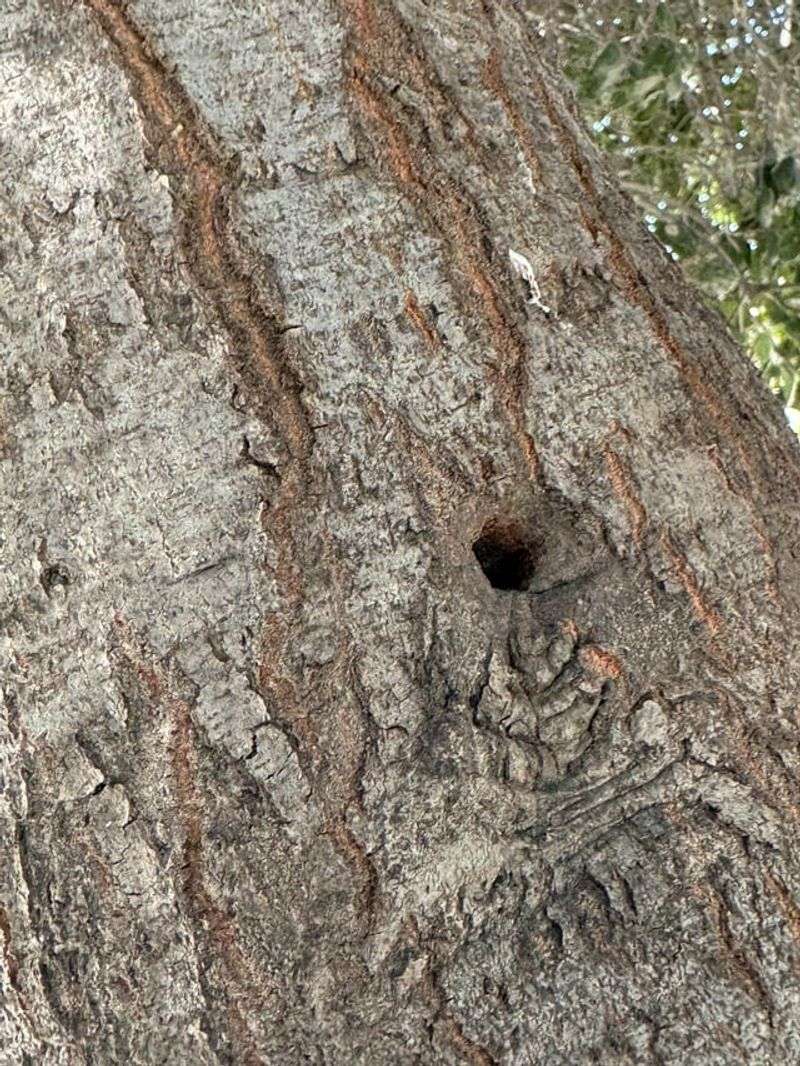
One careful report can matter.
A single landowner noticing one strange oak branch may not feel important. But pest tracking depends on small observations that build a clearer map.
Those reports help experts decide where surveys should happen next and where new detections may be forming.
Start with photos. Take one from far enough away to show the whole tree.
Then move closer, safely, and photograph the affected branch, entry holes, boring dust, dark staining, or unusual bark areas.
Record the location. A street address, GPS pin, park name, or clear property description is useful.
Add dates. Note when the symptoms first appeared and how quickly they changed.
Do not send random pieces of bark or wood through the mail without instructions. Surprise mystery sticks are not the gift diagnostic labs dream about.
Official Oregon pest pages direct residents toward reporting suspicious finds through state channels and invasive species reporting systems. Reports help shape the response as knowledge of this pest continues to develop.
Good reporting is not dramatic.
It is a few photos, a location, a date, and enough patience to let trained people confirm what is actually happening.
That is how a worried homeowner becomes part of the solution instead of part of the rumor mill.
7. Long Term Oak Planning Starts Now
Old oaks require long thinking.
Mediterranean oak borer is not the only pressure on Oregon white oak. Habitat loss, competition from other vegetation, drought stress, development, and past land-use changes have already reduced many oak systems.
New pest pressure adds urgency to work that already mattered.
Start with the trees already standing.
Protect mature oaks from root disturbance. Keep soil from being compacted beneath and beyond the canopy. Avoid raising or lowering the grade around roots.
Water stressed urban trees during long dry spells where appropriate. Slow, deep watering is better than frequent surface splashing.
Keep younger oaks coming along. A sapling in the right place is future canopy, future acorns, and future habitat.
Give young oaks sun and space. Too much competition from surrounding trees and shrubs can limit growth.
Planting should not rely on one species everywhere. Diverse native plantings around oak areas support insects, birds, and a more resilient landscape.
Avoid unproven pest treatments. The science around Mediterranean oak borer management in Oregon is still developing, and recommendations may shift as experts learn more.
Stay connected to current forest health updates.
The future of Oregon’s oaks will not come from one dramatic rescue. It will come from many smaller choices: watching, reporting, protecting roots, moving wood carefully, and giving the next generation of trees room to grow.