This Flowering Plant Can Replace Tired Summer Annuals In Pennsylvania This Fall

Summer annuals in Pennsylvania have a predictable arc. They perform well in spring, push through the early summer heat, and by late August most of them are looking exactly as tired as the season feels.
Leggy, faded, and clearly past their best. Most Pennsylvania gardeners pull them out and assume the color chapter of the season is finished. It doesn’t have to end there.
There is a flowering plant that steps into exactly this gap, thriving in the conditions that finished off the summer annuals and producing blooms that carry genuine color through the Pennsylvania fall.
It handles the shift from summer heat to cooler fall nights without missing a beat, and it looks fresh and vibrant at a point in the season when most gardens are clearly winding down.
Here’s the flowering plant worth replacing your tired Pennsylvania summer annuals with right now and why fall is actually when it performs its best.
The One Flowering Plant For Fall Color
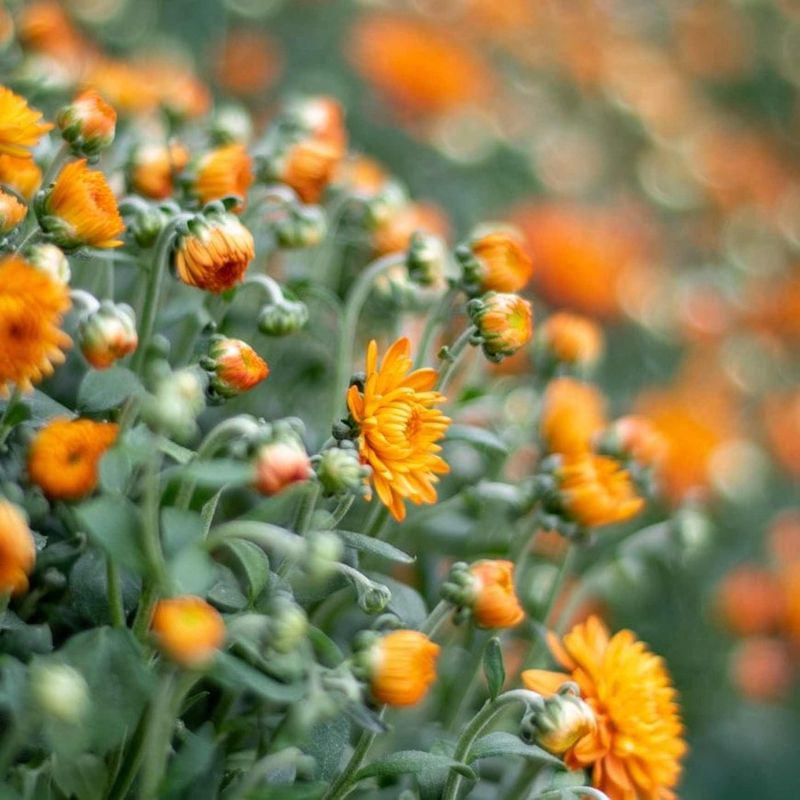
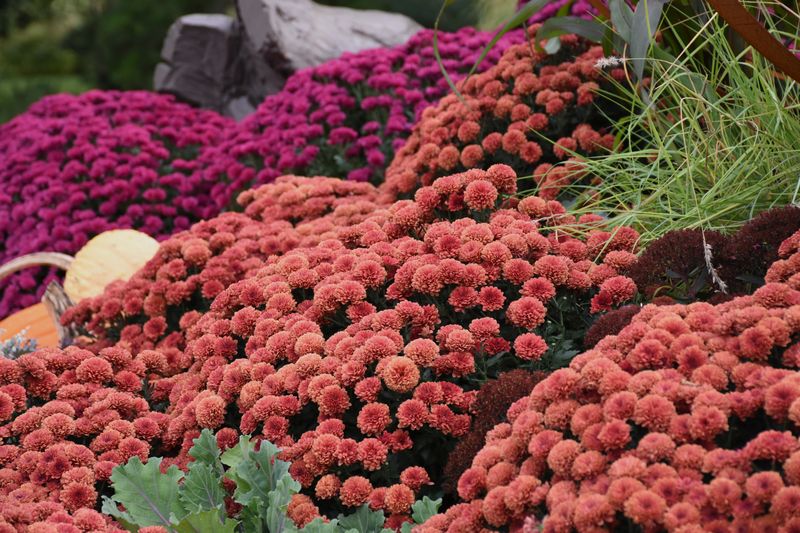
Picture a front porch draped in red, gold, and purple blooms just as the maple trees start turning. That is the magic garden mums bring to Pennsylvania yards every autumn.
Mums, short for chrysanthemums, have been a beloved fall favorite for generations. They arrive at garden centers right when tired summer annuals start slumping over.
Swapping out a leggy petunia for a mound of fresh mums instantly makes your space feel alive again.
One reason people love them so much is the sheer number of colors. You can find deep burgundy, sunny yellow, soft lavender, rusty bronze, and creamy white.
These shades pair beautifully with pumpkins, corn stalks, and hay bales.
The plants also come in a tidy, rounded shape that looks neat in pots and flower beds alike. A single mum can produce hundreds of tiny blooms, creating a full cushion of color.
That big payoff for little effort is hard to beat.
Setting them up is simple. Group a few pots by your door, or tuck several into an empty spot in the garden where summer flowers gave out.
They also fill window boxes nicely.
Here is a fun bit of history. Chrysanthemums have been grown for over 2,000 years, first in China where they were valued as both flowers and food.
For a quick garden refresh, few plants deliver more cheer per dollar. When your beds start looking tired, a trip to buy a couple of mums can turn things around in an afternoon.
That instant boost is why they remain a Pennsylvania staple.
Why Mums Bloom When Summer Flowers Fade
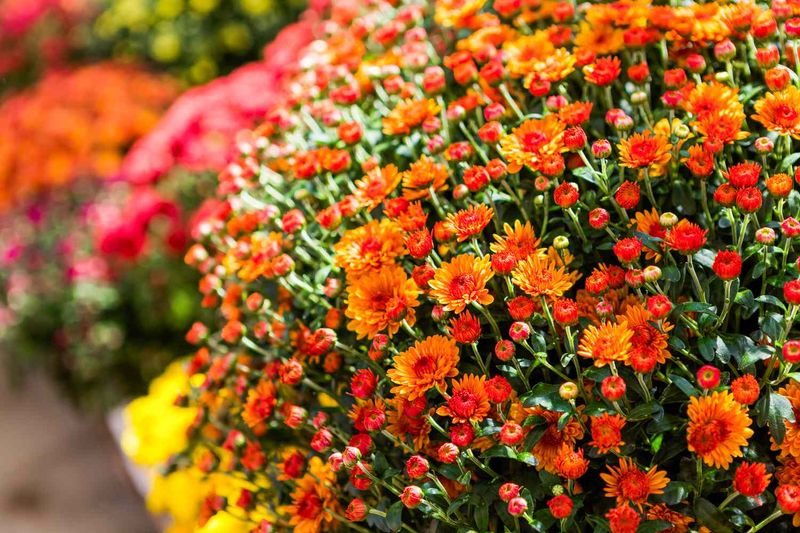
Ever wonder how mums know it is time to shine right when everything else is slowing down? The secret is hidden in the length of the day, not the temperature.
Mums are what gardeners call short-day plants. That means they set their flower buds when nights grow longer and days grow shorter.
As late summer slides into fall, the shrinking daylight sends a signal that tells the plant to start blooming.
Your Pennsylvania Garden Changes Every Week. Your Plan Should Too.
Gardening in Pennsylvania changes quickly throughout the season. Every Friday you’ll receive a simple weekly plan showing exactly what to plant, prune, fertilize, harvest, and protect so you never miss the right timing.
This natural timing is why summer annuals and mums feel like teammates passing a baton. Petunias and marigolds love the long, bright days of June and July.
Once those days shorten, they run out of steam.
Mums, on the other hand, are just getting warmed up. The cooler nights of September and October actually make their colors look richer and more vivid.
Growers use this trick on purpose. Some cover plants with cloth to block light and force early blooms for the market.
That is why you can spot mums in stores as soon as fall products roll out.
In your own yard, you do not have to do anything special. Nature handles the schedule for you.
Just keep the plants healthy and let the changing season do its work.
Understanding this timing helps you plan smarter. If you want the longest color show, look for mums that still have plenty of tight, unopened buds instead of ones already in full bloom.
Those buds will open slowly over several weeks. Knowing how mums respond to light turns you into a savvier shopper and a happier gardener each and every fall season.
Choose Hardy Garden Mums
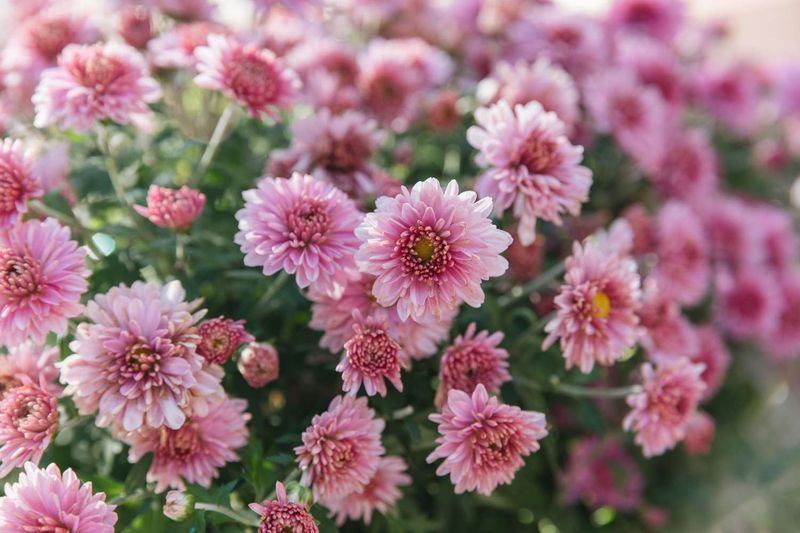
Not all mums are created equal, and picking the right kind can mean the difference between a one-season wonder and a plant that greets you next fall.
There are two main groups you will run into. Florist mums are grown for indoor displays and cut bouquets.
They look gorgeous but cannot handle Pennsylvania winters at all.
The ones you want for your garden are called hardy garden mums, sometimes labeled as garden mums or perennial mums. These varieties have been bred to survive cold weather and return in future years.
When you shop, flip over the plant tag and read it carefully. Look for words like hardy, perennial, or a listed cold zone.
Much of Pennsylvania sits in zones 5 through 7, so choose plants rated for those numbers or lower.
Names can help too. Series such as Mammoth and My Favorite are known for standing up to tough winters.
Asking a garden center worker which types come back reliably is always a smart move.
Keep in mind that even hardy mums need a fair chance to settle in before the cold arrives. The variety matters, but so does how and when you plant them.
A quick tip is to buy from a local nursery rather than a grocery store display. Local growers often stock tougher plants suited to your exact region.
Spending an extra minute reading labels saves disappointment later. By choosing genuinely hardy garden mums, you give yourself a real shot at enjoying the same plant blooming again and again, rather than treating it like a throwaway decoration.
Give Mums Sun And Well-Drained Soil
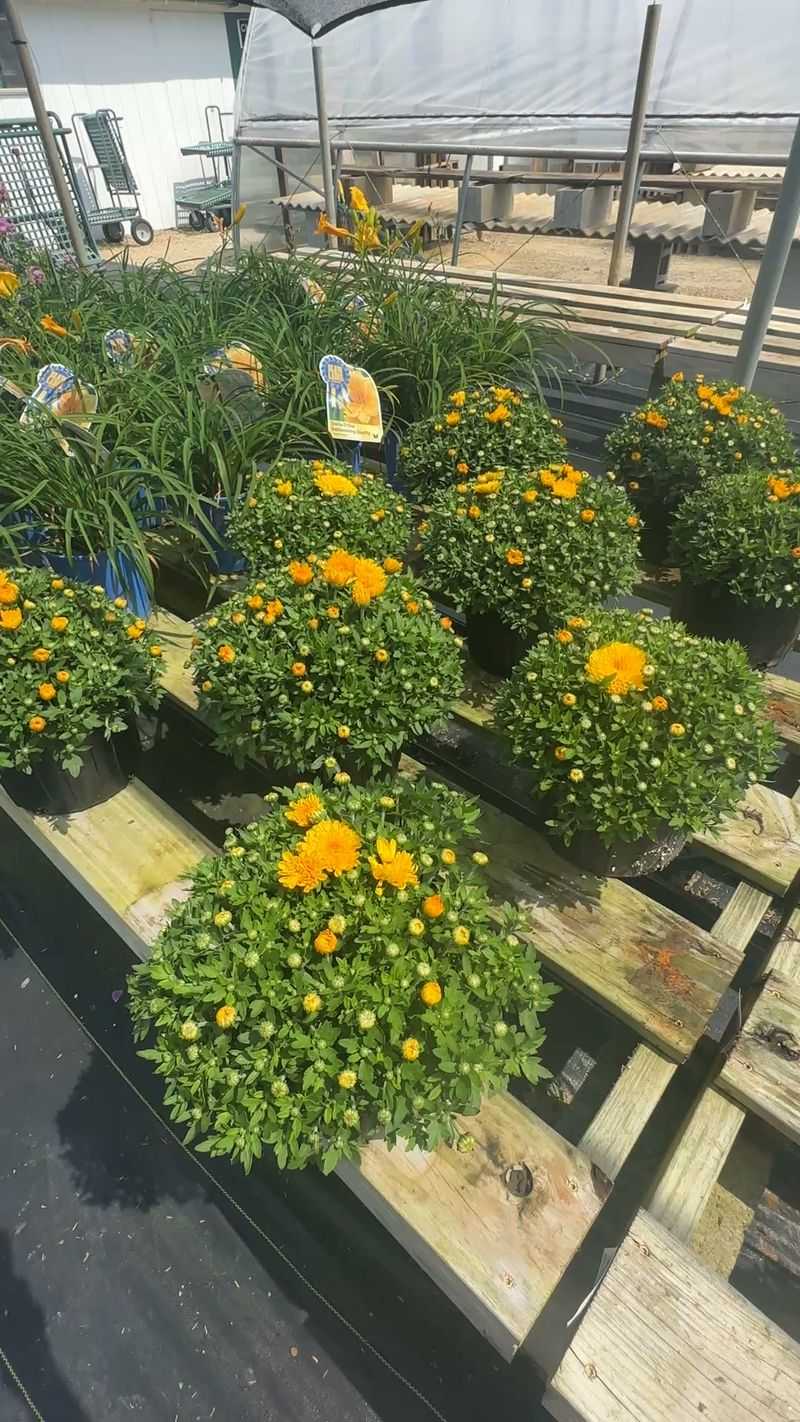
Give a mum what it craves and it will reward you with weeks of thick, colorful blooms. The good news is that its wish list is short and easy to meet.
Sunlight tops the list. Mums love a spot that soaks up at least six hours of direct sun each day.
More sun means more flowers and sturdier, bushier plants.
A shady corner will make them stretch and flop, with far fewer blooms. If you are placing pots, set them where the afternoon light reaches them.
Soil comes next, and drainage is the big deal here. Mums hate sitting in soggy ground where their roots stay wet for too long.
Water that lingers can cause the roots to rot.
Mix in some compost to loosen heavy clay soil, which is common across many Pennsylvania yards. This helps water flow through while still feeding the plant.
For potted mums, always use a container with holes in the bottom. Pair it with a quality potting mix so extra water can escape freely.
Watering deserves attention too. Mums like steady moisture, especially while blooming, but not a swamp.
Check the soil with your finger, and water when the top inch feels dry.
Potted plants dry out faster and may need a drink daily during warm spells. In-ground mums usually need less.
A little balanced fertilizer early on encourages strong growth, though you can skip it once buds form. Meet these simple needs of sun, good drainage, and even water, and your mums will look full, bright, and happy all season long.
Know The Limits Of Fall Planting
Here is a bit of honesty many garden shoppers never hear. A mum bought in October and popped into the ground may not survive to bloom again next fall.
The reason comes down to roots. When you plant in autumn, the ground is already cooling and the growing season is nearly over.
That leaves the plant very little time to spread its roots and anchor itself.
Roots are what carry a perennial through winter. Without a strong system underground, cold weather and freezing, thawing soil can push the plant out or leave it too weak to return.
Spring planting tells a different story. Mums set into the garden in April or May get months of warm weather to grow deep, healthy roots.
By the time winter arrives, those spring-planted mums are well established and far more likely to come back the next year. So if you truly want a returning perennial, spring is the smarter season to plant.
Does that mean fall mums are a waste? Not at all.
Many people treat store-bought fall mums as temporary color, enjoying them like decorations and not expecting a comeback.
If you want to improve their odds, plant them as early in fall as you can, keep them watered, and add a layer of mulch for protection. Some may still surprise you and return.
Setting realistic expectations keeps you from feeling let down. Buy fall mums for instant beauty, and save your hardy perennial planting for spring.
That simple plan gives you the best of both, seasonal color now and lasting plants later on.
Keep The Fall Display Going
A little steady care can stretch your mum display from a few days into many weeks of nonstop color. The tasks are simple and quick.
Watering is job number one. Mums drink a lot while blooming, and potted ones dry out especially fast.
Check them daily during warm stretches, and give a deep drink whenever the top inch of soil feels dry.
Try to water at the base rather than over the flowers. Wet blooms can get mushy and fade faster.
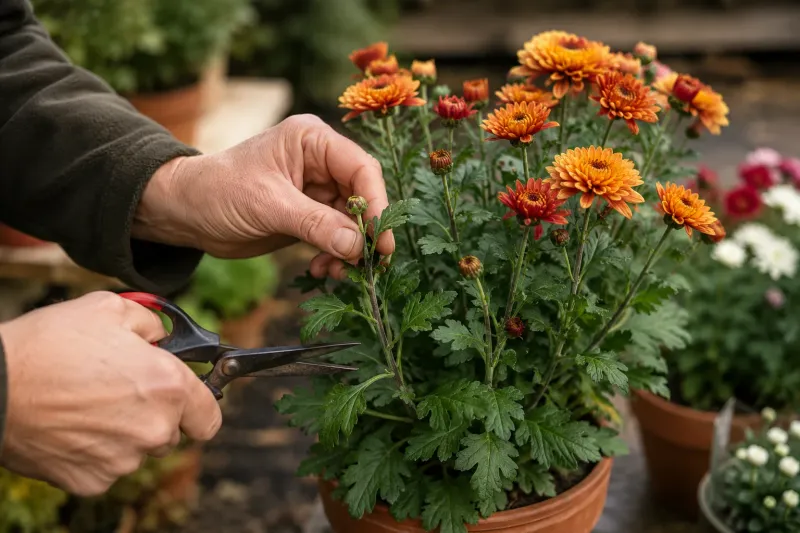
Next comes deadheading, which just means pinching or snipping off spent, faded flowers. Removing the old blooms keeps the plant looking tidy and pushes it to open more buds.
Run your fingers over the plant every few days and pluck anything brown. It takes only a minute and makes a big difference.
Keep the plants out of harsh wind when you can, and move lightweight pots to shelter during the first hard frost. A frost cloth or old sheet tossed over them overnight can protect the blooms.
For mums you hope to keep as perennials, get them ready for winter after blooming ends. Leave the dried stems standing until spring, since they help shield the roots.
Then spread a few inches of mulch around the base, like shredded leaves or bark. This blanket keeps the soil temperature steady and guards against freeze and thaw damage.
Come spring, trim away the old growth and watch for fresh green shoots. With just a bit of watering, snipping, and winter prep, your fall mums stay stunning now and stand a better chance of returning to brighten another autumn.