This Fragrant Texas Herb Outperforms Mulch Near The Foundation
Most Texas homeowners put mulch along the foundation and consider the job done. It looks tidy, it keeps moisture in, and it’s the standard approach that nobody questions much.
But mulch near a Texas foundation has a side that most homeowners don’t think about. It retains moisture, it provides excellent cover, and it creates exactly the conditions that roaches, termites, and other unwanted foundation visitors find most appealing.
There’s a better option. And it smells incredible. One fragrant Texas herb has been earning serious attention from homeowners who have replaced foundation mulch with it, and the results are exactly what you’d hope for.
It covers the ground effectively, tolerates the harsh conditions right up against a Texas foundation, deters the pest insects that mulch tends to attract, and transforms a purely functional landscape area into something that smells genuinely wonderful every time you walk past.
It’s drought tolerant, low maintenance, and available at most Texas nurseries without any difficulty.
Prostrate Rosemary Creates A Living Groundcover
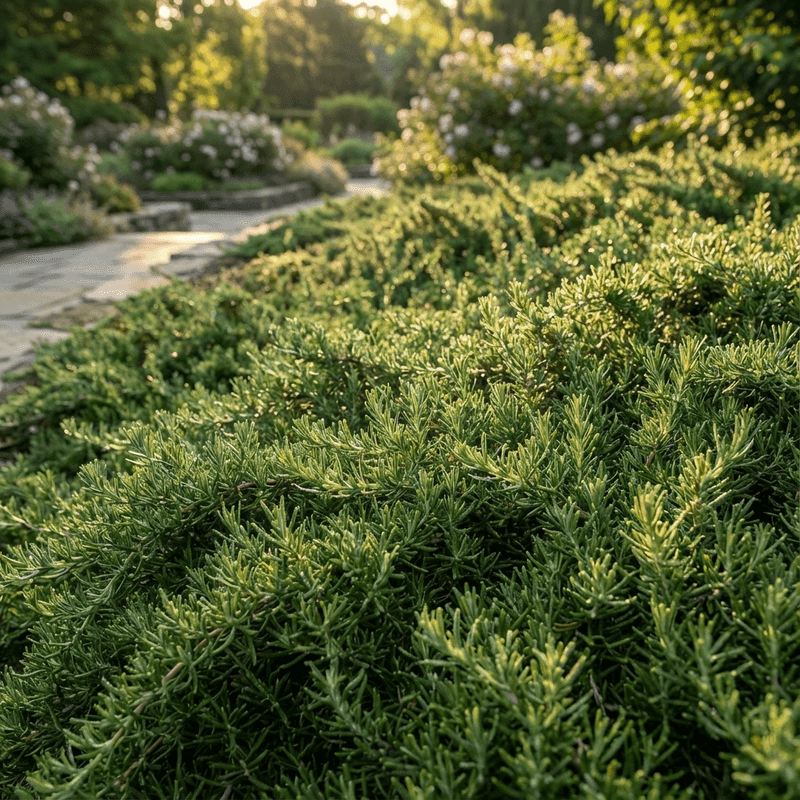
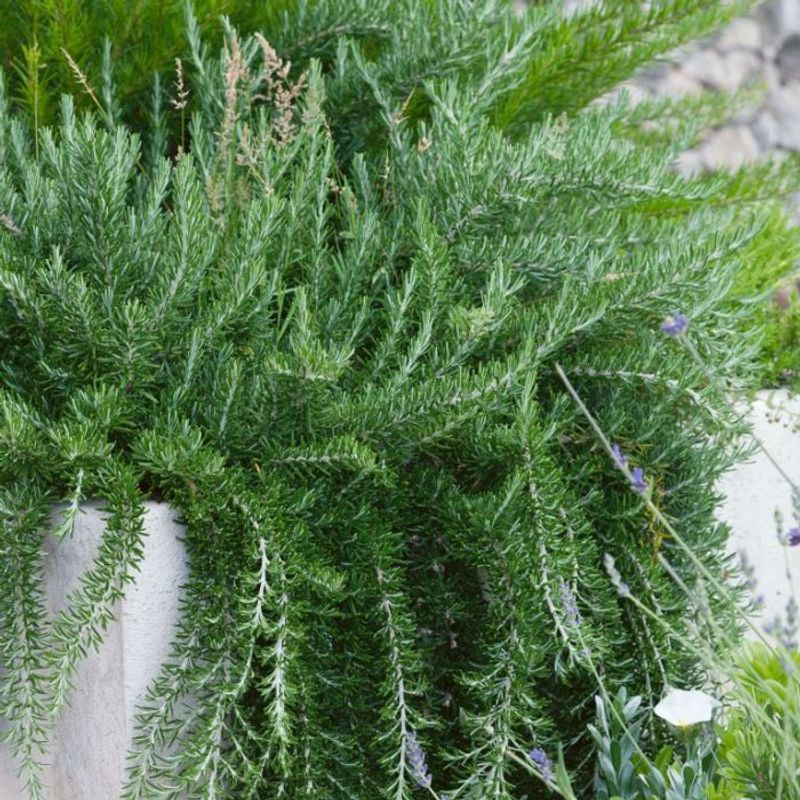
Walk past a bed of prostrate rosemary on a warm Texas morning, and the scent alone will stop you in your tracks. Unlike upright rosemary, the prostrate variety grows outward instead of upward, sending long, flexible stems across the soil in every direction.
It creates a thick, aromatic mat that covers the ground around your foundation the same way mulch does, but with a living, breathing layer that actually improves over time.
Most prostrate rosemary plants spread anywhere from two to four feet wide, sometimes even more in ideal conditions.
That spreading habit makes it perfect for filling in the bare soil along sunny foundation beds where you would normally dump a bag of wood chips every spring.
Instead of replacing material each season, you just let the plant do its thing. It roots as it spreads, anchoring itself firmly and becoming more drought-tolerant with each passing year.
Fragrance is a bonus that mulch simply cannot offer. Every time the wind blows or you brush against the stems while walking by, you get a fresh burst of that classic herbal scent.
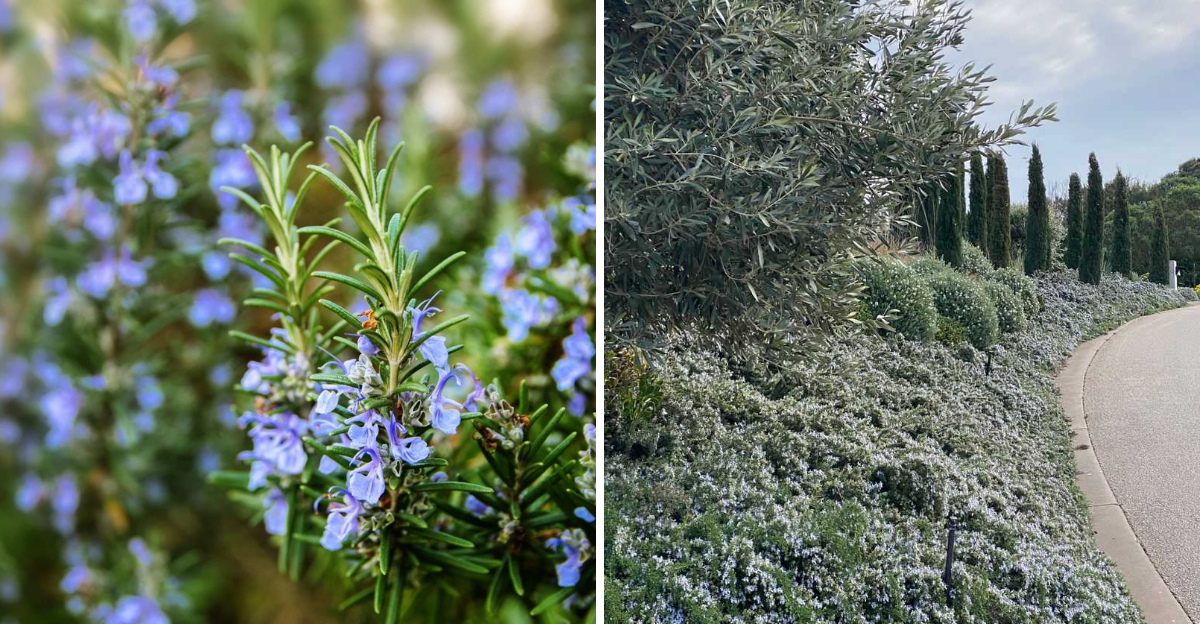
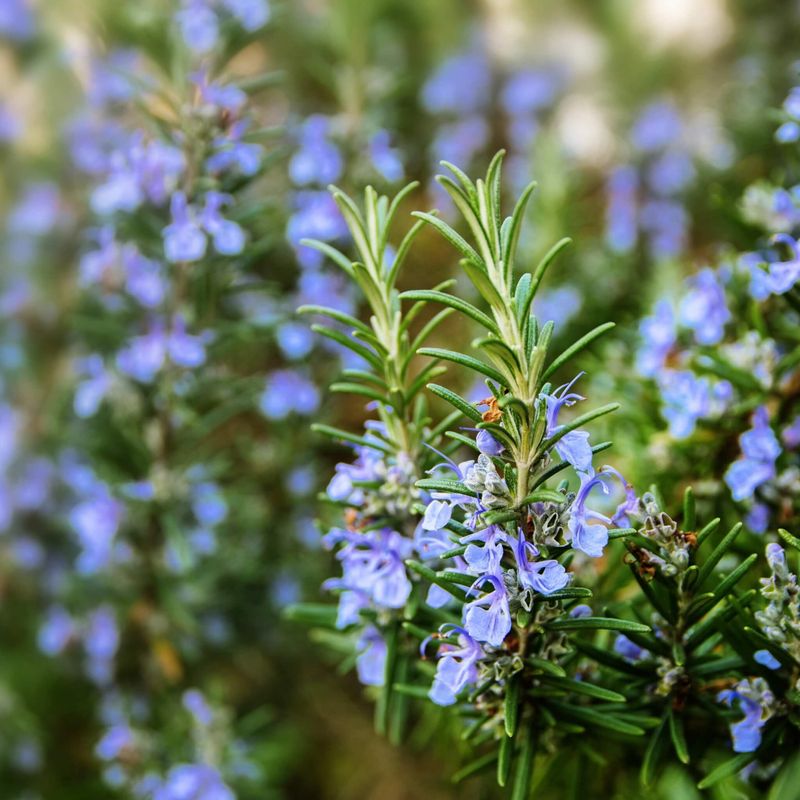
Bees and butterflies love it too, especially when small blue flowers appear in late winter or early spring. The plant is evergreen in most parts of Texas, meaning it stays green and attractive even through mild winters.
For foundation beds that need year-round coverage without constant upkeep, prostrate rosemary is a genuinely smart swap that looks polished, smells wonderful, and performs better season after season than traditional mulch ever will.
It Handles Texas Heat And Dry Conditions
Texas summers are no joke. Temperatures regularly climb past 100 degrees, and the sun beats down on south and west-facing foundation beds with almost no mercy.
Most plants struggle in these conditions, but prostrate rosemary was practically built for them. Native to the dry, rocky hillsides of the Mediterranean, this herb feels right at home in hot, exposed landscapes where other groundcovers simply give up.
Once established, which usually takes one full growing season, prostrate rosemary becomes remarkably drought-tolerant. Its needle-like leaves are coated with a natural resin that helps the plant hold moisture and reflect heat.
Your Texas Garden Changes Every Week. Your Plan Should Too.
Gardening in Texas changes quickly throughout the season. Every Friday you’ll receive a simple weekly plan showing exactly what to plant, prune, fertilize, harvest, and protect so you never miss the right timing.
That same resin is what gives rosemary its powerful fragrance. So the hotter and drier things get, the more aromatic your groundcover becomes. That is a pretty good trade-off for a Texas summer.
Exposed foundation beds along the south or west side of a house are usually the hardest spots to keep planted. The reflected heat from brick or concrete walls makes conditions even more intense.
Prostrate rosemary handles that reflected heat without missing a beat. It does not wilt dramatically during afternoon heat waves the way many flowering groundcovers do.
The foliage stays firm and green, keeping the bed looking tidy even on the hottest days. For homeowners who want a low-effort planting in a tough spot, this herb checks every box.
It thrives where others struggle, asks for very little in return, and rewards you with consistent, attractive coverage through even the most brutal Texas summers without needing constant attention or supplemental watering once it settles in.
The Soil Must Drain Well
Here is something a lot of new gardeners learn the hard way: rosemary loves neglect more than it loves attention. Give it too much water or stick it in heavy, poorly draining soil, and the roots will suffer quickly.
Soggy soil is the number one reason prostrate rosemary fails near foundations in Texas. Before you plant a single stem, take a good look at your soil and make sure it drains the way it should.
A simple test can save you a lot of trouble. Dig a hole about a foot deep and fill it with water.
If the water drains away within an hour, your soil is probably fine. If it is still sitting there two or three hours later, you have a drainage problem that needs to be fixed before planting.
Adding coarse sand, crushed granite, or a quality raised bed mix can open up heavy clay soils and give rosemary roots the breathing room they need to stay healthy.
Low spots along the foundation are especially risky. Rainwater naturally flows toward the lowest point in a bed, and if your rosemary is sitting in that low spot, the roots will stay wet far too long after every storm.
Grading the soil slightly away from the house solves two problems at once. It protects your foundation from water intrusion and gives your rosemary the fast-draining conditions it prefers.
Sandy loam or rocky soil with good structure is ideal. If your native soil is mostly clay, amending a wide planting area rather than just the individual planting hole gives roots space to spread without hitting a wet wall of clay just inches away.
It Helps Cover Bare Soil

Bare soil is an open invitation for weeds. Anyone who has ever left a garden bed empty for a few weeks in Texas knows exactly how fast opportunistic plants move in and take over.
Prostrate rosemary fights back against that problem naturally. Its dense, low-growing stems spread across the soil surface and shade out the ground beneath them, making it much harder for weed seeds to germinate and take hold.
Beyond weed suppression, the plant does something mulch cannot: it softens hard edges. Foundation walls, concrete walkways, and brick borders can look stark and uninviting without something flowing over or around them.
Prostrate rosemary drapes gracefully over these surfaces, blurring the line between hardscape and garden in a way that looks intentional and polished. It adds a sense of fullness and life to spots that might otherwise feel cold or unfinished.
The coverage only improves with time. In the first year, plants fill in slowly as they get established.
By the second and third year, the mat becomes noticeably thicker and more effective at shading the soil below. Some gardeners plant rosemary on six to twelve inch centers to speed up coverage in the first season.
As the stems spread and overlap, they create a nearly seamless carpet of fragrant green. Soil erosion along sloped foundation beds is also reduced, since the spreading root system holds soil in place during heavy rain events.
For a plant that costs just a few dollars at a local nursery, the long-term payoff in coverage, weed reduction, and visual appeal is genuinely impressive and hard to match with any bagged mulch product.
Keep It Away From Constant Irrigation

Overwatering is a sneaky problem. Plants can look perfectly fine on the outside while their roots are struggling beneath the surface.
Prostrate rosemary is especially sensitive to too much moisture, and foundation beds that are tied into an automatic irrigation system can become a problem zone fast.
If your sprinklers run on a fixed schedule several times a week, your rosemary may be getting far more water than it actually needs.
New transplants do need regular watering to get established. For the first four to six weeks after planting, water every two to three days, especially during hot weather.
Once the plant shows new growth and looks settled in, start pulling back. Established prostrate rosemary in Texas typically does fine with deep watering once every ten to fourteen days during summer, and even less during cooler months.
The key word is deep. A slow, thorough soak encourages roots to grow downward, which makes plants more resilient during dry stretches.
Root problems caused by excess moisture often show up as yellowing foliage, mushy stems near the soil line, or a sudden decline in an otherwise healthy-looking plant. If you notice any of these signs, cut back on watering immediately and check the soil drainage.
Separating rosemary from high-frequency irrigation zones is often the easiest fix. You can hand-water it on its own schedule or install a separate drip line with a longer interval.
Giving this herb the dry conditions it prefers is not neglect. It is exactly the kind of care that keeps prostrate rosemary looking full, fragrant, and thriving for many years near your foundation.
Use It Where Sunlight Is Strongest
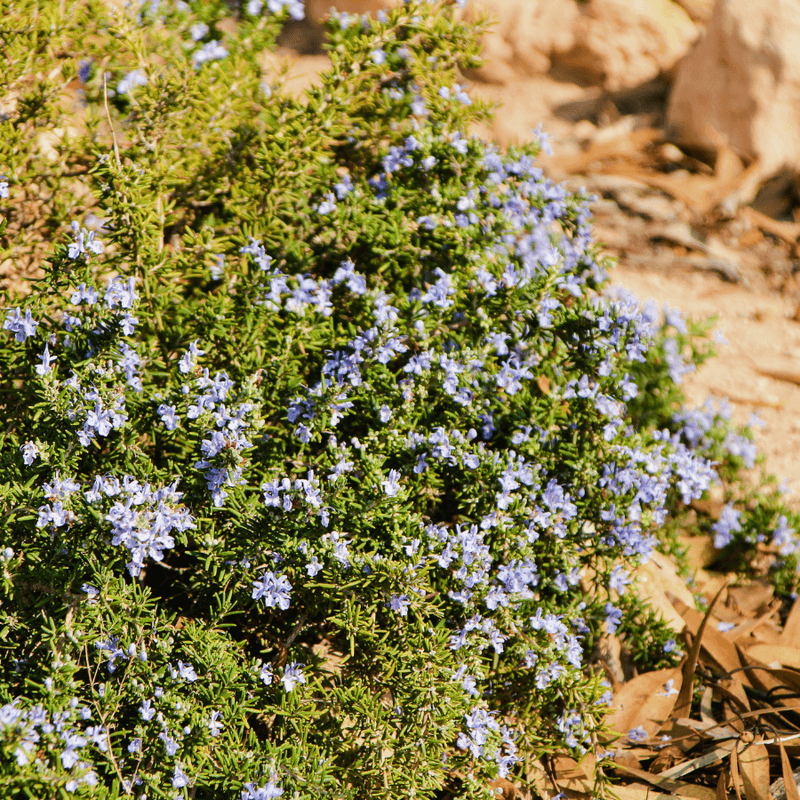
Sunlight is not optional for prostrate rosemary. It is essential. Full sun, meaning at least six to eight hours of direct sunlight each day, is what brings out the best in this plant.
Foundation beds that face south or west are usually the sunniest spots on the property, and they happen to be exactly where rosemary performs at its absolute peak. More sun means faster growth, better fragrance, and more frequent flowering.
Shady foundation beds are a different story. On the north side of a house, or anywhere blocked by large trees or overhangs, rosemary tends to grow slowly and become leggy.
The stems stretch toward whatever light they can find, and the plant loses its dense, mat-forming habit. In deep shade, it may struggle to maintain healthy growth at all.
Those spots are better suited to shade-tolerant groundcovers like Asian jasmine, liriope, or cast iron plant, which actually prefer low-light conditions.
Matching the right plant to the right location is one of the most important decisions you can make in landscaping. Placing prostrate rosemary in a sunny, well-drained foundation bed is not just a good idea.
It is the combination that unlocks everything the plant has to offer. The fragrance becomes more intense in heat.
The blue flowers appear more reliably. The spreading habit stays compact and tidy rather than leggy and loose.
For Texas homeowners dealing with a hot, sun-baked foundation bed that seems impossible to plant successfully, prostrate rosemary is the answer you have been looking for. Put it in the sun, give it room to spread, and watch it completely transform that space.