This Nearly Invisible Pest Is Hiding In Maine’s Hemlock Trees
Picture a hemlock tree fading slowly while it still looks green to you. You probably walk right past it without noticing anything unusual at all. Maine’s hemlock forests now face something you cannot see.
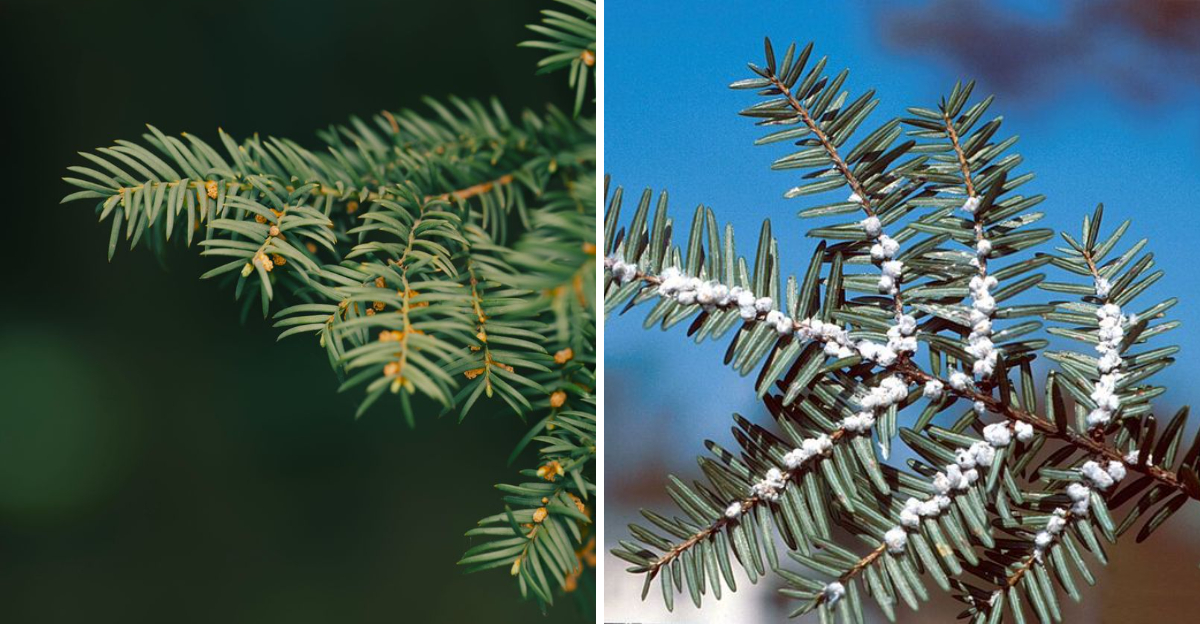
Scientists watched this insect creep northward long before it reached you. Tiny white tufts on hemlock needles are the only clue you get. Owning wooded property in Maine puts you directly in this pest’s path.
Your hemlocks could already be affected without you realizing it. Wildlife you love depends on these evergreens for shelter and shade. Streams near you stay cooler because hemlock canopies block direct sunlight.
Losing these trees would reshape landscapes you have always taken for granted. Foresters warn you this insect spreads faster than most people realize.
Ignoring the signs only speeds up the change happening around you. This quiet threat is already closer than you think, and it demands your attention.
What Is The Hemlock Woolly Adelgid
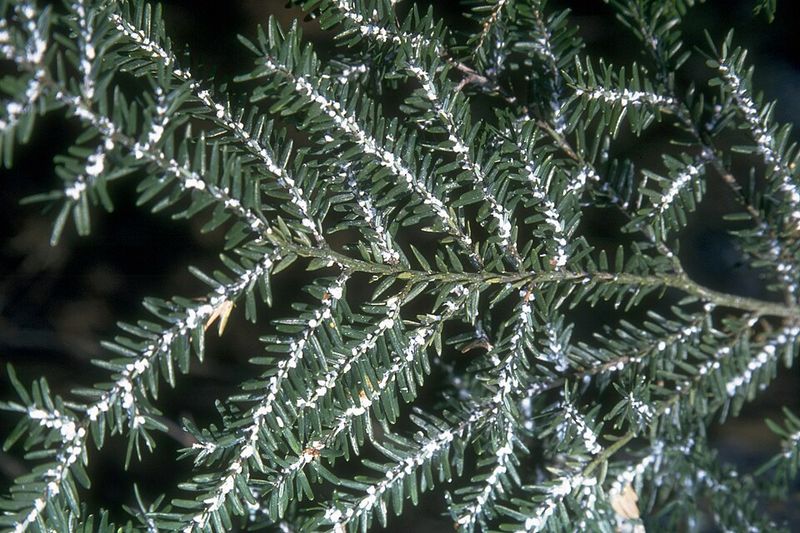
Picture a bug so small it looks like a speck of lint. That is the hemlock woolly adelgid, and it has been affecting hemlock trees across the eastern United States for decades.
Originally from Asia, this invasive insect arrived in Virginia around 1951. It spread north over time, and now it threatens forests in the Northeast, including those in Maine.
The pest gets its name from the white, woolly egg sacs it produces. These fluffy clusters attach to the undersides of hemlock branches, making the bug look more like fuzz than a living creature.
Each tiny insect is only about one millimeter long. Without a magnifying glass, most people would never spot one on their own.
What makes this pest especially damaging is how it feeds. It pierces the base of hemlock needles and drains the tree of stored starches it needs to survive.
A single female can lay up to 300 eggs in her lifetime. Those eggs hatch into nymphs that spread across branches and begin feeding almost immediately.
Two generations of the pest can hatch in a single year. That means populations can grow quickly, straining the tree’s defenses before a homeowner even notices something is wrong.
Hemlock trees are a cornerstone species in northeastern forests. They shade cold streams, shelter wildlife, and anchor entire ecosystems, so losing them has consequences far beyond the trees themselves.
Signs Of Infestation On Hemlock Trees
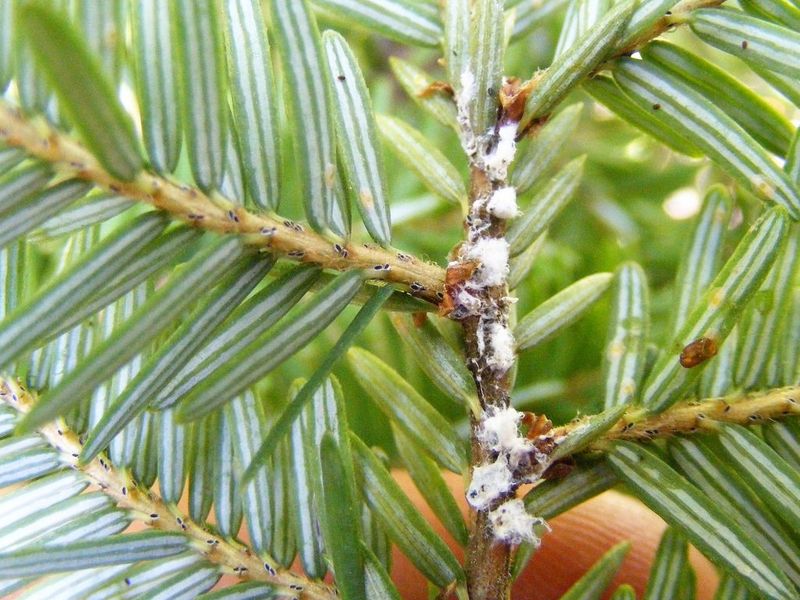
Your hemlock looks a little off, but you cannot figure out why. That nagging feeling might be your first clue that something is very wrong underneath those branches.
The most obvious sign of hemlock woolly adelgid is the white woolly masses on branch undersides. They appear at the base of needles and look almost like tiny cotton balls stuck to the twigs.
These clusters are visible year-round, which makes winter a surprisingly good time to scout for them. Snow on the ground actually helps you spot the white fuzz against dark branches more easily.
Your Maine Garden Changes Every Week. Your Plan Should Too.
Gardening in Maine changes quickly throughout the season. Every Friday you’ll receive a simple weekly plan showing exactly what to plant, prune, fertilize, harvest, and protect so you never miss the right timing.
Needle color is another early warning signal. Healthy hemlock needles are a rich, dark green on top with two white lines underneath. Infested needles turn grayish-green, then eventually yellow before dropping off.
Branch decline usually starts at the top of the tree and works its way down. By the time you notice bare branches near the crown, the pest has likely been present for a year or more.
Thinning foliage is another red flag worth watching for. When a hemlock starts looking sparse or see-through, that is a sign the tree is declining quickly.
Some trees also show stunted new growth in spring. Young shoots may be smaller than normal or fail to emerge at all in heavily infested sections.
Checking your trees in late fall or early spring gives you the best chance of catching an infestation early. Early detection is your most powerful tool against this pest.
Why This Pest Is Spreading Through Maine
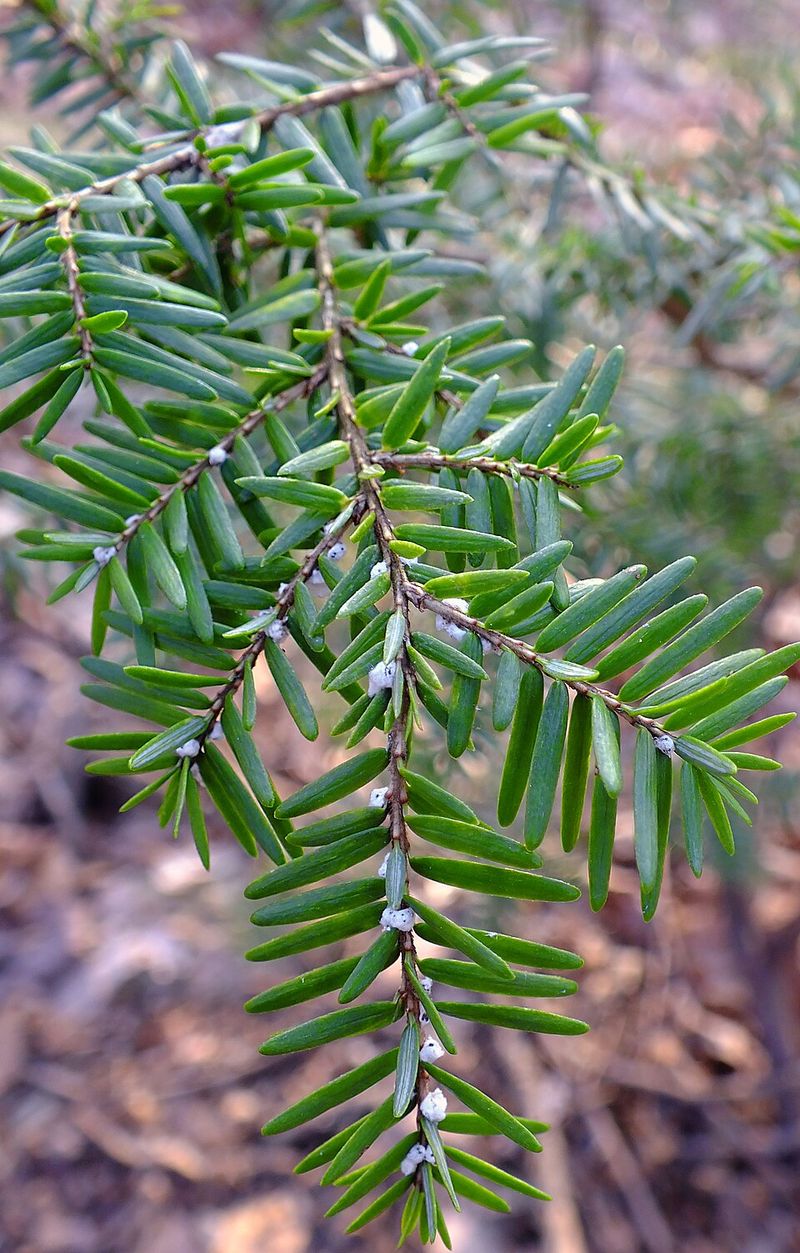
Maine was once considered a safe zone for hemlocks because cold winters kept the pest in check. Warmer temperatures in recent years have begun to shift that balance.
Milder winters mean more adelgid nymphs survive to adulthood. What used to be a natural population control is now far less reliable than it once was.
The pest also travels in surprising ways. Wind can carry the tiny crawlers from tree to tree, especially during the active nymph stage in spring when they are lightest and most mobile.
Birds are another major vehicle for spread. When birds perch or nest in infested hemlocks, adelgids can hitch a ride on feathers and travel to new locations miles away.
Human activity plays a significant role as well. Moving firewood from infested areas to new locations is one of the fastest ways this pest jumps across regions.
Logging equipment, hiking boots, and even clothing can carry crawlers without anyone realizing it. A single scouting trip through the wrong forest can unknowingly transport the insect to a clean site.
Maine’s hemlock forests are dense and interconnected, which creates ideal conditions for rapid spread. Once the pest establishes in one stand, neighboring trees become vulnerable almost immediately.
According to the Maine Forest Service, confirmed infestations have been concentrated in the state’s southern and coastal counties. The pest continues to move north, and recent surveys suggest its range may be expanding.
How Infestation Affects Hemlock Health
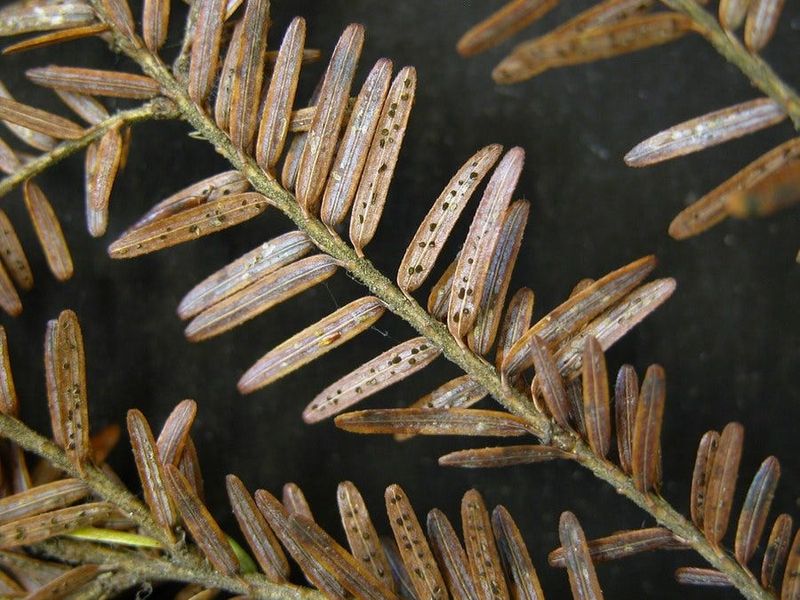
Watching a hemlock decline is a slow, gradual process. The tree does not decline overnight, but the damage builds gradually over time.
After the pest begins feeding, the hemlock loses its ability to produce new growth effectively. The insect drains stored nutrients from the base of each needle, reducing the tree’s energy supply.
Needles that lose their stored starches cannot photosynthesize properly. Without photosynthesis, the tree cannot make the food it needs to sustain branches, roots, or new buds.
In the first year or two, you might only notice a slight thinning of the canopy. The tree looks tired but still alive, which is why so many people miss the early window for treatment.
By year three or four, significant needle drop begins. Bare branches become visible, and the once-dense canopy starts to look skeletal and open.
Root systems also weaken as the tree’s energy reserves drop. A hemlock with compromised roots becomes far more vulnerable to drought, wind, and secondary infections from fungi or bark beetles.
Heavily infested trees typically decline over four to ten years. Some trees in poor soil or drought-stressed locations may deteriorate much faster than that timeline suggests.
When a large hemlock falls in a forest, it opens the canopy and changes the microclimate below. That shift affects every plant, animal, and stream that depended on that tree’s shade and shelter.
Ways To Protect Your Hemlock Trees
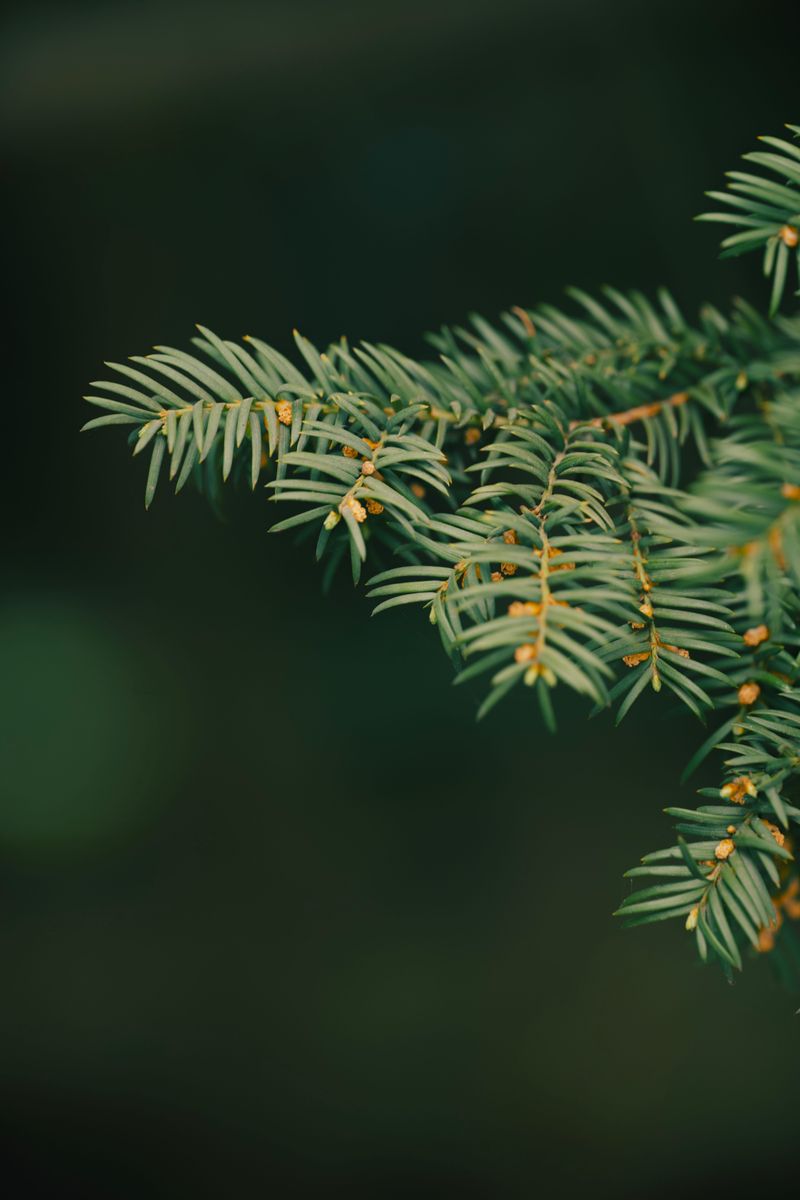
There are effective ways to respond to this pest. Several treatment options exist, and acting early makes all the difference for your trees.
Soil injection and soil drench treatments using imidacloprid are among the most widely used methods. A licensed applicator injects the chemical near the root zone, and the tree absorbs it through its vascular system.
The insecticide moves up into the needles, where feeding adelgids ingest it and are controlled. Depending on soil conditions and tree size, treatments are generally reported to protect a tree for several years, though exact duration varies by product.
Trunk injection is another effective approach, especially for large trees near water. This method delivers the treatment directly into the tree without risk of the chemical leaching into nearby streams or wetlands.
Horticultural oil sprays work well for smaller, accessible trees. Applied in late winter or early spring, the oil coats the egg sacs and prevents them from hatching successfully.
Insecticidal soap is a gentler option that can also suppress populations on lower branches. Coverage is critical with this method, so every branch underside needs thorough contact with the spray.
Keeping your hemlocks healthy through proper watering and mulching also builds their resilience. A stressed tree declines faster, so basic care genuinely matters in efforts to manage this pest.
Consulting a certified arborist is strongly recommended before starting any treatment. Professional guidance ensures the right product is used at the right time for the best possible outcome.
Reporting This Pest If You Spot It
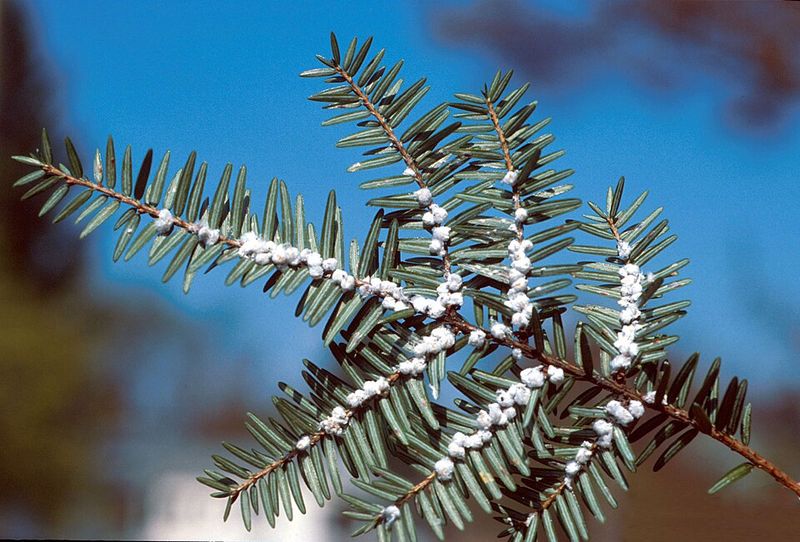
Spotted something fuzzy on a hemlock branch? Do not brush it off and walk away. Your report could help protect more trees across the state.
The Maine Forest Service actively tracks hemlock woolly adelgid sightings. They rely heavily on reports from everyday residents, hikers, and property owners to map the spread of this invasive insect.
You can submit a report through the Maine Department of Agriculture, Conservation and Forestry website, where an online form allows you to attach photos directly from your phone.
The iMapInvasives app is another useful tool for reporting. It allows users to submit sightings that feed into state tracking databases.
When reporting, try to note the location as precisely as possible. A GPS pin from your phone is ideal, but a road name or landmark description works well too.
Take close-up photos of the white woolly clusters if you can. Clear images help state experts confirm the identification quickly and prioritize their response in the field.
Early reports from the public have already helped officials catch new infestations before they spread further. Your observation from a weekend hike can prompt a follow-up assessment from state foresters.
Protecting hemlock trees from this nearly invisible pest starts with awareness and action. Every sighting you report is one more data point that helps keep Maine’s forests standing strong for years to come.