This Illinois Wildflower Grows Nowhere Else On Earth But A Few Prairie Acres
Picture a wildflower that grows nowhere else on this planet. You could walk right past it and never notice. Botanists have argued over its identity for more than a century, and still cannot agree.
Illinois quietly guards this secret inside a single river. Gardeners once traveled far just to pocket its seeds. Nobody expected a flower this rare to endure heat. Heat, oddly enough, helps its seeds finally sprout.
Rangers now watch over this patch like treasure. Nothing this pink should feel this wildly improbable. Scientists still argue whether it belongs here at all. Storms alone could quietly threaten its entire global population without warning.
Few acres separate this plant from complete disappearance. That fragile math makes every single bloom feel urgent. Curiosity about endurance like this never really fades.
Your next few minutes could change how you see Illinois. What you discover next will not let you stop reading.
A Flower With One Address On The Whole Planet
Kankakee mallow, known to scientists as Iliamna remota, holds a title almost no other plant in the Midwest can claim. Its natural home is Langham Island, a small piece of land sitting in the Kankakee River in Illinois.
The island covers a small area, only a fraction of which supports the mallow’s habitat. Imagine a species whose entire wild population could be walked past in a single afternoon stroll.
Plants with such tiny ranges are called endemics. Islands, mountaintops, and odd patches of unusual soil tend to produce them, because those places stay isolated long enough for something unique to settle in.
Langham Island fits that description surprisingly well. Limestone bedrock sits close to the surface, the river floods in spring, and prairie plants cling to thin gravelly ground that trees struggle with.
The plant was first collected there on June 29, 1872, by botanist Ellsworth Jerome Hill, and the scientific community has been fascinated since. The species name, remota, hints at just how out-of-the-way the whole situation felt to early researchers.
For visitors, the practical lesson is simple. Small habitats can hold enormous value, and a place that looks like an overgrown gravel bar might be the only home a species has.
If you ever paddle the Kankakee River in July, look toward the island. Those pink blossoms nodding above the grass are growing in the only wild spot on Earth they have ever occupied.
Papery Pink Blooms That Look Like Wild Hollyhocks
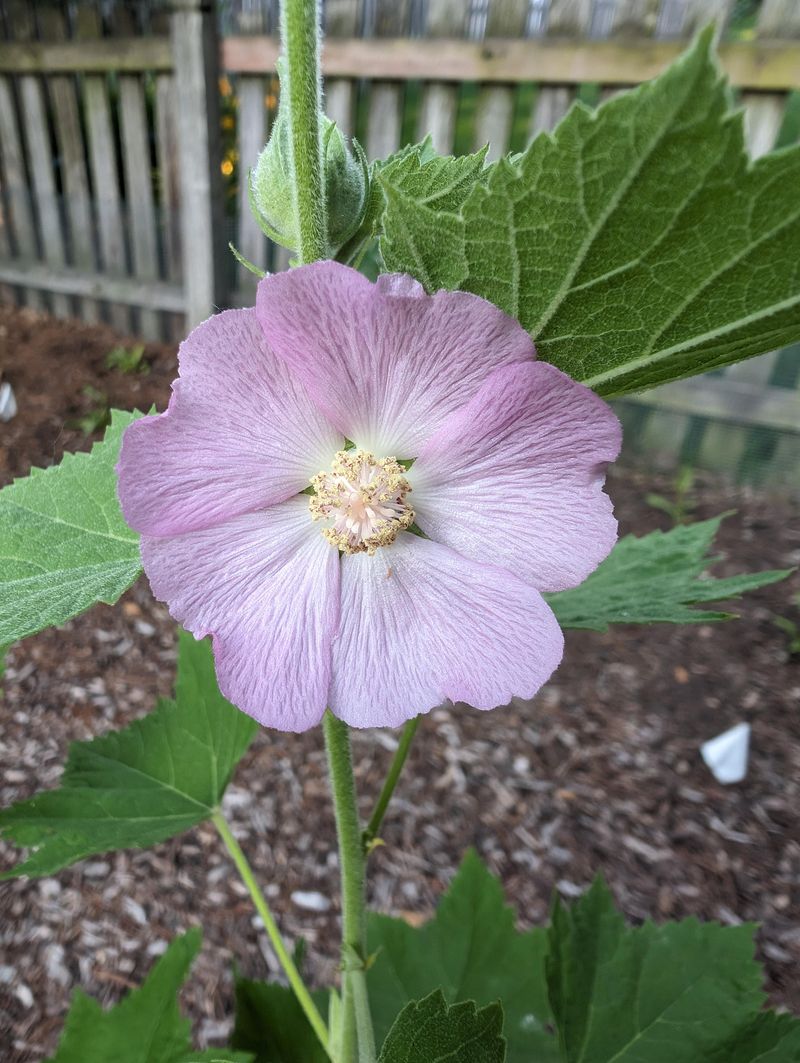
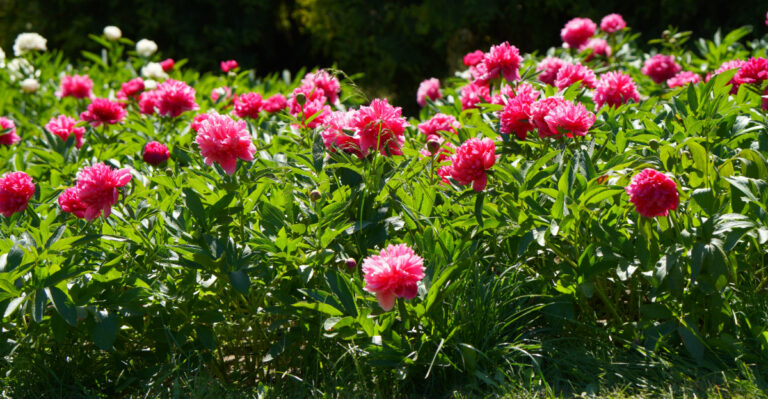
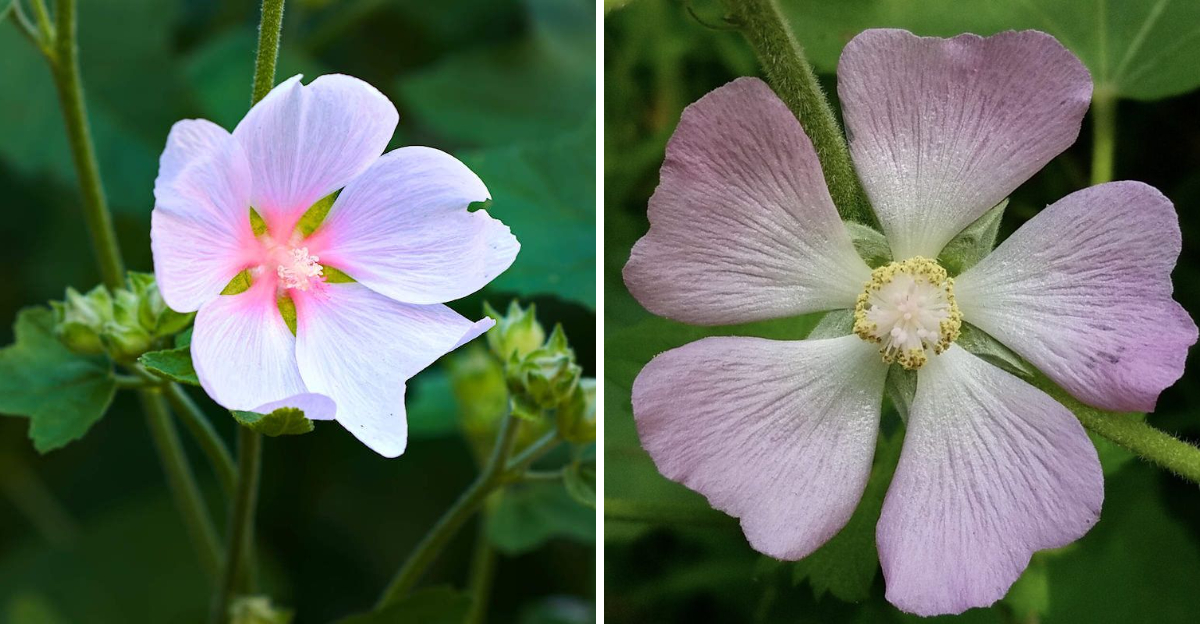
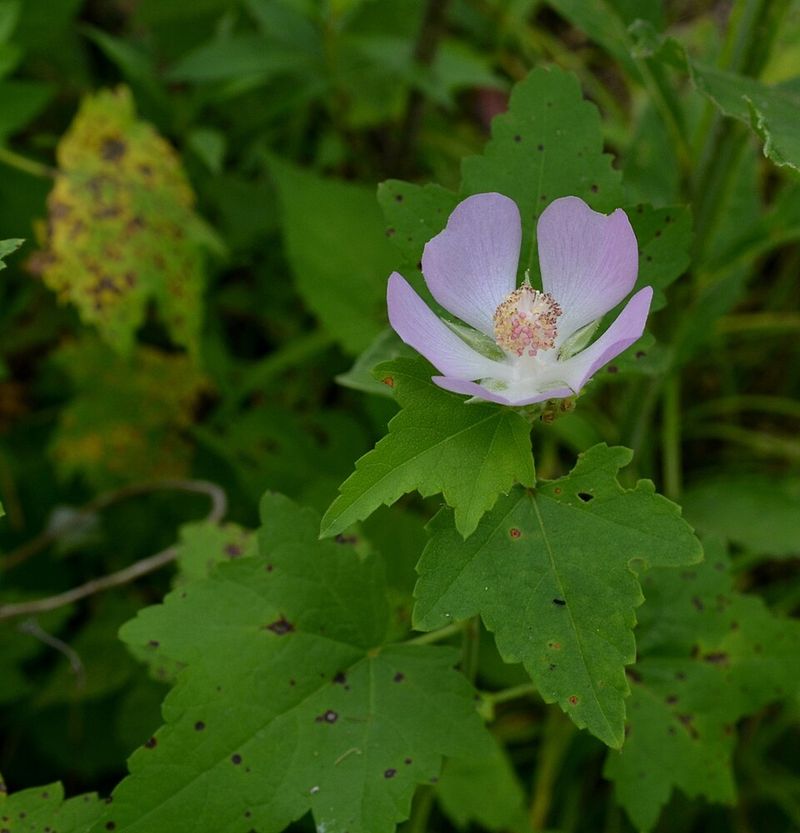
Picture a hollyhock that decided to go feral, and you are close. Kankakee mallow throws up stems that can reach five to six feet, topped with clusters of soft pink blossoms about two inches across.
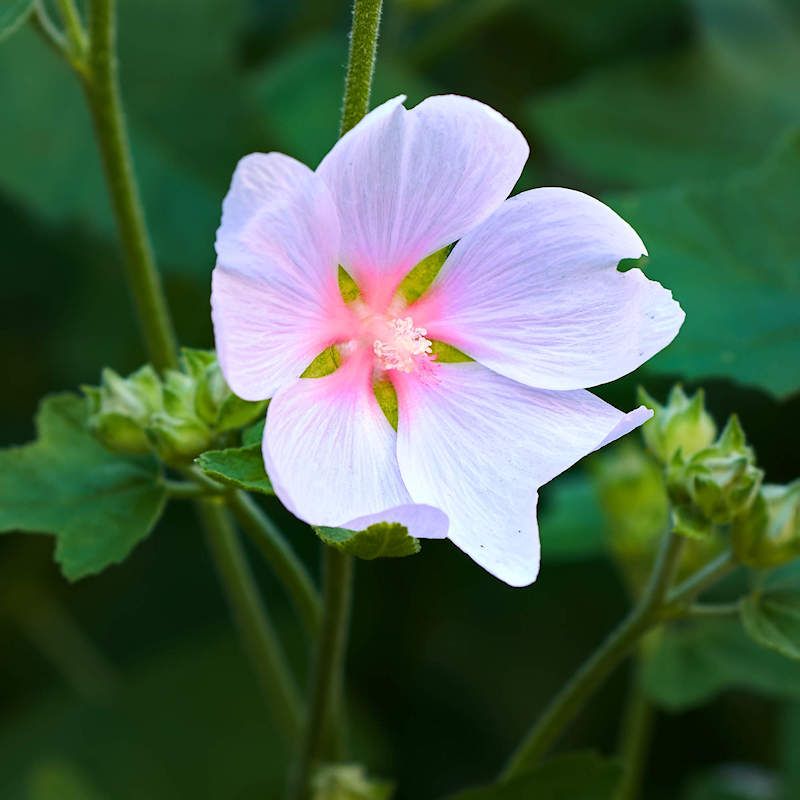
Each flower has five petals with a slightly crinkled, tissue-paper texture. In the center sits a column of stamens, the classic signature of the mallow family that also includes hibiscus, okra, and cotton.
The leaves help with identification too. They are broad and lobed, shaped a bit like maple leaves, with a fuzzy surface that feels almost like felt against your fingers.
Your Illinois Garden Changes Every Week. Your Plan Should Too.
Gardening in Illinois changes quickly throughout the season. Every Friday you’ll receive a simple weekly plan showing exactly what to plant, prune, fertilize, harvest, and protect so you never miss the right timing.
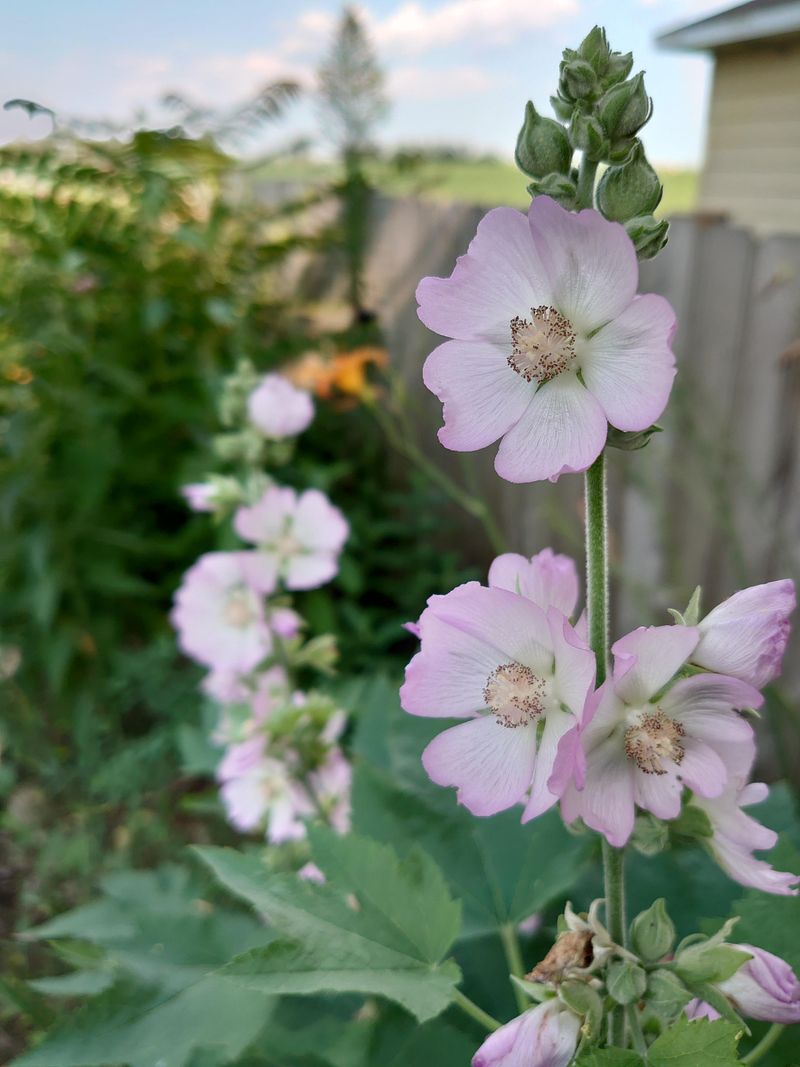
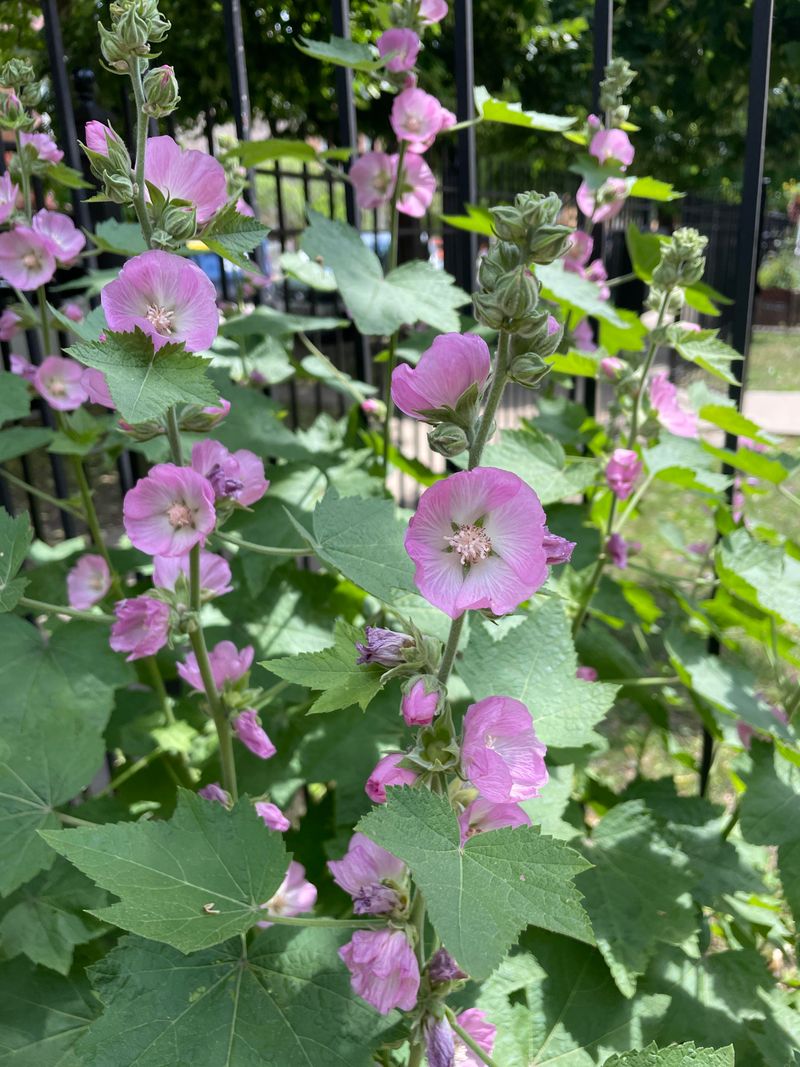
Bloom time generally runs from July into August, sometimes stretching a little later depending on weather. Bees work the flowers eagerly, and the plant produces small seed capsules that break apart into segments once they ripen.
Gardeners who have grown it describe a plant that behaves like a well-mannered perennial hibiscus relative. It appreciates sun, tolerates lean soil, and does not demand pampering once established.
Confusion is common, though. Common mallow, musk mallow, and various rose mallows all share that five-petal look, so location and leaf shape matter when telling them apart.
Fun detail worth remembering: mallow relatives often have mucilage in their tissues, the slippery substance that makes okra thick in soup. That family trait connects a rare Illinois wildflower to the marshmallow plant your ancestors may have used for sore throats.
Langham Island, The Tiny Preserve Behind It All
Langham Island sits within Kankakee River State Park, reachable only by water or a short wade when levels drop. There is no bridge, no parking lot, no gift shop.
That isolation shaped the island’s plant life. Bedrock close to the surface, seasonal flooding, and open gravel created conditions where prairie species thrived while forest struggled to take over.
Illinois recognized the spot as a nature preserve, giving it the state’s strongest land protection status. Nature preserve designation means the land is managed for its natural features rather than recreation.
Even with protection on paper, the island’s habitat declined significantly. Access difficulties meant few people checked on it regularly, and management fell behind.
When botanists surveyed the island again in the summer of 2014, they found the mallow’s population had vanished entirely. Shrubs and invasive species had shaded out the sunny gaps the wildflower depends on.
Volunteers eventually launched an organized rescue effort, hauling tools across the river channel to reopen the habitat. Their work turned a period of decline into one of the region’s better conservation stories.
Visiting requires planning and respect. Paddlers should check park rules, avoid trampling vegetation, and understand that nature preserves have stricter guidelines than ordinary parkland.
The bigger takeaway applies far beyond one river. Protected status alone does not maintain a habitat, because sunlight, fire, and active care matter just as much as a line on a map.
Seeds That Waited Decades Underground
Here is the part of the story that may seem unusual. After years with no visible plants, volunteers cleared brush on Langham Island, and mallow seedlings appeared by the hundreds.
The explanation lies in the seed bank. Many prairie plants produce hard-coated seeds that stay viable in soil for years, sometimes decades, waiting for the right signal.
For Kankakee mallow, that signal appears to involve heat and light. Fire and sudden sun exposure crack dormancy and tell buried seeds that competition has cleared out.
Volunteers cut invasive shrubs, opened the canopy, and applied controlled burns in cooperation with land managers. Within a season or two, pink blooms returned to ground that had looked empty.
Gardeners can borrow the concept. Some hard-seeded perennials germinate better after scarification, which means lightly nicking or sanding the seed coat before planting.
Soaking seeds in warm water or giving them a cold, damp stratification period also mimics natural cycles. Patience helps, since a few stragglers may sprout in the second year.
The seed bank idea also changes how people judge a landscape. A weedy, shaded lot might still hold genetic memory of the plants that grew there generations ago.
That possibility gives restoration work a hopeful edge. Clearing the wrong plants sometimes does more than tidy a site, because it hands buried potential a second chance at sunlight.
The Long Argument Over What To Call It
Botanists love a good taxonomic puzzle, and this plant delivered one. Kankakee mallow is closely related to Iliamna rivularis, a mallow of the Rocky Mountains hundreds of miles west.
The similarity is strong enough that some researchers treat the Illinois plant as a variety of that western species rather than a separate one. Others argue the differences justify full species status.
How does a mountain-type mallow end up on a river island in Illinois? One idea suggests a glacial-era population that survived after the climate shifted, leaving a stranded remnant.
Another possibility involves seeds carried east by birds, animals, or even early human travel. A third camp has wondered whether the population arrived accidentally with railroad ballast or livestock.
Genetic studies have offered clues without ending the debate entirely. Scientific names change as evidence accumulates, and that flexibility is a feature rather than a flaw.
For everyday plant lovers, the naming dispute matters less than the outcome. Conservation dollars and legal protection often depend on whether something counts as a distinct species.
Illinois lists the mallow as state endangered, which supports protection regardless of the academic disagreement. It does not currently appear on the federal endangered species list.
The lesson is a useful one for any curious naturalist. Science is a conversation, and the labels we use represent the best current understanding rather than a permanent verdict.
Volunteers, Hand Tools, And A Steady Recovery
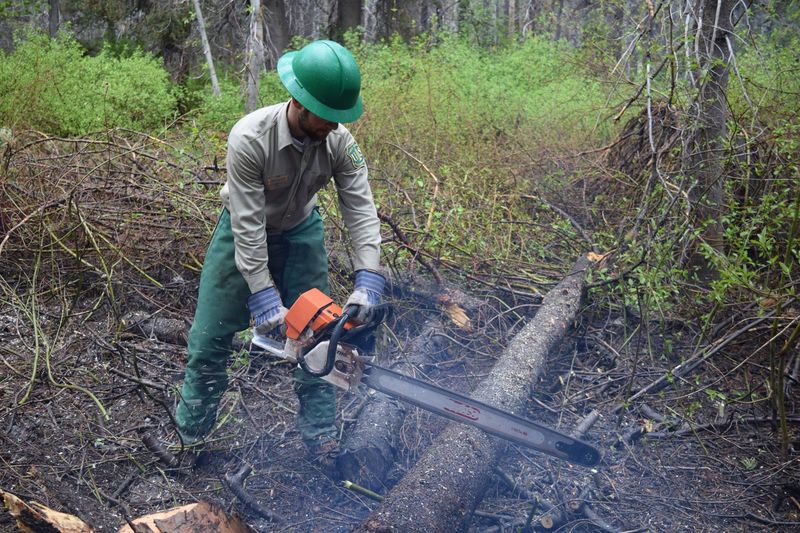
The revival of Langham Island did not come from a big budget. It came from a stewardship group organizing workdays, ferrying gear across the Kankakee River, and showing up repeatedly.
Friends of Langham Island formed after a 2014 canoe trip organized by the Illinois Native Plant Society, with a straightforward goal. Reopen the habitat, control invasive plants, and give the mallow room to grow.
Work included cutting woody brush, removing garlic mustard and other fast-spreading invasive species, and coordinating prescribed burns with the Illinois Nature Preserves Commission. Volunteers documented the results with photos and counts.
Results arrived faster than many expected. A large number of mallow plants appeared over several seasons, along with other prairie species that had been hiding in the seed bank.
Anyone can find a version of this work nearby. Local forest preserve districts, land trusts, and prairie groups host stewardship days that welcome beginners with no experience.
Typical tasks involve seed collecting in autumn, brush cutting in winter, and invasive pulling in spring. Sturdy boots, gloves, long sleeves, and water cover most of what you need.
Beyond the physical labor, volunteers gain something harder to measure. Learning to recognize twenty native plants changes how a person sees every roadside and vacant lot afterward.
The island proves a modest point with real force. A small group with hand tools and persistence can help a rare species recover.
Growing A Rare Native In Your Own Yard
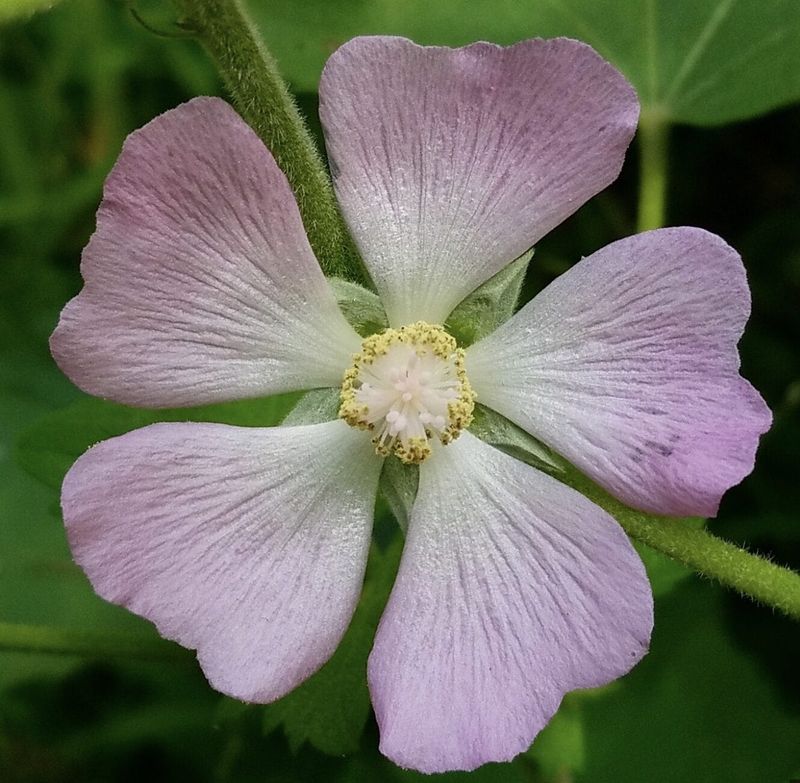
Good news for gardeners interested in rare native plants. Kankakee mallow has been grown in cultivation for decades, and seeds occasionally circulate among native plant enthusiasts and specialty nurseries.
Site selection is the first decision. Full sun, decent drainage, and space for a plant that may reach five feet tall will serve you well.
Soil does not need to be rich. Lean, gravelly, or slightly alkaline ground suits the species, matching the limestone conditions of its home island.
Start seeds indoors after a cold, moist chilling period of about a month, or sow outdoors in late fall and let winter handle it. Light scarification improves germination rates.
Young plants appreciate consistent moisture during their first summer. Once roots establish, the plant handles dry spells with the toughness typical of prairie perennials.
Pair it with little bluestem, purple coneflower, or rattlesnake master for a planting that supports pollinators from early summer through fall. Bees visit the pink blooms enthusiastically.
One important rule applies. Collecting plants or seeds from Langham Island or any nature preserve is prohibited, so source material only from legitimate nurseries or seed exchanges.
Growing rare natives in home gardens does something quietly valuable. It keeps genetic material alive outside the wild population and introduces neighbors to a flower most of the world has never met.